
Red Dock
Rumex aquaticusfam. Polygonaceae
Educational content — not medical, botanical, or professional advice. Always consult a qualified clinician before using any herbal preparation — especially during pregnancy, breastfeeding, while on medication, or for children. How we source & review →
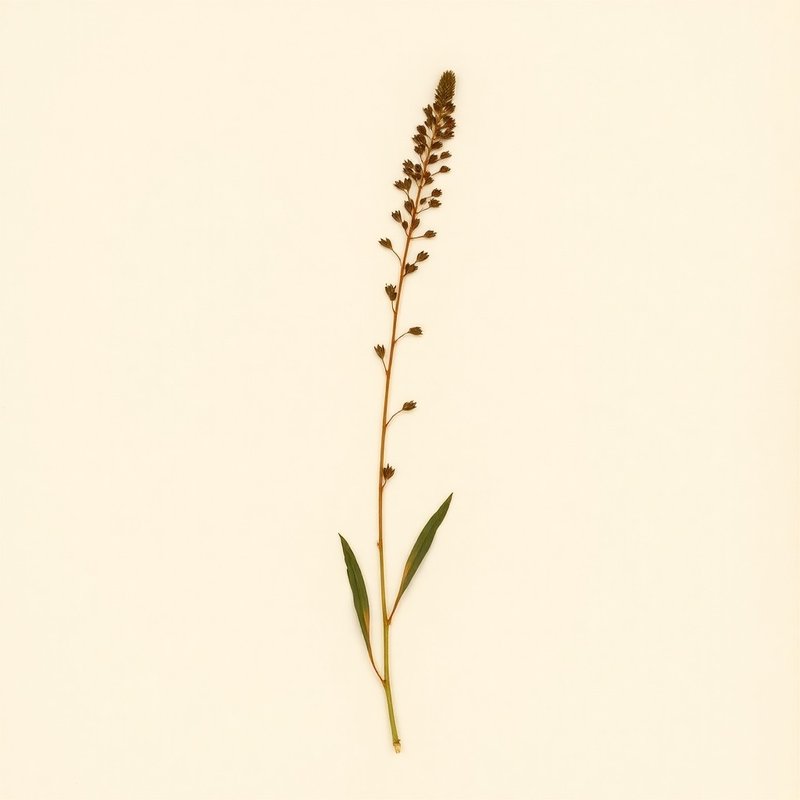
Pl. AA0F — Rumex aquaticus
Rumex aquaticusRumex aquaticusRumex aquaticusRumex aquaticusRumex aquaticusRumex aquaticusRumex aquaticusRumex aquaticusRumex aquaticusRumex aquaticusRumex aquaticusRumex aquaticusRumex aquaticusRumex aquaticus
IPrezentare
Prezentare
Rumex aquaticus (Dock roșu) este o herbară perenială indigenă în zonele umede din Europa Centrală și Orientala, precum și din anumite părți ale Asiai, inclusiv China, Coreea și Rusia. Cunoscut pentru fructele sale comestibile, acest plant se dezvoltă în sucuri de teren cu pH între 7 și 7,5, fiind adaptabil la diferite condiții de creștere. Cu o înălțime maximă de 1,8 metri, Rumex aquaticus este recunoscut pentru preferința sa de habitat umed și capacitatea sa de a crește în sucuri de teren de sâlbac sau argila.
Quick answers
What is Red Dock?
Rumex aquaticus (Dock roșu) este o herbară perenială indigenă în zonele umede din Europa Centrală și Orientala, precum și din anumite părți ale Asiai, inclusiv China, Coreea și Rusia.
What is Red Dock used for?
Traditionally used for topical & skin, digestion. Each claim is evidence-rated — see Section II for full citations.
Best for
Top 2 evidence-ranked uses of Red Dock
Clinicaluses · safety · chemistry · dosagemedicinal profile
IIBeneficii și dovezi
2 claims · 0 sources
Beneficii și dovezi
2 claims · 0 sources- Red Dock has been traditionally used in topical applications for skin conditions, such as rashes and minor irritations.
The plant contains anthraquinones which may have anti-inflammatory properties. However, the specific mechanism is not fully characterised.
- Red Dock has been traditionally used in European herbal medicine for digestive issues, often prepared as a decoction to support gastrointestinal health.
The plant contains tannins and flavonoids which may help reduce inflammation and soothe the digestive tract. However, the specific mechanism is not fully characterised.
IV·bMixology suggestions
1 draft
Mixology suggestions
1 draftEditorial drafts. These pairings are AI-suggested from traditional herbal lore. Always verify with a qualified herbalist before brewing.
Red Dock support blend
generaltea
AI returned a direct ingredient list; normalized into one draft blend for editorial review.
Growingconditions · propagation · uses
VCultivare
Cultivare
Rumex aquaticus se dezvoltă la conditii umede și preferă sucuri de teren cu pH între 7-7,5. Îl necesită soarele plin sau semisomn pentru cea mai bună creștere. Această herbară perenială poate atinge o înălțime maximă de 1,8 metri și se propagează prin împărțire sau semințe. Având un domeniu nativ spre părți temperate ale regiunilor temperate, ar trebui să fie rezistent la climaturile similare. Fructele sale comestibile pot fi recoltate pentru utilizarea culinară.
Light
7/10
Water
Wet, Water
Soil
Light (sandy), Medium, Heavy (clay)
Life cycle
Perennial
Habit
Forb/herb
Mature size
1.8 m tall
Soil pH
7–7.5
For first-time growers
How to grow Red Dock for the first time
8steps
Red Dock is a forgiving plant for beginners, making it an excellent choice for your first gardening project.
- 1
What you'll need
Red Dock seeds or young plants, a container with drainage holes, and potting soil.
- 2
Best time to plant
Plant Red Dock in early spring after the last frost or in late summer for fall harvest.
- 3
Soil and container prep
Use well-draining soil with a pH between 7 and 7.5, ensuring your container has adequate drainage holes.
- 4
Sowing or transplanting
Direct sow seeds in the ground or start them indoors and transplant young plants once they have several leaves.
- 5
First two weeks
Keep soil consistently moist during germination. Provide partial shade to prevent sunburn, especially for transplants.
- 6
Ongoing care
Water regularly, keeping the soil consistently moist but not waterlogged. Mulch around plants to retain moisture and suppress weeds.
- 7
Harvest or pruning
Prune spent flower heads to encourage new growth and maintain a tidy appearance. Harvest leaves as needed for use in salads or teas.
- 8
Common mistakes
Overwatering, planting in full sun, neglecting to mulch, and not providing enough space between plants.
VIEdible & utility
Edible & utility
Edible parts:Leaves
Edible uses: Red Dock leaves are edible and can be eaten raw or cooked. They are often used in salads for a mild, slightly sour taste. The leaves can also be steamed or added to soups. Skip the detailed preparation methods as they were not provided in the data.
Other uses:DyeTeeth
Contextrange · companions · related
VIIDistribuție
30 native · 0 introduced
Distribuție
30 native · 0 introducedDistribution across2 continents· 30 native
Europe12 regions
native (12)AustriaBelarusBulgariaDenmarkFinlandFranceGermanyGreeceHungaryItalyRussiaUnited Kingdom
Asia3 regions
native (3)ChinaKazakhstanSouth Korea
Broader regions
native:Sakhalin, Baltic States, Buryatiya, Chita, Czechoslovakia, Amur, Irkutsk, Kamchatka, Khabarovsk, Kirgizstan, Krasnoyarsk, Kuril Is.
VIIIGarden companions
1 pair
Garden companions
1 pairPlant near these
These plants help — by repelling pests, fixing nitrogen, attracting pollinators, or sharing space well.
IXSpecimen gallery
1 image
Specimen gallery
1 imageXSee also
8 related
See also
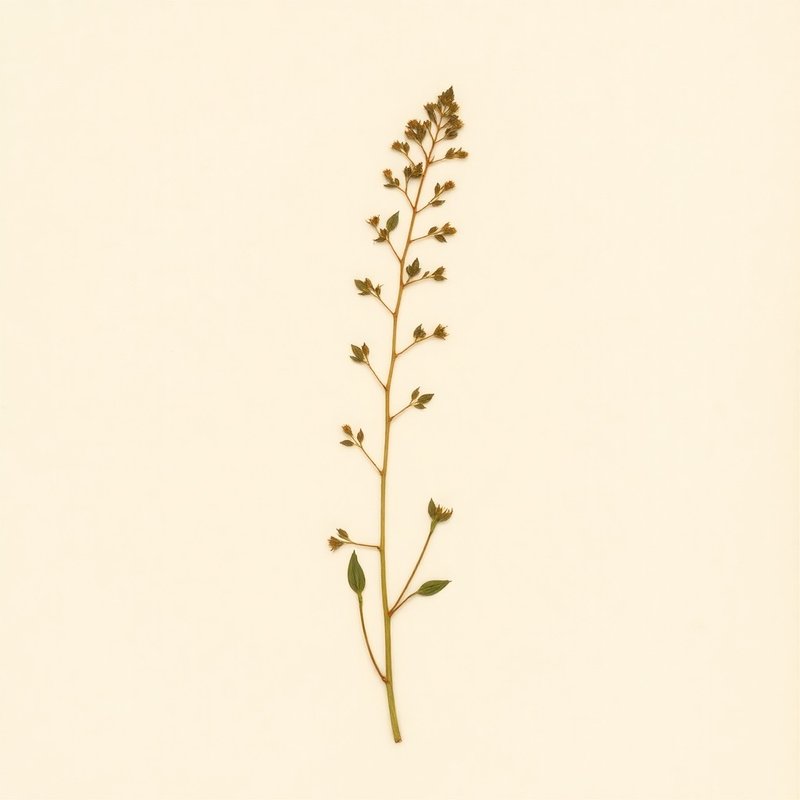
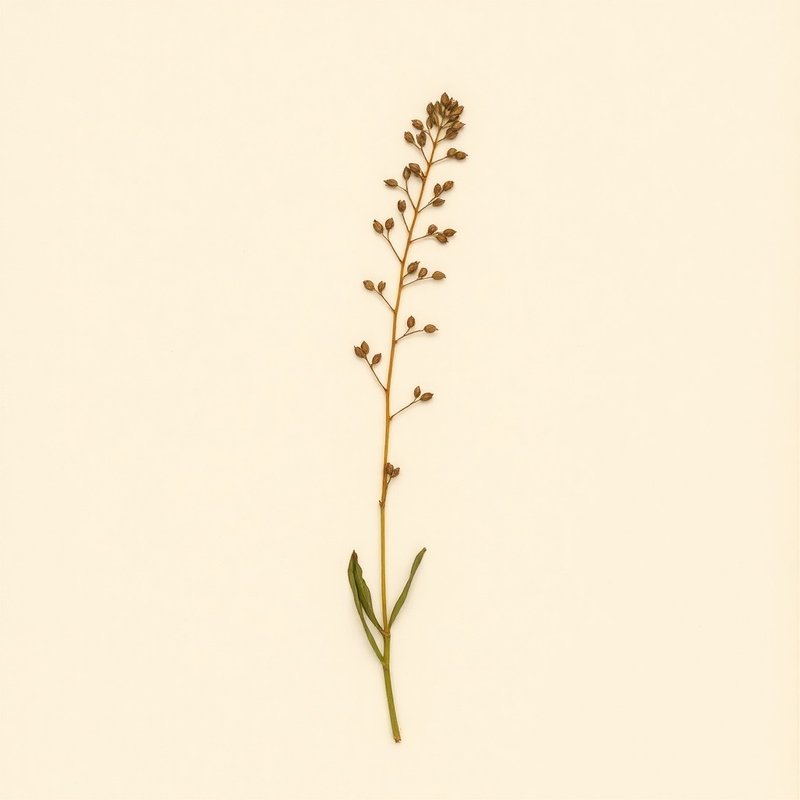
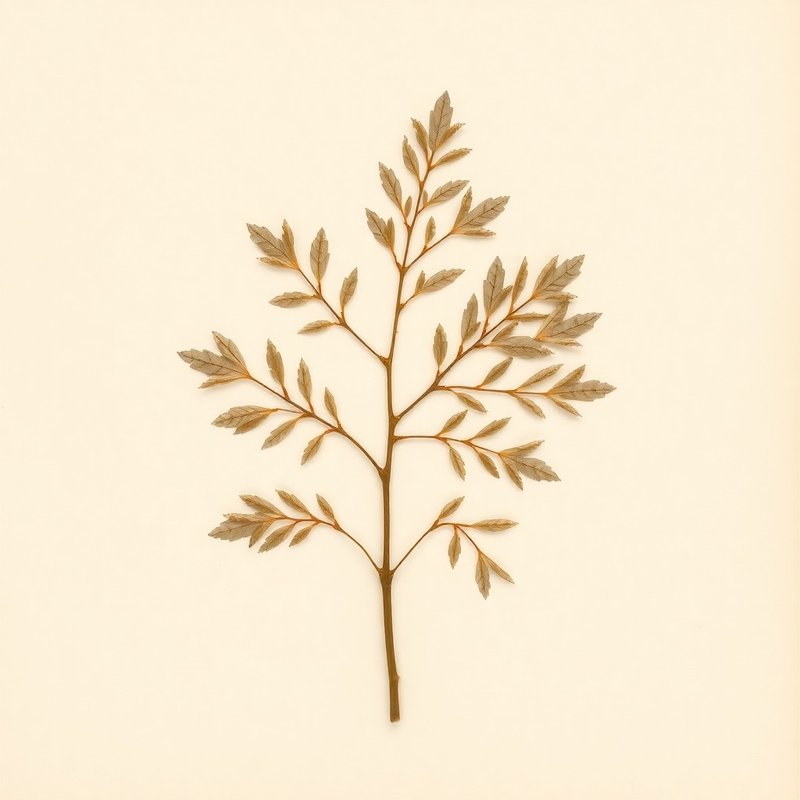
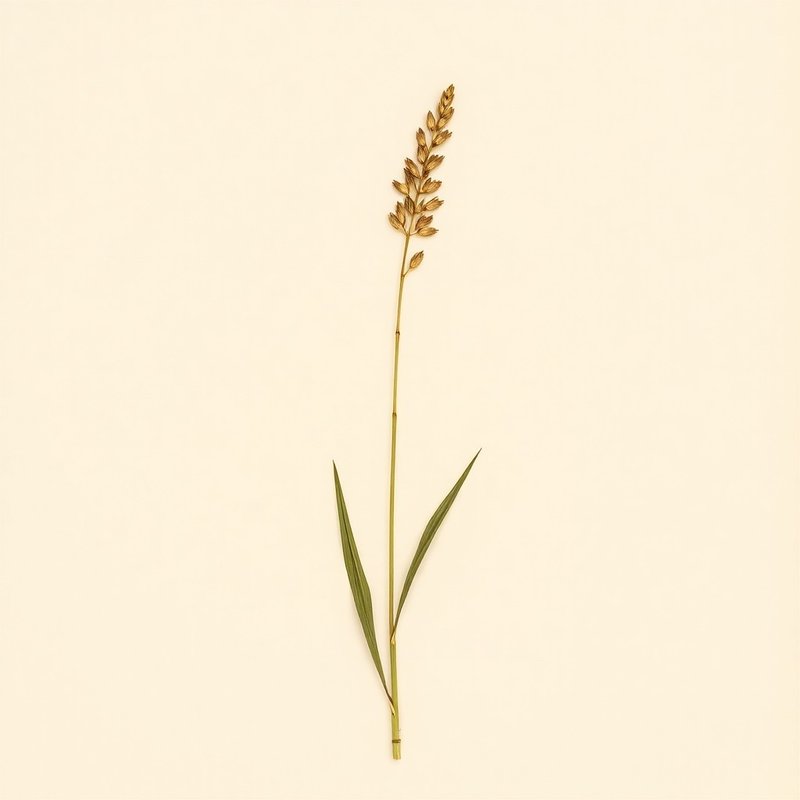
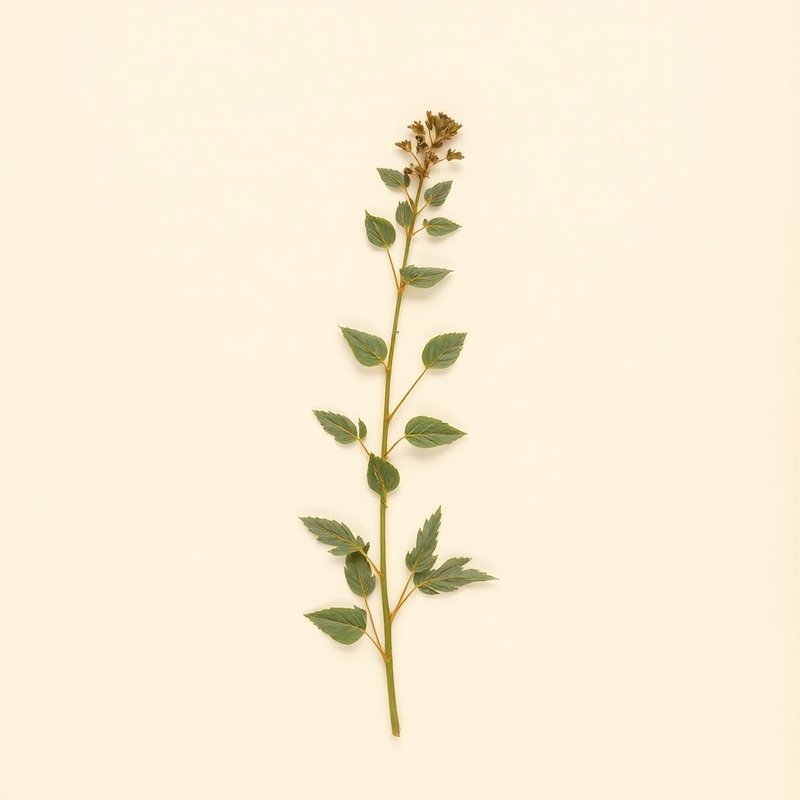
8 relatedPlants you might compare or use together — scored by shared family (Polygonaceae), common use cases, and growing requirements.
same family · Polygonaceae
Botanical relatives — often share phytochemistry + growing needs.
shared use cases
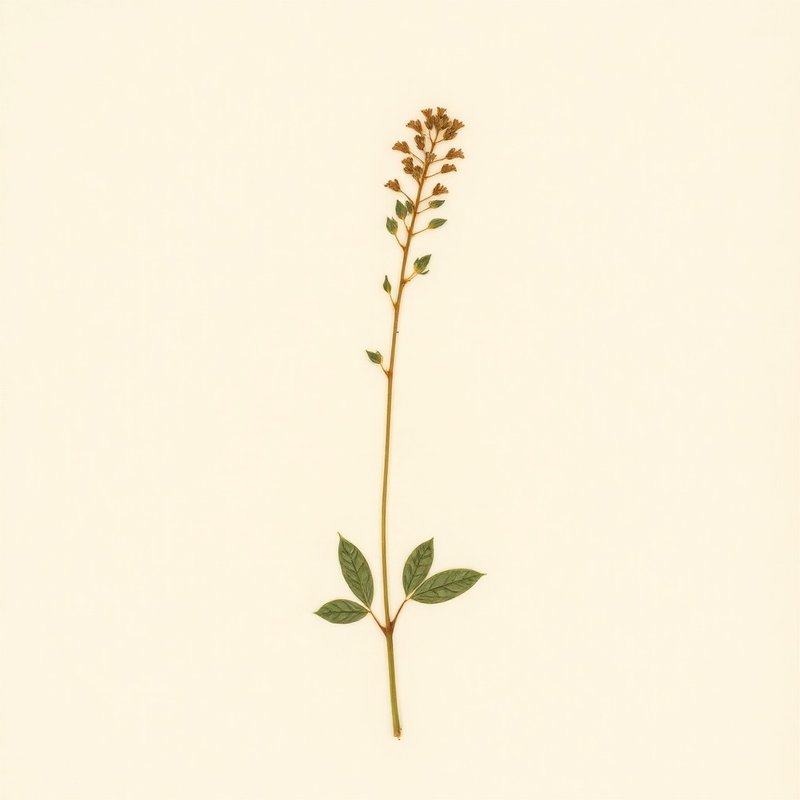
Different families, similar therapeutic role — good for comparing.


XI
Explore further
Companion planting
Compare with similar plants
XII
About this entry
- Last updated
- Citation
- How to cite this entry · Submit a correction
Back to the cataloguePlant id · aa0f62a3-89ee-4405-97cf-347d871b543f
Decision aid
Choosing between Red Dock and something else?
Continue reading
❦❦❦❦
Endpaper · archive updates
Primește digest-ul săptămânal
Un email curat pe săptămână — profile noi de plante, note sezoniere de cultivare, adăugiri în arhiva de remedii. Gratuit, fără tracking, dezabonare oricând.