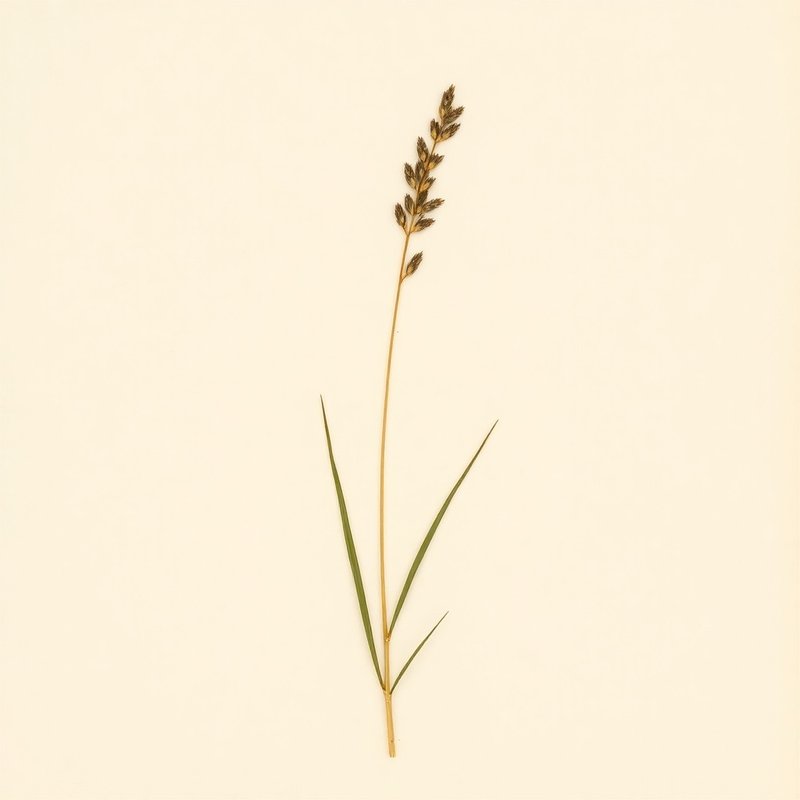
SIDE A
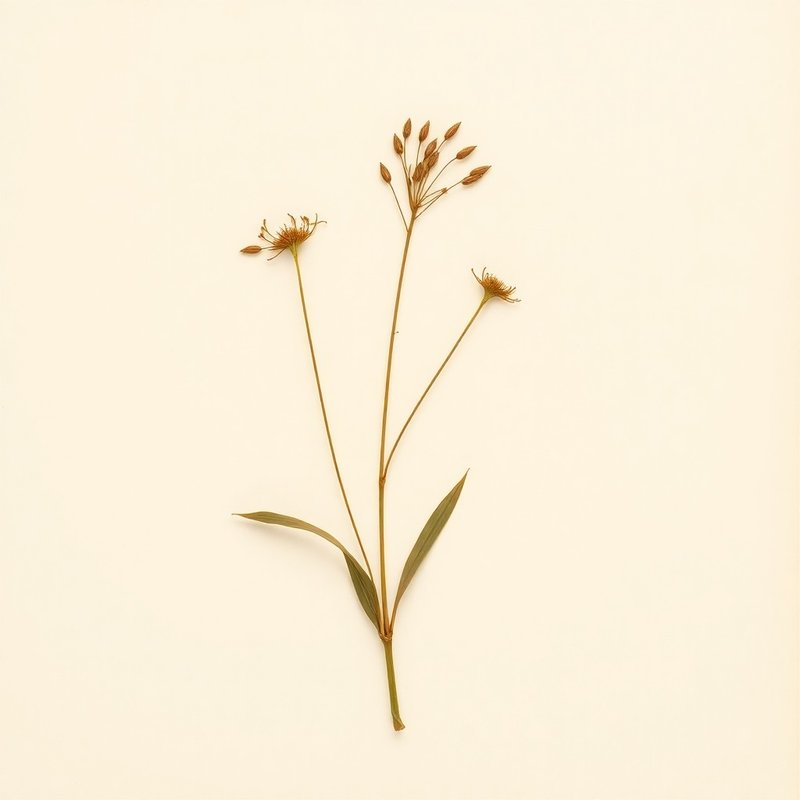
Chinese Water Chestnut
Eleocharis dulcis
Poaceaeedible
Chinese Water Chestnut and Blue Wild Rye cover similar territory. Pick based on what you can actually grow (climate, soil) and what's locally available. See the cultivation rows above for the deciding factors.
Chinese Water Chestnut (Eleocharis dulcis) and Blue Wild Rye (Elymus glauca) are both in the Poaceae family. See the side-by-side table above for cultivation needs, edible parts, and medicinal uses.
Plant combinations should be evaluated case by case. Check the safety/contraindications section on each plant's profile (Chinese Water Chestnut and Blue Wild Rye) before mixing. Some combinations are synergistic, others can interact with medication.
Every plant profile includes a Cautions section with contraindications, drug interactions, and population warnings. Consult a healthcare professional before using either for medicinal purposes.
Occasional email when substantial new content lands — plant profiles, seasonal growing notes, folk-remedy additions. Free, no tracking, unsubscribe anytime.