
Chinese Water Chestnut
Eleocharis dulcisfam. Poaceae
Educational content — not medical, botanical, or professional advice. Plant identification, safety, and edibility depend on local conditions, cultivars, and correct identification. Consult a qualified botanist or forager before consuming or handling wild specimens. How we source & review →
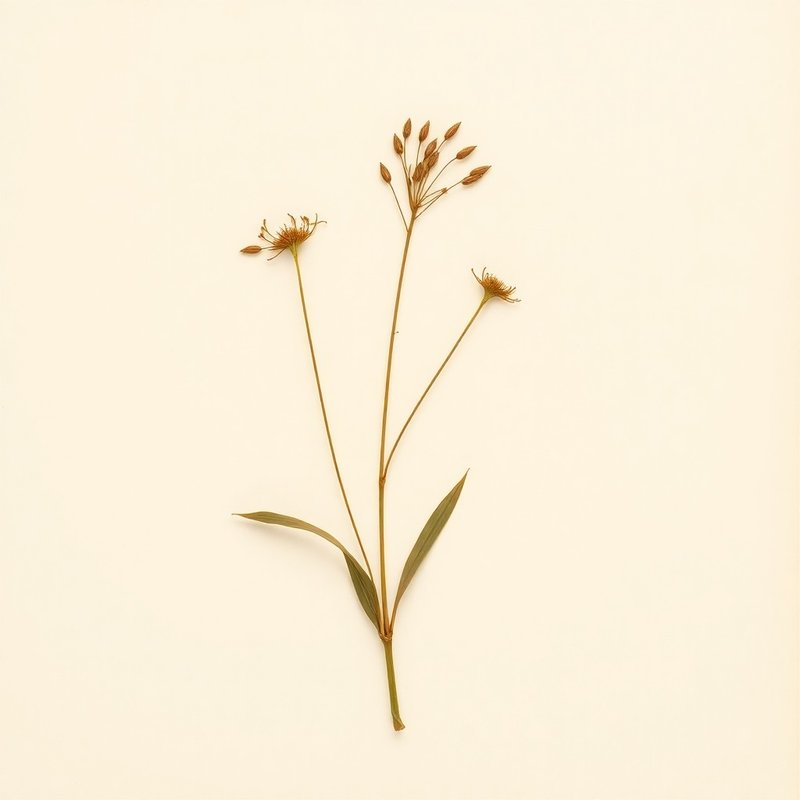
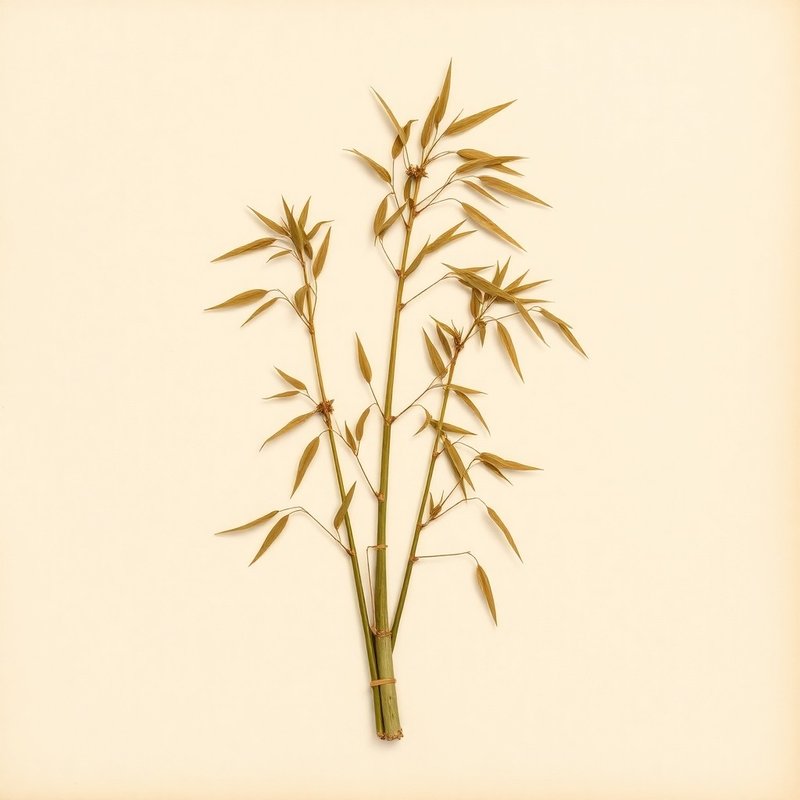
Pl. FB3B — Eleocharis dulcis
Eleocharis dulcisEleocharis dulcisEleocharis dulcisEleocharis dulcisEleocharis dulcisEleocharis dulcisEleocharis dulcisEleocharis dulcisEleocharis dulcisEleocharis dulcisEleocharis dulcisEleocharis dulcisEleocharis dulcisEleocharis dulcis
IOverview
Overview
Chinese Water Chestnut (Eleocharis dulcis) is a perennial graminoid that thrives in wet environments with light to heavy soil. Native to regions such as Andaman Islands, Angola, Bangladesh, and Botswana, it has spread across many parts of Asia, Africa, and the Pacific due to its adaptability. Known for its edible tubers, this plant can grow up to 1 meter tall and prefers full sun. Its native range is more limited compared to its widespread cultivation, found primarily in areas like Cambodia, Chad, and Caroline Islands. The Chinese Water Chestnut is valued not only for its ornamental qualities but also for its culinary use, making it a versatile addition to wetland gardens and agricultural landscapes.
Quick answers
What is Chinese Water Chestnut?
Chinese Water Chestnut (Eleocharis dulcis) is a perennial graminoid that thrives in wet environments with light to heavy soil. Native to regions such as Andaman Islands, Angola, Bangladesh, and Botswana, it has spread across many parts of Asia, Africa, and the Pacific due to its adaptability.
Growingconditions · propagation · uses
VCultivation
Cultivation
Chinese Water Chestnut thrives in full sun and prefers wet conditions, making it ideal for areas with standing water like ponds or shallow ditches. It grows well in light (sandy), medium, and heavy (clay) soils. This perennial plant can reach a height of 1 meter and is hardy in zones 9-12. For propagation, simply plant the tubers in the desired location. Tubers are edible and will produce new plants year after year.
Light
Full sun
Water
Wet, Water
Soil
Light (sandy), Medium, Heavy (clay)
Hardiness
9-12
Life cycle
Perennial
Habit
Graminoid
Mature size
1.0 m tall
For first-time growers
How to grow Chinese Water Chestnut for the first time
7steps
Chinese Water Chestnut is a forgiving plant for beginners, making it an excellent choice for your first water garden project.
- 1
What you'll need
A container with at least 30 cm of water depth, soil, and Chinese Water Chestnut tubers.
- 2
Best time to plant
Plant in spring when temperatures are consistently above 15°C (60°F).
- 3
Soil and container prep
Fill your container with a mix of light sandy soil, medium soil, or heavy clay soil. Ensure the water level is maintained at about 20-30 cm.
- 4
Sowing or transplanting
Place tubers just below the surface of the soil in the container. Space them about 15-20 cm apart.
- 5
First two weeks
Keep water levels consistent and monitor for any signs of rot or disease, removing affected areas promptly.
- 6
Ongoing care
Regularly check water levels and top up as needed. Trim back overgrown foliage to encourage new growth.
- 7
Harvest or pruning
Prune dead leaves and stems throughout the growing season to maintain plant health and appearance.
VIEdible & utility
Edible & utility
Edible parts:tubers
Edible uses: Salt
Other uses:FiberWeaving material
Contextrange · companions · related
VIIDistribution
30 native · 0 introduced
Distribution
30 native · 0 introducedDistribution across3 continents· 30 native
Asia6 regions
native (6)BangladeshCambodiaChinaIndiaJapanSouth Korea
Africa14 regions
native (14)AngolaBotswanaBurkina FasoChadCôte d'IvoireGabonGambiaGhanaGuineaGuinea-BissauKenyaLiberiaMadagascarMali
Oceania1 region
native (1)Fiji
Broader regions
native:Caroline Is., Congo, Hainan, Jawa, Lesser Sunda Is., Malaya, Maluku, Andaman Is.
VIIIGarden companions
1 pair
Garden companions
1 pairPlant near these
These plants help — by repelling pests, fixing nitrogen, attracting pollinators, or sharing space well.
IXSpecimen gallery
1 image
Specimen gallery
1 imageXSee also
8 related
See also
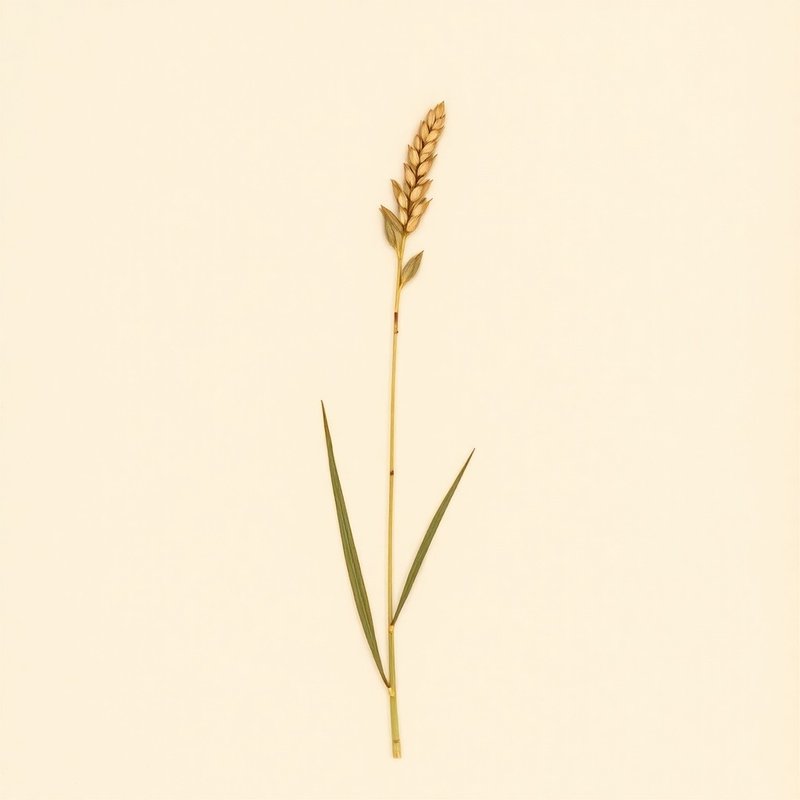
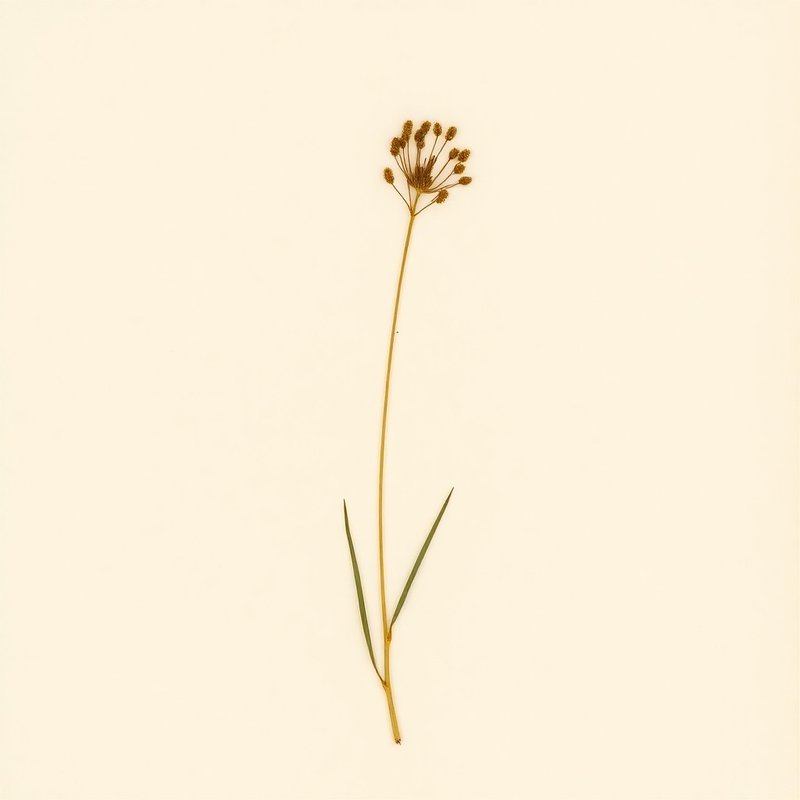
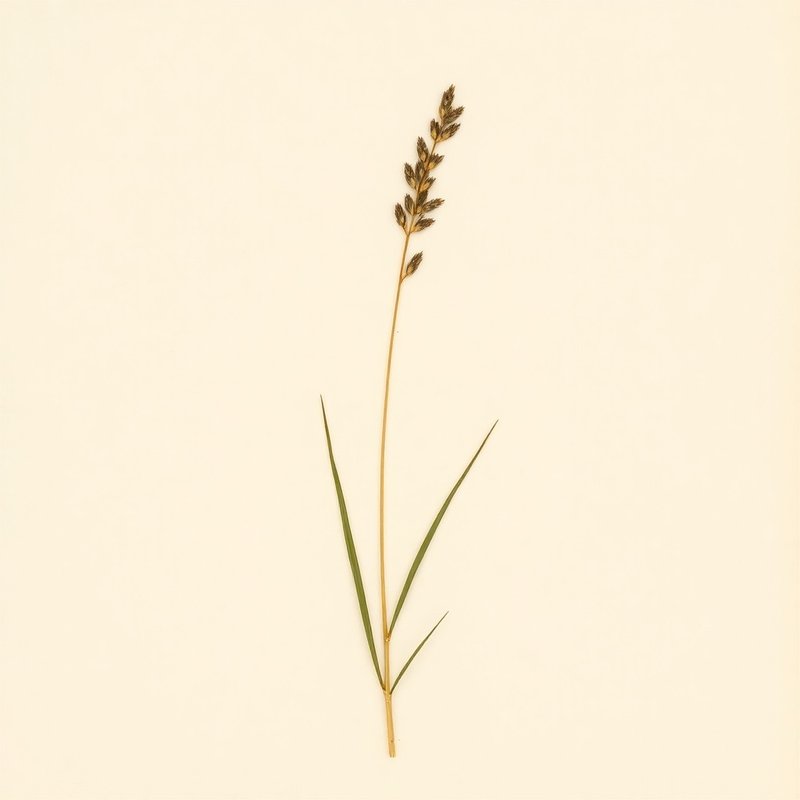
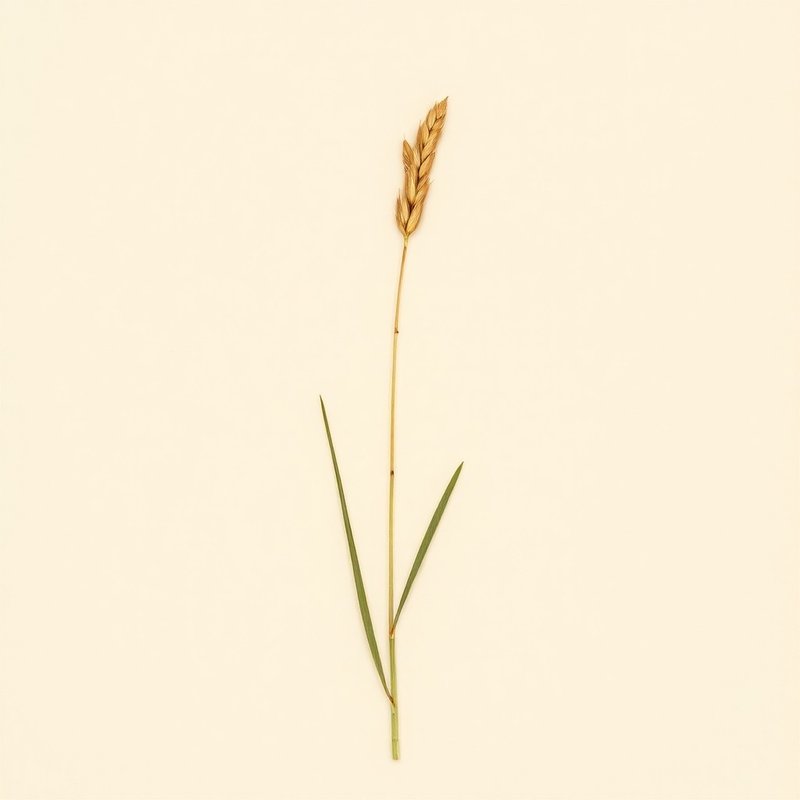
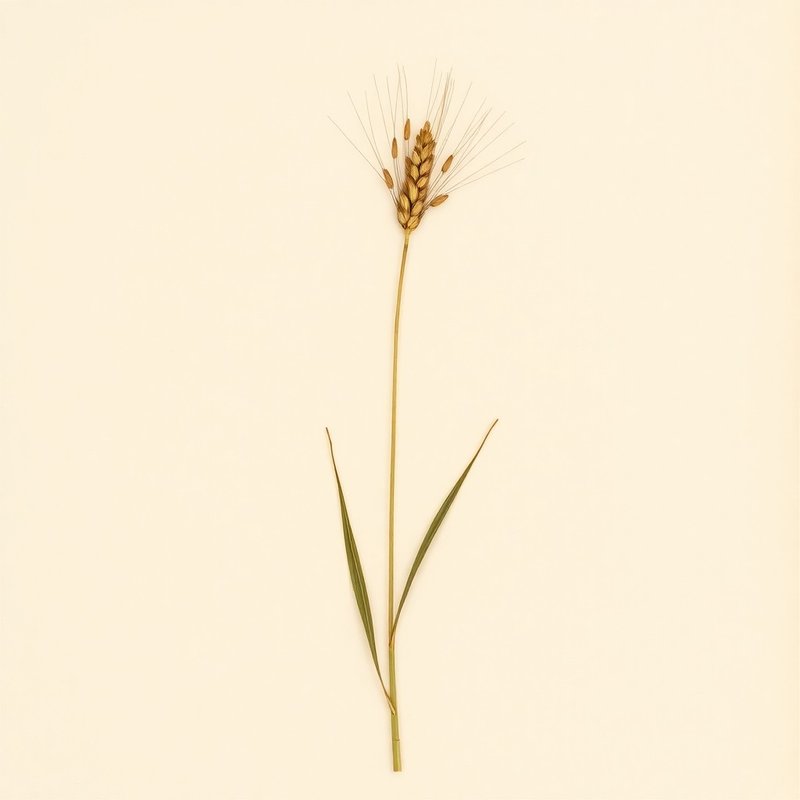
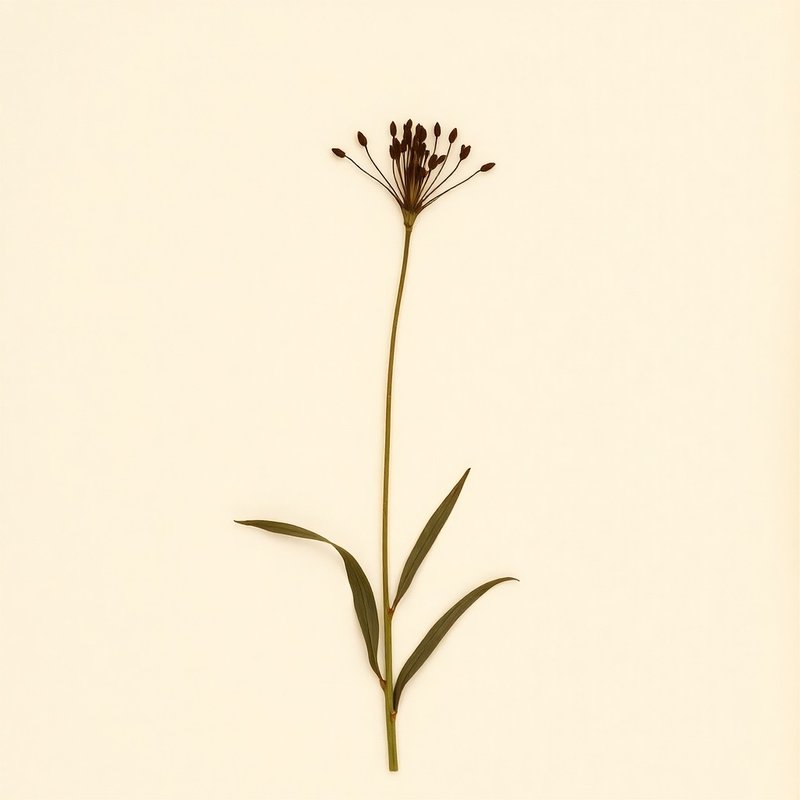
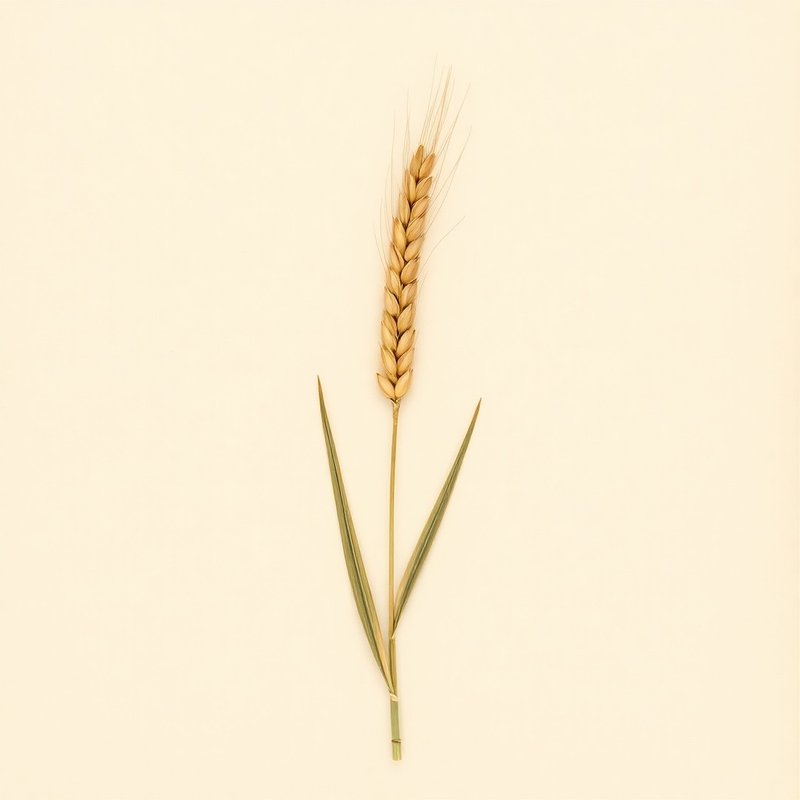
8 relatedPlants you might compare or use together — scored by shared family (Poaceae), common use cases, and growing requirements.
same family · Poaceae
Botanical relatives — often share phytochemistry + growing needs.
XI
Explore further
Companion planting
Compare with similar plants
Growing zone
XII
About this entry
- Last updated
- Citation
- How to cite this entry · Submit a correction
Back to the cataloguePlant id · fb3be943-cc1e-4a15-a713-db954e222a20
Decision aid
Choosing between Chinese Water Chestnut and something else?
Continue reading
❦❦❦❦
Endpaper · archive updates
Get archive updates
Occasional email when substantial new content lands — plant profiles, seasonal growing notes, folk-remedy additions. Free, no tracking, unsubscribe anytime.