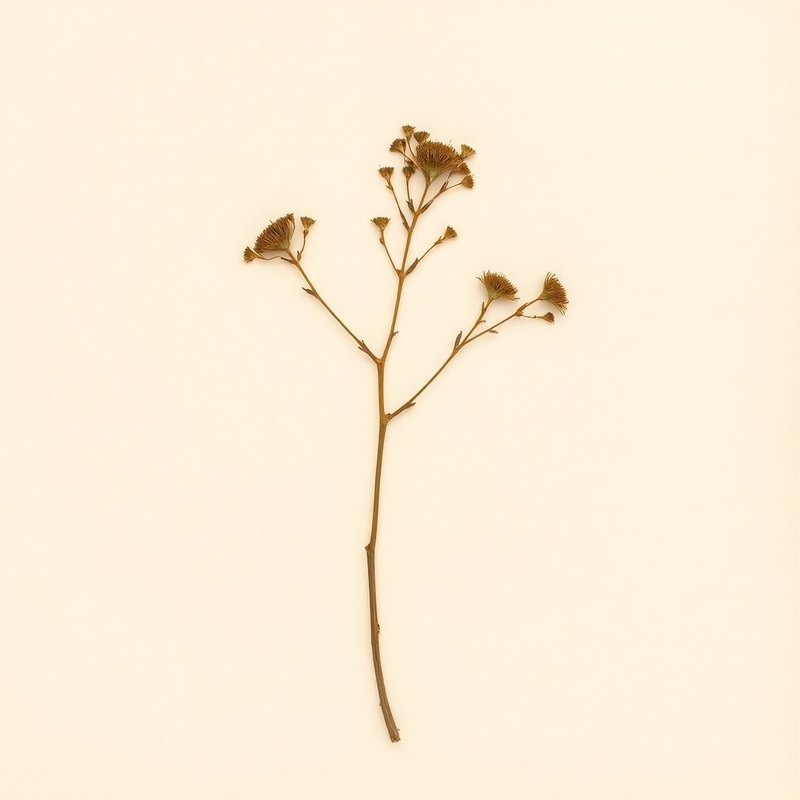
SIDE A

Thyme-Leaf Sandwort
Arenaria serpyllifolia
Caryophyllaceaeediblemedicinal
Thyme-Leaf Sandwort has been traditionally used in topical applications to support skin health, particularly for minor irritations and wounds. Its astringent properties are thought to contribute to this benefit.
Traditional-use note: Ruby Saltbush appears in herbal sources around traditional skin-care routines, often as a topical preparation. PlantSage presents this as ethnobotanical context, not as medical advice.
Uses documented for one plant but not the other — pick based on which goal matters more to you.
Thyme-Leaf Sandwort has been traditionally used in European herbal medicine to support the immune system, often prepared as a tea. Its light and dry nature suggests it may help maintain healthy respiratory function.
Ruby Saltbush has been traditionally used in Aboriginal medicine for digestive issues, often prepared as a decoction to soothe the stomach and aid digestion.
Ruby Saltbush has the stronger documented effect (moderate confidence vs moderate for Thyme-Leaf Sandwort). Both work; this one has more clinical backing.
Thyme-Leaf Sandwort (Arenaria serpyllifolia) and Ruby Saltbush (Enchylaena tomentosa) are both in the Caryophyllaceae family. See the side-by-side table above for cultivation needs, edible parts, and medicinal uses.
Ruby Saltbush has stronger documented evidence for Topical & skin. See the "Both used for same goals" section for cited statements from each.
Plant combinations should be evaluated case by case. Check the safety/contraindications section on each plant's profile (Thyme-Leaf Sandwort and Ruby Saltbush) before mixing. Some combinations are synergistic, others can interact with medication.
Every plant profile includes a Cautions section with contraindications, drug interactions, and population warnings. Consult a healthcare professional before using either for medicinal purposes.
Occasional email when substantial new content lands — plant profiles, seasonal growing notes, folk-remedy additions. Free, no tracking, unsubscribe anytime.