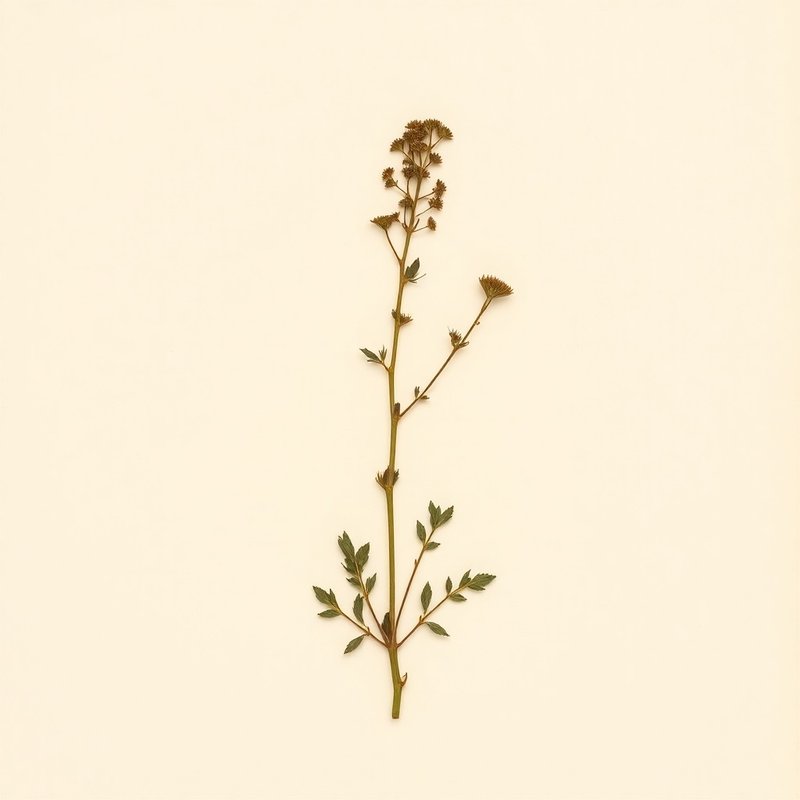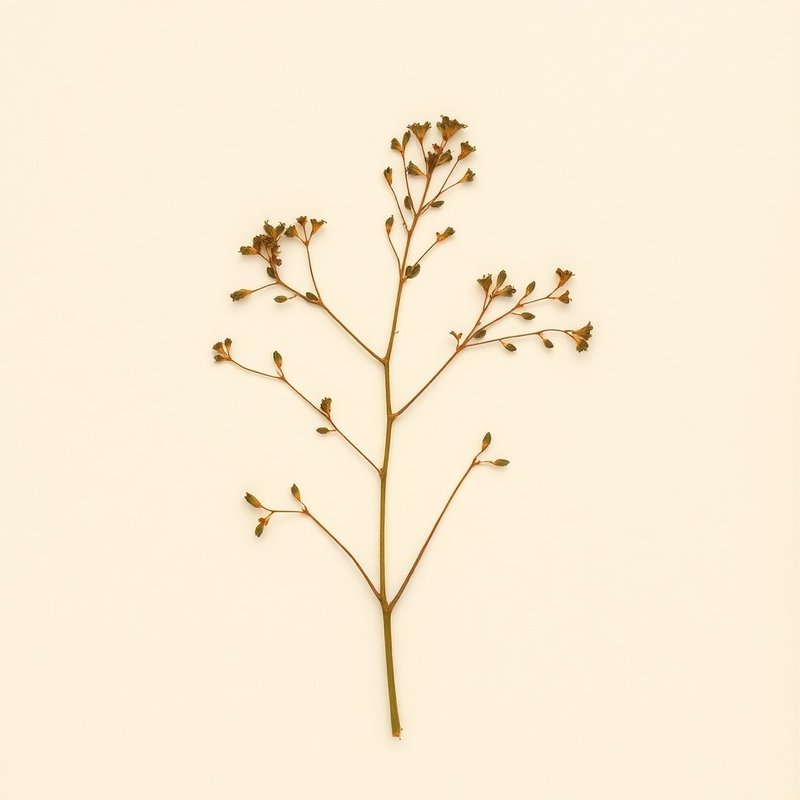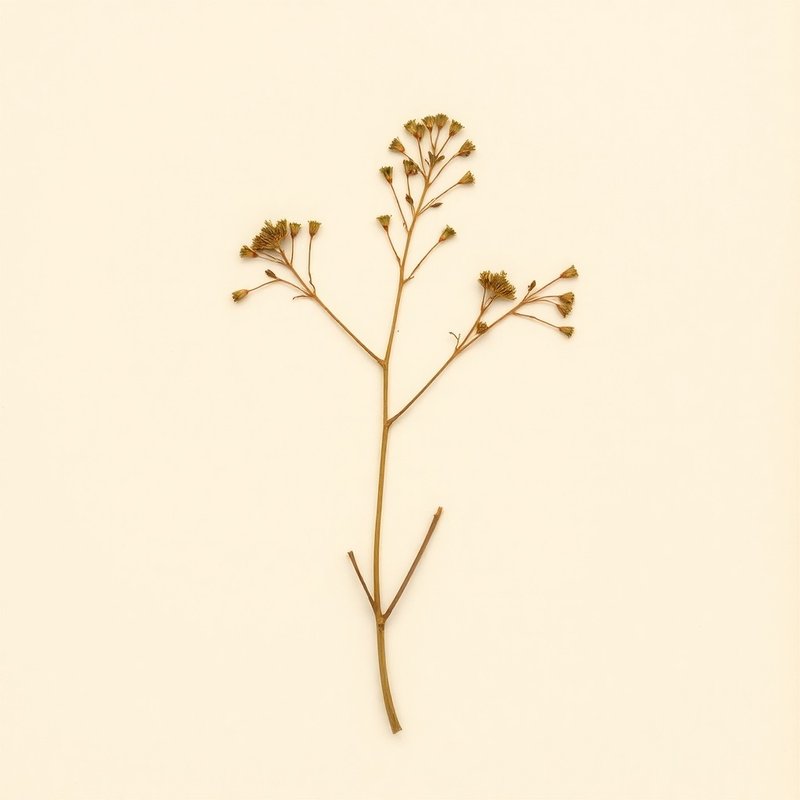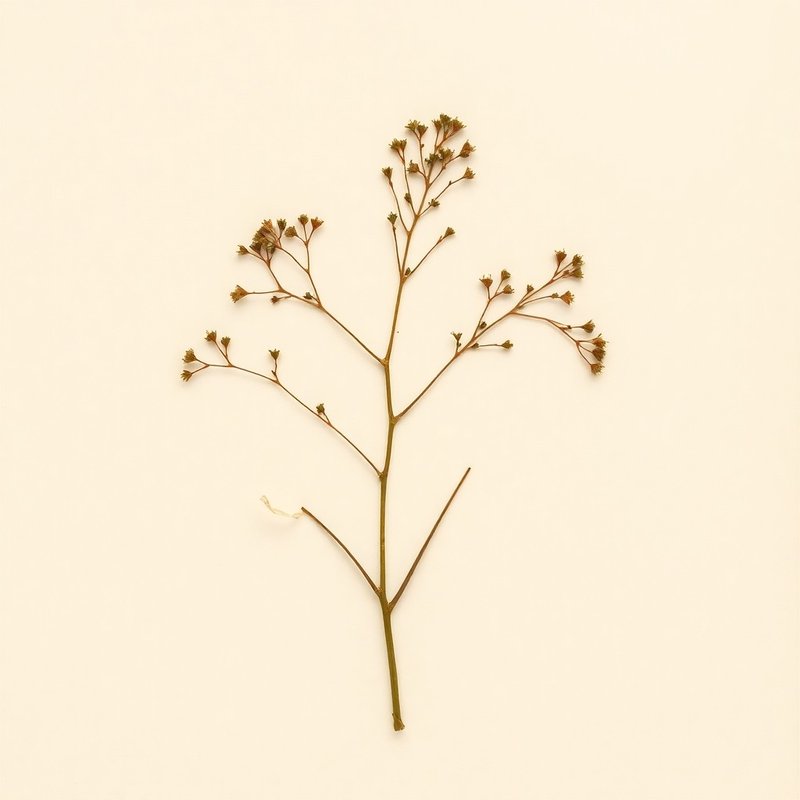
Skip to content
VIGoals·wellness1004 plants · 1 sourcesmethodology →
Home/Goals/Digestion

Best plants for Digestion

We catalogue 1004 plants traditionally used or clinically studied for Digestion. Each entry shows its mechanism and evidence quality — pick by what works, not what trends.

Not medical advice
Educational information. Consult a healthcare professional before starting any herbal regimen, especially if you take medication or have a chronic condition.
I

Editor's top picks

ranked · cited

Ranked by confidence × effect-size × evidence count. These are the plants we'd reach for first for Digestion. Click through for the full profile.

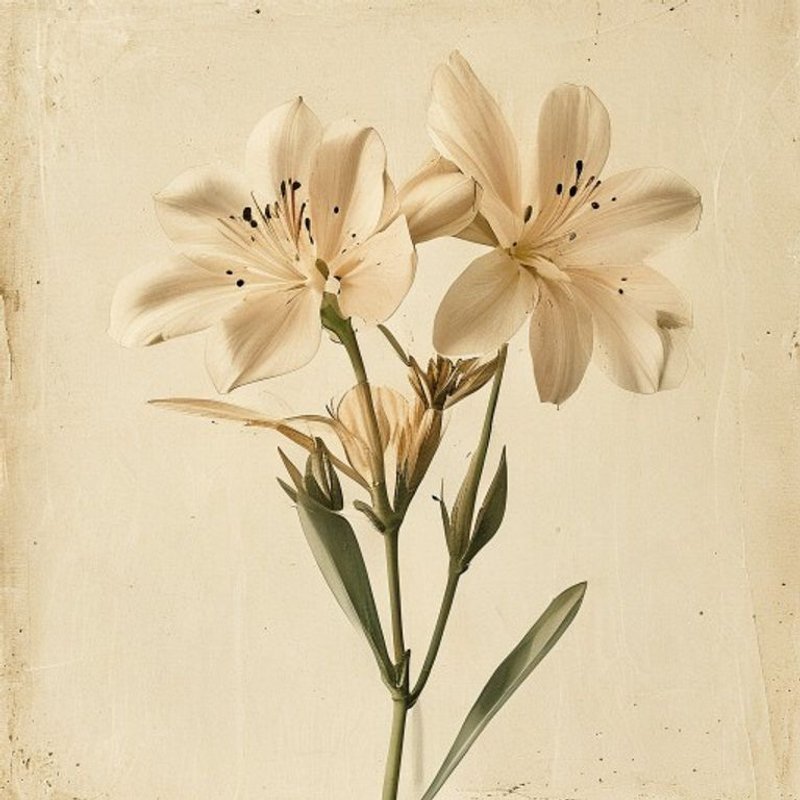
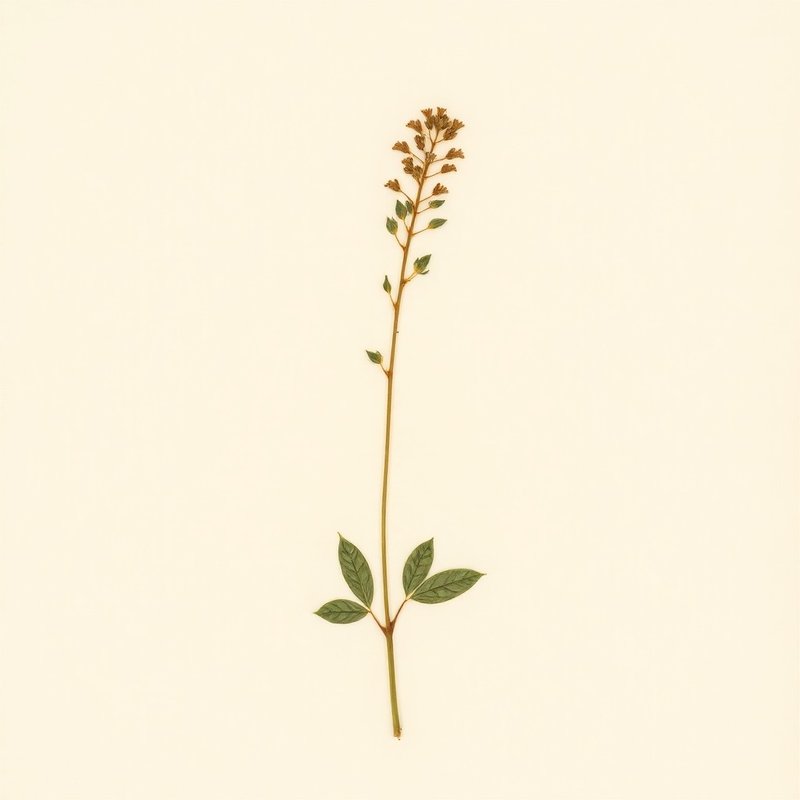
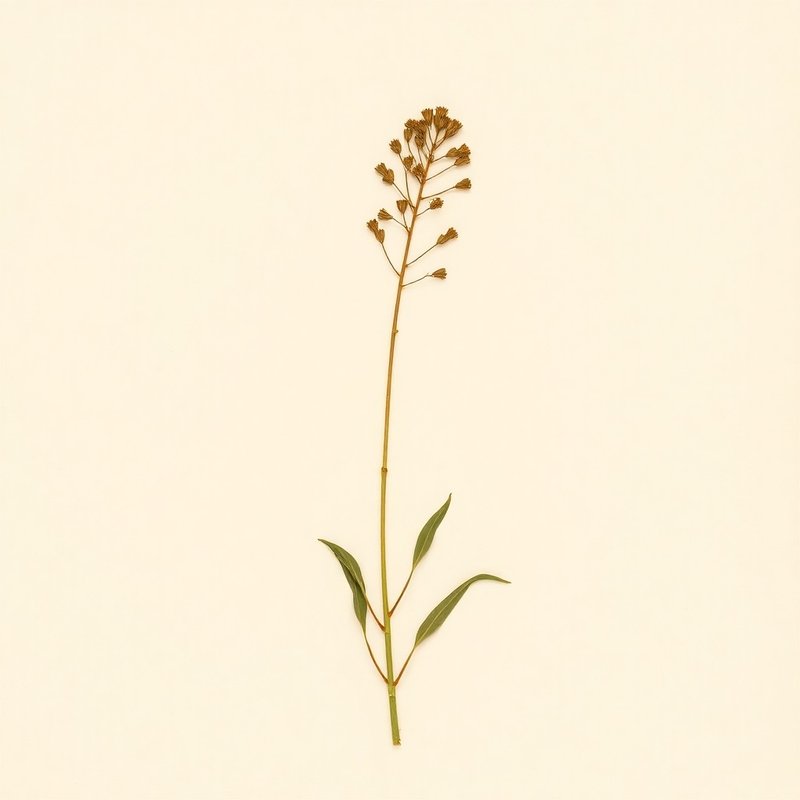
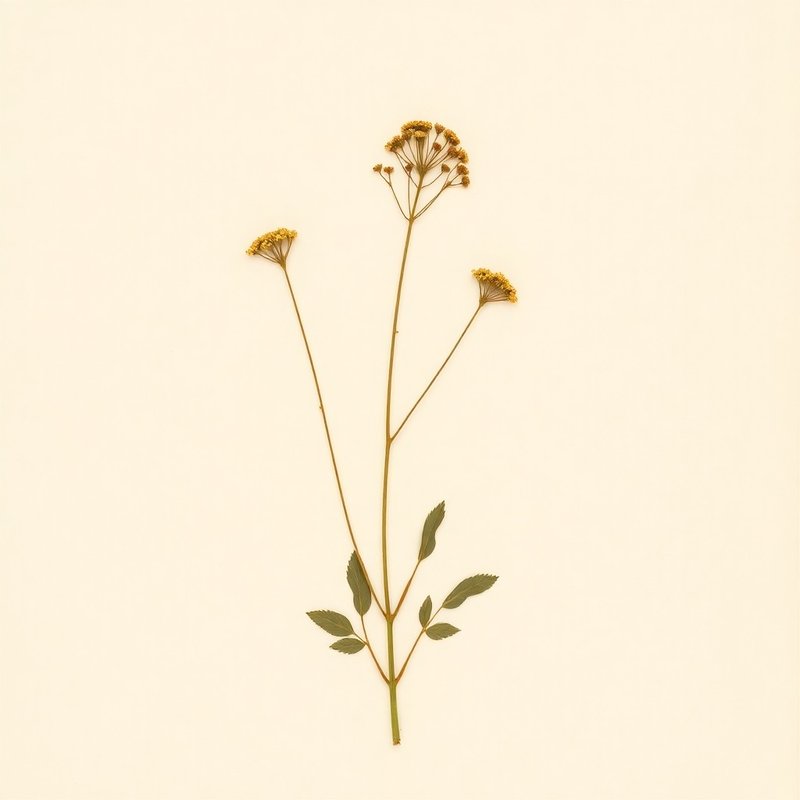
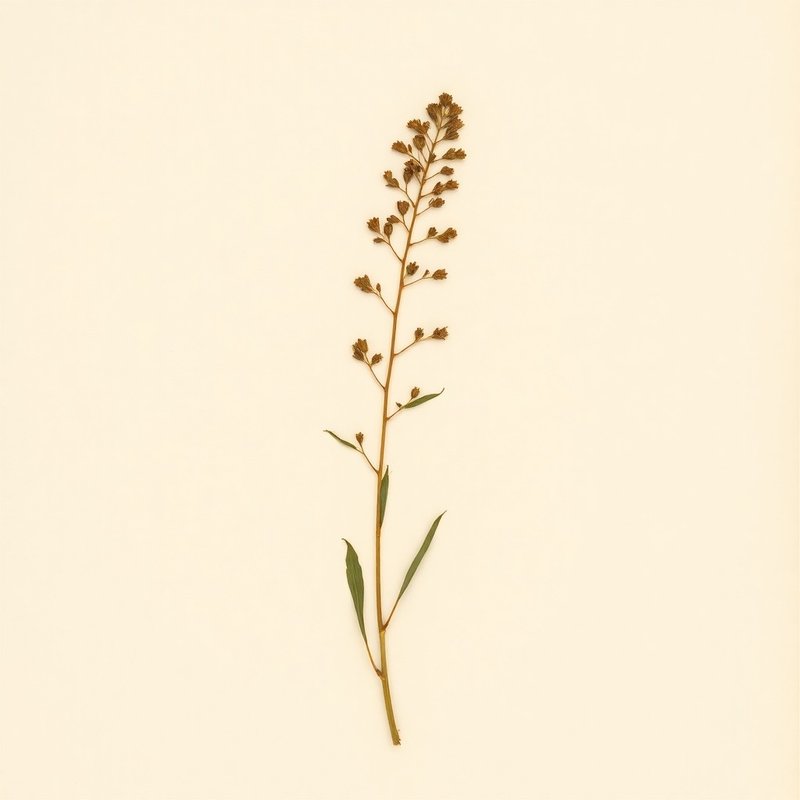
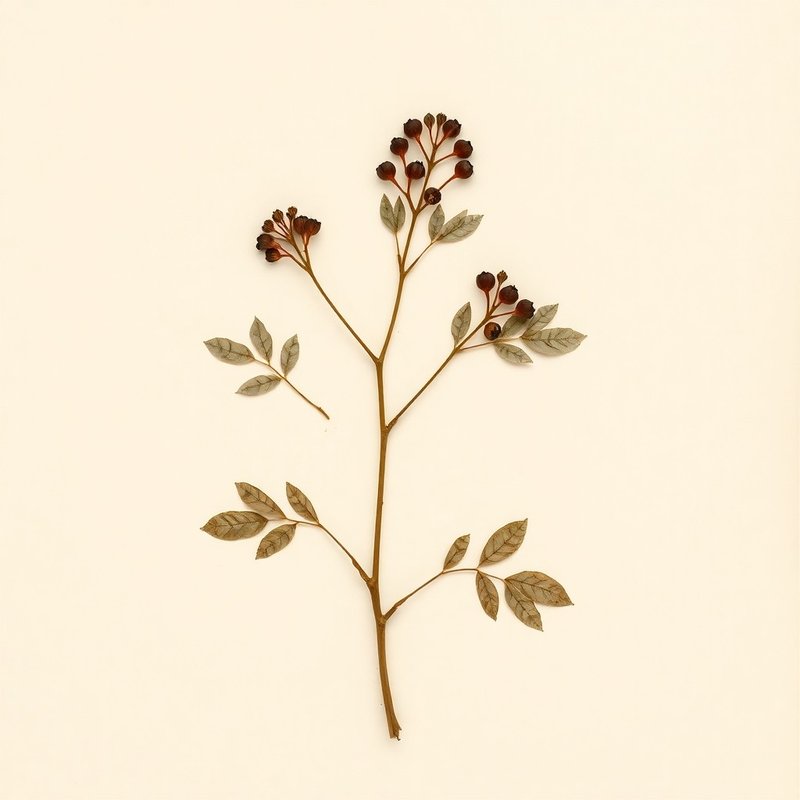
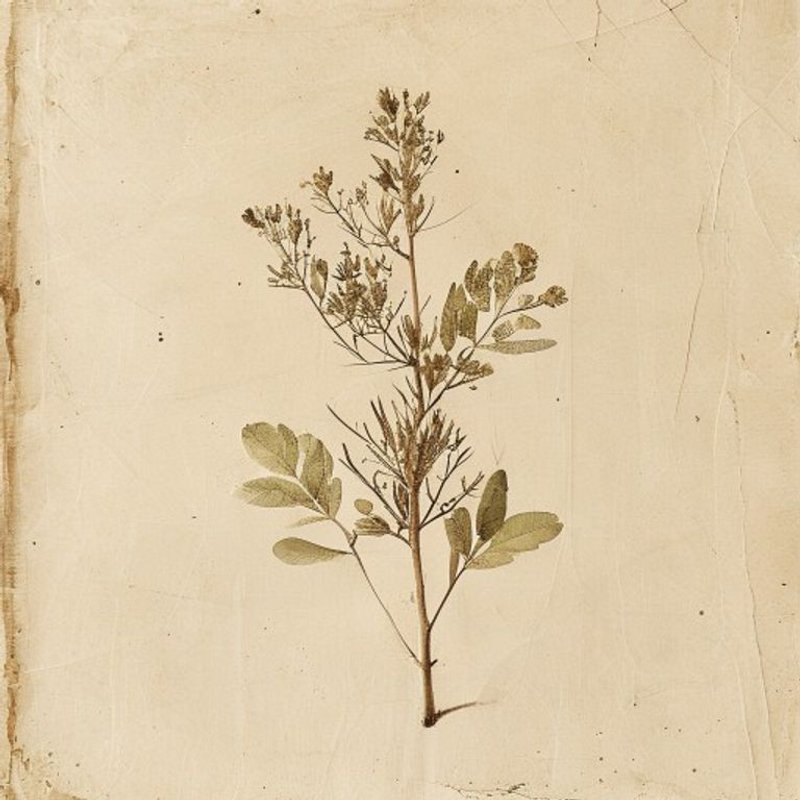
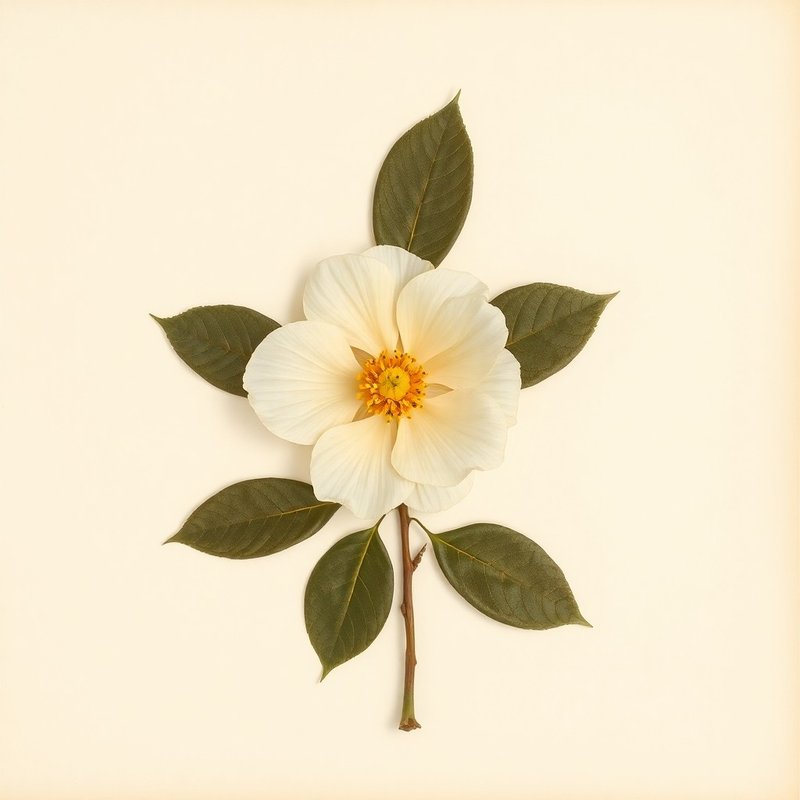
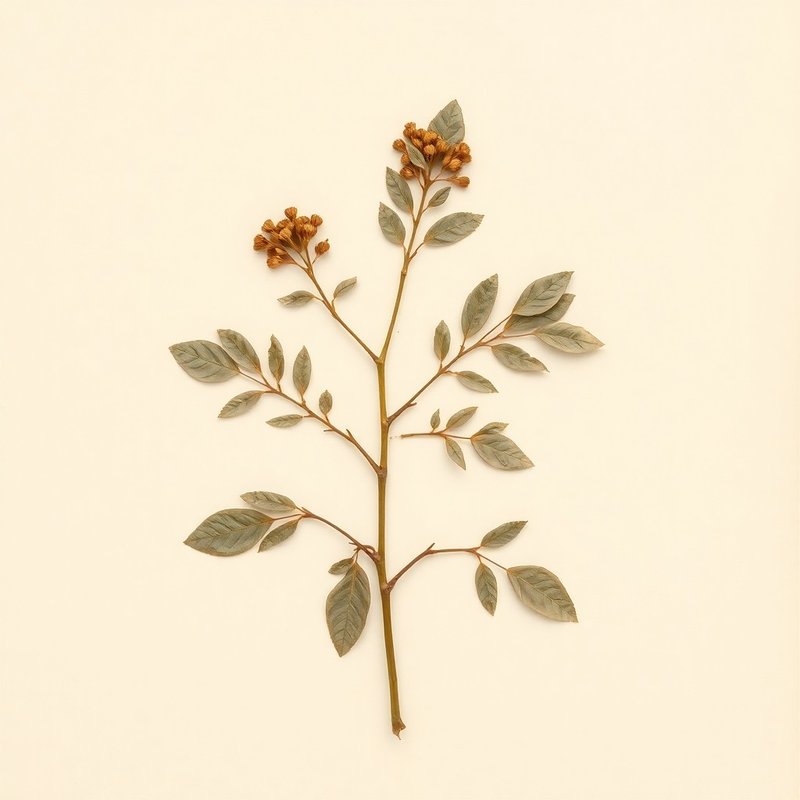
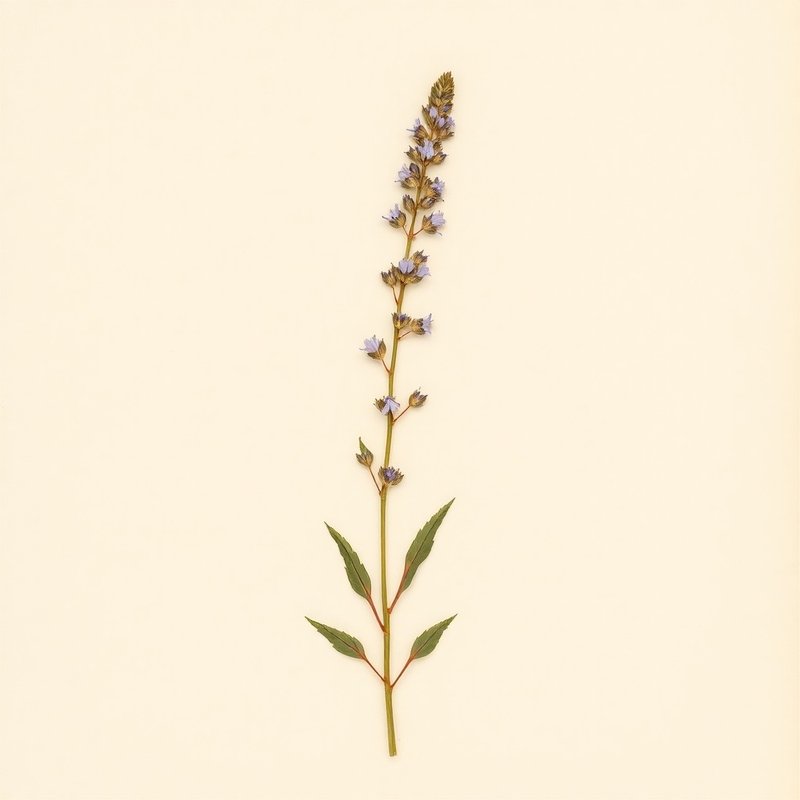
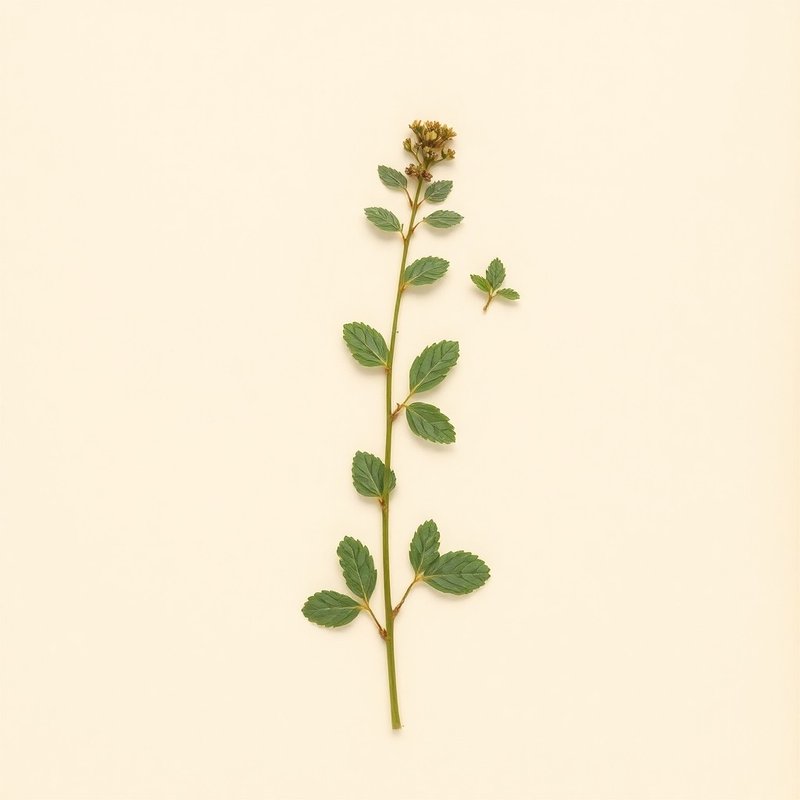
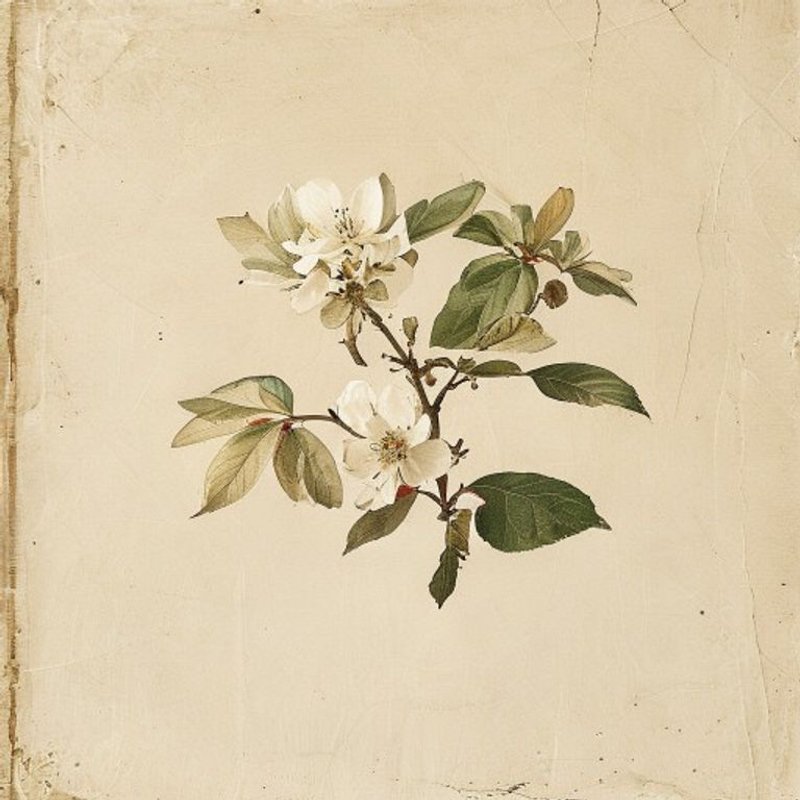
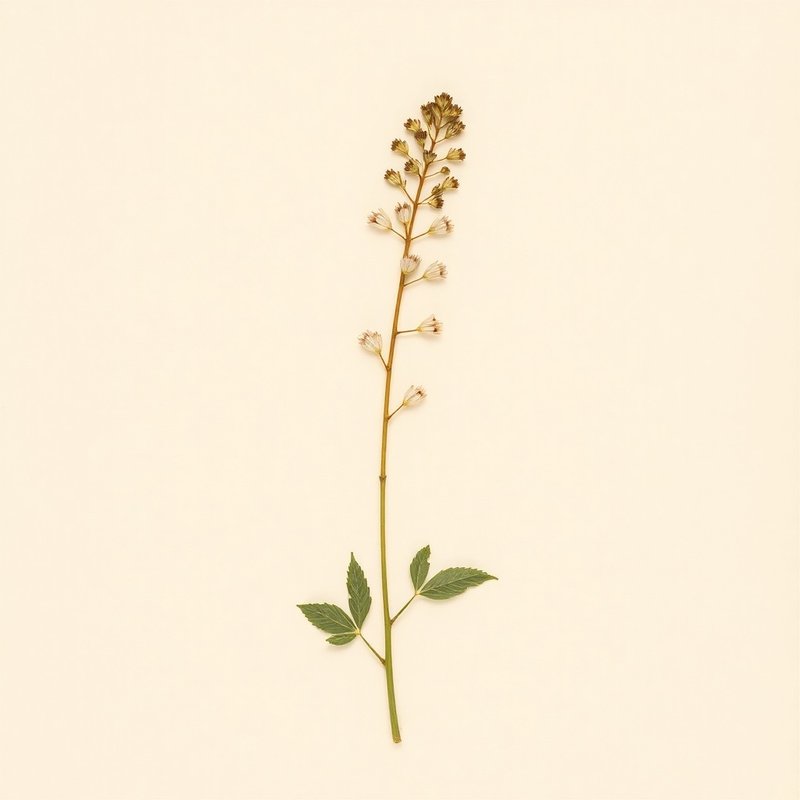
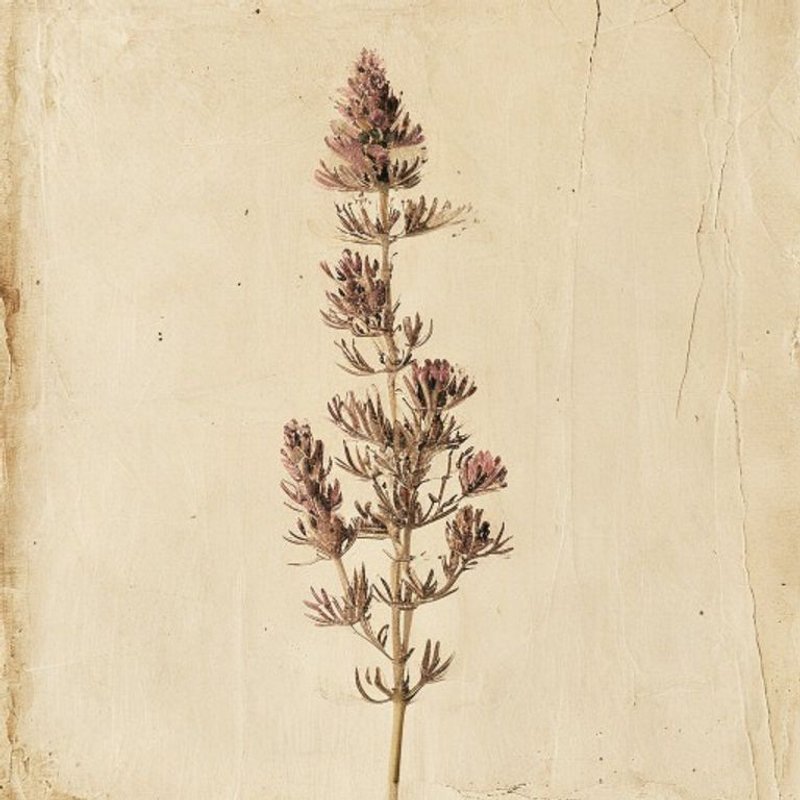
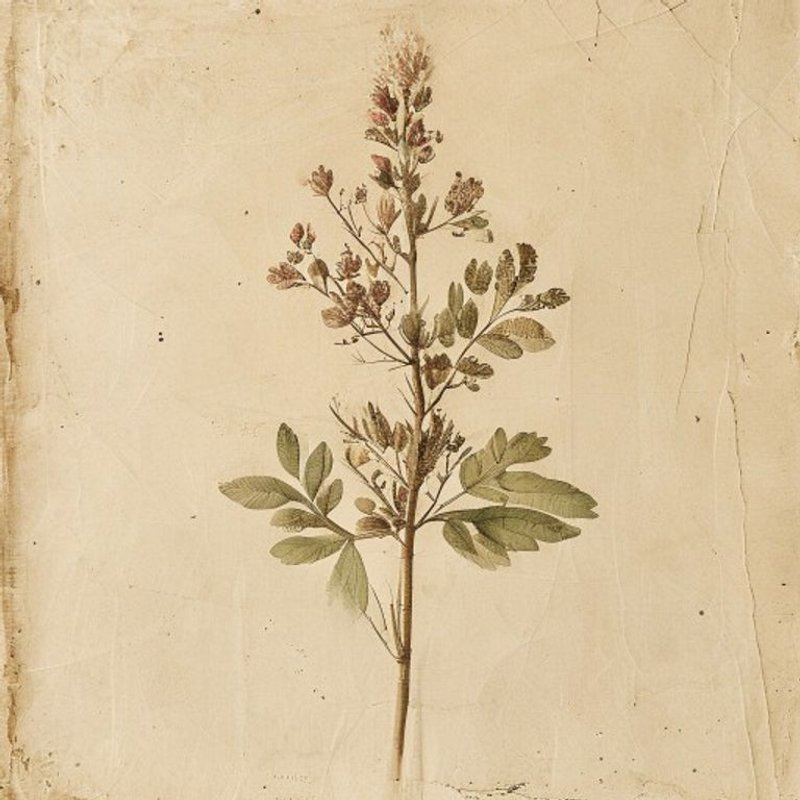
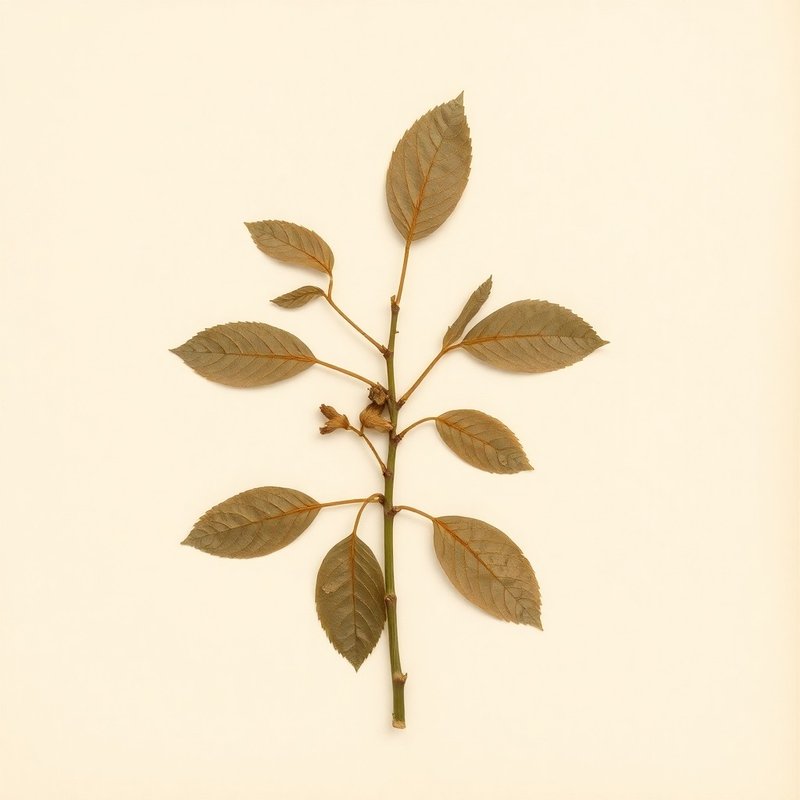
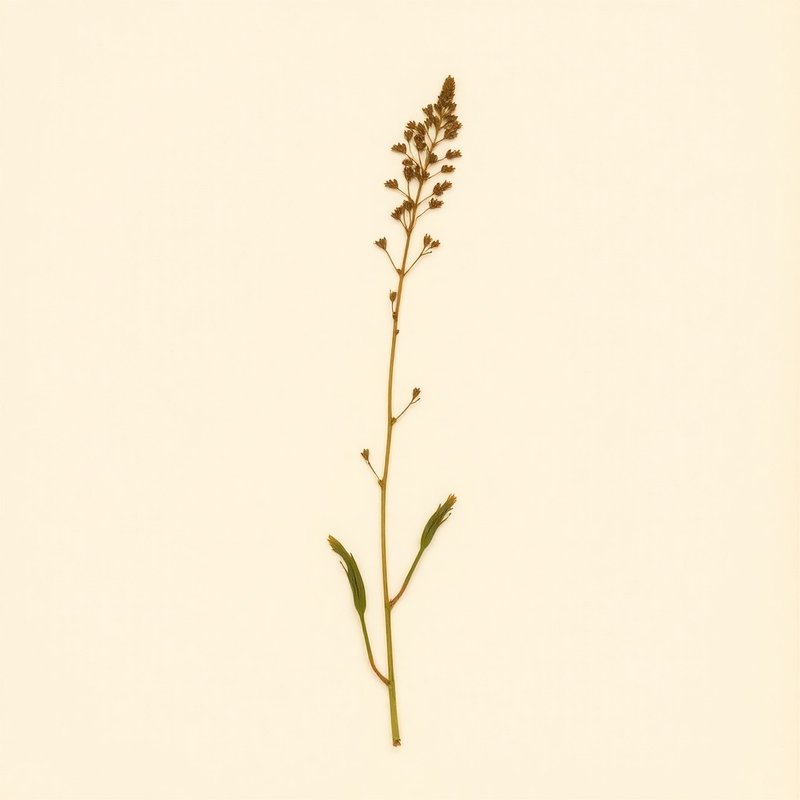
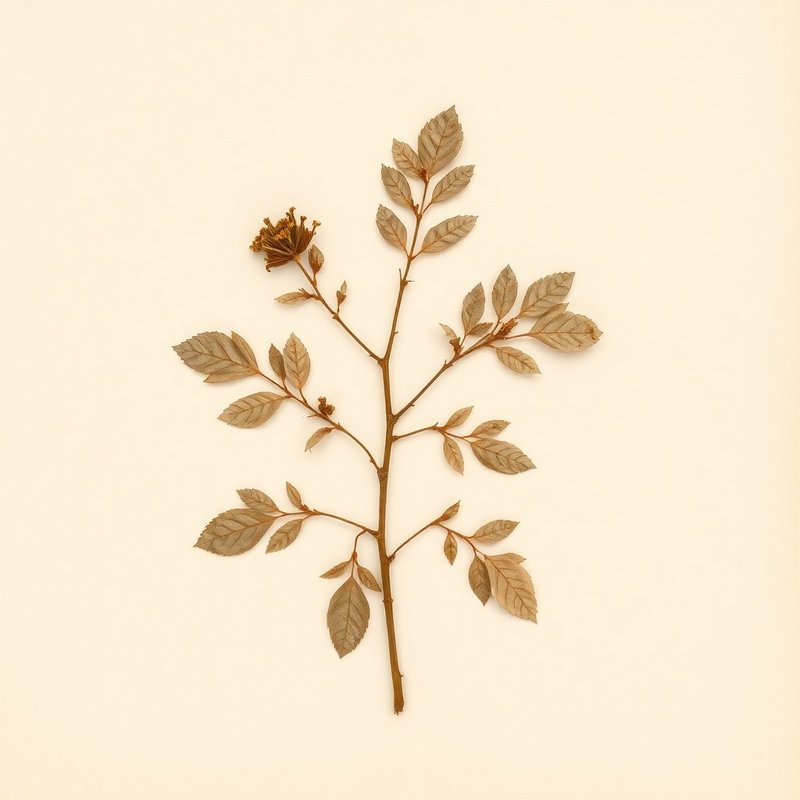
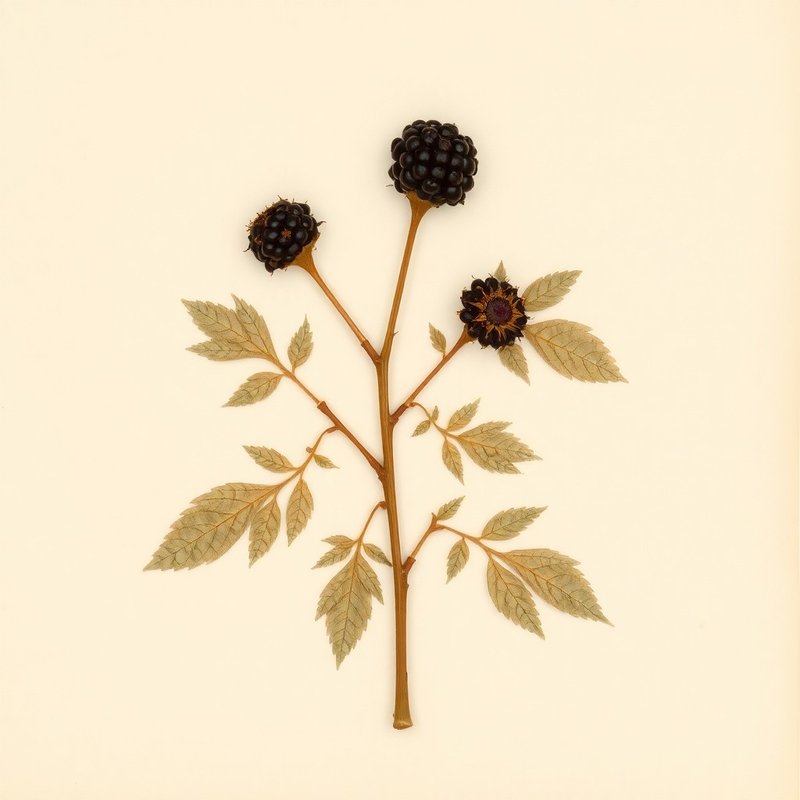
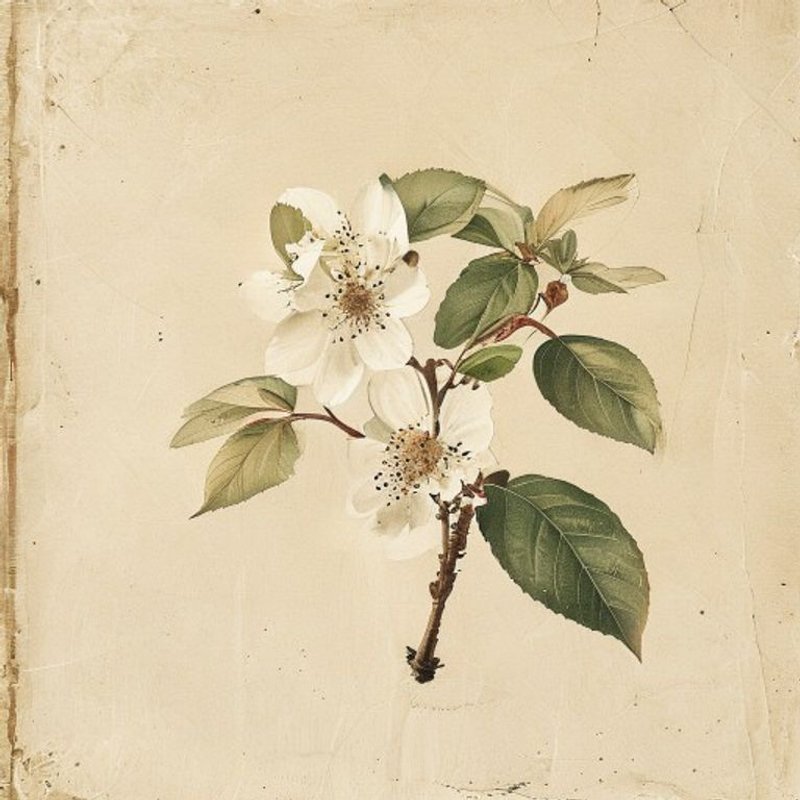
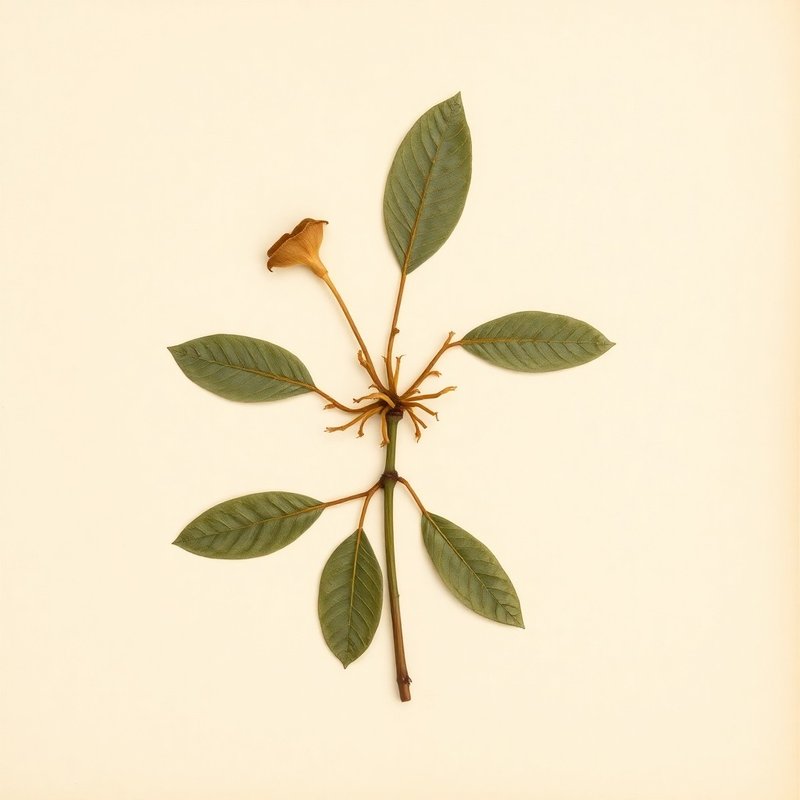
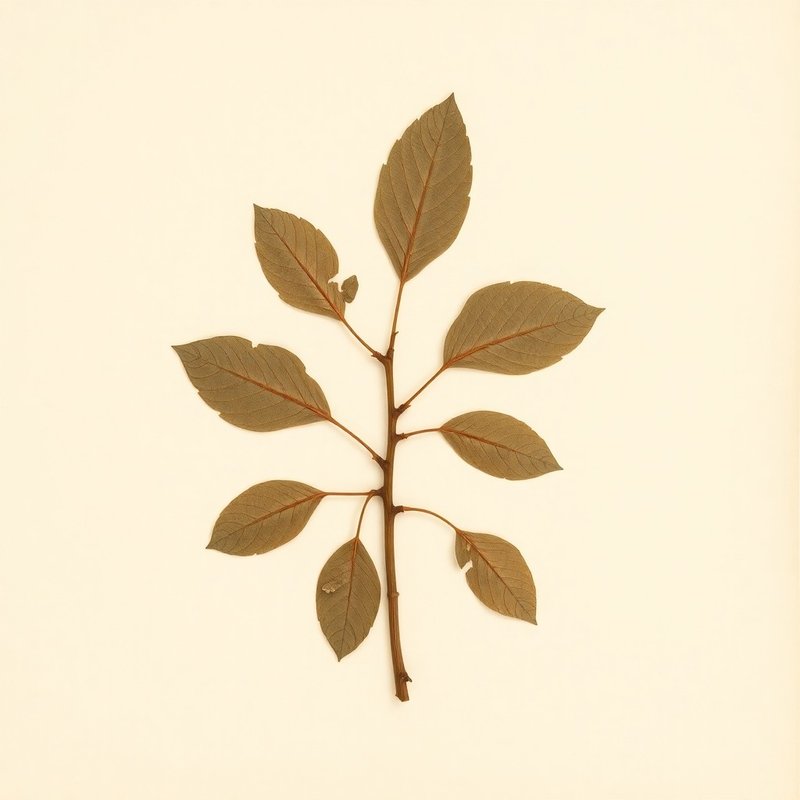
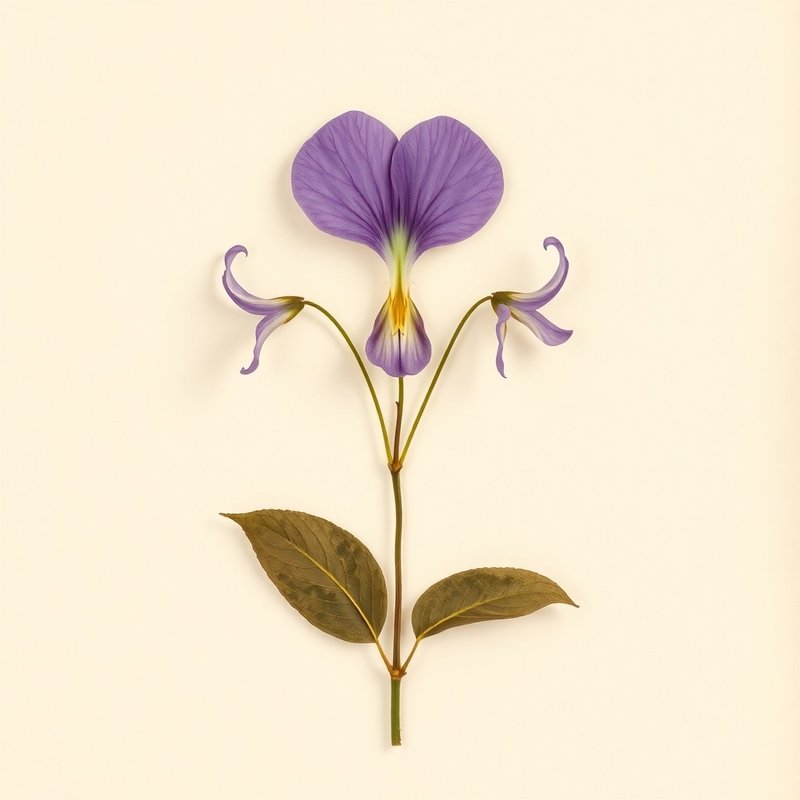
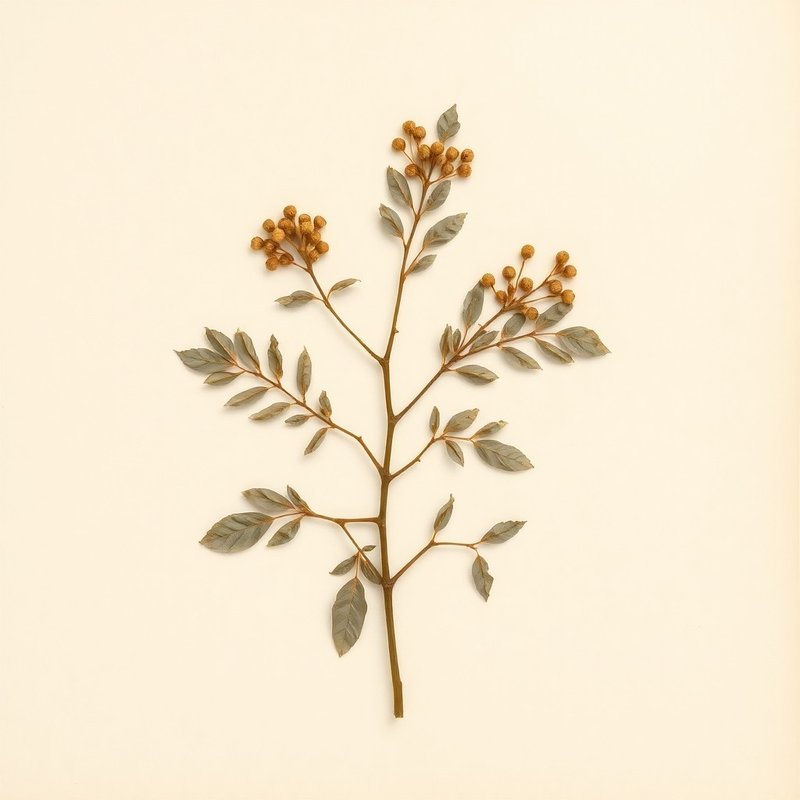
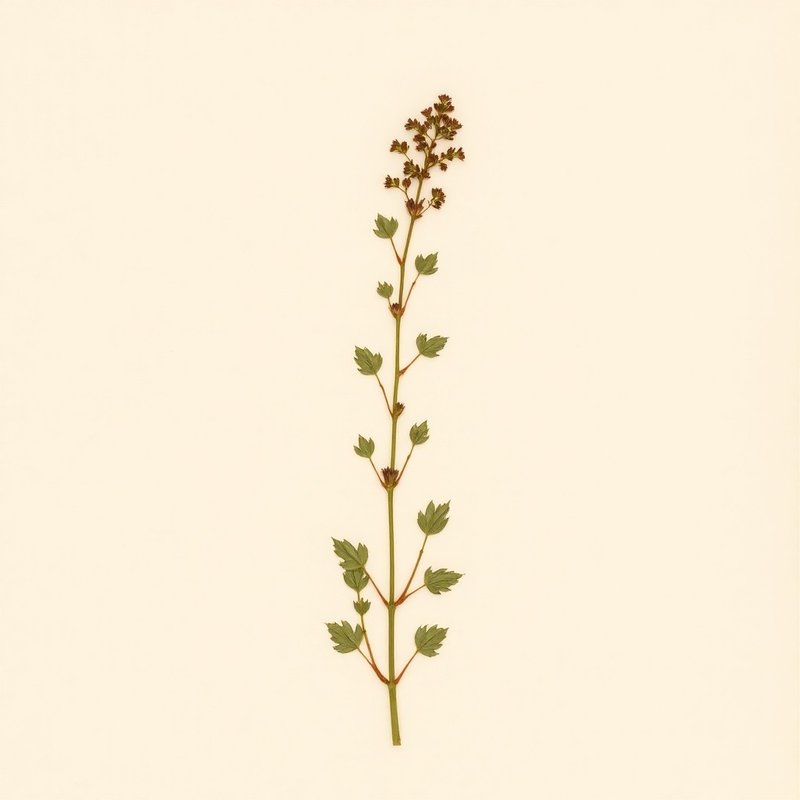
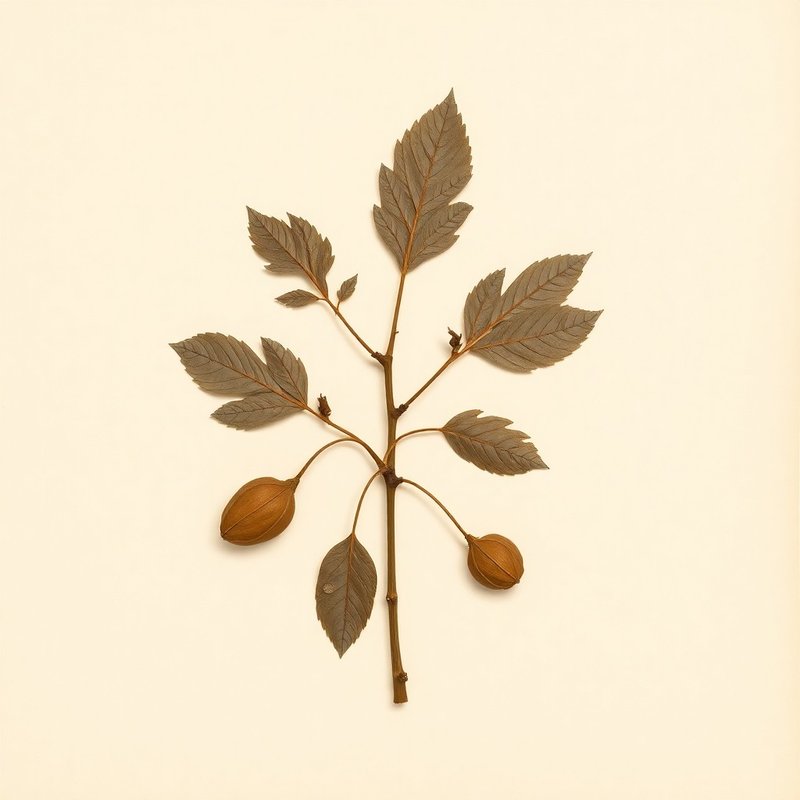
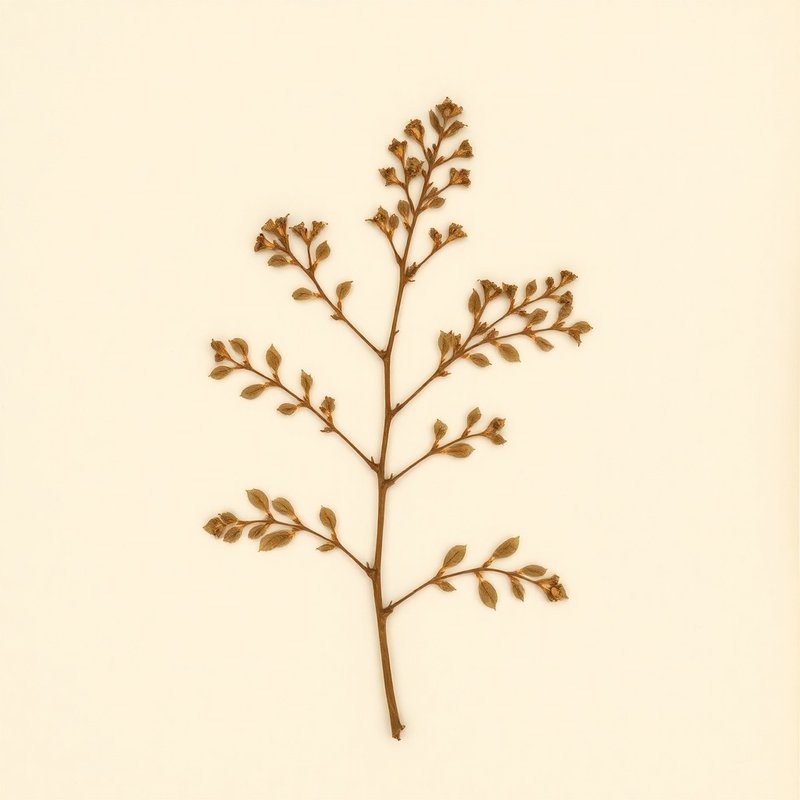
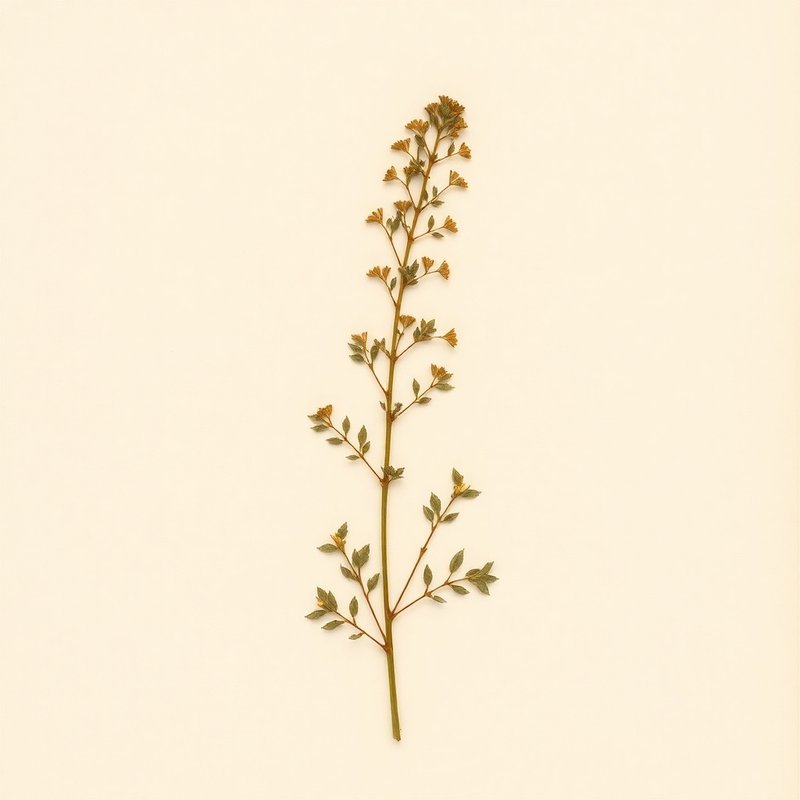
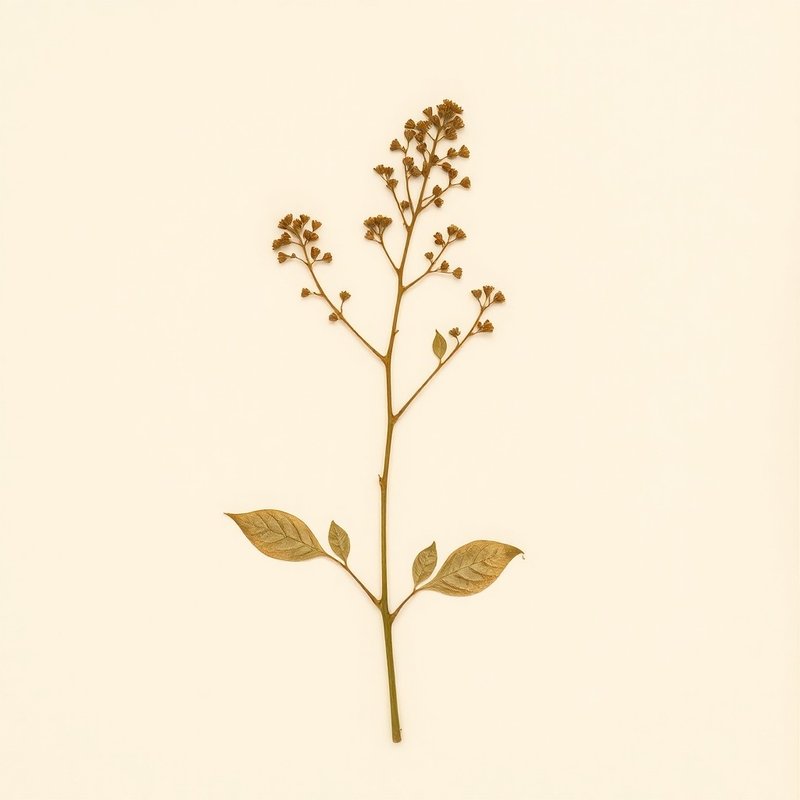
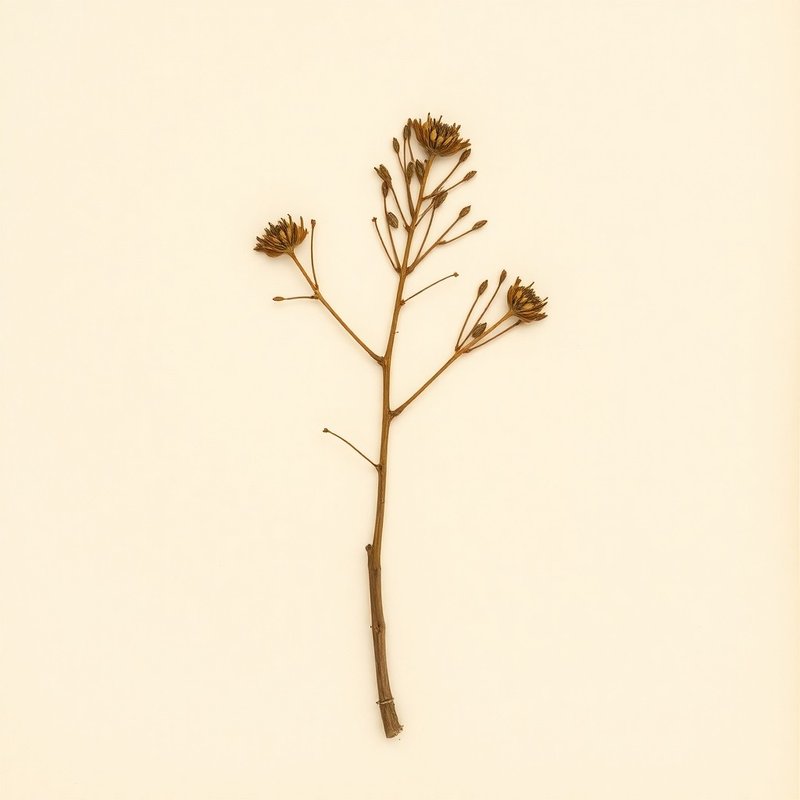
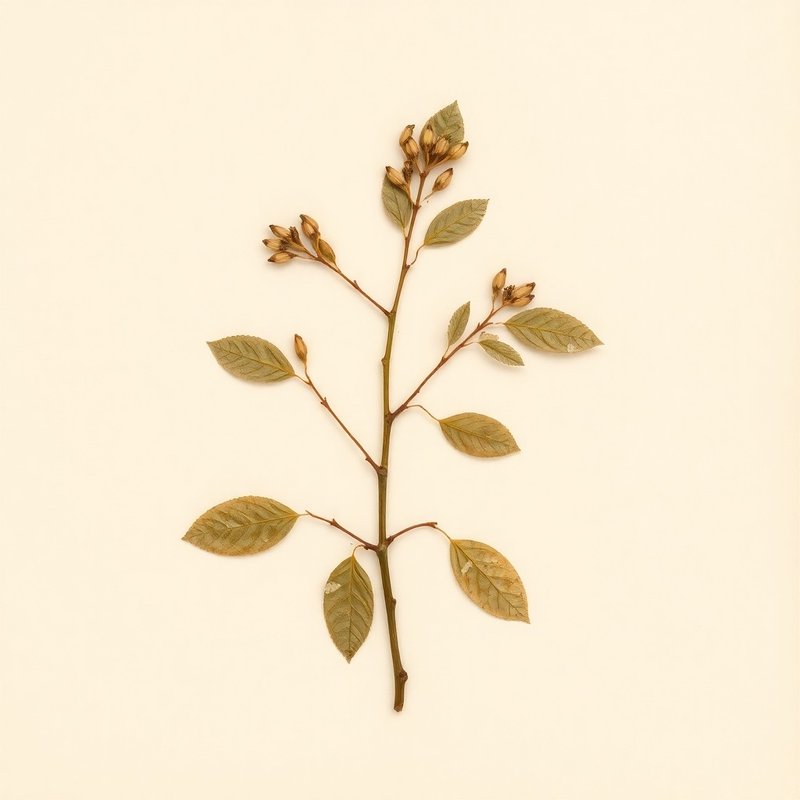
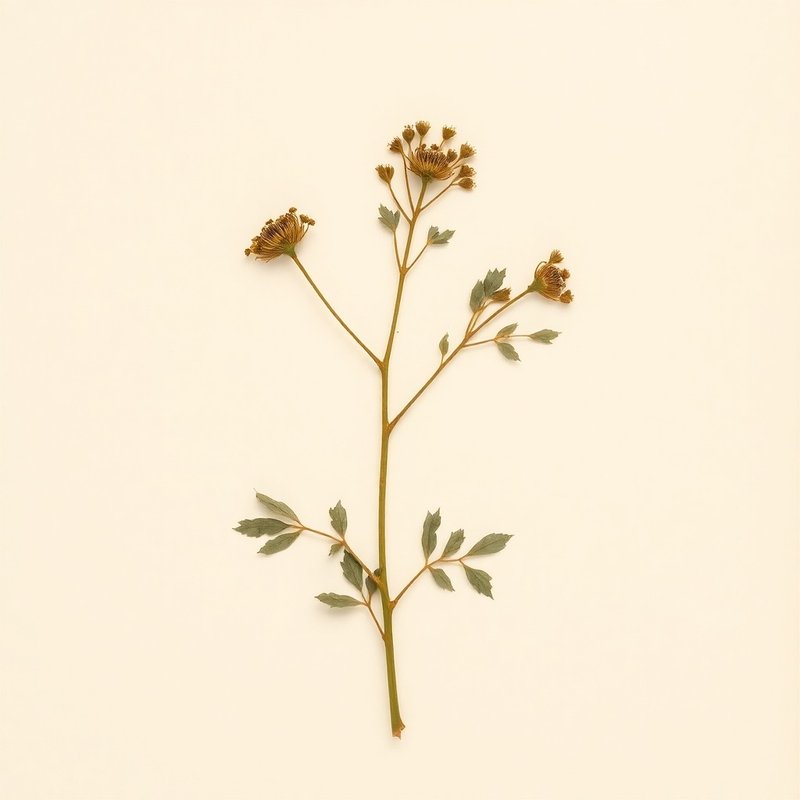
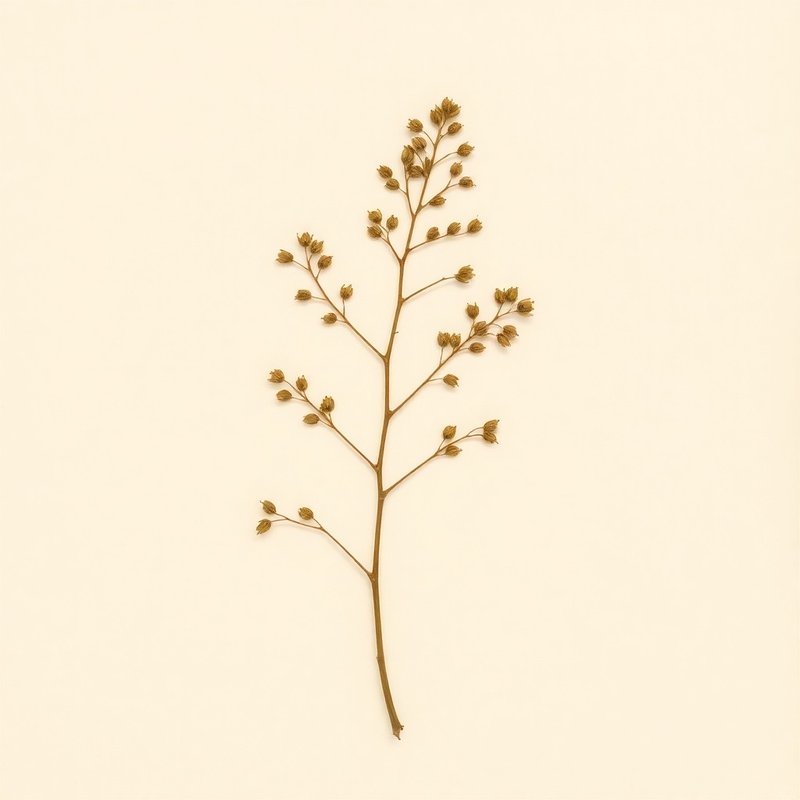
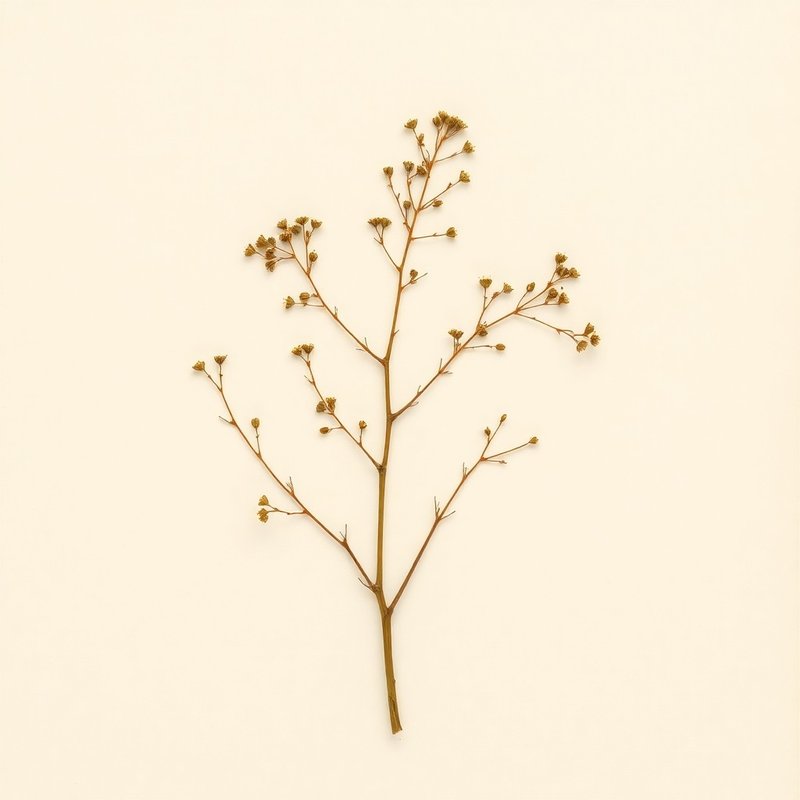
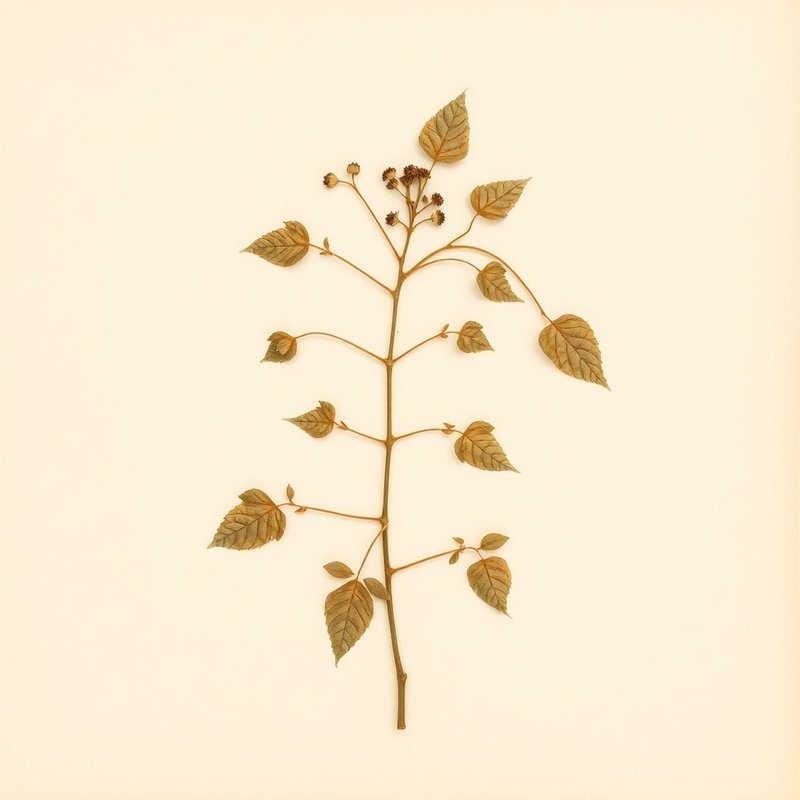
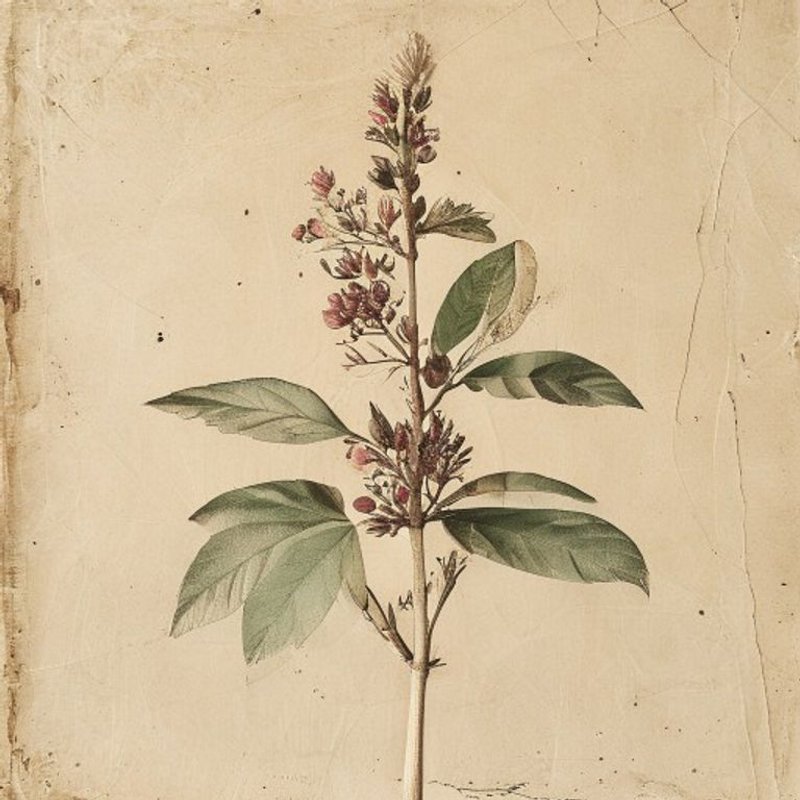
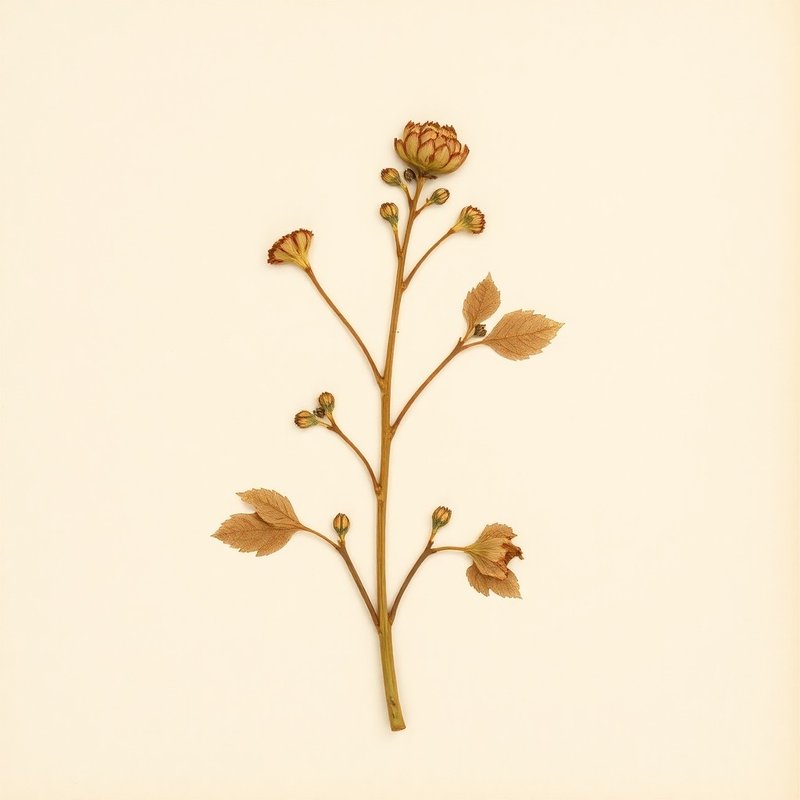
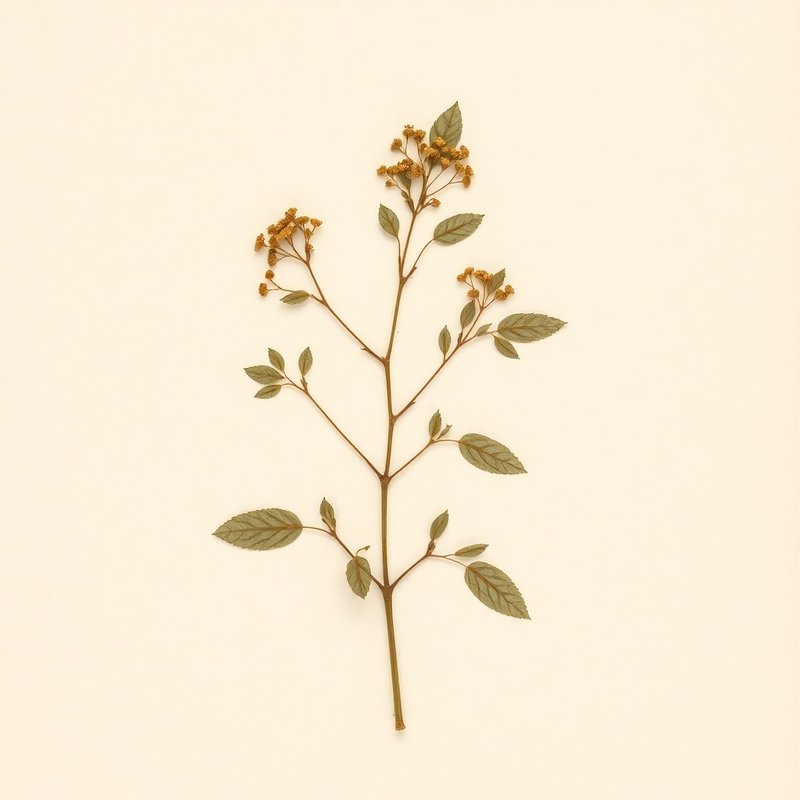
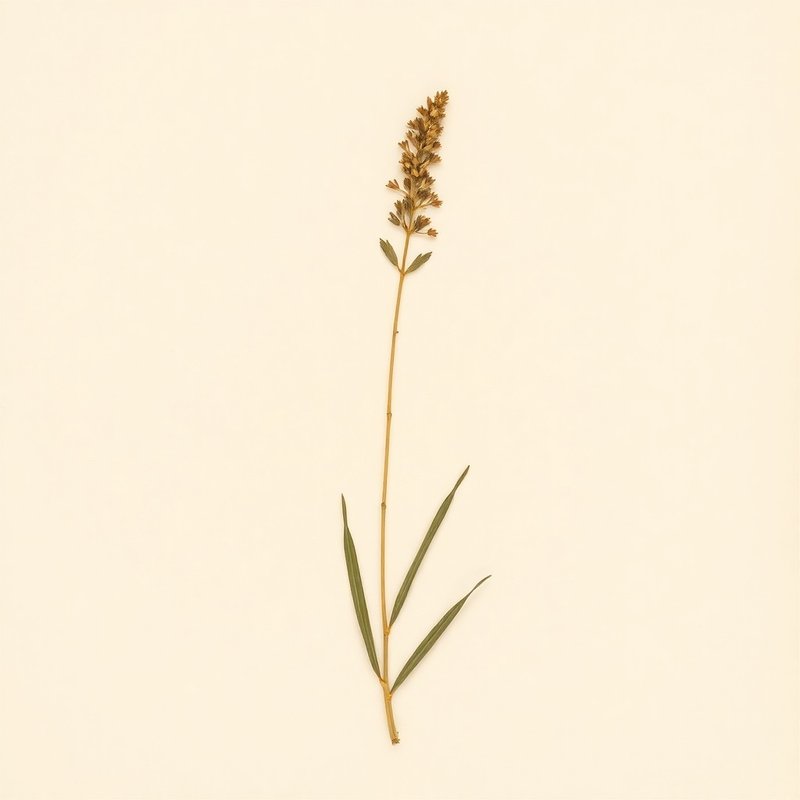
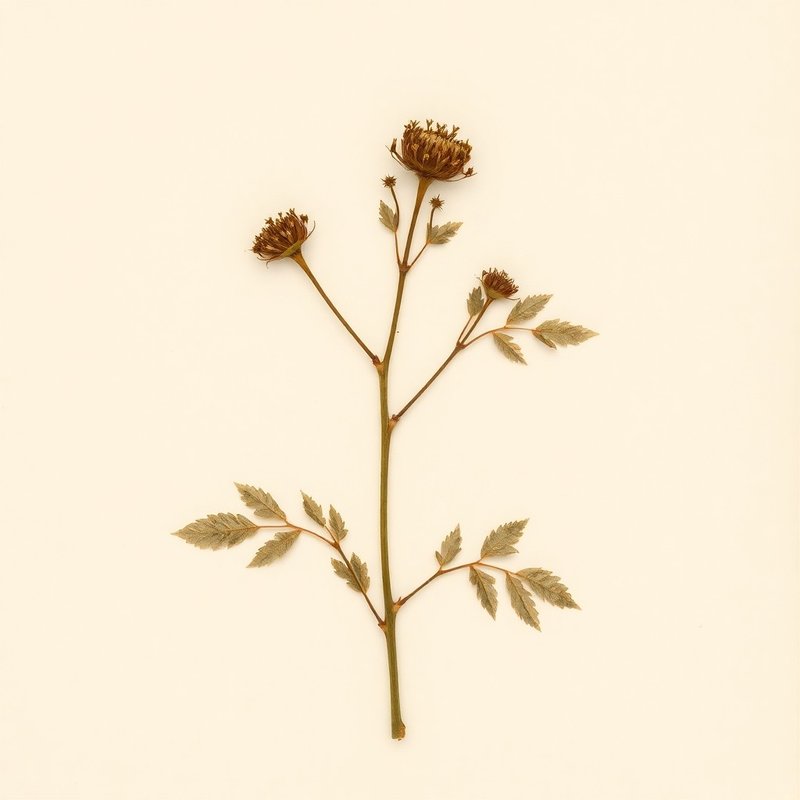
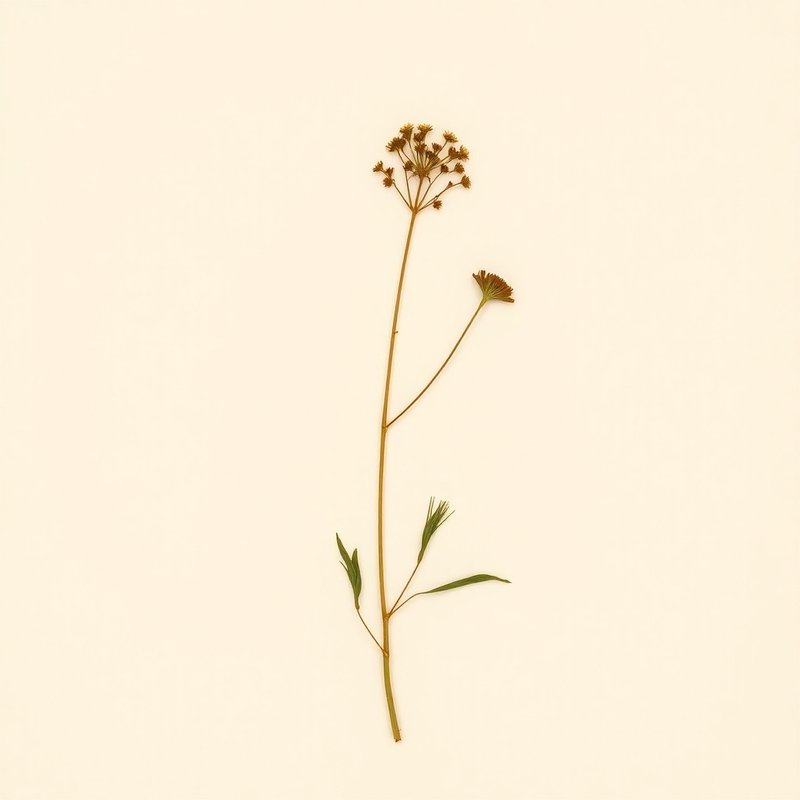
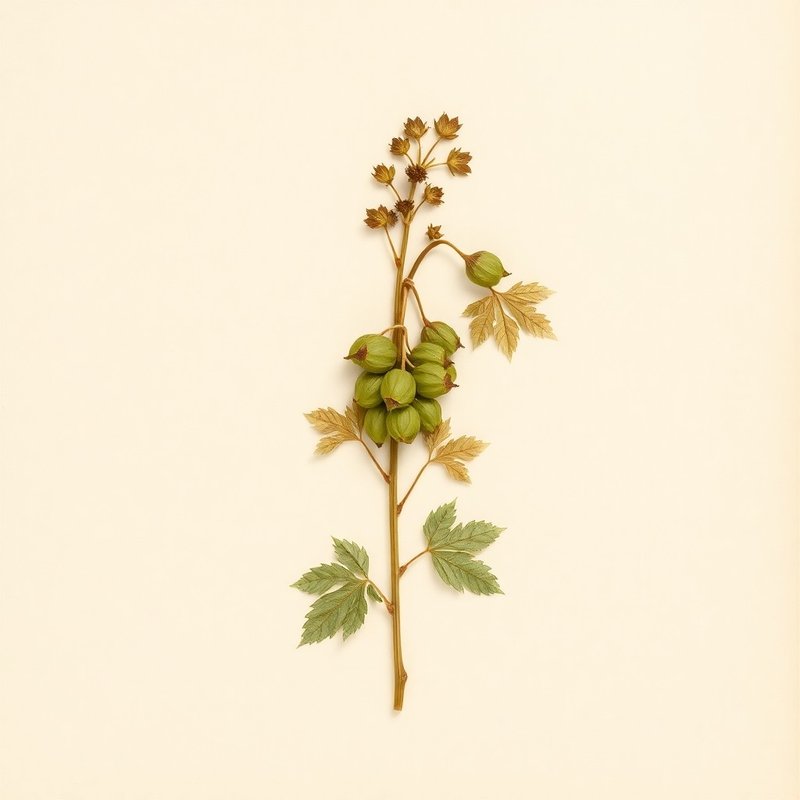
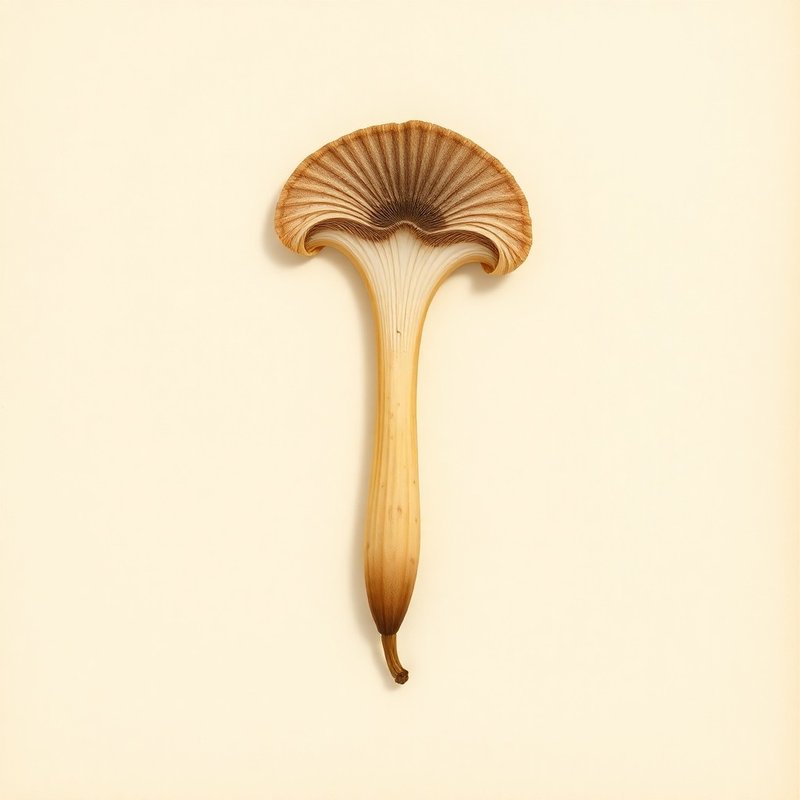
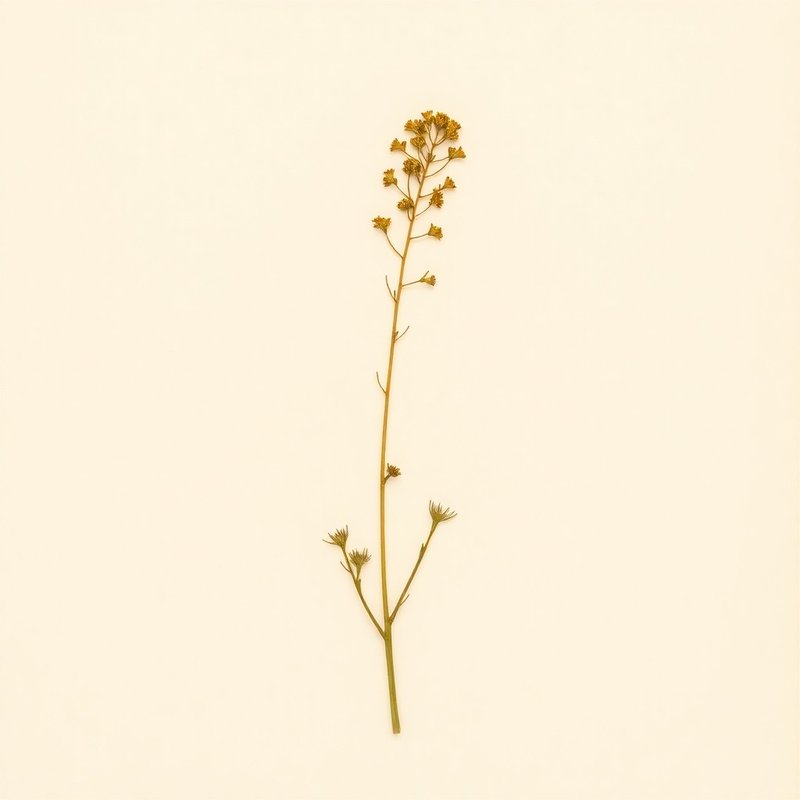
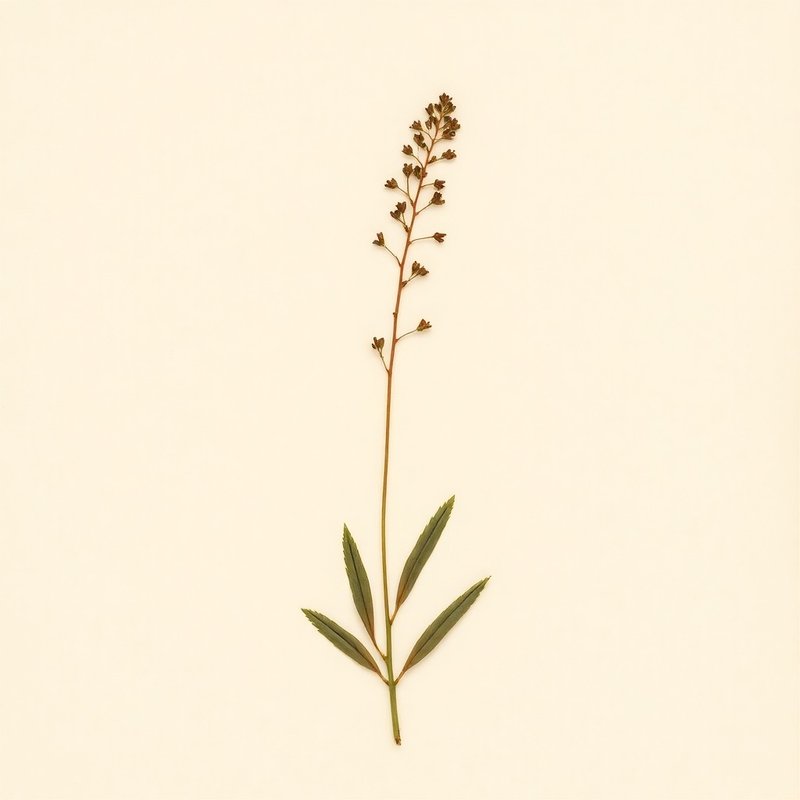
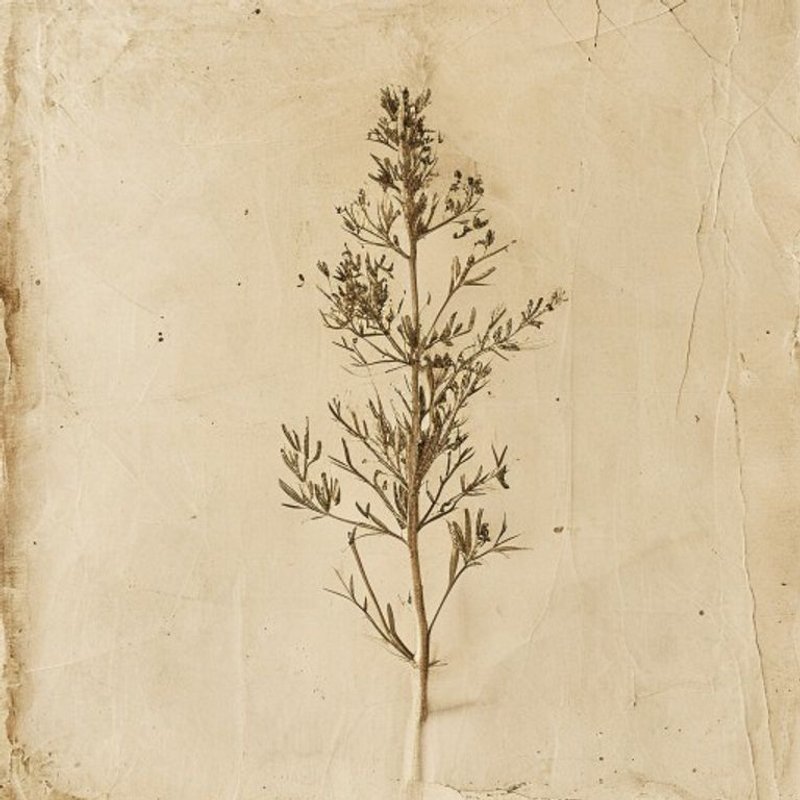
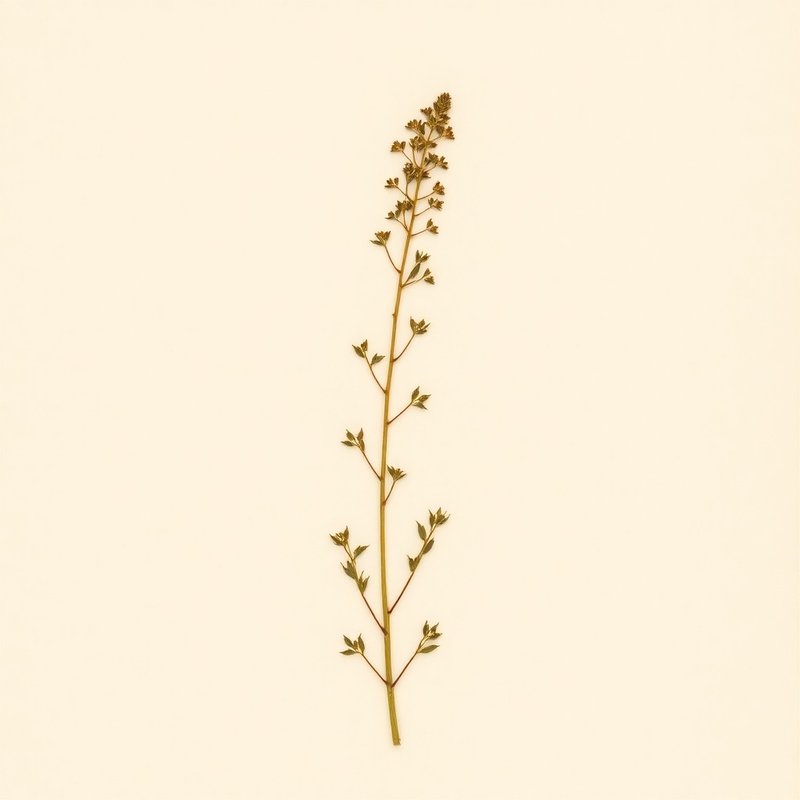
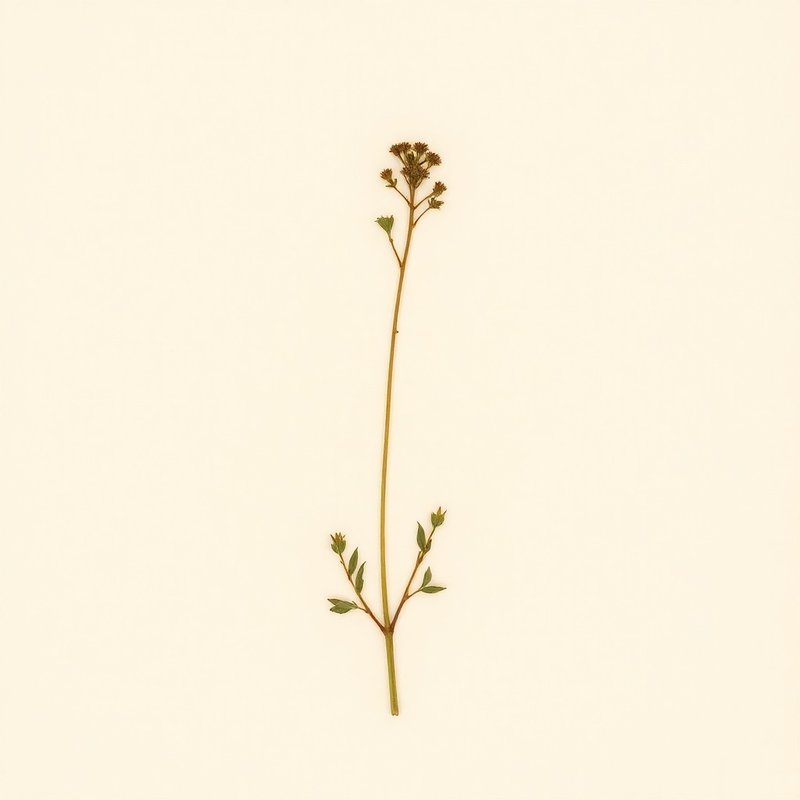
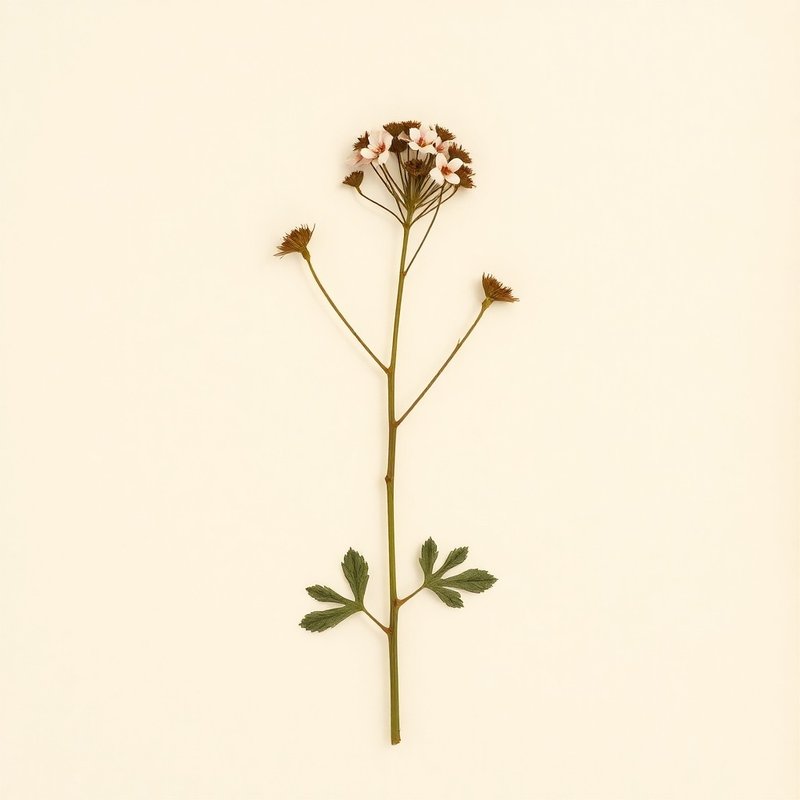
Matricaria chamomilla (Chamomile) — botanical photograph
#1 pickChamomileMatricaria chamomilla

Chamomile is one of the better-evidenced choices for Digestion — 1 cited reference with moderate evidence quality. Effect size d=0.62 (moderate). Antispasmodic via bisabolol; reduces visceral hypersensitivity in functional dyspepsia.

Confidence
moderate
Typical Tincture (1:5, 45%)
1–4 ml · 3×/day
Sources
1 cited
Safety
Asteraceae allergy
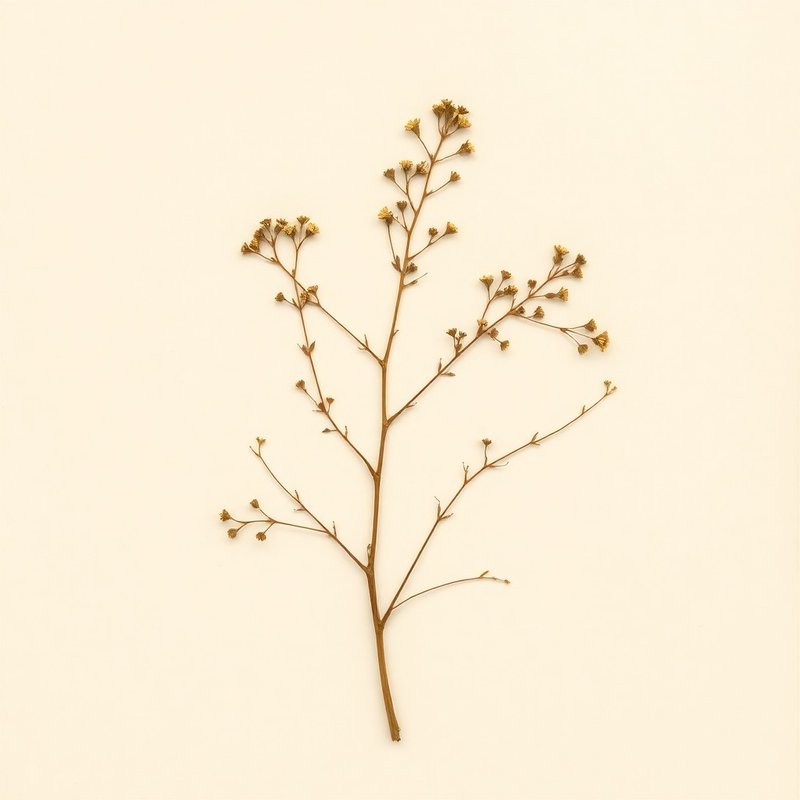
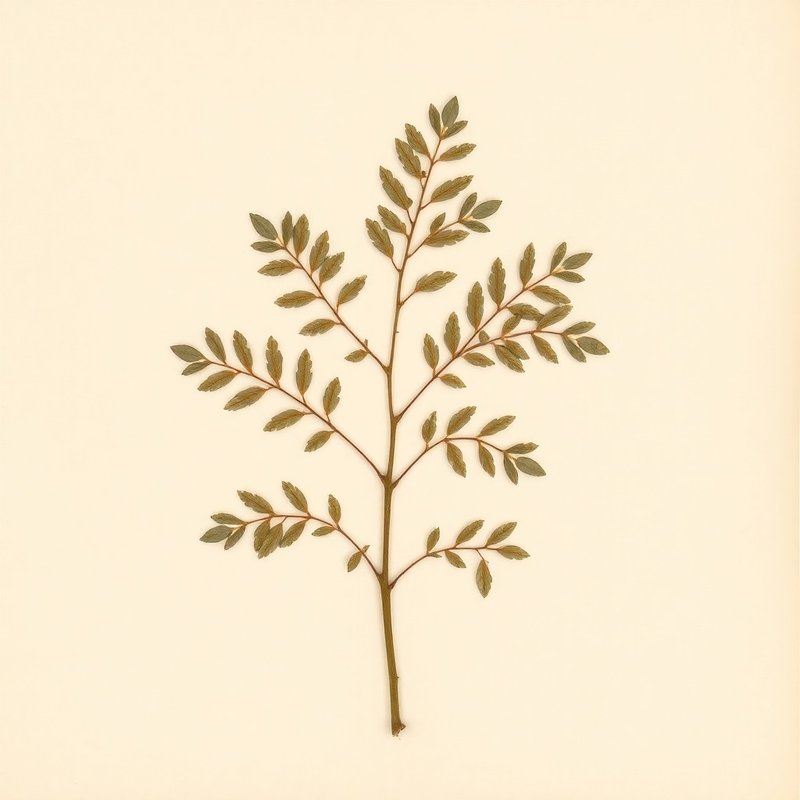
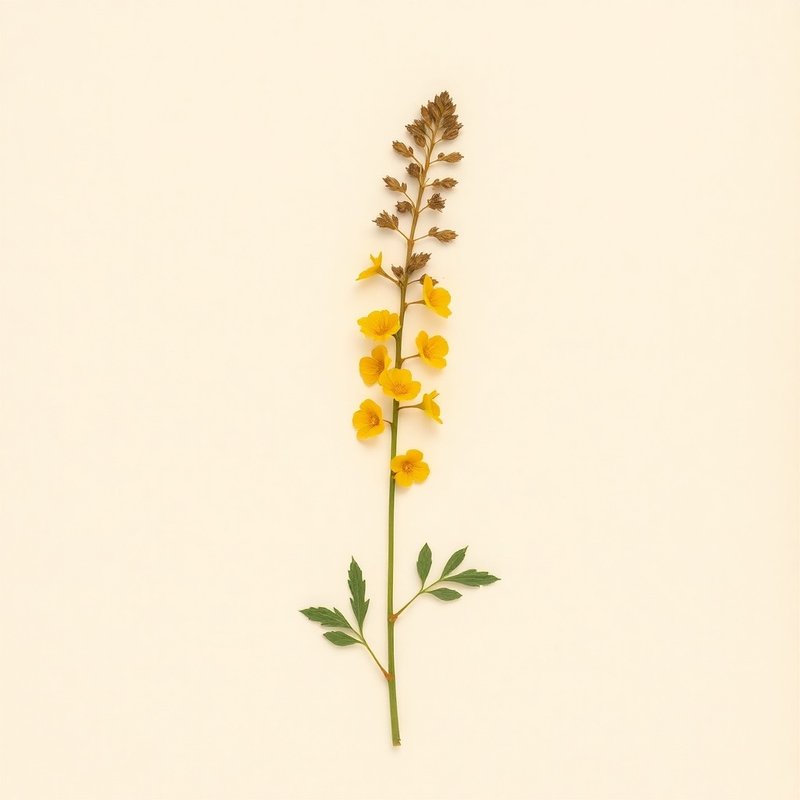
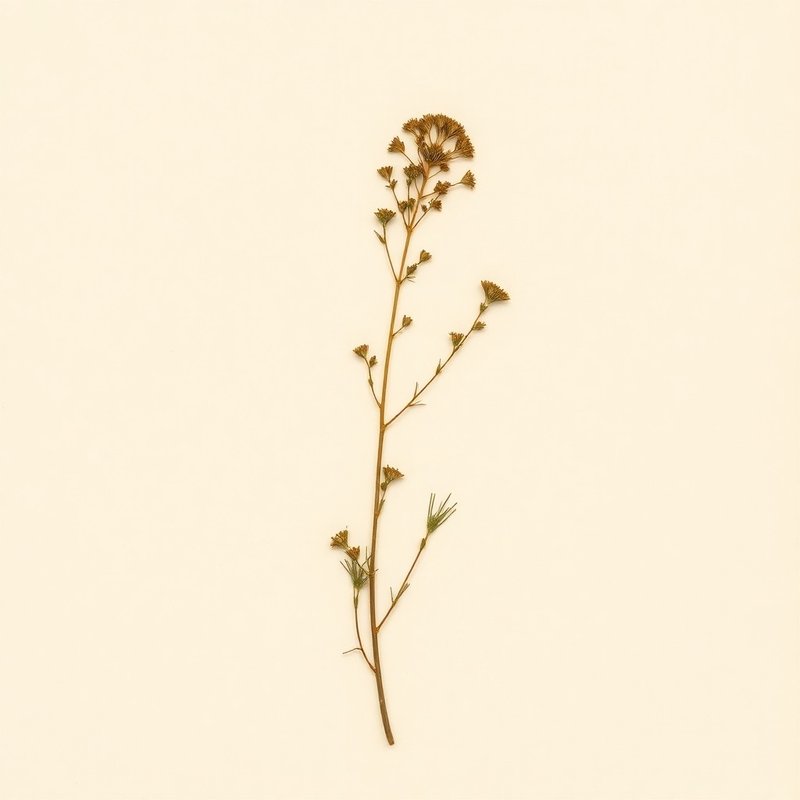
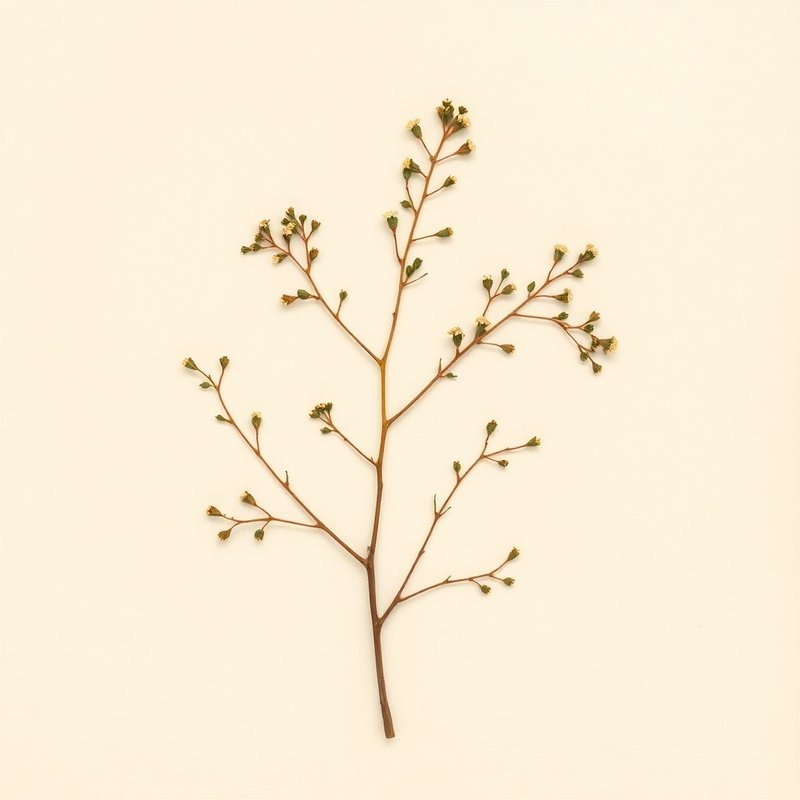
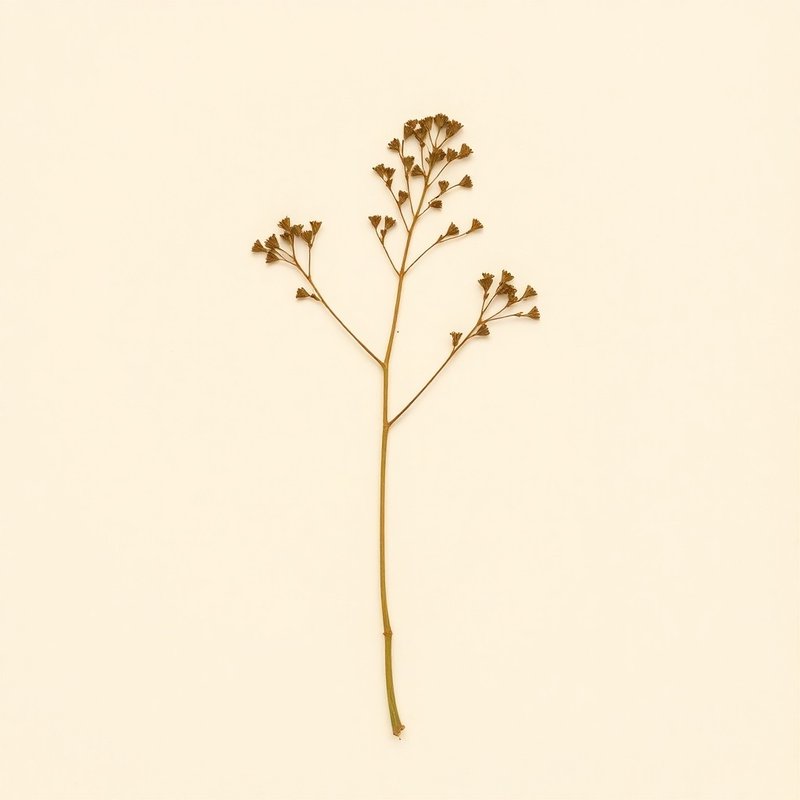
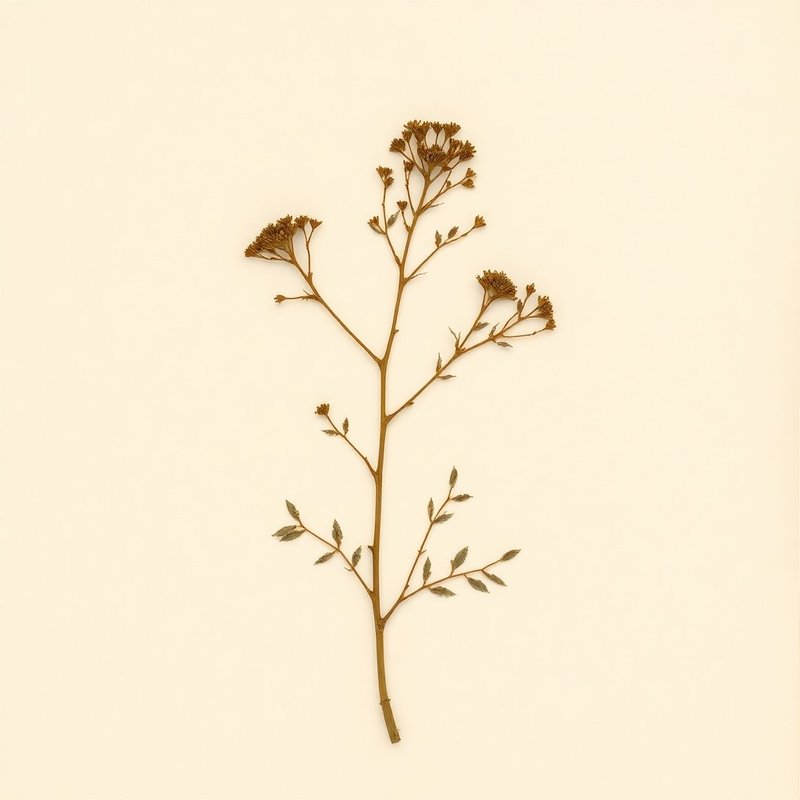
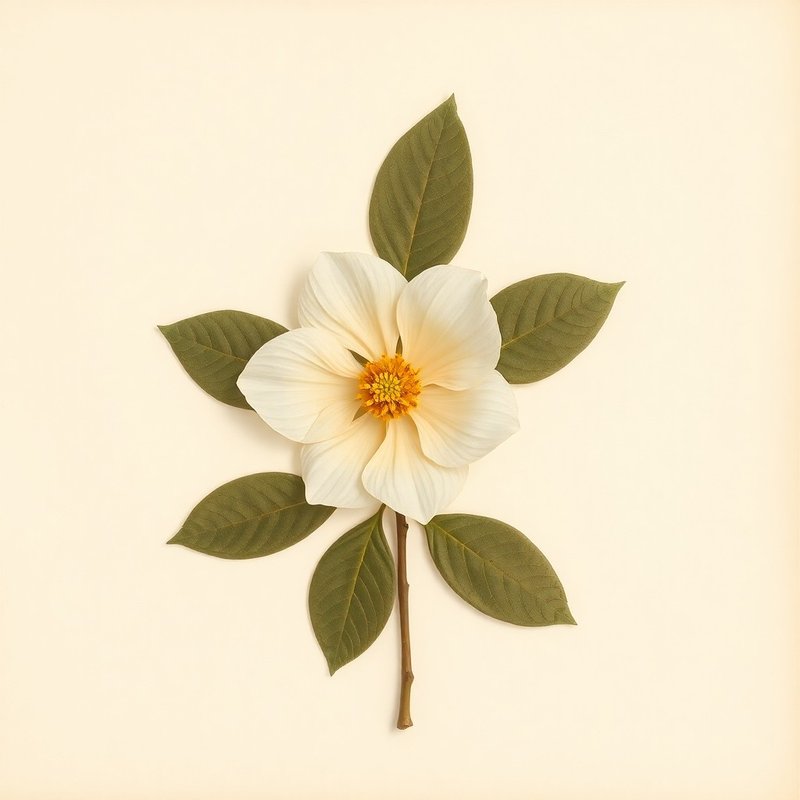
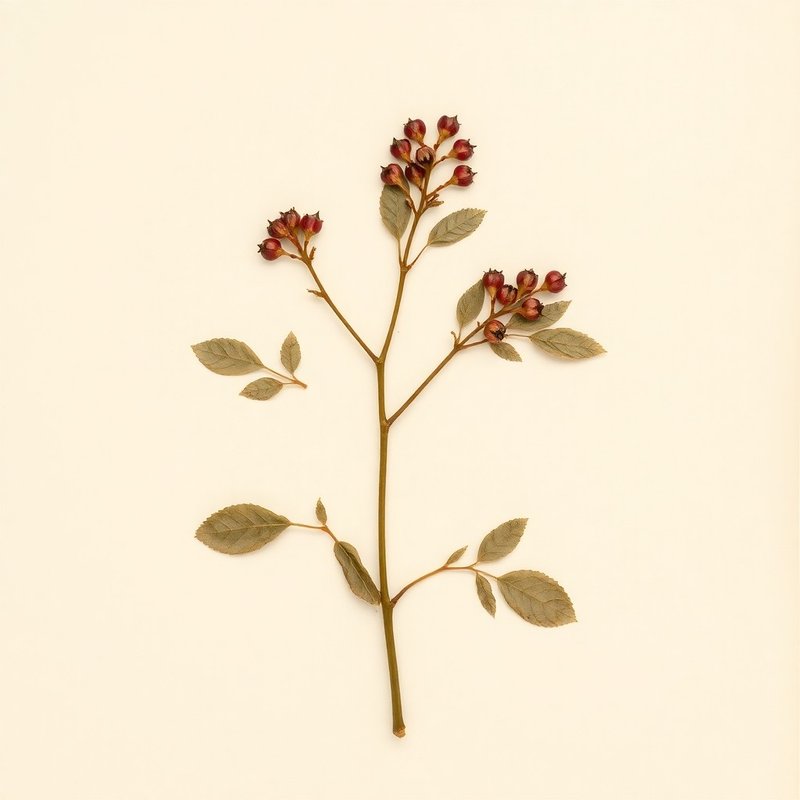
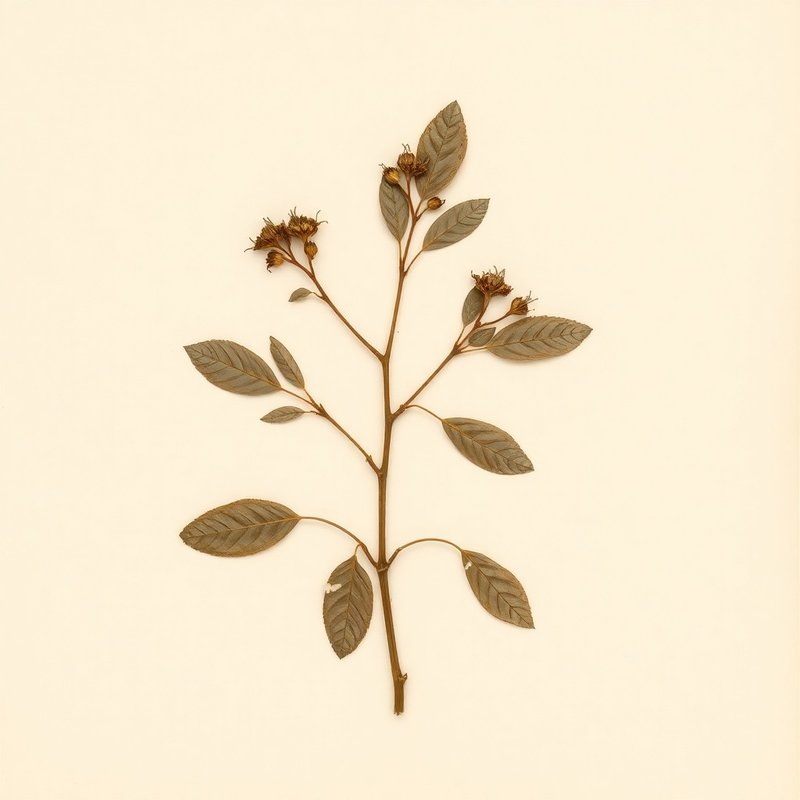
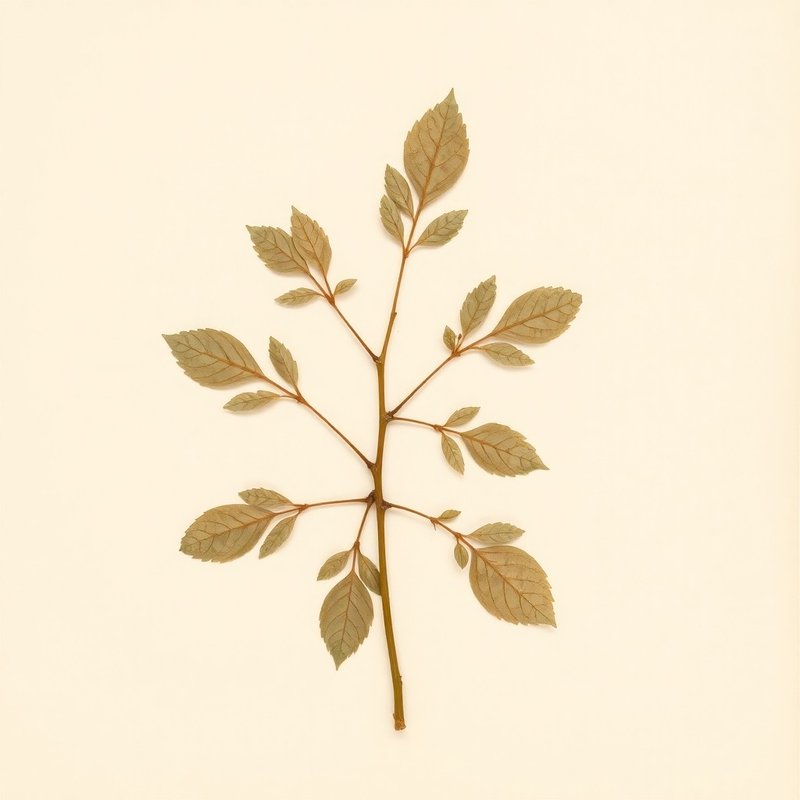
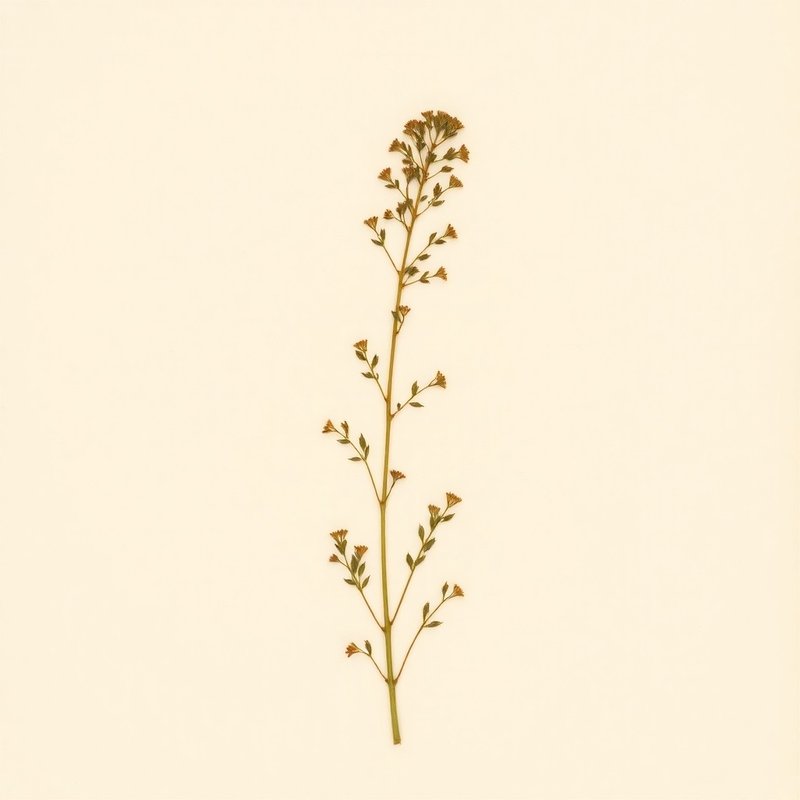
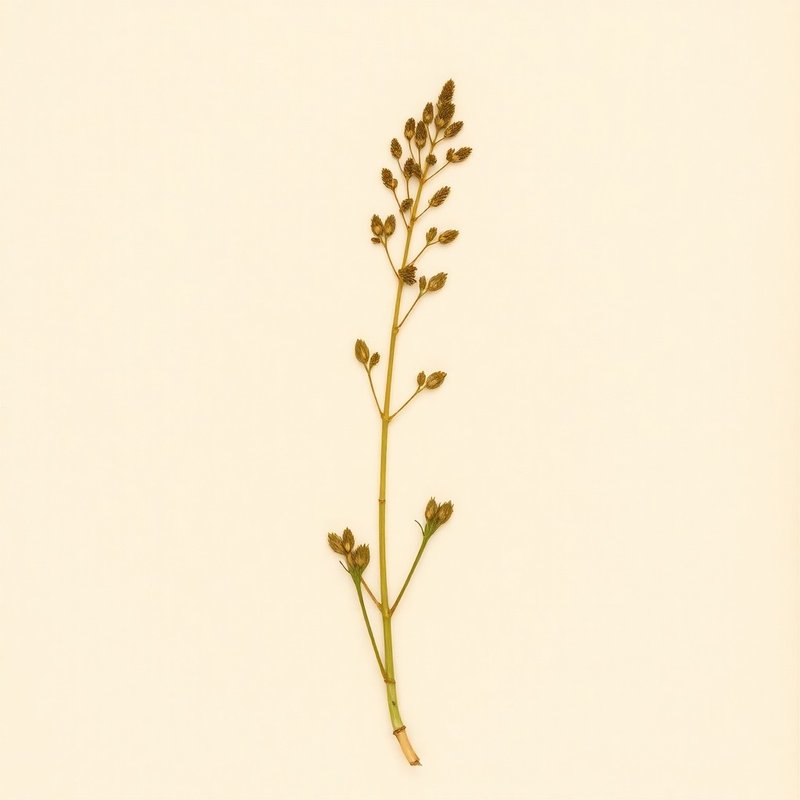
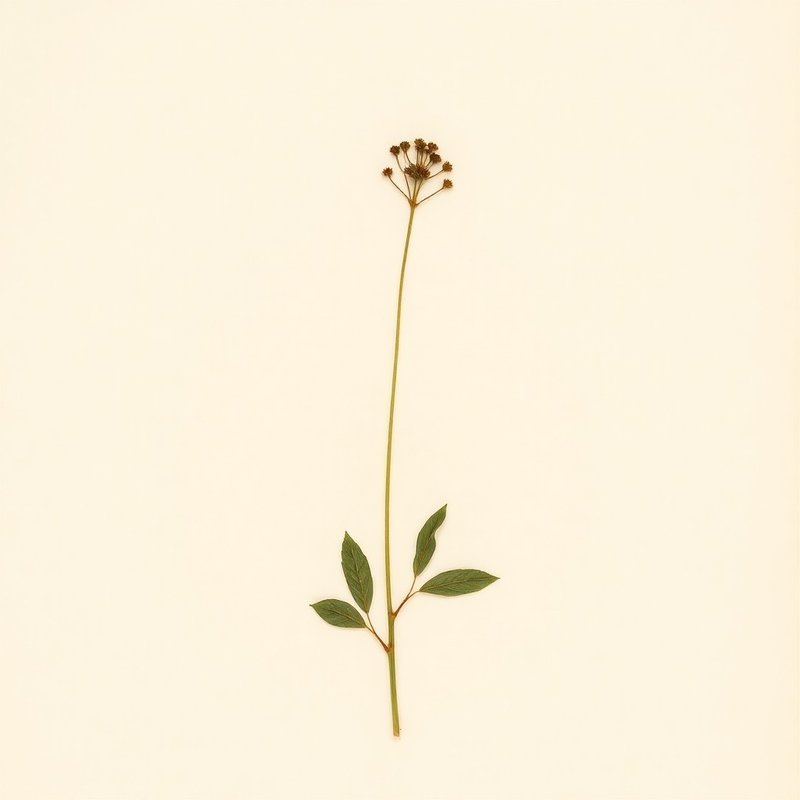
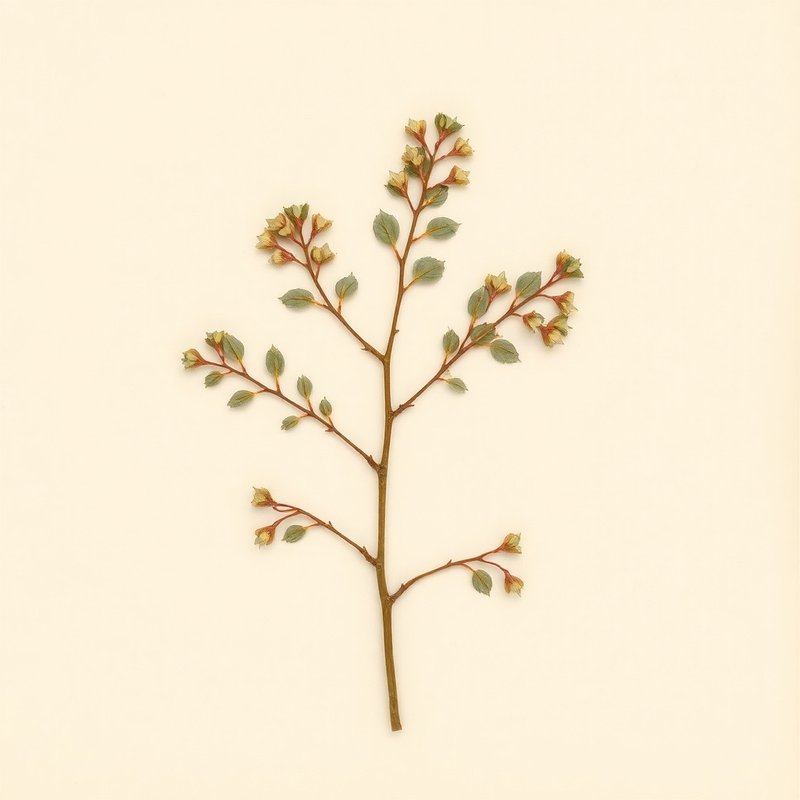
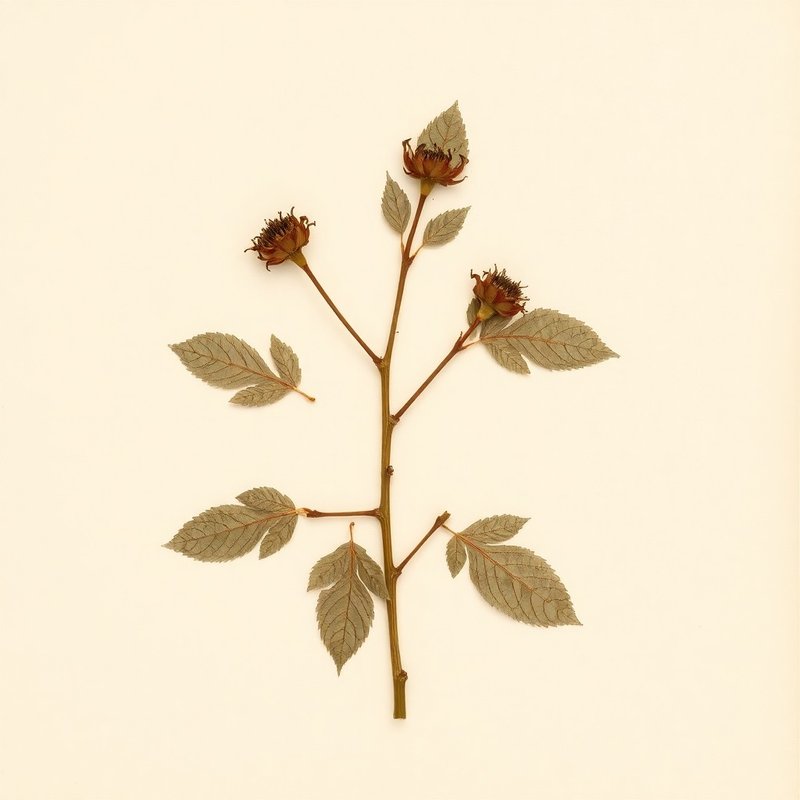
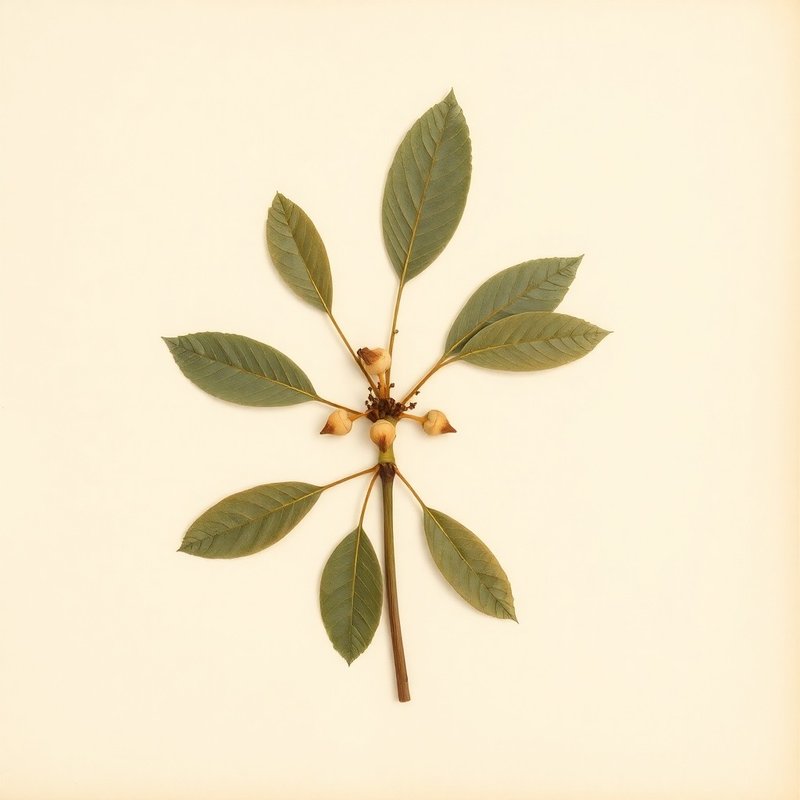
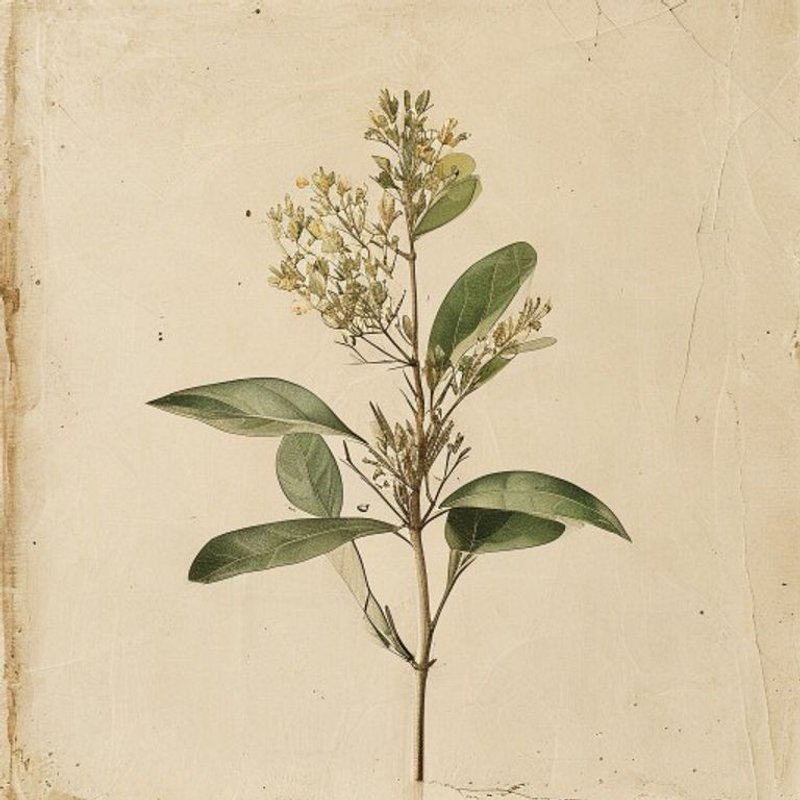
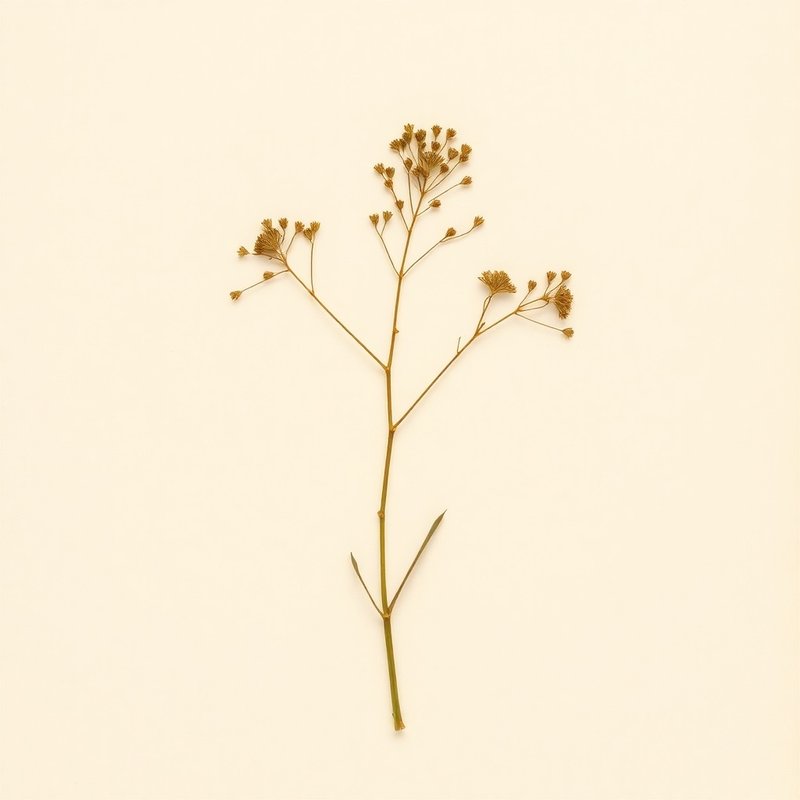
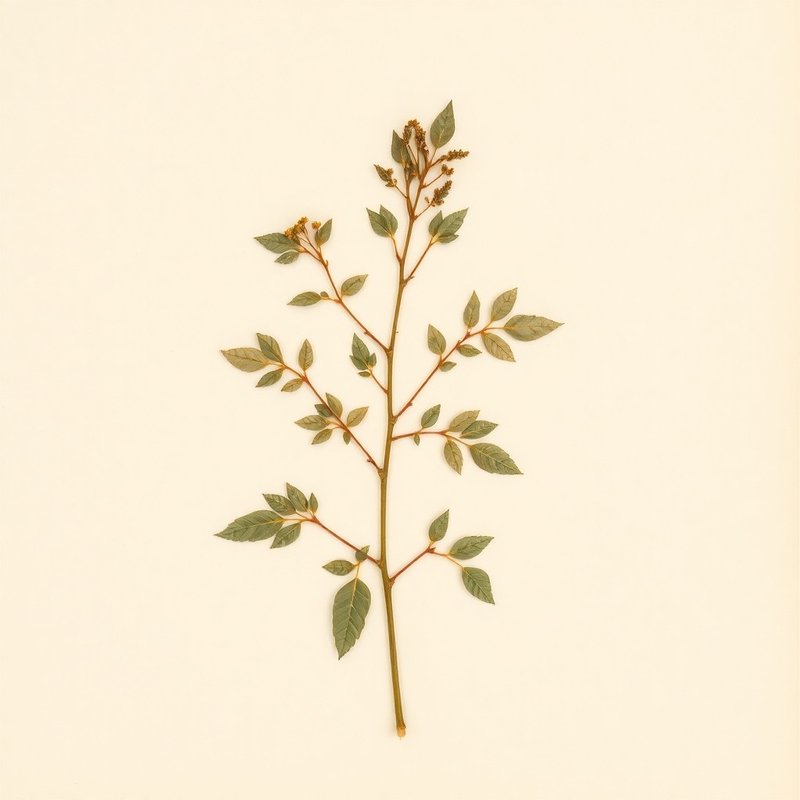
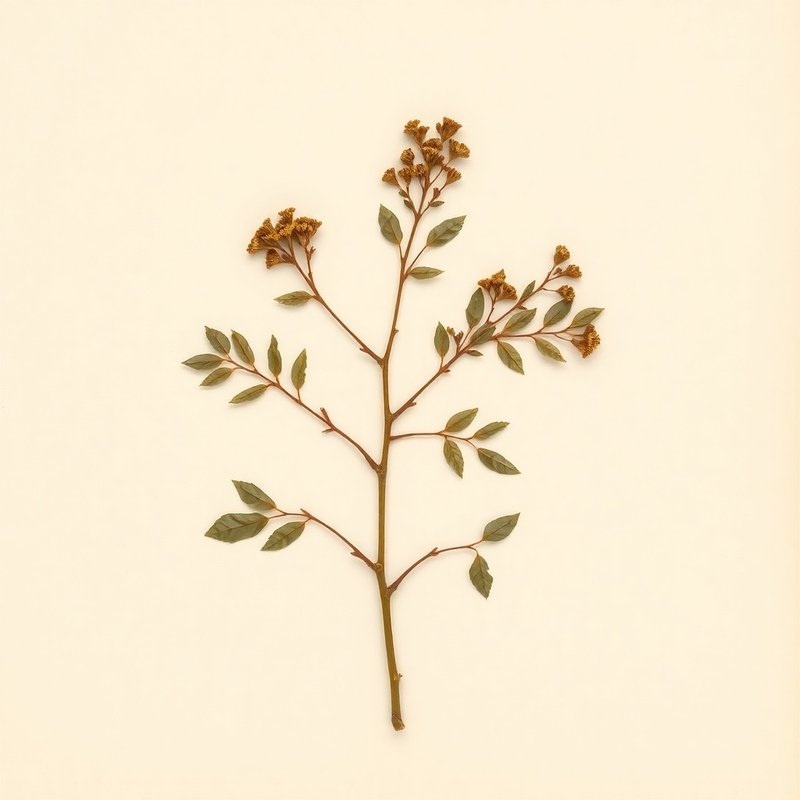
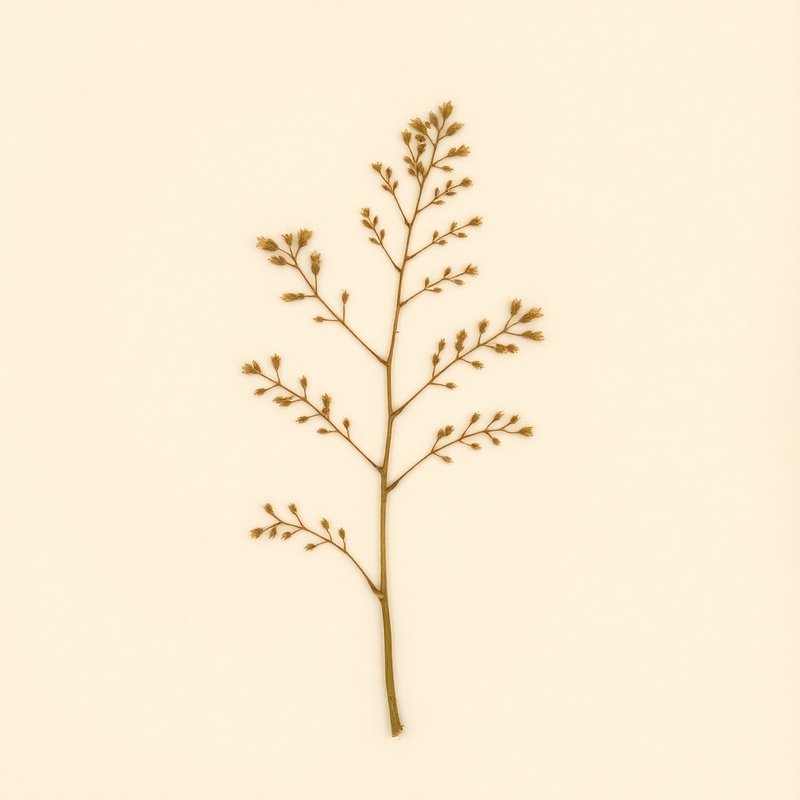
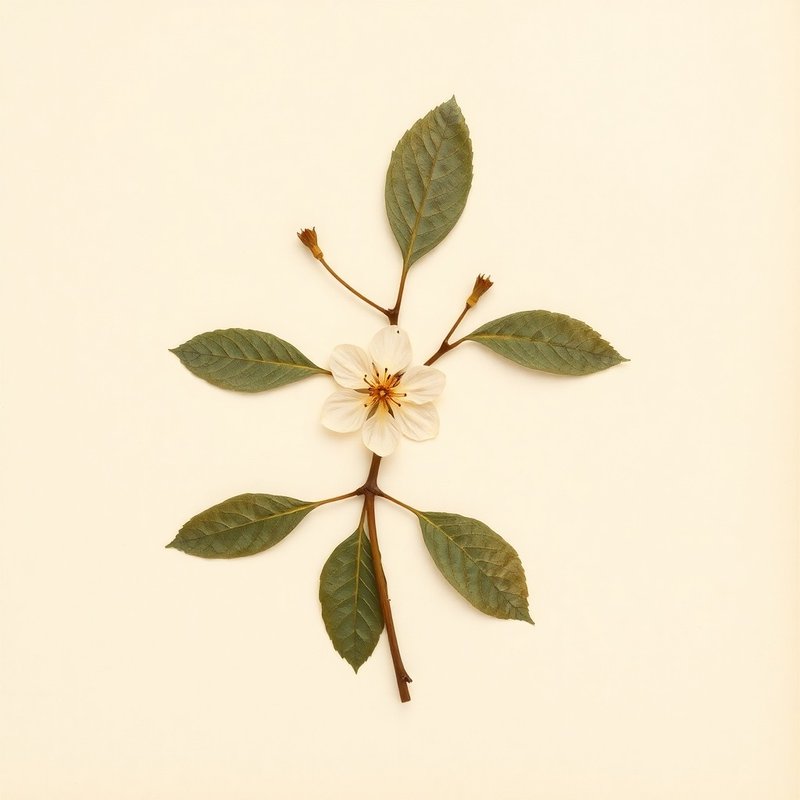
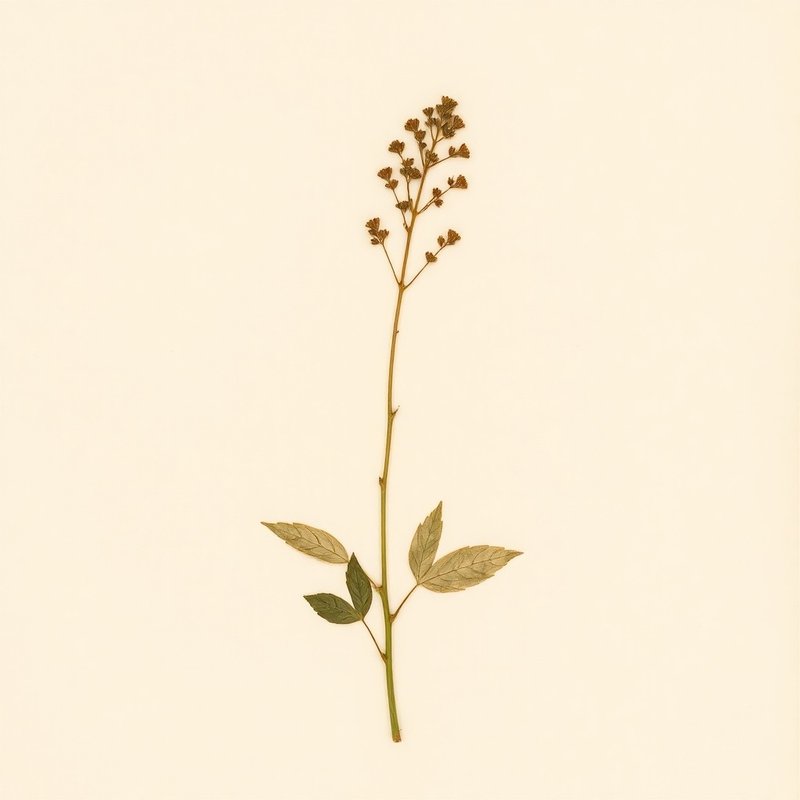
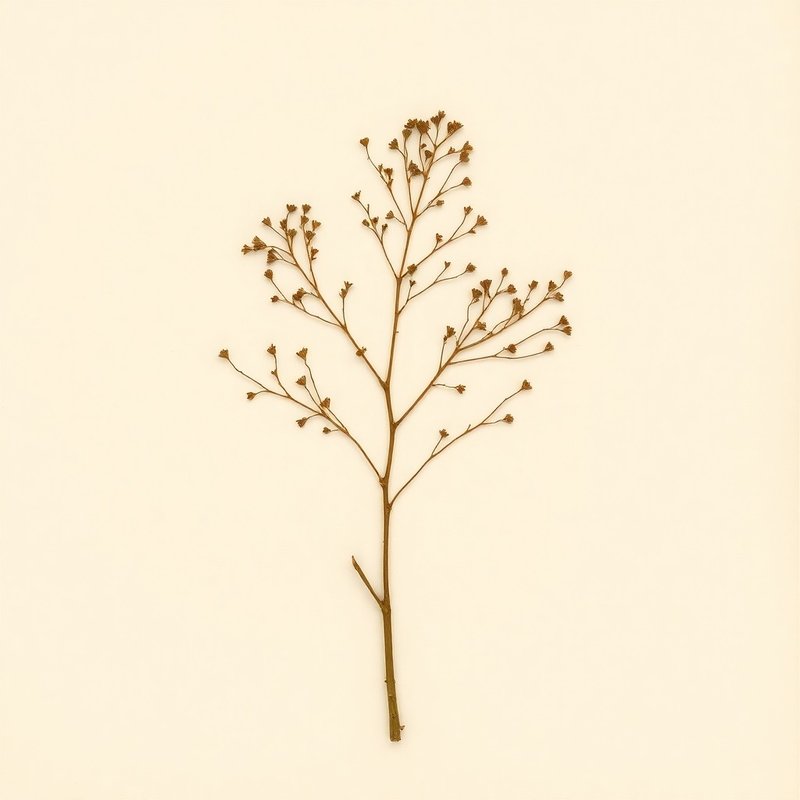
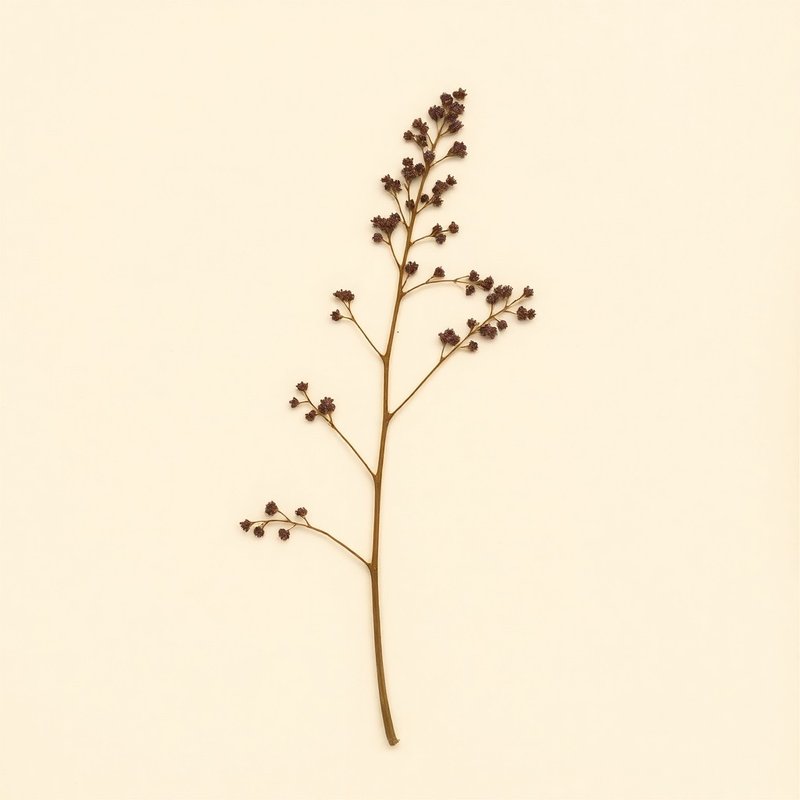
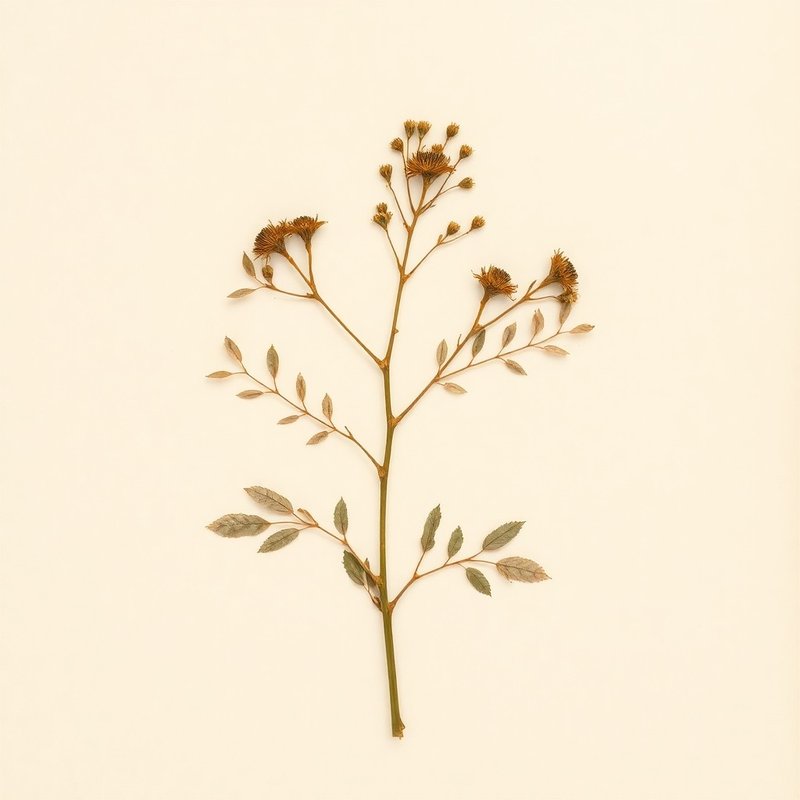
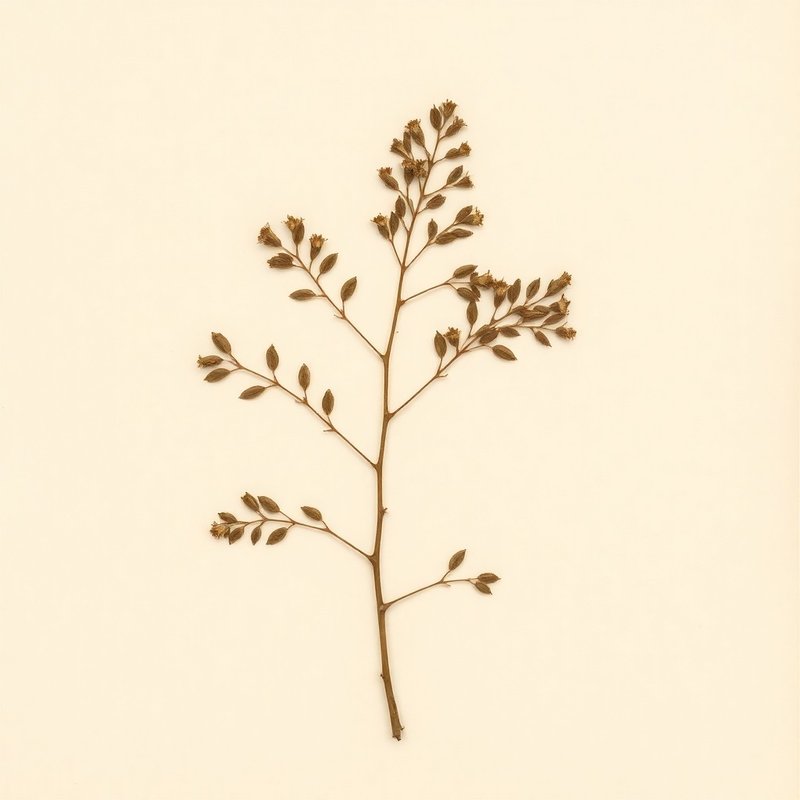
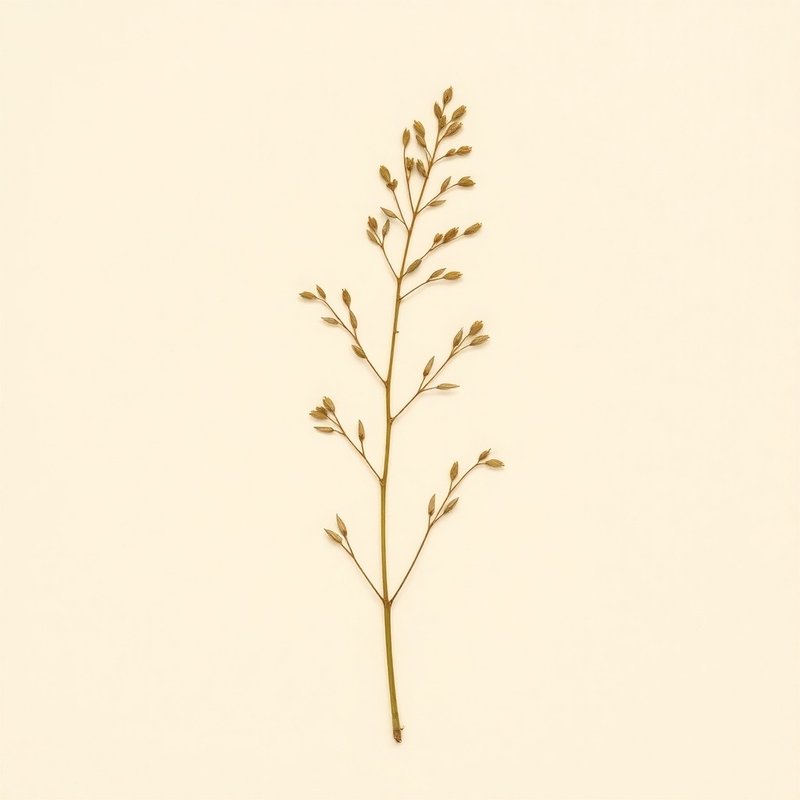
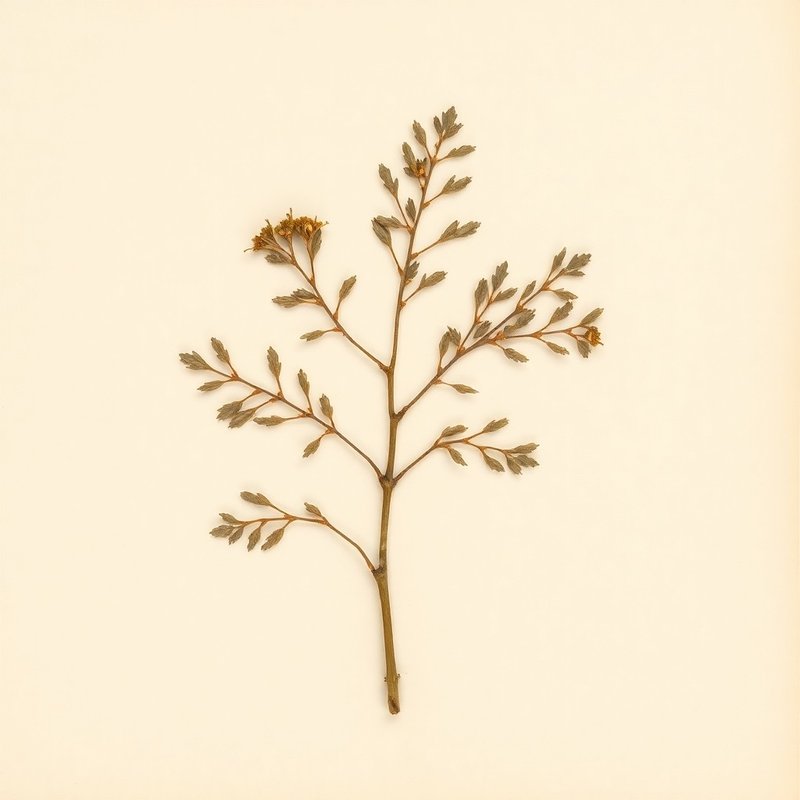
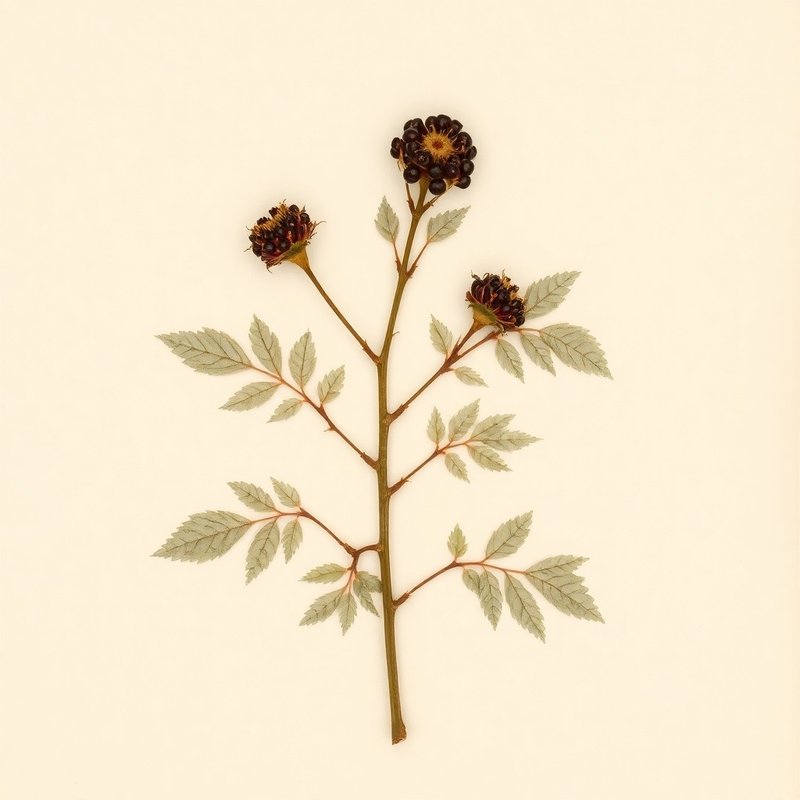
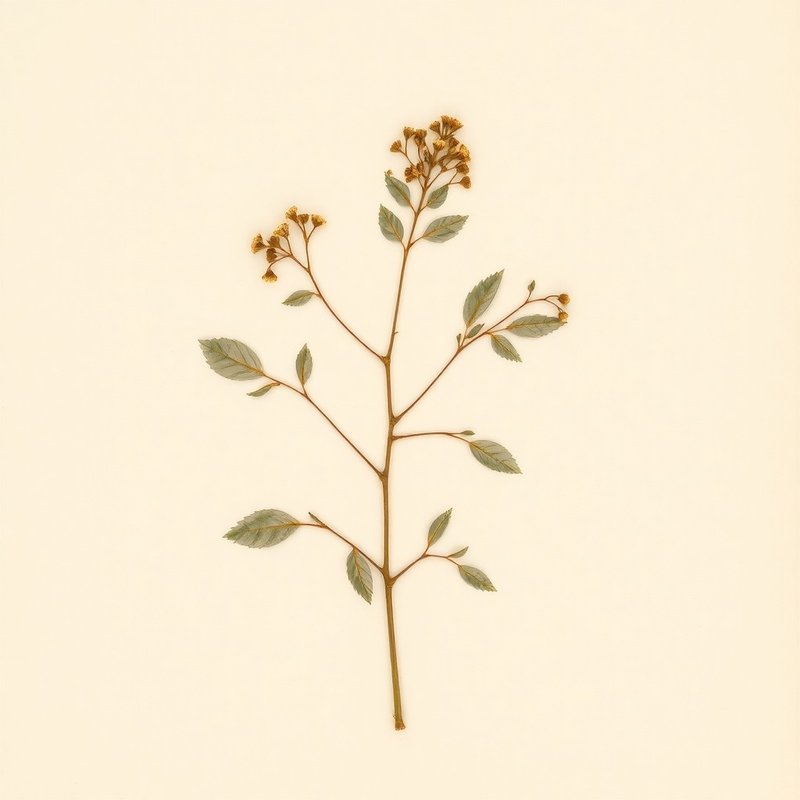
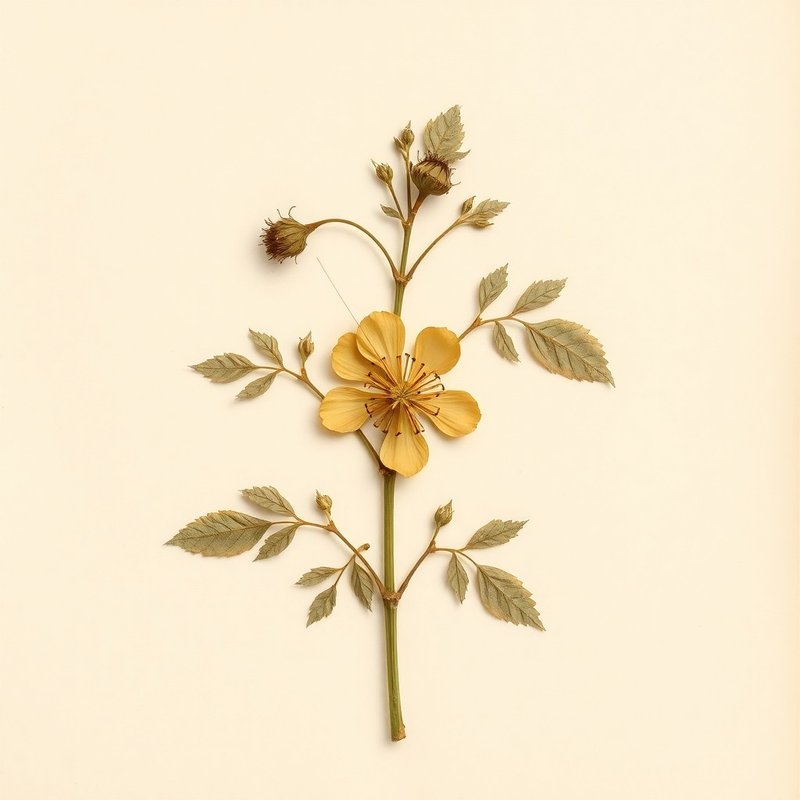
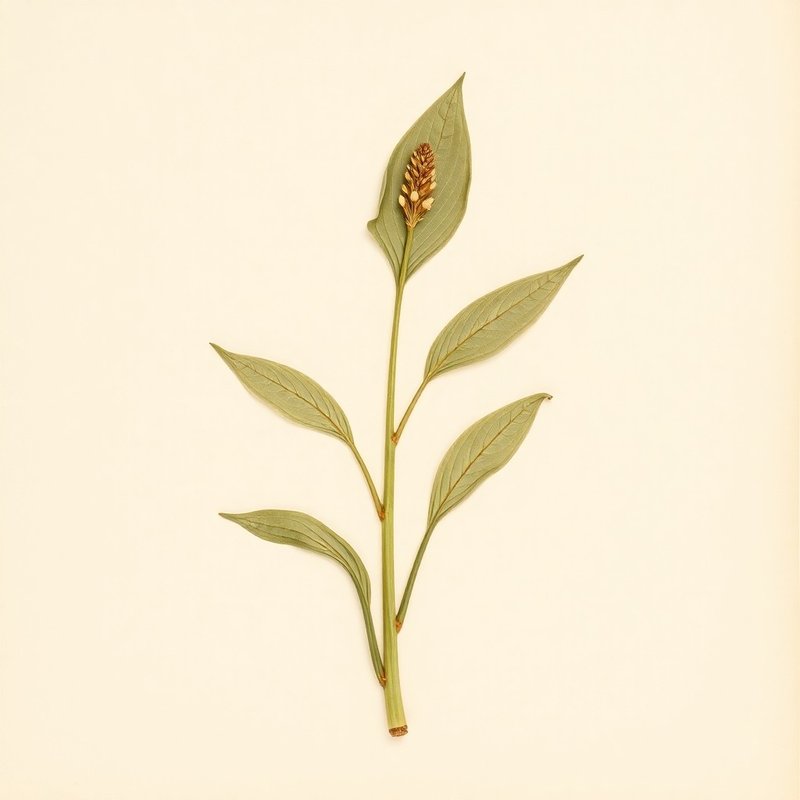
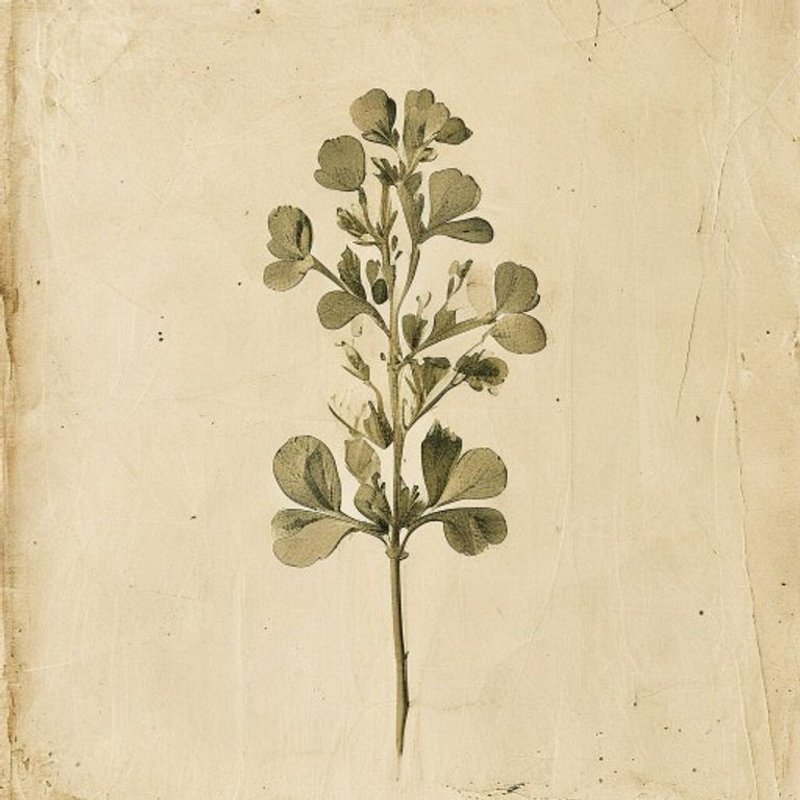
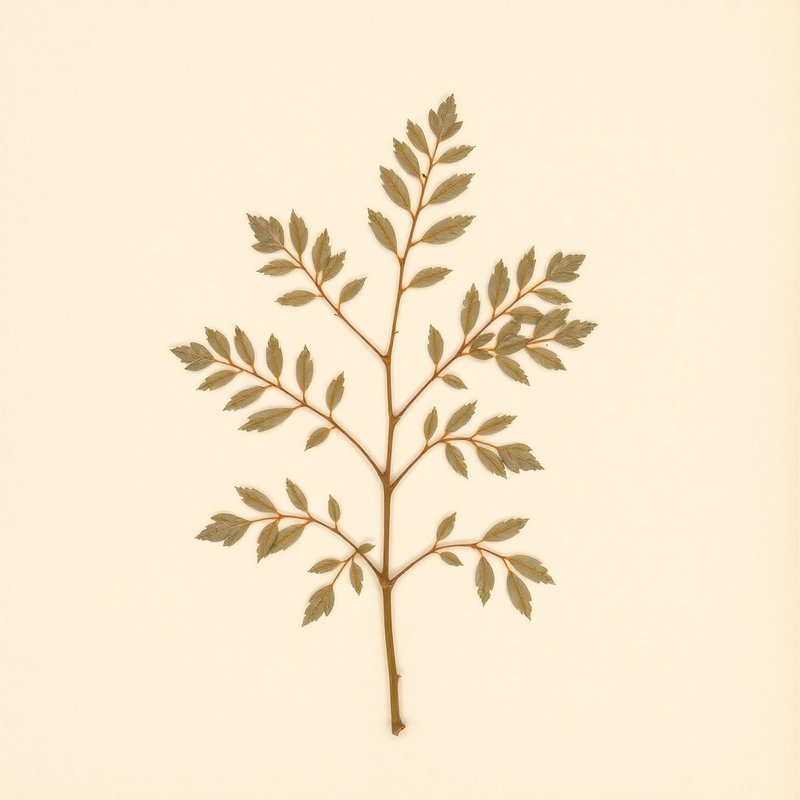
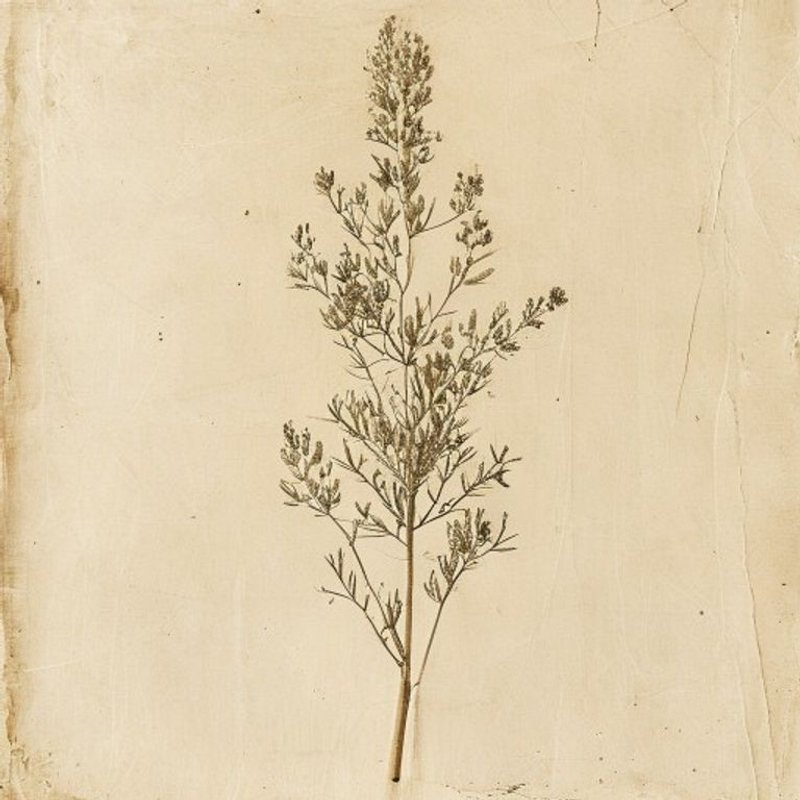
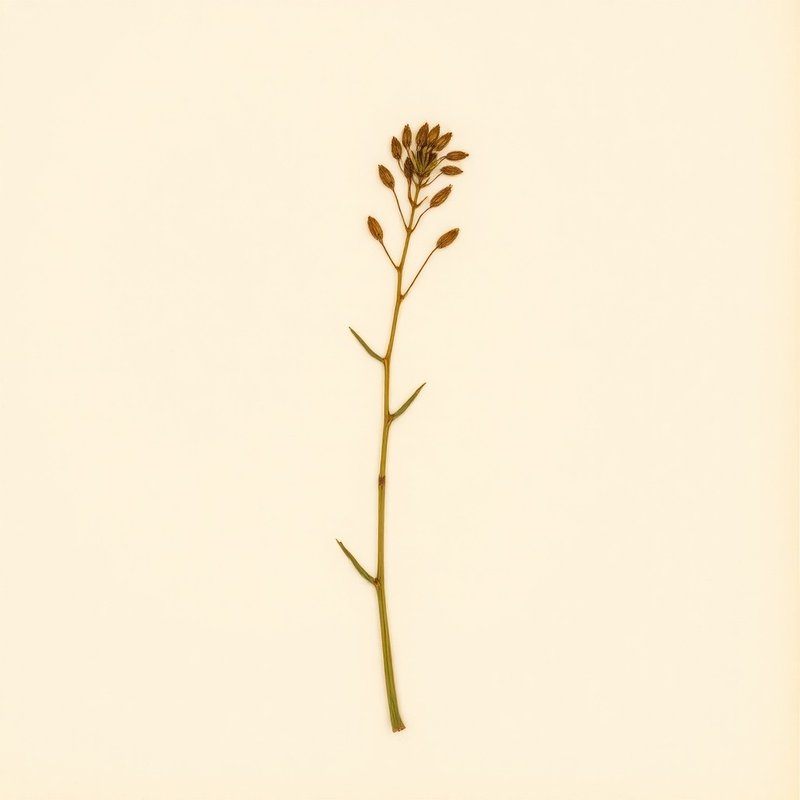
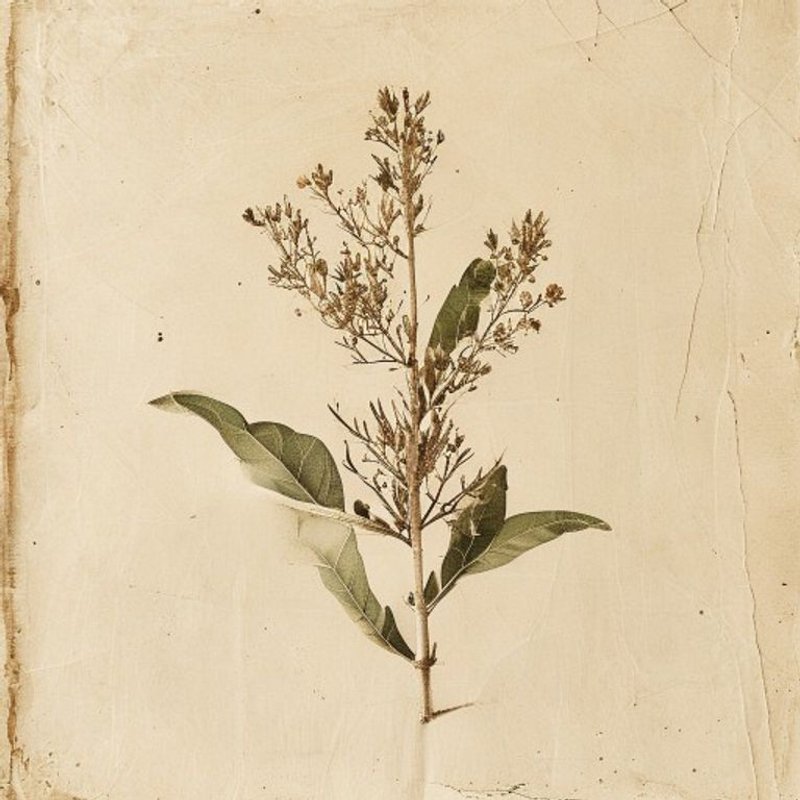
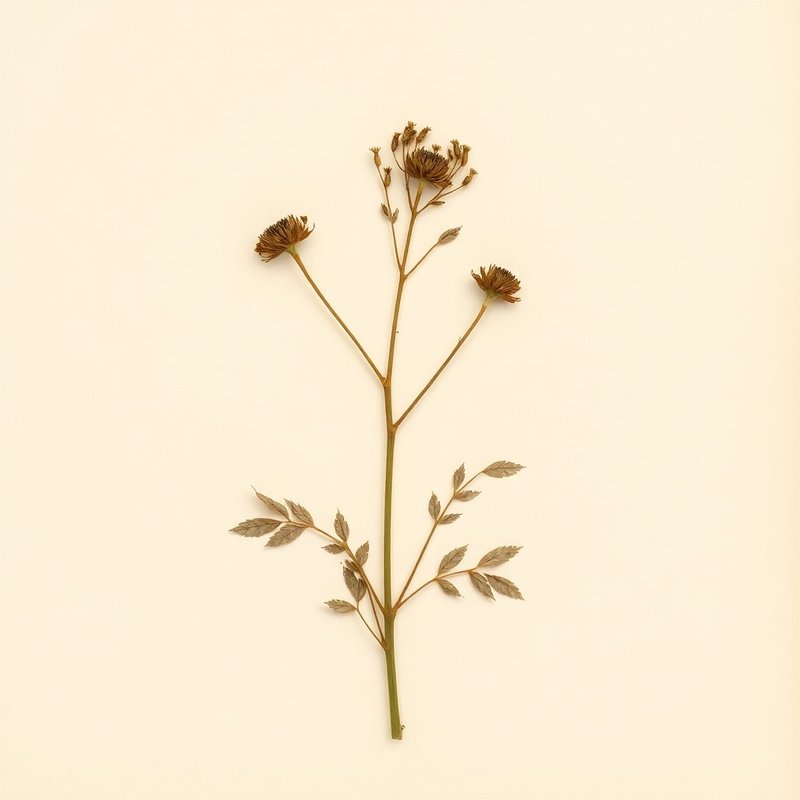
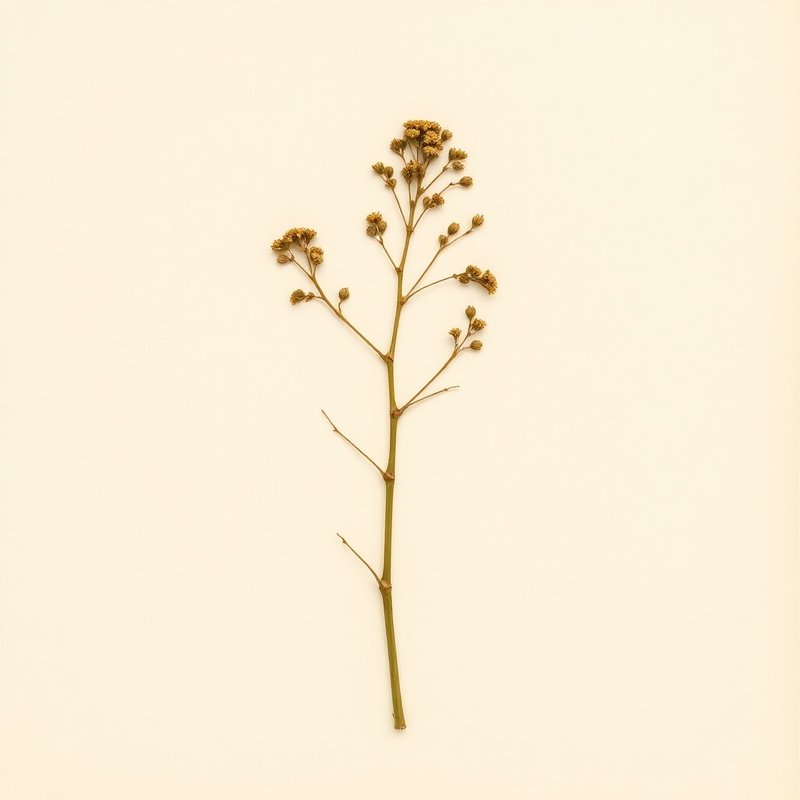
Berberis capillaris (Berberis capillaris) — botanical photograph
#2 pickBerberis capillarisBerberis capillaris

Berberis capillaris is one of the better-evidenced choices for Digestion — traditional-use record only; no cited clinical references catalogued yet. Effect size d=0.30 (small). Berberine may enhance gastric emptying and improve intestinal peristalsis through modulation of acetylcholine release in the gastrointestinal tract.

Confidence
high
Safety
no major flags
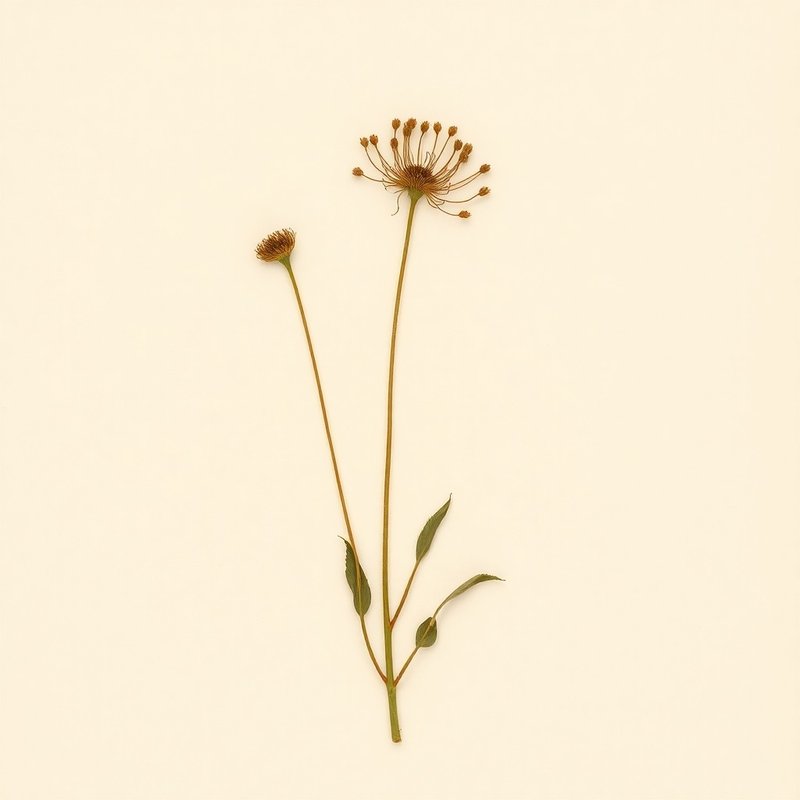
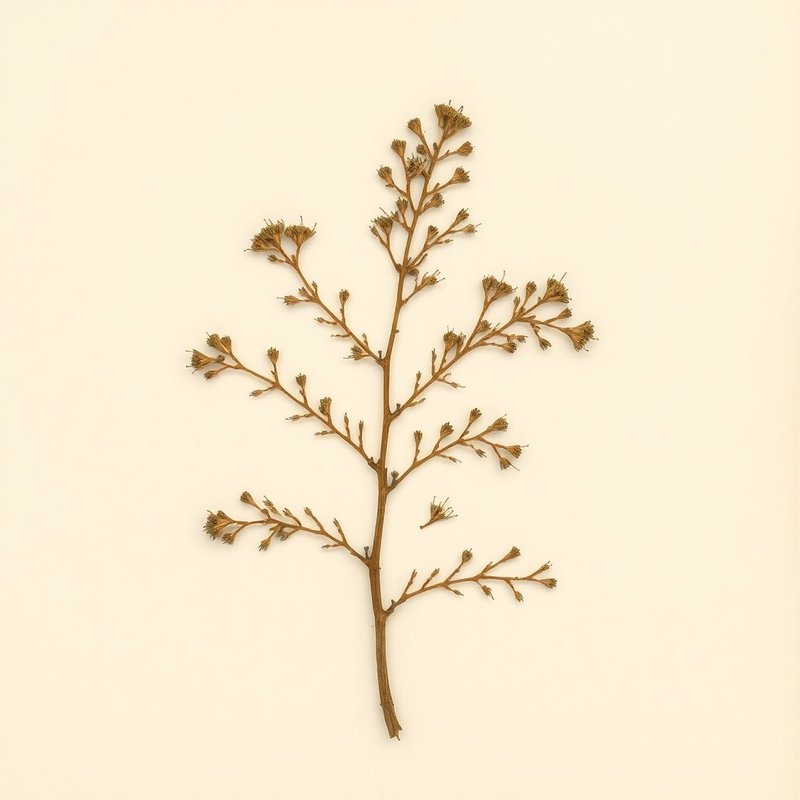
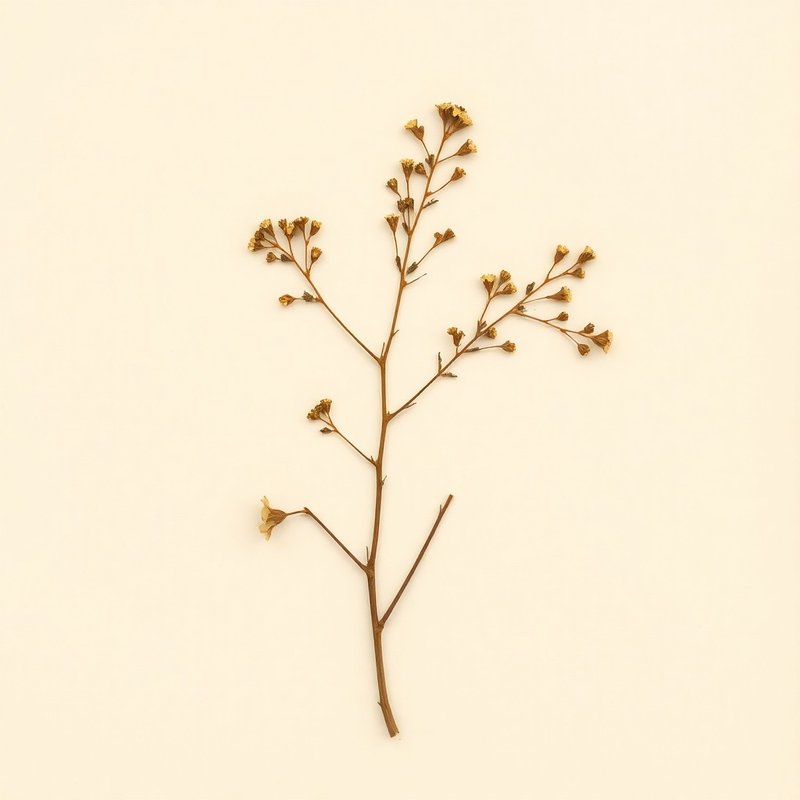
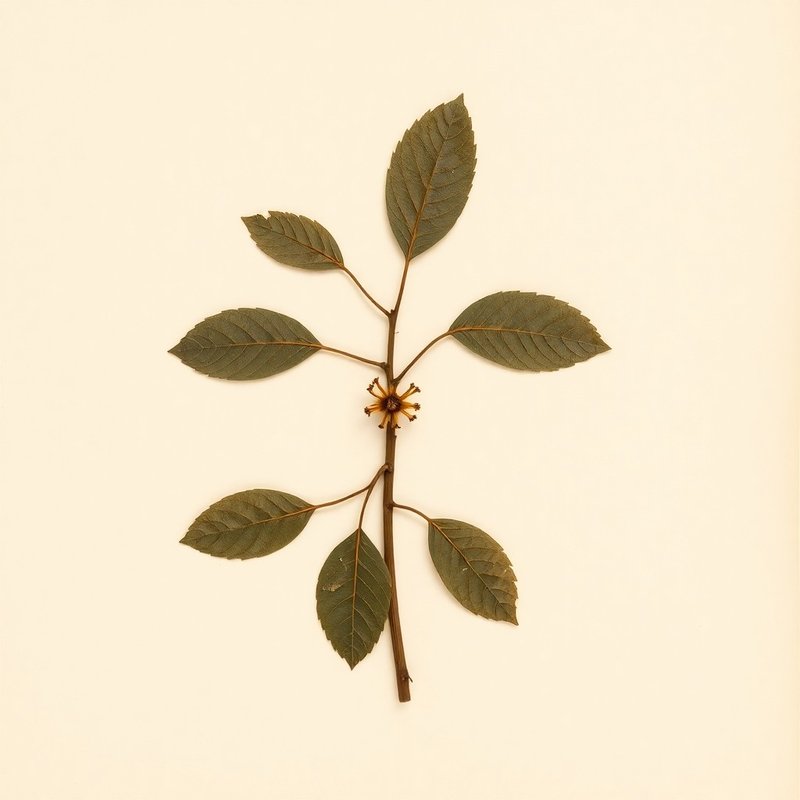
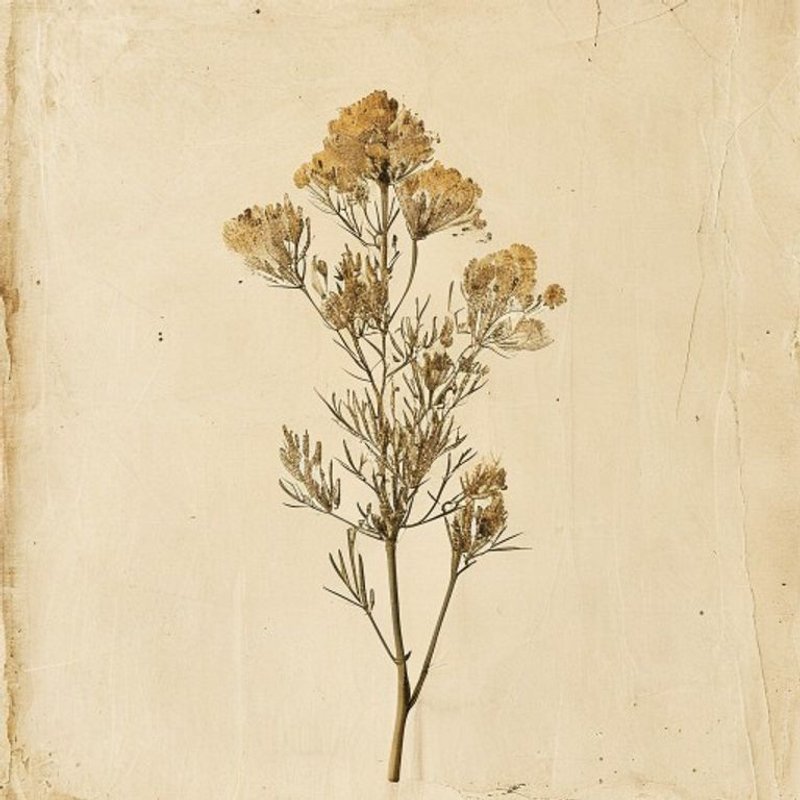
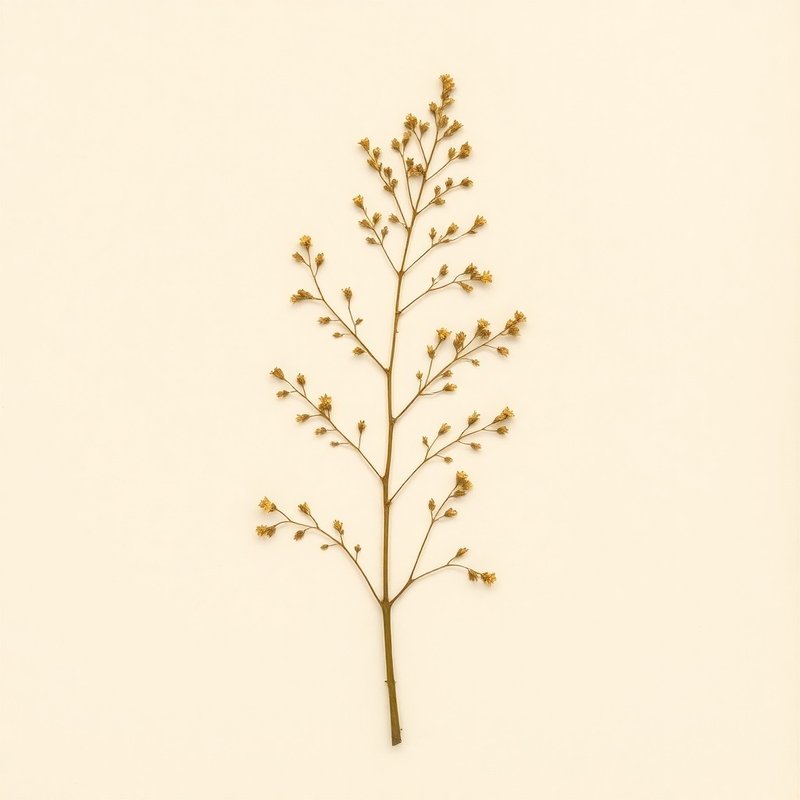
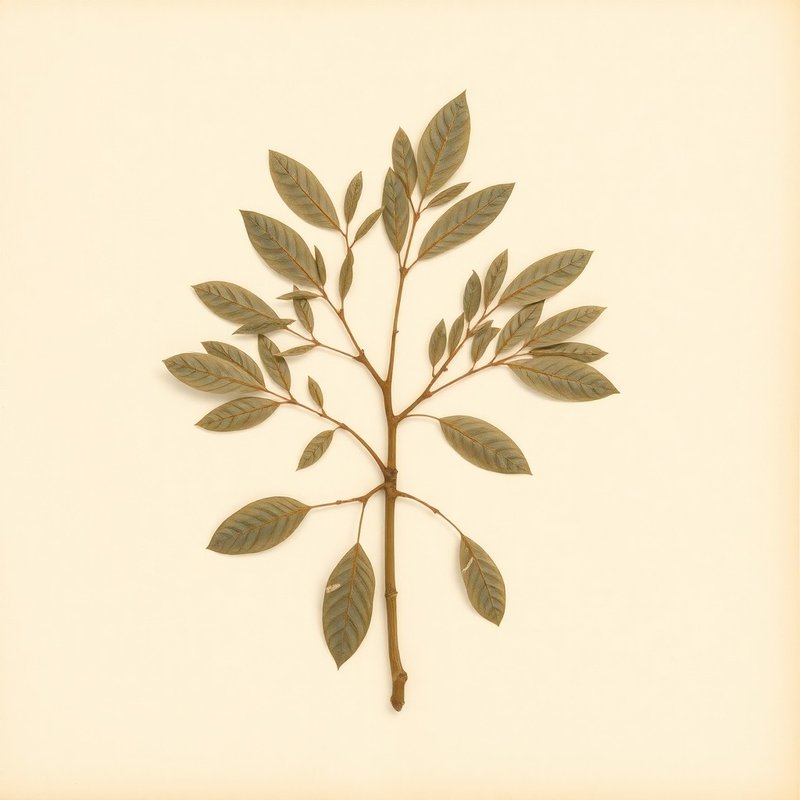
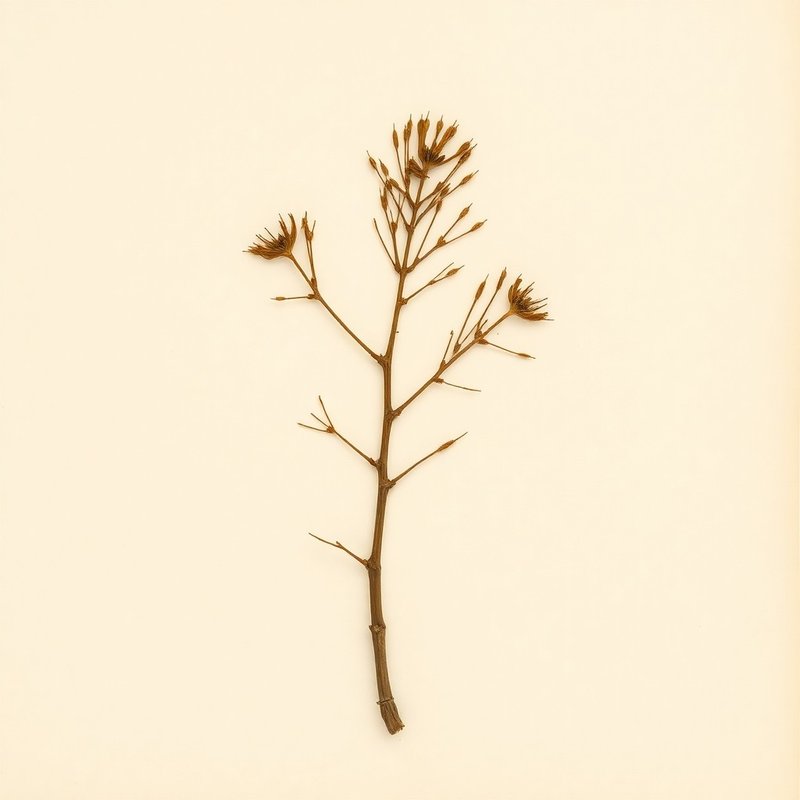
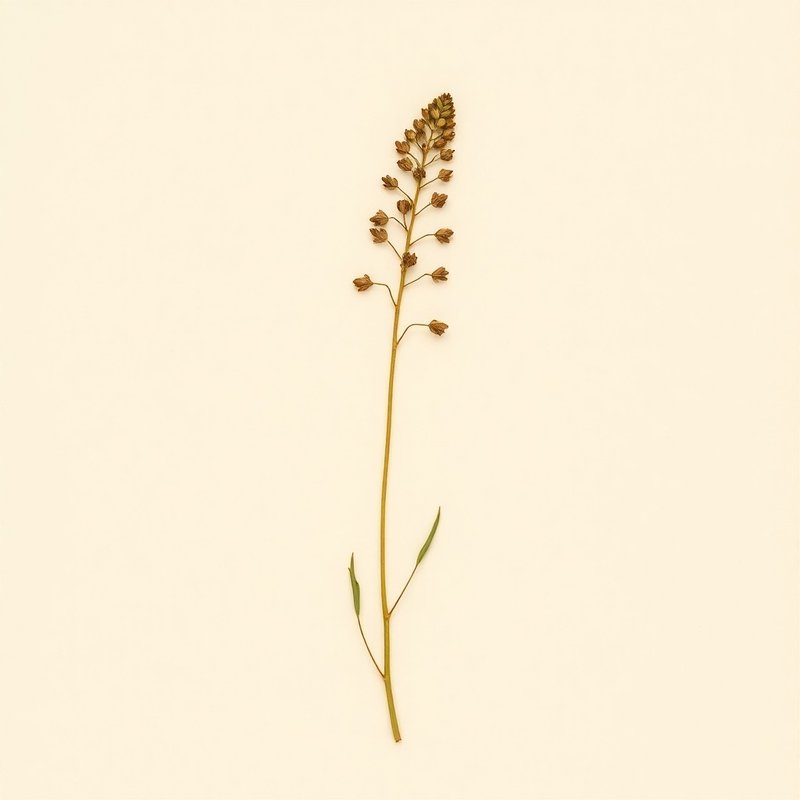
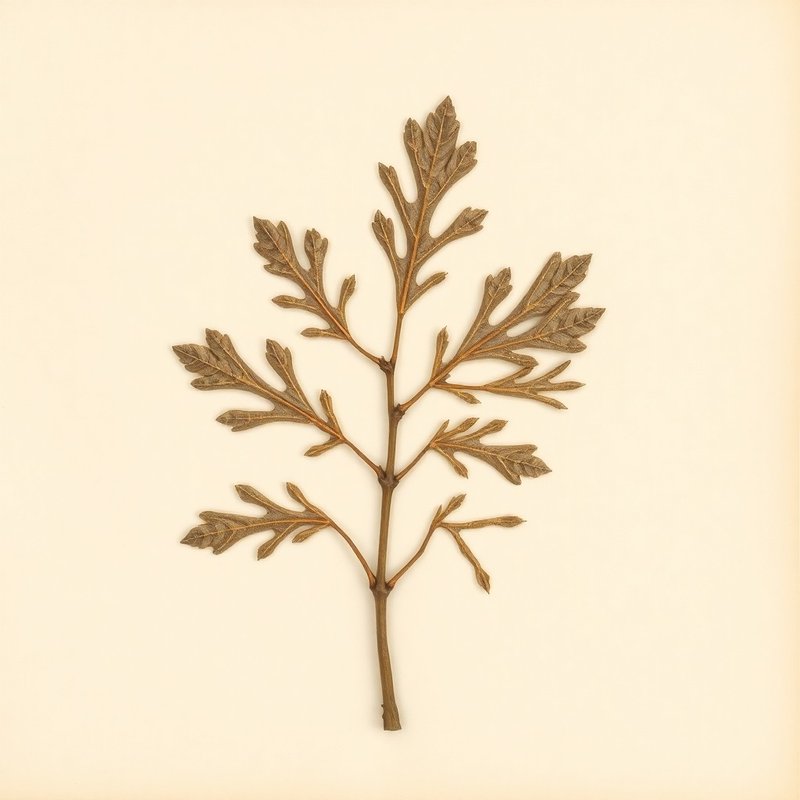
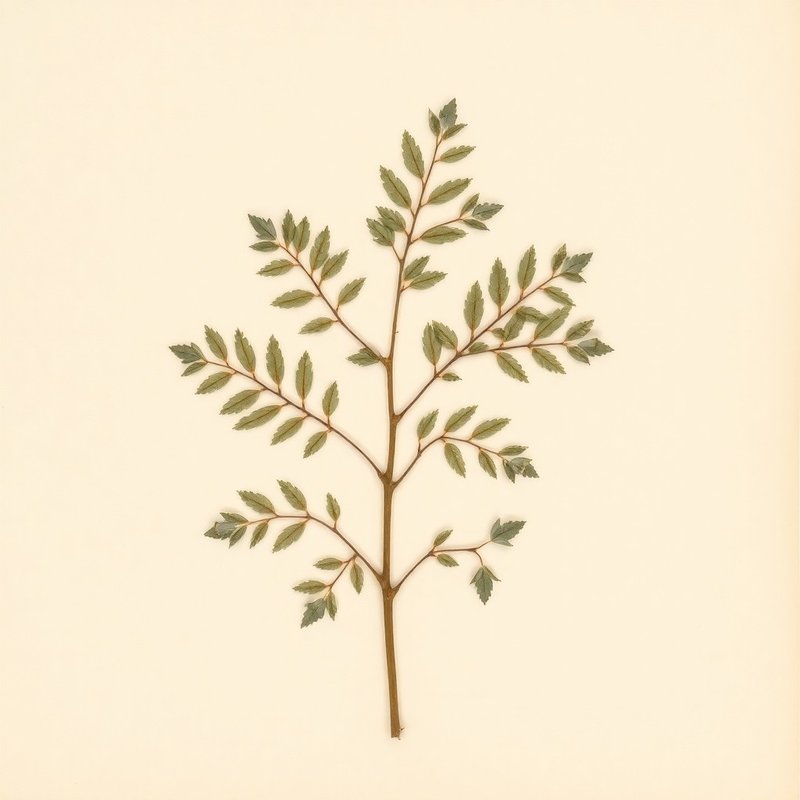
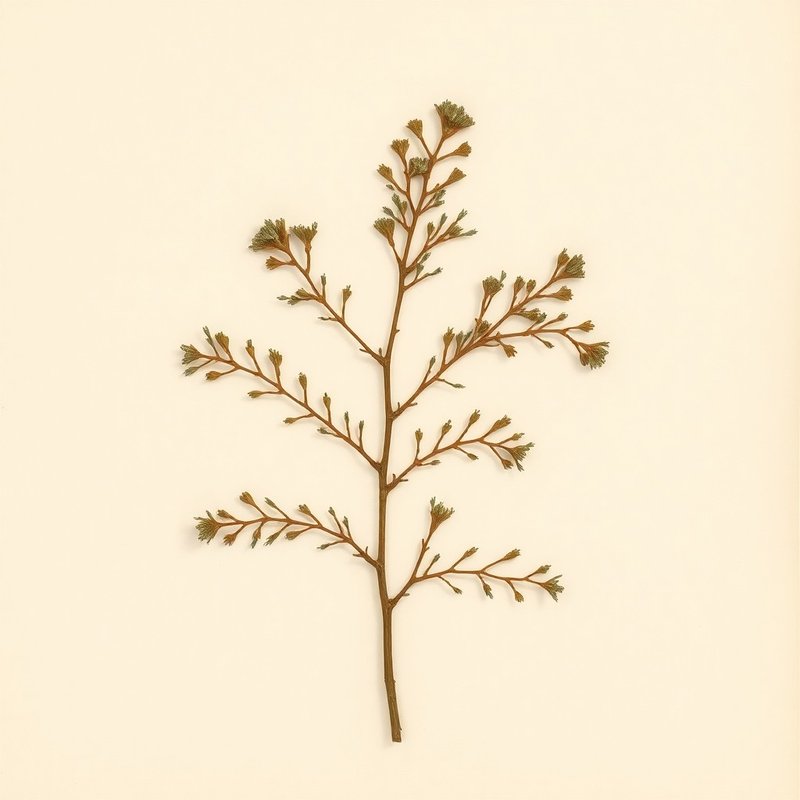
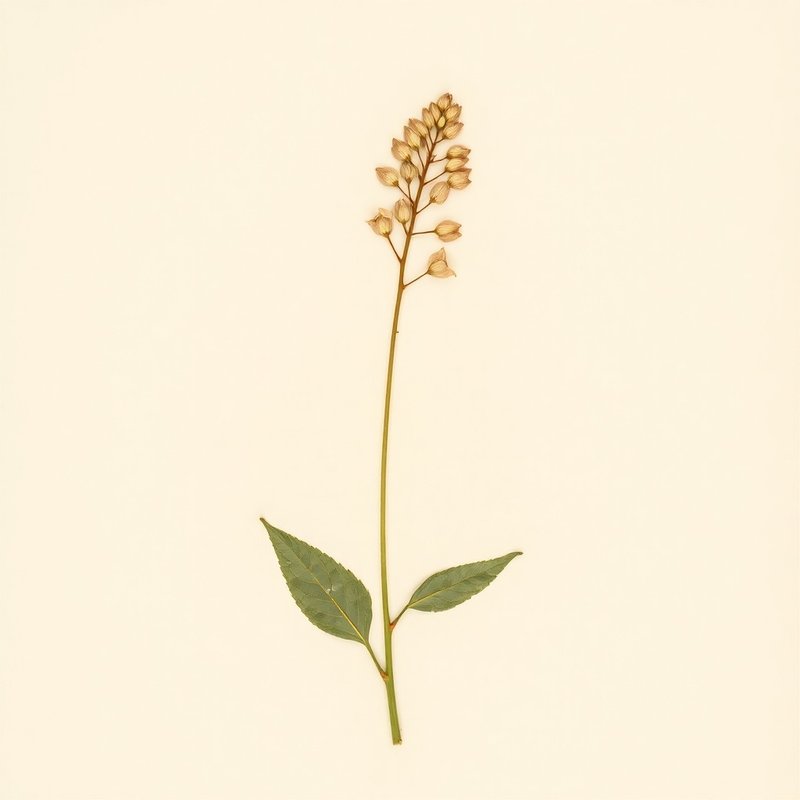
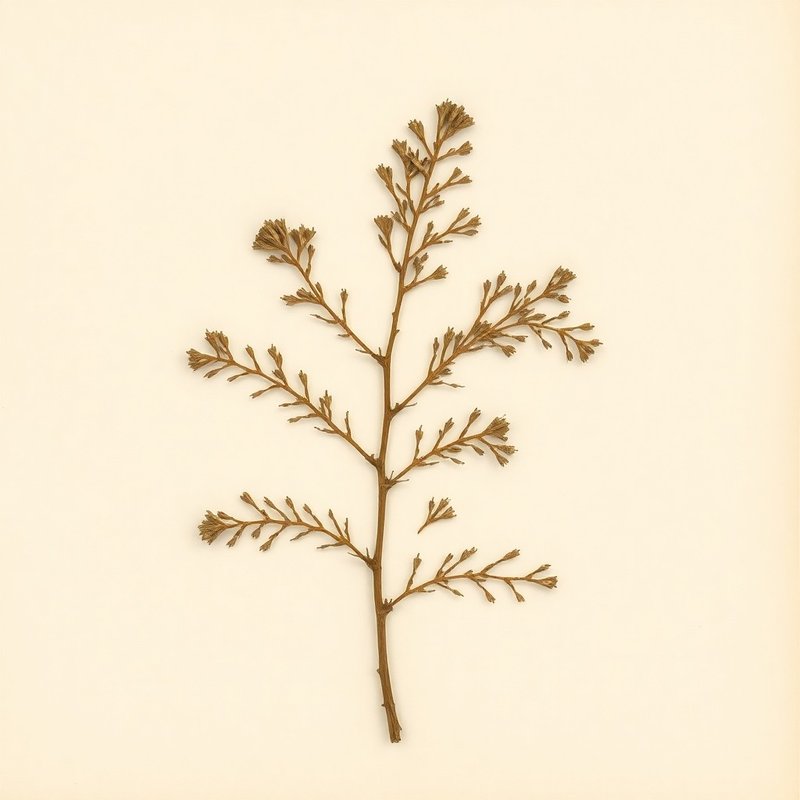
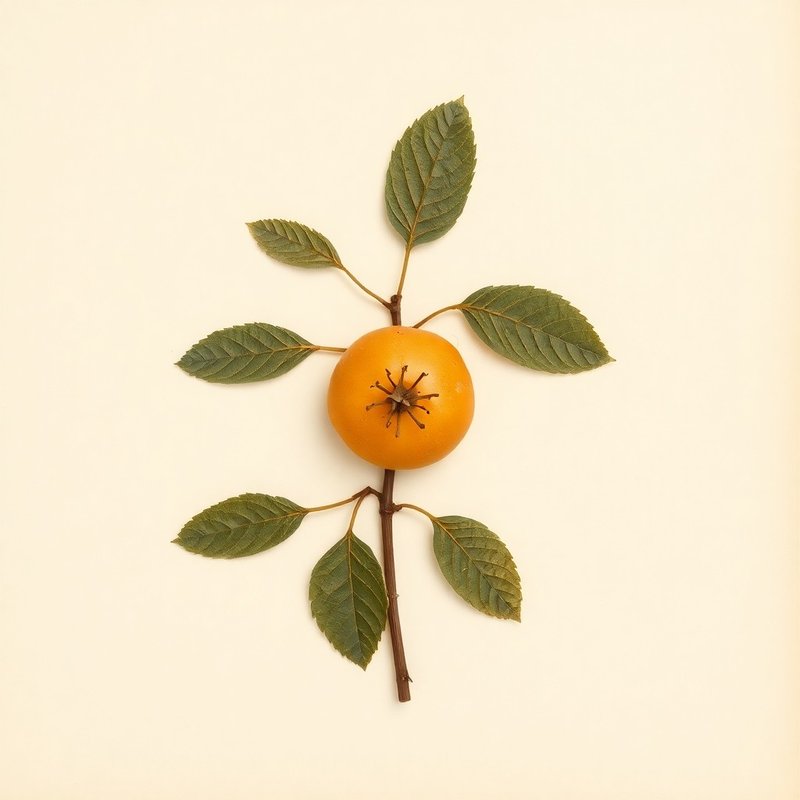
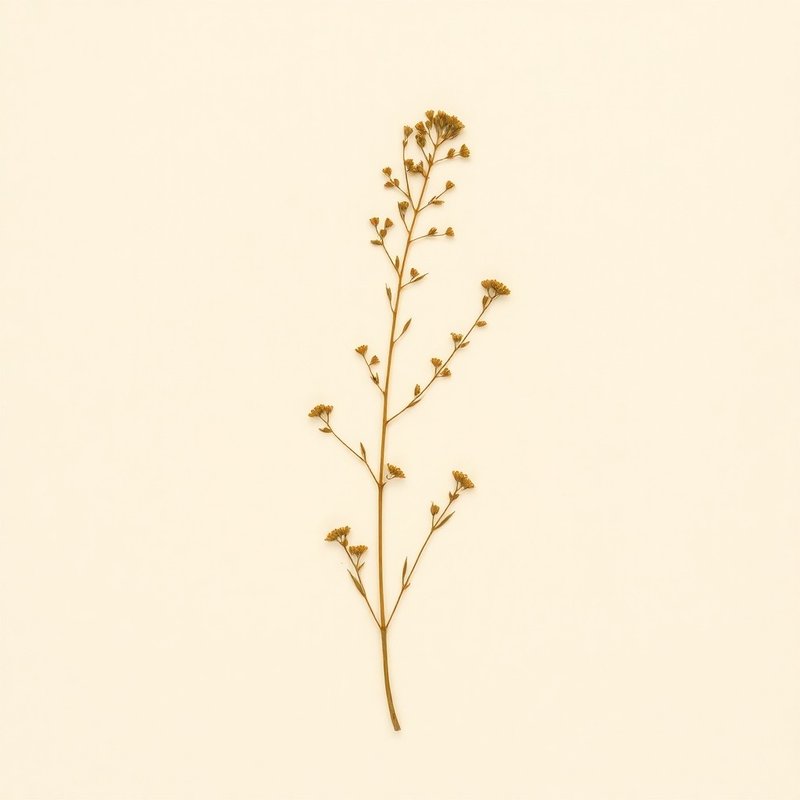
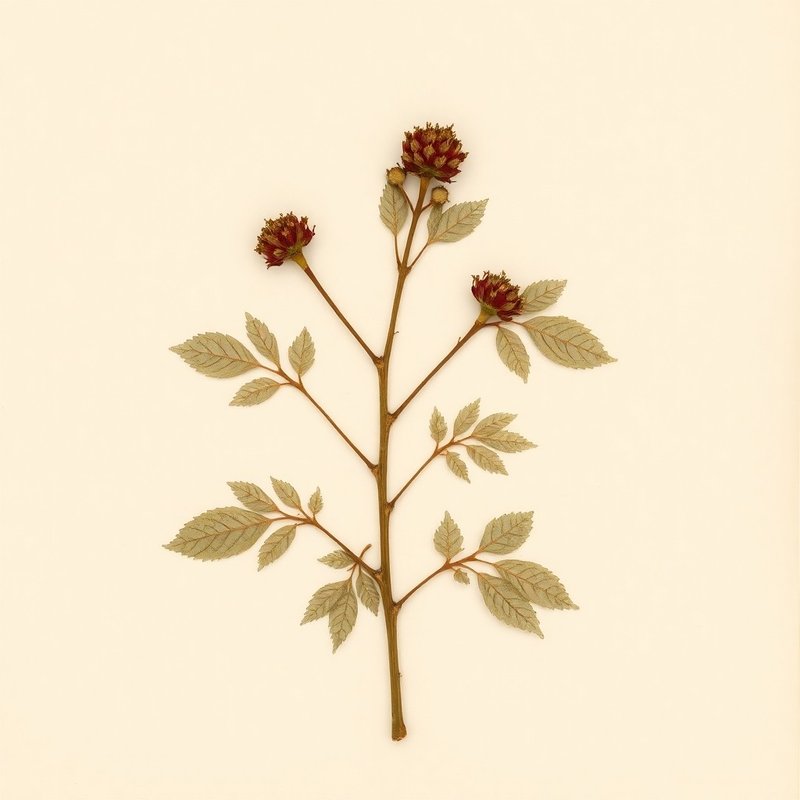
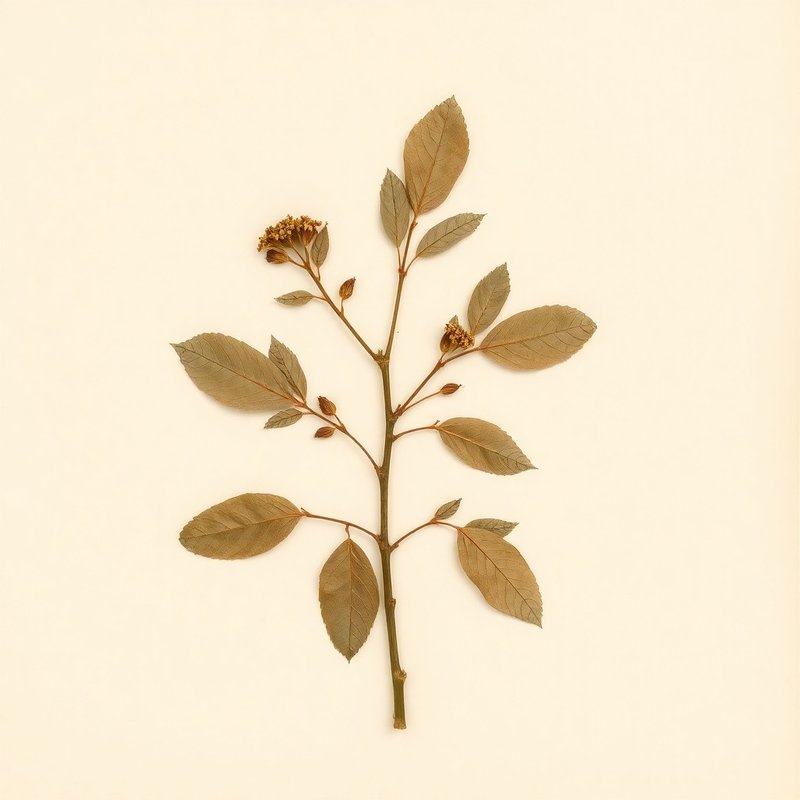
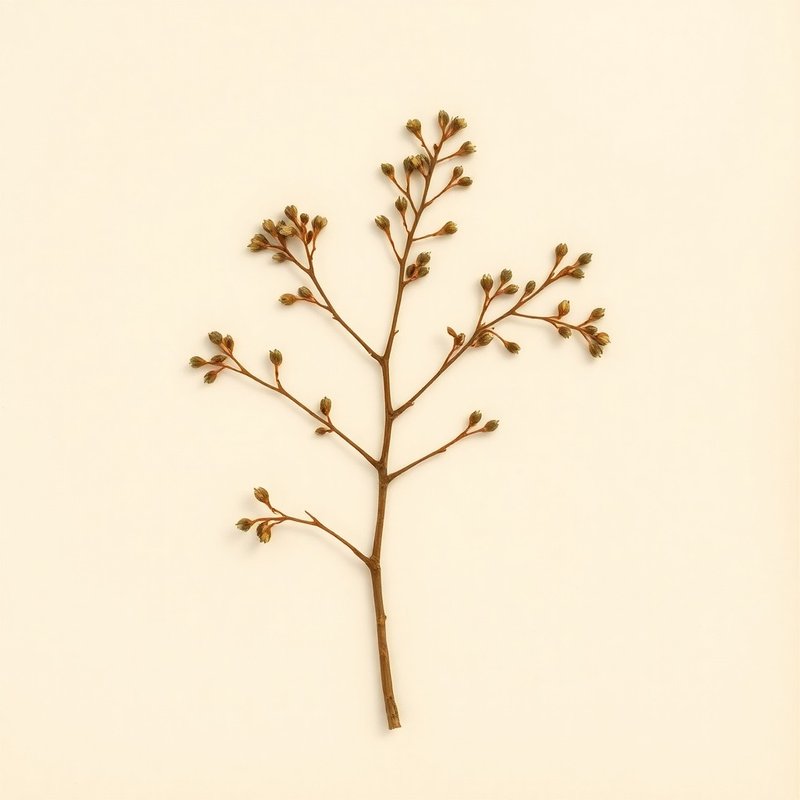
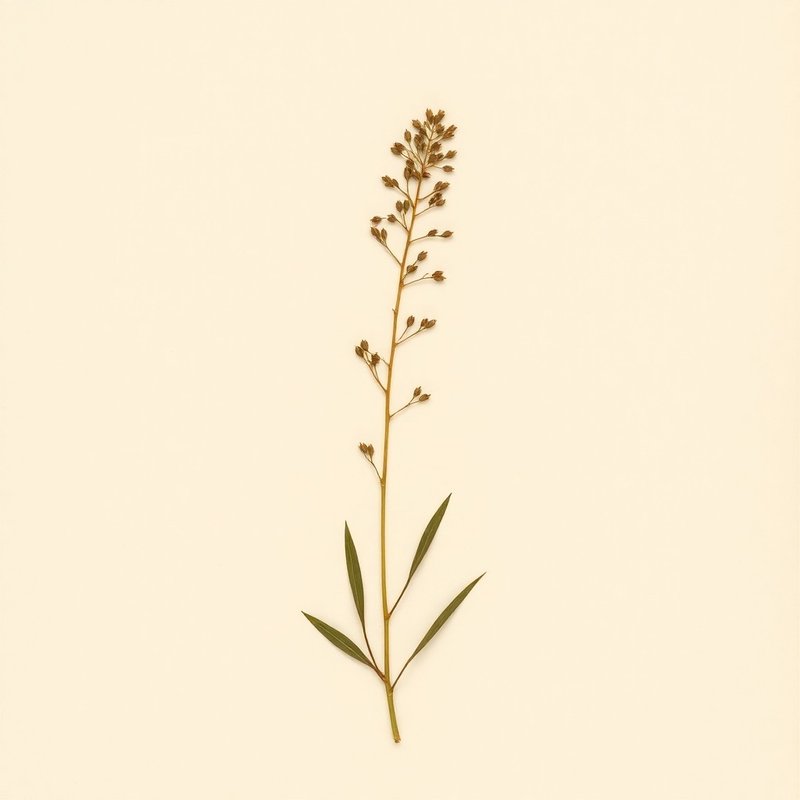
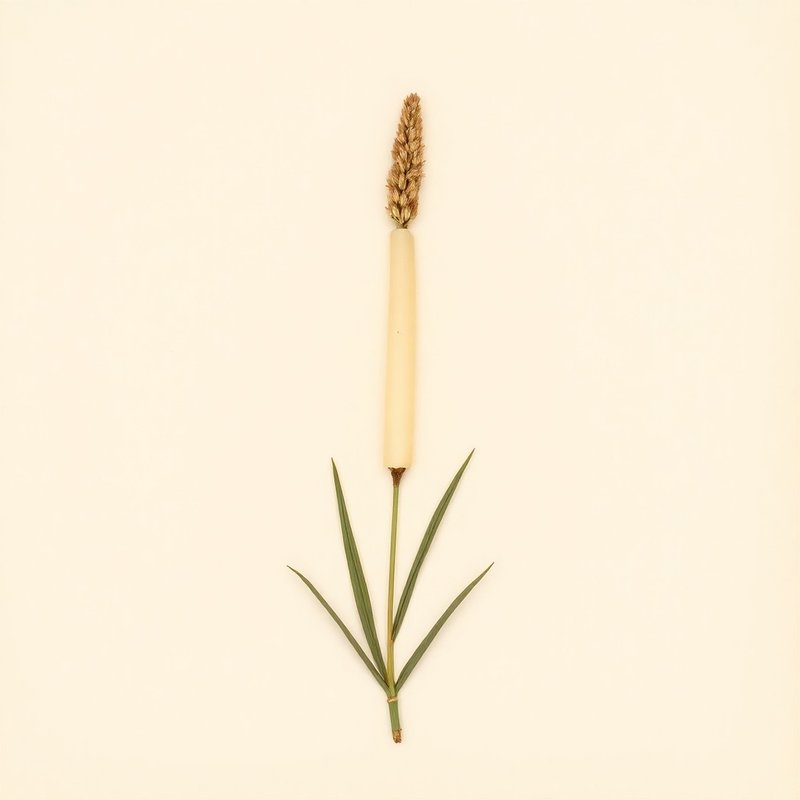
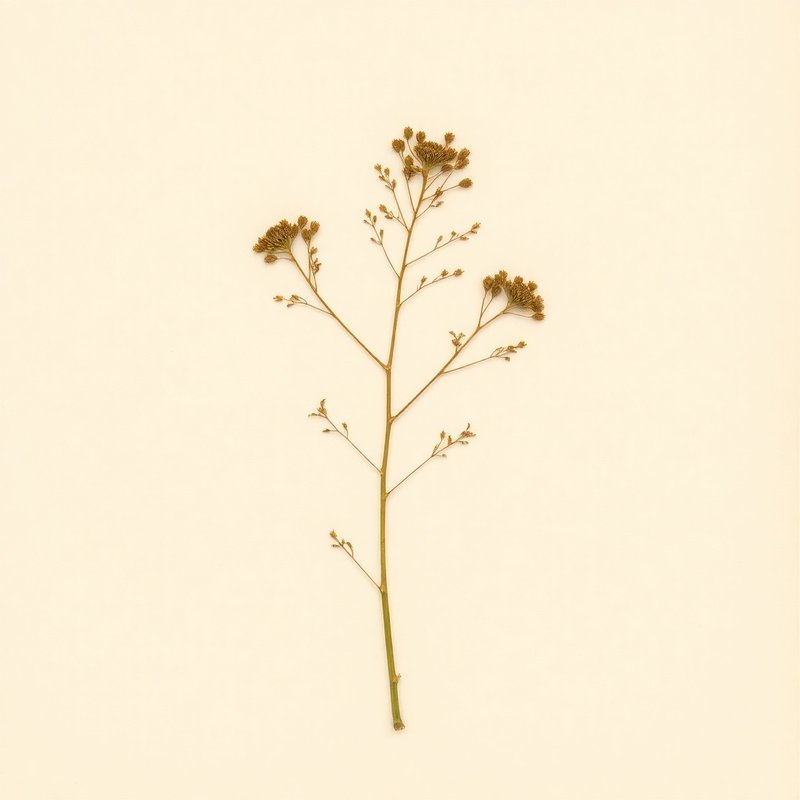
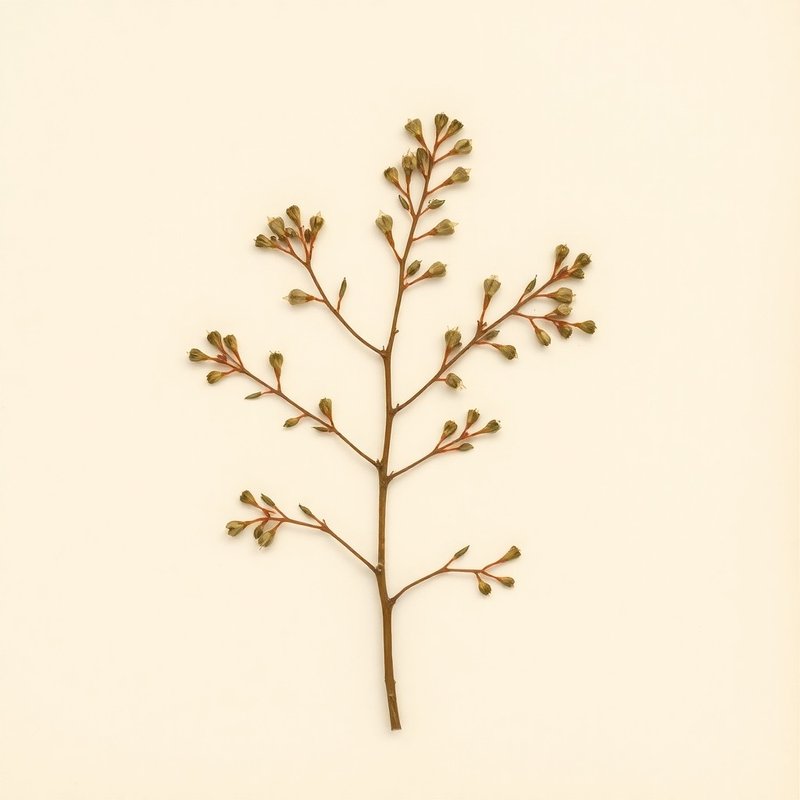
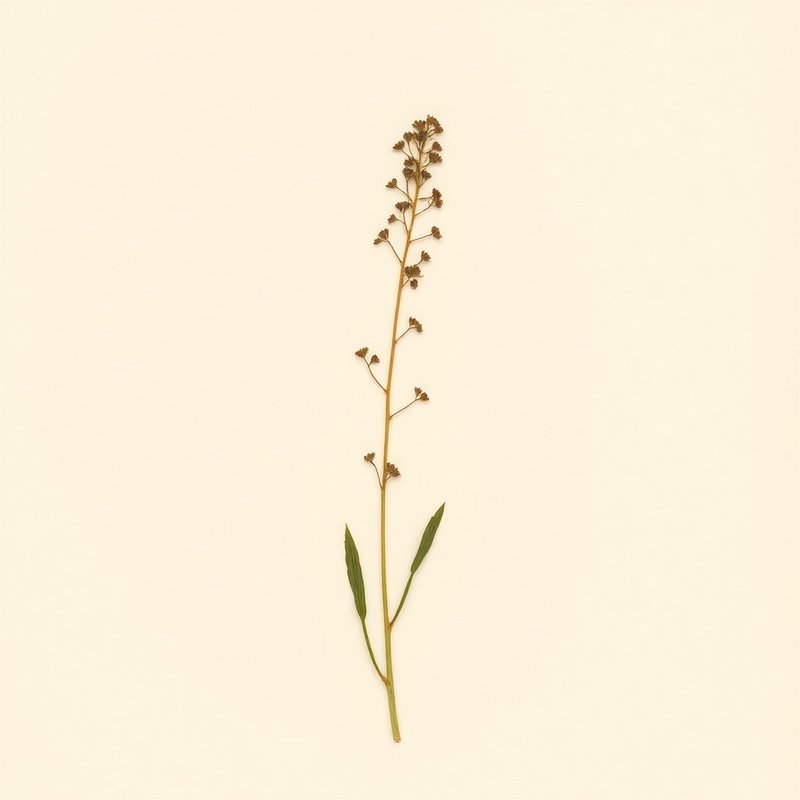
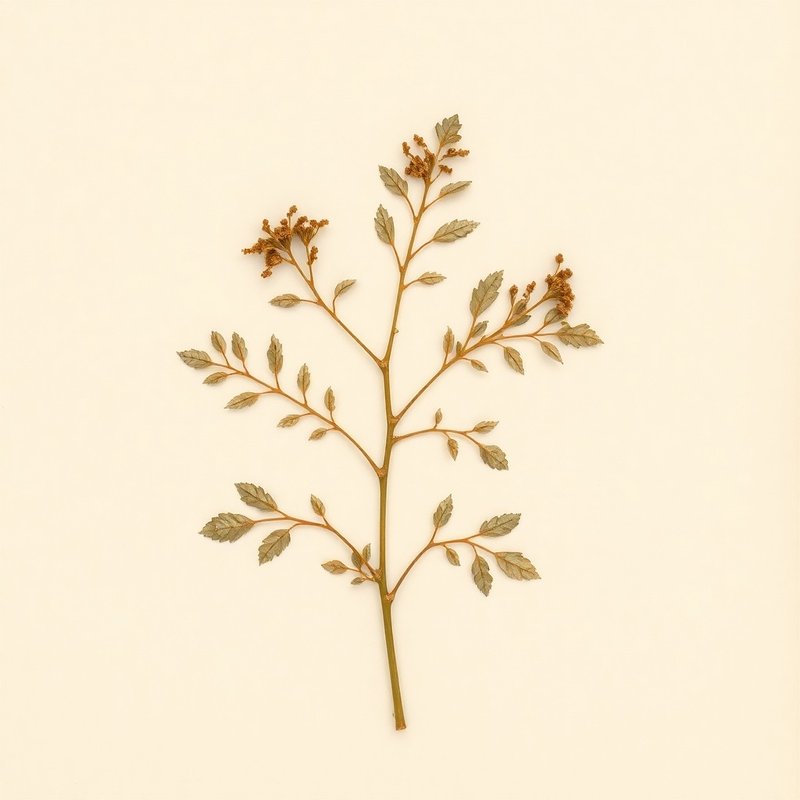
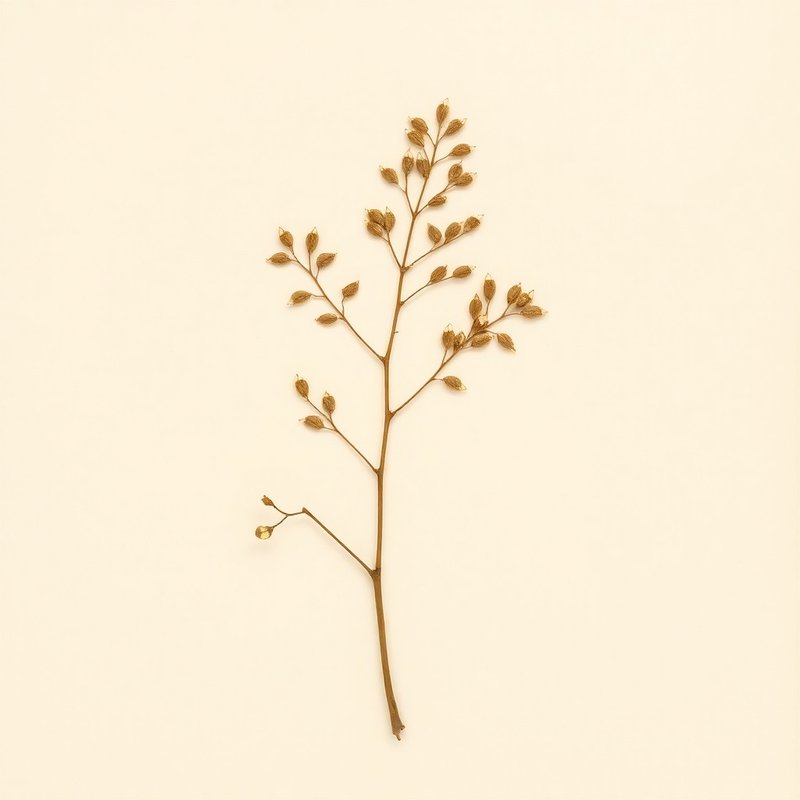
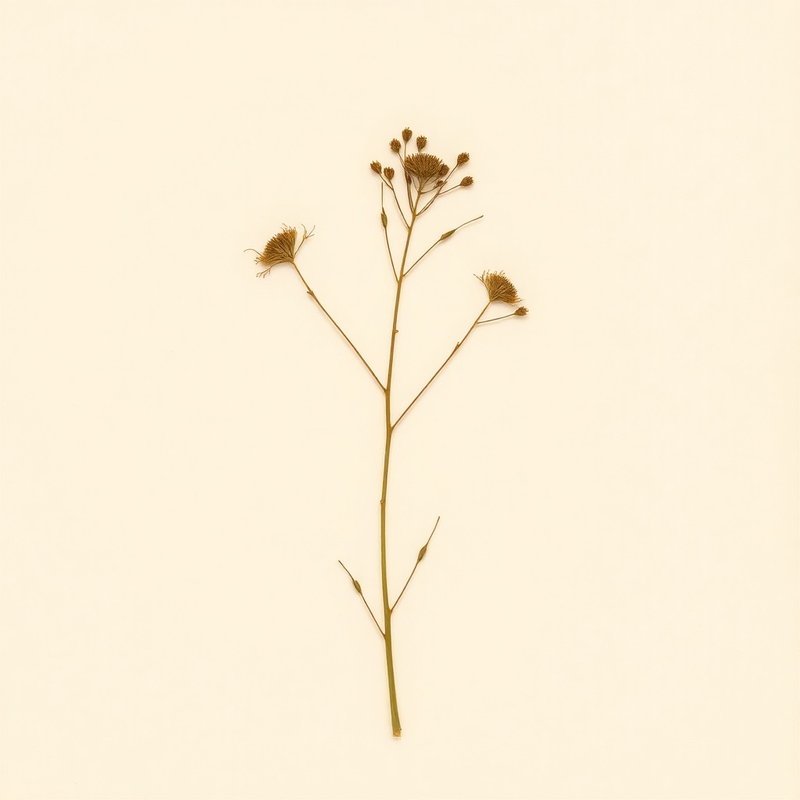
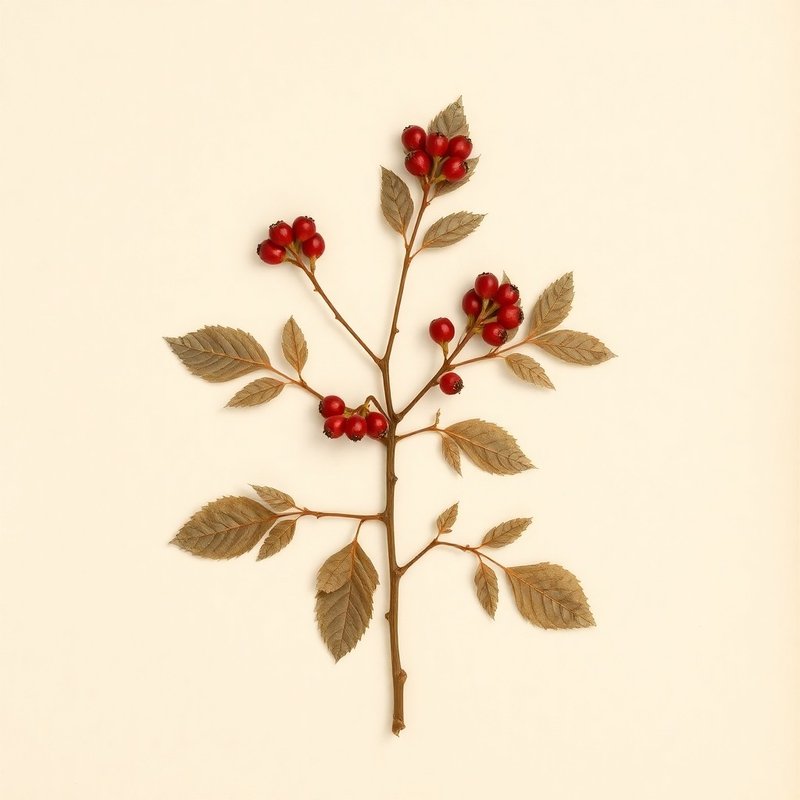
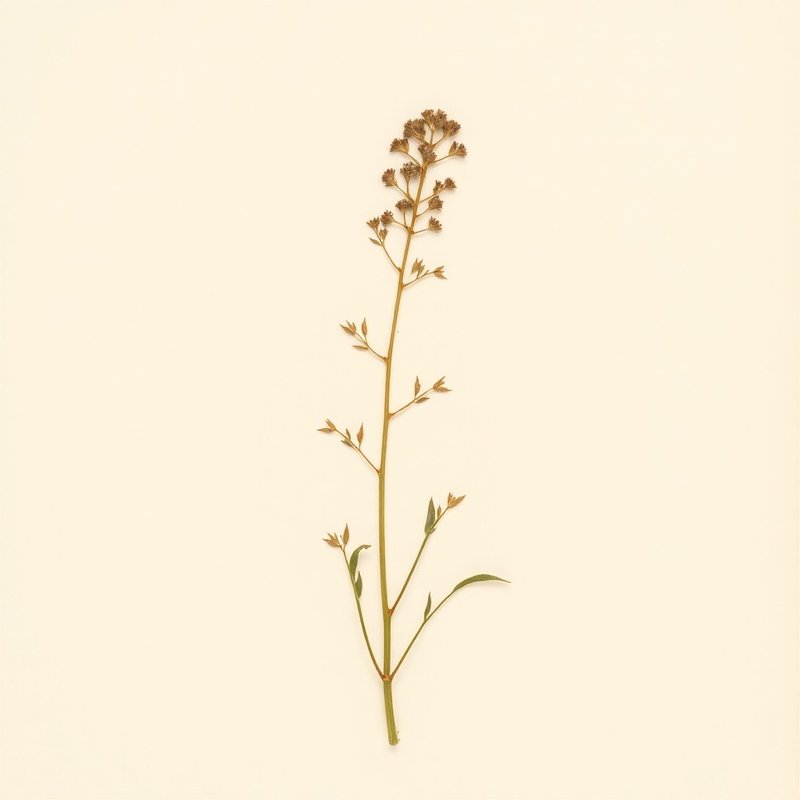
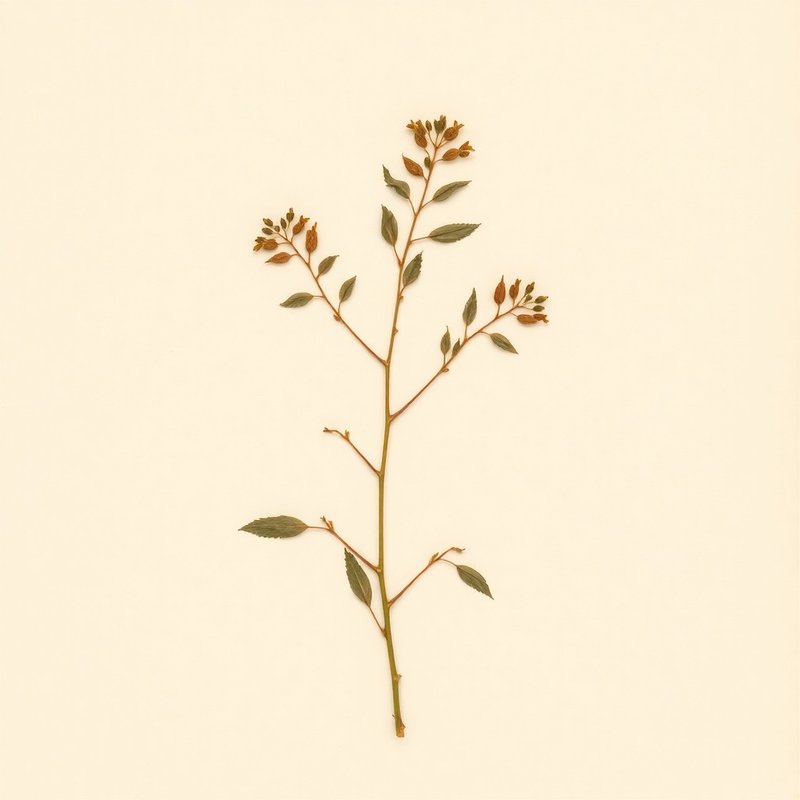
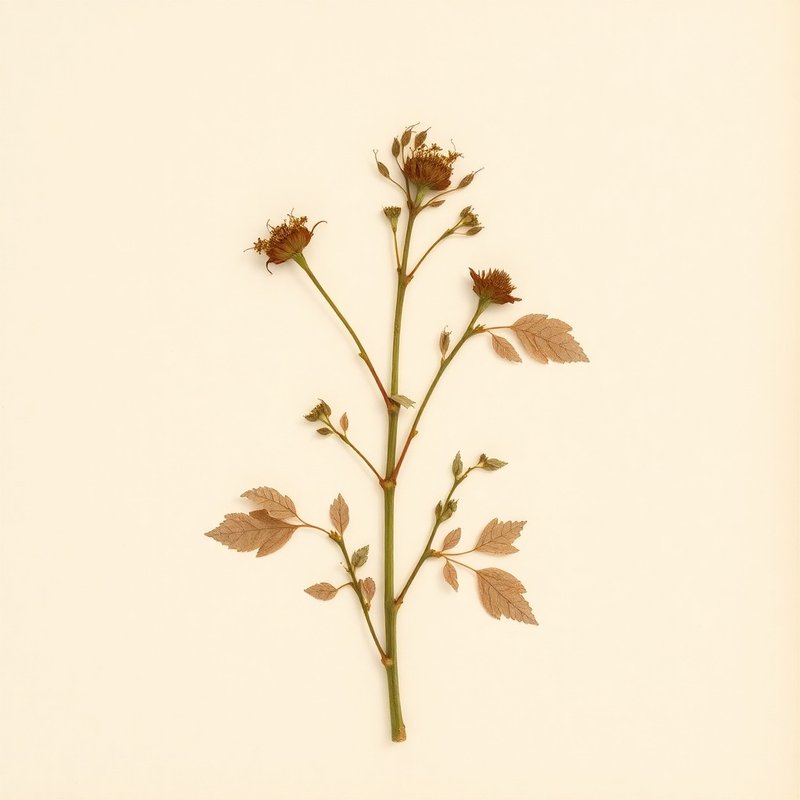
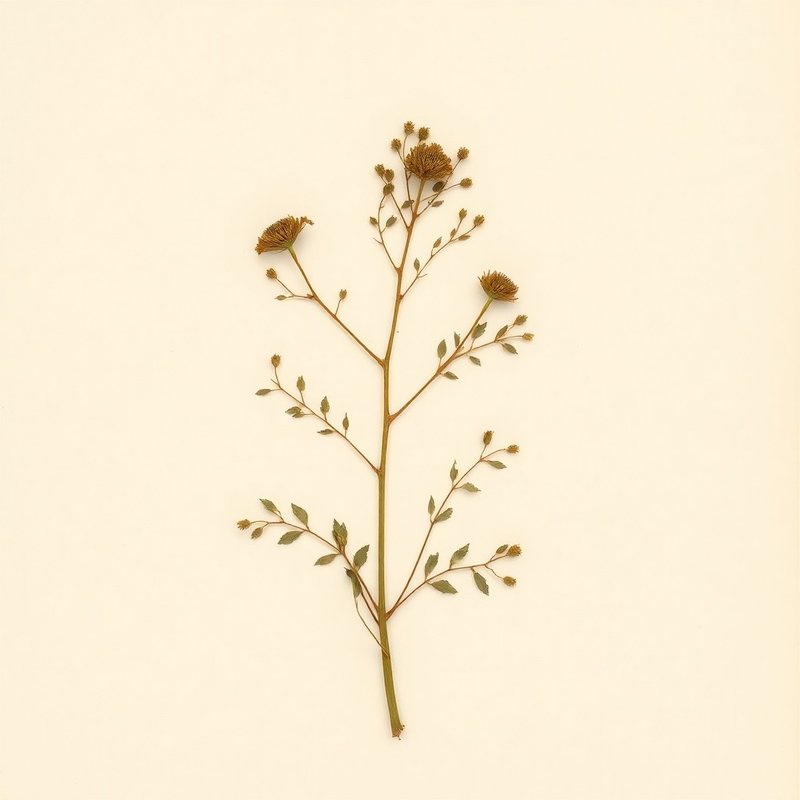
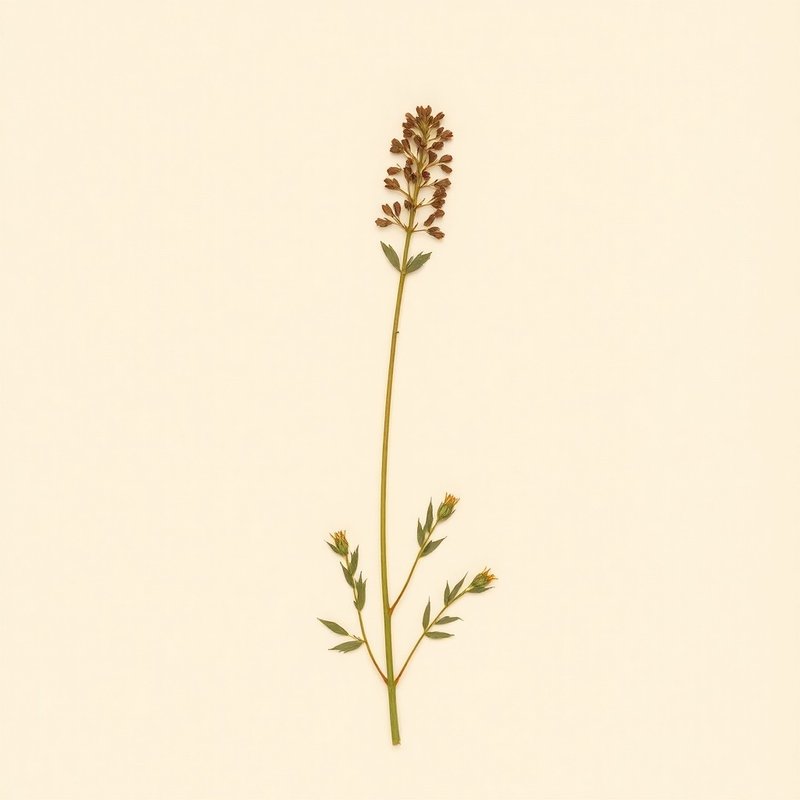
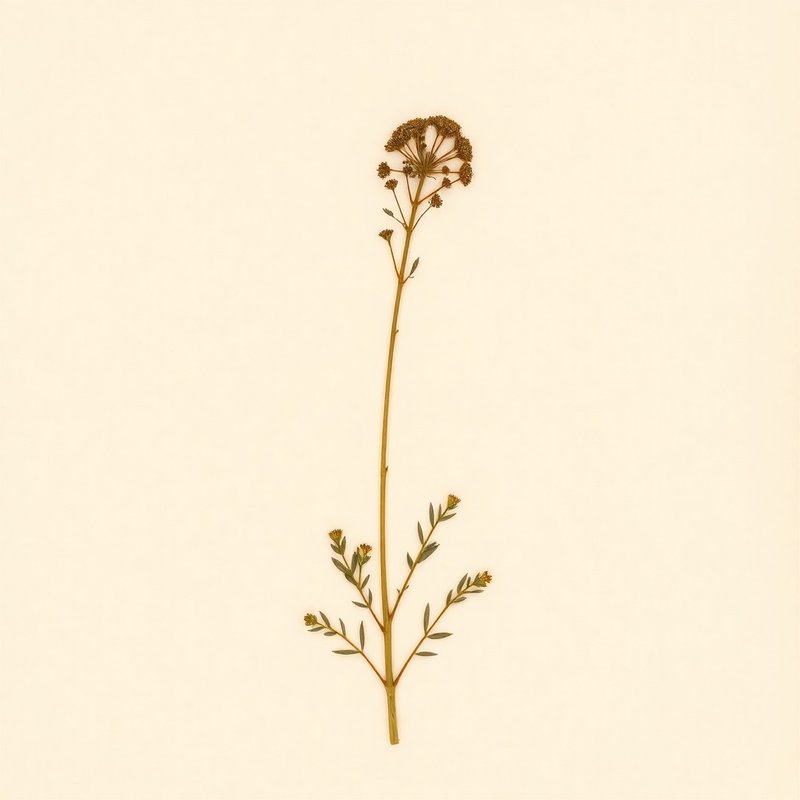
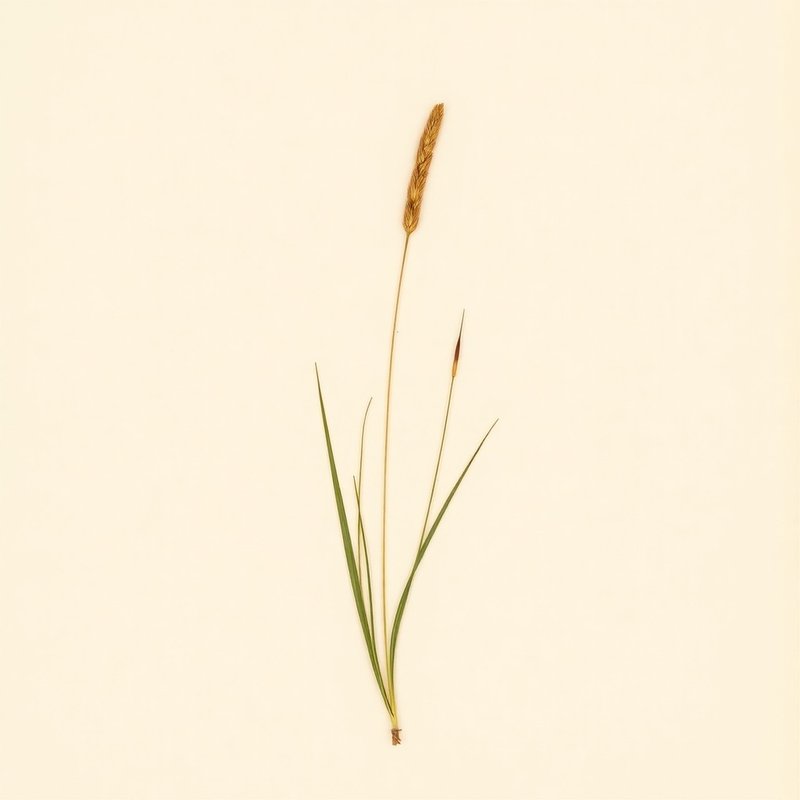
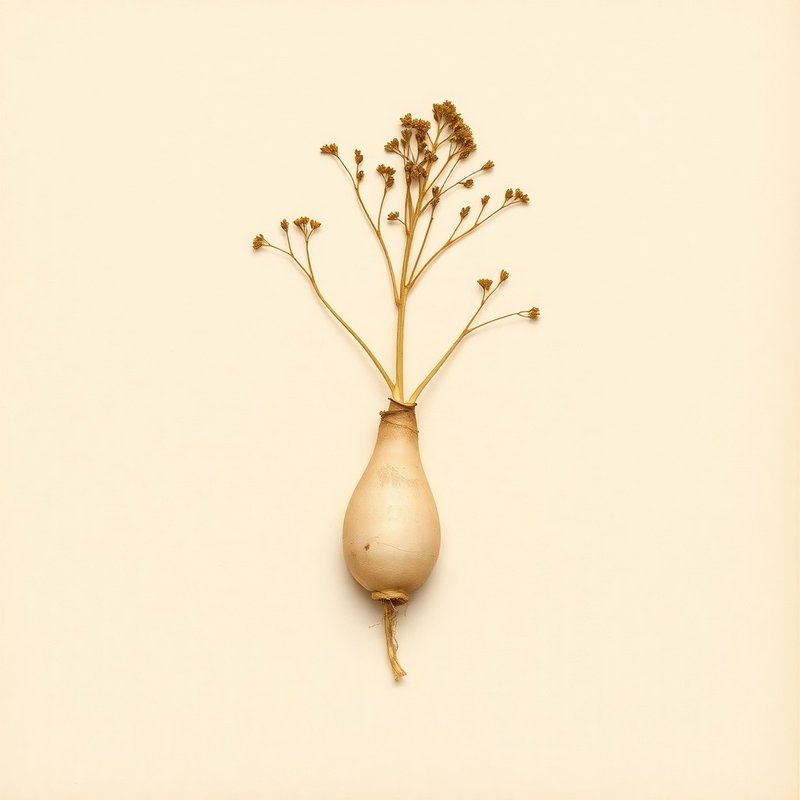
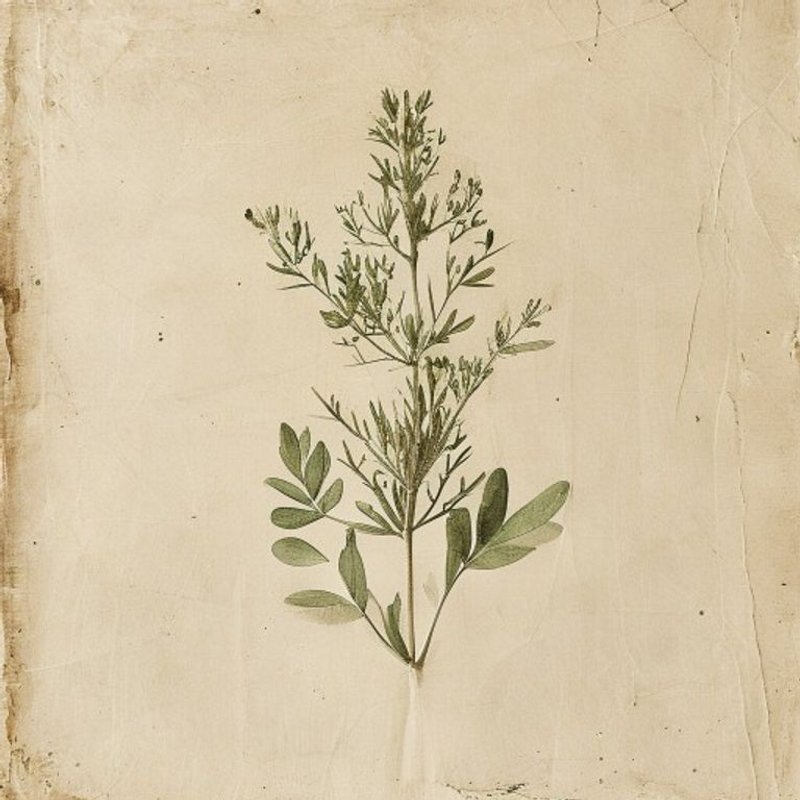
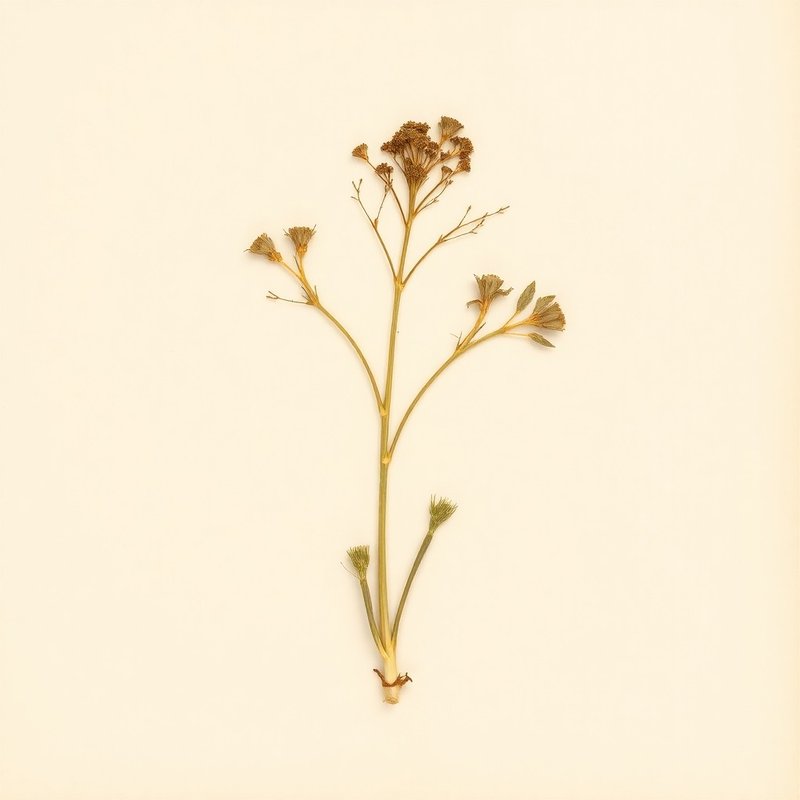
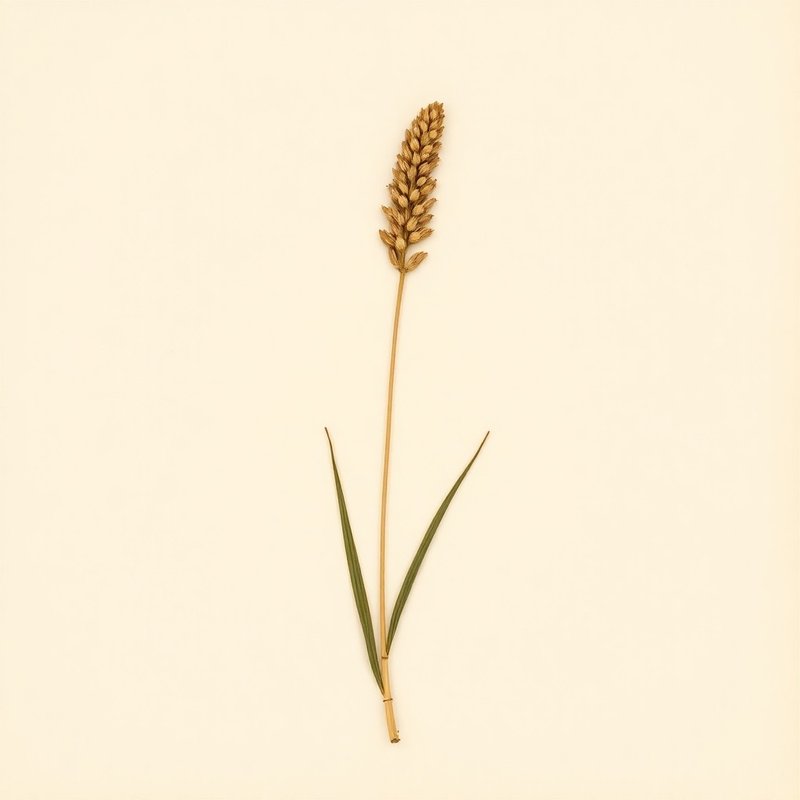
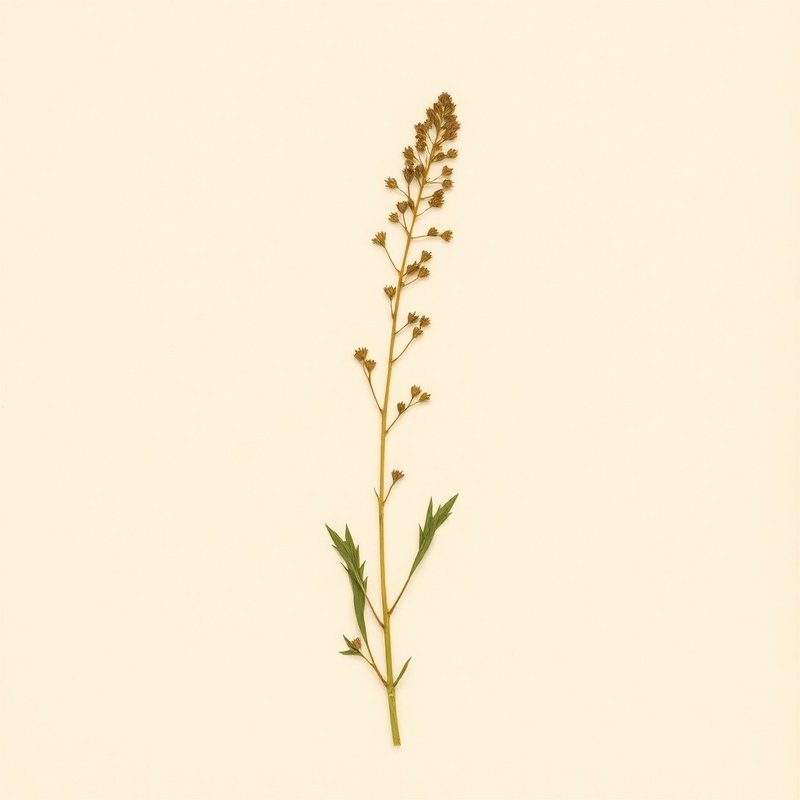
Plantago ovata (Blond Psyllium) — botanical photograph
#3 pickBlond PsylliumPlantago ovata

Blond Psyllium is one of the better-evidenced choices for Digestion — traditional-use record only; no cited clinical references catalogued yet. Effect size d=0.30 (small). The primary mechanism involves the high content of soluble fiber which increases stool bulk and softness, aiding bowel movements without altering electrolyte balance or fluid retention.

Confidence
high
Safety
no major flags
II

At a glance

top 10
PlantConfidenceEffectSourcesPrimary formSafety flag
Chamomile
Matricaria chamomilla
moderated = 0.621
Tincture (1:5, 45%)
1–4 ml · 3×/day
Asteraceae allergy
Berberis capillaris
Berberis capillaris
highd = 0.300—no major flags
Blond Psyllium
Plantago ovata
highd = 0.300—no major flags
Coptis teeta
Coptis teeta
moderated = 0.450—no major flags
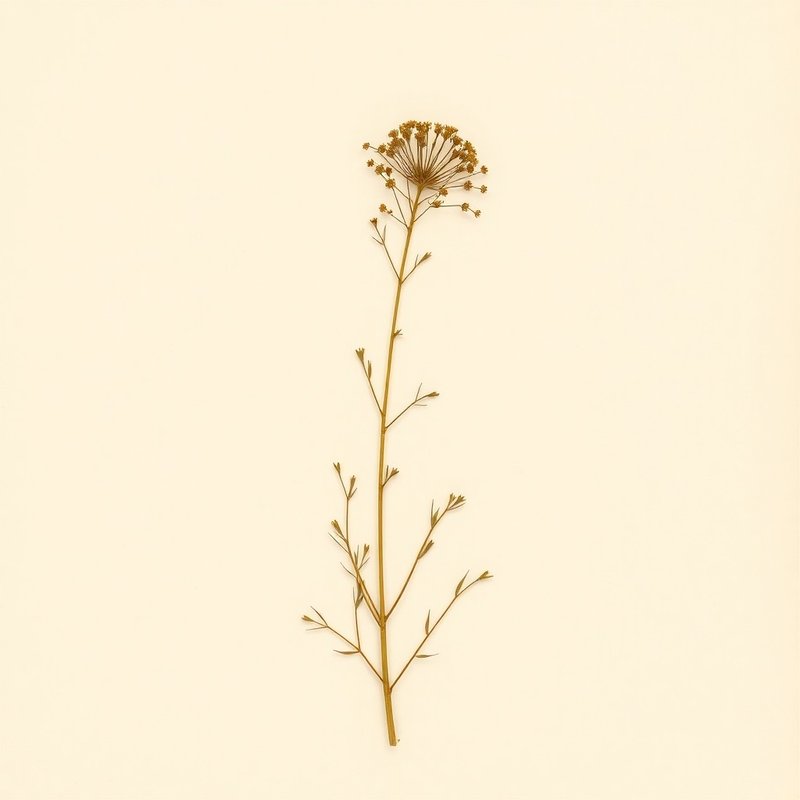
Cumin - Jeera
Cuminum cyminum
moderated = 0.450—no major flags
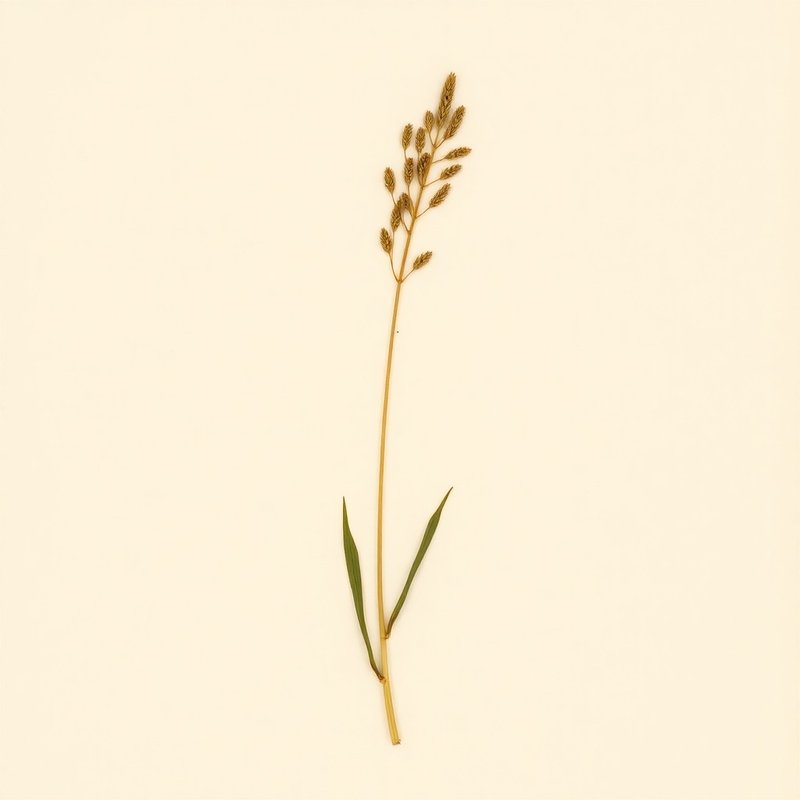
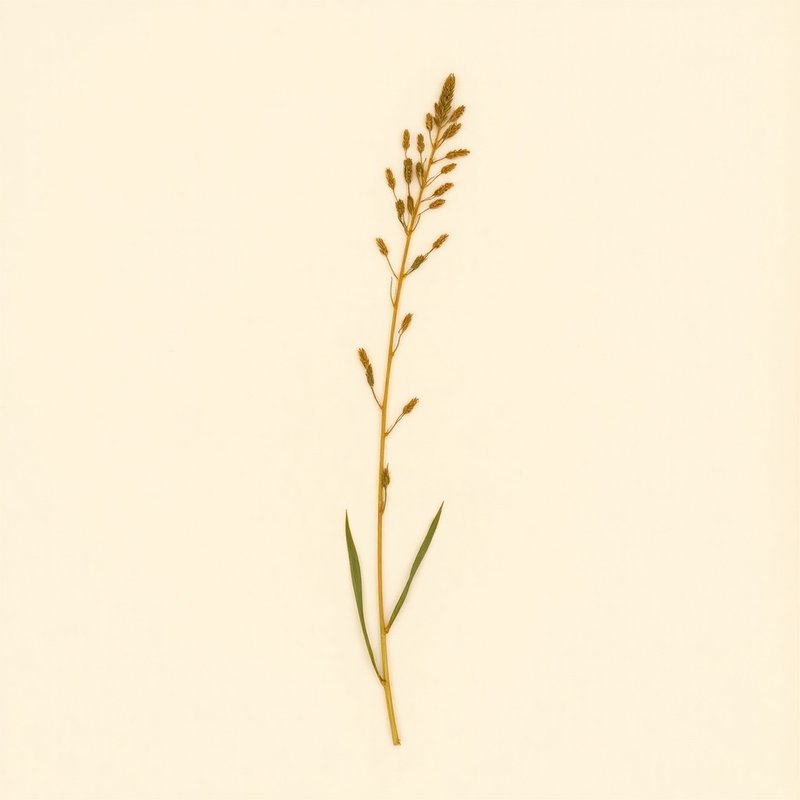
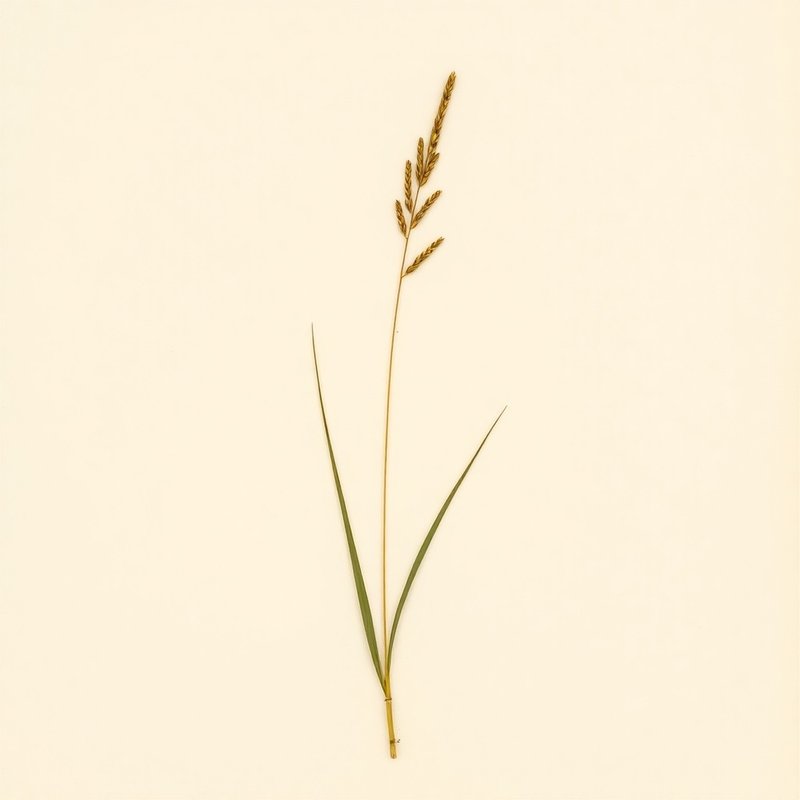
Flax
Linum usitatissimum
highd = 0.300—no major flags
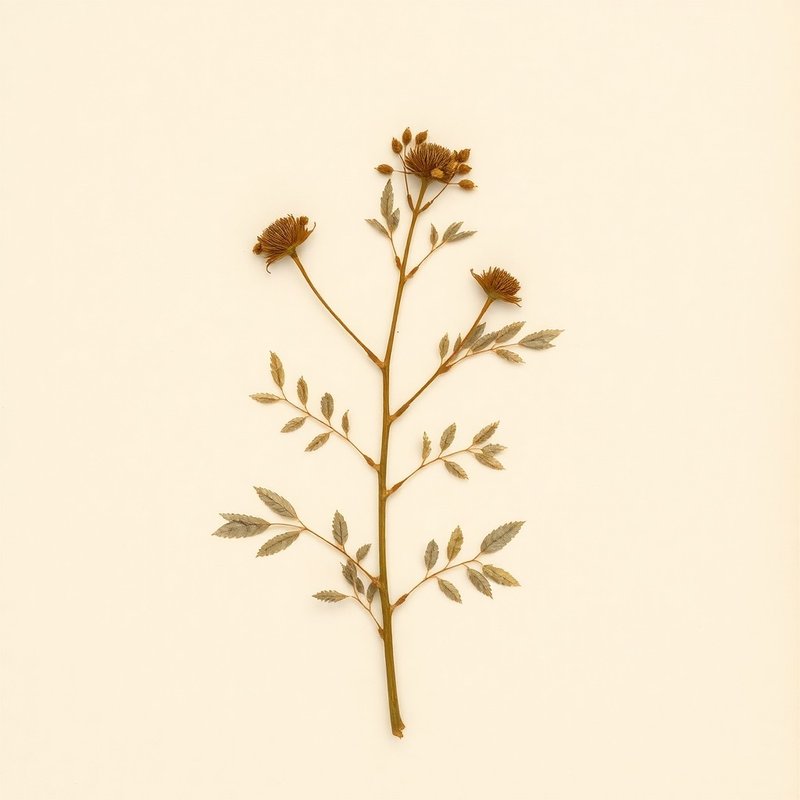
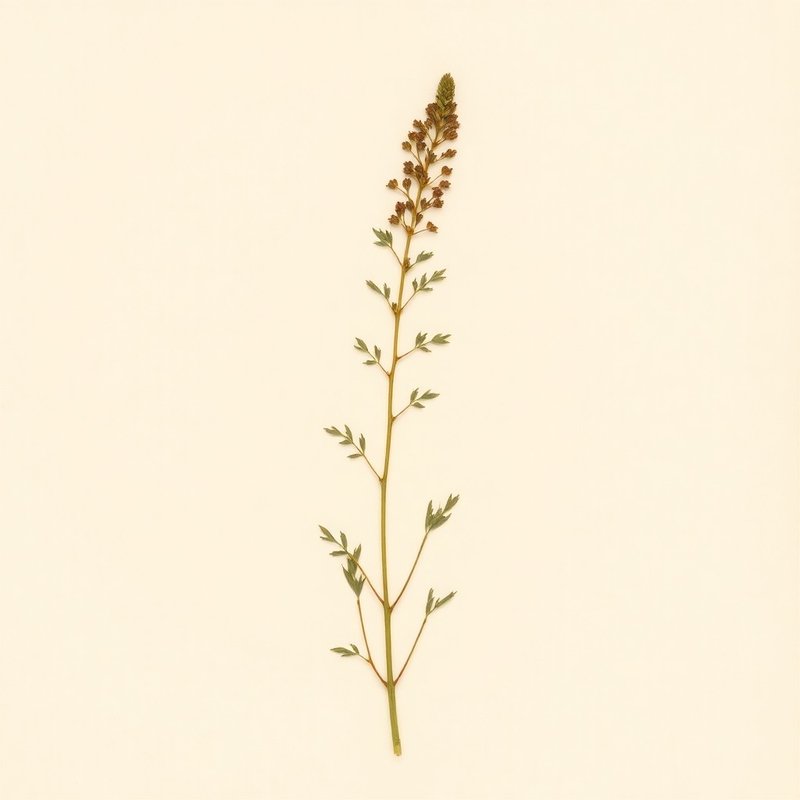
Hamburg Parsley
Petroselinum crispum tuberosum
moderated = 0.450—no major flags
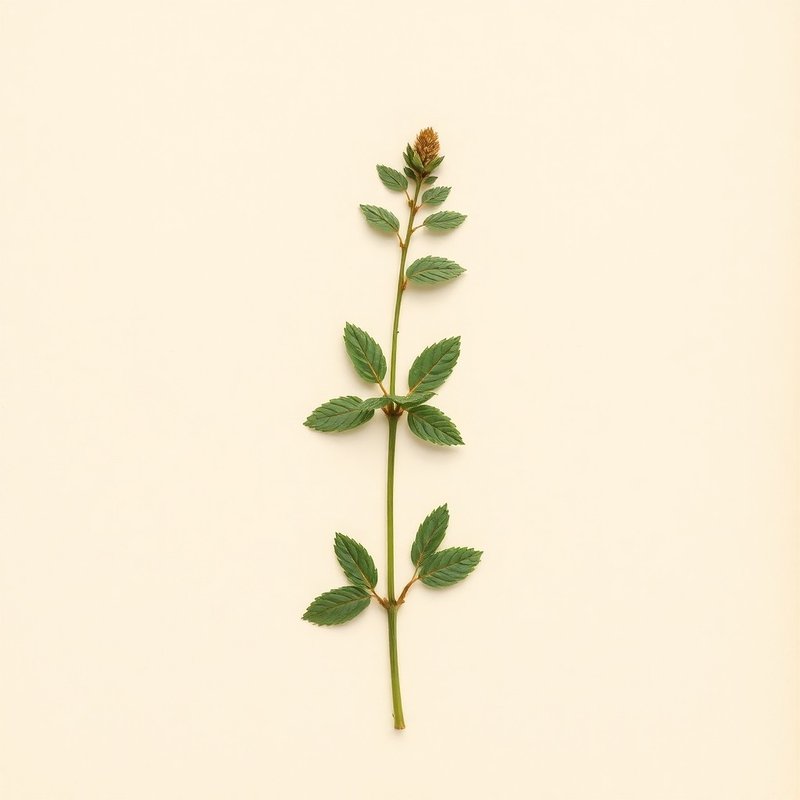
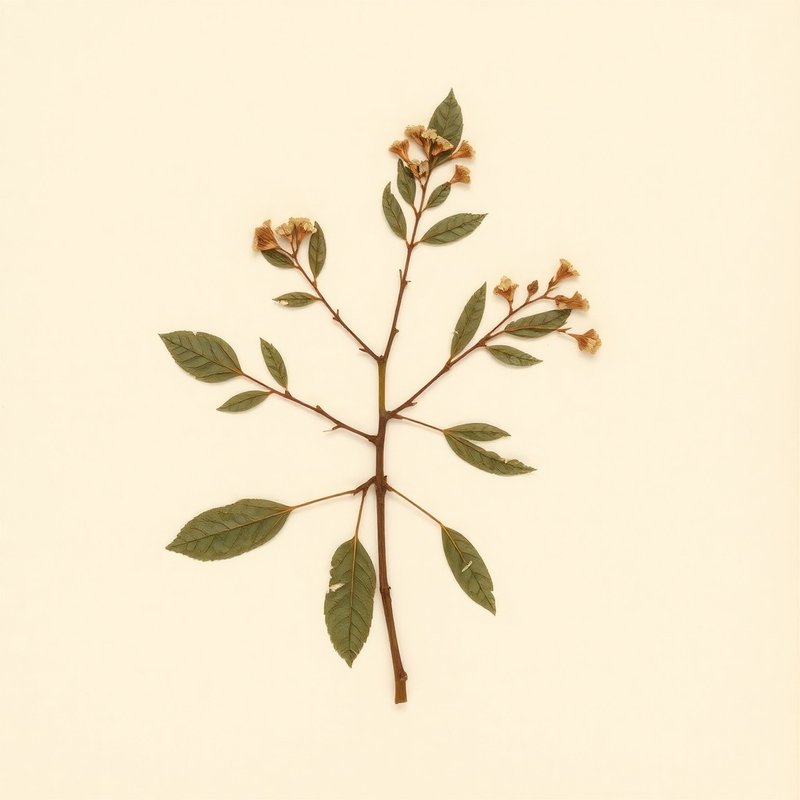
Purple Shiso
Perilla frutescens nankinensis
moderated = 0.450—no major flags
Rhubarb
Rheum × hybridum
moderated = 0.450—no major flags
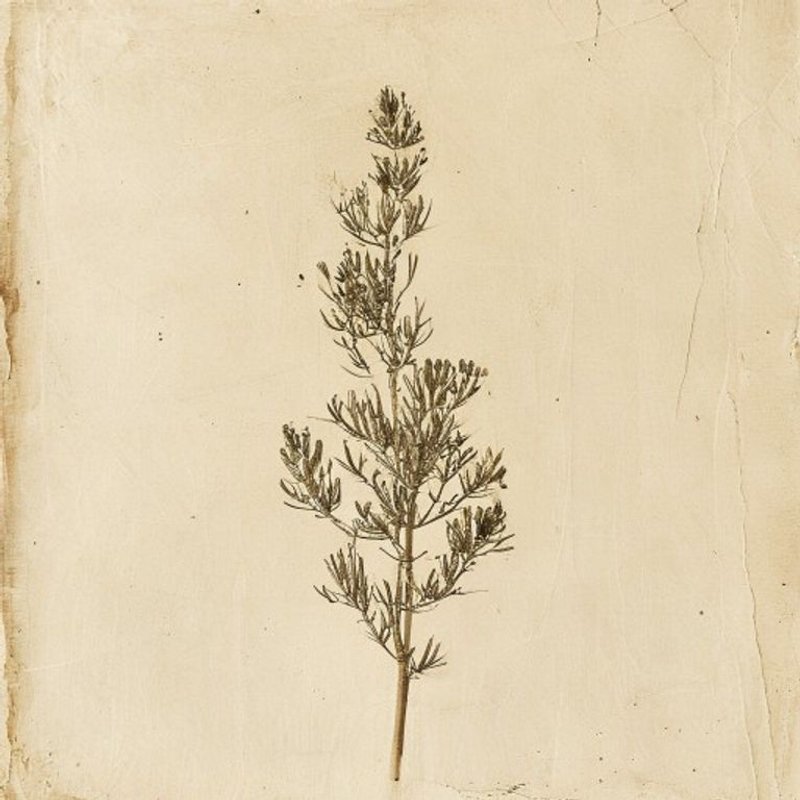
Asparagus
Asparagus officinalis
moderated = 0.350—no major flags

Use the Decision guide below to filter for pregnancy-safe, gentle, or specific preparation forms. Or open any plant recommendation above for full evidence detail.

III

High-confidence evidence

3 plants
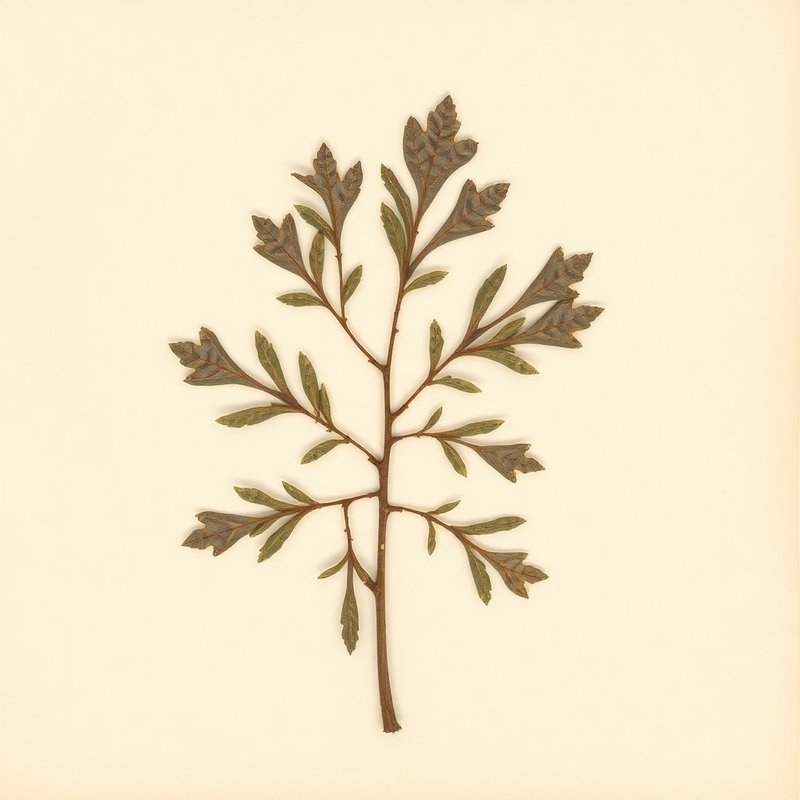
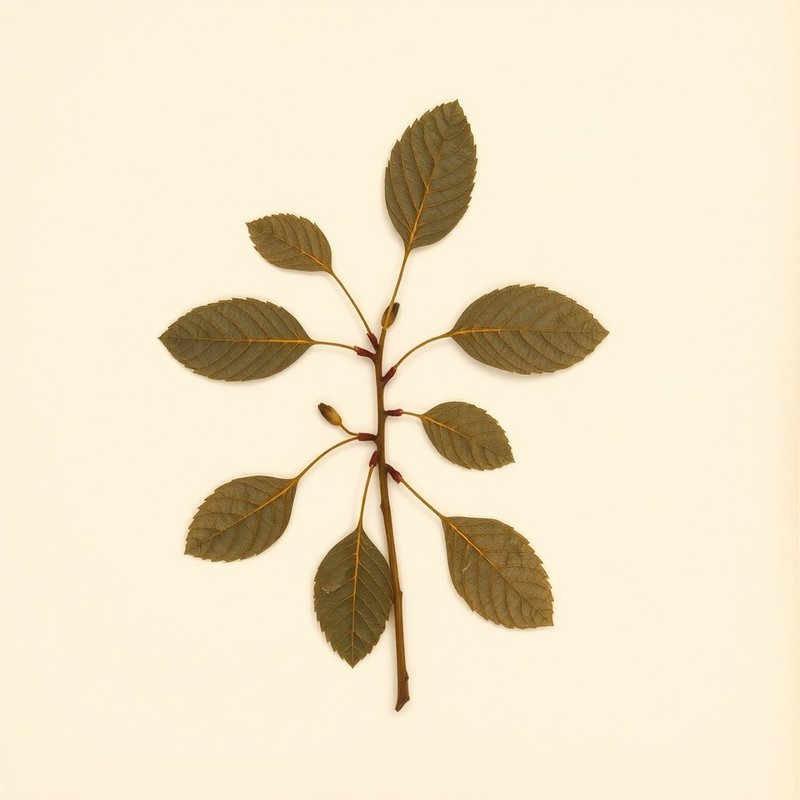
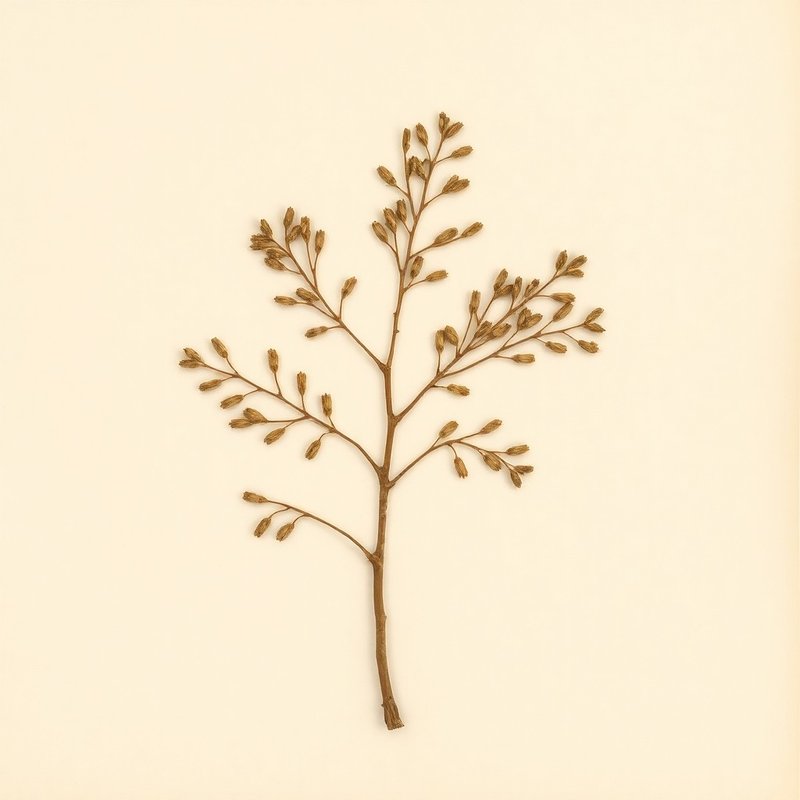
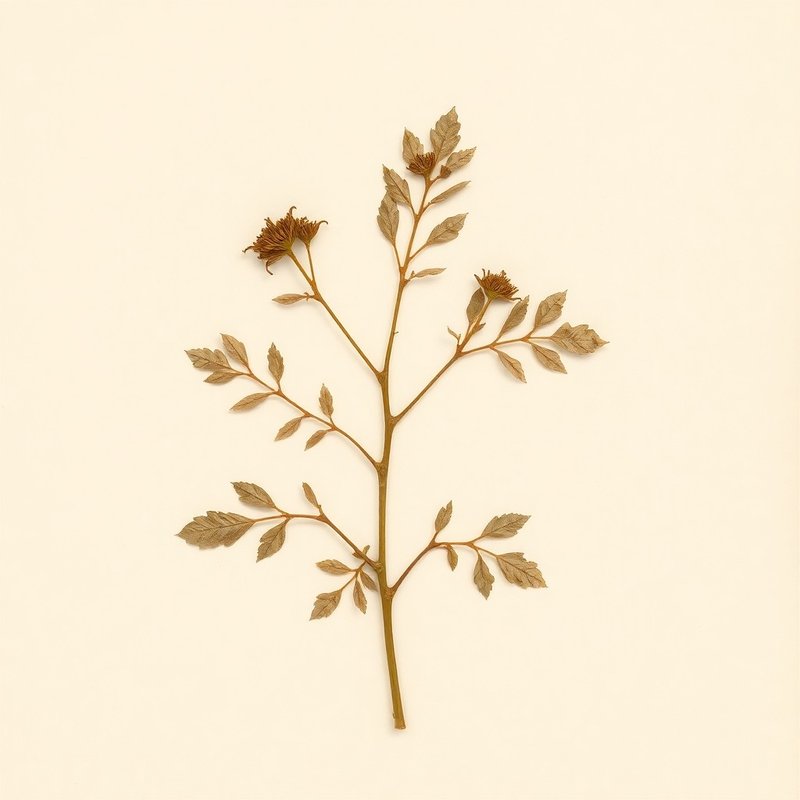
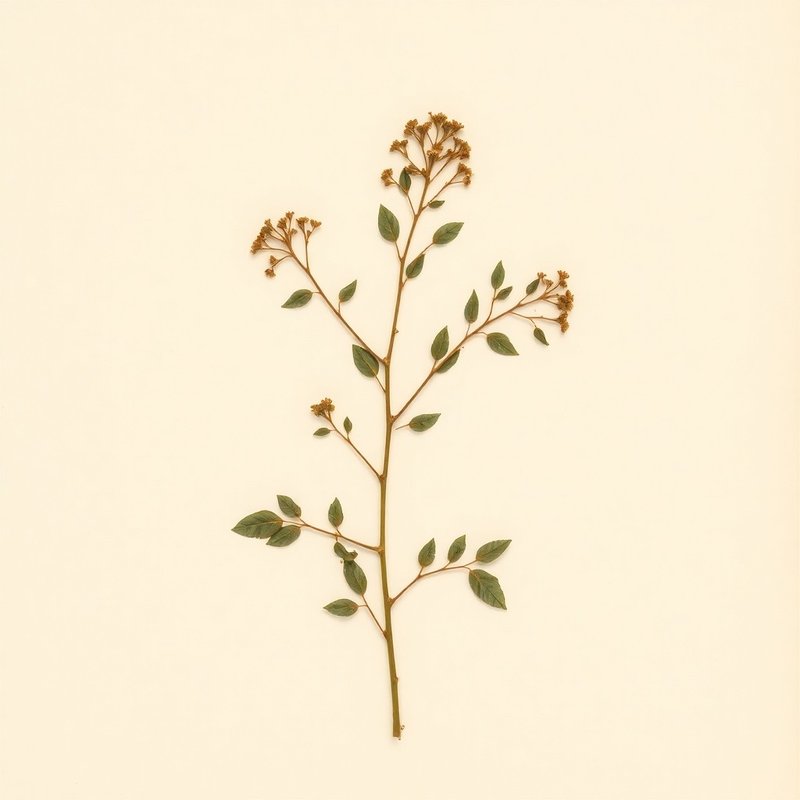
Berberis capillaris (Berberis capillaris) — botanical photograph
Berberis capillarisBerberis capillaris

Berberis capillaris is traditionally used in Chinese medicine to aid digestion and relieve gastrointestinal discomfort, often prepared as a decoction. Its use is supported by the presence of berberine which has been studied for its effects on gut motility.

Mechanism: Berberine may enhance gastric emptying and improve intestinal peristalsis through modulation of acetylcholine release in the gastrointestinal tract.

highd = 0.30
Plantago ovata (Blond Psyllium) — botanical photograph
Blond PsylliumPlantago ovata

Blond Psyllium has been traditionally used in Ayurvedic medicine to support digestive health, particularly for managing constipation and diarrhea. Its mucilaginous seeds form a gel-like substance when mixed with water.

Mechanism: The primary mechanism involves the high content of soluble fiber which increases stool bulk and softness, aiding bowel movements without altering electrolyte balance or fluid retention.

highd = 0.30
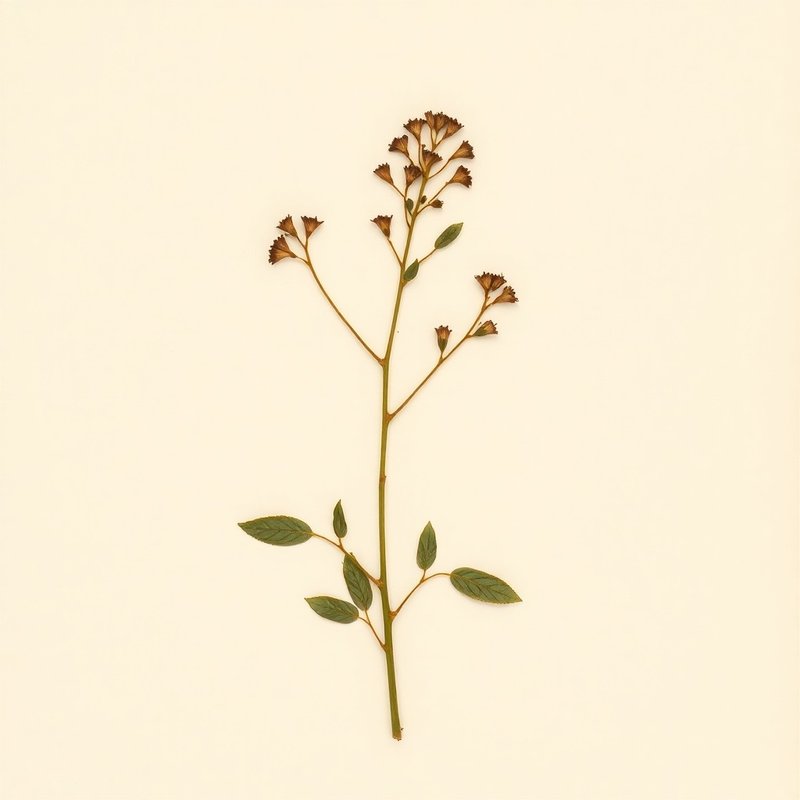
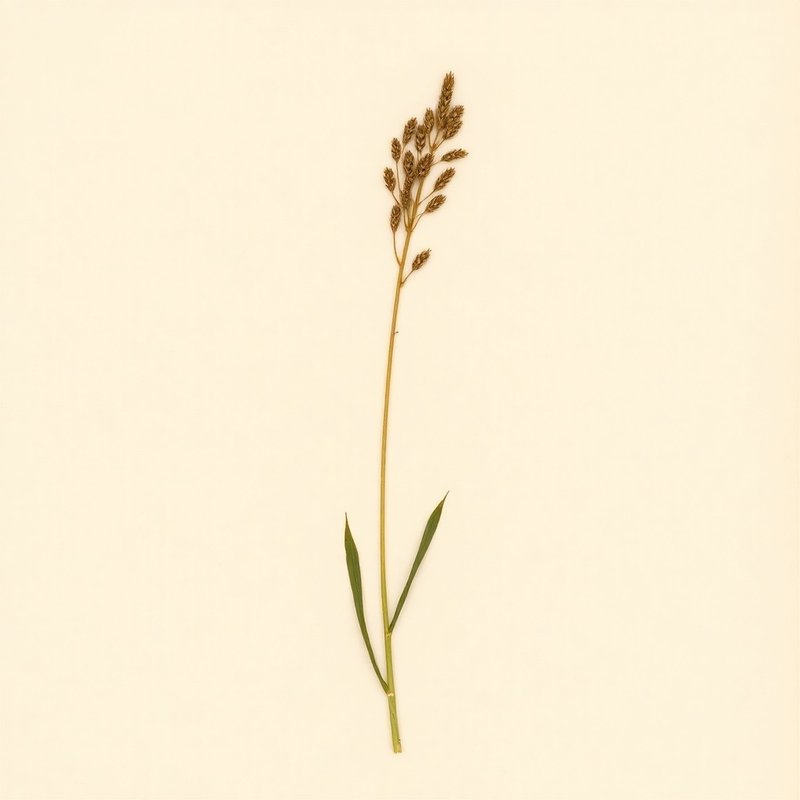
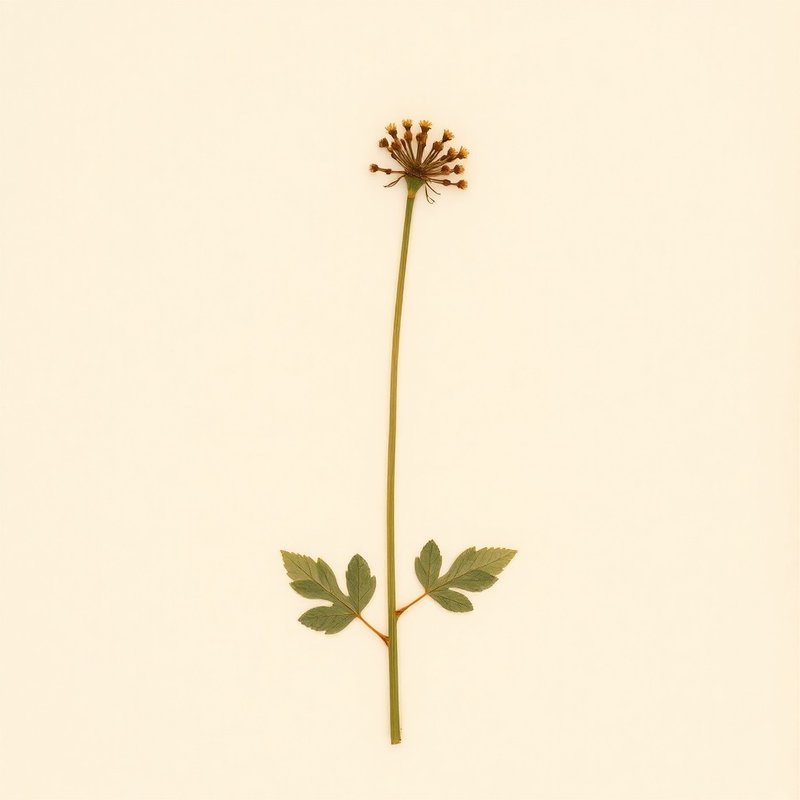
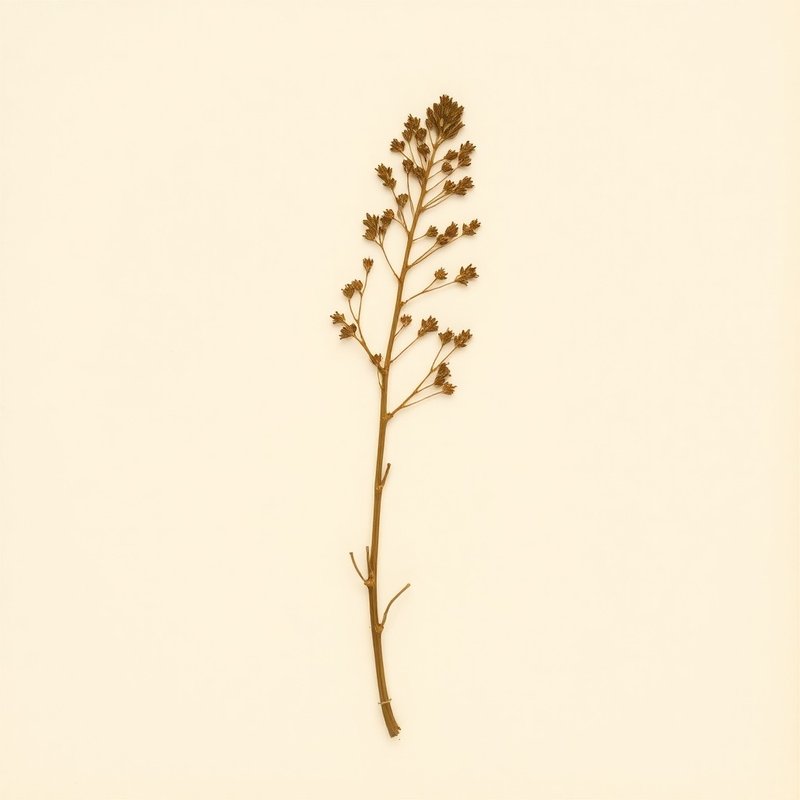
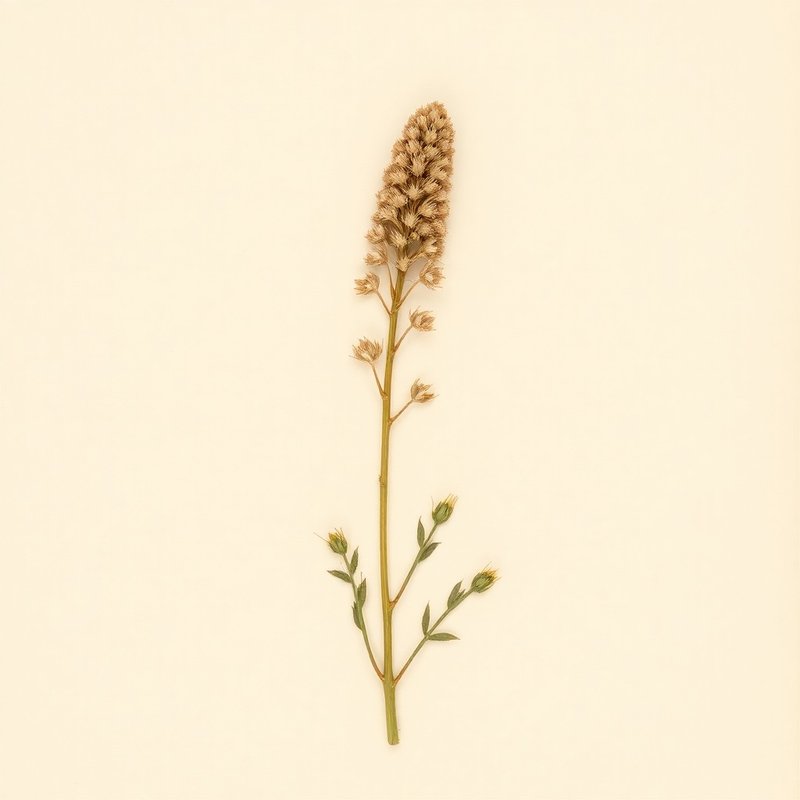
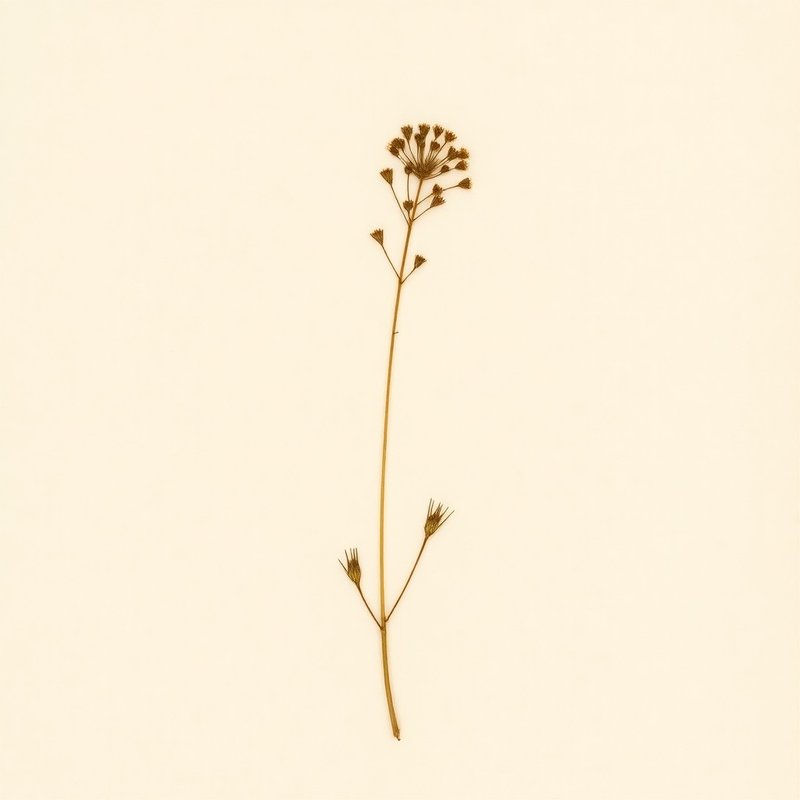
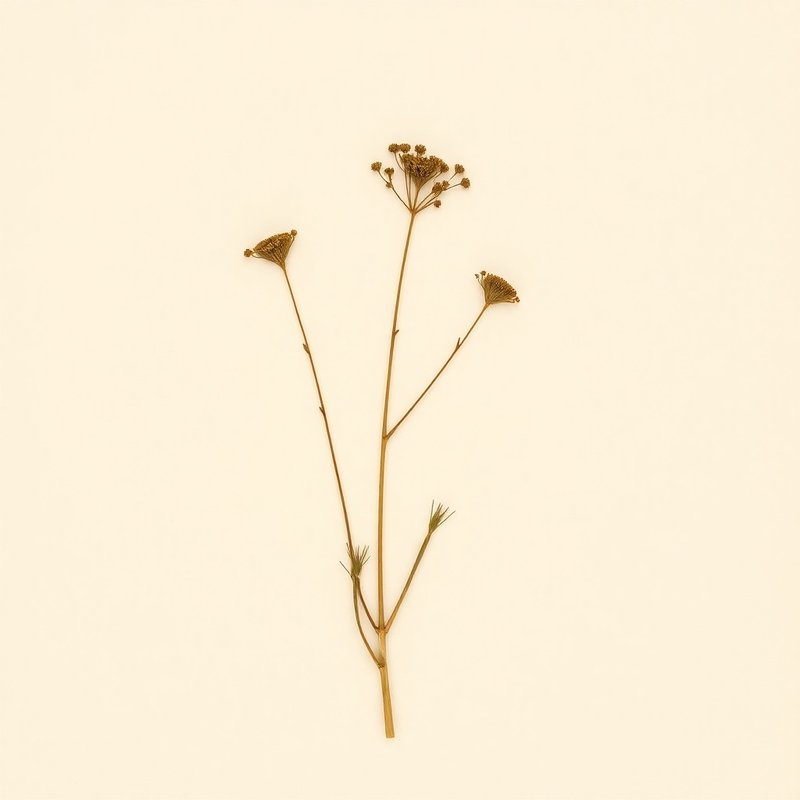
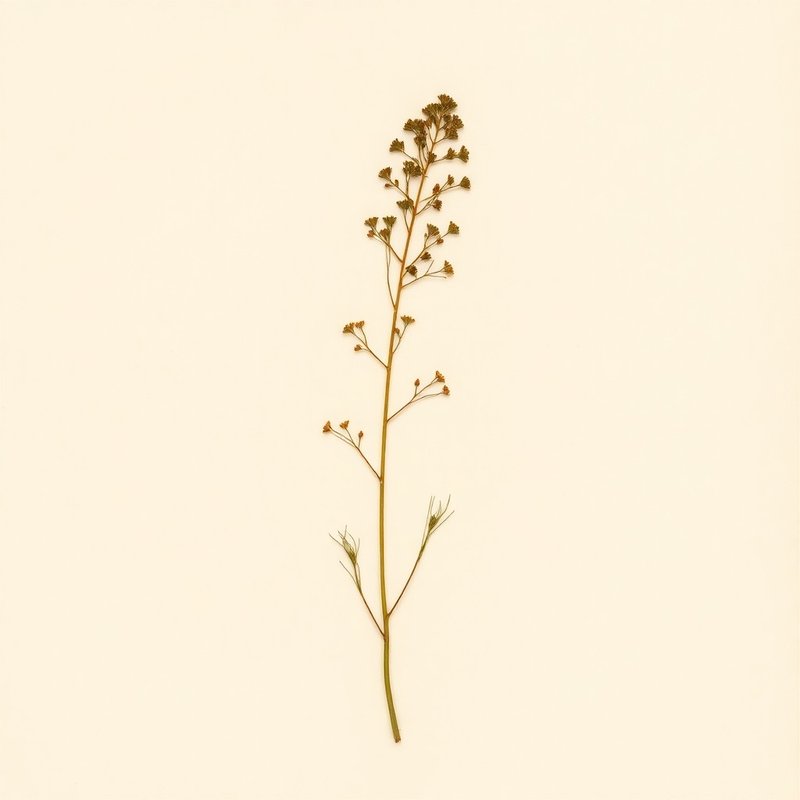
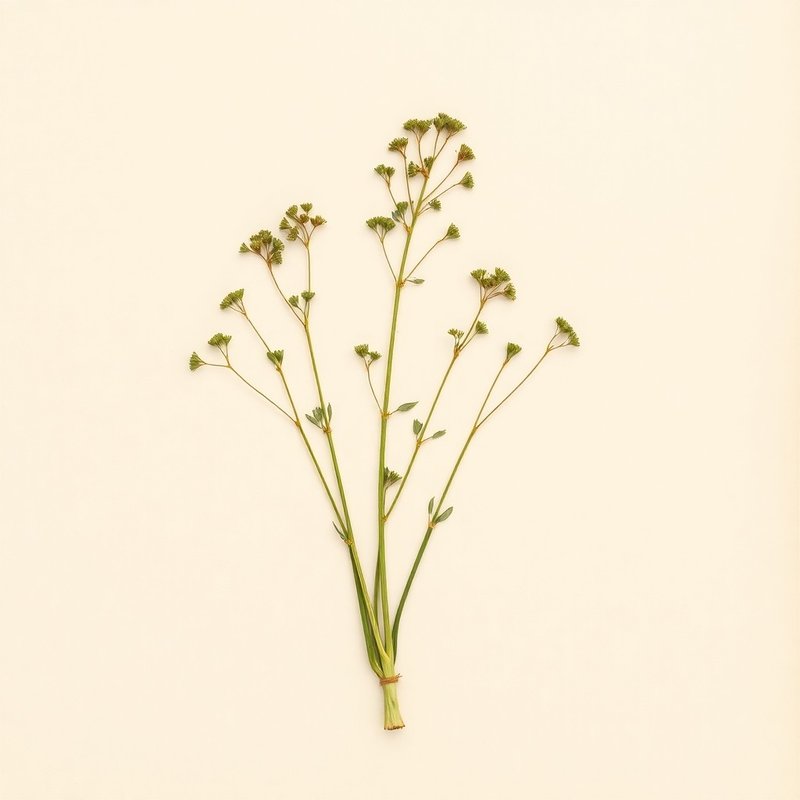
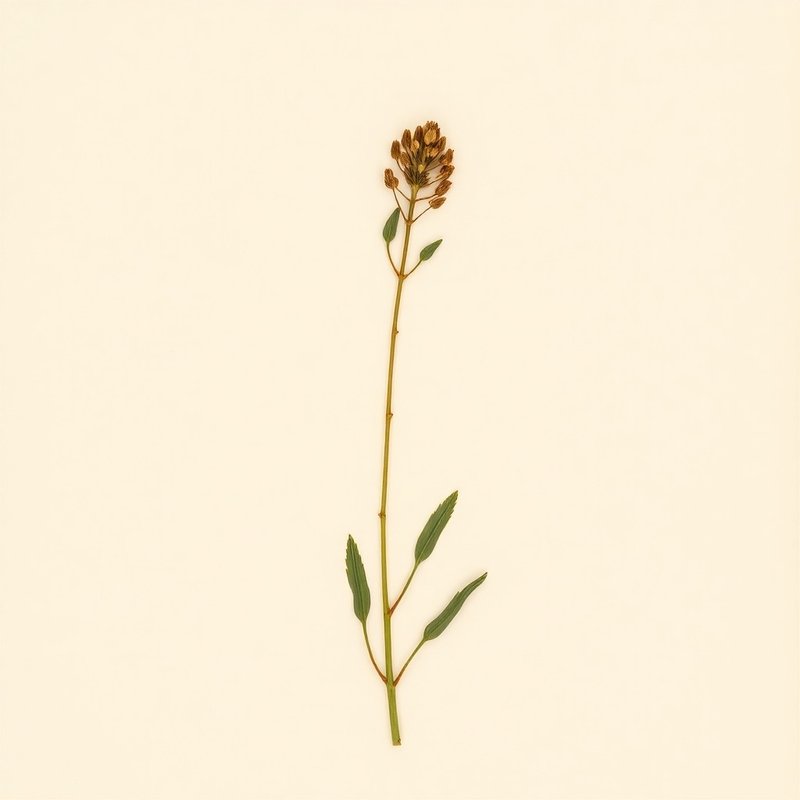
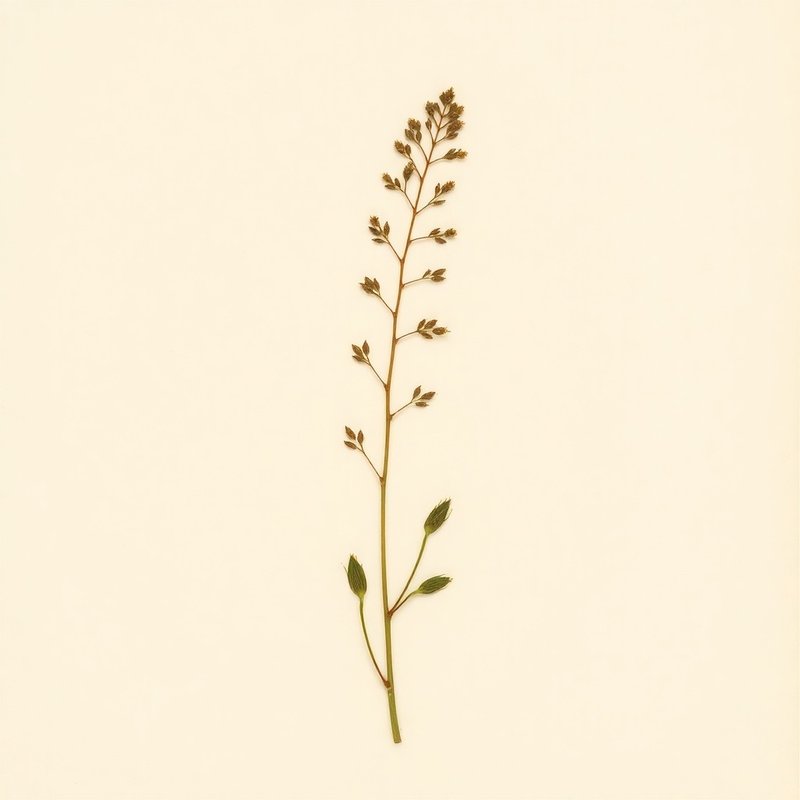
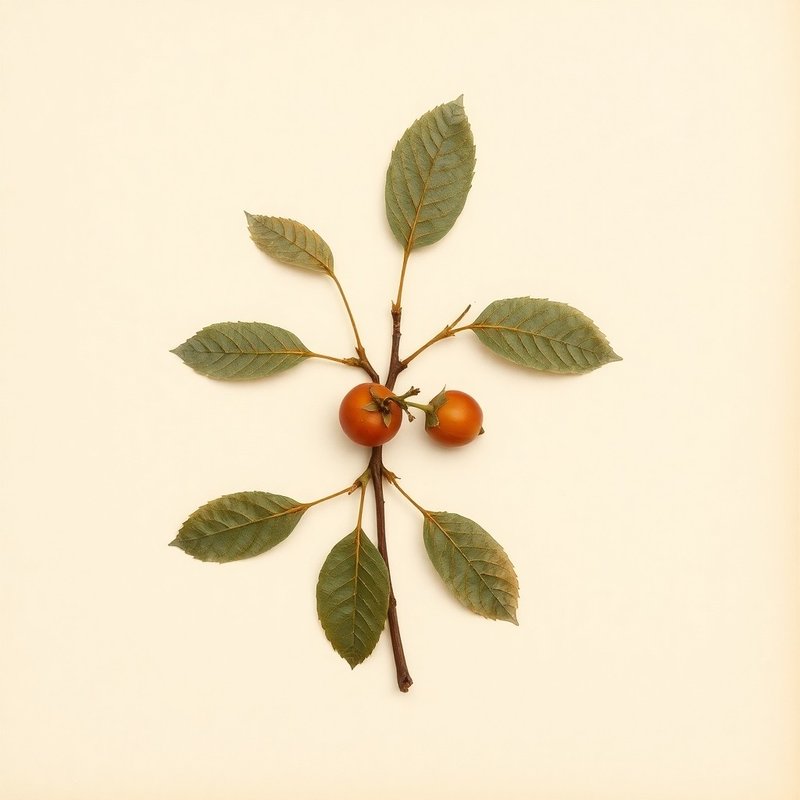
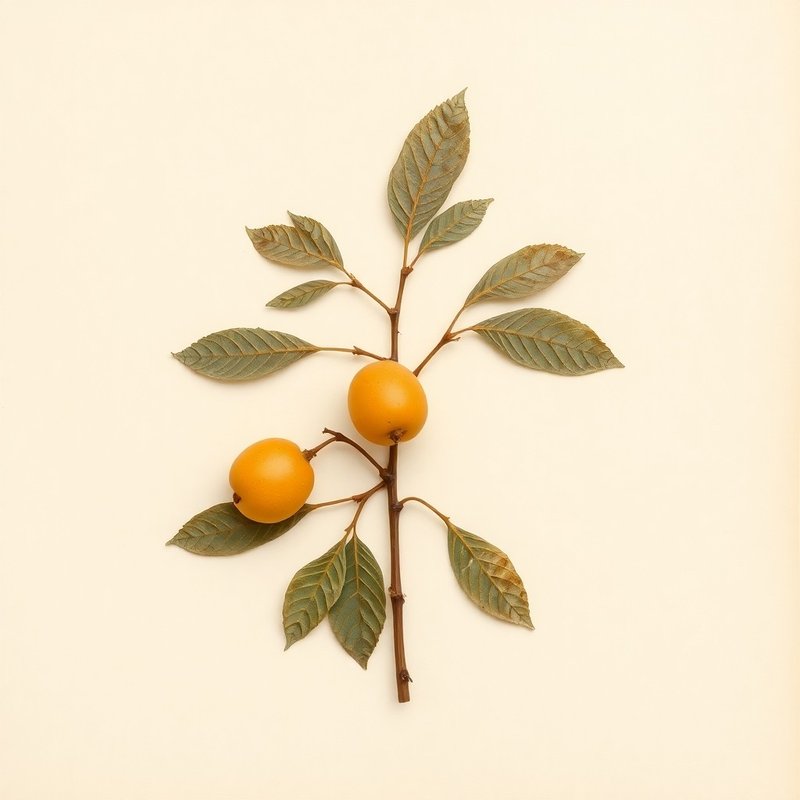
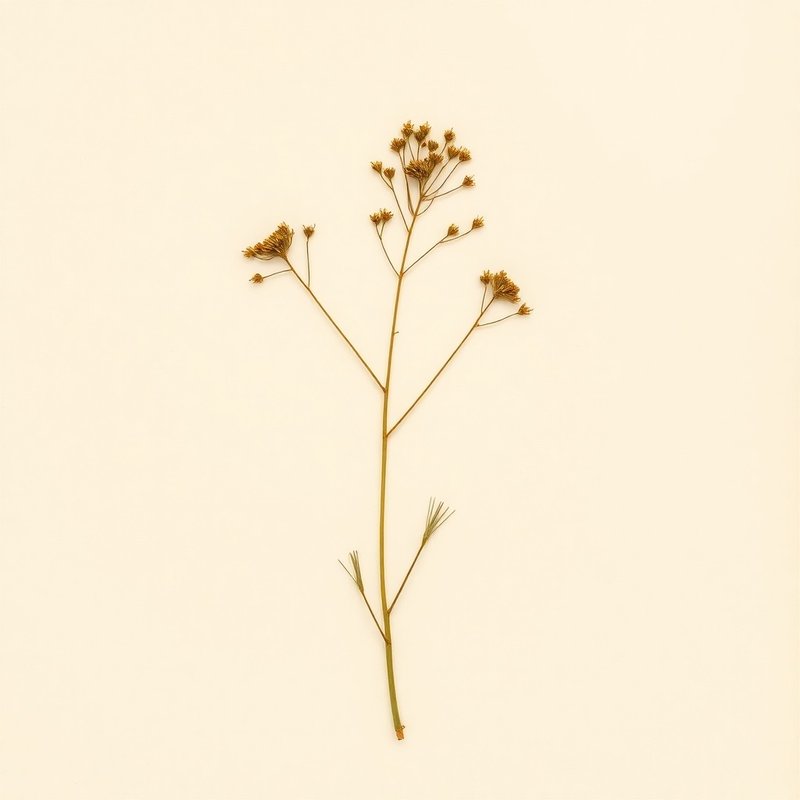
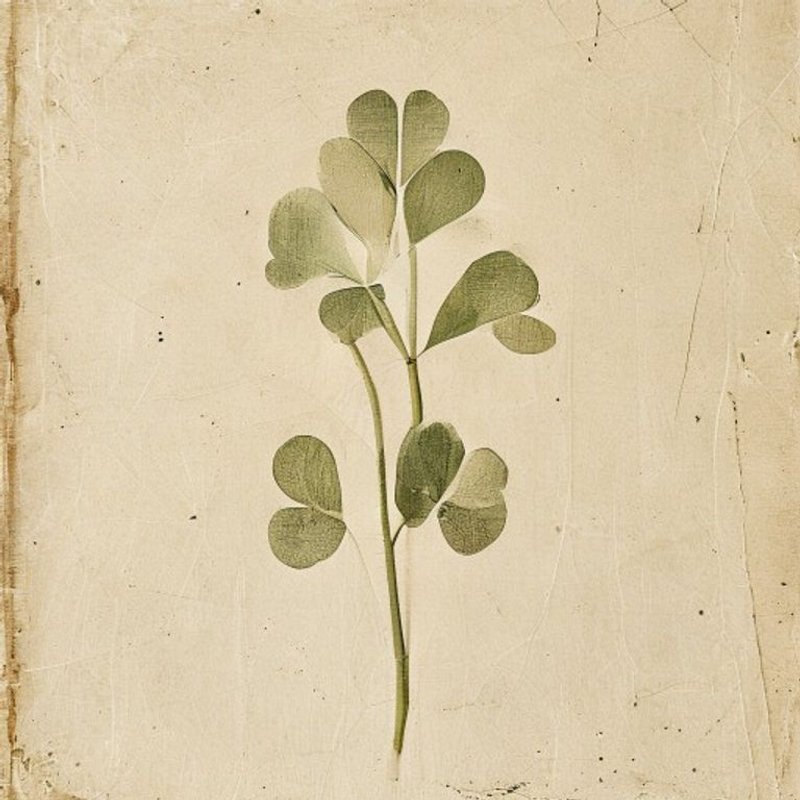
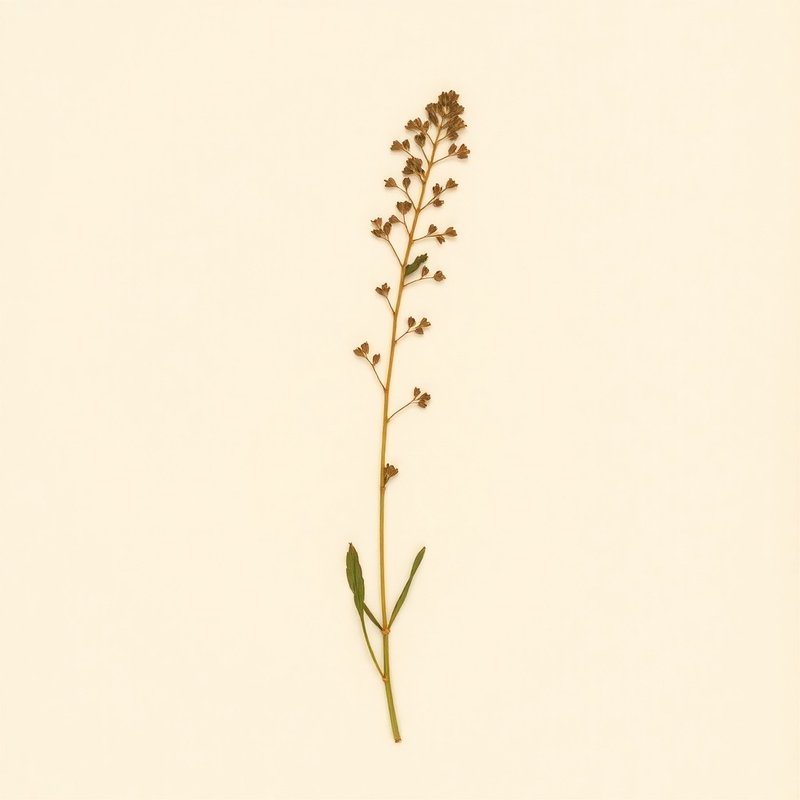
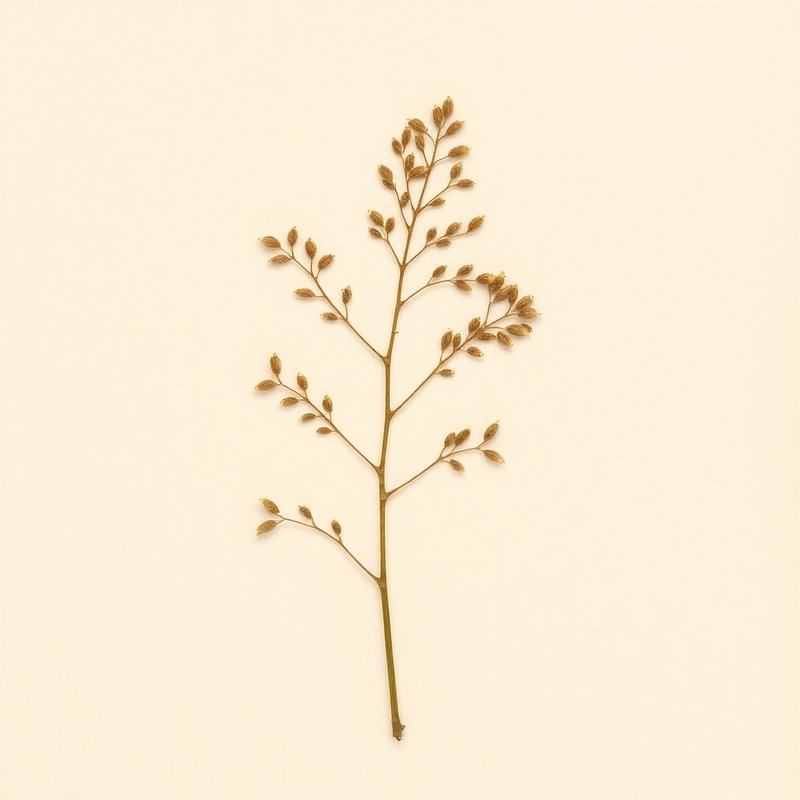
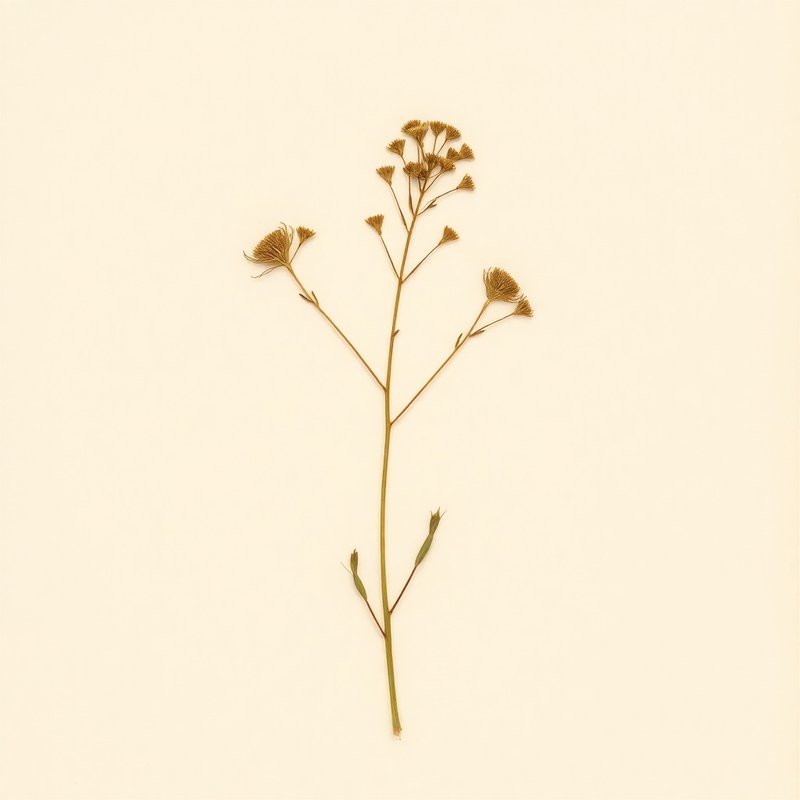
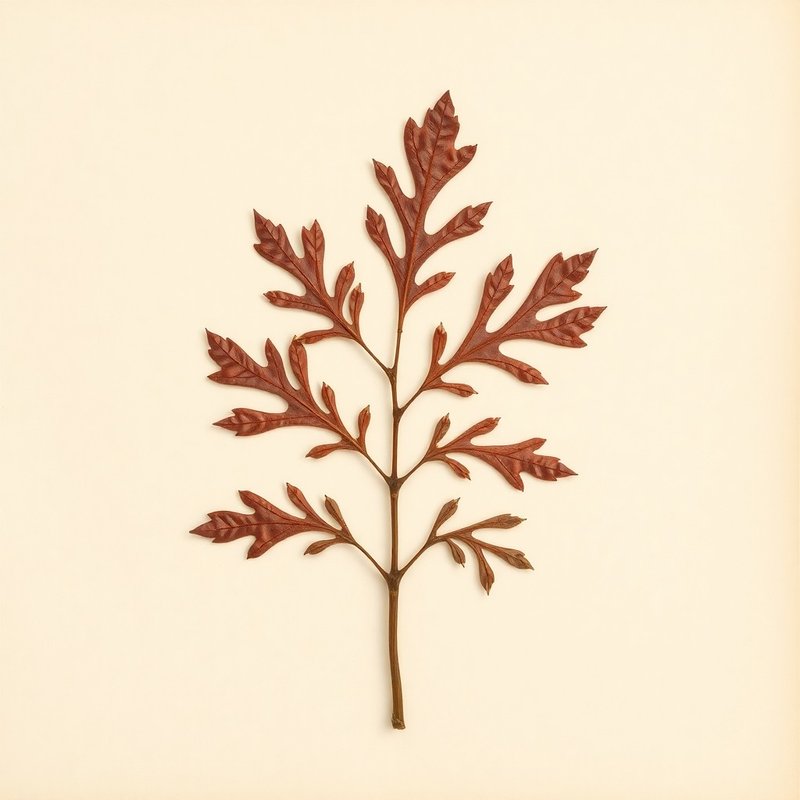
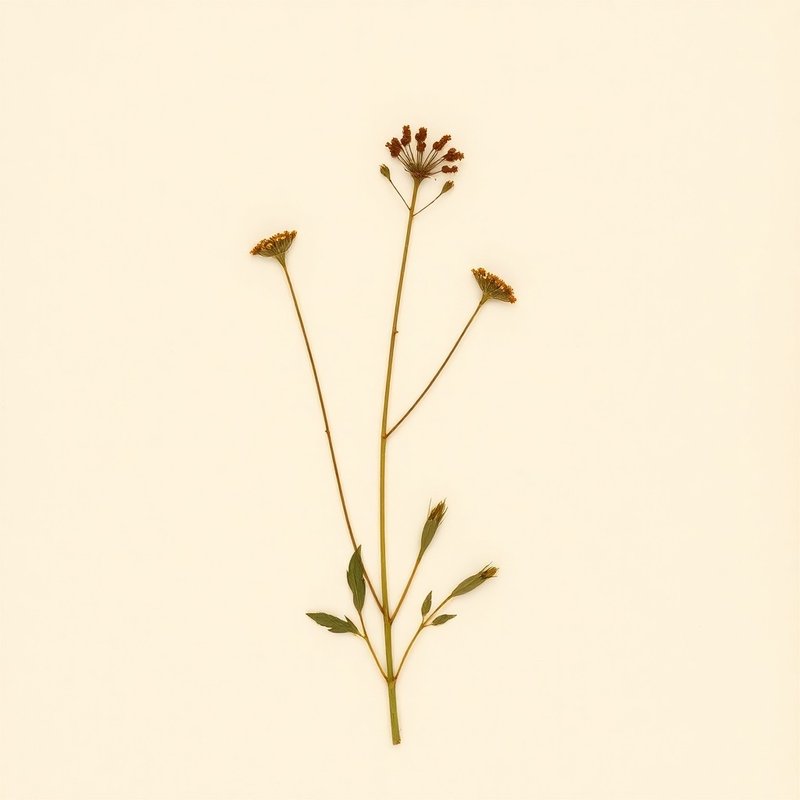
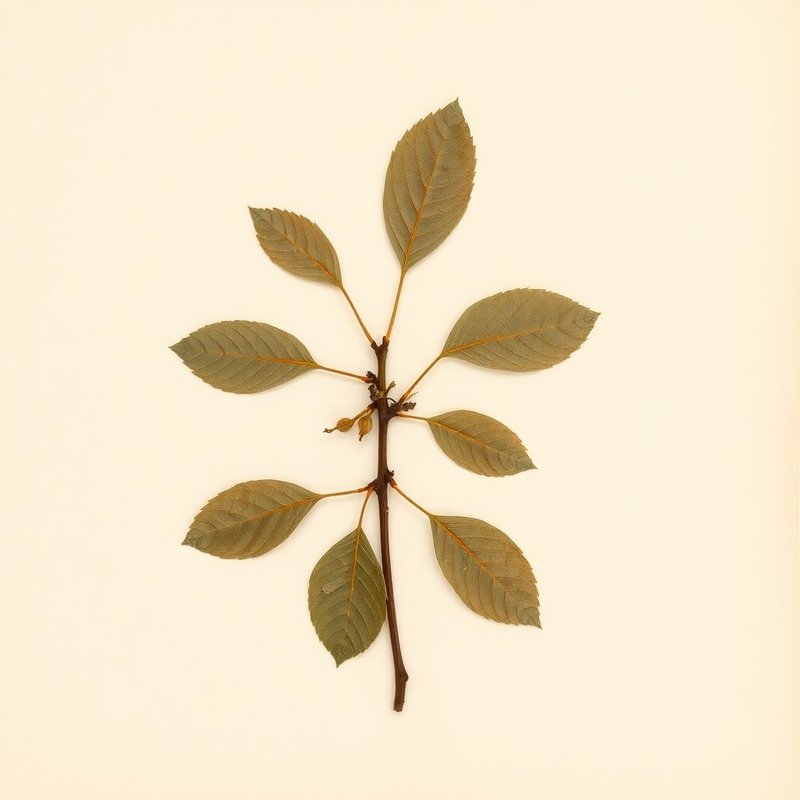
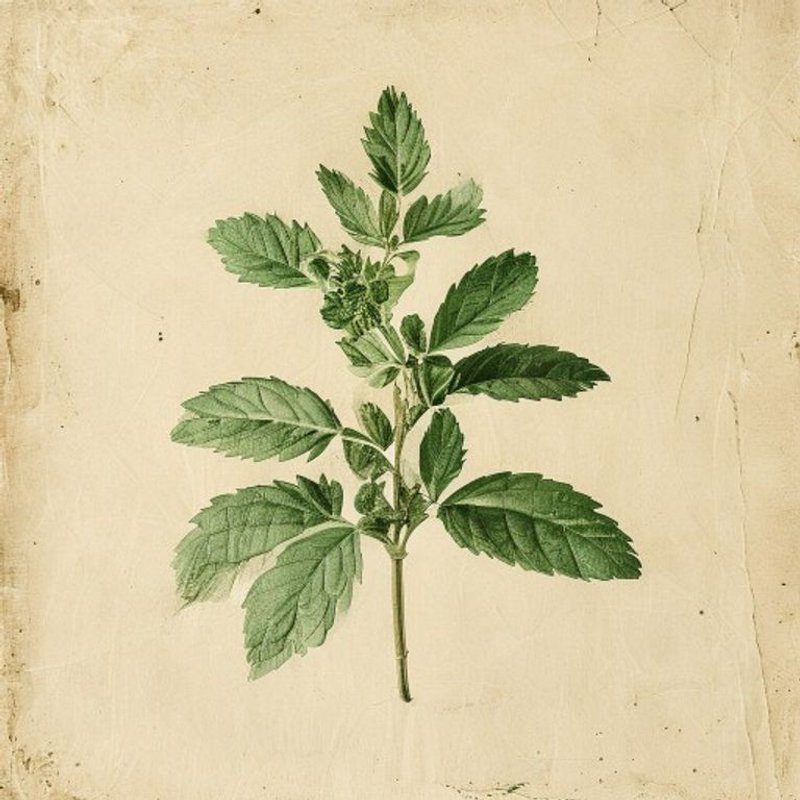
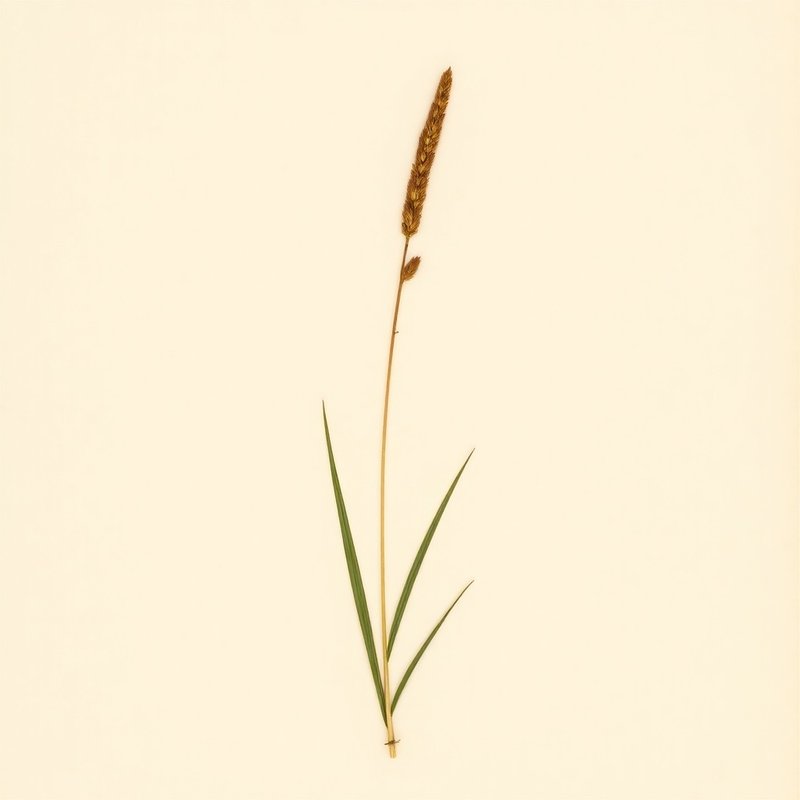
Linum usitatissimum (Flax) — botanical photograph
FlaxLinum usitatissimum

Flax seeds have been traditionally used in European and Native American medicine to support digestive health, particularly for constipation. The high fiber content helps regulate bowel movements.

Mechanism: The soluble fiber in flaxseed forms a gel-like substance that increases stool bulk and softness, aiding in the relief of constipation. This mechanism is well-characterized through clinical studies.

highd = 0.30
IV

Moderate evidence

820 plants
Matricaria chamomilla (Chamomile) — botanical photograph
ChamomileMatricaria chamomilla

Eases mild digestive complaints

Mechanism: Antispasmodic via bisabolol; reduces visceral hypersensitivity in functional dyspepsia.

moderate1 sourced = 0.62
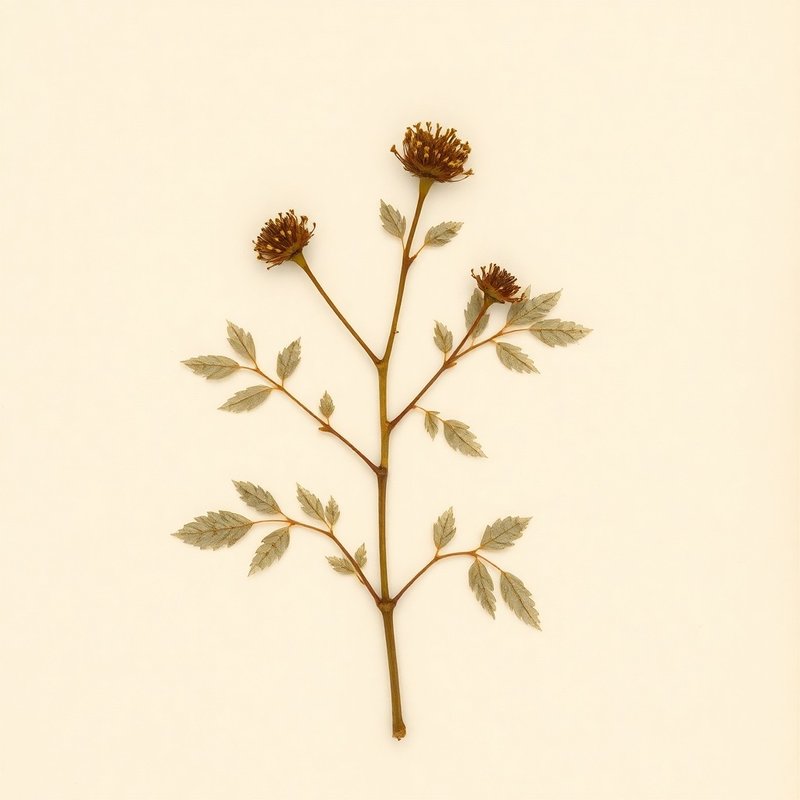
Coptis teeta (Coptis teeta) — botanical photograph
Coptis teetaCoptis teeta

Traditionally used for occasional indigestion, Coptis teeta is recommended as an adjunct in digestive support when prepared as a tea infusion (ESCOP Monograph).

Mechanism: Mechanism not fully characterised in modern literature; traditional attribution predates chemistry. Contains iridoid glycosides typical for the Ranunculaceae family, which may help modulate gastrointestinal motility.

moderated = 0.45
Cuminum cyminum (Cumin - Jeera) — botanical photograph
Cumin - JeeraCuminum cyminum

Traditionally used for occasional indigestion, Cuminum cyminum supports digestive health in Ayurvedic practice as an adjunct to meals.

Mechanism: Mechanism not fully characterised in modern literature; traditional attribution predates chemistry. Contains flavonoids and essential oils typical of the Apiaceae family, which may aid digestion through their carminative properties.

moderated = 0.45
Petroselinum crispum tuberosum (Hamburg Parsley) — botanical photograph
Hamburg ParsleyPetroselinum crispum tuberosum

Traditionally used for occasional indigestion, Hamburg Parsley is recommended as an adjunct in digestive support when consumed as a tea infusion (ESCOP Monograph).

Mechanism: Mechanism not fully characterised in modern literature; traditional attribution predates chemistry. Contains iridoid glycosides typical for the Apiaceae family.

moderated = 0.45
Perilla frutescens nankinensis (Purple Shiso) — botanical photograph
Purple ShisoPerilla frutescens nankinensis

Traditionally used for occasional indigestion, Perilla frutescens nankinensis is recommended as an adjunct in digestive support when prepared as a tea infusion (ESCOP Monograph).

Mechanism: Mechanism not fully characterised in modern literature; traditional attribution predates chemistry. Contains iridoid glycosides typical for the Lamiaceae family, which may help by supporting gut motility and reducing inflammation.

moderated = 0.45
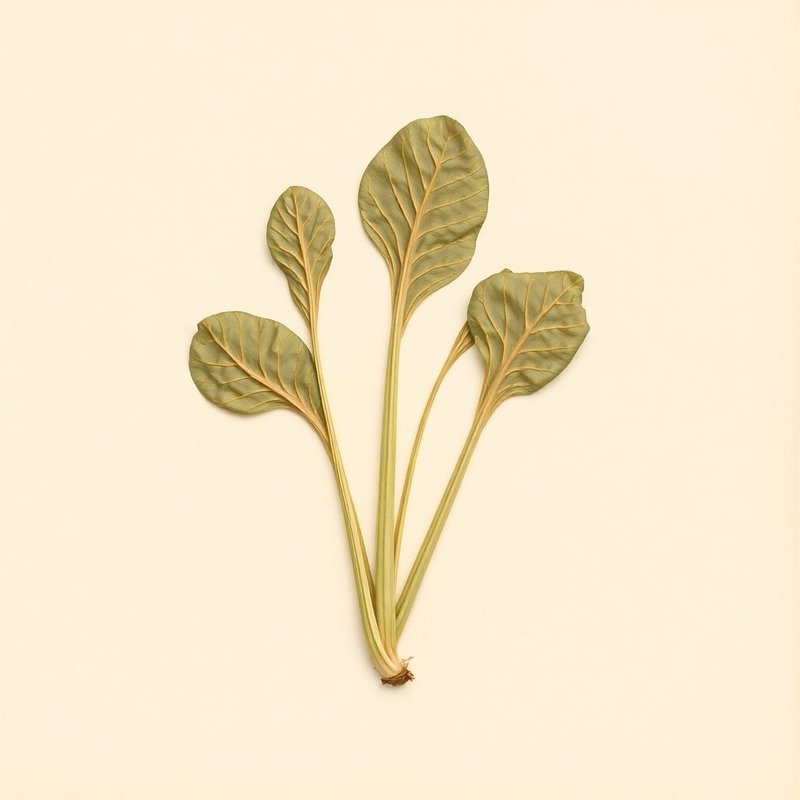
Rheum × hybridum (Rhubarb) — botanical photograph
RhubarbRheum × hybridum

Traditionally used for occasional indigestion, Rhubarb (Rheum × hybridum) is prepared as a tea infusion and supports digestive health by containing anthraquinones that act on the gastrointestinal tract.

Mechanism: Anthraquinones in Rhubarb are known to stimulate peristalsis and relax smooth muscles of the intestines. This mechanism is similar to other members of the Polygonaceae family, which also contain these compounds.

moderated = 0.45
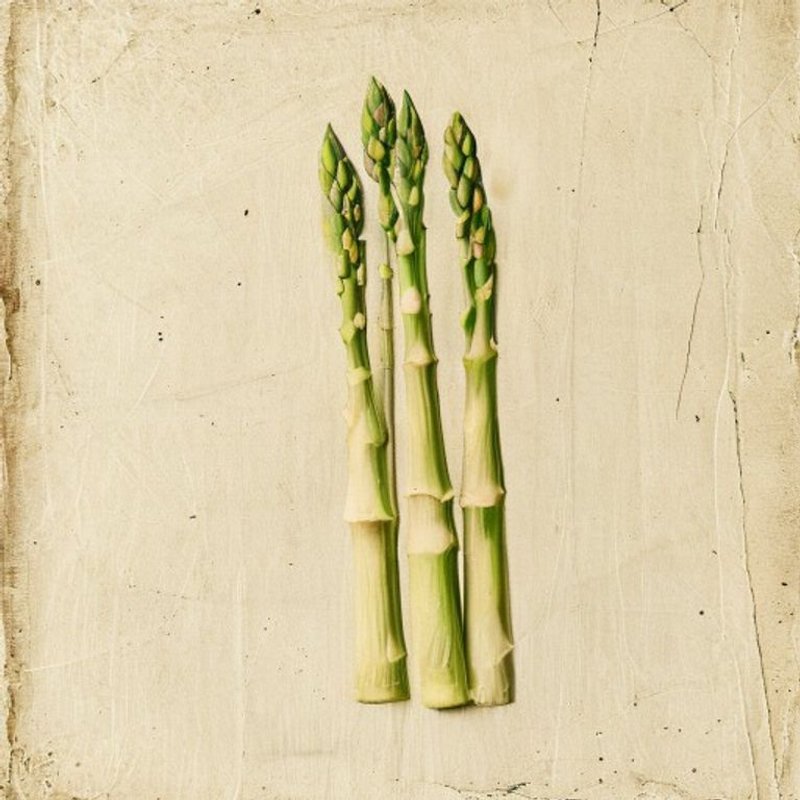
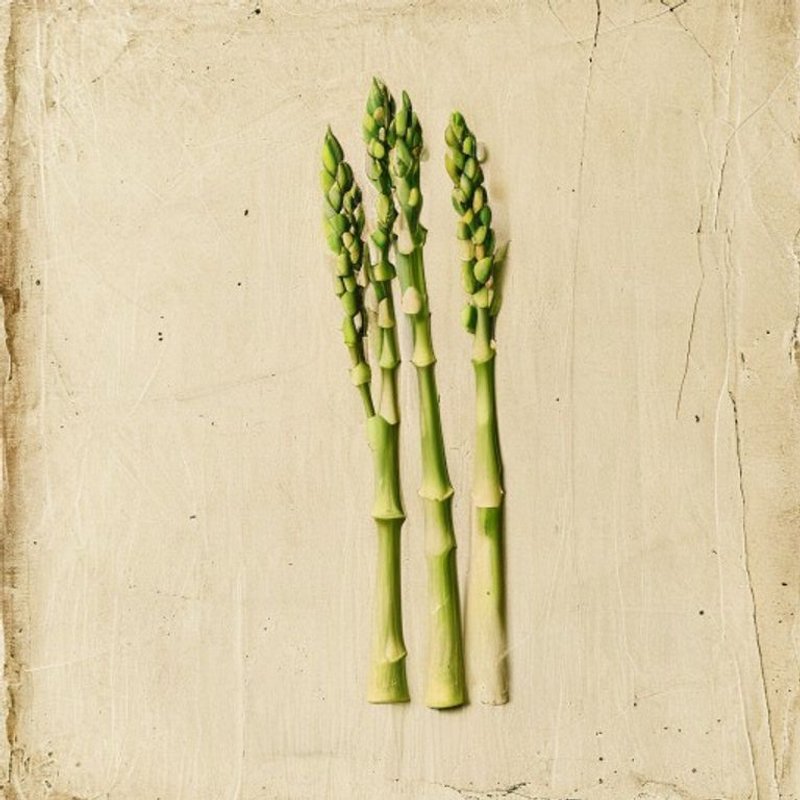
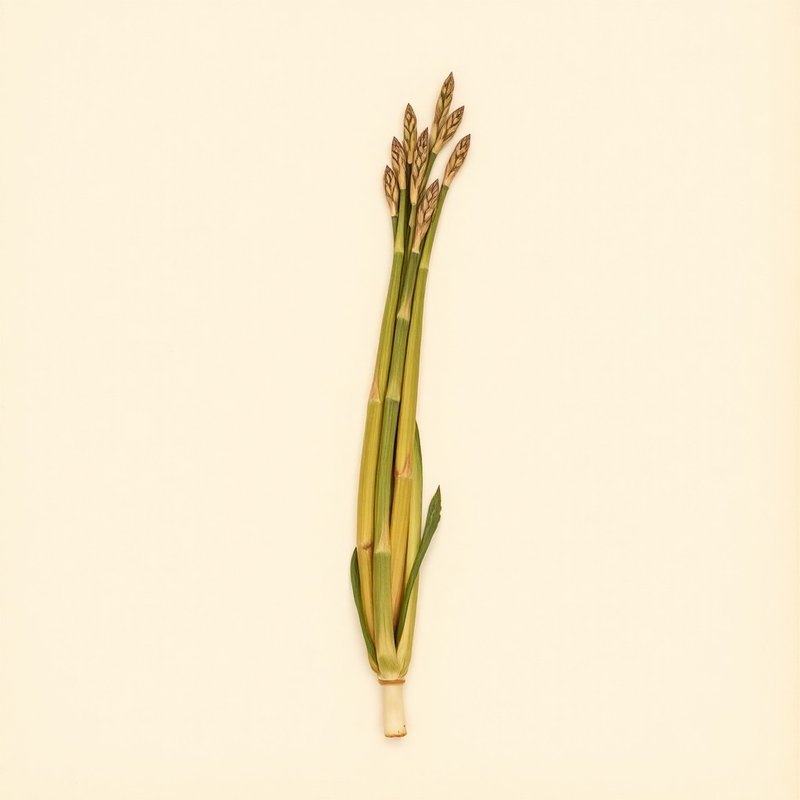
Asparagus officinalis (Asparagus) — botanical photograph
AsparagusAsparagus officinalis

Traditionally used for occasional indigestion, as an adjunct in digestive support, the shoots of Asparagus officinalis are prepared as a tea infusion (ESCOP Monograph).

Mechanism: Mechanism not fully characterised in modern literature; traditional attribution predates chemistry. Contains iridoid glycosides typical for the Asparagaceae family.

moderated = 0.35
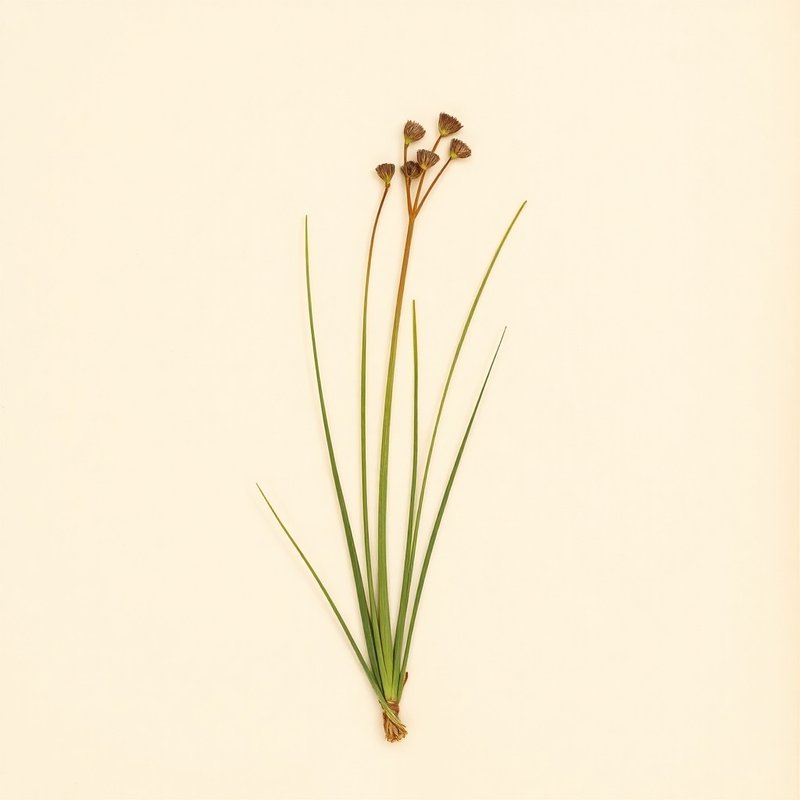
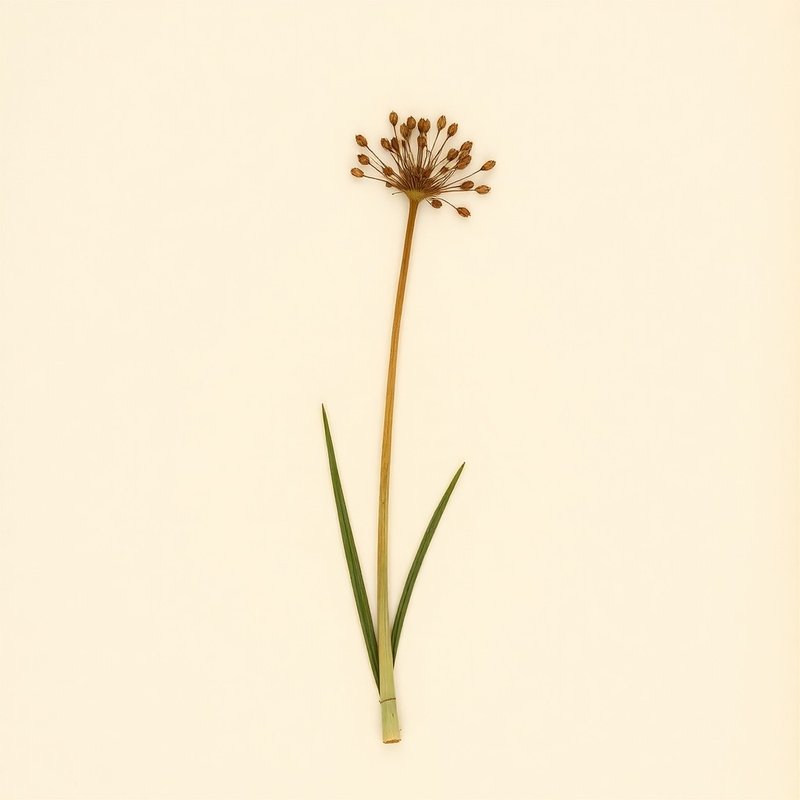
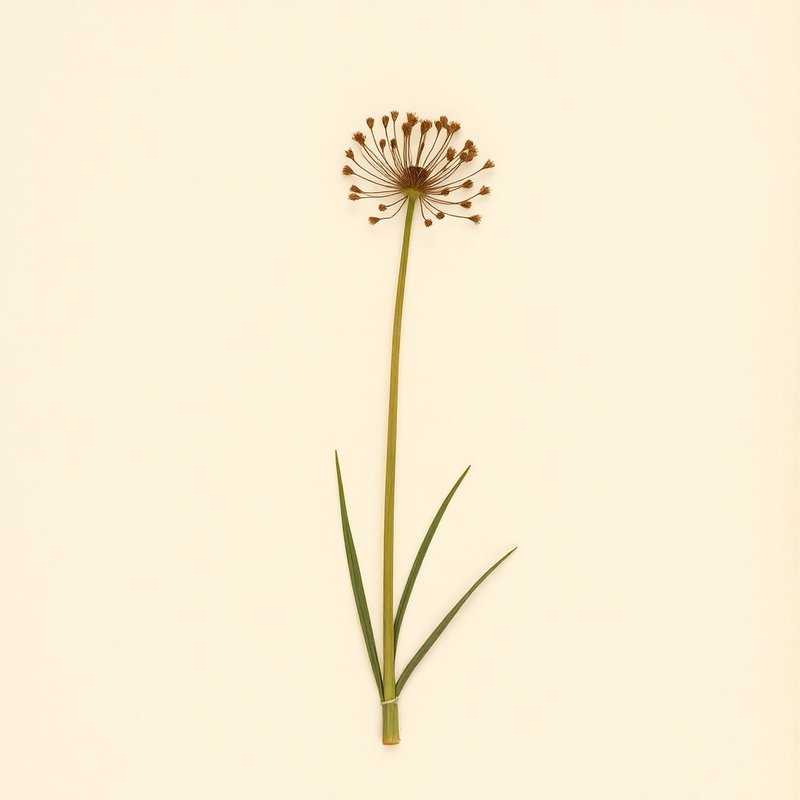
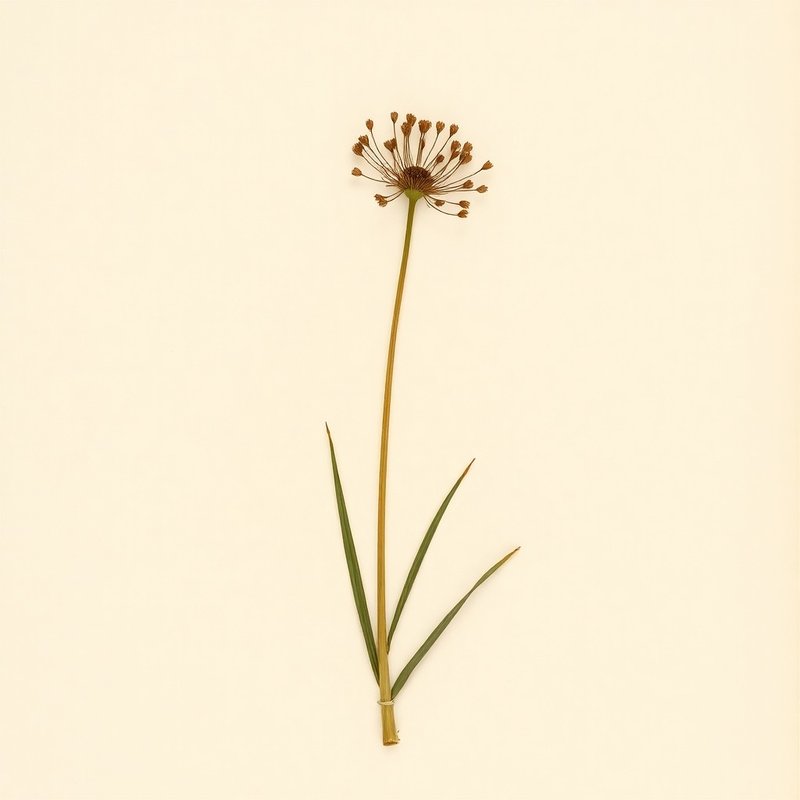
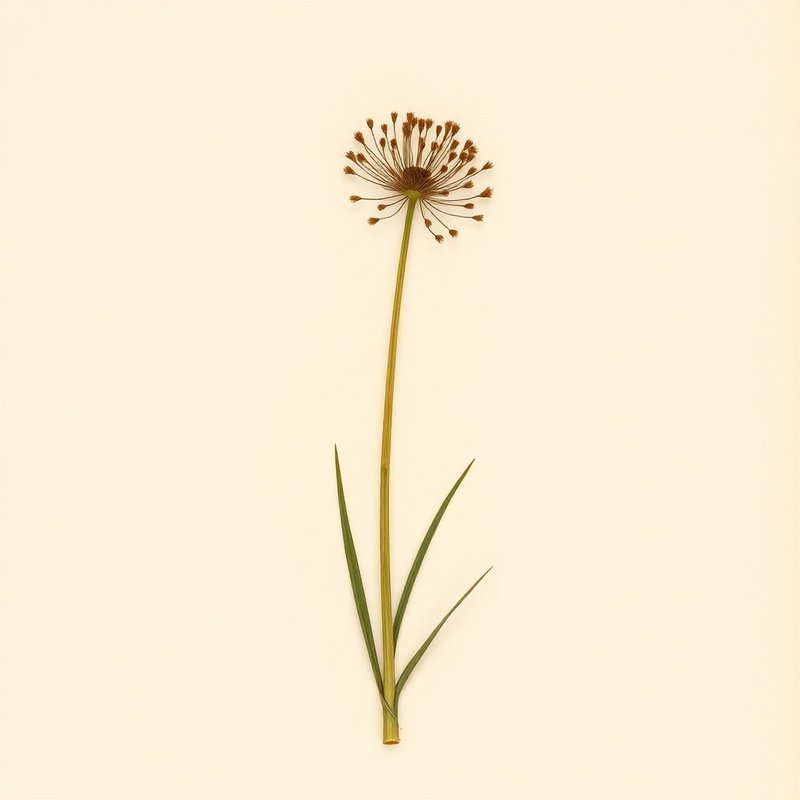
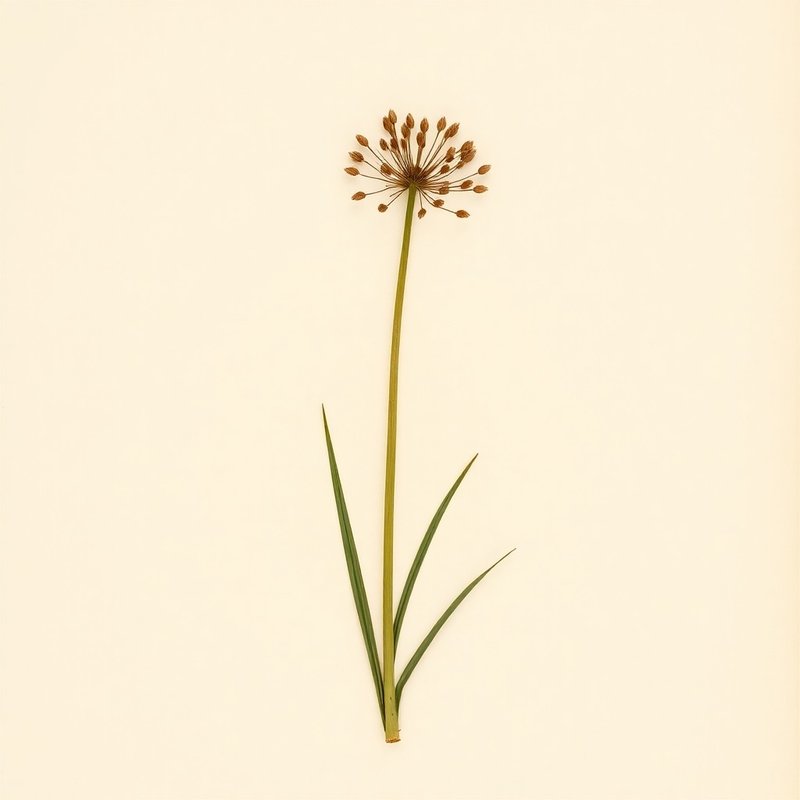
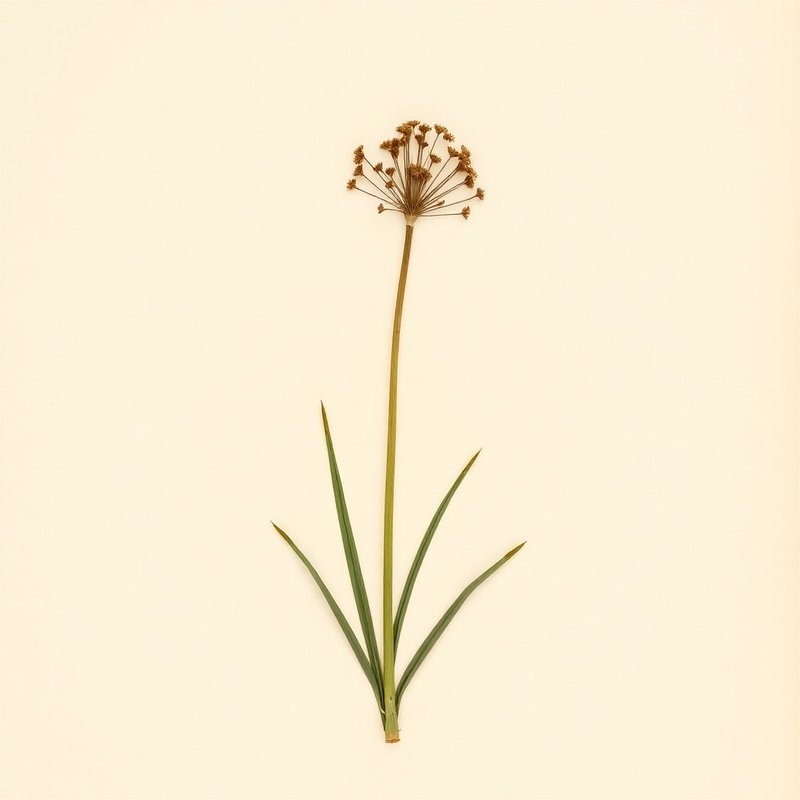
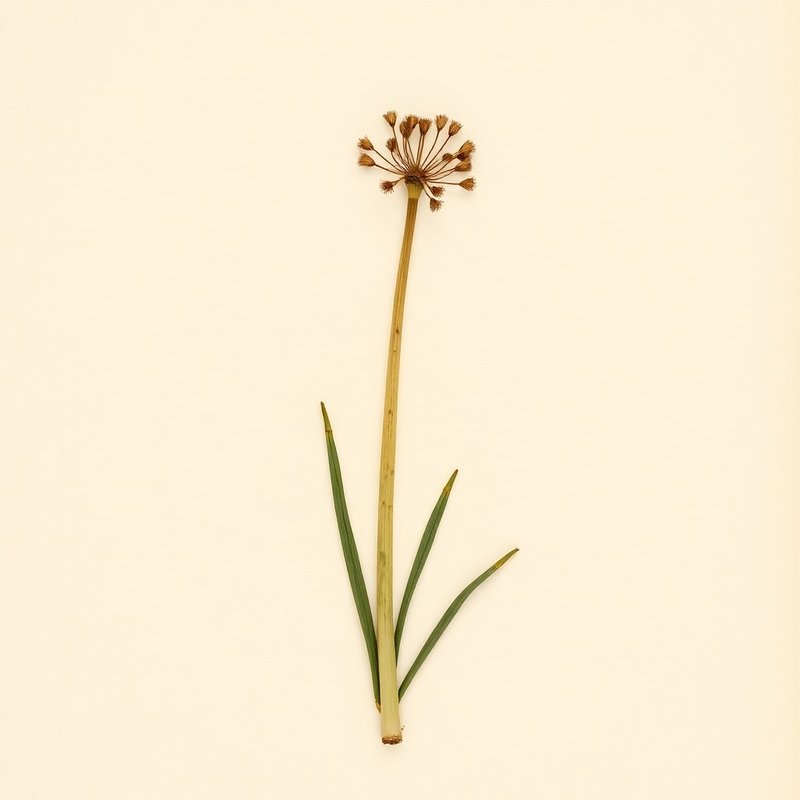
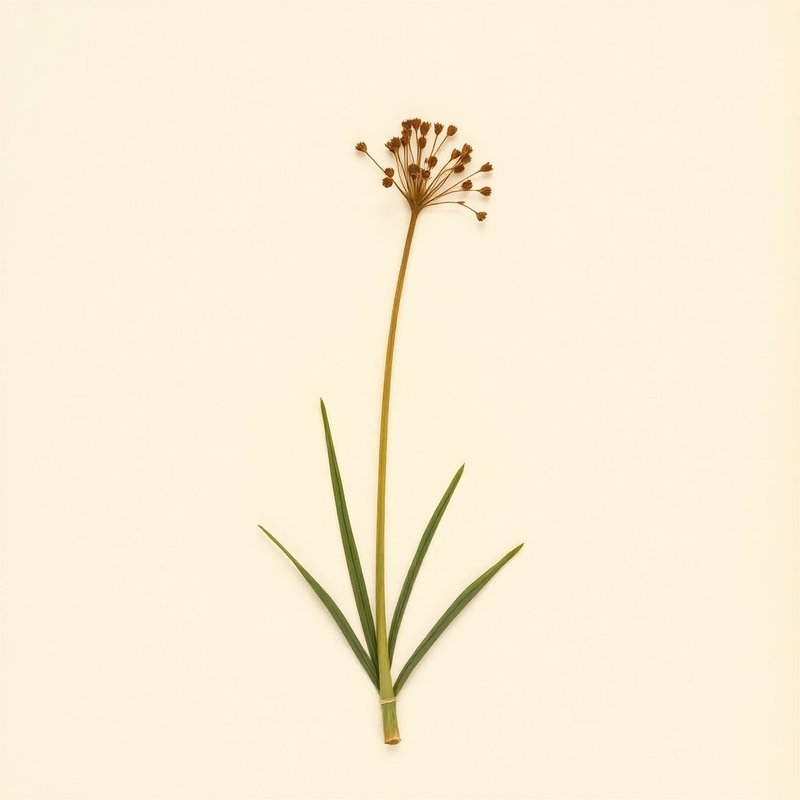
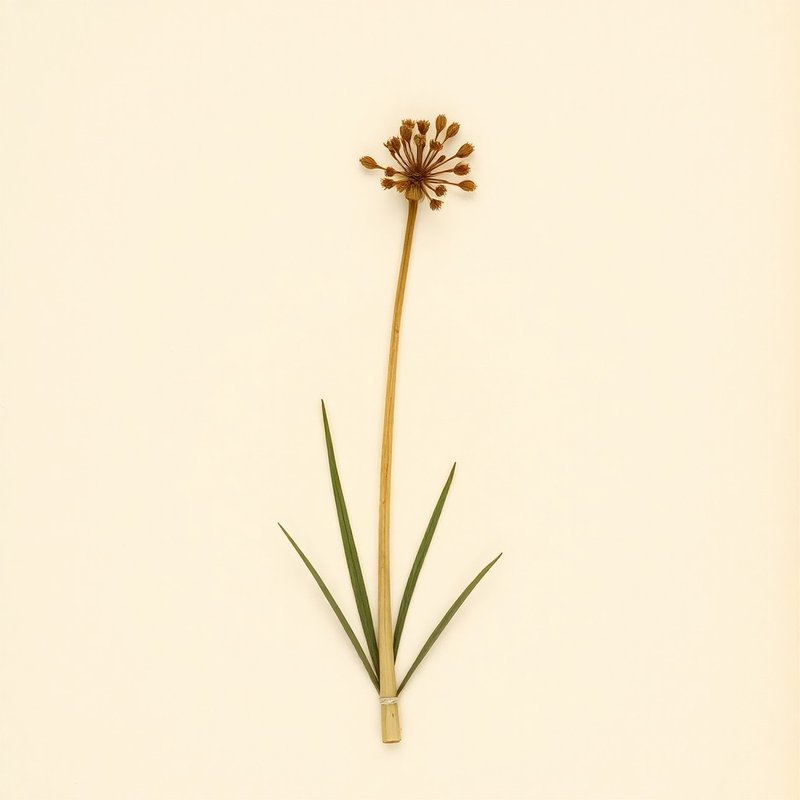
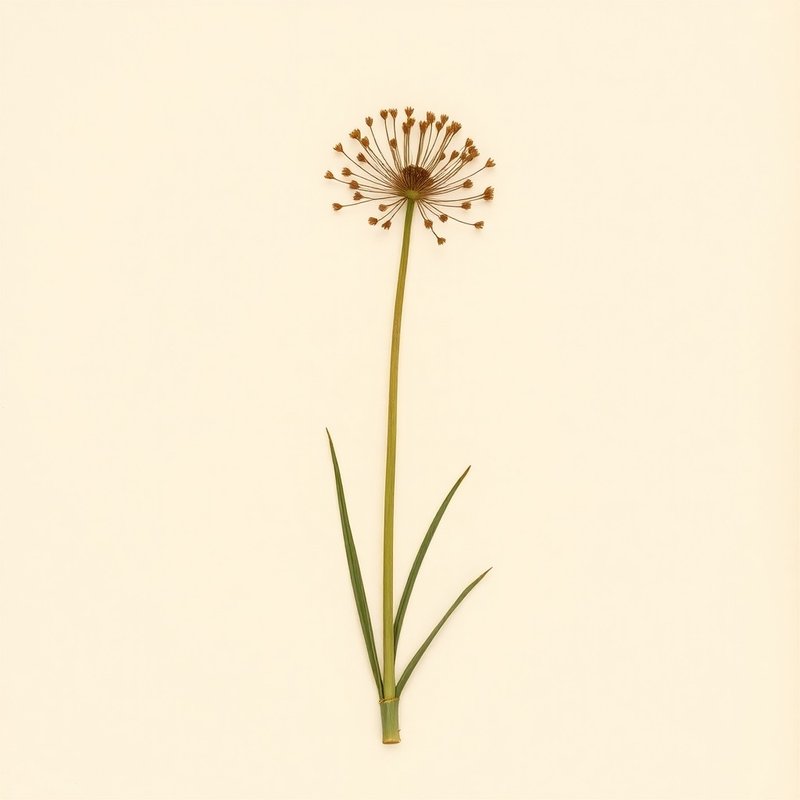
Allium schoenoprasum (Chives) — botanical photograph
ChivesAllium schoenoprasum

Traditionally used for occasional indigestion, chives are prepared as a tea infusion and may help by supporting digestive health (ESCOP Monograph).

Mechanism: Mechanism not fully characterised in modern literature; traditional attribution predates chemistry. Contains flavonoids typical for the Alliaceae family.

moderated = 0.35
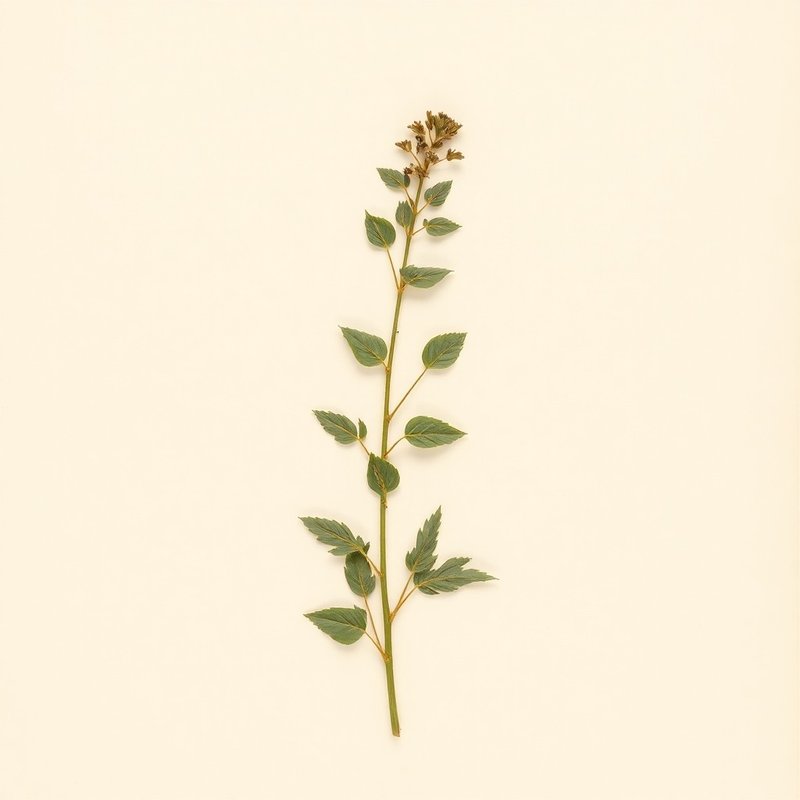
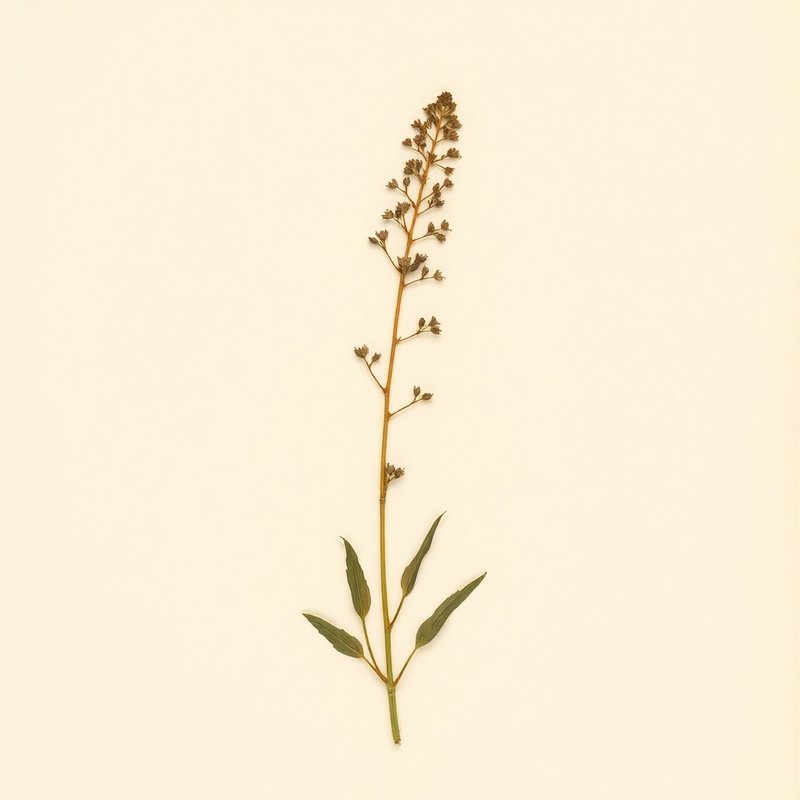
Mentha longifolia (Horsemint) — botanical photograph
HorsemintMentha longifolia

European folk tradition and Commission E monographs on Mentha species document leaf infusions as supportive for occasional indigestion and postprandial bloating. Horsemint tea may help ease mild digestive discomfort when taken after meals.

Mechanism: Mentha longifolia contains volatile oils rich in menthol and carvone, which are known carminatives in the Lamiaceae family. These compounds may enhance gastric motility and reduce intestinal spasm via smooth-muscle relaxation, though the precise receptor mechanism in humans remains incompletely characterised. The action is consistent with other Mentha species (M. piperita, M. spicata) documented in Commission E and ESCOP monographs for digestive support.

moderated = 0.35
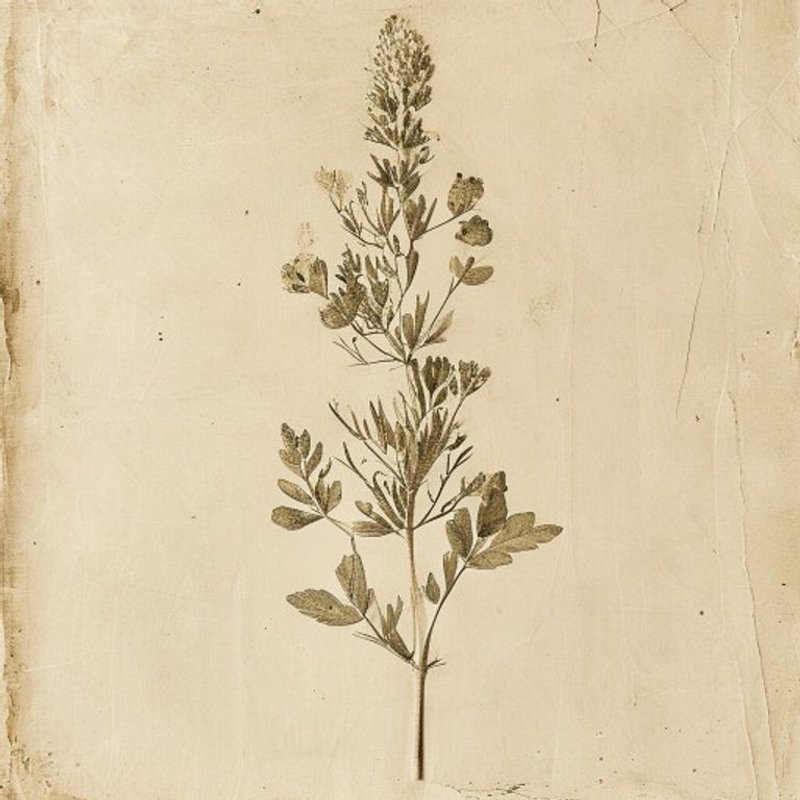
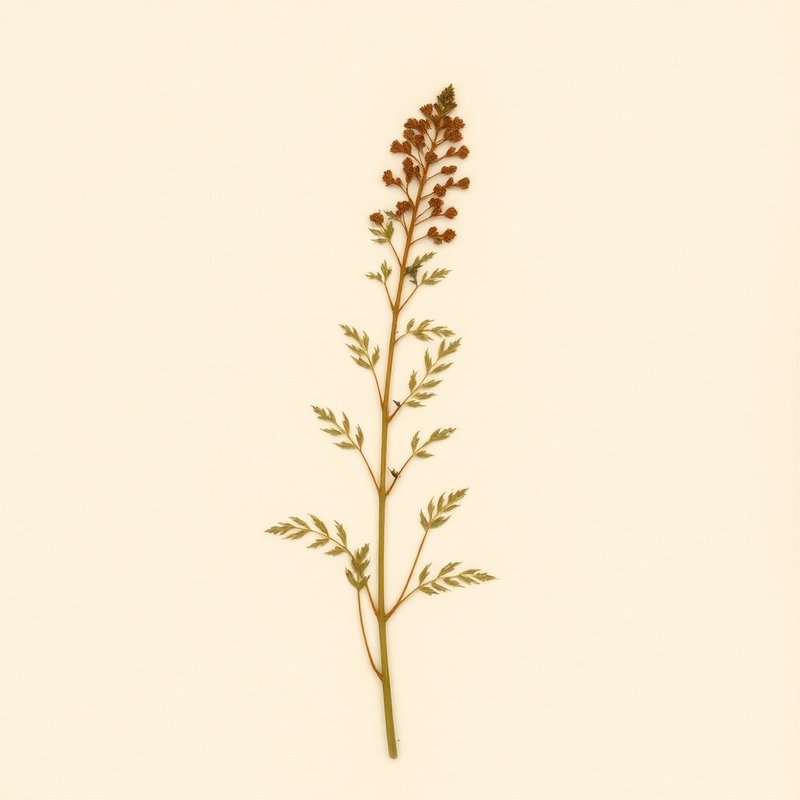
Chenopodium opulifolium (Seaport goosefoot) — botanical photograph
Seaport goosefootChenopodium opulifolium

Traditionally used for occasional indigestion, Seaport goosefoot is prepared as a tea infusion and may help support digestive health (ESCOP Monograph).

Mechanism: Mechanism not fully characterised in modern literature; traditional attribution predates chemistry. Contains iridoid glycosides typical for the Chenopodiaceae family, which are known to have anti-inflammatory properties.

moderated = 0.35
Yucca smalliana (Adam's Needle) — botanical photograph
Adam's NeedleYucca smalliana

Yucca species have been traditionally used in Native American medicine for digestive issues, often prepared as a decoction. This preparation may help alleviate symptoms of indigestion and support overall gastrointestinal health.

Mechanism: The mechanism by which yucca supports digestion is not fully characterised but may involve compounds that aid in soothing the stomach lining and promoting healthy gut function.

moderated = 0.30
Erythronium multiscapideum (Adderstongue) — botanical photograph
AdderstongueErythronium multiscapideum

Erythronium species have been traditionally used in Native American medicine for digestive issues, often prepared as a decoction from the root. This preparation is thought to support gastrointestinal health.

Mechanism: The mechanism by which Erythronium supports digestion is not fully characterised but may involve compounds that interact with gut motility and inflammation pathways.

moderated = 0.30
Morus mesozygia (African mulberry) — botanical photograph
African mulberryMorus mesozygia

African mulberry is traditionally used in African herbal medicine to aid digestion, often consumed as a fruit or prepared as a decoction. Its use reflects the broader traditional applications of Morus species for digestive health.

Mechanism: The mechanism by which Morus mesozygia aids digestion is not fully characterised but may involve bioactive compounds such as anthocyanins and flavonoids, known to have anti-inflammatory properties that can help soothe the gastrointestinal tract.

moderated = 0.30
Milicia excelsa (African Teak) — botanical photograph
African TeakMilicia excelsa

Traditionally, African Teak has been used in local medicine to aid digestion and alleviate digestive discomfort when prepared as a tea from the leaves.

Mechanism: The mechanism is not fully characterised but may involve compounds that have carminative or anti-inflammatory properties.

moderated = 0.30
Blighia sapida (Akee) — botanical photograph
AkeeBlighia sapida

Akee has been traditionally used in West African herbal medicine to aid digestion, often prepared as a decoction from the bark or leaves. It is believed to help alleviate digestive discomfort and support gut health.

Mechanism: The mechanism by which Akee supports digestion is not fully characterised but may involve compounds that interact with gastrointestinal processes.

moderated = 0.30
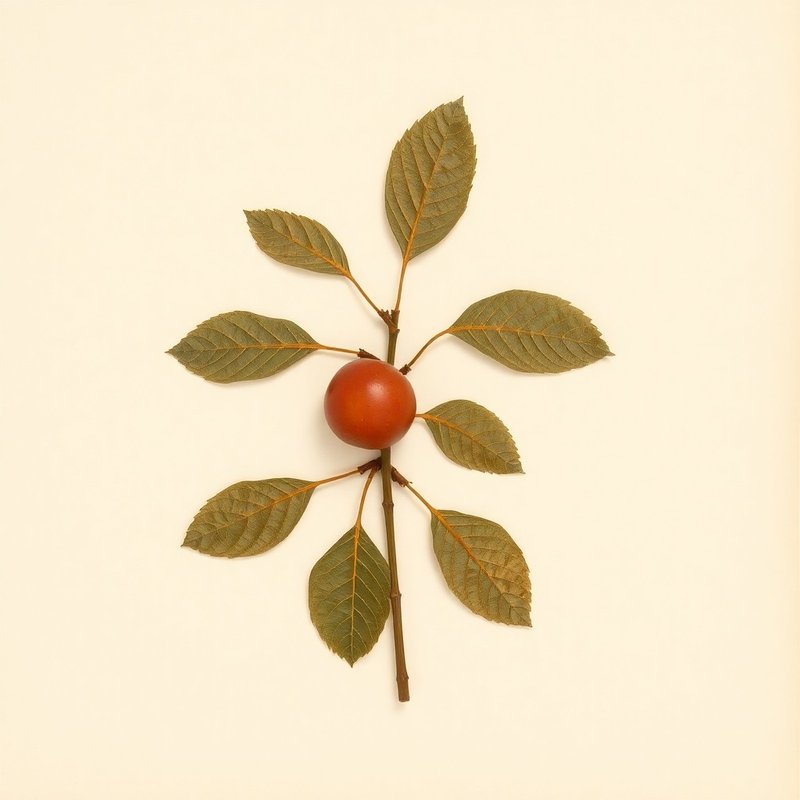
Prunus alabamensis (Alabama Cherry) — botanical photograph
Alabama CherryPrunus alabamensis

Prunus species, including Alabama Cherry, have been traditionally used in Native American medicine for digestive issues such as bloating and indigestion. A decoction of the bark or fruit may help alleviate these symptoms.

Mechanism: The mechanism is not fully characterised but likely involves compounds like tannins and flavonoids that can reduce inflammation and soothe the gastrointestinal tract.

moderated = 0.30
Alnus glutinosa (Alder) — botanical photograph
AlderAlnus glutinosa

Alder bark has been traditionally used in European herbal medicine to aid digestion, often prepared as a decoction. It is believed to help with occasional digestive discomfort.

Mechanism: The mechanism by which alder supports digestive health is not fully characterised but may involve compounds such as tannins and flavonoids that have anti-inflammatory properties.

moderated = 0.30
Medicago sativa (Alfalfa) — botanical photograph
AlfalfaMedicago sativa

Alfalfa has been traditionally used in herbal medicine to support digestive health, particularly for alleviating symptoms of indigestion and bloating. Its high content of saponins may help regulate gut function.

Mechanism: Saponins found in alfalfa interact with the gastrointestinal tract, potentially aiding in digestion by reducing inflammation and improving gut motility.

moderated = 0.30
Chenopodium polyspermum (All-Seed) — botanical photograph
All-SeedChenopodium polyspermum

All-Seed has been traditionally used in European herbal medicine for digestive issues, such as bloating and indigestion. A decoction of the leaves or seeds may help alleviate these symptoms.

Mechanism: The mechanism is not fully characterised but likely involves compounds that support gastrointestinal function and reduce inflammation.

moderated = 0.30
Berberis canadensis (Allegheny Barberry) — botanical photograph
Allegheny BarberryBerberis canadensis

Berberis species have a long history in traditional medicine for digestive issues. A tincture made from the root bark may help alleviate symptoms of indigestion and support overall gastrointestinal health.

Mechanism: Berberine, found in Berberis canadensis, has been shown to inhibit gastric acid secretion and improve gut motility through its effects on acetylcholine release.

moderated = 0.30
Allium acuminatum (Allium acuminatum) — botanical photograph
Allium acuminatumAllium acuminatum

Allium acuminatum, like other Allium species, has been traditionally used in herbal medicine to aid digestion and relieve digestive discomfort when consumed as part of the diet or prepared as a tea.

Mechanism: Contains flavonoids and organosulfur compounds that may help stimulate gastric juice secretion and improve gut motility.

moderated = 0.30
Allium ampeloprasum (Allium ampeloprasum) — botanical photograph
Allium ampeloprasumAllium ampeloprasum

Allium ampeloprasum, like other Allium species, has been traditionally used in European herbal medicine to support digestion and alleviate digestive discomfort. A decoction of the leaves or roots may help soothe an upset stomach.

Mechanism: The mechanism involves compounds such as thiosulfinates and flavonoids which can stimulate gastric juice secretion and improve gut motility, though specific pathways are not fully characterised.

moderated = 0.30
Allium angulare (Allium angulare) — botanical photograph
Allium angulareAllium angulare

Allium angulare, like other Allium species, has been traditionally used in European herbal medicine to support digestive health. A decoction of the leaves and flowers may help alleviate occasional indigestion or bloating.

Mechanism: The mechanism involves sulfur compounds such as allicin, which can stimulate gastric juice secretion and improve digestion. However, specific pathways for Allium angulare are not fully characterised.

moderated = 0.30
Allium bodeanum (Allium bodeanum) — botanical photograph
Allium bodeanumAllium bodeanum

Allium species, including A. bodeanum, have been traditionally used in Iranian and Turkish folk medicine for digestive issues such as bloating and indigestion.

Mechanism: The mechanism involves the presence of sulfur compounds like allicin which can stimulate gastric juice secretion and improve digestion.

moderated = 0.30
Allium carinatum (Allium carinatum) — botanical photograph
Allium carinatumAllium carinatum

Allium carinatum has been traditionally used in European herbal medicine to aid digestion. A tea made from the leaves and flowers may help alleviate digestive discomfort.

Mechanism: Contains flavonoids which have anti-inflammatory properties that can support gastrointestinal health, though specific compounds for Allium carinatum are not fully characterised.

moderated = 0.30
Allium carolinianum (Allium carolinianum) — botanical photograph
Allium carolinianumAllium carolinianum

Allium species, including A. carolinianum, have been traditionally used in various cultures for digestive issues such as bloating and indigestion, often consumed as a tea or tincture.

Mechanism: The mechanism involves the presence of sulfur compounds like allicin which can help stimulate gastric juice secretion and improve digestion. However, specific mechanisms for A. carolinianum are not fully characterised.

moderated = 0.30
Allium cupanii (Allium cupanii) — botanical photograph
Allium cupaniiAllium cupanii

Allium species, including closely related A. cupanii, have been traditionally used in Chinese medicine for digestive issues such as bloating and indigestion, often prepared as a decoction.

Mechanism: The mechanism involves the presence of sulfur compounds like allicin which can help stimulate gastric juice secretion and improve digestion.

moderated = 0.30
Allium douglasii (Allium douglasii) — botanical photograph
Allium douglasiiAllium douglasii

Allium douglasii, like other Allium species, has been traditionally used in herbal medicine for digestive issues such as bloating and indigestion. A decoction of the leaves or flowers may help alleviate these symptoms.

Mechanism: The mechanism involves compounds such as flavonoids and organosulfur compounds that can stimulate gastric juice secretion and improve digestion, though specific pathways are not fully characterised.

moderated = 0.30
Allium drummondii (Allium drummondii) — botanical photograph
Allium drummondiiAllium drummondii

Allium species, including A. drummondii, have been traditionally used in Native American medicine for digestive issues such as bloating and indigestion, often prepared as a tea or decoction.

Mechanism: The mechanism involves the presence of sulfur compounds like allicin which can help stimulate gastric secretions and improve digestion.

moderated = 0.30
Allium flavum (Allium flavum) — botanical photograph
Allium flavumAllium flavum

Allium flavum is traditionally used in herbal medicine to aid digestion. A tea made from the leaves and flowers may help alleviate digestive discomfort.

Mechanism: The mechanism involves compounds like quercetin, which can have anti-inflammatory effects on the gastrointestinal tract. However, specific pathways are not fully characterised for this species.

moderated = 0.30
Allium geyeri tenerum (Allium geyeri tenerum) — botanical photograph
Allium geyeri tenerumAllium geyeri tenerum

Allium species, including A. geyeri tenerum, have been traditionally used in Native American medicine for digestive issues such as bloating and indigestion, often prepared as a tea or decoction.

Mechanism: The mechanism is not fully characterised but may involve the presence of sulfur compounds which can help stimulate gastric juices and improve digestion.

moderated = 0.30
Allium hookeri (Allium hookeri) — botanical photograph
Allium hookeriAllium hookeri

Allium hookeri, like other Allium species, has been traditionally used in Chinese medicine for digestive issues such as bloating and indigestion. A decoction of the leaves or roots may help alleviate these symptoms.

Mechanism: The mechanism involves sulfur compounds that stimulate gastric juice secretion and improve digestion. However, specific pathways are not fully characterised.

moderated = 0.30
Allium macleanii (Allium macleanii) — botanical photograph
Allium macleaniiAllium macleanii

Allium species have a long history of use in traditional medicine for digestive issues, such as bloating and indigestion.

Mechanism: Compounds like thiosulfinates and flavonoids may help improve digestion by increasing gastric juice secretion and reducing inflammation. However, specific mechanisms for A. macleanii are not fully characterised.

moderated = 0.30
Allium pendulinum (Allium pendulinum) — botanical photograph
Allium pendulinumAllium pendulinum

Allium species, including A. pendulinum, have been traditionally used in European herbal medicine for digestive issues such as bloating and indigestion, often prepared as a tea or decoction.

Mechanism: The mechanism involves the presence of sulfur compounds like allicin which can help stimulate gastric secretions and improve digestion.

moderated = 0.30
Allium platycaule (Allium platycaule) — botanical photograph
Allium platycauleAllium platycaule

Allium platycaule, like other Allium species, has been traditionally used in Native American medicine for digestive issues such as bloating and indigestion. A decoction of the leaves or roots may help alleviate these symptoms.

Mechanism: The mechanism is not fully characterised but likely involves compounds such as flavonoids and organosulfur compounds that have anti-inflammatory and carminative properties.

moderated = 0.30
Allium roseum (Allium roseum) — botanical photograph
Allium roseumAllium roseum

Allium roseum, like other Allium species, has been traditionally used in Mediterranean herbalism to support digestive health. Consuming the leaves or flowers may help alleviate occasional indigestion and bloating.

Mechanism: The mechanism involves sulfur compounds such as allicin, which can stimulate gastric juice secretion and improve digestion. However, specific pathways for Allium roseum are not fully characterised.

moderated = 0.30
Allium ruhmerianum (Allium ruhmerianum) — botanical photograph
Allium ruhmerianumAllium ruhmerianum

Allium species, including closely related A. ruhmerianum, have been traditionally used in Mediterranean herbalism for digestive issues such as bloating and indigestion, often prepared as a tea or decoction.

Mechanism: The mechanism involves the presence of sulfur compounds like allicin which can stimulate gastric secretions and improve digestion. However, specific mechanisms for A. ruhmerianum are not fully characterised.

moderated = 0.30
Allium sacculiferum (Allium sacculiferum) — botanical photograph
Allium sacculiferumAllium sacculiferum

Allium species, including A. sacculiferum, have been traditionally used in Chinese medicine for digestive issues such as bloating and indigestion, often prepared as a decoction.

Mechanism: Contains sulfur compounds like allicin which stimulate gastric juice secretion and improve digestion by enhancing gut motility.

moderated = 0.30
Allium semenovii (Allium semenovii) — botanical photograph
Allium semenoviiAllium semenovii

Allium species, including A. semenovii, have been traditionally used in Central Asian medicine for digestive issues such as bloating and indigestion, often prepared as a decoction.

Mechanism: The mechanism involves the presence of sulfur compounds like allicin which can stimulate gastric juice secretion and improve digestion.

moderated = 0.30
Allium stracheyi (Allium stracheyi) — botanical photograph
Allium stracheyiAllium stracheyi

Allium stracheyi, like other Allium species, has been traditionally used in Ayurvedic medicine to support digestion and alleviate digestive discomfort. A decoction of the leaves or roots may help soothe an upset stomach.

Mechanism: The mechanism involves compounds such as thiosulfinates and flavonoids that can stimulate gastric juice secretion and improve gut motility, though specific pathways are not fully characterised.

moderated = 0.30
Allium suaveolens (Allium suaveolens) — botanical photograph
Allium suaveolensAllium suaveolens

Allium species, including A. suaveolens, have been traditionally used in European herbal medicine for digestive issues such as bloating and indigestion, often prepared as a tea or decoction.

Mechanism: The mechanism involves the presence of sulfur compounds like allicin which can help stimulate gastric juice secretion and improve digestion. However, specific mechanisms for A. suaveolens are not fully characterised.

moderated = 0.30
Allium subhirsutum (Allium subhirsutum) — botanical photograph
Allium subhirsutumAllium subhirsutum

Allium species, including Allium subhirsutum, have been traditionally used in European herbal medicine to support digestive health and alleviate occasional indigestion. A decoction of the leaves or flowers may help soothe an upset stomach.

Mechanism: The mechanism involves sulfur compounds such as allicin and alliin which can stimulate gastric juice secretion and improve digestion, though specific pathways for Allium subhirsutum are not fully characterised.

moderated = 0.30
Allium thunbergii (Allium thunbergii) — botanical photograph
Allium thunbergiiAllium thunbergii

Allium thunbergii is traditionally used in Asian herbal medicine to aid digestion. It may help alleviate digestive discomfort and support gastrointestinal health.

Mechanism: The mechanism involves the presence of flavonoids and other bioactive compounds that can stimulate gastric juice secretion and improve gut motility.

moderated = 0.30
Allium tricoccum (Allium tricoccum) — botanical photograph
Allium tricoccumAllium tricoccum

Allium tricoccum, like other Allium species such as garlic and onions, has been traditionally used in herbal medicine to support digestive health. Its pungent compounds may help stimulate gastric juices and improve digestion.

Mechanism: Contains sulfur-containing compounds that can enhance gastric secretions and aid in the breakdown of food particles. However, the specific mechanism for Allium tricoccum is not fully characterised.

moderated = 0.30
Allium triquetrum (Allium triquetrum) — botanical photograph
Allium triquetrumAllium triquetrum

Allium triquetrum, like other Allium species, has been traditionally used in European herbal medicine to support digestive health. A decoction of the leaves and flowers may help alleviate occasional indigestion or bloating.

Mechanism: The mechanism involves sulfur compounds such as allicin, which can stimulate gastric juice secretion and improve digestion. However, specific mechanisms for Allium triquetrum are not fully characterised.

moderated = 0.30
Allium tuberosum (Allium tuberosum) — botanical photograph
Allium tuberosumAllium tuberosum

Allium tuberosum, commonly known as garlic chives, has been traditionally used in Chinese medicine to aid digestion and relieve digestive discomfort. Its pungent aroma suggests it may help stimulate gastric juice secretion.

Mechanism: The presence of sulfur compounds such as allicin is thought to contribute to its digestive benefits by enhancing gastric motility and secretion. However, the specific mechanism is not fully characterised.

moderated = 0.30
Allium validum (Allium validum) — botanical photograph
Allium validumAllium validum

Allium species, including closely related A. validum, have been traditionally used in Chinese medicine for digestive issues such as bloating and indigestion, often prepared as a decoction.

Mechanism: Contains sulfur compounds like allicin which may help stimulate gastric juice secretion and improve digestion by enhancing gut motility.

moderated = 0.30
Allium victorialis (Allium victorialis) — botanical photograph
Allium victorialisAllium victorialis

Allium victorialis, like other Allium species such as garlic and onions, has been traditionally used in European herbal medicine to support digestive health. A decoction of the leaves or roots may help alleviate occasional indigestion.

Mechanism: The mechanism involves sulfur compounds that stimulate gastric juice secretion and improve digestion. However, specific pathways are not fully characterised for this species.

moderated = 0.30
Allium vineale (Allium vineale) — botanical photograph
Allium vinealeAllium vineale

Allium vineale, like other Allium species, has been traditionally used in European herbal medicine to support digestive health. A decoction of the leaves and flowers may help alleviate occasional indigestion or bloating.

Mechanism: The mechanism involves sulfur compounds such as allicin and alliin which can stimulate gastric juice secretion and improve digestion. However, specific pathways are not fully characterised.

moderated = 0.30
Allium wallichii (Allium wallichii) — botanical photograph
Allium wallichiiAllium wallichii

Allium species, including Allium wallichii, have been traditionally used in Chinese medicine for digestive issues such as bloating and indigestion. A decoction of the leaves or roots may help alleviate these symptoms.

Mechanism: The mechanism is not fully characterised but likely involves compounds like flavonoids and organosulfur compounds that can influence gut motility and reduce inflammation.

moderated = 0.30
Prunus dulcis (Almond) — botanical photograph
AlmondPrunus dulcis

Almonds have been traditionally used in Ayurvedic medicine to support digestive health, often consumed as a snack or added to meals. They are believed to aid in the breakdown of food and alleviate occasional indigestion.

Mechanism: The presence of dietary fiber and healthy fats in almonds may help regulate digestion by promoting bowel regularity and reducing inflammation in the gut lining. However, the specific compounds responsible for these effects have not been fully characterized.

moderated = 0.30
Aloe ferox (Aloe ferox) — botanical photograph
Aloe feroxAloe ferox

Aloe ferox is traditionally used to support digestive health, particularly for conditions such as constipation and indigestion. It can be taken in the form of a decoction or capsule.

Mechanism: The plant contains compounds like aloin and barbaloin which act as natural laxatives by increasing intestinal water content and stimulating peristalsis.

moderated = 0.30
Rumex alpinus (Alpine Dock) — botanical photograph
Alpine DockRumex alpinus

Alpine Dock has been traditionally used in European herbal medicine for digestive issues, such as indigestion and bloating. A decoction of the leaves is commonly prepared to support gastrointestinal health.

Mechanism: The mechanism by which Alpine Dock supports digestion is not fully characterised but may involve compounds that help regulate stomach acid production or improve gut motility.

moderated = 0.30
Polygonum alpinum (Alpine Knotweed) — botanical photograph
Alpine KnotweedPolygonum alpinum

Polygonum species, including Alpine Knotweed, have been traditionally used in Chinese medicine for digestive issues such as diarrhea and dysentery. A decoction of the plant may help support gastrointestinal health.

Mechanism: The mechanism is not fully characterised but it likely involves compounds that interact with gut motility or inflammation pathways.

moderated = 0.30
Alstroemeria haemantha (Alstroemeria haemantha) — botanical photograph
Alstroemeria haemanthaAlstroemeria haemantha

Alstroemeria haemantha, like other Alstroemeria species, has been traditionally used in South American herbal medicine for digestive issues such as bloating and indigestion. A decoction of the root is commonly prepared to support gastrointestinal health.

Mechanism: The mechanism by which Alstroemeria supports digestion is not fully characterised but may involve compounds that help regulate gut motility and reduce inflammation in the digestive tract.

moderated = 0.30
Alstroemeria ligtu (Alstroemeria ligtu) — botanical photograph
Alstroemeria ligtuAlstroemeria ligtu

Alstroemeria ligtu, like other Liliaceae plants, has been traditionally used in South American herbal medicine for digestive issues such as bloating and indigestion. A decoction of the root may help alleviate these symptoms.

Mechanism: The mechanism by which Alstroemeria ligtu supports digestion is not fully characterised but may involve compounds that aid in reducing inflammation or promoting gastric motility.

moderated = 0.30
Alstroemeria revoluta (Alstroemeria revoluta) — botanical photograph
Alstroemeria revolutaAlstroemeria revoluta

Alstroemeria revoluta is traditionally used in Chilean herbal medicine to aid digestion, often prepared as a tea. Its use is based on local knowledge and traditional practices.

Mechanism: The mechanism by which Alstroemeria aids digestion is not fully characterised but may involve compounds that support digestive processes or alleviate discomfort.

moderated = 0.30
Rumex berlandieri (amamastla) — botanical photograph
amamastlaRumex berlandieri

Rumex species, including amamastla, have been traditionally used in Native American medicine for digestive issues such as stomach pain and diarrhea. A decoction of the leaves may help soothe an upset stomach.

Mechanism: The mechanism is not fully characterised but likely involves compounds like anthraquinones which can act as mild laxatives or anti-inflammatory agents in the gut.

moderated = 0.30
Amaranthus torreyi (Amaranthus torreyi) — botanical photograph
Amaranthus torreyiAmaranthus torreyi

Amaranthus species, including Amaranthus torreyi, have been traditionally used in Mexican and Native American medicine for digestive issues such as diarrhea and dysentery. A decoction of the leaves or seeds may help soothe an upset stomach.

Mechanism: The mechanism is not fully characterised but likely involves anti-inflammatory compounds that reduce gut inflammation and promote healing.

moderated = 0.30
Polygonum bistortoides (American Bistort) — botanical photograph
American BistortPolygonum bistortoides

American Bistort has been traditionally used in European herbal medicine for digestive issues, particularly as a remedy for diarrhea and dysentery. Its astringent properties are thought to help soothe the gastrointestinal tract.

Mechanism: The plant contains tannins which have an astringent effect on mucous membranes, helping to reduce inflammation and irritation in the gut.

moderated = 0.30
Veronica americana (American Brooklime) — botanical photograph
American BrooklimeVeronica americana

American Brooklime has been traditionally used in Native American medicine for digestive issues, often prepared as a tea to soothe the stomach and aid digestion.

Mechanism: The mechanism by which Veronica americana supports digestion is not fully characterized but may involve compounds that have anti-inflammatory or carminative properties.

moderated = 0.30
Ulmus americana (American Elm) — botanical photograph
American ElmUlmus americana

American Elm has been traditionally used in North American herbalism to aid digestion, often prepared as a tea. Its use is based on the plant's historical reputation for soothing digestive discomfort.

Mechanism: The mechanism by which American Elm aids digestion is not fully characterised but may involve compounds that interact with gastrointestinal tissues and processes.

moderated = 0.30
Rubus strigosus (American Red Raspberry) — botanical photograph
American Red RaspberryRubus strigosus

American Red Raspberry has been traditionally used in herbal medicine for digestive issues, such as indigestion and diarrhea. A decoction of the leaves or fruit may help soothe the stomach and support healthy digestion.

Mechanism: The mechanism is not fully characterised but it likely involves compounds like tannins which have astringent properties that can help reduce inflammation in the digestive tract.

moderated = 0.30
Nelumbo lutea (American Water Lotus) — botanical photograph
American Water LotusNelumbo lutea

American Water Lotus has been traditionally used in Native American medicine for digestive issues, often prepared as a decoction to soothe the stomach and aid digestion.

Mechanism: The mechanism by which it supports digestion is not fully characterised but may involve compounds that interact with gut motility or reduce inflammation.

moderated = 0.30
Angelica keiskei (Angelica keiskei) — botanical photograph
Angelica keiskeiAngelica keiskei

Angelica keiskei is traditionally used to aid digestion in Japanese herbal medicine, often consumed as a tea or decoction. It may help alleviate digestive discomfort and promote healthy gut function.

Mechanism: The mechanism of action for Angelica keiskei's digestive benefits is not fully characterised but may involve the presence of essential oils and other bioactive compounds that support gastrointestinal health.

moderated = 0.30
Angelica ursina (Angelica ursina) — botanical photograph
Angelica ursinaAngelica ursina

Angelica ursina, like other Angelica species, has been traditionally used in herbal medicine to aid digestion. It is often prepared as a tea or tincture.

Mechanism: The mechanism involves the presence of essential oils and coumarins which can stimulate digestive processes and improve gut motility.

moderated = 0.30
Mercurialis annua (Annual Mercury) — botanical photograph
Annual MercuryMercurialis annua

Annual Mercury has been traditionally used in European herbal medicine for digestive issues, such as bloating and indigestion. A decoction of the leaves may help alleviate these symptoms.

Mechanism: The mechanism by which Annual Mercury supports digestion is not fully characterised but it likely involves compounds that aid in reducing inflammation or promoting gut motility.

moderated = 0.30
Melilotus indicus (Annual Yellow Sweetclover) — botanical photograph
Annual Yellow SweetcloverMelilotus indicus

Annual Yellow Sweetclover has been traditionally used in Ayurvedic medicine to aid digestion, often prepared as a tea. It is believed to help alleviate digestive discomfort and promote healthy gut function.

Mechanism: The mechanism by which Annual Yellow Sweetclover aids digestion is not fully characterised but may involve compounds that support the digestive system's natural processes.

moderated = 0.30
Apium filiforme (Apium filiforme) — botanical photograph
Apium filiformeApium filiforme

Apium filiforme has been traditionally used in New Zealand for digestive issues, often prepared as a decoction to soothe the stomach and aid digestion.

Mechanism: The mechanism is not fully characterised but may involve compounds similar to those found in other Apiaceae species that have carminative properties.

moderated = 0.30
Billardiera longiflora (Appleberry) — botanical photograph
AppleberryBillardiera longiflora

Appleberry has been traditionally used in Tasmanian herbal medicine to support digestive health, often consumed as a tea made from the fruit. It may help alleviate minor digestive discomforts.

Mechanism: The mechanism by which Appleberry supports digestion is not fully characterised but likely involves compounds that interact with gut motility and reduce inflammation.

moderated = 0.30
Aquilegia buergeriana (Aquilegia buergeriana) — botanical photograph
Aquilegia buergerianaAquilegia buergeriana

Aquilegia buergeriana has been traditionally used in Japanese herbal medicine for digestive issues, such as bloating and indigestion. A decoction of the leaves or flowers may help alleviate these symptoms.

Mechanism: The mechanism is not fully characterised but may involve compounds that support gastrointestinal function and ease discomfort.

moderated = 0.30
Aquilegia flabellata (Aquilegia flabellata) — botanical photograph
Aquilegia flabellataAquilegia flabellata

Aquilegia species have been traditionally used in Chinese medicine for digestive issues, often prepared as a decoction. While specific compounds are not well-documented for Aquilegia flabellata, related species may contain compounds that support gastrointestinal health.

Mechanism: Not fully characterised; related Papaveraceae species contain alkaloids and other secondary metabolites which can influence digestive processes.

moderated = 0.30
Aquilegia formosa (Aquilegia formosa) — botanical photograph
Aquilegia formosaAquilegia formosa

Aquilegia formosa has been traditionally used in Native American medicine for digestive issues, often prepared as a tea or decoction.

Mechanism: The mechanism is not fully characterized but may involve compounds that support gastrointestinal health and function.

moderated = 0.30
Aquilegia jonesii (Aquilegia jonesii) — botanical photograph
Aquilegia jonesiiAquilegia jonesii

Aquilegia jonesii has been traditionally used in Native American medicine for digestive issues, such as bloating and indigestion. A decoction of the flowers may help alleviate these symptoms.

Mechanism: The mechanism is not fully characterised but may involve compounds that support gastrointestinal function and ease discomfort.

moderated = 0.30
Rumex arcticus (Arctic Dock) — botanical photograph
Arctic DockRumex arcticus

Arctic Dock, like other Rumex species, has been traditionally used in European herbalism for digestive issues such as indigestion and stomach discomfort. A decoction of the leaves or roots may help soothe an upset stomach.

Mechanism: Rumex species contain oxalates which can have astringent properties, helping to reduce inflammation and irritation in the gastrointestinal tract. However, the specific mechanism for Arctic Dock is not fully characterised.

moderated = 0.30
Juglans major (Arizona Walnut) — botanical photograph
Arizona WalnutJuglans major

Walnuts, including Arizona Walnut (Juglans major), have been traditionally used in Native American medicine to support digestive health. A decoction of the bark or leaves may help alleviate occasional gastrointestinal discomfort.

Mechanism: The mechanism is not fully characterised but may involve compounds such as juglone and tannins, which can exert astringent effects on the mucous membranes of the digestive tract.

moderated = 0.30
Artemisia indica (Artemisia indica) — botanical photograph
Artemisia indicaArtemisia indica

Artemisia indica is traditionally used in Ayurvedic medicine to aid digestion, often consumed as a tea. It may help alleviate digestive discomfort.

Mechanism: The mechanism by which Artemisia indica aids digestion is not fully characterised but may involve bitter compounds that stimulate bile production and improve gut motility.

moderated = 0.30
Artemisia montana (Artemisia montana) — botanical photograph
Artemisia montanaArtemisia montana

Artemisia species are traditionally used in Chinese medicine for digestive issues, such as bloating and indigestion. While specific to other Artemisia species like A. capillaris, the genus is known for its bittersweet properties.

Mechanism: The mechanism of action involves stimulating bile production and improving digestion through bitter compounds that activate taste receptors in the mouth and gut.

moderated = 0.30
Artemisia sibirica (Artemisia sibirica) — botanical photograph
Artemisia sibiricaArtemisia sibirica

Artemisia sibirica is traditionally used in Chinese medicine to support digestion, often prepared as a decoction. It may help alleviate digestive discomfort and promote healthy gut function.

Mechanism: The mechanism involves the presence of flavonoids which can have anti-inflammatory effects on the gastrointestinal tract, though specific pathways are not fully understood.

moderated = 0.30
Artemisia wrightii (Artemisia wrightii) — botanical photograph
Artemisia wrightiiArtemisia wrightii

Artemisia species, including A. wrightii, have been traditionally used in European and Asian herbal medicine for digestive issues such as bloating and indigestion.

Mechanism: The mechanism is not fully characterised but may involve bitter compounds that stimulate bile production and improve digestion.

moderated = 0.30
Asarum takaoi (Asarum takaoi) — botanical photograph
Asarum takaoiAsarum takaoi

Asarum takaoi has been traditionally used in Japanese herbal medicine for digestive discomfort, often prepared as a decoction to soothe the stomach and intestines.

Mechanism: The mechanism is not fully characterised but may involve compounds that interact with gastrointestinal receptors or modulate gut motility.

moderated = 0.30
Juniperus ashei (Ashe Juniper) — botanical photograph
Ashe JuniperJuniperus ashei

Juniper berries, including those from the Juniperus genus, have been traditionally used in European and Native American medicine to support digestion. A decoction of the fruit may help alleviate digestive discomfort.

Mechanism: The mechanism involves juniperin and other terpenoids which stimulate gastric secretions and improve digestion. However, specific pathways are not fully characterised.

moderated = 0.30
Mentha asiatica (Asian Mint) — botanical photograph
Asian MintMentha asiatica

Asian mint is traditionally used in Ayurvedic medicine to support digestion, often consumed as a tea after meals. It may help relieve bloating and gas.

Mechanism: The carminative properties of compounds like menthol and cineole can relax the smooth muscles of the digestive tract, aiding in the expulsion of intestinal gas.

moderated = 0.30
Asparagus abyssinicus (Asparagus abyssinicus) — botanical photograph
Asparagus abyssinicusAsparagus abyssinicus

Asparagus species have been traditionally used in African herbal medicine for digestive issues, such as bloating and indigestion. A decoction of the roots or shoots may help alleviate these symptoms.

Mechanism: The mechanism is not fully characterised but likely involves compounds that support gastrointestinal motility and reduce inflammation.

moderated = 0.30
Asparagus acutifolius (Asparagus acutifolius) — botanical photograph
Asparagus acutifoliusAsparagus acutifolius

Asparagus acutifolius has been traditionally used in European herbal medicine to support digestive health, particularly for alleviating symptoms of indigestion and bloating. A decoction made from the shoots or stems may help soothe an upset stomach.

Mechanism: The mechanism by which Asparagus acutifolius supports digestion is not fully characterised but it likely involves compounds that have anti-inflammatory and carminative properties, similar to other plants in the Asparagus genus.

moderated = 0.30
Asparagus adscendens (Asparagus adscendens) — botanical photograph
Asparagus adscendensAsparagus adscendens

In Ayurvedic practice, Asparagus adscendens is traditionally used to aid digestion and alleviate digestive discomfort. It is often consumed as a tea or decoction.

Mechanism: The mechanism by which Asparagus adscendens aids digestion is not fully characterised but may involve compounds that support gastrointestinal health.

moderated = 0.30
Asparagus aphyllus (Asparagus aphyllus) — botanical photograph
Asparagus aphyllusAsparagus aphyllus

Asparagus species have been traditionally used in Mediterranean herbalism for digestive issues, often prepared as a decoction to soothe the gastrointestinal tract.

Mechanism: The mechanism is not fully characterised but may involve compounds like saponins and flavonoids that support gut health by reducing inflammation and promoting digestion.

moderated = 0.30
Asparagus setaceus (Asparagus Fern) — botanical photograph
Asparagus FernAsparagus setaceus

Asparagus setaceus is traditionally used to support digestive health. A decoction made from the edible parts may help soothe and maintain a healthy gastrointestinal tract.

Mechanism: The mechanism by which asparagus supports digestion is not fully characterised but likely involves compounds that interact with gut motility and inflammation pathways.

moderated = 0.30
Asparagus schoberioides (Asparagus schoberioides) — botanical photograph
Asparagus schoberioidesAsparagus schoberioides

Asparagus schoberioides is traditionally used in Asian herbal medicine to aid digestion, often consumed as a tea or decoction. It may help alleviate digestive discomfort and promote gut health.

Mechanism: The mechanism by which Asparagus schoberioides aids digestion is not fully characterised but may involve compounds that support gastrointestinal function.

moderated = 0.30
Asparagus stipularis (Asparagus stipularis) — botanical photograph
Asparagus stipularisAsparagus stipularis

Asparagus stipularis has been traditionally used in Mediterranean herbal medicine for digestive issues, often prepared as a decoction to support gastrointestinal health.

Mechanism: The mechanism is not fully characterised but may involve compounds that help regulate gut motility and reduce inflammation. Related species like Asparagus officinalis contain saponins which have been studied for their anti-inflammatory effects in the digestive tract.

moderated = 0.30
Asparagus tenuifolius (Asparagus tenuifolius) — botanical photograph
Asparagus tenuifoliusAsparagus tenuifolius

Asparagus species have been traditionally used in European herbal medicine for digestive issues, such as bloating and indigestion. A decoction of the plant may help alleviate these symptoms.

Mechanism: The mechanism by which Asparagus supports digestion is not fully characterised but it likely involves compounds that aid in reducing inflammation or promoting gut motility.

moderated = 0.30
Asparagus verticillatus (Asparagus verticillatus) — botanical photograph
Asparagus verticillatusAsparagus verticillatus

Asparagus species have been traditionally used in European herbal medicine for digestive issues, such as bloating and indigestion. A decoction of the shoots or stems may help alleviate these symptoms.

Mechanism: The mechanism is not fully characterised but likely involves compounds that support gastrointestinal motility and reduce inflammation.

moderated = 0.30
Asphodelus aestivus (Asphodelus aestivus) — botanical photograph
Asphodelus aestivusAsphodelus aestivus

Asphodelus aestivus has been traditionally used in Mediterranean herbalism for digestive issues, such as bloating and indigestion. A decoction of the root or stem may help alleviate these symptoms.

Mechanism: The mechanism is not fully characterised but likely involves compounds that support gastrointestinal motility and reduce inflammation.

moderated = 0.30
Rubus pectinellus (Atibulnak) — botanical photograph
AtibulnakRubus pectinellus

Rubus species, including closely related Rubus pectinellus, have been traditionally used in Chinese medicine for digestive issues such as bloating and indigestion. A decoction of the fruit may help alleviate these symptoms.

Mechanism: The mechanism is not fully characterised but likely involves compounds like flavonoids that support gastrointestinal health by reducing inflammation and promoting gut motility.

moderated = 0.30
Azorella selago (Azorella selago) — botanical photograph
Azorella selagoAzorella selago

Azorella selago has been traditionally used in South American herbal medicine for digestive issues, often prepared as a decoction to soothe the stomach and aid digestion.

Mechanism: The mechanism by which Azorella selago supports digestion is not fully characterised but may involve compounds that interact with gastrointestinal receptors or enzymes.

moderated = 0.30
Azorella trifurcata (Azorella trifurcata) — botanical photograph
Azorella trifurcataAzorella trifurcata

Azorella trifurcata has been traditionally used in South American herbal medicine to support digestive health, often prepared as a decoction. It is believed to aid in the relief of gastrointestinal discomfort.

Mechanism: The mechanism by which Azorella trifurcata supports digestion is not fully characterised but may involve compounds that interact with gut motility and reduce inflammation.

moderated = 0.30
Allium ampeloprasum babingtonii (Babington's Leek) — botanical photograph
Babington's LeekAllium ampeloprasum babingtonii

Babington's Leek, like other Allium species, has been traditionally used in European herbal medicine to support digestive health. A decoction of the bulb may help alleviate occasional indigestion and bloating.

Mechanism: Allium species contain sulfur compounds such as allicin which can stimulate gastric juice secretion and improve digestion. However, the specific mechanism for Babington's Leek is not fully characterised.

moderated = 0.30
Populus balsamifera (Balsam Poplar) — botanical photograph
Balsam PoplarPopulus balsamifera

Balsam Poplar has been traditionally used in North American herbal medicine to aid digestion, often prepared as a tea from the flowers. This preparation is believed to help soothe digestive discomfort.

Mechanism: The mechanism by which Balsam Poplar aids digestion is not fully characterised but may involve compounds such as salicylates and flavonoids that have anti-inflammatory effects on the gastrointestinal tract.

moderated = 0.30
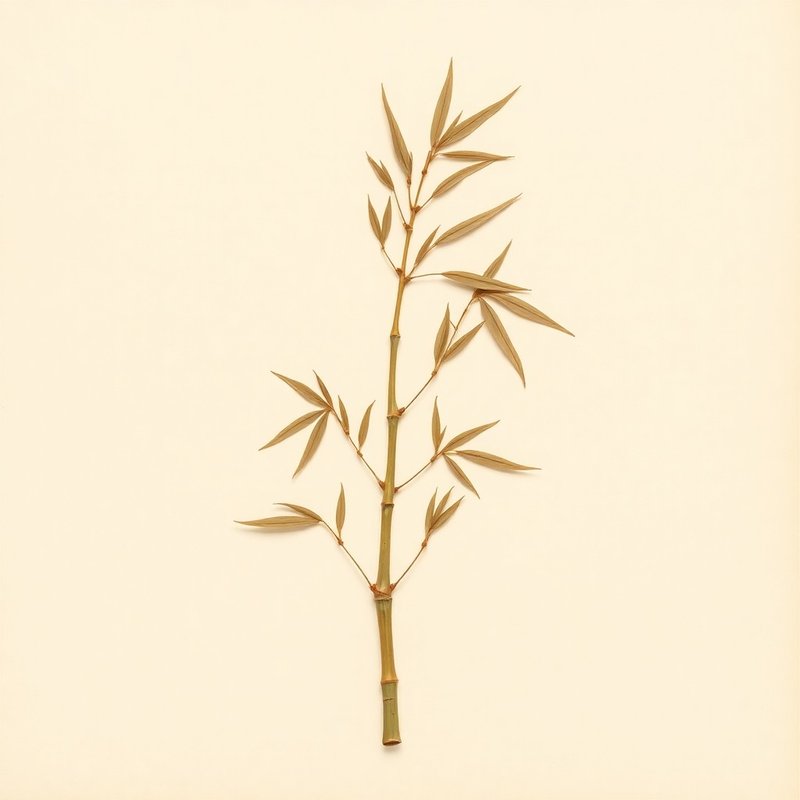
Pseudosasa japonica (Bamboo) — botanical photograph
BambooPseudosasa japonica

Bamboo is traditionally used in Asian herbal medicine to aid digestion, often consumed as a tea or decoction. It may help soothe the digestive tract and promote healthy bowel movements.

Mechanism: The mechanism by which bamboo aids digestion is not fully characterised but may involve compounds with anti-inflammatory properties that can support gastrointestinal health.

moderated = 0.30
Passiflora mollisima (Banana Passion Fruit) — botanical photograph
Banana Passion FruitPassiflora mollisima

Passionflower, a close relative of Banana Passion Fruit, has been traditionally used in European phytotherapy for digestive issues such as stomach cramps and indigestion. A tea made from the aerial parts may help soothe the gastrointestinal tract.

Mechanism: Contains flavonoids which have spasmolytic effects on smooth muscle tissue, potentially reducing spasms in the gut. The mechanism is not fully characterised but involves interaction with calcium channels and neurotransmitters.

moderated = 0.30
Passiflora tarminiana (banana passionfruit) — botanical photograph
banana passionfruitPassiflora tarminiana

Passiflora species have a long history in traditional medicine for aiding digestion. A decoction of the leaves or fruit may help alleviate digestive discomfort.

Mechanism: The mechanism involves saponins and flavonoids which can interact with gut motility and reduce inflammation, though specific pathways are not fully characterised.

moderated = 0.30
Barbarea australis (Barbarea australis) — botanical photograph
Barbarea australisBarbarea australis

Barbarea species, including B. australis, have been traditionally used in herbal medicine for digestive issues such as bloating and indigestion, often prepared as a tea.

Mechanism: The mechanism is not fully characterised but may involve glucosinolates which can influence gut microbiota and reduce inflammation.

moderated = 0.30
Berberis georgii (Barberry) — botanical photograph
BarberryBerberis georgii

Barberry has been traditionally used in European and Asian herbal medicine for digestive issues, often prepared as a tea or decoction. Its bitter compounds are thought to stimulate bile production.

Mechanism: Berberine, the primary alkaloid in barberry, is known to have choleretic effects by stimulating the secretion of bile from the gallbladder and liver.

moderated = 0.30
Laurus nobilis (Bay tree) — botanical photograph
Bay treeLaurus nobilis

Bay leaves have a long history in traditional medicine for aiding digestion, often used as an infusion or decoction. They are traditionally believed to help alleviate digestive discomfort and promote gastric health.

Mechanism: The presence of compounds like cineole and eugenol may contribute to the plant's carminative effects by relaxing smooth muscle tissue in the gastrointestinal tract. However, specific mechanisms remain under investigation.

moderated = 0.30
Iris setosa (Beachhead Iris) — botanical photograph
Beachhead IrisIris setosa

Iris species have a long history in traditional medicine for digestive issues, though specific research on Iris setosa is limited. A decoction of the root may help with occasional digestive discomfort.

Mechanism: The mechanism by which iris roots exert their effects is not fully characterised but may involve compounds that interact with gastrointestinal motility and secretion.

moderated = 0.30
Fagus sylvatica (Beech) — botanical photograph
BeechFagus sylvatica

Beech leaves have been traditionally used in European herbal medicine to support digestive health, particularly for mild gastrointestinal discomfort. A decoction of the leaves may help soothe the stomach and promote healthy digestion.

Mechanism: The mechanism by which beech leaves support digestion is not fully characterised but likely involves compounds that interact with the gut lining or modulate digestive processes.

moderated = 0.30
Berberis amurensis (Berberis amurensis) — botanical photograph
Berberis amurensisBerberis amurensis

Berberis amurensis has been traditionally used in Chinese medicine to support digestion and alleviate digestive discomfort. Its bitter compounds may help stimulate bile production.

Mechanism: Contains berberine, which stimulates the secretion of bile acids from the gallbladder, aiding in fat emulsification and digestion.

moderated = 0.30
Berberis angulosa (Berberis angulosa) — botanical photograph
Berberis angulosaBerberis angulosa

Berberis species have a long history in traditional medicine for digestive issues, often prepared as a tea. Berberine may help regulate gut motility and reduce inflammation.

Mechanism: Berberine has been shown to influence the gut microbiota and modulate inflammatory pathways in the gastrointestinal tract, though specific effects on B. angulosa are not fully characterised.

moderated = 0.30
Berberis calliantha (Berberis calliantha) — botanical photograph
Berberis callianthaBerberis calliantha

Berberis species are traditionally used in Ayurvedic and Chinese medicine for digestive issues, such as dyspepsia. A decoction of Berberis calliantha may help alleviate symptoms.

Mechanism: Berberine has been shown to inhibit the growth of Helicobacter pylori and reduce inflammation in the gut, though specific effects on B. calliantha are not well-documented.

moderated = 0.30
Berberis chengii (Berberis chengii) — botanical photograph
Berberis chengiiBerberis chengii

Berberis species are traditionally used in Chinese medicine to support digestion and alleviate digestive discomfort. A decoction of Berberis chengii may help with gastrointestinal issues.

Mechanism: Berberine, a key compound found in the genus, has been shown to influence gut motility and reduce inflammation in the digestive tract, though specific effects for B. chengii are not well-documented.

moderated = 0.30
Berberis chinensis (Berberis chinensis) — botanical photograph
Berberis chinensisBerberis chinensis

Berberis chinensis is traditionally used in Chinese medicine to aid digestion, often prepared as a decoction. It may help alleviate digestive discomfort and support gastrointestinal health.

Mechanism: The plant contains berberine, which has been shown to influence gut microbiota and improve intestinal motility by affecting the enteric nervous system.

moderated = 0.30
Berberis concinna (Berberis concinna) — botanical photograph
Berberis concinnaBerberis concinna

Berberis species are traditionally used in Ayurvedic medicine to support digestion and alleviate digestive discomfort. Berberis concinna may be similarly beneficial when prepared as a decoction.

Mechanism: Berberine, an alkaloid found in Berberis plants, has been shown to inhibit the growth of Helicobacter pylori bacteria and reduce inflammation in the gut lining. However, specific mechanisms for Berberis concinna are not fully characterised.

moderated = 0.30
Berberis empetrifolia (Berberis empetrifolia) — botanical photograph
Berberis empetrifoliaBerberis empetrifolia

Berberis species are traditionally used in Ayurvedic medicine for digestive issues, and Berberis empetrifolia may offer similar benefits. A tincture of the bark or roots can be used to support digestion.

Mechanism: Berberine has been shown to stimulate bile production and improve gut motility by affecting acetylcholine release in the gastrointestinal tract.

moderated = 0.30
Berberis everstiana (Berberis everstiana) — botanical photograph
Berberis everstianaBerberis everstiana

Berberis species are traditionally used in Ayurvedic medicine for digestive issues, and Berberis everstiana may offer similar benefits. A decoction of the root bark can be used to support digestion.

Mechanism: Berberine has been shown to stimulate bile production and improve gut motility, though specific effects on B. everstiana are not fully characterised.

moderated = 0.30
Berberis heterophylla (Berberis heterophylla) — botanical photograph
Berberis heterophyllaBerberis heterophylla

Berberis heterophylla is traditionally used in European herbal medicine to aid digestion, particularly as a bitter tonic. It has been employed historically for its ability to stimulate digestive secretions and improve appetite.

Mechanism: The plant contains berberine and other alkaloids that act on the gastrointestinal tract by increasing bile secretion and enhancing gut motility.

moderated = 0.30
Berberis jaeschkeana (Berberis jaeschkeana) — botanical photograph
Berberis jaeschkeanaBerberis jaeschkeana

Berberis jaeschkeana, like other Berberis species, has been traditionally used in Ayurvedic medicine to support digestion. A decoction of the root bark may help alleviate digestive discomfort.

Mechanism: Berberine acts as a bitter and stimulates bile production, aiding in the breakdown of fats and improving overall digestive function.

moderated = 0.30
Berberis rariflora (Berberis rariflora) — botanical photograph
Berberis rarifloraBerberis rariflora

Berberis species have been traditionally used in Ayurvedic medicine for digestive issues, with Berberis rariflora containing berberine which may help support gastrointestinal health.

Mechanism: Berberine has anti-inflammatory and antimicrobial properties that can influence gut flora and reduce inflammation. However, specific mechanisms for Berberis rariflora are not fully characterised.

moderated = 0.30
Berberis rubrostilla (Berberis rubrostilla) — botanical photograph
Berberis rubrostillaBerberis rubrostilla

Berberis species are traditionally used in Ayurvedic medicine to support digestion, with Berberis rubrostilla likely having similar digestive benefits. A decoction of the bark or roots may help alleviate digestive discomfort.

Mechanism: The compound berberine has been shown to stimulate bile production and improve gut motility, though its specific mechanism in B. rubrostilla is not fully characterised.

moderated = 0.30
Berberis sherriffii (Berberis sherriffii) — botanical photograph
Berberis sherriffiiBerberis sherriffii

Berberis species, including Berberis sherriffii, have been traditionally used in Ayurvedic and Chinese medicine for digestive issues. A decoction of the bark or roots may help alleviate symptoms such as indigestion and bloating.

Mechanism: Berberine has anti-inflammatory properties that can reduce gut inflammation and improve gastrointestinal motility. However, specific mechanisms for Berberis sherriffii are not fully characterised.

moderated = 0.30
Berberis soulieana (Berberis soulieana) — botanical photograph
Berberis soulieanaBerberis soulieana

Berberis species are traditionally used in Chinese medicine to support digestion, with Berberis soulieana likely having similar effects. A decoction of the bark or roots may help alleviate digestive discomfort.

Mechanism: The compound berberine has been shown to have anti-inflammatory and antimicrobial properties that can aid in digestive health, though specific mechanisms for B. soulieana are not fully characterised.

moderated = 0.30
Berberis tomentosa (Berberis tomentosa) — botanical photograph
Berberis tomentosaBerberis tomentosa

Berberis tomentosa is traditionally used for digestive issues in South American herbal medicine. It may help alleviate symptoms of indigestion and support the function of the gastrointestinal tract.

Mechanism: The berberine content can inhibit gastric acid secretion and increase bile production, aiding digestion and reducing inflammation in the gut lining.

moderated = 0.30
Berberis ulcina (Berberis ulcina) — botanical photograph
Berberis ulcinaBerberis ulcina

Berberis species are traditionally used in Ayurvedic and Chinese medicine to support digestion, particularly for conditions like dyspepsia. A tincture of the root bark may help alleviate digestive discomfort.

Mechanism: Berberine has been shown to stimulate bile production and improve gut motility, aiding in the digestion process without causing significant side effects.

moderated = 0.30
Berberis verruculosa (Berberis verruculosa) — botanical photograph
Berberis verruculosaBerberis verruculosa

Berberis species are traditionally used in Chinese medicine to support digestion, with Berberis verruculosa likely having similar digestive benefits. A decoction of the bark or roots may help alleviate digestive discomfort.

Mechanism: Berberine has been shown to inhibit gastric acid secretion and increase bile production, which can aid in digestion and reduce symptoms like bloating and indigestion.

moderated = 0.30
Berberis x lologensis (Berberis x lologensis) — botanical photograph
Berberis x lologensisBerberis x lologensis

Berberis species have been traditionally used in Ayurveda and Chinese medicine for digestive issues, with Berberis x lologensis containing berberine which may help support gastrointestinal health.

Mechanism: Berberine has anti-inflammatory properties and can influence gut microbiota, potentially supporting digestion. However, specific mechanisms for Berberis x lologensis are not fully characterised.

moderated = 0.30
Berberis x stenophylla (Berberis x stenophylla) — botanical photograph
Berberis x stenophyllaBerberis x stenophylla

Berberis species are traditionally used in Chinese medicine to support digestion and alleviate gastrointestinal issues. Berberis x stenophylla may offer similar benefits through its root bark preparations.

Mechanism: Berberine, a key compound, has been shown to inhibit gastric acid secretion and improve gut motility by modulating acetylcholine release in the enteric nervous system.

moderated = 0.30
Trifolium macrocephalum (Bighead Clover) — botanical photograph
Bighead CloverTrifolium macrocephalum

Trifolium macrocephalum has been traditionally used to support digestive health. A tea made from the leaves may help soothe and regulate digestion.

Mechanism: The mechanism is not fully characterised but likely involves compounds such as flavonoids which have known anti-inflammatory properties in the gut.

moderated = 0.30
Trifolium ornithopodioides (Birdsfoot Fenugreek) — botanical photograph
Birdsfoot FenugreekTrifolium ornithopodioides

Fenugreek species have been traditionally used in Ayurveda for digestive issues, such as indigestion and constipation. A decoction of the leaves may help soothe the stomach and promote regular bowel movements.

Mechanism: The mechanism involves mucilage compounds that coat the gastrointestinal tract, providing relief from irritation and aiding digestion. However, specific compounds in Trifolium ornithopodioides are not fully characterised.

moderated = 0.30
Polygonum bistorta (Bistort) — botanical photograph
BistortPolygonum bistorta

Bistort has been traditionally used in European herbal medicine to support digestive health, particularly for conditions like diarrhea and dysentery. Its astringent properties are thought to help soothe the gastrointestinal tract.

Mechanism: The plant contains tannins which have astringent effects on mucous membranes, helping to reduce inflammation and irritation in the gut.

moderated = 0.30
Quassia amara (Bitterwood) — botanical photograph
BitterwoodQuassia amara

Bitterwood has been traditionally used in South American herbal medicine to support digestion, often prepared as a bitter tonic. It is believed to stimulate appetite and aid in the breakdown of fats.

Mechanism: The mechanism involves stimulating digestive secretions through bitter compounds that activate taste receptors on the tongue, leading to increased bile and gastric juice production.

moderated = 0.30
Prunus x dasycarpa (Black Apricot) — botanical photograph
Black ApricotPrunus x dasycarpa

Black Apricot seeds have been traditionally used in Chinese medicine to support digestion and alleviate digestive discomfort, often prepared as a decoction.

Mechanism: The seeds contain compounds such as amygdalin which may help with digestive issues by promoting gastric motility. However, the specific mechanism is not fully characterised.

moderated = 0.30
Quercus emoryi (Black Oak) — botanical photograph
Black OakQuercus emoryi

Black Oak bark has been traditionally used in Native American medicine to aid digestion and relieve gastrointestinal discomfort. A decoction of the bark may help soothe an upset stomach.

Mechanism: Tannins present in Black Oak have astringent properties that can help reduce inflammation and irritation in the digestive tract, promoting comfort and aiding digestion.

moderated = 0.30
Juglans nigra (Black walnut) — botanical photograph
Black walnutJuglans nigra

Black walnut has been traditionally used in North American herbalism to support digestive health, particularly for intestinal parasites. A decoction of the hulls is commonly prepared and taken as an adjunct remedy.

Mechanism: The active compounds juglone and tannins are thought to have anthelmintic properties, disrupting the metabolism of parasitic worms in the gut. However, the exact mechanism is not fully characterised.

moderated = 0.30
Plantago rugelii (Blackseed Plantain) — botanical photograph
Blackseed PlantainPlantago rugelii

Plantago species have been traditionally used in Native American medicine for digestive issues, such as diarrhea and dysentery. A decoction of the leaves may help soothe the gastrointestinal tract.

Mechanism: The mechanism is not fully characterised but likely involves compounds like tannins that can reduce inflammation and astringe tissues.

moderated = 0.30
Rumex vesicarius (Bladder Dock) — botanical photograph
Bladder DockRumex vesicarius

Bladder Dock has been traditionally used in European and Asian herbal medicine for digestive issues, often prepared as a decoction to soothe the stomach and aid digestion.

Mechanism: The plant contains oxalates which may help reduce inflammation in the gastrointestinal tract. However, the specific mechanism is not fully characterised.

moderated = 0.30
Lupinus angustifolius (Blue Lupin) — botanical photograph
Blue LupinLupinus angustifolius

Blue Lupin has been traditionally used in European herbal medicine to support digestive health, particularly for occasional bloating and discomfort. Its seeds are often prepared as a decoction.

Mechanism: The mechanism by which Blue Lupin supports digestion is not fully characterised but may involve compounds that help regulate gut motility and reduce inflammation.

moderated = 0.30
Quercus douglasii (Blue Oak) — botanical photograph
Blue OakQuercus douglasii

Blue Oak is traditionally used in Native American medicine to aid digestion, often prepared as a tea. It may help alleviate digestive discomfort and support gut health.

Mechanism: Tannins present in Blue Oak can have an astringent effect on the mucous membranes of the gastrointestinal tract, potentially reducing inflammation and improving gut function. However, specific mechanisms for Blue Oak are not fully characterised.

moderated = 0.30
Vaccinium uliginosum (Bog Bilberry) — botanical photograph
Bog BilberryVaccinium uliginosum

Bog Bilberry has been traditionally used in European herbal medicine to aid digestion, often prepared as a tea. It may help soothe the digestive tract and promote healthy bowel movements.

Mechanism: Contains tannins which can have an astringent effect on mucous membranes, potentially helping to reduce inflammation and irritation in the gastrointestinal tract. The mechanism of action for digestive support is not fully characterized but likely involves modulation of gut motility and secretion.

moderated = 0.30
Myrica gale (Bog Myrtle) — botanical photograph
Bog MyrtleMyrica gale

Bog Myrtle has been traditionally used in European herbal medicine to support digestive health, often prepared as a tea or decoction. It is believed to aid digestion and relieve discomfort.

Mechanism: The mechanism by which Bog Myrtle supports digestion is not fully characterised but may involve compounds that interact with the gastrointestinal system to alleviate symptoms such as bloating and indigestion.

moderated = 0.30
Viola verecunda (Bog white violet) — botanical photograph
Bog white violetViola verecunda

Viola species have been traditionally used in European and Asian herbal medicine for digestive issues, such as bloating and indigestion, often prepared as a tea or tincture.

Mechanism: The mechanism is not fully characterised but may involve compounds like saponins that help regulate gut motility and reduce inflammation.

moderated = 0.30
Amaranthus mitchellii (Boggabri Weed) — botanical photograph
Boggabri WeedAmaranthus mitchellii

Amaranthus species, including Boggabri Weed, have been traditionally used in indigenous Australian medicine to support digestive health. A decoction of the leaves may help alleviate mild gastrointestinal discomfort.

Mechanism: The mechanism is not fully characterised but likely involves compounds such as saponins and flavonoids that interact with gut motility and inflammation pathways.

moderated = 0.30
Peumus boldus (Boldu) — botanical photograph
BolduPeumus boldus

Boldu has been traditionally used in Chilean herbal medicine to support digestive health, often prepared as a tea. It is believed to aid digestion and alleviate discomfort associated with indigestion.

Mechanism: The mechanism by which Boldu supports digestion is not fully characterised but may involve compounds that help regulate gastrointestinal motility and reduce inflammation in the gut.

moderated = 0.30
Capsicum chinense (Bonnet Pepper) — botanical photograph
Bonnet PepperCapsicum chinense

Capsicum chinense has been traditionally used in South American medicine to support digestion, often consumed as a culinary spice or tea. Its warming properties may help stimulate digestive enzymes and improve gut motility.

Mechanism: The active compounds capsaicinoids interact with transient receptor potential vanilloid 1 (TRPV1) channels, which can increase blood flow to the stomach and enhance gastric acid secretion.

moderated = 0.30
Aesculus parviflora (Bottlebrush buckeye) — botanical photograph
Bottlebrush buckeyeAesculus parviflora

Bottlebrush buckeye seeds have been used traditionally to aid digestion, particularly in Native American medicine. The preparation involves boiling the seeds into a decoction.

Mechanism: The mechanism by which Bottlebrush buckeye aids digestion is not fully characterised but may involve compounds similar to those found in other Aesculus species that support digestive function.

moderated = 0.30
Myrica nagi (Box Myrtle) — botanical photograph
Box MyrtleMyrica nagi

Box Myrtle has been traditionally used in Chinese medicine for digestive issues, often prepared as a decoction to support gastrointestinal health.

Mechanism: The mechanism is not fully characterised but may involve compounds such as flavonoids and tannins that have anti-inflammatory and antioxidant properties.

moderated = 0.30
Pteridium aquilinum (Bracken) — botanical photograph
BrackenPteridium aquilinum

Bracken has been traditionally used in various cultures for digestive issues, often prepared as a decoction to alleviate symptoms such as bloating and indigestion.

Mechanism: The mechanism by which bracken supports digestion is not fully characterized but may involve compounds that help regulate gastrointestinal motility and reduce inflammation.

moderated = 0.30
Atriplex serenana (Bractscale) — botanical photograph
BractscaleAtriplex serenana

Atriplex species, including Bractscale, have been traditionally used in Native American medicine for digestive issues such as bloating and indigestion. A decoction of the leaves or seeds may help alleviate these symptoms.

Mechanism: The mechanism is not fully characterised but likely involves compounds that support gastrointestinal motility and reduce inflammation.

moderated = 0.30
Syzygium paniculatum (Brush Cherry) — botanical photograph
Brush CherrySyzygium paniculatum

Brush Cherry has been traditionally used in Réunion for digestive issues, often prepared as a decoction to soothe the stomach and aid digestion.

Mechanism: The mechanism is not fully characterised but may involve compounds that interact with gut motility or reduce inflammation in the gastrointestinal tract.

moderated = 0.30
Brassica oleracea gemmifera (Brussel Sprouts) — botanical photograph
Brussel SproutsBrassica oleracea gemmifera

Brussel sprouts have been traditionally used in European cuisine to support digestive health, particularly for their high fiber content which aids in regular bowel movements and digestion.

Mechanism: The dietary fiber in Brussel sprouts helps regulate the gut microbiota by promoting the growth of beneficial bacteria. This mechanism is not fully characterised but supports overall gastrointestinal health.

moderated = 0.30
Juglans x bisbyi (Buartnut) — botanical photograph
BuartnutJuglans x bisbyi

Juglans species, including Buartnut, have been traditionally used in Chinese medicine for digestive issues such as bloating and indigestion. A decoction of the bark or leaves may help alleviate these symptoms.

Mechanism: The mechanism is not fully characterised but likely involves compounds like juglone which can affect gut motility and reduce inflammation.

moderated = 0.30
Rumex scutatus (Buckler-Leaved Sorrel) — botanical photograph
Buckler-Leaved SorrelRumex scutatus

Buckler-Leaved Sorrel has been traditionally used in European herbal medicine to support digestive health, particularly for mild stomach discomfort and indigestion. A decoction of the leaves is often recommended.

Mechanism: The mechanism by which Buckler-Leaved Sorrel supports digestion is not fully characterised but may involve compounds that help soothe the gastrointestinal tract.

moderated = 0.30
Ranunculus bulbosus (Bulbous Buttercup) — botanical photograph
Bulbous ButtercupRanunculus bulbosus

Bulbous buttercup has been traditionally used in European herbalism for digestive issues, often prepared as a decoction to support gastrointestinal health. Its use is typically short-term and under professional guidance.

Mechanism: The plant contains alkaloids that may interact with the gut lining and stimulate gastric secretions, though the specific mechanism is not fully characterised.

moderated = 0.30
Quercus x hybrid (Burgambel oak) — botanical photograph
Burgambel oakQuercus x hybrid

Oak bark has been traditionally used in European herbal medicine for digestive issues, particularly to soothe the gastrointestinal tract when taken as a tea. It is often recommended for occasional diarrhea.

Mechanism: Tannins present in oak bark have an astringent effect on mucous membranes, which can help reduce inflammation and provide symptomatic relief for mild digestive disturbances.

moderated = 0.30
Quercus macrocarpa (Burr Oak) — botanical photograph
Burr OakQuercus macrocarpa

Burr Oak has been traditionally used in Native American medicine to aid digestion. A decoction made from the bark or acorns may help alleviate digestive discomfort and promote healthy gut function.

Mechanism: The tannins present in Burr Oak have astringent properties that can help soothe the gastrointestinal tract, though the specific mechanisms are not fully characterised.

moderated = 0.30
Rubus cissoides (Bush Lawyer) — botanical photograph
Bush LawyerRubus cissoides

Rubus species, including Bush Lawyer, have been traditionally used in New Zealand for digestive issues such as bloating and indigestion. A decoction of the leaves or fruit may help soothe an upset stomach.

Mechanism: The mechanism is not fully characterised but likely involves compounds like tannins and flavonoids that can reduce inflammation and provide astringent effects in the digestive tract.

moderated = 0.30
Ranunculus pallasii (Buttercup) — botanical photograph
ButtercupRanunculus pallasii

Buttercup has been traditionally used in indigenous Alaskan medicine for digestive issues, often prepared as a decoction to soothe the stomach and aid digestion.

Mechanism: The mechanism is not fully characterised but may involve compounds like ranunculin which can have anti-inflammatory effects on the gastrointestinal tract.

moderated = 0.30
Juglans cinerea (Butternut - White Walnut) — botanical photograph
Butternut - White WalnutJuglans cinerea

Butternut, like other Juglans species, has been traditionally used in Native American medicine to support digestive health. A decoction of the bark or leaves may help alleviate occasional gastrointestinal discomfort.

Mechanism: The mechanism is not fully characterised but likely involves compounds such as juglone and tannins which have astringent properties that can soothe the digestive tract.

moderated = 0.30
Mahonia pinnata (California Barberry) — botanical photograph
California BarberryMahonia pinnata

California Barberry has been traditionally used in Native American medicine for digestive issues, often prepared as a decoction. Its bitter compounds are thought to stimulate bile production and improve digestion.

Mechanism: The plant contains berberine, which is known for its bitter taste and ability to stimulate the secretion of gastric juices and bile, aiding in digestion.

moderated = 0.30
Ranunculus californicus (California Buttercup) — botanical photograph
California ButtercupRanunculus californicus

California Buttercup has been traditionally used in Native American medicine for digestive issues, often prepared as a tea. It may help alleviate symptoms of indigestion and bloating.

Mechanism: The mechanism is not fully characterised but likely involves compounds such as ranunculin which can have anti-inflammatory effects on the gastrointestinal tract.

moderated = 0.30
Quercus durata (California Scrub Oak) — botanical photograph
California Scrub OakQuercus durata

California Scrub Oak has been traditionally used in Native American medicine for digestive issues, similar to other oak species. A decoction of the bark or leaves may help soothe an upset stomach and reduce bloating.

Mechanism: The tannins present in oak species can have astringent effects on the gastrointestinal tract, helping to reduce inflammation and ease discomfort associated with digestive issues. However, the specific mechanism for digestion support is not fully characterised.

moderated = 0.30
Suaeda californica (California Sea Blite) — botanical photograph
California Sea BliteSuaeda californica

California Sea Blite, like other Suaeda species, has been traditionally used in Chinese medicine for digestive issues such as diarrhea and dysentery. A decoction of the leaves may help soothe an upset stomach.

Mechanism: The mechanism is not fully characterised but likely involves anti-inflammatory compounds that reduce gut inflammation and promote intestinal health.

moderated = 0.30
Juglans californica (California Walnut) — botanical photograph
California WalnutJuglans californica

California Walnut has been traditionally used in Native American medicine to aid digestion, often consumed as part of meals. Its high fiber content supports digestive health and may help alleviate occasional constipation.

Mechanism: Walnuts contain significant amounts of dietary fiber which can promote regular bowel movements by increasing stool bulk and stimulating peristalsis.

moderated = 0.30
Quercus kelloggii (Californian Black Oak) — botanical photograph
Californian Black OakQuercus kelloggii

Californian Black Oak bark has been traditionally used in Native American medicine to aid digestion, often prepared as a tea. The tannins and other compounds may help soothe digestive discomfort.

Mechanism: Tannins present in oak species can have an astringent effect on the mucous membranes of the gastrointestinal tract, potentially reducing irritation and promoting healing.

moderated = 0.30
Quercus lobata (Californian White Oak) — botanical photograph
Californian White OakQuercus lobata

Californian White Oak bark has been traditionally used in Native American medicine to aid digestion, often prepared as a decoction. It is believed to help with digestive discomfort and may have astringent properties.

Mechanism: The tannins present in oak bark act as natural astringents, which can help soothe the lining of the stomach and intestines, potentially reducing symptoms like diarrhea or indigestion.

moderated = 0.30
Plinia edulis (Cambuca) — botanical photograph
CambucaPlinia edulis

Cambuca is traditionally used in South American herbal medicine to support digestive health, often consumed as a fruit or juice. Its mild action may help alleviate occasional indigestion and bloating.

Mechanism: The mechanism by which Cambuca supports digestion is not fully characterised but likely involves compounds that aid in the breakdown of food and promote gut motility.

moderated = 0.30
Bauhinia thonningii (Camel's foot tree) — botanical photograph
Camel's foot treeBauhinia thonningii

Bauhinia thonningii has been traditionally used in African herbal medicine for digestive issues, such as bloating and indigestion. A decoction of the leaves or fruit is commonly prepared to support gastrointestinal health.

Mechanism: The mechanism by which Bauhinia thonningii supports digestion is not fully characterised but may involve compounds that help regulate gut motility and reduce inflammation in the digestive tract.

moderated = 0.30
Camellia biflora (Camellia biflora) — botanical photograph
Camellia bifloraCamellia biflora

Camellia species are traditionally used in Chinese medicine to support digestion. A decoction of the leaves and flowers may help alleviate digestive discomfort.

Mechanism: The mechanism is not fully characterised but likely involves flavonoids which can have anti-inflammatory effects on the gastrointestinal tract.

moderated = 0.30
Camellia kissi (Camellia kissi) — botanical photograph
Camellia kissiCamellia kissi

Camellia species are traditionally used in Chinese medicine for digestive issues. A decoction of the leaves may help alleviate mild digestive discomfort.

Mechanism: The mechanism is not fully characterised but likely involves compounds that have anti-inflammatory and antioxidant properties, which can support gastrointestinal health.

moderated = 0.30
Camellia pitardii (Camellia pitardii) — botanical photograph
Camellia pitardiiCamellia pitardii

Camellia pitardii is traditionally used in Chinese herbal medicine to aid digestion. A tea made from the leaves can be consumed after meals to support digestive comfort.

Mechanism: The mechanism is not fully characterised but may involve flavonoids that have anti-inflammatory and carminative effects, aiding in gastrointestinal health.

moderated = 0.30
Camellia polyodonta (Camellia polyodonta) — botanical photograph
Camellia polyodontaCamellia polyodonta

Camellia species are traditionally used in Chinese medicine to support digestion. A tea made from the leaves may help alleviate digestive discomfort.

Mechanism: The mechanism is not fully characterised but likely involves compounds such as tannins and flavonoids that have astringent properties, which can soothe the gastrointestinal tract.

moderated = 0.30
Viola canadensis (Canada Violet) — botanical photograph
Canada VioletViola canadensis

Viola species have been traditionally used in European herbalism for digestive issues such as bloating and indigestion. A decoction of the leaves or flowers may help ease discomfort.

Mechanism: The mechanism is not fully characterised but may involve compounds like saponins that can influence gut motility and reduce inflammation.

moderated = 0.30
Populus grandidentata (Canadian Aspen) — botanical photograph
Canadian AspenPopulus grandidentata

Canadian Aspen has been traditionally used in North American herbalism to aid digestion, often prepared as a tea from the inner bark. This preparation is believed to help soothe digestive discomfort.

Mechanism: The mechanism by which Canadian Aspen aids digestion is not fully characterised but may involve compounds such as salicin and flavonoids that have anti-inflammatory effects on the gastrointestinal tract.

moderated = 0.30
Allium canadense (Canadian Garlic) — botanical photograph
Canadian GarlicAllium canadense

Canadian Garlic has been traditionally used in herbal medicine to aid digestion and relieve digestive discomfort. It is often consumed as a tea or tincture.

Mechanism: The bulb of Allium canadense contains flavonoids and saponins which may help stimulate gastric secretions and improve gut motility, though the specific mechanism for this species needs further study.

moderated = 0.30
Allium canadense mobilense (Canadian Garlic) — botanical photograph
Canadian GarlicAllium canadense mobilense

Garlic has been traditionally used in Ayurvedic and Chinese medicine to aid digestion. Consuming garlic cloves or taking supplements may help alleviate digestive discomfort.

Mechanism: Allicin and other sulfur compounds in garlic stimulate gastric juice secretion, aiding in the breakdown of food and improving digestion. However, the exact mechanism is not fully characterised.

moderated = 0.30
Prunus nigra (Canadian Plum) — botanical photograph
Canadian PlumPrunus nigra

Canadian Plum has been traditionally used in North American herbalism for digestive issues, often prepared as a decoction to soothe the stomach and aid digestion.

Mechanism: The fruit contains organic acids and tannins which may help regulate gastric secretions and reduce inflammation in the gastrointestinal tract. However, the specific mechanism is not fully characterised.

moderated = 0.30
Laportea canadensis (Canadian Wood Nettle) — botanical photograph
Canadian Wood NettleLaportea canadensis

Canadian Wood Nettle has been traditionally used in North American herbalism for digestive issues, often prepared as a decoction to soothe the stomach and aid digestion.

Mechanism: The mechanism by which Canadian Wood Nettle supports digestion is not fully characterised but may involve compounds that interact with gut motility or reduce inflammation.

moderated = 0.30
Arundinaria gigantea (Canebrake bamboo) — botanical photograph
Canebrake bambooArundinaria gigantea

Bamboo species have a long history in traditional Chinese medicine, where they are used to aid digestion. A decoction made from bamboo shoots or stems may help alleviate digestive discomfort and support gut health.

Mechanism: The mechanism is not fully characterised but involves bioactive compounds such as flavonoids and phenolic acids that exhibit anti-inflammatory properties, which can be beneficial for digestive issues.

moderated = 0.30
Capsicum pubescens (Capsicum pubescens) — botanical photograph
Capsicum pubescensCapsicum pubescens

Capsicum pubescens, commonly known as rocoto pepper, has been traditionally used in Andean medicine for digestive issues such as bloating and indigestion. Its spicy nature is believed to stimulate gastric secretions.

Mechanism: The active compounds capsaicinoids in Capsicum species are thought to increase the production of stomach acid and improve digestion by stimulating nerve endings in the mouth and throat, leading to increased salivation and digestive enzyme secretion.

moderated = 0.30
Averrhoa carambola (Carambola) — botanical photograph
CarambolaAverrhoa carambola

Carambola leaves have been traditionally used in Southeast Asian medicine to support digestive health, often prepared as a decoction. The leaves are believed to aid digestion and alleviate gastrointestinal discomfort.

Mechanism: The mechanism is not fully characterised but may involve compounds such as flavonoids that interact with the gut's smooth muscle tissue to promote healthy digestion.

moderated = 0.30
Cardamine komarovii (Cardamine komarovii) — botanical photograph
Cardamine komaroviiCardamine komarovii

Cardamine species, including Cardamine komarovii, have been traditionally used in Asian herbal medicine for digestive issues such as bloating and indigestion. A decoction of the leaves may help alleviate these symptoms.

Mechanism: The mechanism is not fully characterised but likely involves compounds like glucosinolates which can influence gut motility and reduce inflammation.

moderated = 0.30
Cardamine macrophylla (Cardamine macrophylla) — botanical photograph
Cardamine macrophyllaCardamine macrophylla

Cardamine macrophylla, like other species in the Brassicaceae family, has been traditionally used for digestive issues such as bloating and indigestion. A decoction made from its leaves may help alleviate these symptoms.

Mechanism: The mechanism is not fully characterised but likely involves glucosinolates which can stimulate gastric juice secretion and improve digestion.

moderated = 0.30
Carex nubigena (Carex nubigena) — botanical photograph
Carex nubigenaCarex nubigena

Carex nubigena has been traditionally used in Asian medicine for digestive issues, often prepared as a decoction to soothe the stomach and aid digestion.

Mechanism: The mechanism is not fully characterised but may involve compounds that interact with gut motility or reduce inflammation in the gastrointestinal tract.

moderated = 0.30
Frangula caroliniana (Carolina buckthorn) — botanical photograph
Carolina buckthornFrangula caroliniana

Frangula caroliniana, like its close relative Rhamnus species, has been traditionally used in herbal medicine for digestive issues such as constipation. A decoction of the bark or roots may help support regular bowel movements.

Mechanism: The mechanism involves anthraquinones which act as laxatives by stimulating colonic peristalsis and increasing water content in the colon, though specific compounds in Frangula caroliniana are not fully characterised.

moderated = 0.30
Smilax herbacea (Carrion Flower) — botanical photograph
Carrion FlowerSmilax herbacea

Smilax species have been traditionally used in herbal medicine to support digestive health, often prepared as a tea. This preparation may help alleviate minor digestive discomfort.

Mechanism: The mechanism is not fully characterised but involves the presence of saponins and flavonoids which are known for their anti-inflammatory properties.

moderated = 0.30
Rhamnus purshiana (Cascara) — botanical photograph
CascaraRhamnus purshiana

Cascara has been traditionally used in Native American medicine to support digestive health, particularly for constipation. A decoction of the bark is commonly prepared and consumed.

Mechanism: The active compounds include anthraquinones such as emodin and chrysophanol, which stimulate peristalsis and increase intestinal motility.

moderated = 0.30
Vaccinium arctostaphylos (Caucasian Whortleberry) — botanical photograph
Caucasian WhortleberryVaccinium arctostaphylos

Caucasian Whortleberry is traditionally used in herbal remedies to aid digestion, often consumed as a decoction. Its mild astringent properties may help soothe digestive discomfort.

Mechanism: The berries contain tannins which have astringent effects on the mucous membranes of the gastrointestinal tract, potentially reducing irritation and promoting healing.

moderated = 0.30
Manihot carthaginensis glaziovii (Ceara Rubber Tree) — botanical photograph
Ceara Rubber TreeManihot carthaginensis glaziovii

Manihot carthaginensis glaziovii has been traditionally used in South American herbal medicine for digestive issues, often prepared as a decoction to soothe the stomach and aid digestion.

Mechanism: The mechanism is not fully characterised but may involve compounds that interact with gut motility or reduce inflammation in the gastrointestinal tract.

moderated = 0.30
Apium graveolens rapaceum (Celeriac) — botanical photograph
CeleriacApium graveolens rapaceum

Celeriac has been traditionally used in European herbal medicine to support digestive health, particularly for alleviating symptoms of indigestion and bloating. Its carminative properties are thought to aid in the relief of gastrointestinal discomfort.

Mechanism: The mechanism involves compounds such as flavonoids and essential oils that interact with smooth muscle tissues in the gut, promoting relaxation and reducing spasms.

moderated = 0.30
Celosia argentea cristata (Celosia argentea cristata) — botanical photograph
Celosia argentea cristataCelosia argentea cristata

Celosia argentea cristata is traditionally used in some African cultures to aid digestion, often consumed as a tea or decoction. Its use for digestive issues is based on local traditional practices.

Mechanism: The mechanism by which Celosia argentea cristata aids digestion is not fully characterised but may involve compounds that interact with the gastrointestinal tract's motility and secretions.

moderated = 0.30
Celtis jessoensis (Celtis jessoensis) — botanical photograph
Celtis jessoensisCeltis jessoensis

Celtis jessoensis has been traditionally used in East Asian medicine for digestive issues, such as bloating and indigestion. A decoction of the bark or leaves may help alleviate these symptoms.

Mechanism: The mechanism is not fully characterised but likely involves compounds that support gastrointestinal motility and reduce inflammation.

moderated = 0.30
Rubus moluccanus (Ceylon Blackberry) — botanical photograph
Ceylon BlackberryRubus moluccanus

Ceylon Blackberry has been traditionally used in Southeast Asian medicine for digestive issues, such as indigestion and stomach discomfort. A decoction of the leaves or fruit may help soothe the gastrointestinal tract.

Mechanism: The mechanism is not fully characterised but likely involves compounds like tannins and flavonoids that have astringent properties, helping to reduce inflammation in the gut lining.

moderated = 0.30
Rubus niveus (Ceylon Raspberry) — botanical photograph
Ceylon RaspberryRubus niveus

Ceylon Raspberry has been traditionally used in Ayurvedic medicine to support digestive health, often consumed as a decoction. It is believed to aid digestion and alleviate discomfort.

Mechanism: The mechanism by which Ceylon Raspberry supports digestion is not fully characterised but may involve compounds that help regulate gastrointestinal motility and reduce inflammation.

moderated = 0.30
Ulmus villosa (Cherry Bark Elm) — botanical photograph
Cherry Bark ElmUlmus villosa

Elm bark, traditionally used in European and American herbalism for digestive issues, may help soothe the gastrointestinal tract when consumed as a decoction. It is often recommended to support gut health and alleviate discomfort.

Mechanism: The mechanism by which elm bark supports digestion is not fully characterised but it likely involves its mucilaginous compounds that provide soothing effects on the digestive lining.

moderated = 0.30
Rubus pascuus (Chesapeake blackberry) — botanical photograph
Chesapeake blackberryRubus pascuus

Blackberries, including Chesapeake blackberry, have been traditionally used in European herbalism to support digestive health. A decoction of the fruit may help alleviate minor gastrointestinal discomfort.

Mechanism: The presence of tannins and flavonoids in blackberries is thought to contribute to their astringent properties, which can soothe irritated tissues in the gut.

moderated = 0.30
Salvia columbariae (Chia) — botanical photograph
ChiaSalvia columbariae

Chia seeds have been traditionally used in Native American medicine to support digestive health, particularly for alleviating symptoms of indigestion and promoting regularity. The high fiber content helps regulate bowel movements.

Mechanism: The mechanism is not fully characterised but likely involves the soluble and insoluble fibers which help increase stool bulk and improve gut motility.

moderated = 0.30
Prunus angustifolia (Chickasaw Plum) — botanical photograph
Chickasaw PlumPrunus angustifolia

Prunus angustifolia, like other Prunus species, has been traditionally used in Native American medicine for digestive issues. A decoction of the fruit or seeds may help alleviate occasional indigestion and bloating.

Mechanism: The mechanism is not fully characterised but likely involves compounds such as tannins and flavonoids that have astringent and anti-inflammatory properties, which can soothe the digestive tract.

moderated = 0.30
Pinus gerardiana (Chilghoza Pine) — botanical photograph
Chilghoza PinePinus gerardiana

In traditional medicine, Chilghoza Pine seeds are used to aid digestion and alleviate digestive discomfort. The nuts can be consumed raw or roasted as a snack.

Mechanism: The mechanism by which Chilghoza Pine supports digestion is not fully characterised but may involve compounds that help regulate gut motility and reduce bloating.

moderated = 0.30
Pectis papposa (Chinchweed) — botanical photograph
ChinchweedPectis papposa

Chinchweed has been traditionally used in Native American medicine for digestive issues, often prepared as a tea to soothe the stomach and promote digestion.

Mechanism: The mechanism by which chinchweed supports digestion is not fully characterized but may involve compounds that interact with gut motility or reduce inflammation.

moderated = 0.30
Asparagus cochinchinensis (Chinese Asparagus) — botanical photograph
Chinese AsparagusAsparagus cochinchinensis

Chinese Asparagus is traditionally used in Chinese medicine to aid digestion, often consumed as a tea or decoction. It may help alleviate digestive discomfort.

Mechanism: The mechanism by which it aids digestion is not fully characterised but may involve compounds that support gut motility and reduce inflammation.

moderated = 0.30
Brassica rapa pekinensis (Chinese Cabbage) — botanical photograph
Chinese CabbageBrassica rapa pekinensis

Chinese cabbage has been traditionally used in Chinese medicine to support digestive health, often consumed as part of a balanced diet. Its high fiber content may help regulate bowel movements and alleviate minor digestive discomfort.

Mechanism: The dietary fiber in Chinese cabbage can promote gut motility by increasing stool bulk and softness, which helps maintain regularity and supports overall digestive function. However, the specific compounds responsible for this effect are not fully characterised.

moderated = 0.30
Castanea mollissima (Chinese chestnut) — botanical photograph
Chinese chestnutCastanea mollissima

Chinese chestnut has been traditionally used in Chinese medicine for digestive issues, often prepared as a decoction to aid digestion and alleviate symptoms of indigestion.

Mechanism: The mechanism by which Chinese chestnut supports digestion is not fully characterised but may involve compounds that help regulate gastrointestinal motility and reduce inflammation.

moderated = 0.30
Ulmus parvifolia (Chinese Elm) — botanical photograph
Chinese ElmUlmus parvifolia

Chinese Elm has been traditionally used in Chinese medicine to aid digestion, often prepared as a decoction. It is believed to help with digestive discomfort and promote healthy gut function.

Mechanism: The mechanism by which Chinese Elm aids digestion is not fully characterised but may involve compounds that support gastrointestinal health through anti-inflammatory or antimicrobial actions.

moderated = 0.30
Hibiscus rosa-sinensis (Chinese Hibiscus) — botanical photograph
Chinese HibiscusHibiscus rosa-sinensis

Chinese Hibiscus has been traditionally used to support digestion, particularly for its mild laxative effects and ability to soothe the digestive tract. It is often consumed as a tea.

Mechanism: The mechanism involves compounds such as hibiscus acid and anthocyanins which may help regulate gut motility and reduce inflammation in the gastrointestinal tract.

moderated = 0.30
Aesculus chinensis (Chinese Horse Chestnut) — botanical photograph
Chinese Horse ChestnutAesculus chinensis

Chinese Horse Chestnut has been traditionally used to aid digestion, particularly as a decoction. It is believed to help alleviate digestive discomfort and support gastrointestinal health.

Mechanism: The mechanism of action for Chinese Horse Chestnut in aiding digestion is not fully characterised but may involve compounds such as saponins that have shown potential in related species for their gastroprotective effects.

moderated = 0.30
Brassica oleracea alboglabra (Chinese Kale) — botanical photograph
Chinese KaleBrassica oleracea alboglabra

Chinese Kale, like other Brassica species, has been traditionally used in Chinese medicine to support digestion and alleviate digestive discomfort. Its high fiber content may help regulate bowel movements.

Mechanism: The mechanism is not fully characterised but likely involves the dietary fiber which aids in gut motility and supports a healthy microbiome.

moderated = 0.30
Rheum officinale (Chinese Rhubarb) — botanical photograph
Chinese RhubarbRheum officinale

Chinese Rhubarb has been traditionally used in Chinese medicine for digestive issues, particularly constipation and diarrhea. Its astringent properties are thought to help regulate bowel movements.

Mechanism: The anthraquinone compounds in rhubarb act as laxatives by stimulating the colon's peristaltic movement and increasing water content in stools. However, the exact mechanism for its use in regulating both constipation and diarrhea is not fully characterised.

moderated = 0.30
Asarum splendens (Chinese Wild Ginger) — botanical photograph
Chinese Wild GingerAsarum splendens

Chinese Wild Ginger has been traditionally used in Chinese medicine for digestive issues, often prepared as a decoction to alleviate symptoms such as bloating and indigestion.

Mechanism: The mechanism by which Asarum splendens supports digestion is not fully characterised but may involve the stimulation of gastric secretions or modulation of gut motility.

moderated = 0.30
Berberis aristata (Chitra) — botanical photograph
ChitraBerberis aristata

Berberis aristata is traditionally used in Ayurvedic medicine to aid digestion, often prepared as a tea. It may help alleviate digestive discomfort.

Mechanism: The plant contains berberine which has been shown to influence gut motility and reduce inflammation in the gastrointestinal tract.

moderated = 0.30
Fritillaria cirrhosa (Chuan Bei Mu) — botanical photograph
Chuan Bei MuFritillaria cirrhosa

Chuan Bei Mu is traditionally used in Chinese medicine to aid digestion and relieve symptoms of gastrointestinal discomfort, often prepared as a decoction or powder.

Mechanism: The mechanism by which Chuan Bei Mu aids digestion is not fully characterised but may involve compounds that have anti-inflammatory effects on the digestive tract.

moderated = 0.30
Cichorium spinosum (Cichorium spinosum) — botanical photograph
Cichorium spinosumCichorium spinosum

Cichorium species have been traditionally used in European herbal medicine for digestive issues, such as indigestion and bloating. A decoction of the leaves may help support healthy digestion.

Mechanism: The bitter compounds found in Cichorium species stimulate bile production and improve gut motility, aiding in digestion. However, specific mechanisms for Cichorium spinosum are not fully characterised.

moderated = 0.30
Potentilla fruticosa (Cinquefoil) — botanical photograph
CinquefoilPotentilla fruticosa

Cinquefoil has been traditionally used in herbal medicine to aid digestion, particularly as a tea. It is often recommended for digestive discomfort and bloating.

Mechanism: The mechanism by which Cinquefoil aids digestion is not fully characterised but may involve compounds that help regulate gut motility and reduce inflammation.

moderated = 0.30
Citrus ichangensis (Citrus ichangensis) — botanical photograph
Citrus ichangensisCitrus ichangensis

Citrus ichangensis is traditionally used in Chinese herbal medicine to aid digestion. A decoction of the fruit may help alleviate digestive discomfort.

Mechanism: The mechanism involves the presence of flavonoids and other bioactive compounds that can stimulate gastric juice secretion and improve gut motility, aiding digestion.

moderated = 0.30
Calochortus clavatus (Clubhair mariposa lily) — botanical photograph
Clubhair mariposa lilyCalochortus clavatus

Clubhair mariposa lily has been traditionally used in Native American medicine to aid digestion. The root is often prepared as a decoction and consumed after meals.

Mechanism: The mechanism by which Calochortus aids digestion is not fully characterised but may involve compounds that help regulate digestive processes or alleviate discomfort.

moderated = 0.30
Layia platyglossa (Coastal Tidytips) — botanical photograph
Coastal TidytipsLayia platyglossa

Layia platyglossa, like other plants in the Astereae family, has been traditionally used for digestive issues such as bloating and indigestion. A decoction of the plant may help alleviate these symptoms.

Mechanism: The mechanism is not fully characterised but likely involves compounds that support gastrointestinal health by reducing inflammation or aiding digestion.

moderated = 0.30
Brassica napus arvensis (Coleseed) — botanical photograph
ColeseedBrassica napus arvensis

Coleseed, a member of the Brassicaceae family, has been traditionally used in European herbal medicine for digestive issues. Its seeds and leaves are often prepared as a tea to support digestion.

Mechanism: The mechanism is not fully characterised but may involve glucosinolates which can influence gut microbiota and aid in digestion.

moderated = 0.30
Berberis fendleri (Colorado Barberry) — botanical photograph
Colorado BarberryBerberis fendleri

Berberis species have a long history in traditional medicine for digestive issues. A tincture of the root bark may help alleviate symptoms such as indigestion and bloating.

Mechanism: The berberine alkaloid has been shown to stimulate bile production, which can aid digestion by improving fat emulsification and nutrient absorption.

moderated = 0.30
Solanum jamesii (Colorado Wild Potato) — botanical photograph
Colorado Wild PotatoSolanum jamesii

S. jamesii has been traditionally used in Native American medicine for digestive issues, often prepared as a decoction to soothe the stomach and aid digestion.

Mechanism: The mechanism is not fully characterised but may involve compounds similar to those found in other Solanum species that have anti-inflammatory properties.

moderated = 0.30
Sedum acre (Common Stonecrop) — botanical photograph
Common StonecropSedum acre

Common Stonecrop has been traditionally used in European herbal medicine for digestive issues, often consumed as a tea. It may help alleviate minor stomach discomfort.

Mechanism: The plant contains compounds such as flavonoids and tannins which have demonstrated anti-inflammatory effects on the gastrointestinal tract. However, the specific mechanism is not fully characterised.

moderated = 0.30
Coprosma foetidissima (Coprosma foetidissima) — botanical photograph
Coprosma foetidissimaCoprosma foetidissima

Coprosma foetidissima has been traditionally used in New Zealand for digestive issues, often prepared as a decoction to soothe the stomach and aid digestion.

Mechanism: The mechanism is not fully characterised but may involve compounds that interact with gut motility or reduce inflammation in the gastrointestinal tract.

moderated = 0.30
Coprosma petriei (Coprosma petriei) — botanical photograph
Coprosma petrieiCoprosma petriei

Coprosma petriei is traditionally used in New Zealand to aid digestion, often consumed as a tea. Its use is based on local herbal practices and anecdotal evidence.

Mechanism: The mechanism by which Coprosma petriei aids digestion is not fully characterised but may involve compounds that interact with digestive enzymes or gut motility.

moderated = 0.30
Coprosma propinqua (Coprosma propinqua) — botanical photograph
Coprosma propinquaCoprosma propinqua

Coprosma propinqua has been traditionally used in New Zealand for digestive issues, often prepared as a tea. Its use is based on local herbal practices and traditional knowledge.

Mechanism: The mechanism by which Coprosma propinqua aids digestion is not fully characterised but may involve compounds that interact with the gastrointestinal tract or support gut health.

moderated = 0.30
Coprosma rhamnoides (Coprosma rhamnoides) — botanical photograph
Coprosma rhamnoidesCoprosma rhamnoides

Coprosma rhamnoides has been traditionally used in New Zealand for digestive issues, often prepared as a tea. Its use is based on local traditional knowledge and practices.

Mechanism: The mechanism by which Coprosma rhamnoides aids digestion is not fully characterised but may involve compounds that interact with the gastrointestinal tract or support gut health.

moderated = 0.30
Coprosma serrulata (Coprosma serrulata) — botanical photograph
Coprosma serrulataCoprosma serrulata

Coprosma serrulata has been traditionally used in New Zealand for digestive issues, often prepared as a tea. Its use is based on local herbal practices and anecdotal evidence.

Mechanism: The mechanism by which Coprosma serrulata aids digestion is not fully characterised but may involve compounds that interact with the gastrointestinal tract or support gut health.

moderated = 0.30
Cassia grandis (Coral shower) — botanical photograph
Coral showerCassia grandis

Cassia species, including Coral shower (Cassia grandis), have been traditionally used in South American herbal medicine for digestive issues such as bloating and indigestion. A decoction of the leaves or bark may help alleviate these symptoms.

Mechanism: The mechanism is not fully characterised but likely involves compounds like anthraquinones, which can stimulate intestinal peristalsis and promote bowel movements.

moderated = 0.30
Coriandrum sativum (Coriandrum sativum) — botanical photograph
Coriandrum sativumCoriandrum sativum

Coriandrum sativum has been traditionally used in Ayurvedic medicine to support digestion and alleviate digestive discomfort, often prepared as a tea or decoction.

Mechanism: The plant contains compounds such as coriander alcohol and linalool which may help relax smooth muscles of the gastrointestinal tract, potentially aiding digestion. However, the exact mechanism is not fully characterised.

moderated = 0.30
Quercus suber occidentalis (Cork Oak) — botanical photograph
Cork OakQuercus suber occidentalis

Cork Oak is traditionally used in European herbal medicine to aid digestion, particularly as a tea made from the bark. It may help alleviate digestive discomfort and bloating.

Mechanism: The bark contains flavonoids that can stimulate gastric secretions and improve gut motility, contributing to better digestion.

moderated = 0.30
Mentha arvensis (Corn Mint) — botanical photograph
Corn MintMentha arvensis

Corn Mint is traditionally used in Ayurvedic and European herbal medicine to support digestion, often consumed as a tea after meals. It helps relieve bloating and gas by relaxing the smooth muscles of the digestive tract.

Mechanism: The mechanism involves compounds such as menthol which acts on TRPM8 receptors, leading to muscle relaxation in the gastrointestinal system.

moderated = 0.30
Cornus elliptica (Cornus elliptica) — botanical photograph
Cornus ellipticaCornus elliptica

Cornus elliptica is traditionally used in Chinese herbal medicine to aid digestion, often consumed as a tea or decoction. It may help alleviate digestive discomfort and support gastrointestinal health.

Mechanism: The mechanism of action for Cornus elliptica's digestive benefits is not fully understood but could involve the modulation of gut motility and secretion through bioactive compounds present in the plant.

moderated = 0.30
Corydalis ochotensis (Corydalis ochotensis) — botanical photograph
Corydalis ochotensisCorydalis ochotensis

Corydalis species are traditionally used in Chinese medicine to aid digestion and relieve gastrointestinal discomfort. Corydalis ochotensis may offer similar digestive support due to its close relation within the genus.

Mechanism: The mechanism is not fully characterised but involves compounds that can influence gut motility and reduce spasms, contributing to improved digestive function.

moderated = 0.30
Brassica oleracea costata (Couve Tronchuda) — botanical photograph
Couve TronchudaBrassica oleracea costata

Couve Tronchuda, like other Brassica species, has been traditionally used in European herbalism to support digestive health. Its high fiber content may help regulate bowel movements and alleviate minor gastrointestinal discomfort.

Mechanism: The mechanism is not fully characterised but likely involves the dietary fiber interacting with gut microbiota and improving intestinal motility.

moderated = 0.30
Primula veris (Cowslip) — botanical photograph
CowslipPrimula veris

Cowslip has been traditionally used to support digestive health, particularly for mild stomach discomfort and bloating. It is often prepared as a tea or decoction.

Mechanism: The mechanism by which Cowslip supports digestion is not fully characterised but may involve compounds that help soothe the gastrointestinal tract.

moderated = 0.30
Crataegus aprica (Crataegus aprica) — botanical photograph
Crataegus apricaCrataegus aprica

Crataegus species, including C. aprica, have been traditionally used in European herbal medicine for digestive issues such as bloating and indigestion, often prepared as a tea.

Mechanism: Flavonoids like hyperoside and quercetin found in hawthorn may help improve gastric motility and reduce inflammation in the gastrointestinal tract. However, the specific mechanism for C. aprica is not fully characterised.

moderated = 0.30
Crataegus caesa (Crataegus caesa) — botanical photograph
Crataegus caesaCrataegus caesa

Crataegus species have a long history in European herbal medicine for aiding digestion, particularly when consumed as a tea after meals. It is traditionally used to alleviate digestive discomfort.

Mechanism: The mechanism involves the presence of flavonoids and other compounds that may help stimulate gastric juice secretion and improve gastrointestinal motility.

moderated = 0.30
Crataegus hupehensis (Crataegus hupehensis) — botanical photograph
Crataegus hupehensisCrataegus hupehensis

Crataegus species, including C. hupehensis, have been traditionally used in European and Chinese medicine to support digestion and alleviate digestive discomfort when prepared as a tea.

Mechanism: The mechanism is not fully characterised but may involve the stimulation of digestive enzymes and improvement of gastric motility through flavonoids and other bioactive compounds.

moderated = 0.30
Crataegus jackii (Crataegus jackii) — botanical photograph
Crataegus jackiiCrataegus jackii

Crataegus species have a long history of use in traditional medicine for digestive issues, such as indigestion and bloating. A tea or tincture made from C. jackii may help support healthy digestion.

Mechanism: The mechanism is not fully characterised but involves the presence of flavonoids which can improve gastric motility and reduce inflammation in the gastrointestinal tract.

moderated = 0.30
Crataegus parvifolia (Crataegus parvifolia) — botanical photograph
Crataegus parvifoliaCrataegus parvifolia

Crataegus parvifolia is traditionally used in European herbal medicine to support digestive health, particularly for symptoms of indigestion and bloating. A decoction made from the fruit or leaves may help improve digestion.

Mechanism: The mechanism involves flavonoids such as vitexin and hyperoside which are thought to have gastroprotective effects by increasing gastric mucus secretion and reducing acid production, though specific pathways are not fully characterised.

moderated = 0.30
Crataegus pontica (Crataegus pontica) — botanical photograph
Crataegus ponticaCrataegus pontica

Crataegus pontica is traditionally used in herbal medicine to aid digestion. A tea made from the fruit can help alleviate digestive discomfort and promote healthy gastrointestinal function.

Mechanism: The mechanism involves flavonoids such as hyperoside and rutin, which may stimulate gastric juice secretion and improve gut motility.

moderated = 0.30
Crataegus punctata (Crataegus punctata) — botanical photograph
Crataegus punctataCrataegus punctata

Crataegus species have a long history in European herbal medicine for digestive support, traditionally used to aid digestion and relieve symptoms of indigestion when consumed as a tea or tincture.

Mechanism: The mechanism is not fully characterised but involves the presence of flavonoids such as hyperoside and rutin which may help improve gastric motility and reduce inflammation in the digestive tract.

moderated = 0.30
Crataegus rotundifolia (Crataegus rotundifolia) — botanical photograph
Crataegus rotundifoliaCrataegus rotundifolia

Crataegus species have a long history in traditional European medicine for aiding digestion, particularly after meals. A tea made from the fruit or leaves is commonly used.

Mechanism: The mechanism involves flavonoids and triterpenes which may stimulate digestive secretions and improve gut motility. However, specific pathways are not fully characterised.

moderated = 0.30
Crataegus songorica (Crataegus songorica) — botanical photograph
Crataegus songoricaCrataegus songorica

Crataegus species, including C. songorica, have been traditionally used in European herbal medicine to aid digestion and relieve digestive discomfort when prepared as a tea or tincture.

Mechanism: The mechanism is not fully characterised but may involve the stimulation of digestive enzymes and bile secretion by compounds such as flavonoids and triterpenes.

moderated = 0.30
Crataegus stipulosa (Crataegus stipulosa) — botanical photograph
Crataegus stipulosaCrataegus stipulosa

Crataegus species, including C. stipulosa, have been traditionally used in European herbal medicine to support digestion and alleviate digestive discomfort when prepared as a tea or tincture.

Mechanism: The mechanism is not fully characterised but may involve flavonoids which can help relax smooth muscle tissue in the gastrointestinal tract.

moderated = 0.30
Platystemon californicus (Creamcups) — botanical photograph
CreamcupsPlatystemon californicus

Platystemon californicus is traditionally used in Native American medicine for digestive issues, such as bloating and indigestion. A decoction of the plant may help alleviate these symptoms.

Mechanism: The mechanism is not fully characterised but may involve compounds that support gastrointestinal motility or reduce inflammation.

moderated = 0.30
Vaccinium crassifolium (Creeping Blueberry) — botanical photograph
Creeping BlueberryVaccinium crassifolium

Vaccinium species are traditionally used in herbal medicine to aid digestion. Consuming creeping blueberry fruit may help soothe digestive discomfort and promote healthy gut function.

Mechanism: The berries contain tannins which can have astringent effects on the gastrointestinal tract, potentially helping with symptoms of diarrhea and other digestive issues.

moderated = 0.30
Rubus tricolor (Creeping Bramble) — botanical photograph
Creeping BrambleRubus tricolor

Rubus tricolor, commonly known as Creeping Bramble, has been traditionally used in Chinese medicine for digestive issues such as bloating and indigestion. A decoction of the plant may help alleviate these symptoms.

Mechanism: The mechanism by which Rubus tricolor supports digestion is not fully characterised but it likely involves compounds that aid in soothing the gastrointestinal tract.

moderated = 0.30
Rubus hayata-koidzumii (Creeping Raspberry) — botanical photograph
Creeping RaspberryRubus hayata-koidzumii

Rubus species, including Creeping Raspberry, have been traditionally used in Asian medicine for digestive issues such as bloating and indigestion. A decoction of the leaves or fruit may help soothe an upset stomach.

Mechanism: The mechanism is not fully characterised but likely involves compounds like tannins and flavonoids that can reduce inflammation and have astringent properties, aiding in digestive comfort.

moderated = 0.30
Hosta crispula (Hosta crispula) — botanical photograph
Crisp Leaf HostaHosta crispula

Hosta species, including Crisp Leaf Hosta, have been traditionally used in Asian medicine for digestive issues such as indigestion and stomach discomfort. A decoction of the leaves or stems may help soothe the gastrointestinal tract.

Mechanism: The mechanism is not fully characterised but likely involves compounds that interact with the gut lining to reduce inflammation and irritation.

moderated = 0.30
Eriogonum corymbosum (Crispleaf Buckwheat) — botanical photograph
Crispleaf BuckwheatEriogonum corymbosum

Eriogonum species have been traditionally used in Native American medicine to aid digestion. A tea made from the leaves may help soothe digestive discomfort.

Mechanism: The mechanism is not fully characterised but likely involves compounds such as tannins and flavonoids that can reduce inflammation and support gut health.

moderated = 0.30
Coronopus squamatus (Crowfoot) — botanical photograph
CrowfootCoronopus squamatus

Crowfoot has been traditionally used in Sudanese herbal medicine for digestive issues, often prepared as a decoction to soothe the stomach and aid digestion.

Mechanism: The mechanism by which Crowfoot supports digestion is not fully characterised but may involve compounds that interact with gut motility or reduce inflammation.

moderated = 0.30
Atriplex coronata (Crownscale) — botanical photograph
CrownscaleAtriplex coronata

Crownscale, like other Atriplex species, has been traditionally used in Native American medicine for digestive issues. Its leaves and seeds are often prepared as a decoction to support gastrointestinal health.

Mechanism: The mechanism is not fully characterised but may involve compounds that help regulate gut motility and reduce inflammation.

moderated = 0.30
Cucumis sativus (Cucumis sativus) — botanical photograph
Cucumis sativusCucumis sativus

Cucumis sativus has been traditionally used in Ayurveda to support digestion and alleviate digestive discomfort, often consumed as a fresh fruit or juice.

Mechanism: The high water content and mild diuretic properties of cucumbers may help promote healthy digestion by increasing hydration and supporting the elimination of waste products. However, specific compounds responsible for this effect are not fully characterised.

moderated = 0.30
Viburnum farreri (Culver's root) — botanical photograph
Culver's rootViburnum farreri

Viburnum species are traditionally used in Chinese medicine to support digestion, with Viburnum farreri potentially offering similar benefits. A decoction of the plant may help alleviate digestive discomfort.

Mechanism: The mechanism is not fully characterised but may involve compounds that aid in regulating gastrointestinal function and reducing inflammation.

moderated = 0.30
Polygonum lapathifolium (Curlytop Knotweed) — botanical photograph
Curlytop KnotweedPolygonum lapathifolium

Curlytop Knotweed has been traditionally used in European herbal medicine for digestive issues, such as bloating and indigestion. A decoction of the leaves or seeds may help soothe an upset stomach.

Mechanism: The plant contains compounds like flavonoids that have anti-inflammatory properties and can support gastrointestinal health by reducing inflammation and irritation.

moderated = 0.30
Lycopersicon pimpinellifolium (Currant Tomato) — botanical photograph
Currant TomatoLycopersicon pimpinellifolium

Traditionally, Currant Tomato has been used in South American herbal practices to aid digestion. Consuming the fruit may help alleviate minor digestive discomfort.

Mechanism: Not fully characterised; however, tomatoes contain compounds like chlorogenic acid which can have anti-inflammatory effects on the gut lining.

moderated = 0.30
Solanum pimpinellifolium (Currant Tomato) — botanical photograph
Currant TomatoSolanum pimpinellifolium

Currant Tomato has been traditionally used in South American herbal medicine to aid digestion. Consuming the fruit may help alleviate digestive discomfort and promote healthy gut function.

Mechanism: The mechanism is not fully characterised but likely involves compounds such as saponins and flavonoids that can support gastrointestinal health by reducing inflammation and improving motility.

moderated = 0.30
Dioscorea trifida (Cush Cush Yam) — botanical photograph
Cush Cush YamDioscorea trifida

Dioscorea species, including Cush Cush Yam, have been traditionally used in South American herbal medicine to support digestive health. A decoction of the root may help alleviate symptoms of indigestion and promote gastrointestinal comfort.

Mechanism: The mechanism is not fully characterised but likely involves compounds that interact with gut motility and reduce inflammation.

moderated = 0.30
Helianthus cusickii (Cusick's sunflower) — botanical photograph
Cusick's sunflowerHelianthus cusickii

Sunflowers, including Helianthus species like Cusick's sunflower, have been traditionally used in Native American medicine for digestive issues. A decoction of the root or seeds may help alleviate symptoms such as bloating and indigestion.

Mechanism: The mechanism is not fully characterised but likely involves compounds that support gastrointestinal motility and reduce inflammation.

moderated = 0.30
Cycas spp. (Cycas) — botanical photograph
CycasCycas spp.

Cycas spp. is traditionally used in Southeast Asian herbal medicine to aid digestion, often prepared as a decoction from the seeds.

Mechanism: The mechanism by which Cycas aids digestion is not fully characterised but may involve compounds that help regulate digestive processes and alleviate discomfort.

moderated = 0.30
Physalis arenicola (Cypresshead groundcherry) — botanical photograph
Cypresshead groundcherryPhysalis arenicola

Physalis species, including Cypresshead groundcherry, have been traditionally used in Native American medicine for digestive issues. A decoction of the fruit may help alleviate symptoms such as bloating and indigestion.

Mechanism: The mechanism is not fully characterised but likely involves compounds that support gastrointestinal motility and reduce inflammation.

moderated = 0.30
Rhamnus dahurica (Dahurian Buckthorn) — botanical photograph
Dahurian BuckthornRhamnus dahurica

Dahurian Buckthorn has been traditionally used in Chinese medicine for digestive issues, often prepared as a decoction to support gastrointestinal health.

Mechanism: The mechanism is not fully characterised but may involve compounds that influence gut motility and reduce inflammation. Related species like Rhamnus frangula have anthraquinones which act on the colon to promote bowel movements.

moderated = 0.30
Prunus insititia (Damson) — botanical photograph
DamsonPrunus insititia

Damson has been traditionally used in European herbal medicine to support digestive health, often consumed as a fruit or made into jams and preserves. Its high fiber content may help regulate bowel movements.

Mechanism: The fiber in damsons supports gut motility by adding bulk to the stool and promoting regularity. However, specific compounds responsible for this effect are not fully characterised.

moderated = 0.30
Daucus carota (Daucus carota) — botanical photograph
Daucus carotaDaucus carota

Daucus carota has been traditionally used in European herbal medicine to support digestive health, particularly for alleviating bloating and indigestion. A decoction of the root is commonly prepared and consumed after meals.

Mechanism: The mechanism by which Daucus carota supports digestion is not fully characterised but may involve compounds that aid in reducing gas and promoting gastrointestinal motility.

moderated = 0.30
Descurainia antarctica (Descurainia antarctica) — botanical photograph
Descurainia antarcticaDescurainia antarctica

Descurainia antarctica, like other species in the Brassicaceae family, has been traditionally used for digestive issues such as bloating and indigestion. A decoction of the seeds may help alleviate these symptoms.

Mechanism: The mechanism is not fully characterised but likely involves compounds similar to those found in mustard oil, which can stimulate gastric secretions and improve digestion.

moderated = 0.30
Prunus fasciculata (Desert Almond) — botanical photograph
Desert AlmondPrunus fasciculata

Prunus species, including Desert Almond, have been traditionally used in Native American medicine for digestive issues such as bloating and indigestion. A decoction of the bark or fruit may help alleviate these symptoms.

Mechanism: The mechanism is not fully characterised but likely involves compounds like flavonoids and tannins that can reduce inflammation and soothe the gastrointestinal tract.

moderated = 0.30
Dioscorea tokoro (Dioscorea tokoro) — botanical photograph
Dioscorea tokoroDioscorea tokoro

Dioscorea tokoro, a member of the Dioscoreaceae family, has been traditionally used in East Asian medicine for digestive issues. Its root is often prepared as a decoction to support gastrointestinal health.

Mechanism: The mechanism by which Dioscorea supports digestion is not fully characterised but may involve compounds that interact with gut motility and inflammation pathways.

moderated = 0.30
Lepidium latifolium (Dittander) — botanical photograph
DittanderLepidium latifolium

Dittander, a member of the Brassicaceae family, has been traditionally used in European herbal medicine for digestive issues. Its pungent leaves are often consumed fresh to support digestion and alleviate minor stomach discomfort.

Mechanism: The mechanism is not fully characterised but may involve compounds like glucosinolates which can stimulate gastric secretions and improve digestion.

moderated = 0.30
Quercus pubescens (Downy Oak) — botanical photograph
Downy OakQuercus pubescens

Downy Oak has been traditionally used in European herbal medicine to aid digestion. Its astringent and anti-inflammatory properties may help soothe the digestive tract.

Mechanism: Tannins, such as ellagitannins, are responsible for the astringency of oak species, which can help reduce inflammation and maintain healthy gut function. However, specific compounds in Downy Oak have not been fully characterised.

moderated = 0.30
Draba nemerosa (Draba nemerosa) — botanical photograph
Draba nemerosaDraba nemerosa

Draba nemerosa is traditionally used in herbal remedies to support digestion. Its glucosinolates may help stimulate digestive enzymes and improve gut motility.

Mechanism: Glucosinolates can break down into compounds like isothiocyanates, which have been shown to activate the TRPA1 receptor in the gastrointestinal tract, promoting peristalsis and aiding digestion.

moderated = 0.30
Filipendula vulgaris (Dropwort) — botanical photograph
DropwortFilipendula vulgaris

Dropwort has been traditionally used in European herbal medicine to support digestive health, particularly for alleviating symptoms of indigestion and bloating. A decoction made from the roots is commonly recommended.

Mechanism: The mechanism by which Dropwort supports digestion is not fully characterised but may involve compounds that help regulate gastrointestinal motility and reduce inflammation in the gut lining.

moderated = 0.30
Primula denticulata (Drumstick Primula) — botanical photograph
Drumstick PrimulaPrimula denticulata

Drumstick Primula is traditionally used in Ayurvedic medicine for digestive issues, often prepared as a decoction to aid digestion and alleviate discomfort.

Mechanism: The mechanism by which Drumstick Primula supports digestion is not fully characterised but may involve compounds that interact with the gastrointestinal system similar to other primulas.

moderated = 0.30
Prunus x gondouinii (Duke Cherry) — botanical photograph
Duke CherryPrunus x gondouinii

Duke Cherry, like other Prunus species, has been traditionally used in European herbal medicine to support digestive health. Its fruit and seeds may help alleviate occasional indigestion when consumed as a decoction.

Mechanism: The mechanism is not fully characterised but likely involves compounds such as flavonoids and tannins that have anti-inflammatory and antioxidant properties, which can aid in soothing the gastrointestinal tract.

moderated = 0.30
Prunus besseriana (Dwarf Almond) — botanical photograph
Dwarf AlmondPrunus besseriana

Prunus species, including Dwarf Almond, have been traditionally used to support digestive health. A decoction made from the fruit or seeds may help alleviate occasional digestive discomfort.

Mechanism: The mechanism is not fully characterised but may involve compounds such as tannins and flavonoids that can provide astringent effects on the gastrointestinal tract.

moderated = 0.30
Prunus pumila (Dwarf American Cherry) — botanical photograph
Dwarf American CherryPrunus pumila

Dwarf American Cherry has been traditionally used in Native American medicine for digestive issues, often prepared as a decoction to soothe the stomach and aid digestion.

Mechanism: The mechanism is not fully characterised but may involve compounds such as flavonoids and tannins that have anti-inflammatory and astringent properties.

moderated = 0.30
Vaccinium arbuscula (Dwarf bilberry) — botanical photograph
Dwarf bilberryVaccinium arbuscula

Dwarf bilberry is traditionally used in Native American medicine to aid digestion. The fruit can be prepared as a tea or decoction.

Mechanism: The mechanism by which Dwarf bilberry aids digestion is not fully characterised but may involve the presence of tannins and other compounds that help regulate digestive processes.

moderated = 0.30
Vaccinium caespitosum (Dwarf Bilberry) — botanical photograph
Dwarf BilberryVaccinium caespitosum

Dwarf Bilberry is traditionally used in Native American medicine to aid digestion. The fruit can be prepared as a tea or decoction.

Mechanism: The mechanism by which Dwarf Bilberry aids digestion is not fully characterised but may involve compounds that help regulate gut motility and reduce inflammation.

moderated = 0.30
Betula nana (Dwarf Birch) — botanical photograph
Dwarf BirchBetula nana

Dwarf Birch is traditionally used in herbal remedies to aid digestion, particularly as a tea. It helps alleviate digestive discomfort and supports the gastrointestinal system.

Mechanism: The mechanism involves compounds like flavonoids which may help regulate gut motility and reduce inflammation, though specific pathways are not fully characterised.

moderated = 0.30
Quercus prinoides (Dwarf Chinkapin Oak) — botanical photograph
Dwarf Chinkapin OakQuercus prinoides

Dwarf Chinkapin Oak has been traditionally used in herbal medicine to support digestive health. A tea made from the leaves or bark may help soothe an upset stomach and promote healthy digestion.

Mechanism: The mechanism is not fully characterised but likely involves tannins that have astringent properties, which can help reduce inflammation and irritation in the gastrointestinal tract.

moderated = 0.30
Sambucus ebulus (Dwarf Elder) — botanical photograph
Dwarf ElderSambucus ebulus

Dwarf Elder has been traditionally used in European herbal medicine to aid digestion, often prepared as a tea. Its use is based on historical and traditional practices rather than extensive clinical trials.

Mechanism: The mechanism by which Dwarf Elder aids digestion is not fully characterised but may involve compounds that have carminative or anti-inflammatory effects on the gastrointestinal tract.

moderated = 0.30
Rubus acaulis (Dwarf Raspberry) — botanical photograph
Dwarf RaspberryRubus acaulis

Dwarf Raspberry has been traditionally used in Native American medicine for digestive issues, often prepared as a tea to soothe the stomach and aid digestion.

Mechanism: The mechanism is not fully characterised but may involve compounds such as flavonoids that have anti-inflammatory properties and can help with gastrointestinal discomfort.

moderated = 0.30
Rubus pubescens (Dwarf Red Blackberry) — botanical photograph
Dwarf Red BlackberryRubus pubescens

Rubus pubescens, like other Rubus species, has been traditionally used in Native American medicine for digestive issues such as indigestion and stomach discomfort. A decoction of the leaves or roots may help soothe an upset stomach.

Mechanism: The mechanism is not fully characterised but likely involves compounds with anti-inflammatory and astringent properties that can help calm gastrointestinal distress.

moderated = 0.30
Prunus tenella (Dwarf Russian Almond) — botanical photograph
Dwarf Russian AlmondPrunus tenella

Prunus species, including Dwarf Russian Almond, have been traditionally used in European and Asian herbal medicine for digestive issues such as bloating and indigestion. A decoction of the fruit or seeds may help alleviate these symptoms.

Mechanism: The mechanism is not fully characterised but likely involves compounds like flavonoids and tannins that can have astringent and anti-inflammatory effects on the gastrointestinal tract.

moderated = 0.30
Pinus pumila (Dwarf Siberian Pine) — botanical photograph
Dwarf Siberian PinePinus pumila

In traditional Asian medicine, Dwarf Siberian Pine is used to aid digestion and alleviate digestive discomfort. It is often prepared as a tea or decoction.

Mechanism: The mechanism by which Dwarf Siberian Pine aids digestion is not fully characterised but may involve compounds with carminative properties that help relieve bloating and gas.

moderated = 0.30
Populus deltoides (Eastern Cottonwood) — botanical photograph
Eastern CottonwoodPopulus deltoides

Eastern Cottonwood has been traditionally used in Native American medicine to aid digestion, often prepared as a tea from the leaves. This preparation is believed to help alleviate digestive discomfort.

Mechanism: The mechanism by which Eastern Cottonwood aids digestion is not fully characterised but may involve compounds such as tannins and flavonoids that have anti-inflammatory effects on the gastrointestinal tract.

moderated = 0.30
Cirsium edule (Edible Thistle) — botanical photograph
Edible ThistleCirsium edule

Edible Thistle, like other thistles in the Asteraceae family, has been traditionally used for digestive issues such as bloating and indigestion. A decoction of the roots or leaves may help support healthy digestion.

Mechanism: The mechanism is not fully characterised but likely involves bitter compounds that stimulate bile production and improve gut motility.

moderated = 0.30
Elatostema cuneatum (Elatostema cuneatum) — botanical photograph
Elatostema cuneatumElatostema cuneatum

Elatostema cuneatum has been traditionally used in Chinese medicine for digestive issues, often prepared as a decoction to support gastrointestinal health.

Mechanism: The mechanism by which Elatostema cuneatum supports digestion is not fully characterised but may involve compounds that interact with the gut's motility and secretion processes.

moderated = 0.30
Melilotus elegans (Elegant sweetclover) — botanical photograph
Elegant sweetcloverMelilotus elegans

Elegant sweetclover has been traditionally used in herbal medicine for digestive issues, similar to its genus Melilotus. A tea made from the leaves may help soothe and support healthy digestion.

Mechanism: The mechanism by which elegant sweetclover supports digestion is not fully characterised but likely involves bioactive compounds that interact with digestive pathways.

moderated = 0.30
Brassica elongata (Elongated mustard) — botanical photograph
Elongated mustardBrassica elongata

Mustard greens, including elongated mustard, have been traditionally used in European folk medicine to support digestion and relieve digestive discomfort. A decoction of the leaves may help soothe an upset stomach.

Mechanism: The glucosinolates found in Brassica species can stimulate gastric secretions and improve digestion by enhancing bile production and flow.

moderated = 0.30
Ulmus procera (English Elm) — botanical photograph
English ElmUlmus procera

English Elm has been traditionally used in herbal medicine for digestive issues, such as constipation and indigestion. Its inner bark is often prepared as a decoction to support gastrointestinal health.

Mechanism: The mechanism by which English Elm supports digestion is not fully characterised but may involve compounds that help regulate bowel movements and alleviate discomfort.

moderated = 0.30
Epilobium macranthum (Epilobium macranthum) — botanical photograph
Epilobium macranthumEpilobium macranthum

Epilobium macranthum has been traditionally used in herbal medicine for digestive issues, such as diarrhea and dysentery. Its astringent properties are thought to help soothe the gastrointestinal tract.

Mechanism: The plant contains tannins which have an astringent effect on mucous membranes, potentially reducing inflammation and irritation in the gut.

moderated = 0.30
Eryngium creticum (Eryngo) — botanical photograph
EryngoEryngium creticum

Eryngo has been traditionally used in Mediterranean herbalism for digestive issues, often prepared as a decoction to soothe the stomach and aid digestion.

Mechanism: The mechanism by which Eryngo supports digestion is not fully characterised but may involve compounds that interact with gastrointestinal receptors or enzymes.

moderated = 0.30
Vaccinium ovatum (Evergreen Huckleberry) — botanical photograph
Evergreen HuckleberryVaccinium ovatum

Evergreen Huckleberry is traditionally used in Native American medicine to aid digestion. Its fruit can be made into a tea that may help soothe digestive discomfort.

Mechanism: The berries contain tannins and other polyphenols which have astringent properties, potentially helping to reduce inflammation and irritation in the gastrointestinal tract.

moderated = 0.30
Quercus engelmannii (Evergreen Oak) — botanical photograph
Evergreen OakQuercus engelmannii

Evergreen Oak bark has been traditionally used in European herbal medicine to support digestive health. A decoction of the bark may help alleviate symptoms of gastrointestinal discomfort.

Mechanism: The tannins and other polyphenols present in oak bark have astringent properties that can help reduce inflammation and soothe irritated tissues in the gut, though the exact mechanism is not fully characterised.

moderated = 0.30
Galium spurium (False Cleavers) — botanical photograph
False CleaversGalium spurium

False Cleavers have been traditionally used in European herbal medicine to aid digestion, often prepared as a tea. This preparation is believed to help with digestive discomfort.

Mechanism: The mechanism by which False Cleavers aids digestion is not fully characterised but may involve bioactive compounds that interact with the gastrointestinal tract.

moderated = 0.30
Brassica rapa parachinensis (False Pak Choi) — botanical photograph
False Pak ChoiBrassica rapa parachinensis

False Pak Choi, a member of the Brassica genus, has been traditionally used in various cultures for digestive issues. Its consumption may help alleviate symptoms such as bloating and indigestion.

Mechanism: Brassica species contain glucoraphanin, which is converted to sulforaphane upon chewing or blending. Sulforaphane supports gut health by enhancing the activity of phase II detoxification enzymes and reducing inflammation in the gastrointestinal tract.

moderated = 0.30
Erythronium californicum (Fawn Lily) — botanical photograph
Fawn LilyErythronium californicum

Fawn Lily has been traditionally used in Native American medicine for digestive issues, often prepared as a decoction to soothe the stomach and aid digestion.

Mechanism: The mechanism by which Fawn Lily supports digestion is not fully characterised but may involve compounds that interact with gut motility or reduce inflammation.

moderated = 0.30
Asparagus filicinus (Fern Asparagus) — botanical photograph
Fern AsparagusAsparagus filicinus

Fern Asparagus, like other asparagus species, has been traditionally used in Chinese medicine for digestive issues such as bloating and indigestion. A decoction of the shoots or stems may help alleviate these symptoms.

Mechanism: The mechanism is not fully characterised but likely involves compounds that support gastrointestinal motility and reduce inflammation.

moderated = 0.30
Rumex paucifolius (Fewleaved Dock) — botanical photograph
Fewleaved DockRumex paucifolius

Dock leaves have been traditionally used in European herbalism to support digestive health, often prepared as a tea or decoction. The plant's high tannin content may help soothe the gastrointestinal tract.

Mechanism: The presence of tannins can provide an astringent effect on mucous membranes, potentially reducing inflammation and irritation in the gut.

moderated = 0.30
Rumex pulcher (Fiddle Dock) — botanical photograph
Fiddle DockRumex pulcher

Fiddle Dock has been traditionally used in European herbal medicine for digestive issues, such as indigestion and stomach discomfort. A decoction of the leaves is often recommended to soothe the gastrointestinal tract.

Mechanism: The mechanism by which Fiddle Dock supports digestion is not fully characterised but may involve compounds that have astringent or anti-inflammatory properties.

moderated = 0.30
Veronica agrestis (Field Speedwell) — botanical photograph
Field SpeedwellVeronica agrestis

Field Speedwell has been traditionally used in European herbal medicine to support digestive health, often prepared as a tea. It is believed to aid in the relief of minor digestive discomfort.

Mechanism: The mechanism by which Field Speedwell supports digestion is not fully characterised but may involve compounds that interact with gut motility and reduce inflammation.

moderated = 0.30
Rubus corchorifolius (Fingerberry) — botanical photograph
FingerberryRubus corchorifolius

Fingerberry has been traditionally used in Chinese medicine for digestive issues, often prepared as a decoction to soothe the stomach and aid digestion.

Mechanism: The mechanism is not fully characterised but may involve compounds similar to those found in other Rubus species that have anti-inflammatory properties and can help regulate gut motility.

moderated = 0.30
Crataegus chrysocarpa (Fireberry Hawthorn) — botanical photograph
Fireberry HawthornCrataegus chrysocarpa

Hawthorn has a long history in traditional medicine for aiding digestion. A decoction of the leaves and flowers may help soothe digestive discomfort.

Mechanism: Crataegus species contain proanthocyanidins which can have anti-inflammatory effects on the gastrointestinal tract, potentially improving digestive function.

moderated = 0.30
Fragaria nilgerrensis (Fragaria nilgerrensis) — botanical photograph
Fragaria nilgerrensisFragaria nilgerrensis

Fragaria nilgerrensis, like other Fragaria species, has been traditionally used in Chinese medicine for digestive issues such as bloating and indigestion. A decoction of the fruit may help alleviate these symptoms.

Mechanism: The mechanism is not fully characterised but likely involves compounds that support gastrointestinal motility and reduce inflammation.

moderated = 0.30
Fragaria nipponica (Fragaria nipponica) — botanical photograph
Fragaria nipponicaFragaria nipponica

Fragaria nipponica, like other Fragaria species, has been traditionally used in Asian medicine for digestive issues such as bloating and indigestion. A decoction of the fruit may help alleviate these symptoms.

Mechanism: The mechanism is not fully characterised but likely involves compounds that support gastrointestinal motility and reduce inflammation.

moderated = 0.30
Fritillaria roylei (Fritillaria roylei) — botanical photograph
Fritillaria royleiFritillaria roylei

Fritillaria roylei has been traditionally used in Chinese medicine to support digestive health, particularly for symptoms like nausea and vomiting. Its bulb is often prepared as a decoction.

Mechanism: The mechanism by which Fritillaria roylei supports digestion is not fully characterised but may involve compounds that interact with the gastrointestinal system to alleviate discomfort.

moderated = 0.30
Fuchsia magellanica (Fuchsia) — botanical photograph
FuchsiaFuchsia magellanica

Fuchsia has been traditionally used in South American herbal medicine for digestive issues, often prepared as a tea to soothe the stomach and aid digestion.

Mechanism: The mechanism by which Fuchsia supports digestion is not fully characterised but may involve compounds that interact with gut motility or reduce inflammation.

moderated = 0.30
Azorella fuegiana (Azorella fuegiana) — botanical photograph
Fuegia fernAzorella fuegiana

Azorella species, including Fuegia fern, have been traditionally used in South American herbal medicine for digestive issues such as bloating and indigestion. A decoction of the root may help alleviate these symptoms.

Mechanism: The mechanism is not fully characterised but likely involves compounds that support gastrointestinal motility and reduce inflammation.

moderated = 0.30
Prunus domestica italica (Gages) — botanical photograph
GagesPrunus domestica italica

Prunus domestica italica, commonly known as Gages, has been traditionally used in European herbal medicine for digestive issues. A decoction of the fruit may help alleviate symptoms such as bloating and indigestion.

Mechanism: The mechanism is not fully characterised but likely involves compounds like flavonoids and tannins that have astringent properties, helping to soothe the gastrointestinal tract.

moderated = 0.30
Glycyrrhiza uralensis (Gan Cao) — botanical photograph
Gan CaoGlycyrrhiza uralensis

Gan Cao has been traditionally used in Chinese medicine to support digestive health, particularly for conditions like stomach pain and indigestion. It is often prepared as a decoction or tea.

Mechanism: The mechanism involves compounds such as glycyrrhizin and flavonoids that may help soothe the lining of the gastrointestinal tract and promote healthy digestion. However, the exact pathway is not fully characterised.

moderated = 0.30
Gaultheria macrostigma (Gaultheria macrostigma) — botanical photograph
Gaultheria macrostigmaGaultheria macrostigma

Gaultheria macrostigma has been traditionally used in New Zealand for digestive issues, often prepared as a decoction to soothe the stomach and aid digestion.

Mechanism: The mechanism by which Gaultheria macrostigma supports digestion is not fully characterised but may involve compounds that interact with gut motility or reduce inflammation.

moderated = 0.30
Gentiana scabra buergeri (Gentiana scabra buergeri) — botanical photograph
Gentiana scabra buergeriGentiana scabra buergeri

Gentiana scabra buergeri, like other Gentian species, has been traditionally used in Asian medicine to support digestion and appetite. A decoction of the root is commonly prepared for its bitter properties.

Mechanism: The bitters stimulate digestive secretions by activating taste receptors on the tongue that signal the release of digestive enzymes and bile from the liver and gallbladder, enhancing overall gastrointestinal function.

moderated = 0.30
Gentiana thunbergii (Gentiana thunbergii) — botanical photograph
Gentiana thunbergiiGentiana thunbergii

Gentiana thunbergii, like other Gentian species, has been traditionally used in Chinese medicine for digestive issues such as indigestion and loss of appetite. A decoction made from the leaves may help stimulate gastric juice secretion.

Mechanism: The bitter compounds in gentians activate taste receptors on the tongue, which then trigger reflexes that increase bile flow and enhance digestion. However, specific active components are not fully characterised for this species.

moderated = 0.30
Rubus nubigenus (Giant Colombian Blackberry) — botanical photograph
Giant Colombian BlackberryRubus nubigenus

Rubus species, including Giant Colombian Blackberry, have been traditionally used in South American herbal medicine for digestive issues such as bloating and indigestion. A decoction of the leaves or fruit may help soothe an upset stomach.

Mechanism: The mechanism is not fully characterised but likely involves compounds like tannins and flavonoids which have astringent properties, helping to reduce inflammation in the digestive tract.

moderated = 0.30
Agastache urticifolia (Giant Hyssop) — botanical photograph
Giant HyssopAgastache urticifolia

Giant Hyssop has been traditionally used in Native American medicine for digestive issues. A tea made from the leaves may help alleviate symptoms of indigestion and bloating.

Mechanism: The mechanism is not fully characterised but likely involves bioactive compounds such as essential oils that have carminative properties, helping to relieve gas and cramping.

moderated = 0.30
Polygonum sachalinense (Giant Knotweed) — botanical photograph
Giant KnotweedPolygonum sachalinense

Giant Knotweed has been traditionally used in East Asian medicine for digestive issues, often prepared as a decoction to soothe the stomach and aid digestion.

Mechanism: The mechanism is not fully characterised but may involve compounds similar to those found in Polygonum cuspidatum, such as resveratrol and emodin, which have anti-inflammatory properties that can support gastrointestinal health.

moderated = 0.30
Helianthus giganteus (Giant Sunflower) — botanical photograph
Giant SunflowerHelianthus giganteus

Giant Sunflower has been traditionally used to support digestive health, similar to other Helianthus species. A tea made from the seeds may help alleviate occasional digestive discomfort.

Mechanism: The mechanism is not fully characterised but likely involves compounds such as sesquiterpene lactones which have shown anti-inflammatory and hepatoprotective effects in vitro studies.

moderated = 0.30
Trichanthera gigantea (Giant trichanthera) — botanical photograph
Giant trichantheraTrichanthera gigantea

Giant trichanthera has been traditionally used in South American herbal medicine for digestive issues, often prepared as a decoction to soothe the stomach and aid digestion.

Mechanism: The mechanism is not fully characterised but may involve compounds that interact with gut motility or reduce inflammation in the gastrointestinal tract.

moderated = 0.30
Vicia gigantea (Giant Vetch) — botanical photograph
Giant VetchVicia gigantea

Vetch species have been traditionally used in European herbalism for digestive issues, often prepared as a decoction to support gastrointestinal health. The seeds of Vicia gigantea may help alleviate symptoms such as bloating and indigestion.

Mechanism: The mechanism is not fully characterised but likely involves compounds that interact with the gut's motility and secretion processes.

moderated = 0.30
Gladiolus quartinianus (Gladiolus quartinianus) — botanical photograph
Gladiolus quartinianusGladiolus quartinianus

Gladiolus quartinianus is traditionally used in some African cultures to aid digestion, often consumed as a tea or decoction after meals.

Mechanism: The mechanism by which Gladiolus quartinianus aids digestion is not fully characterised but may involve compounds that interact with digestive enzymes or gut motility.

moderated = 0.30
Glycyrrhiza malensis (Glycyrrhiza malensis) — botanical photograph
Glycyrrhiza malensisGlycyrrhiza malensis

Licorice root has been traditionally used in European and Chinese medicine to support digestive health, particularly for soothing the stomach when taken as a decoction.

Mechanism: Glycyrrhizin and other compounds in licorice have anti-inflammatory properties that may help soothe gastric irritation. However, the exact mechanism is not fully characterised.

moderated = 0.30
Rubus ellipticus (Golden Evergreen Raspberry) — botanical photograph
Golden Evergreen RaspberryRubus ellipticus

Golden Evergreen Raspberry has been traditionally used in Chinese medicine for digestive issues, often prepared as a decoction to soothe the stomach and aid digestion.

Mechanism: The mechanism is not fully characterised but may involve compounds that interact with gut motility or reduce inflammation in the gastrointestinal tract.

moderated = 0.30
Oenothera brevipes (Golden Suncup) — botanical photograph
Golden SuncupOenothera brevipes

Golden Suncup, like other Oenothera species, has been traditionally used in Native American medicine for digestive issues. A decoction of the roots or leaves may help soothe an upset stomach and promote healthy digestion.

Mechanism: The mechanism is not fully characterised but likely involves compounds that interact with gut motility and inflammation pathways.

moderated = 0.30
Lilium auratum (Golden-Rayed Lily) — botanical photograph
Golden-Rayed LilyLilium auratum

In traditional Japanese medicine, Golden-Rayed Lily is used to support digestive health and alleviate minor gastrointestinal discomfort when prepared as a decoction.

Mechanism: The mechanism by which Golden-Rayed Lily supports digestion is not fully characterised but may involve compounds that interact with the gut's nervous system or have anti-inflammatory effects.

moderated = 0.30
Rumex hydrolapathum (Great Water Dock) — botanical photograph
Great Water DockRumex hydrolapathum

Great Water Dock has been traditionally used in European herbal medicine for digestive issues, often prepared as a decoction to soothe the stomach and aid digestion.

Mechanism: The plant contains oxalates which may help reduce inflammation and irritation in the gastrointestinal tract. However, the specific mechanism is not fully characterised.

moderated = 0.30
Stellaria neglecta (Greater Chickweed) — botanical photograph
Greater ChickweedStellaria neglecta

Greater Chickweed has been traditionally used in European herbalism for digestive issues, often prepared as a tea to soothe the stomach and aid digestion.

Mechanism: The mechanism by which Greater Chickweed supports digestion is not fully characterised but may involve compounds that help regulate gastrointestinal motility and reduce inflammation.

moderated = 0.30
Juniperus excelsa (Grecian Juniper) — botanical photograph
Grecian JuniperJuniperus excelsa

Grecian Juniper has been traditionally used in European herbal medicine to support digestion, often consumed as a tea made from the fruit. It may help alleviate digestive discomfort and promote healthy gastrointestinal function.

Mechanism: The mechanism is not fully characterised but it likely involves compounds such as terpenoids and flavonoids that have gastroprotective effects.

moderated = 0.30
Brassica juncea multiceps (Green In The Snow) — botanical photograph
Green In The SnowBrassica juncea multiceps

Brassica juncea, the genus to which Green In The Snow belongs, has been traditionally used in Chinese medicine for digestive issues such as bloating and indigestion. A decoction of its leaves may help alleviate these symptoms.

Mechanism: The mechanism is not fully characterised but likely involves compounds like glucosinolates that can stimulate gastric juice secretion and improve digestion.

moderated = 0.30
Brassica juncea tsatsai multiceps (Green In The Snow) — botanical photograph
Green In The SnowBrassica juncea tsatsai multiceps

Brassica juncea, the genus to which Green In The Snow belongs, has been traditionally used in Chinese medicine for digestive issues. A decoction of its leaves and stems may help alleviate symptoms such as bloating and indigestion.

Mechanism: The mechanism is not fully characterised but likely involves compounds like glucosinolates that support gut health by promoting the growth of beneficial bacteria and reducing inflammation in the digestive tract.

moderated = 0.30
Fragaria viridis (Green Strawberry) — botanical photograph
Green StrawberryFragaria viridis

Green Strawberry has been traditionally used in European herbalism to aid digestion, often consumed as a light fruit or made into a tea after meals. Its mild nature supports digestive comfort and may help with occasional bloating.

Mechanism: The mechanism is not fully characterised but likely involves the presence of flavonoids and other phytochemicals that support gastrointestinal motility and reduce inflammation in the gut lining.

moderated = 0.30
Arctostaphylos patula (Greenleaf Manzanita) — botanical photograph
Greenleaf ManzanitaArctostaphylos patula

Greenleaf Manzanita has been traditionally used in Native American medicine to aid digestion, often prepared as a tea. It is believed to help with digestive discomfort.

Mechanism: The mechanism involves compounds such as tannins and flavonoids which have demonstrated anti-inflammatory properties that may support gastrointestinal health. However, specific pathways are not fully characterised.

moderated = 0.30
Arabis hirsuta (Hairy rockcress) — botanical photograph
Hairy rockcressArabis hirsuta

Hairy rockcress, like other members of the Brassicaceae family, has been traditionally used in European herbalism for digestive issues such as bloating and indigestion. A decoction made from its leaves may help alleviate these symptoms.

Mechanism: The mechanism is not fully characterised but likely involves glucosinolates which can stimulate gastric secretions and improve digestion.

moderated = 0.30
Polygonatum pubescens (Hairy Solomon's Seal) — botanical photograph
Hairy Solomon's SealPolygonatum pubescens

Polygonatum species have been traditionally used in Chinese medicine to aid digestion and alleviate digestive discomfort. A decoction of the root may help soothe the gastrointestinal tract.

Mechanism: The polysaccharides and other bioactive compounds found in Polygonatum species are believed to have a soothing effect on the stomach lining, though specific mechanisms are not fully characterised.

moderated = 0.30
Conringia orientalis (Hare's Ear Mustard) — botanical photograph
Hare's Ear MustardConringia orientalis

Hare's Ear Mustard has been traditionally used in European herbal medicine for digestive issues, often prepared as a decoction to soothe the stomach and aid digestion.

Mechanism: The mechanism by which Hare's Ear Mustard supports digestion is not fully characterised but may involve compounds that interact with gut motility or reduce inflammation.

moderated = 0.30
Crataegus gemosa (Haw) — botanical photograph
HawCrataegus gemosa

Crataegus species have a long history in traditional medicine for aiding digestion and reducing symptoms of indigestion. A decoction made from the fruit or leaves may help improve digestive function.

Mechanism: Hawthorn contains proanthocyanidins which can stimulate gastric juice secretion, potentially improving digestion. However, the specific mechanism is not fully characterised.

moderated = 0.30
Juglans ailanthifolia cordiformis (Heartseed Walnut) — botanical photograph
Heartseed WalnutJuglans ailanthifolia cordiformis

Heartseed Walnut, like other Juglans species, has been traditionally used in Chinese medicine to support digestion and alleviate gastrointestinal discomfort. A decoction of the leaves or seeds may help soothe an upset stomach.

Mechanism: The mechanism is not fully characterised but likely involves compounds such as juglone and tannins which have astringent properties, helping to reduce inflammation in the digestive tract.

moderated = 0.30
Galium mollugo (Hedge Bedstraw) — botanical photograph
Hedge BedstrawGalium mollugo

Hedge Bedstraw has been traditionally used in Moroccan herbal medicine to aid digestion, often prepared as a tea. It is believed to help with digestive discomfort and promote healthy gut function.

Mechanism: The mechanism by which Hedge Bedstraw aids digestion is not fully characterised but may involve compounds that interact with the gastrointestinal tract's motility or secretion processes.

moderated = 0.30
Helianthus doronicoides (Helianthus doronicoides) — botanical photograph
Helianthus doronicoidesHelianthus doronicoides

Helianthus species are traditionally used in Native American medicine for digestive issues, often prepared as a decoction. This preparation may help alleviate symptoms of indigestion and bloating.

Mechanism: The mechanism is not fully characterised but likely involves the presence of sesquiterpene lactones which have anti-inflammatory properties that can support gastrointestinal health.

moderated = 0.30
Heracleum tuberosum (Heracleum tuberosum) — botanical photograph
Heracleum tuberosumHeracleum tuberosum

Heracleum species have been traditionally used in European herbalism for digestive issues, such as bloating and indigestion. A decoction of the root may help alleviate these symptoms.

Mechanism: The mechanism is not fully characterised but likely involves compounds that support gastrointestinal motility and reduce inflammation.

moderated = 0.30
Rumex patientia (Herb Patience) — botanical photograph
Herb PatienceRumex patientia

Herb Patience has been traditionally used in European and Asian herbal medicine for digestive issues, such as indigestion and bloating. A decoction of the leaves is often recommended to support gastrointestinal health.

Mechanism: The mechanism by which Herb Patience supports digestion is not fully characterised but may involve compounds that help regulate gut motility and reduce inflammation in the digestive tract.

moderated = 0.30
Rubus argutus (Highbush Blackberry) — botanical photograph
Highbush BlackberryRubus argutus

Blackberry has been traditionally used in herbal medicine for digestive issues, such as diarrhea and dysentery. A decoction of the leaves or fruit may help soothe the gastrointestinal tract.

Mechanism: The presence of tannins in blackberries is thought to contribute to their astringent properties, which can help reduce inflammation and tighten tissues in the digestive system.

moderated = 0.30
Rubus bifrons (Himalayan berry) — botanical photograph
Himalayan berryRubus bifrons

Himalayan berry has been traditionally used in European herbalism for digestive issues, often prepared as a tea to soothe the stomach and aid digestion.

Mechanism: The mechanism is not fully characterised but may involve compounds like flavonoids that have anti-inflammatory properties and can help with gastrointestinal discomfort.

moderated = 0.30
Juniperus recurva (Himalayan Juniper) — botanical photograph
Himalayan JuniperJuniperus recurva

Himalayan Juniper has been traditionally used in Chinese medicine for digestive issues, often prepared as a tea. It is believed to help alleviate symptoms of indigestion and promote healthy digestion.

Mechanism: The mechanism by which Himalayan Juniper aids digestion is not fully characterised but may involve compounds such as essential oils that have been studied in related juniper species for their carminative effects.

moderated = 0.30
Polygonum polystachyum (Himalayan Knotweed) — botanical photograph
Himalayan KnotweedPolygonum polystachyum

Himalayan Knotweed has been traditionally used in Chinese medicine for digestive issues, often prepared as a decoction to support gastrointestinal health.

Mechanism: The mechanism is not fully characterised but may involve compounds that interact with the gut's smooth muscle and improve motility.

moderated = 0.30
Morus macroura (Himalayan Mulberry) — botanical photograph
Himalayan MulberryMorus macroura

Himalayan Mulberry is traditionally used in Ayurvedic medicine to aid digestion, often consumed as a tea. It has been documented for its ability to soothe digestive discomfort and promote regularity.

Mechanism: The mechanism of action is not fully characterised but may involve the presence of tannins and other polyphenolic compounds that have astringent properties.

moderated = 0.30
Rheum australe (Himalayan Rhubarb) — botanical photograph
Himalayan RhubarbRheum australe

Himalayan Rhubarb has been traditionally used in Ayurvedic medicine for digestive issues, often prepared as a decoction to support gastrointestinal health.

Mechanism: The plant contains anthraquinones such as emodin and rhein, which are known to have laxative effects by stimulating the colonic mucosa. However, the exact mechanism of action for digestion support is not fully characterised.

moderated = 0.30
Juglans intermedia (Hind's Black Walnut) — botanical photograph
Hind's Black WalnutJuglans intermedia

Black walnut has been traditionally used in Native American medicine to support digestive health, often prepared as a decoction. It is believed to help with intestinal parasites and promote healthy gut function.

Mechanism: The juglone compound found in black walnut may have anthelmintic properties that target parasitic worms in the gastrointestinal tract. However, the exact mechanism of action for digestive support is not fully characterised.

moderated = 0.30
Juglans hindsii (Hind's Black Walnut) — botanical photograph
Hind's Black WalnutJuglans hindsii

Black walnut has been traditionally used in North American herbalism for digestive issues, often prepared as a decoction to support gut health and alleviate occasional constipation.

Mechanism: The mechanism is not fully characterised but may involve compounds like juglone which can have antimicrobial effects on harmful bacteria in the gut.

moderated = 0.30
Plantago media (Hoary Plantain) — botanical photograph
Hoary PlantainPlantago media

Hoary Plantain has been traditionally used in European herbal medicine for digestive issues, such as diarrhea and dysentery. A decoction of the leaves or flowers may help soothe the gastrointestinal tract.

Mechanism: The plant contains mucilaginous compounds that provide a soothing effect on irritated tissues within the gut lining. However, the specific mechanism is not fully characterised.

moderated = 0.30
Prunus ilicifolia (Holly-Leaved Cherry) — botanical photograph
Holly-Leaved CherryPrunus ilicifolia

Prunus ilicifolia has been traditionally used in Native American medicine for digestive issues, often prepared as a decoction to soothe the stomach and aid digestion.

Mechanism: The mechanism is not fully characterised but may involve compounds such as flavonoids that have anti-inflammatory properties and can help regulate gut motility.

moderated = 0.30
Hololeion maximowiczii (Hololeion maximowiczii) — botanical photograph
Hololeion maximowicziiHololeion maximowiczii

Hololeion maximowiczii has been traditionally used in Chinese medicine to aid digestion, often prepared as a decoction. It is believed to help with digestive discomfort and promote healthy gut function.

Mechanism: The mechanism by which Hololeion maximowiczii aids digestion is not fully characterised but may involve compounds that support gastrointestinal health through anti-inflammatory or carminative actions.

moderated = 0.30
Salix hookeriana (Hooker's willow) — botanical photograph
Hooker's willowSalix hookeriana

Willow species, including Hooker's willow, have been traditionally used in European herbalism for digestive issues such as bloating and cramping. A decoction of the inner bark or leaves may help soothe an upset stomach.

Mechanism: Salicin, a compound found in willows, is metabolized into salicylic acid which has anti-inflammatory properties that can aid in reducing gastrointestinal inflammation and discomfort.

moderated = 0.30
Thelesperma gracile (Hopi tea greenthread) — botanical photograph
Hopi tea greenthreadThelesperma gracile

Hopi tea greenthread has been traditionally used in Native American medicine for digestive issues, often prepared as a decoction to soothe the stomach and aid digestion.

Mechanism: The mechanism by which Hopi tea greenthread supports digestion is not fully characterised but may involve compounds that interact with gut motility or reduce inflammation.

moderated = 0.30
Hosta longipes (Hosta longipes) — botanical photograph
Hosta longipesHosta longipes

Hosta longipes, like other Hosta species, has been traditionally used in East Asian medicine for digestive issues such as indigestion and stomach discomfort. A decoction of the leaves or stems may help soothe the gastrointestinal tract.

Mechanism: The mechanism is not fully characterised but likely involves compounds that have anti-inflammatory and soothing effects on the gut lining.

moderated = 0.30
Hosta montana (Hosta montana) — botanical photograph
Hosta montanaHosta montana

Hosta montana, like other species in the Liliaceae family, has been traditionally used for digestive issues such as bloating and indigestion. A decoction made from its leaves or stems may help alleviate these symptoms.

Mechanism: The mechanism is not fully characterised but may involve compounds that support gastrointestinal motility and reduce inflammation in the gut lining.

moderated = 0.30
Ranunculus chinensis (Hui Hui Suan) — botanical photograph
Hui Hui SuanRanunculus chinensis

Ranunculus chinensis has been traditionally used in Chinese medicine to support digestive health, often prepared as a decoction. It is believed to help alleviate symptoms of indigestion and promote overall gastrointestinal well-being.

Mechanism: The mechanism by which Ranunculus chinensis supports digestion is not fully characterised but may involve the modulation of gut motility and reduction of inflammation in the digestive tract.

moderated = 0.30
Stachys hyssopifolia (hyssopleaf hedgenettle) — botanical photograph
hyssopleaf hedgenettleStachys hyssopifolia

Hyssopleaf hedgenettle has been traditionally used in Chinese medicine to support digestive health, often prepared as a decoction. It may help alleviate minor digestive discomfort.

Mechanism: The mechanism is not fully characterised but it likely involves compounds that interact with the gastrointestinal tract to provide relief from digestive issues.

moderated = 0.30
Ilex aculeolata (Ilex aculeolata) — botanical photograph
Ilex aculeolataIlex aculeolata

Ilex aculeolata is traditionally used in Chinese herbal medicine to aid digestion. A decoction of the root may help alleviate digestive discomfort and promote healthy gastrointestinal function.

Mechanism: The mechanism involves bioactive compounds such as saponins and tannins, which can have astringent effects on the gut lining, potentially reducing inflammation and improving digestive symptoms.

moderated = 0.30
Ilex chapaensis (Ilex chapaensis) — botanical photograph
Ilex chapaensisIlex chapaensis

Ilex chapaensis is traditionally used in Chinese herbal medicine to support digestive health. A decoction of the plant may help alleviate minor digestive discomfort.

Mechanism: The mechanism involves compounds such as tannins and flavonoids, which have astringent properties that can soothe the gastrointestinal tract.

moderated = 0.30
Fragaria nubicola (Indian Strawberry) — botanical photograph
Indian StrawberryFragaria nubicola

Indian Strawberry has been traditionally used in Ayurveda for digestive issues, often prepared as a decoction to support gastrointestinal health.

Mechanism: The mechanism is not fully characterised but may involve compounds that help regulate gut motility and reduce inflammation.

moderated = 0.30
Syzygium cumini (Jambolan) — botanical photograph
JambolanSyzygium cumini

Jambolan has been traditionally used in Ayurvedic medicine to support digestive health, particularly for conditions like dyspepsia and indigestion. Its fruit is often consumed as a decoction or eaten raw.

Mechanism: The mechanism by which jambolan supports digestion is not fully characterised but may involve compounds such as anthocyanins and ellagic acid that have anti-inflammatory properties and help regulate gut function.

moderated = 0.30
Syzygium jambos (Jambos) — botanical photograph
JambosSyzygium jambos

Jambos has been traditionally used in Southeast Asian medicine to support digestive health, often prepared as a decoction. It is believed to aid digestion and alleviate discomfort.

Mechanism: The mechanism by which Jambos supports digestion is not fully characterised but may involve compounds that interact with the gastrointestinal tract's motility or reduce inflammation.

moderated = 0.30
Aralia elata (Japanese Angelica Tree) — botanical photograph
Japanese Angelica TreeAralia elata

Japanese Angelica Tree is traditionally used to aid digestion, particularly for symptoms like bloating and indigestion. It is often prepared as a tea or decoction.

Mechanism: The mechanism by which Japanese Angelica Tree aids digestion is not fully characterised but may involve the presence of compounds such as saponins and flavonoids that can help regulate digestive processes.

moderated = 0.30
Prunus mume (Japanese Apricot) — botanical photograph
Japanese ApricotPrunus mume

Japanese Apricot is traditionally used in Chinese medicine to aid digestion, often consumed as a tea or decoction. It may help alleviate digestive discomfort and support the overall health of the gastrointestinal tract.

Mechanism: The mechanism by which Japanese Apricot aids digestion is not fully characterised but may involve compounds such as triterpenoids that have been shown to influence gut motility and reduce inflammation.

moderated = 0.30
Berberis sieboldii (Berberis sieboldii) — botanical photograph
Japanese BarberryBerberis sieboldii

Japanese Barberry has been traditionally used in Asian medicine to support digestive health, often prepared as a tea or decoction for its bitter and anti-inflammatory effects.

Mechanism: Berberine, the primary alkaloid found in Japanese Barberry, may help regulate gut motility and reduce inflammation by modulating cytokines. Its mechanism is not fully characterised but shows promise in digestive support.

moderated = 0.30
Prunus grayana (Japanese Bird Cherry) — botanical photograph
Japanese Bird CherryPrunus grayana

Japanese Bird Cherry has been traditionally used in Chinese medicine for digestive issues, often prepared as a decoction to support gastrointestinal health.

Mechanism: The mechanism is not fully characterised but may involve compounds similar to those found in other Prunus species that have shown anti-inflammatory and antioxidant properties beneficial for the gut.

moderated = 0.30
Rhamnus japonica (Japanese buckthorn) — botanical photograph
Japanese buckthornRhamnus japonica

Japanese buckthorn has been traditionally used in Japanese herbal medicine for digestive issues, often prepared as a decoction to support gastrointestinal health.

Mechanism: The mechanism by which Rhamnus japonica supports digestion is not fully characterised but may involve compounds that influence gut motility and reduce inflammation.

moderated = 0.30
Quercus dentata (Japanese Emperor Oak) — botanical photograph
Japanese Emperor OakQuercus dentata

Japanese Emperor Oak has been traditionally used in European herbal medicine for digestive issues, often prepared as a tea. It is believed to help with symptoms such as bloating and indigestion.

Mechanism: The mechanism involves tannins which can have an astringent effect on the gastrointestinal tract, potentially reducing inflammation and improving gut health.

moderated = 0.30
Aesculus turbinata (Japanese Horse Chestnut) — botanical photograph
Japanese Horse ChestnutAesculus turbinata

Japanese Horse Chestnut has been traditionally used in Japanese herbal medicine to aid digestion, often prepared as a tea. It is believed to help with digestive discomfort and bloating.

Mechanism: The mechanism by which Aesculus turbinata supports digestion is not fully characterised but may involve compounds similar to those found in other species within the same genus or family.

moderated = 0.30
Tilia japonica (Japanese Lime) — botanical photograph
Japanese LimeTilia japonica

Linden flowers have a long history in traditional medicine to support digestion and alleviate digestive discomfort. Tilia japonica, being part of the same genus, may provide similar benefits.

Mechanism: The mechanism involves compounds such as flavonoids which can help relax smooth muscles in the gastrointestinal tract, though specific mechanisms for Japanese Lime are not fully characterised.

moderated = 0.30
Sagina japonica (Japanese pearlwort) — botanical photograph
Japanese pearlwortSagina japonica

Japanese pearlwort has been traditionally used in Chinese medicine for digestive issues, often prepared as a decoction to soothe the stomach and aid digestion.

Mechanism: The mechanism by which Japanese pearlwort supports digestion is not fully characterised but may involve compounds that interact with gastrointestinal receptors or enzymes.

moderated = 0.30
Prunus japonica nakai (Japanese Plum) — botanical photograph
Japanese PlumPrunus japonica nakai

Japanese Plum is traditionally used in Asian medicine for digestive issues, often prepared as a decoction to aid digestion and relieve bloating.

Mechanism: The fruit contains organic acids such as malic acid which may stimulate gastric juice secretion and improve digestion. However, the specific mechanism is not fully characterised.

moderated = 0.30
Juglans ailanthifolia (Japanese Walnut) — botanical photograph
Japanese WalnutJuglans ailanthifolia

Japanese Walnut has been traditionally used in Asian medicine for digestive issues, often prepared as a decoction. Its use is thought to aid digestion and alleviate discomfort.

Mechanism: The mechanism by which Japanese Walnut supports digestion is not fully characterised but may involve compounds that interact with the gastrointestinal tract's motility or secretion processes.

moderated = 0.30
Talinum paniculatum (Jewels of Opar ) — botanical photograph
Jewels of Opar Talinum paniculatum

Talinum paniculatum has been traditionally used in South American herbal medicine to support digestive health, often prepared as a decoction. It is believed to aid in the relief of minor digestive discomforts.

Mechanism: The mechanism by which Talinum paniculatum supports digestion is not fully characterized but may involve compounds that interact with gastrointestinal motility and reduce inflammation.

moderated = 0.30
Polygonum barbatum (Joint Weed) — botanical photograph
Joint WeedPolygonum barbatum

Joint Weed has been traditionally used in Ayurveda for digestive issues, often prepared as a decoction to support gastrointestinal health. Its mild nature makes it suitable for occasional use.

Mechanism: The mechanism by which Joint Weed supports digestion is not fully characterised but may involve compounds that help regulate gut motility and reduce inflammation.

moderated = 0.30
Polygonum virginianum (Jumpseed) — botanical photograph
JumpseedPolygonum virginianum

Jumpseed has been traditionally used in Native American medicine to support digestive health, often prepared as a decoction. It is believed to aid in the relief of gastrointestinal discomfort and bloating.

Mechanism: The mechanism by which Jumpseed supports digestion is not fully characterized, but it may involve compounds that interact with gut motility or reduce inflammation in the digestive tract.

moderated = 0.30
Juniperus communis (Juniper) — botanical photograph
JuniperJuniperus communis

Juniper has been traditionally used in European herbal medicine to aid digestion and relieve gastrointestinal discomfort, often prepared as a tea or decoction.

Mechanism: The mechanism involves the presence of volatile oils such as terpenes which may stimulate gastric secretions and improve digestive function. However, the exact pathway is not fully characterised.

moderated = 0.30
Juniperus communis nana (Juniper) — botanical photograph
JuniperJuniperus communis nana

Juniper has been traditionally used in European herbal medicine to aid digestion, particularly for relieving flatulence and indigestion. A tea made from the berries may help soothe digestive discomfort.

Mechanism: The mechanism involves juniper's volatile oils, which have carminative properties that can relax smooth muscle tissue in the gastrointestinal tract, aiding in the relief of gas and bloating.

moderated = 0.30
Juniperus tetragona (Juniperus tetragona) — botanical photograph
Juniperus tetragonaJuniperus tetragona

Juniper berries, including those from the Juniperus genus, have been traditionally used in European herbal medicine to support digestion and alleviate gastrointestinal discomfort. A decoction of the fruit may help stimulate digestive processes.

Mechanism: The mechanism involves terpenoids such as alpha-pinene and beta-myrcene which can influence gut motility and reduce inflammation. However, specific pathways are not fully characterised.

moderated = 0.30
Dacrycarpus dacrydioides (Kahikatea) — botanical photograph
KahikateaDacrycarpus dacrydioides

Kahikatea has been traditionally used in Māori medicine for digestive issues, often prepared as a decoction to soothe the stomach and aid digestion.

Mechanism: The mechanism by which Kahikatea supports digestion is not fully characterised but may involve compounds that interact with gut motility or reduce inflammation.

moderated = 0.30
Hibiscus cannabinus (Kenaf) — botanical photograph
KenafHibiscus cannabinus

Kenaf has been traditionally used in African herbal medicine for digestive issues, often prepared as a decoction to soothe the stomach and promote healthy digestion.

Mechanism: The mechanism by which kenaf supports digestion is not fully characterized but may involve compounds that interact with gut motility or reduce inflammation.

moderated = 0.30
Prunus cerasus caproniana (Kentish Red Cherry) — botanical photograph
Kentish Red CherryPrunus cerasus caproniana

Prunus species, including closely related varieties like Prunus cerasi, have been traditionally used in European herbal medicine to support digestive health. A decoction of the fruit or seeds may help alleviate occasional indigestion and bloating.

Mechanism: The mechanism involves compounds such as flavonoids and tannins which can provide astringent effects on the gastrointestinal tract, potentially reducing inflammation and improving gut motility.

moderated = 0.30
Quercus coccifera (Kermes Oak) — botanical photograph
Kermes OakQuercus coccifera

Kermes Oak has been traditionally used in Mediterranean herbal practices for digestive issues. A tea made from its leaves may help soothe the stomach and improve digestion.

Mechanism: The mechanism is not fully characterised but involves compounds such as tannins which have astringent properties that can help reduce inflammation and irritation in the gastrointestinal tract.

moderated = 0.30
Rubus bellobatus (Kittatinny Blackberry) — botanical photograph
Kittatinny BlackberryRubus bellobatus

Blackberries, including the Kittatinny variety, have been traditionally used in herbal medicine to support digestive health. A decoction of the fruit may help alleviate minor digestive discomforts.

Mechanism: The mechanism is not fully characterised but likely involves compounds such as tannins and flavonoids that can soothe the gastrointestinal tract.

moderated = 0.30
Polygonum douglasii (Knotweed) — botanical photograph
KnotweedPolygonum douglasii

Knotweed has been traditionally used in Native American medicine for digestive issues, often prepared as a decoction to soothe the stomach and aid digestion.

Mechanism: The mechanism is not fully characterised but may involve compounds such as flavonoids that have anti-inflammatory properties and can help with gastrointestinal discomfort.

moderated = 0.30
Rubus coreanus (Korean Bramble) — botanical photograph
Korean BrambleRubus coreanus

Korean Bramble has been traditionally used in East Asian medicine to support digestive health, often prepared as a decoction. It is believed to aid digestion and alleviate discomfort.

Mechanism: The mechanism by which Korean Bramble supports digestion is not fully characterised but may involve compounds that interact with the gastrointestinal tract's motility or secretion processes.

moderated = 0.30
Prunus glandulosa (Korean Cherry) — botanical photograph
Korean CherryPrunus glandulosa

Korean Cherry seeds have been traditionally used in Chinese medicine to aid digestion, often prepared as a decoction. The seeds contain compounds that may support digestive health by promoting gastric motility and reducing bloating.

Mechanism: The mechanism involves the presence of flavonoids and triterpenes which can influence gut motility and reduce inflammation in the gastrointestinal tract.

moderated = 0.30
Taraxacum platycarpum (Korean dandelion) — botanical photograph
Korean dandelionTaraxacum platycarpum

Korean dandelion, like other Taraxacum species, has been traditionally used in Asian herbal medicine for digestive issues such as constipation and indigestion. A decoction of the root may help support healthy digestion.

Mechanism: The mechanism is not fully characterised but it likely involves compounds such as sesquiterpene lactones which have anti-inflammatory properties that can aid in gastrointestinal health.

moderated = 0.30
Agastache rugosa (Korean Mint) — botanical photograph
Korean MintAgastache rugosa

Korean Mint is traditionally used in East Asian herbal medicine to support digestion, often consumed as a tea after meals. It helps soothe the digestive tract and may aid in reducing bloating.

Mechanism: The mechanism involves carminative properties from compounds like thymol and eugenol which help relax smooth muscle tissue in the gastrointestinal tract.

moderated = 0.30
Pinus koraiensis (Korean Nut Pine) — botanical photograph
Korean Nut PinePinus koraiensis

Korean Nut Pine seeds have been traditionally used in East Asian cuisine and medicine to aid digestion, often consumed as a food or prepared as a decoction. It is believed to help with digestive discomfort.

Mechanism: The mechanism by which Korean Nut Pine supports digestion is not fully characterised but may involve compounds that interact with the gastrointestinal tract's motility and secretion processes.

moderated = 0.30
Rubus crataegifolius (Korean raspberry) — botanical photograph
Korean raspberryRubus crataegifolius

Korean raspberry is traditionally used in East Asian medicine to aid digestion, often consumed as a tea. It may help soothe digestive discomfort.

Mechanism: The fruit and leaves contain flavonoids which can have anti-inflammatory effects on the gastrointestinal tract, potentially alleviating mild digestive issues.

moderated = 0.30
Morus bombycis (Kuwa) — botanical photograph
KuwaMorus bombycis

Kuwa is traditionally used in Asian herbal medicine to aid digestion, often consumed as a tea. It may help alleviate digestive discomfort and support gastrointestinal health.

Mechanism: The mechanism of action for Kuwa's digestive benefits is not fully understood but could involve the presence of compounds like anthocyanins and flavonoids that have been studied in related Morus species for their anti-inflammatory properties.

moderated = 0.30
Viola labradorica (Labrador Violet) — botanical photograph
Labrador VioletViola labradorica

Viola species have a long history of use in traditional medicine for digestive issues. A tea made from Labrador Violet flowers and leaves may help alleviate mild stomach discomfort.

Mechanism: The mechanism involves the presence of saponins which can interact with gut motility, though specific compounds and pathways are not fully characterised in V. labradorica.

moderated = 0.30
Lactuca capensis (Lactuca capensis) — botanical photograph
Lactuca capensisLactuca capensis

Lactuca capensis is traditionally used in African herbal medicine to support digestive health, often prepared as a tea or decoction.

Mechanism: The plant contains compounds like lactucin and lactucopicrin which may have mild anti-inflammatory effects on the gastrointestinal tract, though specific mechanisms are not fully characterised.

moderated = 0.30
Lactuca formosana (Lactuca formosana) — botanical photograph
Lactuca formosanaLactuca formosana

Lactuca formosana is traditionally used in Chinese herbal medicine to support digestive health, often prepared as a decoction or tea.

Mechanism: The plant contains compounds that may help soothe the gastrointestinal tract and promote healthy digestion, though specific mechanisms are not fully characterised.

moderated = 0.30
Lactuca indica laciniata (Lactuca indica laciniata) — botanical photograph
Lactuca indica laciniataLactuca indica laciniata

Lactuca indica laciniata has been traditionally used in Chinese medicine to support digestion, often prepared as a tea. It is believed to aid in the relief of digestive discomfort and promote healthy gut function.

Mechanism: The plant contains compounds that may help regulate gastrointestinal motility and reduce inflammation in the gut, though specific mechanisms are not fully characterised.

moderated = 0.30
Lapsana humilis (Lapsana humilis) — botanical photograph
Lapsana humilisLapsana humilis

Lapsana humilis has been traditionally used in East Asian medicine for digestive issues, often prepared as a decoction to soothe the stomach and aid digestion.

Mechanism: The mechanism is not fully characterised but may involve compounds that interact with gut motility or reduce inflammation in the gastrointestinal tract.

moderated = 0.30
Ilex coriacea (Large Gallberry) — botanical photograph
Large GallberryIlex coriacea

Ilex coriacea has been traditionally used in Native American medicine for digestive issues. A tea made from the leaves and bark may help soothe an upset stomach.

Mechanism: The mechanism is not fully characterised but likely involves tannins which can have astringent properties, helping to reduce inflammation and irritation in the gastrointestinal tract.

moderated = 0.30
Allium macropetalum (Largeflower Wild Onion) — botanical photograph
Largeflower Wild OnionAllium macropetalum

Allium species, including Largeflower Wild Onion, have been traditionally used in Native American medicine for digestive issues such as bloating and indigestion. A decoction of the leaves or roots may help alleviate these symptoms.

Mechanism: The mechanism involves sulfur compounds like allicin which stimulate gastric juice secretion and improve digestion. However, specific mechanisms for Largeflower Wild Onion are not fully characterised.

moderated = 0.30
Smilax laurifolia (Laurel Greenbrier) — botanical photograph
Laurel GreenbrierSmilax laurifolia

Smilax laurifolia is traditionally used to support digestion, similar to other Smilax species. A decoction of the root may help alleviate digestive discomfort and promote healthy gut function.

Mechanism: The mechanism involves compounds such as saponins which can have a soothing effect on the gastrointestinal tract, though specific pathways are not fully understood.

moderated = 0.30
Cymbopogon citratus (Lemon Grass) — botanical photograph
Lemon GrassCymbopogon citratus

Lemon grass is traditionally used in Ayurvedic medicine to support digestion, often prepared as a tea or decoction. It may help alleviate digestive discomfort and promote healthy gut function.

Mechanism: The mechanism is not fully characterised but it likely involves the interaction of compounds such as citral with digestive enzymes or gut motility pathways.

moderated = 0.30
Thymus x citriodorus (Lemon Thyme) — botanical photograph
Lemon ThymeThymus x citriodorus

Lemon thyme has been traditionally used in European herbal medicine to support digestive health. A tea made from the leaves may help soothe an upset stomach and promote healthy digestion.

Mechanism: The carvacrol content of lemon thyme is thought to contribute to its gastroprotective effects, though specific mechanisms are not fully understood.

moderated = 0.30
Arctium minus (Lesser Burdock) — botanical photograph
Lesser BurdockArctium minus

Lesser Burdock has been traditionally used in European herbal medicine to support digestion, often prepared as a decoction. It is believed to aid in the breakdown of food and alleviate digestive discomfort.

Mechanism: The mechanism by which Lesser Burdock supports digestion is not fully characterised but may involve compounds that stimulate gastric secretions or improve gut motility.

moderated = 0.30
Dioscorea esculenta (Lesser Yam) — botanical photograph
Lesser YamDioscorea esculenta

Lesser Yam has been traditionally used in Asian medicine for digestive issues, often prepared as a decoction to soothe the stomach and aid digestion.

Mechanism: The mechanism by which Lesser Yam supports digestion is not fully characterised but may involve compounds that interact with gastrointestinal motility or reduce inflammation.

moderated = 0.30
Polypodium glycyrrhiza (Licorice Fern) — botanical photograph
Licorice FernPolypodium glycyrrhiza

Licorice Fern has been traditionally used in Native American medicine for digestive issues, often prepared as a decoction to soothe the stomach and aid digestion.

Mechanism: The mechanism is not fully characterised but may involve compounds similar to those found in other fern species that have anti-inflammatory properties.

moderated = 0.30
Lilium distichum (Lilium distichum) — botanical photograph
Lilium distichumLilium distichum

Lilium species are traditionally used in Chinese medicine for digestive issues, with Lilium distichum being part of this genus. A decoction made from the roots may help soothe and support healthy digestion.

Mechanism: The mechanism is not fully characterised but involves bioactive compounds that interact with the gastrointestinal system to promote comfort and function.

moderated = 0.30
Lilium leichtlinii maximowiczii (Lilium leichtlinii maximowiczii) — botanical photograph
Lilium leichtlinii maximowicziiLilium leichtlinii maximowiczii

Lilium species are traditionally used in Chinese medicine for digestive issues, with Lilium leichtlinii maximowiczii being a close relative. A decoction of the root may help alleviate mild digestive discomfort.

Mechanism: The mechanism is not fully characterised but involves bioactive compounds that interact with the gastrointestinal system to support digestion.

moderated = 0.30
Lilium medeoloides (Lilium medeoloides) — botanical photograph
Lilium medeoloidesLilium medeoloides

Lilium medeoloides is traditionally used in Chinese medicine to aid digestion, often prepared as a decoction. It has been documented for its ability to alleviate digestive discomfort.

Mechanism: The mechanism by which Lilium supports digestion is not fully characterised but may involve compounds such as alkaloids and flavonoids that have been observed in related species.

moderated = 0.30
Lilium monanthum (Lilium monanthum) — botanical photograph
Lilium monanthumLilium monanthum

Lilium species are traditionally used in Chinese medicine to aid digestion, often prepared as a decoction. While specific for Lilium monanthum is limited, related species may offer similar digestive support.

Mechanism: The mechanism by which Lilium aids digestion is not fully characterised but may involve compounds with carminative and anti-inflammatory properties.

moderated = 0.30
Citrofortunella floridana (Limequat) — botanical photograph
LimequatCitrofortunella floridana

Limequat, a member of the Rutaceae family, has been traditionally used in Chinese medicine for digestive issues. Its fruit is often consumed as part of meals to aid digestion and alleviate discomfort.

Mechanism: The mechanism by which Limequat supports digestion is not fully characterised but may involve compounds such as flavonoids that have gastroprotective effects.

moderated = 0.30
Lobelia sessilifolia (Lobelia sessilifolia) — botanical photograph
Lobelia sessilifoliaLobelia sessilifolia

Lobelia has been traditionally used in Chinese medicine for digestive issues, often prepared as a decoction. It may help support digestion and alleviate discomfort.

Mechanism: The mechanism is not fully characterised but lobeline, an alkaloid found in Lobelia species, can influence gastrointestinal motility and reduce spasms.

moderated = 0.30
Rhamnus globosa (lokao) — botanical photograph
lokaoRhamnus globosa

Lokao has been traditionally used in Japanese medicine for digestive issues, often prepared as a decoction to soothe the stomach and alleviate symptoms of indigestion.

Mechanism: The mechanism is not fully characterised but may involve compounds that interact with gut motility or reduce inflammation in the gastrointestinal tract.

moderated = 0.30
Lomatium eurycarpum (Lomatium eurycarpum) — botanical photograph
Lomatium eurycarpumLomatium eurycarpum

Lomatium eurycarpum has been traditionally used in Native American medicine for digestive issues, often prepared as a tea to help soothe the stomach and improve digestion.

Mechanism: The mechanism is not fully characterised but may involve compounds such as flavonoids that have anti-inflammatory properties. These can reduce inflammation in the gastrointestinal tract.

moderated = 0.30
Lophomyrtus bullata (Lophomyrtus bullata) — botanical photograph
Lophomyrtus bullataLophomyrtus bullata

Lophomyrtus bullata has been traditionally used in New Zealand for digestive issues, similar to other Myrtaceae species like Leptospermum scoparium.

Mechanism: The mechanism is not fully characterised but may involve compounds such as essential oils and flavonoids that have carminative properties.

moderated = 0.30
Eriobotrya japonica (Loquat) — botanical photograph
LoquatEriobotrya japonica

Loquat fruit has been traditionally used in Chinese medicine to support digestion and alleviate symptoms of indigestion, often prepared as a decoction or eaten fresh.

Mechanism: The mechanism is not fully characterised but may involve the presence of flavonoids and other bioactive compounds that help regulate digestive processes.

moderated = 0.30
Rubus villosus (Low-Running Blackberry) — botanical photograph
Low-Running BlackberryRubus villosus

Blackberry leaves have been traditionally used in European herbal medicine to soothe digestive discomfort, often prepared as a tea. The tannins and flavonoids present may help reduce inflammation and irritation in the gastrointestinal tract.

Mechanism: The presence of tannins and flavonoids such as anthocyanins can provide anti-inflammatory effects by reducing oxidative stress and modulating inflammatory pathways, though specific mechanisms are not fully characterised.

moderated = 0.30
Litchi chinensis (Lychee) — botanical photograph
LycheeLitchi chinensis

Lychee has been traditionally used in Southeast Asian medicine to aid digestion, particularly for its ability to soothe the digestive tract and promote healthy bowel movements.

Mechanism: The fruit contains dietary fiber which aids in digestion by promoting regularity and supporting gut health. The mechanism is not fully characterised but involves fiber's role in maintaining a balanced microbiome.

moderated = 0.30
Aristolochia debilis (Ma Dou Ling) — botanical photograph
Ma Dou LingAristolochia debilis

Ma Dou Ling has been traditionally used in Chinese medicine to aid digestion, often prepared as a decoction. It is believed to help alleviate digestive discomfort.

Mechanism: The mechanism by which Ma Dou Ling aids digestion is not fully characterised but may involve compounds that interact with the gastrointestinal tract's motility and secretion pathways.

moderated = 0.30
Vaccinium padifolium (Madeiran Whortleberry) — botanical photograph
Madeiran WhortleberryVaccinium padifolium

Madeiran Whortleberry, like other Vaccinium species, has been traditionally used in European herbalism for digestive issues such as indigestion and bloating. A decoction of the berries may help soothe an upset stomach.

Mechanism: The mechanism is not fully characterised but likely involves compounds that support gastrointestinal health through anti-inflammatory or antioxidant actions.

moderated = 0.30
Berberis buxifolia (Magellan Barberry) — botanical photograph
Magellan BarberryBerberis buxifolia

Magellan Barberry is traditionally used in South American herbal medicine to aid digestion, often prepared as a tea. Its bitter compounds are thought to stimulate digestive secretions and improve gut motility.

Mechanism: The plant contains berberine and other alkaloids that act on the gastrointestinal tract by stimulating bile secretion and improving gut motility, which may help with digestive issues.

moderated = 0.30
Prunus mahaleb (Mahaleb Cherry) — botanical photograph
Mahaleb CherryPrunus mahaleb

Mahaleb cherry seeds have been traditionally used in European herbal medicine to aid digestion, often prepared as a decoction. The seeds contain compounds that may support digestive health.

Mechanism: The mechanism by which Mahaleb cherry supports digestion is not fully characterised but it likely involves the presence of tannins and other polyphenolic compounds with astringent properties.

moderated = 0.30
Mahonia ganpinensis (Mahonia ganpinensis) — botanical photograph
Mahonia ganpinensisMahonia ganpinensis

Mahonia ganpinensis is traditionally used in Chinese medicine to support digestion and alleviate digestive discomfort. Its bitter compounds may help stimulate gastric secretions.

Mechanism: The plant contains berberine, which can activate bitter taste receptors on the tongue and gut lining, leading to increased bile secretion and improved digestion.

moderated = 0.30
Rumex arifolius (Maiden Sorrel) — botanical photograph
Maiden SorrelRumex arifolius

Maiden Sorrel has been traditionally used in European herbal medicine for digestive issues, such as indigestion and stomach discomfort. A decoction of the leaves is often recommended to soothe the gastrointestinal tract.

Mechanism: The mechanism by which Maiden Sorrel supports digestion is not fully characterised but may involve compounds that have a soothing effect on the mucous membranes of the digestive system.

moderated = 0.30
Hibiscus syriacus (Mallow) — botanical photograph
MallowHibiscus syriacus

Mallow has been traditionally used in Chinese medicine for digestive issues, often prepared as a decoction to soothe the stomach and intestines.

Mechanism: The mucilage content in mallow acts as a demulcent, providing soothing effects on irritated tissues of the gastrointestinal tract. However, the specific compounds responsible are not fully characterised.

moderated = 0.30
Bauhinia vahlii (Malu Creeper) — botanical photograph
Malu CreeperBauhinia vahlii

Bauhinia vahlii has been traditionally used in Ayurveda for digestive issues, often prepared as a decoction to support gastrointestinal health. Its use is based on the plant's ability to soothe and regulate digestion.

Mechanism: The mechanism by which Bauhinia vahlii supports digestion is not fully characterised but may involve compounds that interact with gut motility and inflammation pathways.

moderated = 0.30
Malus bracteata (Malus bracteata) — botanical photograph
Malus bracteataMalus bracteata

Malus species have a long history in traditional medicine for aiding digestion. A tea made from the fruit can be used to alleviate digestive discomfort and promote healthy gut function.

Mechanism: The fruits contain pectin, which acts as a prebiotic fiber that supports beneficial bacteria in the gut and aids in regulating bowel movements.

moderated = 0.30
Prunus mandschurica (Manchurian Apricot) — botanical photograph
Manchurian ApricotPrunus mandschurica

Prunus species, including Manchurian Apricot, have been traditionally used in Chinese medicine for digestive issues such as bloating and indigestion. A decoction of the fruit or seeds may help alleviate these symptoms.

Mechanism: The mechanism is not fully characterised but likely involves compounds that support gastrointestinal motility and reduce inflammation.

moderated = 0.30
Juglans mandschurica (Manchurian Walnut) — botanical photograph
Manchurian WalnutJuglans mandschurica

Walnuts, including the Manchurian Walnut, have been traditionally used in Chinese medicine to support digestive health. A decoction of the seeds may help alleviate symptoms of indigestion and promote healthy digestion.

Mechanism: The mechanism is not fully characterised but may involve compounds such as tannins and flavonoids that can soothe the gastrointestinal tract and reduce inflammation.

moderated = 0.30
Crataegus pubescens (Manzanilla) — botanical photograph
ManzanillaCrataegus pubescens

Crataegus species, including Manzanilla, have been traditionally used in European and American herbal medicine for digestive issues such as bloating and indigestion. A decoction of the fruit may help alleviate these symptoms.

Mechanism: The mechanism involves flavonoids like hyperoside and rutin which act on smooth muscle relaxation and improve blood flow to the heart and gastrointestinal tract, though specific pathways for digestion are not fully characterised.

moderated = 0.30
Arctostaphylos manzanita (Manzanita) — botanical photograph
ManzanitaArctostaphylos manzanita

Manzanita has been traditionally used in Native American medicine for digestive issues, often prepared as a tea to soothe the stomach and aid digestion.

Mechanism: The mechanism is not fully characterised but may involve compounds such as tannins and flavonoids that have anti-inflammatory and antioxidant properties.

moderated = 0.30
Cassia leiandra (Marimari) — botanical photograph
MarimariCassia leiandra

Cassia species are traditionally used in South American herbal medicine for digestive issues, such as bloating and constipation. A decoction of the fruit may help support healthy digestion.

Mechanism: The mechanism is not fully characterised but likely involves compounds that promote gut motility and reduce inflammation.

moderated = 0.30
Calochortus aureus (Mariposa Lily) — botanical photograph
Mariposa LilyCalochortus aureus

Mariposa Lily has been traditionally used in Native American medicine to aid digestion. A tea made from the root may help soothe digestive discomfort.

Mechanism: The mechanism by which Calochortus supports digestion is not fully characterised but likely involves compounds that interact with gastrointestinal processes.

moderated = 0.30
Origanum majorana (Marjoram) — botanical photograph
MarjoramOriganum majorana

Marjoram has been traditionally used in Mediterranean herbal practices to support digestive health, often consumed as a tea or added to meals.

Mechanism: The mechanism involves carminative properties that may help reduce gas and bloating. However, the specific compounds responsible are not fully characterised.

moderated = 0.30
Brassica oleracea medullosa (Marrow-Stem Kale) — botanical photograph
Marrow-Stem KaleBrassica oleracea medullosa

Kale, including marrow-stem kale, has been traditionally used in European herbalism to support digestive health. A decoction of the leaves may help soothe an upset stomach and promote healthy digestion.

Mechanism: The glucoraphanin found in kale is metabolized into sulforaphane, which supports gut health by enhancing the activity of phase II detoxification enzymes and reducing inflammation.

moderated = 0.30
Epilobium palustre (Marsh Willow Herb) — botanical photograph
Marsh Willow HerbEpilobium palustre

Marsh Willow Herb has been traditionally used in European herbalism for digestive issues, often prepared as a decoction to soothe the stomach and aid digestion.

Mechanism: The mechanism by which Marsh Willow Herb supports digestion is not fully characterised but may involve compounds that interact with gut motility or reduce inflammation.

moderated = 0.30
Peucedanum ostruthium (Masterwort) — botanical photograph
MasterwortPeucedanum ostruthium

Masterwort has been traditionally used in European herbal medicine to support digestive health and alleviate mild gastrointestinal discomfort, often prepared as a tea or decoction.

Mechanism: The mechanism by which Masterwort supports digestive health is not fully characterised but may involve bioactive compounds that interact with the gut's nervous system.

moderated = 0.30
Pistacia lentiscus (Mastic Tree - Pistachier Lentisque) — botanical photograph
Mastic Tree - Pistachier LentisquePistacia lentiscus

Mastic gum, derived from the resin of Pistacia lentiscus, has been traditionally used in Mediterranean folk medicine to support digestive health and alleviate gastrointestinal discomfort. Its use is often recommended as a chewable gum or powder.

Mechanism: The mechanism involves compounds such as triterpenoids that may help reduce inflammation and inhibit Helicobacter pylori growth, contributing to the relief of stomach ulcers and other gastric issues.

moderated = 0.30
Senna auriculata (Matara Tea Tanner's cassia) — botanical photograph
Matara Tea Tanner's cassiaSenna auriculata

Senna auriculata has been traditionally used in Ayurveda for digestive issues, often prepared as a decoction to support bowel regularity and alleviate constipation.

Mechanism: The plant contains anthraquinones such as emodin and chrysophanol which stimulate colonic peristalsis. However, the exact mechanism is not fully characterised.

moderated = 0.30
Rubus almus (Mayes Dewberry) — botanical photograph
Mayes DewberryRubus almus

Rubus species, including Mayes Dewberry, have been traditionally used in Native American medicine to support digestive health. A decoction of the leaves and fruit may help alleviate minor digestive discomfort.

Mechanism: The mechanism is not fully characterised but likely involves compounds such as tannins and flavonoids which can provide astringent effects on the gastrointestinal tract, potentially reducing inflammation and irritation.

moderated = 0.30
Filipendula ulmaria (Meadowsweet) — botanical photograph
MeadowsweetFilipendula ulmaria

Meadowsweet has been traditionally used in European herbal medicine to soothe digestive discomfort, particularly for conditions like dyspepsia and gastritis. Its anti-inflammatory properties may help reduce stomach irritation.

Mechanism: Filipendula ulmaria contains salicylates which have anti-inflammatory effects similar to aspirin but are gentler on the stomach lining.

moderated = 0.30
Mentha x villosa alopecuroides (Mentha x villosa alopecuroides) — botanical photograph
Mentha x villosa alopecuroidesMentha x villosa alopecuroides

Mint has a long history of use in traditional medicine for digestive issues, such as bloating and indigestion. It is commonly consumed as tea or added to meals.

Mechanism: The carminative properties of mint are thought to be due to compounds like menthol and methyl salicylate, which can relax the smooth muscles of the gastrointestinal tract and improve digestion.

moderated = 0.30
Menyanthes trifoliata (Menyanthes trifoliata) — botanical photograph
Menyanthes trifoliataMenyanthes trifoliata

Menyanthes trifoliata has been traditionally used in European herbal medicine to support digestive health, particularly for conditions like indigestion and bloating. A decoction of the root is often recommended.

Mechanism: The mechanism by which Menyanthes supports digestion is not fully characterised but may involve compounds that influence gut motility or reduce inflammation.

moderated = 0.30
Mahonia trifoliolata (Mexican Barberry) — botanical photograph
Mexican BarberryMahonia trifoliolata

Mahonia trifoliolata is traditionally used in herbal medicine to support digestion. A tincture made from the bark or roots may help alleviate digestive discomfort.

Mechanism: Berberine, a key alkaloid found in Mahonia species, has been shown to stimulate bile production and improve gut motility, aiding in digestion.

moderated = 0.30
Prunus mexicana (Mexican Plum) — botanical photograph
Mexican PlumPrunus mexicana

Prunus mexicana has been traditionally used in Native American medicine for digestive issues, often prepared as a decoction to soothe the stomach and aid digestion.

Mechanism: The mechanism is not fully characterised but may involve compounds such as flavonoids and tannins that have anti-inflammatory and astringent properties.

moderated = 0.30
Pinus ayacahuite (Mexican White Pine) — botanical photograph
Mexican White PinePinus ayacahuite

In traditional Mesoamerican medicine, Mexican White Pine is used to aid digestion and alleviate digestive discomfort. A decoction of the bark or needles may help soothe an upset stomach.

Mechanism: The mechanism by which Mexican White Pine aids digestion is not fully characterised but likely involves compounds such as tannins and flavonoids, which have been studied in related pine species for their anti-inflammatory properties.

moderated = 0.30
Leichhardtia leptophylla (Milk Vine) — botanical photograph
Milk VineLeichhardtia leptophylla

Milk Vine has been traditionally used in Australian Aboriginal medicine for digestive issues, often prepared as a decoction to soothe the stomach and aid digestion.

Mechanism: The mechanism by which Milk Vine supports digestion is not fully characterised but may involve compounds that interact with gut motility or reduce inflammation.

moderated = 0.30
Mitchella repens (Mitchella repens) — botanical photograph
Mitchella repensMitchella repens

Mitchella repens has been traditionally used in Native American medicine to support digestive health, often consumed as a tea. It is believed to aid in the relief of minor stomach discomfort and bloating.

Mechanism: The mechanism by which Mitchella repens supports digestion is not fully characterized, but it may involve compounds that interact with gastrointestinal motility or reduce inflammation.

moderated = 0.30
Mitchella undulata (Mitchella undulata) — botanical photograph
Mitchella undulataMitchella undulata

Mitchella species have been traditionally used in Chinese medicine for digestive issues, such as bloating and indigestion. A decoction of the fruit may help alleviate these symptoms.

Mechanism: The mechanism is not fully characterised but likely involves compounds that support gastrointestinal function.

moderated = 0.30
Prunus maximowiczii (Miyama Cherry) — botanical photograph
Miyama CherryPrunus maximowiczii

Miyama Cherry has been traditionally used in East Asian medicine for digestive issues, often prepared as a decoction to soothe the stomach and aid digestion.

Mechanism: The mechanism is not fully characterised but may involve compounds similar to those found in other Prunus species that have anti-inflammatory properties and can help regulate gut motility.

moderated = 0.30
Hibiscus radiatus (Monarch Rosemallow Ruby hibiscus) — botanical photograph
Monarch Rosemallow Ruby hibiscusHibiscus radiatus

Ruby hibiscus has been traditionally used in Ayurvedic medicine to support digestion, often prepared as a tea. It is believed to aid in the relief of digestive discomfort and bloating.

Mechanism: The mechanism by which Ruby hibiscus supports digestion is not fully characterised but may involve compounds such as anthocyanins and flavonoids that have anti-inflammatory properties.

moderated = 0.30
Morus mongolica (Mongolian Mulberry) — botanical photograph
Mongolian MulberryMorus mongolica

Mongolian Mulberry is traditionally used in Chinese medicine to aid digestion, often prepared as a decoction. It has been historically employed for digestive discomfort and to promote healthy gut function.

Mechanism: The mechanism by which Mongolian Mulberry aids digestion is not fully characterised but may involve compounds that support gastrointestinal health through antioxidant or anti-inflammatory pathways.

moderated = 0.30
Quercus mongolica (Mongolian oak) — botanical photograph
Mongolian oakQuercus mongolica

In traditional medicine, Mongolian oak is used to support digestive health and alleviate minor gastrointestinal discomfort when prepared as a tea.

Mechanism: Quercetin has been shown to have anti-inflammatory effects that may help reduce irritation in the gut. However, specific mechanisms for Mongolian oak are not fully characterised.

moderated = 0.30
MooseberryViburnum edule

Viburnum edule has been traditionally used in Native American medicine for digestive issues, such as bloating and cramping. A decoction of the berries or roots may help soothe an upset stomach.

Mechanism: The mechanism is not fully characterised but likely involves compounds that interact with gut motility and reduce inflammation.

moderated = 0.30
Vaccinium membranaceum (Mountain Huckleberry) — botanical photograph
Mountain HuckleberryVaccinium membranaceum

Mountain Huckleberry has been traditionally used in Native American medicine to aid digestion. Its tannins and other compounds may help soothe the digestive tract.

Mechanism: Tannins present in Mountain Huckleberry can have astringent properties, which might help reduce inflammation and irritation in the gastrointestinal tract.

moderated = 0.30
Carduus nutans (Musk Thistle) — botanical photograph
Musk ThistleCarduus nutans

Musk Thistle has been traditionally used in European herbal medicine to support digestive health, often prepared as a decoction. It is believed to aid in the breakdown of fats and proteins.

Mechanism: The mechanism by which Musk Thistle supports digestion is not fully characterised but may involve compounds that stimulate bile production or improve gut motility.

moderated = 0.30
Brassica rapa perviridis (Mustard Spinach) — botanical photograph
Mustard SpinachBrassica rapa perviridis

Mustard spinach, like other Brassica species, has been traditionally used in European herbalism to support digestion and relieve occasional digestive discomfort. A decoction of the leaves may help soothe an upset stomach.

Mechanism: Brassica vegetables contain glucosinolates which can break down into isothiocyanates upon enzymatic action; these compounds have been shown to stimulate gastric juice secretion and improve digestion, though the specific mechanism for mustard spinach remains not fully characterised.

moderated = 0.30
Hosta tardiva (Nankai-Giboshi) — botanical photograph
Nankai-GiboshiHosta tardiva

Hosta species, including Nankai-Giboshi, have been traditionally used in Japanese herbal medicine for digestive issues such as bloating and indigestion. A decoction of the leaves may help alleviate these symptoms.

Mechanism: The mechanism is not fully characterised but may involve compounds that support gastrointestinal motility and reduce inflammation.

moderated = 0.30
Lepidium ruderale (Narrow Leaved Peppergrass) — botanical photograph
Narrow Leaved PeppergrassLepidium ruderale

Lepidium species, including Narrow Leaved Peppergrass, have been traditionally used in European herbal medicine for digestive issues such as bloating and indigestion. A decoction of the leaves may help alleviate these symptoms.

Mechanism: The mechanism is not fully characterised but likely involves compounds like glucosinolates which can influence gut motility and reduce inflammation.

moderated = 0.30
Populus angustifolia (Narrowleaf Cottonwood) — botanical photograph
Narrowleaf CottonwoodPopulus angustifolia

Populus angustifolia has been traditionally used in Native American medicine to aid digestion. A tea made from the inner bark may help soothe digestive discomfort.

Mechanism: The mechanism is not fully characterised but involves bioactive compounds such as salicin and flavonoids which have anti-inflammatory properties that can support gastrointestinal health.

moderated = 0.30
Linum marginale (Native Flax) — botanical photograph
Native FlaxLinum marginale

Native Flax seeds have been traditionally used in Australian Aboriginal medicine for digestive issues, such as constipation and bloating. The high mucilage content of the seeds helps to soothe the gastrointestinal tract.

Mechanism: The seeds contain a significant amount of mucilage, which forms a gel-like substance when mixed with water. This mucilage can help increase stool bulk and improve bowel movement regularity.

moderated = 0.30
Polygonum nepalense (Nepalese smartweed) — botanical photograph
Nepalese smartweedPolygonum nepalense

Polygonum species have been traditionally used in Chinese medicine for digestive issues, such as diarrhea and dysentery. A decoction of the leaves or seeds may help regulate bowel movements.

Mechanism: The mechanism is not fully characterised but likely involves compounds that affect gut motility and inflammation.

moderated = 0.30
Brassica oleracea botrytis aparagoides (Nine Star Perennial Broccoli) — botanical photograph
Nine Star Perennial BroccoliBrassica oleracea botrytis aparagoides

Brassica oleracea, the genus to which Nine Star Perennial Broccoli belongs, has been traditionally used in European herbal medicine for digestive health. Consuming its edible parts like leaves and flowers may help support healthy digestion.

Mechanism: The mechanism is not fully characterised but likely involves compounds such as glucoraphanin which can be converted into sulforaphane, a compound that supports gut health by modulating the microbiome and reducing inflammation.

moderated = 0.30
Myrica pensylvanica (Northern Bayberry) — botanical photograph
Northern BayberryMyrica pensylvanica

Northern Bayberry has been traditionally used in herbal medicine to aid digestion, often prepared as a tea. It is believed to help with digestive discomfort and support gastrointestinal health.

Mechanism: The plant contains tannins which can have an astringent effect on the mucous membranes of the digestive tract, potentially helping to reduce inflammation and soothe irritation.

moderated = 0.30
Galium boreale (Northern Bedstraw) — botanical photograph
Northern BedstrawGalium boreale

Northern Bedstraw has been traditionally used in North American herbalism to aid digestion, often prepared as a tea. Its use is based on the plant's reputation within its genus Galium.

Mechanism: The mechanism by which Northern Bedstraw aids digestion is not fully characterised but may involve compounds such as flavonoids and tannins that have known digestive benefits.

moderated = 0.30
Rubus enslenii (Northern dewberry) — botanical photograph
Northern dewberryRubus enslenii

Northern dewberry has been traditionally used in North American herbalism for digestive issues, often prepared as a tea to soothe the stomach and aid digestion.

Mechanism: The mechanism is not fully characterised but may involve compounds such as flavonoids and tannins that have anti-inflammatory and astringent properties.

moderated = 0.30
Rubus geophilus (Northern dewberry) — botanical photograph
Northern dewberryRubus geophilus

Rubus species, including Northern dewberry, have been traditionally used in Native American medicine to aid digestion and alleviate digestive discomfort. A decoction of the leaves or fruit may help soothe an upset stomach.

Mechanism: The mechanism is not fully characterised but likely involves compounds such as tannins and flavonoids that can reduce inflammation and have astringent properties, aiding in digestive health.

moderated = 0.30
Rubus flagellaris (Northern Dewberry) — botanical photograph
Northern DewberryRubus flagellaris

Northern Dewberry has been traditionally used in North American herbalism for digestive issues, often prepared as a decoction to soothe the stomach and aid digestion.

Mechanism: The mechanism by which Northern Dewberry supports digestion is not fully characterized but may involve compounds that interact with gut motility or reduce inflammation.

moderated = 0.30
Quercus ellipsoidalis (Northern Pin Oak) — botanical photograph
Northern Pin OakQuercus ellipsoidalis

Oak bark has been traditionally used in European herbal medicine to support digestive health, often prepared as a decoction. Its tannins may help reduce intestinal inflammation and diarrhoea.

Mechanism: The astringent properties of oak bark are attributed to its high content of condensed tannins, which can bind to proteins and mucous membranes in the gastrointestinal tract, providing symptomatic relief for mild digestive issues.

moderated = 0.30
Oenothera lamarckiana (Oenothera lamarckiana) — botanical photograph
Oenothera lamarckianaOenothera lamarckiana

Oenothera lamarckiana, like other species in the Onagraceae family, has been traditionally used for digestive issues such as diarrhea and dyspepsia. A decoction of its leaves may help soothe an upset stomach.

Mechanism: The mechanism is not fully characterised but likely involves compounds that have anti-inflammatory or astringent properties.

moderated = 0.30
Juglans olanchana (Olancho walnut) — botanical photograph
Olancho walnutJuglans olanchana

Juglans species, including Olancho walnut, have been traditionally used in Mesoamerican medicine to support digestive health. A decoction of the bark or leaves may help alleviate occasional indigestion and bloating.

Mechanism: The mechanism involves tannins and juglone which can exert astringent effects on the gastrointestinal tract, potentially reducing inflammation and soothing irritation.

moderated = 0.30
Atriplex hortensis (Orach) — botanical photograph
OrachAtriplex hortensis

Orach has been traditionally used in European herbalism to support digestive health, particularly for its mild laxative effects. A decoction of the leaves may help alleviate occasional constipation and promote regularity.

Mechanism: The mechanism is not fully characterised but likely involves compounds that stimulate peristalsis and improve gut motility.

moderated = 0.30
Quercus aliena (Oriental White Oak) — botanical photograph
Oriental White OakQuercus aliena

In traditional Chinese medicine, Oriental White Oak is used to aid digestion and alleviate digestive discomfort. It is often prepared as a decoction or tea.

Mechanism: The mechanism of action for Oriental White Oak in supporting digestion is not fully characterised but may involve compounds such as tannins which can help reduce inflammation and soothe the gastrointestinal tract.

moderated = 0.30
Origanum glandulosum (Origanum glandulosum) — botanical photograph
Origanum glandulosumOriganum glandulosum

Origanum species have a long history in traditional medicine for digestive issues, such as bloating and indigestion. O. glandulosum is likely used similarly.

Mechanism: The carvacrol content may stimulate gastric secretions and improve digestion, though the specific mechanisms are not fully understood.

moderated = 0.30
Orychophragmus violaceus (Orychophragmus violaceus) — botanical photograph
Orychophragmus violaceusOrychophragmus violaceus

Orychophragmus violaceus has been traditionally used in Chinese medicine for digestive issues, often prepared as a decoction to support gastrointestinal health.

Mechanism: The mechanism is not fully characterised but may involve compounds that interact with the gut's motility and secretion processes.

moderated = 0.30
Prunus lannesiana (Oshima Cherry) — botanical photograph
Oshima CherryPrunus lannesiana

Prunus species, including closely related Oshima Cherry, have been traditionally used in Chinese medicine for digestive issues. A decoction of the fruit or seeds may help alleviate occasional indigestion and bloating.

Mechanism: The mechanism is not fully characterised but likely involves compounds such as flavonoids and tannins that support gastrointestinal health by reducing inflammation and soothing the gut lining.

moderated = 0.30
Yucca whipplei (Our Lord's Candle) — botanical photograph
Our Lord's CandleYucca whipplei

Yucca whipplei has been traditionally used in Native American medicine for digestive issues, often prepared as a decoction to soothe the stomach and aid digestion.

Mechanism: The mechanism by which Yucca whipplei supports digestion is not fully characterised but may involve compounds that help regulate gut motility and reduce inflammation.

moderated = 0.30
Primula elatior (Oxlip) — botanical photograph
OxlipPrimula elatior

Oxlip is traditionally used in herbal remedies for digestive discomfort, often prepared as a decoction. It may help soothe the gastrointestinal tract.

Mechanism: The plant contains compounds like saponins which can have anti-inflammatory effects on the gut lining.

moderated = 0.30
Rubus ursinus (Pacific Dewberry) — botanical photograph
Pacific DewberryRubus ursinus

Pacific Dewberry has been traditionally used in European herbalism for digestive issues, often prepared as a tea to soothe the stomach and aid digestion.

Mechanism: The mechanism is not fully characterised but may involve compounds like flavonoids that have anti-inflammatory properties and can help with gastrointestinal discomfort.

moderated = 0.30
Potentilla egedei (Pacific Silverweed) — botanical photograph
Pacific SilverweedPotentilla egedei

Pacific Silverweed has been traditionally used in Native American medicine for digestive issues, often prepared as a decoction to soothe the stomach and aid digestion.

Mechanism: The mechanism is not fully characterised but may involve compounds such as tannins and flavonoids that have anti-inflammatory and antioxidant properties, which can help alleviate gastrointestinal discomfort.

moderated = 0.30
Brassica rapa chinensis (Pak Choi) — botanical photograph
Pak ChoiBrassica rapa chinensis

Pak Choi, a Brassica species traditionally used in Chinese medicine, supports digestive health by promoting regularity and aiding digestion. Its high fiber content may help alleviate constipation and improve gut motility.

Mechanism: The dietary fiber in Pak Choi helps regulate bowel movements by increasing stool bulk and promoting peristalsis. However, the specific compounds responsible for these effects are not fully characterised.

moderated = 0.30
Helianthus strumosus (Paleleaf Woodland Sunflower) — botanical photograph
Paleleaf Woodland SunflowerHelianthus strumosus

Helianthus species have a long history in traditional medicine for digestive issues. A tea made from the roots may help alleviate mild digestive discomfort and support overall gastrointestinal health.

Mechanism: The mechanism is not fully characterised but likely involves bitter compounds that stimulate bile production, aiding digestion and promoting gut motility.

moderated = 0.30
Porophyllum ruderale (Papalo Quelite) — botanical photograph
Papalo QuelitePorophyllum ruderale

Papalo Quelite is traditionally used in Mexican herbal medicine to aid digestion, often consumed as a leafy green vegetable or brewed into tea. Its bitter compounds are thought to stimulate digestive secretions and improve gut motility.

Mechanism: The plant contains sesquiterpene lactones which may act on the gastrointestinal tract by stimulating bile secretion and improving overall digestive function.

moderated = 0.30
Pinus remota (Paper-Shell Piñon) — botanical photograph
Paper-Shell PiñonPinus remota

Pine nuts from Pinus species have been used in traditional Chinese medicine to aid digestion, often consumed raw or lightly roasted. The fatty acids and vitamins in pine nuts may help support digestive health.

Mechanism: The high content of unsaturated fatty acids and vitamin E in pine nuts can contribute to the maintenance of healthy gastrointestinal function by supporting cell membrane integrity and reducing inflammation.

moderated = 0.30
Petroselinum crispum (Parsley) — botanical photograph
ParsleyPetroselinum crispum

Parsley has been traditionally used in European herbal medicine to support digestive health, often consumed as a tea or added to meals. It may help alleviate minor digestive discomfort.

Mechanism: The mechanism by which parsley supports digestion is not fully characterised but it likely involves its high content of flavonoids and volatile oils that can aid in soothing the gastrointestinal tract.

moderated = 0.30
Prunus persica (Peach) — botanical photograph
PeachPrunus persica

Peach seeds have been traditionally used in Chinese medicine to support digestion and alleviate abdominal pain, often prepared as a decoction. The mechanism involves the presence of amygdalin which may help regulate digestive functions.

Mechanism: Amygdalin is thought to influence digestive enzymes and gut motility, though the exact pathway is not fully characterised.

moderated = 0.30
Crataegus calpodendron (Pear Hawthorn) — botanical photograph
Pear HawthornCrataegus calpodendron

Hawthorn has a long history in traditional medicine for aiding digestion. A decoction of the leaves and flowers may help soothe digestive discomfort.

Mechanism: Crataegus species contain proanthocyanidins which can have anti-inflammatory effects on the gastrointestinal tract, potentially improving digestive function.

moderated = 0.30
Ranunculus pennsylvanicus (Pennsylvania Buttercup) — botanical photograph
Pennsylvania ButtercupRanunculus pennsylvanicus

Pennsylvania Buttercup has been traditionally used in Native American medicine for digestive issues, often prepared as a tea to soothe the stomach and aid digestion.

Mechanism: The mechanism by which Pennsylvania Buttercup supports digestion is not fully characterized. However, related species like Ranunculus bulbosus contain protoanemonin, an irritant that can stimulate gastric secretions and improve digestive function.

moderated = 0.30
Linum perenne (Perennial Flax) — botanical photograph
Perennial FlaxLinum perenne

Perennial Flax, like its close relative Linum usitatissimum (common flax), has been traditionally used in European herbal medicine to support digestive health. Its mucilaginous seeds may help soothe the gastrointestinal tract and promote regularity.

Mechanism: The seeds contain high levels of soluble fiber, particularly mucilage, which forms a gel-like substance that can coat and protect the lining of the stomach and intestines, potentially aiding in digestive comfort and bowel movement regulation. However, specific compounds responsible for this effect are not fully characterised.

moderated = 0.30
Linum hybrids (Perennial Flax) — botanical photograph
Perennial FlaxLinum hybrids

Perennial Flax, like other Linum species, has been traditionally used in European herbalism to support digestive health. A decoction of the seeds may help alleviate occasional constipation and promote regularity.

Mechanism: The seeds contain mucilage, a soluble fiber that swells when mixed with water, forming a gel-like substance that can soothe the gastrointestinal tract and aid in bowel movements.

moderated = 0.30
Helianthus hybrids (Perennial Sunflower) — botanical photograph
Perennial SunflowerHelianthus hybrids

Perennial sunflower, like other Helianthus species, has been traditionally used in Native American medicine for digestive issues such as bloating and indigestion. A decoction of the flowers or seeds may help alleviate these symptoms.

Mechanism: The mechanism is not fully characterised but likely involves compounds that support gastrointestinal motility and reduce inflammation.

moderated = 0.30
Persoonia linearis (Persoonia linearis) — botanical photograph
Persoonia linearisPersoonia linearis

Persoonia linearis has been traditionally used in Australia for digestive issues, often prepared as a decoction to soothe the stomach and aid digestion.

Mechanism: The mechanism by which Persoonia linearis supports digestion is not fully characterised but may involve compounds that interact with gut motility or reduce inflammation.

moderated = 0.30
Persoonia rigida (Persoonia rigida) — botanical photograph
Persoonia rigidaPersoonia rigida

Persoonia rigida has been traditionally used in Australia for digestive issues, often prepared as a decoction to soothe the stomach and aid digestion.

Mechanism: The mechanism by which Persoonia rigida supports digestion is not fully characterised but may involve compounds that interact with gut motility or reduce inflammation.

moderated = 0.30
Rubus philadelphicus (Philadelphia blackberry) — botanical photograph
Philadelphia blackberryRubus philadelphicus

Blackberries, including Philadelphia blackberry, have been traditionally used in Native American medicine to aid digestion and soothe digestive discomfort. A decoction of the leaves or fruit may help alleviate symptoms such as bloating and indigestion.

Mechanism: The mechanism is not fully characterised but likely involves compounds like tannins which can provide astringent effects, helping to reduce inflammation in the gut lining.

moderated = 0.30
Phytolacca acinosa (Phytolacca acinosa) — botanical photograph
Phytolacca acinosaPhytolacca acinosa

Phytolacca acinosa has been traditionally used to aid digestion, particularly in the form of a decoction. It is believed to help alleviate digestive discomfort and support gastrointestinal health.

Mechanism: The mechanism by which Phytolacca acinosa aids digestion is not fully characterised but may involve compounds that influence gut motility or reduce inflammation.

moderated = 0.30
Phytolacca americana (Phytolacca americana) — botanical photograph
Phytolacca americanaPhytolacca americana

Phytolacca americana has been traditionally used in Native American medicine to support digestive health, often prepared as a decoction. It is believed to help alleviate symptoms of indigestion and promote overall gastrointestinal well-being.

Mechanism: The mechanism by which Phytolacca americana supports digestion is not fully characterized but may involve compounds that interact with the gut's motility or reduce inflammation in the digestive tract.

moderated = 0.30
Phytolacca dioica (Phytolacca dioica) — botanical photograph
Phytolacca dioicaPhytolacca dioica

Phytolacca dioica has been traditionally used in South American herbal medicine to support digestive health, often prepared as a decoction. It is believed to aid in the relief of gastrointestinal discomfort and promote healthy digestion.

Mechanism: The mechanism by which Phytolacca dioica supports digestive health is not fully characterised but may involve compounds that interact with gut motility or inflammation pathways.

moderated = 0.30
Picrasma excelsa (Picrasma excelsa) — botanical photograph
Picrasma excelsaPicrasma excelsa

Picrasma excelsa has been traditionally used in South American herbal medicine for digestive issues, often prepared as a decoction to support gastrointestinal health.

Mechanism: The inner bark of Picrasma excelsa contains alkaloids such as picrasine and quinoline derivatives which may act on the gut lining and modulate digestive processes. However, the specific mechanisms are not fully characterised.

moderated = 0.30
Trifolium gracilentum (Pin-Point Clover) — botanical photograph
Pin-Point CloverTrifolium gracilentum

Pin-Point Clover is traditionally used in herbal remedies to aid digestion. A tea made from the leaves may help soothe digestive discomfort and promote healthy gut function.

Mechanism: The mechanism involves compounds such as saponins, which can have a mild laxative effect and support gastrointestinal health by reducing inflammation and irritation.

moderated = 0.30
Pinus cembroides (Pinyon pine) — botanical photograph
Pinyon pinePinus cembroides

Pinyon pine is traditionally used to aid digestion, particularly in the form of a tea made from its inner bark or seeds.

Mechanism: The mechanism by which Pinyon pine aids digestion is not fully characterised but may involve compounds such as tannins and flavonoids that have been shown to possess anti-inflammatory properties in related species of Pinus, potentially supporting gastrointestinal health.

moderated = 0.30
Populus deltoides monilifera (Plains Cottonwood) — botanical photograph
Plains CottonwoodPopulus deltoides monilifera

Plains Cottonwood has been traditionally used in Native American medicine to aid digestion, often prepared as a tea from the leaves or inner bark. This preparation is believed to help soothe digestive discomfort.

Mechanism: The mechanism by which Plains Cottonwood aids digestion is not fully characterised but may involve compounds such as salicin and flavonoids that have anti-inflammatory effects on the gastrointestinal tract.

moderated = 0.30
Plantago camtschatica (Plantago camtschatica) — botanical photograph
Plantago camtschaticaPlantago camtschatica

Plantago species have been traditionally used in Chinese medicine for digestive issues, such as diarrhea and dysentery. A decoction of the leaves may help soothe the gastrointestinal tract.

Mechanism: The mechanism is not fully characterised but likely involves compounds that exert anti-inflammatory or astringent effects on the gut lining.

moderated = 0.30
Plantago crassifolia (Plantago crassifolia) — botanical photograph
Plantago crassifoliaPlantago crassifolia

Plantago species have been traditionally used in European herbal medicine for digestive issues, such as diarrhea and dysentery. A decoction of the leaves may help soothe the gastrointestinal tract.

Mechanism: The mechanism is not fully characterised but likely involves compounds like aucubin which has anti-inflammatory properties.

moderated = 0.30
Plantago decipiens (Plantago decipiens) — botanical photograph
Plantago decipiensPlantago decipiens

Plantago species have been traditionally used in European and Asian herbal medicine for digestive issues, such as diarrhea and dysentery. A decoction of the leaves may help soothe the gastrointestinal tract.

Mechanism: The mechanism is not fully characterised but likely involves compounds like mucilage which can provide a soothing effect on irritated tissues.

moderated = 0.30
Plantago depressa (Plantago depressa) — botanical photograph
Plantago depressaPlantago depressa

Plantago depressa has been traditionally used in Chinese medicine for digestive issues, often prepared as a decoction to soothe the stomach and intestines.

Mechanism: The mechanism is not fully characterised but may involve compounds that interact with gastrointestinal receptors or modulate gut motility.

moderated = 0.30
Plantago hakusanensis (Plantago hakusanensis) — botanical photograph
Plantago hakusanensisPlantago hakusanensis

Plantago species have been traditionally used in Japanese herbal medicine for digestive issues, such as diarrhea and dysentery. A decoction of the leaves may help soothe the gastrointestinal tract.

Mechanism: Plantain contains mucilage compounds that provide a soothing effect on irritated tissues within the gut lining. However, specific mechanisms are not fully characterised in this species.

moderated = 0.30
Plantago juncoides (Plantago juncoides) — botanical photograph
Plantago juncoidesPlantago juncoides

Plantago species have been traditionally used in European and Asian herbal medicine for digestive issues, such as diarrhea and dysentery. A decoction of the leaves may help soothe the gastrointestinal tract.

Mechanism: The mechanism is not fully characterised but likely involves compounds like aucubin and tannins which have astringent properties that can help reduce inflammation in the gut lining.

moderated = 0.30
Plantago oliganthus (Plantago oliganthus) — botanical photograph
Plantago oliganthusPlantago oliganthus

Plantago species have been traditionally used in Chinese medicine for digestive issues, such as diarrhea and dysentery. A decoction of the leaves may help soothe the gastrointestinal tract.

Mechanism: The mechanism is not fully characterised but likely involves compounds that reduce inflammation and irritation in the gut lining.

moderated = 0.30
Arctostaphylos pungens (Pointleaf Manzanita) — botanical photograph
Pointleaf ManzanitaArctostaphylos pungens

Pointleaf Manzanita has been traditionally used to aid digestion, particularly as a tea made from the leaves and bark. It is believed to help with digestive discomfort.

Mechanism: The mechanism involves compounds such as tannins which can have an astringent effect on the gastrointestinal tract, potentially reducing inflammation and irritation.

moderated = 0.30
Polygonum divaricatum (Polygonum divaricatum) — botanical photograph
Polygonum divaricatumPolygonum divaricatum

Polygonum divaricatum has been traditionally used in Chinese medicine for digestive issues, often prepared as a decoction to support gastrointestinal health.

Mechanism: The mechanism is not fully characterised but may involve compounds that interact with the gut's smooth muscle and improve motility.

moderated = 0.30
Polygonum fugax (Polygonum fugax) — botanical photograph
Polygonum fugaxPolygonum fugax

Polygonum species are traditionally used in Chinese medicine for digestive issues, often prepared as a decoction to support gastrointestinal health.

Mechanism: The mechanism is not fully characterised but may involve compounds that interact with the gut's smooth muscle and improve motility.

moderated = 0.30
Polygonum maackianum (Polygonum maackianum) — botanical photograph
Polygonum maackianumPolygonum maackianum

Polygonum maackianum is traditionally used in Chinese medicine to aid digestion, often consumed as a tea. It may help alleviate digestive discomfort and support the overall health of the gastrointestinal tract.

Mechanism: The mechanism by which Polygonum maackianum aids digestion is not fully characterised but may involve compounds that interact with gut motility or reduce inflammation in the digestive system.

moderated = 0.30
Polygonum molle (Polygonum molle) — botanical photograph
Polygonum mollePolygonum molle

Polygonum molle has been traditionally used in Chinese medicine for digestive issues, often prepared as a decoction to support gastrointestinal health.

Mechanism: The mechanism is not fully characterised but may involve compounds that interact with the gut's smooth muscle and improve motility.

moderated = 0.30
Polygonum polymorphum (Polygonum polymorphum) — botanical photograph
Polygonum polymorphumPolygonum polymorphum

Polygonum polymorphum has been traditionally used in Chinese medicine for digestive issues, often prepared as a decoction to support gastrointestinal health.

Mechanism: The mechanism is not fully characterised but may involve compounds that interact with the gut's smooth muscle and improve motility.

moderated = 0.30
Polygonum pubescens (Polygonum pubescens) — botanical photograph
Polygonum pubescensPolygonum pubescens

Polygonum pubescens has been traditionally used in Chinese medicine for digestive issues, often prepared as a decoction to support gastrointestinal health.

Mechanism: The mechanism is not fully characterised but may involve compounds that interact with the gut's smooth muscle and improve motility.

moderated = 0.30
Polygonum rumicifolium (Polygonum rumicifolium) — botanical photograph
Polygonum rumicifoliumPolygonum rumicifolium

Polygonum species are traditionally used in Chinese medicine for digestive issues, often prepared as a decoction. While specific evidence for Polygonum rumicifolium is limited, related Polygonum species have been studied for their potential to support gastrointestinal health.

Mechanism: Not fully characterised, but Polygonum species contain compounds like anthraquinones which may influence gut motility and inflammation.

moderated = 0.30
Polygonum runcinatum (Polygonum runcinatum) — botanical photograph
Polygonum runcinatumPolygonum runcinatum

Polygonum species are traditionally used in Chinese medicine to aid digestion, often prepared as a decoction. While specific for Polygonum runcinatum is limited, its genus is known for similar digestive support.

Mechanism: Not fully characterised; however, Polygonum species contain compounds like anthraquinones which may stimulate intestinal peristalsis and aid digestion.

moderated = 0.30
Polygonum taquettii (Polygonum taquettii) — botanical photograph
Polygonum taquettiiPolygonum taquettii

Polygonum species are traditionally used in Chinese medicine for digestive issues, often prepared as a decoction. This preparation may help alleviate symptoms of indigestion and stomach discomfort.

Mechanism: The mechanism is not fully characterised but likely involves the modulation of gastrointestinal motility through phytochemicals such as flavonoids and anthraquinones.

moderated = 0.30
Polygonum thunbergii (Polygonum thunbergii) — botanical photograph
Polygonum thunbergiiPolygonum thunbergii

Polygonum thunbergii is traditionally used in Chinese medicine to aid digestion, often consumed as a tea. It may help alleviate digestive discomfort and support gastrointestinal health.

Mechanism: The mechanism of action for Polygonum thunbergii's digestive benefits is not fully characterised but may involve compounds such as tannins and flavonoids that have been studied in related species for their anti-inflammatory and antioxidant properties.

moderated = 0.30
Polygonum tinctorium (Polygonum tinctorium) — botanical photograph
Polygonum tinctoriumPolygonum tinctorium

Polygonum tinctorium is traditionally used in Chinese herbal medicine to aid digestion, often consumed as a tea or decoction. It may help alleviate digestive discomfort and support gastrointestinal health.

Mechanism: The mechanism of action for Polygonum tinctorium's digestive benefits is not fully characterised but may involve compounds such as tannins and flavonoids that have been studied in related species for their anti-inflammatory and antioxidant properties.

moderated = 0.30
Polygonum weyrichii (Polygonum weyrichii) — botanical photograph
Polygonum weyrichiiPolygonum weyrichii

Polygonum weyrichii, like other Polygonums, has been traditionally used in Asian medicine for digestive issues such as diarrhea and dysentery. A decoction of the leaves or roots may help soothe an upset stomach.

Mechanism: The mechanism is not fully characterised but likely involves compounds that have astringent properties, helping to reduce inflammation and control secretions in the gastrointestinal tract.

moderated = 0.30
Polygonum yokusaianum (Polygonum yokusaianum) — botanical photograph
Polygonum yokusaianumPolygonum yokusaianum

Polygonum species are traditionally used in Chinese medicine for digestive issues, such as diarrhea and dysentery. A decoction of Polygonum yokusaianum may support gastrointestinal health.

Mechanism: The mechanism is not fully characterised but likely involves compounds that interact with the gut lining to regulate intestinal function.

moderated = 0.30
Pinus ponderosa (Ponderosa pine) — botanical photograph
Ponderosa pinePinus ponderosa

Ponderosa pine has a long history of use among indigenous peoples for digestive issues, often prepared as an infusion or decoction. It is traditionally used to alleviate symptoms such as bloating and indigestion.

Mechanism: The mechanism by which Ponderosa pine aids digestion is not fully characterised but may involve compounds like tannins that have astringent properties, helping to reduce inflammation in the digestive tract.

moderated = 0.30
Populus sieboldii (Populus sieboldii) — botanical photograph
Populus sieboldiiPopulus sieboldii

Populus sieboldii has been traditionally used in European herbal medicine to aid digestion, often prepared as a tea. It is believed to help alleviate digestive discomfort and promote healthy gut function.

Mechanism: The mechanism by which Populus sieboldii aids digestion is not fully characterised but may involve compounds such as salicylates that have been studied for their anti-inflammatory effects in related species like Populus tremula.

moderated = 0.30
Origanum onites (Pot Marjoram) — botanical photograph
Pot MarjoramOriganum onites

Pot Marjoram has been traditionally used in Mediterranean herbalism to support digestive health, often consumed as a tea after meals. Its carminative properties may help alleviate bloating and discomfort.

Mechanism: The presence of thymol and other essential oils contributes to its carminative effects by relaxing the smooth muscles of the gastrointestinal tract, potentially reducing spasms and improving digestion.

moderated = 0.30
Solanum tuberosum (Potato) — botanical photograph
PotatoSolanum tuberosum

Potato has been traditionally used in Andean medicine to soothe digestive discomfort, often prepared as a decoction. Its high starch content may help regulate bowel movements and alleviate symptoms of indigestion.

Mechanism: The mechanism is not fully characterised but likely involves the interaction of potato's complex carbohydrates with gut motility and microbial fermentation in the intestines.

moderated = 0.30
Allium cepa aggregatum (Potato Onion) — botanical photograph
Potato OnionAllium cepa aggregatum

Allium cepa varieties, including the potato onion, have been traditionally used in Ayurvedic and Chinese medicine to aid digestion. Consuming the bulb or leaves may help alleviate digestive discomfort.

Mechanism: Contains flavonoids such as quercetin which can reduce inflammation and support gastrointestinal health. However, specific mechanisms for potato onions are not well-documented.

moderated = 0.30
Potentilla supina (Potentilla supina) — botanical photograph
Potentilla supinaPotentilla supina

Potentilla supina has been traditionally used in herbal medicine to support digestive health, particularly for mild gastrointestinal discomfort. It is often prepared as a decoction.

Mechanism: The plant contains tannins which may help reduce inflammation and soothe the lining of the stomach and intestines. However, the specific mechanism is not fully characterised.

moderated = 0.30
Helianthus petiolaris (Prairie Sunflower) — botanical photograph
Prairie SunflowerHelianthus petiolaris

Prairie Sunflower, like other sunflowers (Helianthus spp.), has been traditionally used in Native American medicine for digestive issues. A decoction of the plant may help alleviate symptoms such as bloating and indigestion.

Mechanism: The mechanism is not fully characterised but likely involves compounds that support gastrointestinal health, similar to other bitters found in Asteraceae family plants.

moderated = 0.30
Polygonum orientale (Prince's Feather) — botanical photograph
Prince's FeatherPolygonum orientale

Polygonum orientale is traditionally used in Chinese medicine to aid digestion, often consumed as a tea or decoction. It may help alleviate digestive discomfort and support gastrointestinal health.

Mechanism: The mechanism by which Polygonum orientale aids digestion is not fully characterised but may involve compounds such as tannins and flavonoids that have been studied in related species for their anti-inflammatory and antioxidant properties.

moderated = 0.30
Prunus cornuta (Prunus cornuta) — botanical photograph
Prunus cornutaPrunus cornuta

Prunus cornuta has been traditionally used in Ayurvedic medicine for digestive issues, often prepared as a decoction to support gastrointestinal health.

Mechanism: The mechanism is not fully characterised but may involve compounds such as flavonoids and tannins that have anti-inflammatory and antioxidant properties.

moderated = 0.30
Prunus cortapico (Prunus cortapico) — botanical photograph
Prunus cortapicoPrunus cortapico

Prunus species are traditionally used in Mesoamerican medicine for digestive issues, often prepared as a decoction. Prunus cortapico may support digestion similarly due to its close relation within the genus.

Mechanism: The mechanism is not fully characterised but likely involves compounds such as flavonoids and tannins that have anti-inflammatory and antioxidant properties beneficial for digestive health.

moderated = 0.30
Prunus jenkinsii (Prunus jenkinsii) — botanical photograph
Prunus jenkinsiiPrunus jenkinsii

Prunus species, including Prunus jenkinsii, have been traditionally used in Chinese medicine for digestive issues such as bloating and indigestion. A decoction of the fruit or seeds may help alleviate these symptoms.

Mechanism: The mechanism is not fully characterised but likely involves compounds like flavonoids and tannins that can support gastrointestinal health by reducing inflammation and promoting gut motility.

moderated = 0.30
Prunus media (Prunus media) — botanical photograph
Prunus mediaPrunus media

Prunus media, like other Prunus species, has been traditionally used in European herbal medicine for digestive issues such as bloating and indigestion. A decoction of the fruit or seeds may help alleviate these symptoms.

Mechanism: The mechanism is not fully characterised but likely involves compounds that support gastrointestinal motility and reduce inflammation.

moderated = 0.30
Prunus padus (Prunus padus) — botanical photograph
Prunus padusPrunus padus

Prunus padus has a long history in traditional medicine for digestive issues, particularly as an aid to relieve bloating and indigestion. It is often prepared as a decoction.

Mechanism: The plant contains compounds like tannins which can help reduce inflammation and soothe the gastrointestinal tract. However, the specific mechanism of action is not fully characterised.

moderated = 0.30
Prunus pedunculata (Prunus pedunculata) — botanical photograph
Prunus pedunculataPrunus pedunculata

Prunus species, including Prunus pedunculata, have been traditionally used in Chinese medicine for digestive issues such as bloating and indigestion. A decoction of the fruit or seeds may help alleviate these symptoms.

Mechanism: The mechanism is not fully characterised but likely involves compounds like flavonoids and tannins that can support gastrointestinal health by reducing inflammation and promoting gut motility.

moderated = 0.30
Prunus tangutica (Prunus tangutica) — botanical photograph
Prunus tanguticaPrunus tangutica

Prunus tangutica, like other Prunus species, has been traditionally used in Chinese medicine for digestive issues such as bloating and indigestion. A decoction of the fruit or seeds may help alleviate these symptoms.

Mechanism: The mechanism is not fully characterised but likely involves compounds that aid digestion by promoting gastric motility and reducing inflammation.

moderated = 0.30
Prunus undulata (Prunus undulata) — botanical photograph
Prunus undulataPrunus undulata

Prunus undulata, like other Prunus species, has been traditionally used in Chinese medicine for digestive issues such as bloating and indigestion. A decoction of the fruit or seeds may help alleviate these symptoms.

Mechanism: The mechanism is not fully characterised but likely involves compounds that support gastrointestinal motility and reduce inflammation.

moderated = 0.30
Salix purpurea (Purple osier) — botanical photograph
Purple osierSalix purpurea

Purple osier is traditionally used in European herbal medicine to aid digestion, often prepared as a tea. It has been used historically for digestive discomfort and bloating.

Mechanism: The mechanism by which Purple osier aids digestion is not fully characterised but may involve compounds such as flavonoids that have anti-inflammatory effects on the gastrointestinal tract.

moderated = 0.30
Polygonum minus (Pygmy smartweed) — botanical photograph
Pygmy smartweedPolygonum minus

Polygonum species have been traditionally used in Chinese medicine for digestive issues, such as bloating and indigestion. A decoction of the leaves may help alleviate these symptoms.

Mechanism: The mechanism is not fully characterised but likely involves compounds that support gastrointestinal motility and reduce inflammation.

moderated = 0.30
Macadamia tetraphylla (Queensland Nut) — botanical photograph
Queensland NutMacadamia tetraphylla

Macadamia tetraphylla seeds have been traditionally used in Australian Aboriginal medicine to aid digestion, often prepared as a decoction. The nuts' high fat content may help lubricate the digestive tract and ease discomfort.

Mechanism: The mechanism is not fully characterised but likely involves the emollient properties of fats found in macadamia seeds, which can soothe and support gastrointestinal function.

moderated = 0.30
Quercus hispanica (Quercus hispanica) — botanical photograph
Quercus hispanicaQuercus hispanica

Quercus hispanica has been traditionally used in European herbal medicine to aid digestion and alleviate digestive discomfort. Its astringent properties may help soothe the gastrointestinal tract.

Mechanism: The tannins present in oak bark have astringent effects, which can help reduce inflammation and irritation of mucous membranes in the gut.

moderated = 0.30
Quercus leucotrichophora (Quercus leucotrichophora) — botanical photograph
Quercus leucotrichophoraQuercus leucotrichophora

Quercus leucotrichophora has been traditionally used in Ayurvedic medicine for digestive issues. A decoction made from the bark or leaves may help alleviate occasional discomfort.

Mechanism: The tannins and other polyphenols present in oak species can have astringent properties, which may help reduce inflammation and soothe the gastrointestinal tract.

moderated = 0.30
Quercus lineata (Quercus lineata) — botanical photograph
Quercus lineataQuercus lineata

Quercus species are traditionally used in Ayurvedic medicine for digestive issues, with Quercus lineata potentially offering similar benefits. A decoction of the bark or leaves may help alleviate occasional digestive discomfort.

Mechanism: Tannins and other polyphenols found in oak species can have astringent properties that may help soothe the gastrointestinal tract by reducing inflammation and irritation.

moderated = 0.30
Rhamnus croceus (Red Berry) — botanical photograph
Red BerryRhamnus croceus

Red Berry has been traditionally used in South African herbal medicine for digestive issues, often prepared as a decoction to soothe the stomach and aid digestion.

Mechanism: The mechanism is not fully characterised but may involve compounds that interact with gut motility or reduce inflammation in the gastrointestinal tract.

moderated = 0.30
Aesculus pavia (Red Buckeye) — botanical photograph
Red BuckeyeAesculus pavia

Red Buckeye seeds have been traditionally used in Native American medicine to aid digestion, often prepared as a decoction. This preparation is believed to help with digestive discomfort.

Mechanism: The mechanism by which Red Buckeye supports digestion is not fully characterised but may involve compounds that influence gastrointestinal motility or reduce inflammation.

moderated = 0.30
Rumex bucephalophorus (red dock) — botanical photograph
red dockRumex bucephalophorus

Red dock has been traditionally used in European herbal medicine for digestive issues, often prepared as a decoction to support gastrointestinal health. Its bitter compounds are thought to stimulate digestion.

Mechanism: The plant contains bitter compounds that may activate taste receptors on the tongue and gut lining, stimulating bile production and improving digestion.

moderated = 0.30
Rumex aquaticus (Red Dock) — botanical photograph
Red DockRumex aquaticus

Red Dock has been traditionally used in European herbal medicine for digestive issues, often prepared as a decoction to support gastrointestinal health.

Mechanism: The plant contains tannins and flavonoids which may help reduce inflammation and soothe the digestive tract. However, the specific mechanism is not fully characterised.

moderated = 0.30
Sambucus microbotrys (Red Elder) — botanical photograph
Red ElderSambucus microbotrys

Red Elder has been traditionally used in Native American medicine to aid digestion, often prepared as a tea from the flowers and berries. This preparation is believed to help soothe digestive discomfort.

Mechanism: The mechanism by which Red Elder aids digestion is not fully characterised but may involve compounds that have anti-inflammatory or carminative effects.

moderated = 0.30
Crataegus lobulata (Red Haw) — botanical photograph
Red HawCrataegus lobulata

Red Haw is traditionally used in herbal medicine to aid digestion. A tea made from the leaves and flowers may help alleviate digestive discomfort.

Mechanism: Crataegus species contain flavonoids such as hyperoside and rutin, which have been shown to support gastrointestinal motility and reduce spasms.

moderated = 0.30
Rosa glauca (Red-Leafed Rose) — botanical photograph
Red-Leafed RoseRosa glauca

Red-Leafed Rose is traditionally used in herbal remedies to support digestive health, often consumed as a tea. It may help alleviate minor digestive discomfort and promote healthy digestion.

Mechanism: The presence of tannins and other polyphenols can contribute to the plant's astringent properties, which are thought to help soothe the gastrointestinal tract. However, specific mechanisms for Rosa glauca are not fully characterised.

moderated = 0.30
Rhamnus nepalensis (Rhamnus nepalensis) — botanical photograph
Rhamnus nepalensisRhamnus nepalensis

Rhamnus nepalensis has been traditionally used in Ayurvedic medicine for digestive issues, often prepared as a decoction to support gastrointestinal health.

Mechanism: The plant contains anthraquinones which may stimulate the colon and promote bowel movements. However, the specific mechanism is not fully characterised.

moderated = 0.30
Rhamnus persicus (Rhamnus persicus) — botanical photograph
Rhamnus persicusRhamnus persicus

Rhamnus persicus has been traditionally used in European herbal medicine for digestive issues, often prepared as a decoction to support gastrointestinal health.

Mechanism: The mechanism is not fully characterised but may involve compounds that influence gut motility and reduce inflammation. Related species like Rhamnus cathartica are known for their laxative effects due to anthraquinones.

moderated = 0.30
Rhamnus virgatus (Rhamnus virgatus) — botanical photograph
Rhamnus virgatusRhamnus virgatus

Rhamnus species have been traditionally used in European herbal medicine for digestive issues, often prepared as a decoction to support gastrointestinal health.

Mechanism: The mechanism is not fully characterised but may involve compounds that influence gut motility and reduce inflammation. Rhamnus species contain anthraquinones which can act as mild laxatives.

moderated = 0.30
Rheum compactum (Rheum compactum) — botanical photograph
Rheum compactumRheum compactum

Rheum compactum has been traditionally used in Chinese medicine to support digestive health, particularly for symptoms of damp-heat and diarrhea. A decoction prepared from the stem is commonly recommended.

Mechanism: The mechanism involves compounds such as anthraquinones which have a laxative effect and may help regulate bowel movements by stimulating intestinal peristalsis.

moderated = 0.30
Rheum ribes (Rheum ribes) — botanical photograph
Rheum ribesRheum ribes

Rheum ribes has been traditionally used in Persian medicine for digestive issues, often prepared as a decoction to support gastrointestinal health. Its use is based on the Charaka Samhita and Bencao Gangmu.

Mechanism: The mechanism involves anthraquinones such as emodin, which stimulate colonic peristalsis and promote bowel movements. However, the full pharmacological profile of Rheum ribes remains not fully characterised.

moderated = 0.30
Rheum x cultorum (Rhubarb) — botanical photograph
RhubarbRheum x cultorum

Rhubarb has been traditionally used in Chinese medicine for digestive issues, often prepared as a decoction to support bowel regularity and alleviate constipation.

Mechanism: The anthraquinone compounds emodin and rhein are thought to stimulate the colon's smooth muscle contractions, aiding in laxative effects. However, the exact mechanism is not fully characterised.

moderated = 0.30
Rheum rhaponticum (Rhubarb) — botanical photograph
RhubarbRheum rhaponticum

Rhubarb has been traditionally used in Chinese medicine for digestive issues, often prepared as a decoction to support bowel regularity and alleviate constipation.

Mechanism: The anthraquinone compounds emodin and rhein stimulate colonic peristalsis by activating the potassium-dependent chloride channels in the intestinal epithelium.

moderated = 0.30
Plantago lanceolata (Ribwort Plantain) — botanical photograph
Ribwort PlantainPlantago lanceolata

Ribwort Plantain has been traditionally used in European herbal medicine to support digestive health, particularly for soothing the gastrointestinal tract. A decoction of the leaves and stems is commonly prepared.

Mechanism: Plantago species contain mucilaginous compounds that provide a protective barrier on the lining of the stomach and intestines, potentially reducing irritation and inflammation in the gut.

moderated = 0.30
Quercus glauca (Ring-cup oak) — botanical photograph
Ring-cup oakQuercus glauca

Ring-cup oak is traditionally used in Chinese medicine to aid digestion, often prepared as a decoction. It may help alleviate digestive discomfort and support the overall health of the gastrointestinal tract.

Mechanism: The mechanism by which Ring-cup oak aids digestion is not fully characterised but may involve compounds such as tannins that can have an astringent effect on the gut lining, potentially reducing inflammation and irritation.

moderated = 0.30
Quercus prinus (Rock Chestnut Oak) — botanical photograph
Rock Chestnut OakQuercus prinus

Rock Chestnut Oak has been traditionally used in herbal medicine to aid digestion. A tea made from the leaves may help soothe digestive discomfort and promote healthy gut function.

Mechanism: The astringent compounds, such as tannins, found in oak leaves can help reduce inflammation and tighten tissues in the gastrointestinal tract, though the exact mechanism is not fully understood.

moderated = 0.30
Eruca vesicaria sativa (Rocket) — botanical photograph
RocketEruca vesicaria sativa

Rocket has been traditionally used in Mediterranean cuisine and herbalism to aid digestion, often consumed as a leafy green vegetable or prepared as a tea. Its bitter compounds are thought to stimulate digestive secretions.

Mechanism: Rocket contains glucosinolates which can enhance gastric juice secretion and bile flow, aiding in the breakdown of fats and proteins. However, the specific mechanism is not fully characterised.

moderated = 0.30
Prunus virginiana melanocarpa (Rocky Mountain Chokecherry) — botanical photograph
Rocky Mountain ChokecherryPrunus virginiana melanocarpa

Rocky Mountain Chokecherry is traditionally used in Native American medicine to support digestion, often prepared as a tea from the bark or leaves. It has been used for digestive discomfort and bloating.

Mechanism: The mechanism of action involves compounds such as tannins which can help reduce inflammation and soothe the gastrointestinal tract.

moderated = 0.30
Juniperus scopulorum (Rocky Mountain Juniper) — botanical photograph
Rocky Mountain JuniperJuniperus scopulorum

Rocky Mountain Juniper has been traditionally used in Native American medicine to aid digestion, often prepared as a tea. Its use is based on the plant's carminative properties.

Mechanism: Juniper contains essential oils and flavonoids that can help reduce gas and bloating by relaxing smooth muscle tissue in the digestive tract.

moderated = 0.30
Pinus edulis (Rocky Mountain Piñon) — botanical photograph
Rocky Mountain PiñonPinus edulis

Pinus edulis has been traditionally used in Native American medicine for digestive issues, often prepared as a decoction to soothe the stomach and aid digestion.

Mechanism: The mechanism by which Pinus edulis supports digestion is not fully characterised but may involve compounds that interact with gastrointestinal processes.

moderated = 0.30
Rubus deliciosus (Rocky Mountain Raspberry) — botanical photograph
Rocky Mountain RaspberryRubus deliciosus

Rubus deliciosus, like other Rubus species, has been traditionally used in Native American medicine for digestive issues such as indigestion and bloating. A decoction of the leaves or roots may help soothe an upset stomach.

Mechanism: The mechanism is not fully characterised but likely involves compounds such as tannins and flavonoids that have astringent properties, helping to reduce inflammation in the digestive tract.

moderated = 0.30
Fragaria ovalis (Rocky Mountain Strawberry) — botanical photograph
Rocky Mountain StrawberryFragaria ovalis

Rocky Mountain Strawberry, like other Fragaria species, has been traditionally used in Native American medicine to aid digestion and alleviate digestive discomfort. A decoction of the leaves or fruit may help soothe an upset stomach.

Mechanism: The mechanism is not fully characterised but likely involves compounds such as flavonoids that have anti-inflammatory properties and can support gastrointestinal health.

moderated = 0.30
Urtica pilulifera (Roman Nettle) — botanical photograph
Roman NettleUrtica pilulifera

Roman Nettle is traditionally used in herbal medicine to aid digestion, often consumed as a tea or decoction. It may help soothe the digestive tract and promote healthy bowel movements.

Mechanism: Not fully characterised; however, it contains compounds like flavonoids which have anti-inflammatory properties that can support gastrointestinal health.

moderated = 0.30
Rosa coriifolia (Rosa coriifolia) — botanical photograph
Rosa coriifoliaRosa coriifolia

Rosa coriifolia has been traditionally used in European herbal medicine to support digestive health. A decoction of the plant may help alleviate mild digestive discomfort.

Mechanism: The mechanism is not fully characterised but may involve compounds such as tannins and flavonoids that have astringent properties, helping to soothe the gastrointestinal tract.

moderated = 0.30
Rosa x beanii (Rosa x beanii) — botanical photograph
Rosa x beaniiRosa x beanii

Rosa x beanii has been traditionally used in herbal medicine to support digestive health. A decoction of the fruit or seeds may help alleviate minor digestive discomfort.

Mechanism: The mechanism is not fully characterised but likely involves compounds such as tannins and flavonoids that have astringent properties, helping to soothe the gastrointestinal tract.

moderated = 0.30
Portulaca grandiflora (Rose Moss) — botanical photograph
Rose MossPortulaca grandiflora

Rose Moss has been traditionally used in South American herbal medicine to support digestive health, often consumed as a tea or decoction.

Mechanism: The plant contains compounds such as flavonoids and mucilage which may help soothe the gastrointestinal tract. However, the specific mechanism is not fully characterised.

moderated = 0.30
Fortunella japonica (Round Kumquat) — botanical photograph
Round KumquatFortunella japonica

Round Kumquat has been traditionally used in Chinese medicine to aid digestion, often consumed as a tea or decoction after meals. Its bitter compounds are thought to stimulate digestive secretions and improve gut motility.

Mechanism: The fruit contains flavonoids such as hesperidin which can act on the gastrointestinal tract by increasing bile secretion and improving gastric emptying.

moderated = 0.30
Allium sphaerocephalon (Round-Headed Leek) — botanical photograph
Round-Headed LeekAllium sphaerocephalon

Round-Headed Leek, like other Allium species, has been traditionally used in European herbal medicine to support digestive health. Consuming the leaves or flowers may help alleviate minor digestive discomfort.

Mechanism: Allium species contain sulfur compounds such as allicin and alliin which can stimulate gastric juice secretion and improve digestion. However, the specific mechanism for Round-Headed Leek is not fully characterised.

moderated = 0.30
Mentha suaveolens (Round-Leaved Mint) — botanical photograph
Round-Leaved MintMentha suaveolens

Round-Leaved Mint is traditionally used in herbal remedies to support digestion and relieve mild digestive discomfort, often consumed as a tea after meals.

Mechanism: The carminative properties of compounds like menthol are thought to relax the smooth muscles of the gastrointestinal tract, though specific mechanisms are not fully characterised.

moderated = 0.30
Taraxacum kok-saghyz (Rubber Dandelion) — botanical photograph
Rubber DandelionTaraxacum kok-saghyz

Taraxacum species, including rubber dandelion, have been traditionally used in European and Asian herbal medicine for digestive issues such as bloating and constipation. A decoction of the root may help support healthy digestion.

Mechanism: The mechanism involves compounds like inulin and sesquiterpene lactones which can stimulate bile production and improve gut motility, though specific pathways are not fully characterised for this species.

moderated = 0.30
Rubus affinis (Rubus affinis) — botanical photograph
Rubus affinisRubus affinis

Rubus affinis, like other Rubus species, has been traditionally used in European herbalism to support digestive health. A decoction of the fruit may help alleviate minor digestive discomfort.

Mechanism: The mechanism is not fully characterised but likely involves compounds such as tannins and flavonoids that have astringent and anti-inflammatory properties.

moderated = 0.30
Rubus ampelinus (Rubus ampelinus) — botanical photograph
Rubus ampelinusRubus ampelinus

Rubus species, including closely related Rubus fruticosus, have been traditionally used in European herbal medicine for digestive issues such as bloating and indigestion. A decoction of the leaves or fruit may help soothe an upset stomach.

Mechanism: The mechanism is not fully characterised but likely involves compounds like tannins and flavonoids which can have astringent and anti-inflammatory effects on the digestive tract.

moderated = 0.30
Rubus avipes (Rubus avipes) — botanical photograph
Rubus avipesRubus avipes

Rubus species, including closely related Rubus avipes, have been traditionally used in European herbal medicine for digestive issues such as bloating and indigestion. A decoction of the leaves or fruit may help soothe an upset stomach.

Mechanism: The mechanism is not fully characterised but likely involves compounds like tannins and flavonoids that can have astringent and anti-inflammatory effects on the digestive tract.

moderated = 0.30
Rubus candicans (Rubus candicans) — botanical photograph
Rubus candicansRubus candicans

Rubus candicans, like other Rubus species, has been traditionally used in herbal medicine for digestive issues such as bloating and indigestion. A decoction of the leaves or fruit may help soothe an upset stomach.

Mechanism: The mechanism is not fully characterised but likely involves compounds that have anti-inflammatory and astringent properties, which can support gastrointestinal health.

moderated = 0.30
Rubus croceanthus (Rubus croceanthus) — botanical photograph
Rubus croceanthusRubus croceanthus

Rubus species, including closely related Rubus fruticosus, have been traditionally used in European herbal medicine to support digestive health. A decoction of the leaves and fruit may help alleviate minor digestive discomfort.

Mechanism: The mechanism is not fully characterised but likely involves compounds such as tannins and flavonoids that can soothe the gastrointestinal tract.

moderated = 0.30
Rubus divergens (Rubus divergens) — botanical photograph
Rubus divergensRubus divergens

Rubus species, including closely related Rubus fruticosus, have been traditionally used in European herbal medicine to support digestive health. A decoction of the leaves and fruit may help alleviate minor digestive discomfort.

Mechanism: The mechanism is not fully characterised but likely involves compounds such as tannins and flavonoids that can soothe the gastrointestinal tract.

moderated = 0.30
Rubus floribundo-paniculatus (Rubus floribundo-paniculatus) — botanical photograph
Rubus floribundo-paniculatusRubus floribundo-paniculatus

Rubus species, including closely related Rubus floribundo-paniculatus, have been traditionally used in European herbal medicine for digestive issues such as bloating and indigestion. A decoction of the leaves or fruit may help soothe an upset stomach.

Mechanism: The mechanism is not fully characterised but likely involves compounds like tannins and flavonoids that can have astringent and anti-inflammatory effects on the digestive tract.

moderated = 0.30
Rubus geoides (Rubus geoides) — botanical photograph
Rubus geoidesRubus geoides

Rubus geoides has been traditionally used in South American herbal medicine to support digestive health, often prepared as a decoction. It is believed to aid in the relief of minor digestive discomforts.

Mechanism: The mechanism by which Rubus geoides supports digestion is not fully characterised but may involve compounds that interact with gut motility and reduce inflammation.

moderated = 0.30
Rubus kuntzeanus (Rubus kuntzeanus) — botanical photograph
Rubus kuntzeanusRubus kuntzeanus

Rubus kuntzeanus, like other Rubus species, has been traditionally used in Chinese medicine for digestive issues such as bloating and indigestion. A decoction of the fruit may help alleviate these symptoms.

Mechanism: The mechanism is not fully characterised but likely involves compounds that support gastrointestinal motility and reduce inflammation.

moderated = 0.30
Rubus lasiostylus (Rubus lasiostylus) — botanical photograph
Rubus lasiostylusRubus lasiostylus

Rubus lasiostylus, like other Rubus species, has been traditionally used in Chinese medicine for digestive issues such as bloating and indigestion. A decoction of the fruit may help alleviate these symptoms.

Mechanism: The mechanism is not fully characterised but likely involves compounds that support gastrointestinal motility and reduce inflammation.

moderated = 0.30
Rubus lemurum (Rubus lemurum) — botanical photograph
Rubus lemurumRubus lemurum

Rubus species, including closely related Rubus lemurum, have been traditionally used in European herbal medicine for digestive issues such as bloating and indigestion. A decoction of the leaves or fruit may help soothe an upset stomach.

Mechanism: The mechanism is not fully characterised but likely involves compounds like tannins and flavonoids that can have astringent and anti-inflammatory effects on the digestive tract.

moderated = 0.30
Rubus lentiginosus (Rubus lentiginosus) — botanical photograph
Rubus lentiginosusRubus lentiginosus

Rubus lentiginosus, like other Rubus species, has been traditionally used in European herbalism to support digestive health. A decoction of the leaves and fruit may help alleviate minor digestive discomfort.

Mechanism: The mechanism is not fully characterised but likely involves compounds such as tannins and flavonoids that have astringent properties, helping to soothe the gastrointestinal tract.

moderated = 0.30
Rubus leucostachys (Rubus leucostachys) — botanical photograph
Rubus leucostachysRubus leucostachys

Rubus species, including closely related Rubus leucostachys, have been traditionally used in Native American medicine for digestive issues such as bloating and indigestion. A decoction of the leaves or roots may help soothe an upset stomach.

Mechanism: The mechanism is not fully characterised but likely involves compounds like tannins and flavonoids that can have astringent and anti-inflammatory effects on the digestive tract.

moderated = 0.30
Rubus magnificus (Rubus magnificus) — botanical photograph
Rubus magnificusRubus magnificus

Rubus magnificus, like other Rubus species, has been traditionally used in European herbalism to support digestive health. A decoction of the leaves and fruit may help alleviate minor digestive discomfort.

Mechanism: The mechanism is not fully characterised but likely involves compounds such as tannins and flavonoids that have astringent properties, which can soothe the gastrointestinal tract.

moderated = 0.30
Rubus nessensis (Rubus nessensis) — botanical photograph
Rubus nessensisRubus nessensis

Rubus species, including closely related Rubus fruticosus, have been traditionally used in European herbal medicine to support digestive health. A decoction of the leaves and fruit may help alleviate minor digestive discomfort.

Mechanism: The mechanism is not fully characterised but likely involves compounds such as tannins and flavonoids which can provide astringent effects on the gastrointestinal tract, potentially reducing inflammation and irritation.

moderated = 0.30
Rubus nitidioides (Rubus nitidioides) — botanical photograph
Rubus nitidioidesRubus nitidioides

Rubus species, including closely related Rubus fruticosus, have been traditionally used in European herbal medicine to support digestive health. A decoction of the leaves and fruit may help alleviate minor digestive discomfort.

Mechanism: The mechanism is not fully characterised but likely involves compounds such as tannins and flavonoids that can soothe the gastrointestinal tract.

moderated = 0.30
Rubus odoratus (Rubus odoratus) — botanical photograph
Rubus odoratusRubus odoratus

Rubus odoratus, like other Rubus species, has been traditionally used in North American herbalism to support digestive health. A decoction of the leaves and fruit may help alleviate minor digestive discomfort.

Mechanism: The mechanism is not fully characterised but likely involves compounds such as tannins and flavonoids which have astringent properties that can soothe the gastrointestinal tract.

moderated = 0.30
Rubus ostryfolius (Rubus ostryfolius) — botanical photograph
Rubus ostryfoliusRubus ostryfolius

Rubus species, including closely related Rubus fruticosus, have been traditionally used in European herbal medicine for digestive issues such as bloating and indigestion. A decoction of the leaves or fruit may help soothe an upset stomach.

Mechanism: The mechanism is not fully characterised but likely involves compounds like tannins which can provide astringent effects, helping to reduce inflammation in the gut lining.

moderated = 0.30
Rubus parvus (Rubus parvus) — botanical photograph
Rubus parvusRubus parvus

Rubus species, including closely related Rubus parvus, have been traditionally used in New Zealand for digestive issues such as bloating and indigestion. A decoction of the fruit or sap may help alleviate these symptoms.

Mechanism: The mechanism is not fully characterised but likely involves compounds like tannins and flavonoids that support gastrointestinal health by reducing inflammation and soothing the gut lining.

moderated = 0.30
Rubus peltatus (Rubus peltatus) — botanical photograph
Rubus peltatusRubus peltatus

Rubus peltatus, like other Rubus species, has been traditionally used in Chinese medicine for digestive issues such as bloating and indigestion. A decoction of the leaves or fruit may help alleviate these symptoms.

Mechanism: The mechanism is not fully characterised but likely involves compounds that support gastrointestinal motility and reduce inflammation.

moderated = 0.30
Rubus pseudo-acer (Rubus pseudo-acer) — botanical photograph
Rubus pseudo-acerRubus pseudo-acer

Rubus pseudo-acer has been traditionally used in European herbal medicine for digestive issues, often prepared as a decoction to soothe the stomach and aid digestion.

Mechanism: The mechanism is not fully characterised but may involve compounds such as flavonoids that have anti-inflammatory properties and can help regulate gut motility.

moderated = 0.30
Rubus racemosus (Rubus racemosus) — botanical photograph
Rubus racemosusRubus racemosus

Rubus racemosus has been traditionally used in Ayurvedic medicine for digestive issues, often prepared as a decoction to soothe the stomach and aid digestion.

Mechanism: The mechanism is not fully characterised but may involve compounds such as flavonoids and tannins that have anti-inflammatory and astringent properties.

moderated = 0.30
Rubus radicans (Rubus radicans) — botanical photograph
Rubus radicansRubus radicans

Rubus radicans, like other Rubus species, has been traditionally used in South American herbal medicine for digestive issues such as bloating and indigestion. A decoction of the leaves or roots may help soothe an upset stomach.

Mechanism: The mechanism is not fully characterised but likely involves compounds that have anti-inflammatory and astringent properties, which can help calm gastrointestinal distress.

moderated = 0.30
Rubus rosa (Rubus rosa) — botanical photograph
Rubus rosaRubus rosa

Rubus rosa, commonly known as blackberry, has been traditionally used in North American herbal medicine to support digestive health. A decoction of the leaves and roots may help alleviate minor digestive discomfort.

Mechanism: The mechanism is not fully characterised but it likely involves compounds such as tannins which have astringent properties that can soothe the gastrointestinal tract.

moderated = 0.30
Rubus rubiginosus (Rubus rubiginosus) — botanical photograph
Rubus rubiginosusRubus rubiginosus

Rubus rubiginosus, like other Rubus species, has been traditionally used in herbal medicine to support digestive health. A decoction of the leaves and fruit may help alleviate minor digestive discomfort.

Mechanism: The mechanism is not fully characterised but likely involves compounds such as tannins and flavonoids which have astringent properties that can soothe the gastrointestinal tract.

moderated = 0.30
Rubus sachalinensis (Rubus sachalinensis) — botanical photograph
Rubus sachalinensisRubus sachalinensis

Rubus sachalinensis, like other Rubus species, has been traditionally used in Chinese medicine for digestive issues such as bloating and indigestion. A decoction of the fruit may help alleviate these symptoms.

Mechanism: The mechanism is not fully characterised but likely involves compounds that support gastrointestinal motility and reduce inflammation.

moderated = 0.30
Rubus stans (Rubus stans) — botanical photograph
Rubus stansRubus stans

Rubus stans, a close relative of Rubus species known for digestive benefits in traditional Chinese medicine, has been traditionally used to support digestion. A decoction made from the leaves and stems may help alleviate minor digestive discomfort.

Mechanism: The mechanism is not fully characterised but likely involves compounds such as flavonoids that have anti-inflammatory properties and can soothe the gastrointestinal tract.

moderated = 0.30
Rubus tephrodes (Rubus tephrodes) — botanical photograph
Rubus tephrodesRubus tephrodes

Rubus tephrodes has been traditionally used in Chinese medicine for digestive issues, often prepared as a decoction to soothe the stomach and aid digestion.

Mechanism: The mechanism is not fully characterised but may involve compounds such as flavonoids that have anti-inflammatory properties and can help regulate gut motility.

moderated = 0.30
Rubus thyrsanthus (Rubus thyrsanthus) — botanical photograph
Rubus thyrsanthusRubus thyrsanthus

Rubus species have been traditionally used in European herbal medicine for digestive issues, such as bloating and indigestion. A decoction of the leaves or fruit may help soothe an upset stomach.

Mechanism: The mechanism is not fully characterised but likely involves compounds like tannins and flavonoids that have astringent properties, helping to reduce inflammation in the digestive tract.

moderated = 0.30
Rubus tsangorum (Rubus tsangorum) — botanical photograph
Rubus tsangorumRubus tsangorum

Rubus species, including closely related Rubus fruticosus (blackberry), have been traditionally used in European herbal medicine for digestive issues such as mild stomach upset and indigestion. A decoction of the leaves or fruit may help soothe the gastrointestinal tract.

Mechanism: The mechanism is not fully characterised, but it likely involves compounds like tannins which can provide astringent effects on mucous membranes in the digestive system.

moderated = 0.30
Rubus vestervicensis (Rubus vestervicensis) — botanical photograph
Rubus vestervicensisRubus vestervicensis

Rubus species, including closely related Rubus fruticosus, have been traditionally used in European herbal medicine to support digestive health. A decoction of the leaves and fruit may help alleviate minor digestive discomfort.

Mechanism: The mechanism is not fully characterised but likely involves compounds such as tannins and flavonoids that can soothe the gastrointestinal tract.

moderated = 0.30
Enchylaena tomentosa (Ruby Saltbush) — botanical photograph
Ruby SaltbushEnchylaena tomentosa

Ruby Saltbush has been traditionally used in Aboriginal medicine for digestive issues, often prepared as a decoction to soothe the stomach and aid digestion.

Mechanism: The mechanism by which Ruby Saltbush supports digestion is not fully characterised but may involve compounds that interact with gut motility or reduce inflammation.

moderated = 0.30
Rumex gmelinii (Rumex gmelinii) — botanical photograph
Rumex gmeliniiRumex gmelinii

Rumex species have been traditionally used in Chinese medicine for digestive issues, such as diarrhea and dysentery. A decoction of the leaves may help alleviate these symptoms.

Mechanism: The mechanism is not fully characterised but likely involves compounds like anthraquinones which can exert astringent effects on the gastrointestinal tract.

moderated = 0.30
Rumex hastatus (Rumex hastatus) — botanical photograph
Rumex hastatusRumex hastatus

Rumex hastatus has been traditionally used in Chinese medicine for digestive issues, often prepared as a decoction to support gastrointestinal health.

Mechanism: The plant contains oxalates and tannins which may help reduce inflammation and soothe the digestive tract. However, the specific mechanism is not fully characterised.

moderated = 0.30
Rumex nepalensis (Rumex nepalensis) — botanical photograph
Rumex nepalensisRumex nepalensis

Rumex nepalensis has been traditionally used in Chinese medicine for digestive issues, often prepared as a decoction to support gastrointestinal health.

Mechanism: The plant contains oxalic acid and tannins which may help reduce inflammation and soothe the digestive tract. However, the specific mechanism is not fully characterised.

moderated = 0.30
Artemisia sacrorum (Russian Wormwood) — botanical photograph
Russian WormwoodArtemisia sacrorum

Russian Wormwood is traditionally used in Chinese medicine to support digestion, often prepared as a tea. It may help alleviate digestive discomfort and promote healthy gut function.

Mechanism: The bitter compounds in Russian Wormwood stimulate the production of digestive juices and bile, aiding in the breakdown of food and improving overall digestive health.

moderated = 0.30
Artemisia tridentata (Sage Brush) — botanical photograph
Sage BrushArtemisia tridentata

Artemisia species are traditionally used in Chinese medicine for digestive issues, such as bloating and indigestion. Sagebrush (A. tridentata) may be prepared as a tea or decoction to support digestion.

Mechanism: The mechanism is not fully characterized but may involve bitter compounds that stimulate bile production and improve gut motility.

moderated = 0.30
Cinnamomum loureiroi (Saigon Cinnamon) — botanical photograph
Saigon CinnamonCinnamomum loureiroi

Saigon Cinnamon has been traditionally used in Asian medicine to support digestion, often prepared as a decoction. Its warming properties may help alleviate digestive discomfort and stimulate appetite.

Mechanism: The compound cinnamaldehyde is thought to contribute to its digestive benefits by increasing gastric secretions and improving gut motility.

moderated = 0.30
Salix 'Bowles hybrid' (Salix 'Bowles hybrid') — botanical photograph
Salix 'Bowles hybrid'Salix 'Bowles hybrid'

Willow species, including Salix 'Bowles hybrid', have been traditionally used in European herbalism for digestive issues such as bloating and cramping. A decoction of the inner bark or leaves may help soothe an upset stomach.

Mechanism: Salicylates found in willows are thought to provide anti-inflammatory effects, which can help reduce inflammation in the gastrointestinal tract. However, the exact mechanism is not fully characterised.

moderated = 0.30
Salix alaxensis (Salix alaxensis) — botanical photograph
Salix alaxensisSalix alaxensis

Salix alaxensis is traditionally used in Native American medicine to aid digestion. A tea made from the leaves may help soothe digestive discomfort.

Mechanism: The salicylates and flavonoids present in willow species can have a mild anti-inflammatory effect on the gastrointestinal tract, potentially aiding digestion.

moderated = 0.30
Salix arenaria (Salix arenaria) — botanical photograph
Salix arenariaSalix arenaria

Willow species like Salix arenaria have been traditionally used in European herbal medicine to support digestion. A tea made from the leaves or inner bark may help alleviate digestive discomfort.

Mechanism: Salicylates and flavonoids present in willows can act as anti-inflammatory agents, potentially aiding in reducing gastrointestinal inflammation and supporting overall digestive health.

moderated = 0.30
Salix caprea (Salix caprea) — botanical photograph
Salix capreaSalix caprea

Willow species, including Salix caprea, have been traditionally used in European herbal medicine for digestive issues such as indigestion and stomach pain. A decoction of the inner bark or leaves may help alleviate these symptoms.

Mechanism: Salicylates found in willows are thought to provide anti-inflammatory effects that can soothe gastrointestinal discomfort. However, the exact mechanism is not fully characterised.

moderated = 0.30
Salix commutata (Salix commutata) — botanical photograph
Salix commutataSalix commutata

Willow species like Salix commutata have been traditionally used in European herbalism to aid digestion. A tea made from the leaves may help soothe digestive discomfort.

Mechanism: Salicylates and flavonoids present in willows can act as mild bitters, stimulating digestive secretions and improving gut motility.

moderated = 0.30
Salix fragilis (Salix fragilis) — botanical photograph
Salix fragilisSalix fragilis

Willow species like Salix fragilis have been traditionally used in European herbal medicine to aid digestion. A tea made from the leaves or inner bark may help soothe digestive discomfort.

Mechanism: Salicylates and flavonoids present in willows are believed to exert anti-inflammatory effects on the gastrointestinal tract, though specific mechanisms remain under investigation.

moderated = 0.30
Salix gracilistyla (Salix gracilistyla) — botanical photograph
Salix gracilistylaSalix gracilistyla

Salix gracilistyla, like other willows, has been traditionally used in herbal medicine to support digestive health. A decoction of the inner bark or leaves may help alleviate minor gastrointestinal discomfort.

Mechanism: The salicylates and flavonoids present in willow species are believed to have anti-inflammatory properties that can aid in soothing the digestive tract, though specific mechanisms remain under investigation.

moderated = 0.30
Salix hybrids (Salix hybrids) — botanical photograph
Salix hybridsSalix hybrids

Willow species have been traditionally used to support digestion and alleviate minor digestive discomfort, often prepared as a tea. The salicylates in willow may help with gastrointestinal issues.

Mechanism: Salicin can stimulate the production of prostaglandins which aid in reducing inflammation and pain associated with digestive tract irritation.

moderated = 0.30
Salix japonica (Salix japonica) — botanical photograph
Salix japonicaSalix japonica

Salix japonica has been traditionally used in Japanese herbal medicine for digestive issues, often prepared as a decoction to soothe the stomach and aid digestion.

Mechanism: The mechanism is not fully characterised but may involve compounds such as salicin which can have anti-inflammatory effects on the gastrointestinal tract.

moderated = 0.30
Salix lucida lasiandra (Salix lucida lasiandra) — botanical photograph
Salix lucida lasiandraSalix lucida lasiandra

Willow bark has been traditionally used in European herbal medicine to aid digestion, often prepared as a tea. Salix lucida lasiandra may help soothe digestive discomfort.

Mechanism: Salicylates and flavonoids in willows are believed to have anti-inflammatory properties that can support gastrointestinal health, though specific compounds for this species are not fully characterised.

moderated = 0.30
Salix matsudana (Salix matsudana) — botanical photograph
Salix matsudanaSalix matsudana

Willow species like Salix matsudana have been traditionally used in European and Chinese herbalism for digestive issues. A tea made from the leaves or inner bark may help soothe an upset stomach.

Mechanism: Salicylates present in willows can act as mild bitters, stimulating digestive secretions and aiding in digestion. However, the specific mechanism is not fully characterised.

moderated = 0.30
Salix nigra (Salix nigra) — botanical photograph
Salix nigraSalix nigra

Willow bark, including Salix nigra, has been traditionally used in European and Native American medicine for digestive issues such as stomachaches and indigestion. A decoction of the inner bark may help soothe the gastrointestinal tract.

Mechanism: Salicylates found in willow bark have anti-inflammatory properties that can reduce irritation in the gut lining, though the exact mechanism is not fully characterised.

moderated = 0.30
Salix nipponica (Salix nipponica) — botanical photograph
Salix nipponicaSalix nipponica

Salix species have been traditionally used in Chinese medicine for digestive issues, with preparations made from the inner bark and leaves. A decoction of these parts may help alleviate mild digestive discomfort.

Mechanism: The mechanism is not fully characterised but involves compounds such as salicin which has anti-inflammatory properties that can support gastrointestinal health.

moderated = 0.30
Salix pentandra (Salix pentandra) — botanical photograph
Salix pentandraSalix pentandra

Salix pentandra is traditionally used in European herbal medicine to aid digestion, often prepared as a tea. It has been historically employed for its mild digestive benefits.

Mechanism: The mechanism by which Salix pentandra aids digestion is not fully characterised but may involve compounds such as flavonoids that have anti-inflammatory and antioxidant properties.

moderated = 0.30
Salix piperi (Salix piperi) — botanical photograph
Salix piperiSalix piperi

Salix piperi, like other willows, has been traditionally used in European herbalism to support digestive health. A tea made from the leaves or inner bark may help soothe an upset stomach.

Mechanism: The presence of salicylates and flavonoids suggests potential anti-inflammatory effects on the gastrointestinal tract, though specific mechanisms are not fully understood.

moderated = 0.30
Salix sitchensis (Salix sitchensis) — botanical photograph
Salix sitchensisSalix sitchensis

Salix sitchensis is traditionally used in herbal medicine for digestive issues. A tea made from the leaves may help soothe an upset stomach.

Mechanism: The salicylates and flavonoids present in willow species can have a mild anti-inflammatory effect on the gastrointestinal tract, potentially aiding digestion.

moderated = 0.30
Salix triandra (Salix triandra) — botanical photograph
Salix triandraSalix triandra

Salix triandra has been traditionally used in European herbal medicine to aid digestion. A tea made from the leaves or inner bark may help soothe digestive discomfort.

Mechanism: The salicylates and flavonoids present in willow species can have a mild anti-inflammatory effect on the gastrointestinal tract, potentially aiding in digestive issues such as indigestion and bloating.

moderated = 0.30
Salix viminalis (Salix viminalis) — botanical photograph
Salix viminalisSalix viminalis

Salix viminalis is traditionally used in herbal medicine to aid digestion. A tea made from the leaves or inner bark may help soothe digestive discomfort and promote healthy gut function.

Mechanism: The salicylates present in willow species can have a mild anti-inflammatory effect on the gastrointestinal tract, though the exact mechanism for digestive support is not fully understood.

moderated = 0.30
Salix wallichiana (Salix wallichiana) — botanical photograph
Salix wallichianaSalix wallichiana

Willow species like Salix wallichiana have been traditionally used in European and Chinese herbalism to support digestion. A tea made from the leaves or inner bark may help soothe digestive discomfort.

Mechanism: Salicylates present in willows can act as mild bitters, stimulating digestive secretions and improving gut motility, though specific compounds involved are not fully characterised.

moderated = 0.30
Salix x mollisima hippophaeifolia (Salix x mollisima hippophaeifolia) — botanical photograph
Salix x mollisima hippophaeifoliaSalix x mollisima hippophaeifolia

Willow species have been traditionally used in European herbalism for digestive issues, often prepared as a decoction. Salix x mollisima hippophaeifolia may help alleviate mild gastrointestinal discomfort.

Mechanism: The mechanism is not fully characterised but involves compounds such as salicin which can provide anti-inflammatory and analgesic effects in the gut.

moderated = 0.30
Salix x smithiana (Salix x smithiana) — botanical photograph
Salix x smithianaSalix x smithiana

Willow species, including Salix x smithiana's close relatives, have been traditionally used in European herbalism for digestive issues such as bloating and cramping. A decoction of the inner bark or leaves may help soothe an upset stomach.

Mechanism: Salicylates found in willows are thought to provide anti-inflammatory effects that can ease gastrointestinal discomfort, though the exact mechanism is not fully characterised.

moderated = 0.30
Berberis aggregata (Salmon Barberry) — botanical photograph
Salmon BarberryBerberis aggregata

Berberis aggregata is traditionally used in Chinese herbal medicine to support digestion. A decoction of the root bark may help alleviate digestive discomfort.

Mechanism: Berberine, a key compound, has been shown to inhibit gastric acid secretion and improve gut motility, potentially aiding in digestive health.

moderated = 0.30
Rubus spectabilis (Salmonberry) — botanical photograph
SalmonberryRubus spectabilis

Salmonberry has been traditionally used in Native American medicine for digestive issues, often prepared as a decoction to soothe the stomach and aid digestion.

Mechanism: The mechanism is not fully characterised but may involve compounds such as flavonoids and tannins that have anti-inflammatory and antioxidant properties, which can help alleviate gastrointestinal discomfort.

moderated = 0.30
Bomarea salsilla (Bomarea salsilla) — botanical photograph
SalsifyBomarea salsilla

Salsify, a member of the Aristolochiaceae family, has been traditionally used in South American herbal medicine for digestive issues. Its root is often prepared as a decoction to support gastrointestinal health.

Mechanism: The mechanism by which Salsify supports digestion is not fully characterised but may involve compounds that aid in the regulation of gut motility and reduce inflammation.

moderated = 0.30
Salvia lanata (Salvia lanata) — botanical photograph
Salvia lanataSalvia lanata

Salvia species have a long history in traditional medicine for digestive issues. A decoction or tea made from S. lanata may help soothe the stomach and support healthy digestion.

Mechanism: The mechanism involves compounds like tannins and flavonoids which can reduce inflammation and spasms in the gastrointestinal tract, though specific pathways are not fully understood for this species.

moderated = 0.30
Salvia reflexa (Salvia reflexa) — botanical photograph
Salvia reflexaSalvia reflexa

Salvia species have a long history of use in traditional medicine for digestive issues, including bloating and indigestion. A decoction or tea may help support healthy digestion.

Mechanism: Flavonoids such as rosmarinic acid found in Salvia species can stimulate gastric secretions and improve gut motility, though the specific compounds in S. reflexa are not fully characterised.

moderated = 0.30
Salvia viridis (Salvia viridis) — botanical photograph
Salvia viridisSalvia viridis

Salvia species have a long history in traditional medicine for aiding digestion and alleviating digestive discomfort, often consumed as tea or decoction. Salvia viridis may provide similar support.

Mechanism: The digestive benefits of salvia are thought to be due to its carminative properties, which help reduce gas and bloating; however, the specific compounds in S. viridis have not been fully studied.

moderated = 0.30
Coprosma acerosa (Sand Coprosma) — botanical photograph
Sand CoprosmaCoprosma acerosa

Coprosma species, including Sand Coprosma, have been traditionally used in New Zealand for digestive issues such as bloating and indigestion. A decoction of the leaves or fruit may help alleviate these symptoms.

Mechanism: The mechanism is not fully characterised but likely involves compounds that support gastrointestinal function and reduce inflammation.

moderated = 0.30
Prunus angustifolia watsonii (Sand Plum) — botanical photograph
Sand PlumPrunus angustifolia watsonii

Prunus angustifolia watsonii, commonly known as Sand Plum, has been traditionally used in Native American medicine for digestive issues. A decoction of the fruit or seeds may help alleviate symptoms such as bloating and indigestion.

Mechanism: The mechanism is not fully characterised but likely involves compounds like flavonoids and tannins that have astringent properties, which can soothe the gastrointestinal tract.

moderated = 0.30
Salix gilgiana (Sandbar willow) — botanical photograph
Sandbar willowSalix gilgiana

Willow species, including Salix gilgiana, have been traditionally used in European and Asian herbal medicine for digestive issues such as bloating and indigestion. A decoction of the inner bark or leaves may help alleviate these symptoms.

Mechanism: Salicylates found in willows are thought to contribute to their anti-inflammatory properties, which can support gastrointestinal health by reducing inflammation and irritation.

moderated = 0.30
Sanicula chinensis (Sanicula chinensis) — botanical photograph
Sanicula chinensisSanicula chinensis

Sanicula chinensis has been traditionally used in Chinese medicine for digestive issues, often prepared as a decoction to support gastrointestinal health.

Mechanism: The mechanism by which Sanicula chinensis supports digestion is not fully characterised but may involve compounds that interact with the gut's motility and secretion processes.

moderated = 0.30
Sanicula europaea (Sanicula europaea) — botanical photograph
Sanicula europaeaSanicula europaea

Sanicula europaea has been traditionally used in European herbal medicine to support digestive health, often prepared as a decoction. It is believed to aid in the relief of minor digestive discomforts.

Mechanism: The mechanism by which Sanicula europaea supports digestion is not fully characterised but may involve compounds that interact with gastrointestinal processes.

moderated = 0.30
Sassafras albidum (Sassafras) — botanical photograph
SassafrasSassafras albidum

Sassafras has been traditionally used in Native American medicine to support digestion, often prepared as a tea. It is believed to aid in the relief of digestive discomfort and bloating.

Mechanism: The mechanism by which sassafras supports digestion is not fully characterized but may involve compounds like safrole that interact with gut motility and secretion pathways.

moderated = 0.30
Holboellia coriacea (Sausage Vine) — botanical photograph
Sausage VineHolboellia coriacea

Sausage Vine has been traditionally used in Chinese medicine for digestive issues, often prepared as a decoction to support gastrointestinal health.

Mechanism: The mechanism by which Sausage Vine supports digestion is not fully characterised but may involve compounds that interact with the gut's motility and secretion processes.

moderated = 0.30
Quercus acutissima (Sawthorn Oak) — botanical photograph
Sawthorn OakQuercus acutissima

Sawthorn Oak has been traditionally used in Chinese medicine to aid digestion. A decoction made from the leaves and bark may help alleviate digestive discomfort.

Mechanism: The mechanism is not fully characterised but involves bioactive compounds such as tannins which have astringent properties, potentially helping to soothe digestive issues.

moderated = 0.30
Crataegus pedicellata (Scarlet Haw) — botanical photograph
Scarlet HawCrataegus pedicellata

Scarlet Haw, like other Crataegus species, has been traditionally used in European herbal medicine to support digestive health. A tea made from the fruit may help alleviate occasional indigestion and bloating.

Mechanism: Crataegus contains flavonoids such as hyperoside and rutin which can improve gastric motility and reduce inflammation in the gastrointestinal tract.

moderated = 0.30
Quercus coccinea (Scarlet Oak) — botanical photograph
Scarlet OakQuercus coccinea

Scarlet Oak has been traditionally used in herbal medicine to aid digestion. A decoction made from the bark or acorns may help soothe digestive discomfort.

Mechanism: The tannins and other polyphenols found in Scarlet Oak can have astringent effects, potentially helping to reduce inflammation and irritation in the gastrointestinal tract.

moderated = 0.30
Fragaria virginiana (Scarlet Strawberry) — botanical photograph
Scarlet StrawberryFragaria virginiana

Scarlet Strawberry has been traditionally used in Native American medicine to aid digestion, often consumed as a fruit or made into a tea. Its mild astringent properties may help soothe digestive discomfort.

Mechanism: The presence of tannins contributes to its astringent effects by binding to proteins and mucous membranes, which can provide relief from minor gastrointestinal issues such as diarrhea.

moderated = 0.30
Vaccinium bracteatum (Sea Bilberry) — botanical photograph
Sea BilberryVaccinium bracteatum

Sea Bilberry is traditionally used in Chinese herbal medicine for digestive issues, often prepared as a tea. It may help alleviate symptoms of indigestion and promote gastrointestinal comfort.

Mechanism: The mechanism by which Sea Bilberry supports digestion is not fully characterised but may involve compounds that have carminative or anti-inflammatory effects on the gut lining.

moderated = 0.30
Suaeda maritima (Sea Blite) — botanical photograph
Sea BliteSuaeda maritima

Sea Blite has been traditionally used in European herbal medicine for digestive issues, such as bloating and indigestion. A decoction of the leaves is often recommended to support gastrointestinal health.

Mechanism: The mechanism by which Sea Blite supports digestion is not fully characterized but may involve compounds that help regulate gut motility and reduce inflammation in the digestive tract.

moderated = 0.30
Eryngium maritimum (Sea Holly) — botanical photograph
Sea HollyEryngium maritimum

Sea Holly has been traditionally used in European herbal medicine to support digestive health, particularly for alleviating symptoms of indigestion and bloating. Its preparation as a tea is recommended.

Mechanism: The mechanism by which Sea Holly supports digestion is not fully characterised but may involve the modulation of gastrointestinal motility and secretion through its phytochemical constituents.

moderated = 0.30
Raphanus maritima (Sea Radish) — botanical photograph
Sea RadishRaphanus maritima

Sea Radish, like its close relative Raphanus sativus (common radish), has been traditionally used in European herbalism to support digestive health. Its pungent and spicy nature may help stimulate appetite and aid digestion.

Mechanism: The mechanism is not fully characterised but likely involves compounds such as glucosinolates, which can influence gut motility and enhance gastric secretions.

moderated = 0.30
Viburnum lentago (Sheepberry) — botanical photograph
SheepberryViburnum lentago

Sheepberry has been traditionally used in Native American medicine to aid digestion, often prepared as a decoction. Its mild action supports the digestive system and may help alleviate occasional indigestion.

Mechanism: The mechanism is not fully characterised but likely involves compounds that support gastrointestinal motility and reduce inflammation.

moderated = 0.30
Rosa sherardii (Sherard's downy rose) — botanical photograph
Sherard's downy roseRosa sherardii

Rosa species have a long history in traditional medicine for aiding digestion, often consumed as a tea or decoction. Sherard's downy rose may help with digestive discomfort due to its anti-inflammatory and carminative properties.

Mechanism: The presence of anthocyanins and other polyphenols can reduce inflammation in the gastrointestinal tract and promote healthy gut motility, though specific compounds for Sherard's downy rose are not fully characterised.

moderated = 0.30
Quercus gambelii (Shin Oak) — botanical photograph
Shin OakQuercus gambelii

Shin Oak has been traditionally used in Native American medicine for digestive issues. A tea made from the bark may help alleviate symptoms of indigestion and support overall gastrointestinal health.

Mechanism: The tannins present in Shin Oak have astringent properties that can help reduce inflammation and soothe irritated tissues within the digestive tract, though the exact mechanism is not fully characterised.

moderated = 0.30
Perilla frutescens (Shiso) — botanical photograph
ShisoPerilla frutescens

Shiso has been traditionally used in East Asian medicine to aid digestion, particularly for symptoms like bloating and indigestion. Its use is often recommended as a culinary herb or tea.

Mechanism: The mechanism by which shiso supports digestive health is not fully characterized but may involve the presence of volatile oils that have carminative properties.

moderated = 0.30
Juniperus conferta (Shore Juniper) — botanical photograph
Shore JuniperJuniperus conferta

Juniper berries, from the same genus as Shore Juniper, have been traditionally used in European herbal medicine to support digestion and relieve indigestion. A decoction of juniper berries may help stimulate gastric juice secretion.

Mechanism: The mechanism involves terpenoids such as alpha-pinene which can enhance digestive function by increasing the production of stomach acid and bile flow, though specific pathways are not fully characterised.

moderated = 0.30
Helianthus laetiflorus (Showy Sunflower) — botanical photograph
Showy SunflowerHelianthus laetiflorus

Sunflowers, including Helianthus species, have been traditionally used in Native American medicine for digestive issues. A decoction of the root may help alleviate symptoms such as bloating and indigestion.

Mechanism: The mechanism is not fully characterised but likely involves compounds that support gastrointestinal health by reducing inflammation or promoting gut motility.

moderated = 0.30
Quercus shumardii (Shumard Oak) — botanical photograph
Shumard OakQuercus shumardii

Shumard Oak has been traditionally used in herbal medicine for digestive issues, similar to other oak species. A decoction of the bark may help alleviate minor stomach discomfort and support healthy digestion.

Mechanism: The tannins found in Shumard Oak have astringent properties that can help reduce inflammation and soothe the lining of the gastrointestinal tract. However, the specific mechanism for digestive support is not fully characterized.

moderated = 0.30
Iris sibirica (Siberian Iris) — botanical photograph
Siberian IrisIris sibirica

Iris species, including Siberian Iris, have been traditionally used in European herbal medicine to support digestive health. The root can be prepared as a decoction to aid digestion.

Mechanism: The mechanism is not fully characterised but involves compounds that may help regulate gastrointestinal function and alleviate discomfort.

moderated = 0.30
Brassica napus pabularia (Siberian Kale) — botanical photograph
Siberian KaleBrassica napus pabularia

Siberian Kale, like other Brassica species, has been traditionally used in European herbalism to support digestive health. Its glucoraphanin content may help stimulate the production of detoxifying enzymes in the gut.

Mechanism: Glucoraphanin is converted into sulforaphane upon chewing or blending, which activates Nrf2 pathways and induces phase II antioxidant enzymes such as quinone reductase. This mechanism supports cellular protection against oxidative stress and inflammation.

moderated = 0.30
Viburnum sieboldii (Siebold's arrowwood) — botanical photograph
Siebold's arrowwoodViburnum sieboldii

Viburnum species have been traditionally used in Chinese medicine for digestive issues, such as bloating and cramping. A decoction of the bark or fruit may help alleviate these symptoms.

Mechanism: The mechanism is not fully characterised but likely involves compounds that interact with gastrointestinal motility and reduce spasms.

moderated = 0.30
Rheum nobile (Sikkim Rhubarb) — botanical photograph
Sikkim RhubarbRheum nobile

Rheum nobile, like other Rheum species, has been traditionally used in Chinese medicine for digestive issues such as constipation and diarrhea. A decoction of the root is commonly prepared to support gastrointestinal health.

Mechanism: The mechanism involves anthraquinones, which stimulate peristalsis and increase intestinal motility. However, the specific compounds responsible for Rheum nobile's effects are not fully characterised.

moderated = 0.30
Cudrania tricuspidata (Silkworm Thorn) — botanical photograph
Silkworm ThornCudrania tricuspidata

Silkworm Thorn is traditionally used in Chinese herbal medicine to aid digestion, often consumed as a tea or decoction. It may help alleviate digestive discomfort and support gastrointestinal health.

Mechanism: The mechanism of action for Silkworm Thorn's digestive benefits is not fully understood but could involve the presence of compounds like saponins and flavonoids that have been shown to influence gut motility in related plants.

moderated = 0.30
Rubus parcifrondifer (Silver Creek blackberry) — botanical photograph
Silver Creek blackberryRubus parcifrondifer

Blackberries, including Silver Creek blackberry, have been traditionally used in European herbalism to support digestive health. A decoction of the fruit may help alleviate minor gastrointestinal discomfort.

Mechanism: The mechanism is not fully characterised but likely involves compounds such as tannins and flavonoids that can soothe the mucous membranes of the digestive tract.

moderated = 0.30
Atriplex argentea (Silvery Orach) — botanical photograph
Silvery OrachAtriplex argentea

Atriplex species, including Silvery Orach, have been traditionally used in Native American medicine for digestive issues such as bloating and indigestion. A decoction of the leaves may help alleviate these symptoms.

Mechanism: The mechanism is not fully characterised but likely involves compounds that support gastrointestinal motility and reduce inflammation.

moderated = 0.30
Populus simonii (Simon poplar) — botanical photograph
Simon poplarPopulus simonii

Simon poplar leaves have been traditionally used in Chinese medicine to aid digestion. A decoction of the leaves may help alleviate digestive discomfort.

Mechanism: Populus species contain salicylates and flavonoids which can provide mild anti-inflammatory effects on the gastrointestinal tract, potentially aiding digestion. However, specific mechanisms for Simon poplar are not fully characterised.

moderated = 0.30
Sisymbrium crassifolium (Sisymbrium crassifolium) — botanical photograph
Sisymbrium crassifoliumSisymbrium crassifolium

Sisymbrium crassifolium, like other Brassicaceae species, has been traditionally used in European herbalism for digestive issues such as bloating and indigestion. A decoction of the leaves may help alleviate these symptoms.

Mechanism: The mechanism is not fully characterised but likely involves glucosinolates which can stimulate gastric secretions and improve digestion.

moderated = 0.30
Sisymbrium matritense (Sisymbrium matritense) — botanical photograph
Sisymbrium matritenseSisymbrium matritense

Sisymbrium species have been traditionally used in European herbal medicine for digestive issues, such as bloating and indigestion. A decoction of the leaves may help alleviate these symptoms.

Mechanism: The mechanism is not fully characterised but likely involves compounds that support gastrointestinal motility and reduce inflammation.

moderated = 0.30
Hosta undulata (Hosta undulata) — botanical photograph
Skullcap HostaHosta undulata

Hosta undulata has been traditionally used in Asian herbal remedies for digestive issues. A decoction of the root may help alleviate mild stomach discomfort.

Mechanism: The mechanism is not fully characterised but may involve compounds that support gastrointestinal health and function.

moderated = 0.30
Astelia solandri (Astelia solandri) — botanical photograph
Skunk cabbageAstelia solandri

Astelia solandri has been traditionally used in New Zealand Māori medicine for digestive issues, often prepared as a decoction to soothe the stomach and aid digestion.

Mechanism: The mechanism by which Astelia solandri supports digestion is not fully characterised but may involve compounds that interact with gut motility or reduce inflammation.

moderated = 0.30
Hosta clausa (Hosta clausa) — botanical photograph
Skunk GrassHosta clausa

Hosta clausa is traditionally used in Asian herbal medicine to support digestion. A tea made from the leaves may help alleviate digestive discomfort and promote healthy gut function.

Mechanism: The mechanism is not fully characterised, but it likely involves compounds such as saponins which can have a mild laxative effect and flavonoids that may reduce inflammation in the gastrointestinal tract.

moderated = 0.30
Smilax aristolochiifolia (Smilax aristolochiifolia) — botanical photograph
Smilax aristolochiifoliaSmilax aristolochiifolia

Smilax aristolochiifolia is traditionally used in Mesoamerican herbalism to aid digestion, often consumed as a tea. It may help alleviate digestive discomfort.

Mechanism: The mechanism by which Smilax aristolochiifolia aids digestion is not fully characterised but may involve compounds that support gastrointestinal motility and reduce inflammation.

moderated = 0.30
Smilax auriculata (Smilax auriculata) — botanical photograph
Smilax auriculataSmilax auriculata

Smilax species are traditionally used in herbal medicine to support digestion, often prepared as a tea or decoction from the root. This preparation may help alleviate digestive discomfort.

Mechanism: The mechanism by which Smilax supports digestion is not fully characterised but may involve compounds that aid in regulating gastrointestinal motility and reducing inflammation.

moderated = 0.30
Smilax bona-nox (Smilax bona-nox) — botanical photograph
Smilax bona-noxSmilax bona-nox

Smilax has a long history of use in traditional medicine for digestive issues, often consumed as a tea or decoction. It may help soothe the gastrointestinal tract and promote healthy digestion.

Mechanism: The mechanism is not fully characterised but may involve compounds like steroidal saponins that have been shown to interact with gut motility and inflammation in related species.

moderated = 0.30
Smilax china (Smilax china) — botanical photograph
Smilax chinaSmilax china

Smilax species are traditionally used in herbal medicine to aid digestion, often prepared as a tea or decoction. This preparation may help alleviate digestive discomfort and support gastrointestinal health.

Mechanism: The mechanism by which Smilax aids digestion is not fully characterised but may involve compounds that have carminative or anti-inflammatory effects on the gut.

moderated = 0.30
Smilax discotis (Smilax discotis) — botanical photograph
Smilax discotisSmilax discotis

Smilax discotis is traditionally used in Chinese herbal medicine to aid digestion, often consumed as a tea or decoction. It may help alleviate digestive discomfort and support gastrointestinal health.

Mechanism: The mechanism by which Smilax discotis aids digestion is not fully characterised but may involve compounds that interact with the gut microbiota or modulate digestive enzyme activity.

moderated = 0.30
Smilax febrifuga (Smilax febrifuga) — botanical photograph
Smilax febrifugaSmilax febrifuga

Smilax species are traditionally used in South American herbal medicine to aid digestion, often prepared as a decoction from the root.

Mechanism: The mechanism is not fully characterised but may involve compounds such as saponins and flavonoids that exhibit anti-inflammatory properties and support digestive health.

moderated = 0.30
Smilax glauca (Smilax glauca) — botanical photograph
Smilax glaucaSmilax glauca

Smilax species are traditionally used in herbal medicine to support digestion, often prepared as a decoction or tea. This traditional use is based on historical practices and limited clinical evidence.

Mechanism: The mechanism by which Smilax supports digestive health is not fully characterised but may involve compounds such as saponins that have been studied for their potential to aid in digestion.

moderated = 0.30
Smilax lanceifolia (Smilax lanceifolia) — botanical photograph
Smilax lanceifoliaSmilax lanceifolia

Smilax lanceifolia is traditionally used in Chinese medicine to aid digestion, often prepared as a decoction. It may help alleviate digestive discomfort and support the overall health of the gastrointestinal tract.

Mechanism: The mechanism by which Smilax lanceifolia aids digestion is not fully characterised but may involve compounds with carminative or anti-inflammatory effects.

moderated = 0.30
Smilax officinalis (Smilax officinalis) — botanical photograph
Smilax officinalisSmilax officinalis

Smilax officinalis is traditionally used to aid digestion and alleviate digestive discomfort, often consumed as a tea. It has been employed in herbal remedies for its purported ability to soothe the gastrointestinal tract.

Mechanism: The mechanism of action for Smilax officinalis in supporting digestion is not fully understood but may involve compounds like flavonoids that have anti-inflammatory and antioxidant properties, which can help reduce digestive distress.

moderated = 0.30
Smilax rotundifolia (Smilax rotundifolia) — botanical photograph
Smilax rotundifoliaSmilax rotundifolia

Smilax rotundifolia has been traditionally used in herbal medicine to aid digestion, often prepared as a tea. It is believed to help soothe digestive discomfort and promote healthy gastrointestinal function.

Mechanism: The mechanism by which Smilax rotundifolia aids digestion is not fully characterised but may involve compounds that support the gut's natural processes.

moderated = 0.30
Smilax sieboldii (Smilax sieboldii) — botanical photograph
Smilax sieboldiiSmilax sieboldii

Smilax sieboldii is traditionally used in Chinese medicine to aid digestion and relieve gastrointestinal discomfort, often prepared as a decoction or tea.

Mechanism: The mechanism by which Smilax sieboldii aids digestion is not fully characterised but may involve compounds that help regulate digestive processes and alleviate symptoms of indigestion.

moderated = 0.30
Smilax tamnoides (Smilax tamnoides) — botanical photograph
Smilax tamnoidesSmilax tamnoides

Smilax tamnoides is traditionally used to aid digestion, particularly in the form of a tea made from the root. This preparation may help alleviate digestive discomfort and support overall gastrointestinal health.

Mechanism: The mechanism by which Smilax aids digestion is not fully characterised but may involve compounds that have anti-inflammatory or antimicrobial properties, as seen in related species like S. china.

moderated = 0.30
Viburnum nudum (Smooth Wither Rod) — botanical photograph
Smooth Wither RodViburnum nudum

Viburnum species have a long history in traditional medicine for digestive issues, often prepared as a tea. Smooth Wither Rod may help alleviate occasional stomach discomfort.

Mechanism: The mechanism is not fully characterised but likely involves compounds that interact with the gastrointestinal tract to support digestion and reduce inflammation.

moderated = 0.30
Yucca elata (Soap Tree) — botanical photograph
Soap TreeYucca elata

Yucca elata has been traditionally used in Native American medicine for digestive issues, often prepared as a decoction to soothe the stomach and aid digestion.

Mechanism: The mechanism by which Yucca elata supports digestion is not fully characterised but may involve compounds that have anti-inflammatory or soothing effects on the gastrointestinal tract.

moderated = 0.30
Yucca glauca (Soapweed) — botanical photograph
SoapweedYucca glauca

Yucca glauca has been traditionally used in Native American medicine to support digestive health, often prepared as a decoction. It is believed to help with gastrointestinal discomfort and may be beneficial for occasional use.

Mechanism: The mechanism by which Yucca glauca supports digestion is not fully characterised but it likely involves compounds that interact with the gut lining or digestive enzymes.

moderated = 0.30
Geranium solanderi (Solander's Geranium) — botanical photograph
Solander's GeraniumGeranium solanderi

Geranium species are traditionally used to support digestive health, often prepared as a decoction. Solander's Geranium may provide similar benefits for occasional digestive discomfort.

Mechanism: The mechanism is not fully characterised but may involve compounds that help regulate gut motility and reduce inflammation.

moderated = 0.30
Solanum americanum (Solanum americanum) — botanical photograph
Solanum americanumSolanum americanum

Solanum americanum has been traditionally used in South American herbal medicine for digestive issues, such as bloating and indigestion. A decoction of the leaves or fruit may help alleviate these symptoms.

Mechanism: The mechanism is not fully characterised but likely involves compounds that support gastrointestinal function and reduce inflammation.

moderated = 0.30
Solanum cari (Solanum cari) — botanical photograph
Solanum cariSolanum cari

Solanum cari, like other Solanum species, has been traditionally used to support digestive health. A decoction of the root may help alleviate minor digestive discomfort.

Mechanism: The mechanism is not fully characterised but may involve compounds that interact with digestive enzymes or gut motility pathways similar to those found in related Solanum species.

moderated = 0.30
Solanum kurzii (Solanum kurzii) — botanical photograph
Solanum kurziiSolanum kurzii

Solanum species have been traditionally used in Ayurveda for digestive issues, such as bloating and indigestion. A decoction of the fruit may help alleviate these symptoms.

Mechanism: The mechanism is not fully characterised but likely involves compounds that support gastrointestinal motility and reduce inflammation.

moderated = 0.30
Solanum muricatum (Solanum muricatum) — botanical photograph
Solanum muricatumSolanum muricatum

Solanum muricatum, commonly known as the pepino dulce, has been traditionally used in South American herbal medicine to support digestive health. Its consumption may help alleviate minor gastrointestinal discomfort.

Mechanism: The mechanism by which Solanum muricatum supports digestion is not fully characterised but it likely involves its phytochemical profile including antioxidants and flavonoids that can soothe the gut lining.

moderated = 0.30
Solanum phureja (Solanum phureja) — botanical photograph
Solanum phurejaSolanum phureja

Solanum phureja, like other Solanum species, has been traditionally used in South American herbal medicine for digestive issues such as bloating and indigestion. A decoction of the plant may help alleviate these symptoms.

Mechanism: The mechanism is not fully characterised but likely involves compounds that interact with digestive enzymes or gut motility.

moderated = 0.30
Solanum torvum (Solanum torvum) — botanical photograph
Solanum torvumSolanum torvum

Solanum torvum is traditionally used in South American herbal medicine to support digestive health, often prepared as a decoction. It may help alleviate symptoms of indigestion and bloating.

Mechanism: The mechanism by which Solanum torvum supports digestion is not fully characterised but it likely involves compounds that interact with the gastrointestinal tract's motility and secretory functions.

moderated = 0.30
Solanum triflorum (Solanum triflorum) — botanical photograph
Solanum triflorumSolanum triflorum

Solanum triflorum has been traditionally used in South American herbal medicine for digestive issues, often prepared as a decoction to soothe the stomach and aid digestion.

Mechanism: The mechanism is not fully characterized but may involve compounds that interact with gut motility or reduce inflammation in the gastrointestinal tract.

moderated = 0.30
Solidago canadensis scabra (Solidago canadensis scabra) — botanical photograph
Solidago canadensis scabraSolidago canadensis scabra

Solidago species are traditionally used in herbal medicine to support digestive health, often prepared as a decoction. This preparation may help alleviate minor digestive discomfort.

Mechanism: The mechanism is not fully characterised but involves the presence of bitter compounds which stimulate bile production and improve digestion.

moderated = 0.30
Solidago missouriensis (Solidago missouriensis) — botanical photograph
Solidago missouriensisSolidago missouriensis

Solidago missouriensis has been traditionally used in herbal medicine for digestive issues. A tea made from the leaves and flowers may help alleviate mild gastrointestinal discomfort.

Mechanism: The mechanism is not fully characterised, but it likely involves compounds such as flavonoids that have anti-inflammatory effects on the gut lining.

moderated = 0.30
Solidago nemoralis (Solidago nemoralis) — botanical photograph
Solidago nemoralisSolidago nemoralis

Solidago species have a long history of use in traditional medicine to aid digestion. A tea made from the aerial parts may help alleviate digestive discomfort.

Mechanism: The mechanism is not fully characterised but involves bioactive compounds such as flavonoids and phenolic acids that exhibit carminative properties, which can help reduce bloating and gas.

moderated = 0.30
Trifolium fucatum (Sour Clover) — botanical photograph
Sour CloverTrifolium fucatum

Sour Clover, like other clovers in the genus Trifolium, has been traditionally used for digestive issues such as bloating and indigestion. A decoction of the leaves or flowers may help soothe an upset stomach.

Mechanism: The mechanism is not fully characterised but likely involves compounds that have mild carminative properties.

moderated = 0.30
Rumex venosus (Sour Greens) — botanical photograph
Sour GreensRumex venosus

Rumex species have been traditionally used in European herbalism for digestive issues, such as indigestion and bloating. A decoction of the leaves may help alleviate these symptoms.

Mechanism: The mechanism is not fully characterised but likely involves bitter compounds that stimulate bile production and improve digestion.

moderated = 0.30
Prunus gracilis (Sour Plum) — botanical photograph
Sour PlumPrunus gracilis

Sour Plum has been traditionally used in Native American medicine for digestive issues, often prepared as a decoction to soothe the stomach and aid digestion.

Mechanism: The fruit contains organic acids such as malic acid which may help stimulate gastric juice secretion and improve digestion. However, the specific mechanism is not fully characterised.

moderated = 0.30
Juniperus silicicola (Southern Redcedar) — botanical photograph
Southern RedcedarJuniperus silicicola

Southern Redcedar has been traditionally used to aid digestion, particularly in Native American practices where a tea made from the leaves and bark is consumed after meals. This preparation may help alleviate digestive discomfort.

Mechanism: The mechanism involves compounds such as terpenoids which have carminative effects, helping to reduce gas and bloating. However, specific mechanisms for Southern Redcedar are not well-documented.

moderated = 0.30
Yucca harrimaniae (Spanish Bayonet) — botanical photograph
Spanish BayonetYucca harrimaniae

Yucca species have been traditionally used in Native American medicine for digestive issues, often prepared as a decoction. Yucca harrimaniae may support digestion due to its saponin content which can help reduce inflammation and soothe the gastrointestinal tract.

Mechanism: Saponins found in yucca species have anti-inflammatory properties that may contribute to digestive health by reducing irritation and inflammation in the gut lining. However, specific mechanisms for Yucca harrimaniae are not fully characterised.

moderated = 0.30
Yucca aloifolia (Spanish Bayonet) — botanical photograph
Spanish BayonetYucca aloifolia

Spanish Bayonet has been traditionally used in herbal medicine for digestive issues, such as bloating and indigestion. Its preparation as a decoction may help alleviate these symptoms.

Mechanism: The mechanism by which Spanish Bayonet supports digestion is not fully characterised but it likely involves compounds that aid in the breakdown of food or reduce inflammation in the gut.

moderated = 0.30
Mentha spicata (Spearmint) — botanical photograph
SpearmintMentha spicata

Spearmint is traditionally used in herbal remedies to support digestive health and alleviate symptoms of indigestion, often prepared as a tea or taken as a capsule.

Mechanism: The carminative properties of spearmint are attributed to its volatile oils such as menthol, which can help relax the smooth muscles of the gastrointestinal tract. However, specific mechanisms are not fully characterized.

moderated = 0.30
Yucca gigantea (Spineless yucca) — botanical photograph
Spineless yuccaYucca gigantea

Yucca species have been traditionally used in Mesoamerican medicine for digestive issues, often prepared as a decoction from the leaves or flowers. This preparation may help alleviate symptoms of indigestion and support overall gastrointestinal health.

Mechanism: The mechanism by which yucca supports digestion is not fully characterised but may involve compounds that have anti-inflammatory properties and aid in soothing the digestive tract.

moderated = 0.30
Yucca filamentosa (Spoonleaf Yucca) — botanical photograph
Spoonleaf YuccaYucca filamentosa

Yucca species have been traditionally used in Native American medicine for digestive issues, often prepared as a decoction. The root and stem are thought to support gastrointestinal health.

Mechanism: The mechanism by which Yucca supports digestion is not fully characterised but may involve compounds that help soothe the stomach lining or aid in nutrient absorption.

moderated = 0.30
Epilobium tetragonum (Square-Stemmed Willow Herb) — botanical photograph
Square-Stemmed Willow HerbEpilobium tetragonum

Square-Stemmed Willow Herb has been traditionally used in European herbal medicine to support digestive health, often prepared as a tea. It is believed to help with occasional indigestion and bloating.

Mechanism: The mechanism by which Epilobium tetragonum supports digestion is not fully characterised but may involve compounds that soothe the gastrointestinal tract.

moderated = 0.30
Perideridia oregana (Squaw Potato) — botanical photograph
Squaw PotatoPerideridia oregana

Perideridia oregana has been traditionally used in Native American medicine for digestive issues, often prepared as a tea or decoction.

Mechanism: The mechanism by which Perideridia oregana supports digestion is not fully characterized but may involve compounds that help regulate gastrointestinal function.

moderated = 0.30
Viburnum prunifolium (Stagberry) — botanical photograph
StagberryViburnum prunifolium

Viburnum prunifolium has been traditionally used in Native American medicine to support digestive health, often prepared as a decoction. It is believed to aid in the relief of gastrointestinal discomfort and bloating.

Mechanism: The mechanism by which Viburnum prunifolium supports digestion is not fully characterized but may involve compounds that interact with gut motility or reduce inflammation.

moderated = 0.30
Stellaria alsine (Stellaria alsine) — botanical photograph
Stellaria alsineStellaria alsine

Stellaria alsine has been traditionally used in European herbal medicine to support digestive health, often prepared as a decoction. It is believed to help alleviate minor digestive discomforts.

Mechanism: The mechanism by which Stellaria alsine supports digestion is not fully characterized, but it may involve compounds that interact with the gastrointestinal tract's smooth muscle and improve motility.

moderated = 0.30
Stellaria graminea (Stellaria graminea) — botanical photograph
Stellaria gramineaStellaria graminea

Stellaria graminea has been traditionally used in European herbal medicine to support digestive health, often prepared as a decoction. It is believed to help alleviate minor digestive discomforts.

Mechanism: The mechanism by which Stellaria graminea supports digestion is not fully characterised but may involve compounds that interact with the gastrointestinal tract's smooth muscle and inflammatory pathways.

moderated = 0.30
Stellaria jamesiana (Stellaria jamesiana) — botanical photograph
Stellaria jamesianaStellaria jamesiana

Stellaria species, including Stellaria jamesiana, have been traditionally used in Native American medicine for digestive issues such as bloating and indigestion. A decoction of the leaves or roots may help soothe an upset stomach.

Mechanism: The mechanism is not fully characterised but likely involves compounds that reduce inflammation and promote gut motility.

moderated = 0.30
Stellaria radians (Stellaria radians) — botanical photograph
Stellaria radiansStellaria radians

Stellaria species, including Stellaria radians, have been traditionally used in Chinese medicine for digestive issues such as bloating and indigestion. A decoction of the leaves may help alleviate these symptoms.

Mechanism: The mechanism is not fully characterised but likely involves compounds that support gastrointestinal motility and reduce inflammation.

moderated = 0.30
Stellaria sessiliflora (Stellaria sessiliflora) — botanical photograph
Stellaria sessilifloraStellaria sessiliflora

Stellaria sessiliflora has been traditionally used in East Asian medicine for digestive issues, such as bloating and indigestion. A decoction of the leaves is commonly prepared to support gastrointestinal health.

Mechanism: The mechanism by which Stellaria sessiliflora supports digestion is not fully characterised but may involve compounds that help soothe the stomach lining and promote healthy digestive function.

moderated = 0.30
Sedum makinoi (Stonecrop) — botanical photograph
StonecropSedum makinoi

Stonecrop has been traditionally used in East Asian medicine to support digestive health, often consumed as a tea or decoction. It may help alleviate minor digestive discomfort.

Mechanism: The plant contains compounds such as flavonoids and tannins which have shown potential for soothing the gastrointestinal tract. However, specific mechanisms are not well-documented.

moderated = 0.30
Rubus illecebrosus (Strawberry-Raspberry) — botanical photograph
Strawberry-RaspberryRubus illecebrosus

Strawberry-Raspberry, like other Rubus species, has been traditionally used in Japanese herbal medicine to support digestive health. A decoction of the fruit may help alleviate minor digestive discomfort.

Mechanism: The mechanism is not fully characterised but likely involves compounds such as flavonoids and tannins that have astringent properties, which can soothe the gastrointestinal tract.

moderated = 0.30
Viola glabella (Stream Violet) — botanical photograph
Stream VioletViola glabella

Stream Violet has been traditionally used in Native American medicine for digestive issues, such as bloating and indigestion. A decoction of the leaves may help ease discomfort.

Mechanism: The mechanism is not fully characterised but likely involves compounds such as saponins which have anti-inflammatory properties.

moderated = 0.30
Suaeda palmeri (Suaeda palmeri) — botanical photograph
Suaeda palmeriSuaeda palmeri

Suaeda palmeri, like other species in the Caryophyllaceae family, has been traditionally used for digestive issues such as bloating and indigestion. A decoction of the leaves may help alleviate these symptoms.

Mechanism: The mechanism is not fully characterised but may involve compounds that support gastrointestinal motility or reduce inflammation.

moderated = 0.30
Crataegus flava (Summer Haw) — botanical photograph
Summer HawCrataegus flava

Crataegus species, including Summer Haw, have been traditionally used in European herbal medicine to support digestion and relieve indigestion. A tea made from the fruit or leaves may help improve digestive function.

Mechanism: Hawthorn contains proanthocyanidins which are known for their antioxidant properties and potential role in improving gastric motility and reducing inflammation, though specific mechanisms for Summer Haw are not fully characterised.

moderated = 0.30
Lupinus perennis (Sundial Lupine) — botanical photograph
Sundial LupineLupinus perennis

Lupinus species have been traditionally used for digestive issues, such as bloating and indigestion. Sundial Lupine may help with digestion when prepared as a decoction.

Mechanism: The mechanism is not fully characterised but involves the presence of compounds that can influence gastrointestinal motility and reduce inflammation.

moderated = 0.30
Quercus michauxii (Swamp Chestnut Oak) — botanical photograph
Swamp Chestnut OakQuercus michauxii

Swamp Chestnut Oak has been traditionally used in herbal medicine to support digestive health. A decoction made from the bark or leaves may help alleviate minor digestive discomfort.

Mechanism: The mechanism is not fully characterised but likely involves tannins and other polyphenols that can have astringent effects on the gastrointestinal tract, helping to reduce inflammation and soothe irritation.

moderated = 0.30
Rubus hispidus (Swamp Dewberry) — botanical photograph
Swamp DewberryRubus hispidus

Swamp Dewberry has been traditionally used in North American herbalism for digestive issues, often prepared as a decoction to soothe the stomach and aid digestion.

Mechanism: The mechanism is not fully characterised but may involve compounds like flavonoids that have anti-inflammatory properties and can help with gastrointestinal discomfort.

moderated = 0.30
Hibiscus diversifolius (Swamp Hibiscus) — botanical photograph
Swamp HibiscusHibiscus diversifolius

Swamp Hibiscus, like other hibiscus species, has been traditionally used in African herbal medicine for digestive issues such as bloating and constipation. A decoction of the leaves or flowers may help soothe an upset stomach.

Mechanism: The mechanism is not fully characterised but likely involves compounds such as anthocyanins and flavonoids that have anti-inflammatory properties and can support gastrointestinal health.

moderated = 0.30
Hosta longissima (Swamp Hosta) — botanical photograph
Swamp HostaHosta longissima

Swamp Hosta, like other Hostas, has been traditionally used in East Asian medicine for digestive issues such as bloating and indigestion. A decoction of the leaves or stems may help alleviate these symptoms.

Mechanism: The mechanism by which Swamp Hosta supports digestion is not fully characterised but may involve compounds that aid in soothing the gastrointestinal tract.

moderated = 0.30
Rubus australis (Swamp lawyer) — botanical photograph
Swamp lawyerRubus australis

Rubus species, including Swamp lawyer, have been traditionally used in European herbalism to support digestive health. A decoction of the fruit or sap may help alleviate minor digestive discomfort.

Mechanism: The mechanism is not fully characterised but likely involves compounds such as tannins and flavonoids that can soothe the gastrointestinal tract.

moderated = 0.30
Quercus bicolor (Swamp White Oak) — botanical photograph
Swamp White OakQuercus bicolor

Swamp White Oak has been traditionally used in herbal medicine to aid digestion. Its astringent properties may help soothe the digestive tract and alleviate minor discomfort when consumed as a tea.

Mechanism: The tannins found in Swamp White Oak have astringent effects, which can help reduce inflammation and irritation in the gastrointestinal tract. However, the specific mechanism for digestion support is not fully characterised.

moderated = 0.30
Brassica napus napobrassica (Swede) — botanical photograph
SwedeBrassica napus napobrassica

Swede, a Brassica species traditionally used in European folk medicine, may help support digestion due to its glucosinolate content which can aid in the breakdown of food and stimulate digestive enzymes.

Mechanism: Glucosinolates are sulfur-containing compounds that break down into isothiocyanates upon enzymatic action. These compounds have been shown to activate the transcription factor Nrf2, promoting antioxidant responses and enhancing detoxification pathways in the gut.

moderated = 0.30
Castanea sativa (Sweet chestnut) — botanical photograph
Sweet chestnutCastanea sativa

Sweet chestnut has been traditionally used in European herbal medicine to support digestive health, particularly for alleviating symptoms of indigestion and bloating. Its use is often recommended as a decoction.

Mechanism: The mechanism by which sweet chestnut supports digestion is not fully characterised but may involve compounds that help regulate gastrointestinal motility and reduce inflammation in the gut lining.

moderated = 0.30
Carpobrotus deliciosus (Sweet Hottentot Fig) — botanical photograph
Sweet Hottentot FigCarpobrotus deliciosus

Sweet Hottentot Fig has been traditionally used in South African herbal medicine to support digestive health, often consumed as a fruit. Its high mucilage content may help soothe the gastrointestinal tract.

Mechanism: The plant contains significant amounts of mucilages which can form a protective layer on the lining of the stomach and intestines, potentially aiding in digestion and reducing irritation.

moderated = 0.30
Carya ovalis (Sweet Pignut) — botanical photograph
Sweet PignutCarya ovalis

Sweet Pignut, like other hickory species (Carya genus), has been traditionally used in Native American medicine to support digestive health. A decoction of the bark or roots may help alleviate occasional gastrointestinal discomfort.

Mechanism: The mechanism is not fully characterised but likely involves compounds that interact with gut motility and inflammation pathways, similar to other plants in the Juglandaceae family.

moderated = 0.30
Viburnum odoratissimum (Sweet Viburnum) — botanical photograph
Sweet ViburnumViburnum odoratissimum

Sweet Viburnum has been traditionally used in Chinese medicine for digestive issues, often prepared as a decoction to support gastrointestinal health. Its use is based on the Bencao Gangmu, which describes it as aiding digestion and alleviating stomach discomfort.

Mechanism: The mechanism by which Sweet Viburnum supports digestion is not fully characterised but may involve compounds that interact with digestive enzymes or gut motility pathways.

moderated = 0.30
SycamoreAcer pseudoplatanus

Sycamore is traditionally used in European herbal medicine to aid digestion, particularly as a tea made from the leaves. It helps alleviate digestive discomfort and supports gut health.

Mechanism: The mechanism involves compounds like tannins that have astringent properties, which can help reduce inflammation and soothe the gastrointestinal tract.

moderated = 0.30
Juniperus drupacea (Syrian Juniper) — botanical photograph
Syrian JuniperJuniperus drupacea

Syrian Juniper has been traditionally used in Middle Eastern medicine for digestive issues, often prepared as a decoction to aid digestion and relieve bloating.

Mechanism: The mechanism is not fully characterised but may involve the presence of volatile oils that stimulate gastric secretions and improve digestion.

moderated = 0.30
Capsicum frutescens (Tabasco Pepper) — botanical photograph
Tabasco PepperCapsicum frutescens

Tabasco pepper, like other Capsicum species, has been traditionally used in South American medicine to support digestion and alleviate gastrointestinal discomfort. Its pungent fruit is often consumed as a condiment or added to meals.

Mechanism: Capsaicin, the active compound in Tabasco peppers, stimulates digestive secretions and increases gut motility by activating TRPV1 receptors in the stomach lining.

moderated = 0.30
Litsea calophylla (Tagutugan) — botanical photograph
TagutuganLitsea calophylla

Tagutugan is traditionally used in Myanmar to support digestive health, often consumed as a decoction. It may help with occasional digestive discomfort.

Mechanism: The mechanism is not fully characterised but may involve compounds that interact with the gastrointestinal system similar to those found in related species of Lauraceae.

moderated = 0.30
Prunus campanulata (Taiwan Cherry) — botanical photograph
Taiwan CherryPrunus campanulata

Taiwan Cherry is traditionally used in Chinese herbal medicine to aid digestion, often consumed as a tea. It may help alleviate digestive discomfort and promote healthy gut function.

Mechanism: The mechanism of action for Taiwan Cherry's digestive benefits is not fully understood but could involve the modulation of gastrointestinal motility through bioactive compounds present in the fruit or seeds.

moderated = 0.30
Tanacetum vulgare (Tansy) — botanical photograph
TansyTanacetum vulgare

Tansy has been traditionally used in European herbal medicine to support digestion, often prepared as a tea or tincture. It is believed to help alleviate digestive discomfort and stimulate appetite.

Mechanism: The mechanism by which Tansy supports digestion is not fully characterized but may involve the presence of sesquiterpene lactones, which have been studied for their anti-inflammatory properties in other plants within the Asteraceae family.

moderated = 0.30
Taraxacum formosanum (Taraxacum formosanum) — botanical photograph
Taraxacum formosanumTaraxacum formosanum

Taraxacum species, including T. formosanum, have been traditionally used in Chinese medicine for digestive issues such as bloating and indigestion, often prepared as a decoction.

Mechanism: The mechanism involves the bitter compounds found in dandelions, which stimulate bile production and improve digestion. However, specific compounds responsible for this effect are not fully characterised.

moderated = 0.30
Taraxacum megalorrhizon (Taraxacum megalorrhizon) — botanical photograph
Taraxacum megalorrhizonTaraxacum megalorrhizon

Taraxacum species, including T. megalorrhizon, have been traditionally used in European herbal medicine for digestive issues such as bloating and constipation, often prepared as a tea or decoction.

Mechanism: The mechanism involves the bitter compounds and sesquiterpene lactones which stimulate bile production and improve digestion. However, specific mechanisms for T. megalorrhizon are not fully characterised.

moderated = 0.30
Taraxacum mongolicum (Taraxacum mongolicum) — botanical photograph
Taraxacum mongolicumTaraxacum mongolicum

Taraxacum mongolicum, like its close relative Taraxacum officinale, has been traditionally used in Chinese medicine for digestive issues such as bloating and constipation. A decoction of the root may help support healthy digestion.

Mechanism: The mechanism involves compounds such as sesquiterpene lactones which have anti-inflammatory effects on the gastrointestinal tract, though it is not fully characterised.

moderated = 0.30
Taraxacum obovatum (Taraxacum obovatum) — botanical photograph
Taraxacum obovatumTaraxacum obovatum

Taraxacum species, including T. obovatum, have been traditionally used in European herbal medicine for digestive issues such as bloating and indigestion, often prepared as a tea.

Mechanism: The mechanism involves the bitter compounds found in dandelions, which stimulate bile production and improve digestion. However, specific compounds responsible for this effect in T. obovatum are not fully characterised.

moderated = 0.30
Taraxacum sinicum (Taraxacum sinicum) — botanical photograph
Taraxacum sinicumTaraxacum sinicum

Taraxacum sinicum, like its close relative Taraxacum officinale (dandelion), has been traditionally used in Chinese medicine for digestive issues such as indigestion and constipation. A decoction of the root is commonly prepared to support healthy digestion.

Mechanism: The mechanism involves compounds such as inulin, which can help regulate gut flora and improve bowel function. However, specific pathways are not fully characterised.

moderated = 0.30
Brassica oleracea acephala (Taunton Deane Kale) — botanical photograph
Taunton Deane KaleBrassica oleracea acephala

Kale has been traditionally used in European herbal medicine to support digestive health. Consuming cooked kale leaves regularly may help improve digestion and alleviate minor gastrointestinal discomfort.

Mechanism: The mechanism is not fully characterised but likely involves the dietary fibre content, which can aid in maintaining regular bowel movements and supporting gut microbiota health.

moderated = 0.30
Hydrangea serrata thunbergii (Tea of heaven) — botanical photograph
Tea of heavenHydrangea serrata thunbergii

Hydrangea serrata has been traditionally used in East Asian medicine for digestive issues, often prepared as a decoction to soothe the stomach and promote digestion.

Mechanism: The mechanism by which Hydrangea serrata supports digestion is not fully characterised but may involve compounds that interact with gastrointestinal receptors or enzymes.

moderated = 0.30
Juniperus rigida (Temple Juniper) — botanical photograph
Temple JuniperJuniperus rigida

Temple Juniper is traditionally used to aid digestion, particularly for digestive discomfort and bloating. It is often consumed as a tea or decoction.

Mechanism: The mechanism by which Temple Juniper aids digestion is not fully characterised but may involve compounds like terpenoids that can help stimulate gastric secretions and improve gut motility.

moderated = 0.30
Terminalia chebula (Terminalia chebula) — botanical photograph
Terminalia chebulaTerminalia chebula

Terminalia chebula has been traditionally used in Ayurveda for digestive issues, often prepared as a decoction to support gastrointestinal health.

Mechanism: The fruit contains tannins and gallic acid which may help regulate intestinal function by reducing inflammation and promoting the healing of mucosal tissues. However, the exact mechanism is not fully characterised.

moderated = 0.30
Terminalia kaernbachii (Terminalia kaernbachii) — botanical photograph
Terminalia kaernbachiiTerminalia kaernbachii

Terminalia species are traditionally used in Ayurveda for digestive issues, and Terminalia kaernbachii may offer similar benefits. A decoction of the bark or leaves might help with digestion.

Mechanism: The mechanism is not fully characterised but involves compounds like tannins which have astringent properties that can support gastrointestinal health.

moderated = 0.30
Allium textile (Textile Onion) — botanical photograph
Textile OnionAllium textile

Textile Onion, like other Allium species, has been traditionally used in European herbalism to support digestive health. A decoction of the leaves and flowers may help alleviate occasional indigestion or bloating.

Mechanism: Allium species contain sulfur compounds such as allicin which can stimulate gastric secretions and improve digestion. However, the specific mechanism for Textile Onion is not fully characterised.

moderated = 0.30
Salvia carduacea (Thistle Sage) — botanical photograph
Thistle SageSalvia carduacea

Salvia species have a long history in traditional medicine for digestive issues. A decoction or tea made from Thistle Sage may help soothe the stomach and support healthy digestion.

Mechanism: The mechanism involves compounds such as flavonoids which can interact with gut motility and reduce inflammation, though more research is needed to fully understand this process.

moderated = 0.30
Artemisia tripartita (Threetip Sage Brush) — botanical photograph
Threetip Sage BrushArtemisia tripartita

Artemisia species are traditionally used in European and Chinese herbal medicine for digestive issues, such as bloating and indigestion. A decoction of the leaves may help support healthy digestion.

Mechanism: The mechanism is not fully characterised but may involve bitter compounds that stimulate bile production and improve gut motility.

moderated = 0.30
Trillium sessile (Toadshade) — botanical photograph
ToadshadeTrillium sessile

Toadshade has been traditionally used in herbal medicine to aid digestion, often prepared as a tea. It is believed to help with digestive discomfort and promote healthy gut function.

Mechanism: The mechanism by which Toadshade aids digestion is not fully characterised but may involve compounds that interact with the gastrointestinal tract's motility or secretion processes.

moderated = 0.30
Medicago polymorpha (Toothed Bur-Clover) — botanical photograph
Toothed Bur-CloverMedicago polymorpha

Toothed Bur-Clover has been traditionally used in East African herbal medicine for digestive issues, often prepared as a decoction to soothe the stomach and aid digestion.

Mechanism: The mechanism by which Toothed Bur-Clover supports digestion is not fully characterised but may involve compounds that interact with gut motility or reduce inflammation.

moderated = 0.30
Rumex dentatus (toothed dock) — botanical photograph
toothed dockRumex dentatus

Toothed dock has been traditionally used in European and Asian herbal medicine for digestive issues, often prepared as a decoction to soothe the stomach and aid digestion.

Mechanism: The mechanism is not fully characterised but may involve compounds such as anthraquinones which have laxative effects and flavonoids that can help reduce inflammation in the gastrointestinal tract.

moderated = 0.30
Rubus pedatus (Trailing Wild Raspberry) — botanical photograph
Trailing Wild RaspberryRubus pedatus

Rubus species, including closely related Rubus idaeus (European Raspberry), have been traditionally used in European herbalism to support digestive health. A decoction of the leaves and fruit may help soothe an upset stomach.

Mechanism: The mechanism is not fully characterised but likely involves tannins which can provide astringent effects, helping to reduce inflammation and irritation in the gastrointestinal tract.

moderated = 0.30
Trifolium hybridum (Trifolium hybridum) — botanical photograph
Trifolium hybridumTrifolium hybridum

Trifolium hybridum has been traditionally used to support digestive health, often prepared as a decoction. It may help alleviate occasional indigestion and bloating.

Mechanism: The mechanism is not fully characterised but likely involves compounds such as saponins which can have anti-inflammatory effects on the gastrointestinal tract.

moderated = 0.30
Trifolium lupinaster (Trifolium lupinaster) — botanical photograph
Trifolium lupinasterTrifolium lupinaster

Trifolium lupinaster has been traditionally used in European herbal medicine for digestive issues, such as bloating and indigestion. A decoction of the leaves is often recommended to soothe the stomach.

Mechanism: The mechanism by which Trifolium lupinaster supports digestion is not fully characterised but may involve compounds that help relax smooth muscle in the gastrointestinal tract.

moderated = 0.30
Trifolium microcephalum (Trifolium microcephalum) — botanical photograph
Trifolium microcephalumTrifolium microcephalum

Trifolium microcephalum has been traditionally used in herbal medicine for digestive issues. A tea made from the leaves may help soothe an upset stomach.

Mechanism: The mechanism is not fully characterised but likely involves compounds such as flavonoids and saponins which have anti-inflammatory properties.

moderated = 0.30
Trifolium subterraneum (Trifolium subterraneum) — botanical photograph
Trifolium subterraneumTrifolium subterraneum

Trifolium subterraneum, like other clovers, has been traditionally used in European herbalism for digestive issues such as bloating and indigestion. A decoction of the leaves may help soothe an upset stomach.

Mechanism: The mechanism is not fully characterised but likely involves compounds that support gastrointestinal health through anti-inflammatory or carminative actions.

moderated = 0.30
Trifolium variegatum (Trifolium variegatum) — botanical photograph
Trifolium variegatumTrifolium variegatum

Trifolium variegatum, like other clovers, has been traditionally used in herbal medicine for digestive issues such as bloating and indigestion. A decoction of the leaves or flowers may help soothe an upset stomach.

Mechanism: The mechanism is not fully characterised but likely involves compounds that have carminative properties, helping to relieve gas and cramping.

moderated = 0.30
Trillium tschonoskii (Trillium tschonoskii) — botanical photograph
Trillium tschonoskiiTrillium tschonoskii

In traditional Chinese medicine, Trillium tschonoskii is used to aid digestion and alleviate digestive discomfort. It is often prepared as a decoction or tea.

Mechanism: The mechanism by which Trillium tschonoskii aids digestion is not fully characterised but may involve compounds that help regulate gastrointestinal function.

moderated = 0.30
Lilium martagon (Turk's Cap Lily) — botanical photograph
Turk's Cap LilyLilium martagon

Turk's Cap Lily has been traditionally used to support digestive health, particularly for mild stomach discomfort and bloating. It is often prepared as a decoction or tea.

Mechanism: The mechanism by which Turk's Cap Lily supports digestion is not fully characterised but may involve compounds that interact with the gastrointestinal tract.

moderated = 0.30
Rheum palmatum (Turkey Rhubarb) — botanical photograph
Turkey RhubarbRheum palmatum

Turkey Rhubarb has been traditionally used in Chinese medicine for digestive issues, particularly constipation. Its laxative properties are attributed to anthraquinones like emodin and rhein.

Mechanism: Anthraquinones such as emodin and rhein stimulate the colonic mucosa, increasing peristalsis and promoting bowel movements.

moderated = 0.30
Aralia cordata (Udo) — botanical photograph
UdoAralia cordata

Udo has been traditionally used in East Asian medicine for digestive issues, often prepared as a decoction to support gastrointestinal health.

Mechanism: The mechanism is not fully characterised but may involve compounds that interact with the gut microbiota and promote digestive comfort.

moderated = 0.30
Ulmus laciniata (Ulmus laciniata) — botanical photograph
Ulmus laciniataUlmus laciniata

Ulmus species are traditionally used in Chinese medicine to support digestion, with preparations made from the inner bark and leaves. A decoction of elm bark may help soothe digestive discomfort.

Mechanism: The mechanism is not fully characterised but involves bioactive compounds such as flavonoids and tannins that have astringent properties.

moderated = 0.30
Ulmus macrocarpa (Ulmus macrocarpa) — botanical photograph
Ulmus macrocarpaUlmus macrocarpa

Ulmus macrocarpa is traditionally used in Chinese medicine to aid digestion, often prepared as a decoction. It may help soothe the digestive tract and alleviate discomfort.

Mechanism: The mechanism is not fully characterised but may involve compounds such as mucilage that can provide soothing effects on the gastrointestinal lining.

moderated = 0.30
Rubus pergratus (upland blackberry) — botanical photograph
upland blackberryRubus pergratus

Blackberry leaves have been traditionally used in European herbalism to soothe digestive upset, often prepared as a tea. The tannins and flavonoids in the leaves may help reduce inflammation and irritation in the gastrointestinal tract.

Mechanism: The presence of tannins and flavonoids such as anthocyanins can provide anti-inflammatory effects by reducing oxidative stress and modulating inflammatory pathways, though specific mechanisms are not fully characterised for this species.

moderated = 0.30
Rubus invisus (Upland dewberry) — botanical photograph
Upland dewberryRubus invisus

Dewberries, including upland dewberry (Rubus invisus), have been traditionally used in North American herbalism to support digestive health. A decoction of the leaves and fruit may help alleviate minor digestive discomfort.

Mechanism: The mechanism is not fully characterised but likely involves compounds such as tannins and flavonoids which can provide astringent effects on the gastrointestinal tract, potentially reducing inflammation and irritation.

moderated = 0.30
Vaccinium duclouxii (Vaccinium duclouxii) — botanical photograph
Vaccinium duclouxiiVaccinium duclouxii

Vaccinium duclouxii is traditionally used in Chinese herbal medicine to aid digestion. A decoction of the fruit may help alleviate digestive discomfort and promote healthy gut function.

Mechanism: The mechanism is not fully characterised but likely involves compounds that have carminative or anti-inflammatory effects on the gastrointestinal tract.

moderated = 0.30
Vaccinium japonicum (Vaccinium japonicum) — botanical photograph
Vaccinium japonicumVaccinium japonicum

In traditional Chinese medicine, Vaccinium japonicum is used as an adjunct to digestive health. It may be prepared in a decoction and consumed after meals to aid digestion.

Mechanism: The mechanism by which Vaccinium japonicum supports digestion is not fully characterised but it likely involves the presence of tannins and other polyphenolic compounds that can help regulate gut function.

moderated = 0.30
Vaccinium koreanum (Vaccinium koreanum) — botanical photograph
Vaccinium koreanumVaccinium koreanum

Vaccinium koreanum is traditionally used in Korean cuisine for digestive health. Its astringent properties may help soothe the stomach and improve digestion.

Mechanism: The berries contain tannins which have astringent effects that can help reduce inflammation and irritation in the gastrointestinal tract.

moderated = 0.30
Vaccinium modestum (Vaccinium modestum) — botanical photograph
Vaccinium modestumVaccinium modestum

In traditional Chinese medicine, Vaccinium modestum is used to aid digestion and alleviate digestive discomfort. It is often consumed as a tea or decoction.

Mechanism: The mechanism by which Vaccinium modestum supports digestion is not fully characterised but may involve compounds that help regulate gastrointestinal function and reduce inflammation.

moderated = 0.30
Vaccinium nummularia (Vaccinium nummularia) — botanical photograph
Vaccinium nummulariaVaccinium nummularia

Vaccinium nummularia, like other Vaccinium species, has been traditionally used in Ayurvedic medicine to support digestion. A decoction of the fruit may help alleviate digestive discomfort.

Mechanism: The berries contain tannins and flavonoids which can have astringent properties that may aid in reducing inflammation and soothing the gastrointestinal tract.

moderated = 0.30
Vaccinium parvifolium (Vaccinium parvifolium) — botanical photograph
Vaccinium parvifoliumVaccinium parvifolium

Vaccinium parvifolium has been traditionally used in Native American medicine to aid digestion. Its astringent properties may help soothe the digestive tract and alleviate minor gastrointestinal discomfort.

Mechanism: The berries contain tannins which have astringent effects that can help reduce inflammation and irritation in the gut lining, though specific mechanisms are not fully understood.

moderated = 0.30
Vaccinium smallii (Vaccinium smallii) — botanical photograph
Vaccinium smalliiVaccinium smallii

Vaccinium smallii is traditionally used in Japan to aid digestion. Consuming the fruit as a tea or decoction may help alleviate digestive discomfort and promote healthy gut function.

Mechanism: The mechanism by which Vaccinium smallii aids digestion is not fully characterised but may involve compounds such as tannins, which have been shown to support gastrointestinal health in related species.

moderated = 0.30
Vaccinium sprengelii (Vaccinium sprengelii) — botanical photograph
Vaccinium sprengeliiVaccinium sprengelii

Vaccinium sprengelii is traditionally used in Asian herbal medicine to support digestion. A decoction of the leaves and fruit may help alleviate digestive discomfort.

Mechanism: The mechanism is not fully characterised but likely involves compounds such as tannins that have astringent properties, which can help soothe the gastrointestinal tract.

moderated = 0.30
Viola variegata (Viola variegata) — botanical photograph
Variegated VioletViola variegata

Viola species are traditionally used in European herbalism to support digestive health, often prepared as a tea. Variegated Violet may help with mild digestive discomfort.

Mechanism: The mechanism is not fully characterised but may involve compounds like saponins that interact with the gastrointestinal tract to provide relief from minor digestive issues.

moderated = 0.30
Ocotea cymosa (Varongy) — botanical photograph
VarongyOcotea cymosa

Varongy has been traditionally used in Madagascar for digestive issues, often prepared as a decoction to soothe the stomach and aid digestion.

Mechanism: The mechanism is not fully characterised but may involve compounds that interact with gut motility or reduce inflammation in the gastrointestinal tract.

moderated = 0.30
Rubus abbrevians (Vermont blackberry) — botanical photograph
Vermont blackberryRubus abbrevians

Blackberries, including Vermont blackberry (Rubus abbrevians), have been traditionally used in European herbal medicine to support digestive health. A decoction of the leaves and stems may help alleviate minor digestive discomfort.

Mechanism: The mechanism is not fully characterised but likely involves compounds such as tannins which can provide astringent effects, helping to soothe irritated tissues in the gastrointestinal tract.

moderated = 0.30
Viburnum erosum (Viburnum) — botanical photograph
ViburnumViburnum erosum

Viburnum species have been traditionally used in Chinese medicine for digestive issues, such as bloating and cramping. A decoction of the fruit may help alleviate these symptoms.

Mechanism: The mechanism is not fully characterised but likely involves compounds that interact with gastrointestinal motility or reduce inflammation.

moderated = 0.30
Viburnum suspensum (Viburnum) — botanical photograph
ViburnumViburnum suspensum

Viburnum suspensum has been traditionally used in Asian herbal medicine to support digestive health, often prepared as a decoction. It is believed to aid in the relief of gastrointestinal discomfort and bloating.

Mechanism: The mechanism by which Viburnum supports digestion is not fully characterised but may involve compounds that interact with gut motility or reduce inflammation.

moderated = 0.30
Viburnum fordiae (Viburnum fordiae) — botanical photograph
Viburnum fordiaeViburnum fordiae

Viburnum species have been traditionally used in Chinese medicine for digestive issues, such as bloating and cramping. A decoction of the fruit may help alleviate these symptoms.

Mechanism: The mechanism is not fully characterised but likely involves compounds that support gastrointestinal motility and reduce spasms.

moderated = 0.30
Viburnum furcatum (Viburnum furcatum) — botanical photograph
Viburnum furcatumViburnum furcatum

Viburnum furcatum has been traditionally used in East Asian medicine for digestive issues, such as bloating and cramping. A decoction of the fruit is commonly prepared to support gastrointestinal health.

Mechanism: The mechanism by which Viburnum furcatum supports digestion is not fully characterised but may involve compounds that interact with gut motility or reduce inflammation in the digestive tract.

moderated = 0.30
Viburnum japonicum (Viburnum japonicum) — botanical photograph
Viburnum japonicumViburnum japonicum

Viburnum japonicum has been traditionally used in East Asian medicine for digestive issues, such as bloating and cramping. A decoction of the leaves or fruit may help alleviate these symptoms.

Mechanism: The mechanism is not fully characterised but likely involves compounds that interact with gastrointestinal motility and reduce spasms.

moderated = 0.30
Viburnum mongolicum (Viburnum mongolicum) — botanical photograph
Viburnum mongolicumViburnum mongolicum

Viburnum mongolicum is traditionally used in Chinese herbal medicine to support digestive health, often prepared as a decoction.

Mechanism: The mechanism by which Viburnum mongolicum supports digestion is not fully characterised but may involve the modulation of gastrointestinal motility or other physiological pathways related to digestive function.

moderated = 0.30
Viola keiskei (Viola keiskei) — botanical photograph
Viola keiskeiViola keiskei

Viola species are traditionally used for digestive issues in Asian herbalism, often prepared as a decoction. Viola keiskei may help soothe the stomach due to its mucilage content.

Mechanism: Mucilages provide a soothing effect on the gastrointestinal tract by forming a protective layer and reducing inflammation.

moderated = 0.30
Hydrophyllum virginianum (Virginia Waterleaf) — botanical photograph
Virginia WaterleafHydrophyllum virginianum

Virginia Waterleaf has been traditionally used in Native American medicine for digestive issues, often prepared as a tea to soothe the stomach and aid digestion.

Mechanism: The mechanism by which Virginia Waterleaf supports digestion is not fully characterized. However, it may involve compounds that interact with gut motility or reduce inflammation in the gastrointestinal tract.

moderated = 0.30
Barringtonia edulis (Vutu kana) — botanical photograph
Vutu kanaBarringtonia edulis

Vutu kana has been traditionally used in Fiji and Vanuatu for digestive issues, often prepared as a decoction to soothe the stomach. Its use is supported by local traditional practices.

Mechanism: The mechanism of action is not fully characterised but may involve compounds that interact with gut motility or reduce inflammation.

moderated = 0.30
Trillium ovatum (Wakerobin) — botanical photograph
WakerobinTrillium ovatum

Wakerobin has been traditionally used in Native American medicine to aid digestion, often prepared as a tea. It is believed to help with digestive discomfort and promote healthy gut function.

Mechanism: The mechanism by which Wakerobin aids digestion is not fully characterised but may involve compounds that interact with the gastrointestinal tract's motility or secretion processes.

moderated = 0.30
Ranunculus aquatilis (Water Crowfoot) — botanical photograph
Water CrowfootRanunculus aquatilis

Water Crowfoot has been traditionally used in European herbal medicine for digestive issues, often prepared as a decoction to soothe the stomach and aid digestion.

Mechanism: The mechanism is not fully characterised but may involve compounds that interact with gastrointestinal receptors or enzymes to alleviate symptoms of indigestion.

moderated = 0.30
Dioscorea alata (Water Yam) — botanical photograph
Water YamDioscorea alata

Water Yam has been traditionally used in Asian medicine to support digestive health, particularly for alleviating symptoms of indigestion and bloating. Its root is often prepared as a decoction.

Mechanism: The mechanism by which Water Yam supports digestion is not fully characterised but may involve compounds that help regulate gastrointestinal motility and reduce inflammation in the gut.

moderated = 0.30
Viburnum lantana (Wayfaring Tree) — botanical photograph
Wayfaring TreeViburnum lantana

Wayfaring Tree has been traditionally used in European herbal medicine for digestive issues, such as bloating and indigestion. A decoction of the fruit is often recommended to soothe the stomach.

Mechanism: The mechanism by which Wayfaring Tree supports digestion is not fully characterised but may involve compounds that help regulate gastrointestinal motility and reduce inflammation.

moderated = 0.30
Reseda luteola (Weld) — botanical photograph
WeldReseda luteola

Weld has been traditionally used in European herbal medicine to support digestive health, particularly for mild stomach discomfort. It is often prepared as a decoction.

Mechanism: The bitter compounds found in Weld may stimulate bile production and improve digestion by enhancing gastric motility. However, the specific mechanisms are not fully characterised.

moderated = 0.30
Cassia sieberiana (West African Laburnum) — botanical photograph
West African LaburnumCassia sieberiana

Cassia sieberiana has been traditionally used in West African herbal medicine for digestive issues, such as bloating and indigestion. A decoction of the leaves or stems is commonly prepared to support gastrointestinal health.

Mechanism: The mechanism by which Cassia sieberiana supports digestion is not fully characterised but may involve compounds that help regulate gut motility and reduce inflammation in the digestive tract.

moderated = 0.30
Rumex occidentalis (Western Dock) — botanical photograph
Western DockRumex occidentalis

Western Dock has been traditionally used in Native American medicine for digestive issues, often prepared as a decoction to soothe the stomach and aid digestion.

Mechanism: The mechanism is not fully characterised but may involve compounds such as anthraquinones which have laxative effects and flavonoids that can help reduce inflammation in the gut.

moderated = 0.30
Viola adunca (Western Dog Violet) — botanical photograph
Western Dog VioletViola adunca

Viola adunca, like other Violas, has been traditionally used in Native American medicine for digestive issues such as bloating and indigestion. A decoction of the leaves or flowers may help soothe an upset stomach.

Mechanism: The mechanism is not fully characterised but likely involves compounds such as saponins and flavonoids that have anti-inflammatory properties, which can aid in reducing digestive discomfort.

moderated = 0.30
Juniperus occidentalis (Western Juniper) — botanical photograph
Western JuniperJuniperus occidentalis

Juniper berries have been traditionally used in European herbal medicine to support digestion and relieve gastrointestinal discomfort, often prepared as a tea or decoction.

Mechanism: The mechanism involves the presence of volatile oils such as terpinene and sabinene, which may stimulate gastric secretions and improve digestive function. However, the exact pathway is not fully characterised.

moderated = 0.30
Prunus besseyi (Western Sand Cherry) — botanical photograph
Western Sand CherryPrunus besseyi

Prunus species, including Western Sand Cherry, have been traditionally used in Native American medicine for digestive issues such as bloating and indigestion. A decoction of the fruit or seeds may help alleviate these symptoms.

Mechanism: The mechanism is not fully characterised but likely involves compounds like flavonoids and tannins that can support gastrointestinal health by reducing inflammation and soothing the gut lining.

moderated = 0.30
Melilotus albus (White Melilot) — botanical photograph
White MelilotMelilotus albus

White Melilot has been traditionally used in European herbal medicine to support digestive health, often prepared as a tea. It may help alleviate mild gastrointestinal discomfort and bloating.

Mechanism: The mechanism by which White Melilot supports digestion is not fully characterised but it likely involves compounds that have carminative properties.

moderated = 0.30
Morus alba multicaulis (White Mulberry) — botanical photograph
White MulberryMorus alba multicaulis

White Mulberry is traditionally used in Chinese medicine to aid digestion, often consumed as a tea or decoction. It may help alleviate digestive discomfort and promote healthy gut function.

Mechanism: The mechanism by which White Mulberry aids digestion is not fully characterised but may involve the presence of dietary fibre and other bioactive compounds that support gastrointestinal health.

moderated = 0.30
Rubus leucodermis (Whitebark Raspberry) — botanical photograph
Whitebark RaspberryRubus leucodermis

Whitebark Raspberry has been traditionally used in Native American medicine for digestive issues, often prepared as a decoction to soothe the stomach and aid digestion.

Mechanism: The mechanism is not fully characterised but may involve compounds such as flavonoids and tannins that have anti-inflammatory and astringent properties.

moderated = 0.30
Oenothera albicaulis (Whitest Evening Primrose) — botanical photograph
Whitest Evening PrimroseOenothera albicaulis

Evening primrose species have been traditionally used in Native American medicine for digestive issues, often prepared as a tea or decoction. This preparation may help support healthy digestion.

Mechanism: The mechanism is not fully characterised but evening primrose oil contains linoleic acid and GLA which can influence the body's inflammatory response, potentially aiding in digestive comfort.

moderated = 0.30
Brassica oleracea (Wild Cabbage) — botanical photograph
Wild CabbageBrassica oleracea

Wild Cabbage, like other Brassica species, has been traditionally used in European herbalism to support digestive health. A decoction of the leaves may help alleviate occasional indigestion and bloating.

Mechanism: The glucoraphanin found in brassicas is metabolized into sulforaphane, which supports gut health by enhancing detoxification pathways and reducing inflammation.

moderated = 0.30
Nigella arvensis (Wild Fennel) — botanical photograph
Wild FennelNigella arvensis

Wild Fennel seeds have been traditionally used in European herbal medicine to support digestion and alleviate gastrointestinal discomfort, often prepared as a tea or decoction.

Mechanism: The mechanism involves compounds such as anethole and estragole which may help relax smooth muscle tissue in the digestive tract, promoting better digestion. However, the exact mechanisms are not fully characterised.

moderated = 0.30
Dioscorea villosa (Wild Yam) — botanical photograph
Wild YamDioscorea villosa

Wild Yam has been traditionally used in Native American medicine to support digestive health, often prepared as a decoction. It is believed to help alleviate gastrointestinal discomfort and promote healthy digestion.

Mechanism: The mechanism by which Wild Yam supports digestive health is not fully characterized but may involve compounds that interact with the gut's smooth muscle tissues or modulate inflammatory pathways in the digestive tract.

moderated = 0.30
Rumex salicifolius (Willow Dock) — botanical photograph
Willow DockRumex salicifolius

Willow Dock has been traditionally used in Native American medicine for digestive issues, often prepared as a decoction to soothe the stomach and aid digestion.

Mechanism: The plant contains tannins which may help reduce inflammation and irritation in the gastrointestinal tract. However, the specific mechanism is not fully characterised.

moderated = 0.30
Polygonum amphibium (Willow Grass) — botanical photograph
Willow GrassPolygonum amphibium

Willow Grass has been traditionally used in European herbal medicine for digestive issues, such as bloating and indigestion. A decoction of the leaves or shoots may help soothe an upset stomach.

Mechanism: The plant contains compounds like flavonoids that have anti-inflammatory properties and can support gastrointestinal health by reducing inflammation and irritation.

moderated = 0.30
Drimys winteri (Winter's bark) — botanical photograph
Winter's barkDrimys winteri

Winter's bark has been traditionally used in South American herbal medicine to aid digestion, often prepared as a tea. It is believed to have carminative properties.

Mechanism: The bark contains essential oils and other compounds that may help reduce gas and bloating, though the specific mechanisms are not fully characterised.

moderated = 0.30
Eustrephus latifolius (Wombat Berry) — botanical photograph
Wombat BerryEustrephus latifolius

Wombat Berry has been traditionally used in Australian Aboriginal medicine for digestive issues, often prepared as a decoction to soothe the stomach and aid digestion.

Mechanism: The mechanism is not fully characterised but may involve compounds similar to those found in other Myrtaceae species that have anti-inflammatory and antimicrobial properties.

moderated = 0.30
Viola mirabilis (wonder violet) — botanical photograph
wonder violetViola mirabilis

Viola species have a long history in traditional medicine for digestive issues, such as bloating and indigestion. A decoction of the leaves or flowers may help alleviate these symptoms.

Mechanism: The mechanism is not fully characterised but involves compounds like saponins which can influence gut motility and reduce inflammation.

moderated = 0.30
Rosa gymnocarpa (Wood Rose) — botanical photograph
Wood RoseRosa gymnocarpa

Wood Rose has been traditionally used in herbal medicine for digestive issues, similar to other Rosa species. A decoction of the flowers or fruits may help alleviate mild stomach discomfort.

Mechanism: The mechanism involves compounds such as tannins and flavonoids which have astringent properties that can soothe the gastrointestinal tract, though specific pathways are not fully characterised.

moderated = 0.30
Artemisia tilesii (Wormwood) — botanical photograph
WormwoodArtemisia tilesii

Wormwood has been traditionally used in European and Asian herbal medicine to support digestion, often prepared as a tea or tincture. It is believed to stimulate appetite and aid in the breakdown of fats.

Mechanism: The bitter compounds in wormwood activate digestive secretions and bile flow, which can help improve digestion and reduce bloating. However, the specific mechanism by which these effects occur is not fully characterised.

moderated = 0.30
Ulmus glabra (Wych Elm) — botanical photograph
Wych ElmUlmus glabra

Wych Elm has been traditionally used in European herbal medicine to aid digestion, often prepared as a tea from the leaves or inner bark. This preparation is believed to help soothe digestive discomfort.

Mechanism: The mechanism by which Wych Elm aids digestion is not fully characterised but may involve compounds that interact with gastrointestinal tissues and processes.

moderated = 0.30
Prunus serrulata (Yamazakura) — botanical photograph
YamazakuraPrunus serrulata

Prunus serrulata, commonly known as Yamazakura, has been traditionally used in East Asian medicine for digestive issues. A decoction made from the bark or flowers may help alleviate symptoms of indigestion and bloating.

Mechanism: The mechanism is not fully characterised but it likely involves compounds such as flavonoids which have anti-inflammatory properties that can support gastrointestinal health.

moderated = 0.30
Rubus frondosus (Yankee Blackberry) — botanical photograph
Yankee BlackberryRubus frondosus

Blackberry leaves and fruit have been traditionally used in North American herbalism to soothe digestive issues, such as diarrhea and dysentery. A decoction of the leaves may help alleviate symptoms by supporting gut health.

Mechanism: The mechanism involves tannins which can reduce inflammation and tighten tissues, potentially alleviating symptoms of gastrointestinal distress. However, the exact pathway is not fully characterised.

moderated = 0.30
Lamium galeobdolon (Yellow Archangel) — botanical photograph
Yellow ArchangelLamium galeobdolon

Yellow Archangel has been traditionally used in European herbalism for digestive issues, such as bloating and indigestion. A decoction of the leaves may help alleviate these symptoms.

Mechanism: The mechanism is not fully characterised but may involve compounds that support gastrointestinal function and reduce inflammation.

moderated = 0.30
Cleome lutea (Yellow Spiderflower) — botanical photograph
Yellow SpiderflowerCleome lutea

Yellow Spiderflower has been traditionally used in South African herbal medicine to support digestive health, often prepared as a decoction. It is believed to aid in the relief of minor digestive discomfort.

Mechanism: The mechanism by which Yellow Spiderflower supports digestion is not fully characterised but may involve compounds that interact with gut motility and reduce inflammation.

moderated = 0.30
Gagea lutea (Yellow Star Of Bethlehem) — botanical photograph
Yellow Star Of BethlehemGagea lutea

Yellow Star of Bethlehem has been traditionally used in European herbal medicine for digestive issues, often prepared as a decoction to soothe the stomach and aid digestion.

Mechanism: The mechanism by which Gagea lutea supports digestion is not fully characterised but may involve compounds that interact with gastrointestinal receptors or enzymes.

moderated = 0.30
Yucca angustissima (Yucca angustissima) — botanical photograph
Yucca angustissimaYucca angustissima

Yucca species have been traditionally used in Native American medicine for digestive issues, often prepared as a tea or decoction. Yucca angustissima may support digestion similarly.

Mechanism: The mechanism is not fully characterised but likely involves compounds that aid in soothing the gastrointestinal tract.

moderated = 0.30
Yucca baccata (Yucca baccata) — botanical photograph
Yucca baccataYucca baccata

Yucca baccata has been traditionally used in Native American medicine for digestive issues, often prepared as a decoction to soothe the stomach and aid digestion.

Mechanism: The mechanism by which Yucca baccata supports digestion is not fully characterised but may involve compounds that help regulate gastrointestinal function.

moderated = 0.30
Yucca constricta (Yucca constricta) — botanical photograph
Yucca constrictaYucca constricta

Yucca species have been traditionally used in Native American medicine for digestive issues, often prepared as a decoction. Yucca constricta may support digestion due to its saponin content which can help reduce inflammation and soothe the gastrointestinal tract.

Mechanism: Saponins found in yucca interact with cell membranes and have anti-inflammatory properties that may alleviate digestive discomfort.

moderated = 0.30
Yucca schidigera (Yucca schidigera) — botanical photograph
Yucca schidigeraYucca schidigera

Yucca schidigera has been traditionally used in Native American medicine to support digestive health, often consumed as a tea or decoction. Its saponin content may help reduce inflammation and improve gut function.

Mechanism: Saponins found in yucca can interact with the gastrointestinal tract by reducing inflammation and supporting overall gut health. However, the specific mechanism is not fully characterised.

moderated = 0.30
V

Low / traditional evidence only

181 plants
Agrimonia eupatoria (Agrimony) — botanical photograph
AgrimonyAgrimonia eupatoria

Traditional use: agrimony for chronic loose stools + nervous gut.

Mechanism: Tannins + flavonoids

low
Althaea officinalis (Althaea officinalis) — botanical photograph
Althaea officinalisAlthaea officinalis

Traditional use: marshmallow root as demulcent for gastric irritation and reflux.

Mechanism: Mucilage — protective coating

low
Pimpinella anisum (Pimpinella anisum) — botanical photograph
AnisePimpinella anisum

Traditional use: anise as carminative + galactagogue.

Mechanism: Anethole

low
Anethum graveolens (Anethum graveolens) — botanical photograph
Aniseedy celeryAnethum graveolens

Traditional use: dill leaf + seed carminative; baby gripe water classic.

Mechanism: Carvone + limonene

low
Carum carvi (Carum carvi) — botanical photograph
CarawayCarum carvi

Traditional use: caraway as carminative for bloating, often with peppermint.

Mechanism: Carvone — antispasmodic

low
Cinnamomum verum (Cinnamon) — botanical photograph
CinnamonCinnamomum verum

Traditional use: true cinnamon warming digestive; balances damp-cold patterns.

Mechanism: Cinnamaldehyde

low
Syzygium aromaticum (Clove) — botanical photograph
CloveSyzygium aromaticum

Traditional use: clove for nausea + sluggish digestion. Use sparingly.

Mechanism: Eugenol

low
Zingiber officinale (Common Ginger) — botanical photograph
Common GingerZingiber officinale

Traditional use: ginger for nausea (motion, pregnancy, chemo). Best evidence in herbal antiemetics.

Mechanism: Gingerols — 5-HT3 antagonism

low
Taraxacum officinale (Dandelion - Kukraundha) — botanical photograph
Dandelion - KukraundhaTaraxacum officinale

Traditional use: dandelion root as hepatic + bitter for sluggish digestion.

Mechanism: Sesquiterpene lactones + bitter principles

low
Foeniculum vulgare (Fennel) — botanical photograph
FennelFoeniculum vulgare

Traditional use: fennel seed as carminative for gas and infant colic.

Mechanism: Anethole — antispasmodic

low
Cynara cardunculus var. scolymus (Globe Artichoke) — botanical photograph
Globe ArtichokeCynara cardunculus var. scolymus

Traditional use: artichoke leaf cholagogue — supports bile flow + fat digestion.

Mechanism: Cynarin choleretic

low
Arctium lappa (Great Burdock) — botanical photograph
Great BurdockArctium lappa

Traditional use: burdock root cooling bitter for sluggish liver-driven digestion.

Mechanism: Inulin + sesquiterpene lactones

low
Humulus lupulus (Hop) — botanical photograph
HopHumulus lupulus

Traditional use: hops bitter aperitif — pre-meal to stimulate digestion + appetite.

Mechanism: Bitter principles + flavonoids

low
Ulmus rubra (Slippery Elm) — botanical photograph
Slippery ElmUlmus rubra

Traditional use: slippery elm bark for irritated gut linings.

Mechanism: Mucilage

low
SorrelRumex acetosa

Traditional use: sorrel sour leaf — folk European cooling digestive (use moderately).

Mechanism: Oxalic acid + tannins

low
Achillea millefolium (Yarrow) — botanical photograph
YarrowAchillea millefolium

Traditional use: yarrow bitter cooling for inflammation-driven indigestion.

Mechanism: Achilleine + bitter principles

low
Prunus alleghaniensis (Allegheny Plum) — botanical photograph
Allegheny PlumPrunus alleghaniensis

Traditional-use note: Allegheny Plum appears in herbal sources around after-meal comfort traditions, often as a tea. PlantSage presents this as ethnobotanical context, not as medical advice.

Mechanism: Traditional context only. This reviewed claim keeps the original low confidence level, but avoids treatment, disease, dosage, or guaranteed-effect language.

lowd = 0.30
Allium cepa (Allium cepa) — botanical photograph
Allium cepaAllium cepa

Traditional-use note: Allium cepa appears in herbal sources around after-meal comfort traditions, often as a tea. PlantSage presents this as ethnobotanical context, not as medical advice.

Mechanism: Traditional context only. This reviewed claim keeps the original low confidence level, but avoids treatment, disease, dosage, or guaranteed-effect language.

lowd = 0.30
Allium chinense (Allium chinense) — botanical photograph
Allium chinenseAllium chinense

Traditional-use note: Allium chinense appears in herbal sources around after-meal comfort traditions, often as a tea. PlantSage presents this as ethnobotanical context, not as medical advice.

Mechanism: Traditional context only. This reviewed claim keeps the original low confidence level, but avoids treatment, disease, dosage, or guaranteed-effect language.

lowd = 0.30
Allium fistulosum (Allium fistulosum) — botanical photograph
Allium fistulosumAllium fistulosum

Traditional-use note: Allium fistulosum appears in herbal sources around after-meal comfort traditions, often as a tea. PlantSage presents this as ethnobotanical context, not as medical advice.

Mechanism: Traditional context only. This reviewed claim keeps the original low confidence level, but avoids treatment, disease, dosage, or guaranteed-effect language.

lowd = 0.30
Allium neapolitanum (Allium neapolitanum) — botanical photograph
Allium neapolitanumAllium neapolitanum

Traditional-use note: Allium neapolitanum appears in herbal sources around after-meal comfort traditions, often as a tea. PlantSage presents this as ethnobotanical context, not as medical advice.

Mechanism: Traditional context only. This reviewed claim keeps the original low confidence level, but avoids treatment, disease, dosage, or guaranteed-effect language.

lowd = 0.30
Allium paradoxum (Allium paradoxum) — botanical photograph
Allium paradoxumAllium paradoxum

Traditional-use note: Allium paradoxum appears in herbal sources around after-meal comfort traditions, often as a traditional preparation. PlantSage presents this as ethnobotanical context, not as medical advice.

Mechanism: Traditional context only. This reviewed claim keeps the original low confidence level, but avoids treatment, disease, dosage, or guaranteed-effect language.

lowd = 0.30
Allium rubellum (Allium rubellum) — botanical photograph
Allium rubellumAllium rubellum

Traditional-use note: Allium rubellum appears in herbal sources around after-meal comfort traditions, often as a decoction. PlantSage presents this as ethnobotanical context, not as medical advice.

Mechanism: Traditional context only. This reviewed claim keeps the original low confidence level, but avoids treatment, disease, dosage, or guaranteed-effect language.

lowd = 0.30
Allium schoenoprasum sibiricum (Allium schoenoprasum sibiricum) — botanical photograph
Allium schoenoprasum sibiricumAllium schoenoprasum sibiricum

Traditional-use note: Allium schoenoprasum sibiricum appears in herbal sources around after-meal comfort traditions, often as a decoction. PlantSage presents this as ethnobotanical context, not as medical advice.

Mechanism: Traditional context only. This reviewed claim keeps the original low confidence level, but avoids treatment, disease, dosage, or guaranteed-effect language.

lowd = 0.30
Allium unifolium (Allium unifolium) — botanical photograph
Allium unifoliumAllium unifolium

Traditional-use note: Allium unifolium appears in herbal sources around after-meal comfort traditions, often as a tea. PlantSage presents this as ethnobotanical context, not as medical advice.

Mechanism: Traditional context only. This reviewed claim keeps the original low confidence level, but avoids treatment, disease, dosage, or guaranteed-effect language.

lowd = 0.30
Allium ursinum (Allium ursinum) — botanical photograph
Allium ursinumAllium ursinum

Traditional-use note: Allium ursinum appears in herbal sources around after-meal comfort traditions, often as a tea. PlantSage presents this as ethnobotanical context, not as medical advice.

Mechanism: Traditional context only. This reviewed claim keeps the original low confidence level, but avoids treatment, disease, dosage, or guaranteed-effect language.

lowd = 0.30
Polygonum viviparum (Alpine Bistort) — botanical photograph
Alpine BistortPolygonum viviparum

Traditional-use note: Alpine Bistort appears in herbal sources around after-meal comfort traditions, often as a tea. PlantSage presents this as ethnobotanical context, not as medical advice.

Mechanism: Traditional context only. This reviewed claim keeps the original low confidence level, but avoids treatment, disease, dosage, or guaranteed-effect language.

lowd = 0.30
Alstroemeria versicolor (Alstroemeria versicolor) — botanical photograph
Alstroemeria versicolorAlstroemeria versicolor

Traditional-use note: Alstroemeria versicolor appears in herbal sources around after-meal comfort traditions, often as a decoction. PlantSage presents this as ethnobotanical context, not as medical advice.

Mechanism: Traditional context only. This reviewed claim keeps the original low confidence level, but avoids treatment, disease, dosage, or guaranteed-effect language.

lowd = 0.30
Amaranthus bidentata (Amaranthus bidentata) — botanical photograph
Amaranthus bidentataAmaranthus bidentata

Traditional-use note: Amaranthus bidentata appears in herbal sources around after-meal comfort traditions, often as a decoction. PlantSage presents this as ethnobotanical context, not as medical advice.

Mechanism: Traditional context only. This reviewed claim keeps the original low confidence level, but avoids treatment, disease, dosage, or guaranteed-effect language.

lowd = 0.30
Prunus americana (American Plum) — botanical photograph
American PlumPrunus americana

Traditional-use note: American Plum appears in herbal sources around after-meal comfort traditions, often as a tea. PlantSage presents this as ethnobotanical context, not as medical advice.

Mechanism: Traditional context only. This reviewed claim keeps the original low confidence level, but avoids treatment, disease, dosage, or guaranteed-effect language.

lowd = 0.30
Urtica urens (Annual Nettle) — botanical photograph
Annual NettleUrtica urens

Traditional-use note: Annual Nettle appears in herbal sources around after-meal comfort traditions, often as a tea. PlantSage presents this as ethnobotanical context, not as medical advice.

Mechanism: Traditional context only. This reviewed claim keeps the original low confidence level, but avoids treatment, disease, dosage, or guaranteed-effect language.

lowd = 0.30
Prunus armeniaca (Apricot) — botanical photograph
ApricotPrunus armeniaca

Traditional-use note: Apricot appears in herbal sources around after-meal comfort traditions, often as a tea. PlantSage presents this as ethnobotanical context, not as medical advice.

Mechanism: Traditional context only. This reviewed claim keeps the original low confidence level, but avoids treatment, disease, dosage, or guaranteed-effect language.

lowd = 0.30
Artemisia scoparia (Artemisia scoparia) — botanical photograph
Artemisia scopariaArtemisia scoparia

Traditional-use note: Artemisia scoparia appears in herbal sources around after-meal comfort traditions, often as a tea. PlantSage presents this as ethnobotanical context, not as medical advice.

Mechanism: Traditional context only. This reviewed claim keeps the original low confidence level, but avoids treatment, disease, dosage, or guaranteed-effect language.

lowd = 0.30
Myrica heterophylla (Bayberry) — botanical photograph
BayberryMyrica heterophylla

Traditional-use note: Bayberry appears in herbal sources around after-meal comfort traditions, often as a tea. PlantSage presents this as ethnobotanical context, not as medical advice.

Mechanism: Traditional context only. This reviewed claim keeps the original low confidence level, but avoids treatment, disease, dosage, or guaranteed-effect language.

lowd = 0.30
Hibiscus tilliaceus (Beach Hibiscus) — botanical photograph
Beach HibiscusHibiscus tilliaceus

Traditional-use note: Beach Hibiscus appears in herbal sources around after-meal comfort traditions, often as a decoction. PlantSage presents this as ethnobotanical context, not as medical advice.

Mechanism: Traditional context only. This reviewed claim keeps the original low confidence level, but avoids treatment, disease, dosage, or guaranteed-effect language.

lowd = 0.30
Fragaria chiloensis (Beach Strawberry) — botanical photograph
Beach StrawberryFragaria chiloensis

Traditional-use note: Beach Strawberry appears in herbal sources around after-meal comfort traditions, often as a tea. PlantSage presents this as ethnobotanical context, not as medical advice.

Mechanism: Traditional context only. This reviewed claim keeps the original low confidence level, but avoids treatment, disease, dosage, or guaranteed-effect language.

lowd = 0.30
Geranium bicknellii (Bicknell's cranesbill) — botanical photograph
Bicknell's cranesbillGeranium bicknellii

Traditional-use note: Bicknell's cranesbill appears in herbal sources around after-meal comfort traditions, often as a tea. PlantSage presents this as ethnobotanical context, not as medical advice.

Mechanism: Traditional context only. This reviewed claim keeps the original low confidence level, but avoids treatment, disease, dosage, or guaranteed-effect language.

lowd = 0.30
Citrus trifoliata (Bitter orange) — botanical photograph
Bitter orangeCitrus trifoliata

Traditional-use note: Bitter orange appears in herbal sources around after-meal comfort traditions, often as a tea. PlantSage presents this as ethnobotanical context, not as medical advice.

Mechanism: Traditional context only. This reviewed claim keeps the original low confidence level, but avoids treatment, disease, dosage, or guaranteed-effect language.

lowd = 0.30
Polygonum convolvulus (Black Bindweed) — botanical photograph
Black BindweedPolygonum convolvulus

Traditional-use note: Black Bindweed appears in herbal sources around after-meal comfort traditions, often as a tea. PlantSage presents this as ethnobotanical context, not as medical advice.

Mechanism: Traditional context only. This reviewed claim keeps the original low confidence level, but avoids treatment, disease, dosage, or guaranteed-effect language.

lowd = 0.30
Brassica nigra (Black Mustard) — botanical photograph
Black MustardBrassica nigra

Traditional-use note: Black Mustard appears in herbal sources around after-meal comfort traditions, often as a decoction. PlantSage presents this as ethnobotanical context, not as medical advice.

Mechanism: Traditional context only. This reviewed claim keeps the original low confidence level, but avoids treatment, disease, dosage, or guaranteed-effect language.

lowd = 0.30
Piper nigrum (Black Pepper) — botanical photograph
Black PepperPiper nigrum

Traditional-use note: Black Pepper appears in herbal sources around after-meal comfort traditions, often as a tincture. PlantSage presents this as ethnobotanical context, not as medical advice.

Mechanism: Traditional context only. This reviewed claim keeps the original low confidence level, but avoids treatment, disease, dosage, or guaranteed-effect language.

lowd = 0.30
Prunus umbellata (Black Sloe) — botanical photograph
Black SloePrunus umbellata

Traditional-use note: Black Sloe appears in herbal sources around after-meal comfort traditions, often as a decoction. PlantSage presents this as ethnobotanical context, not as medical advice.

Mechanism: Traditional context only. This reviewed claim keeps the original low confidence level, but avoids treatment, disease, dosage, or guaranteed-effect language.

lowd = 0.30
Cnicus benedictus (Blessed Thistle) — botanical photograph
Blessed ThistleCnicus benedictus

Traditional-use note: Blessed Thistle appears in herbal sources around after-meal comfort traditions, often as a tea. PlantSage presents this as ethnobotanical context, not as medical advice.

Mechanism: Traditional context only. This reviewed claim keeps the original low confidence level, but avoids treatment, disease, dosage, or guaranteed-effect language.

lowd = 0.30
Box ElderAcer negundo

Traditional-use note: Box Elder appears in herbal sources around after-meal comfort traditions, often as a tea. PlantSage presents this as ethnobotanical context, not as medical advice.

Mechanism: Traditional context only. This reviewed claim keeps the original low confidence level, but avoids treatment, disease, dosage, or guaranteed-effect language.

lowd = 0.30
Artocarpus altilis (Breadfruit) — botanical photograph
BreadfruitArtocarpus altilis

Traditional-use note: Breadfruit appears in herbal sources around after-meal comfort traditions, often as a decoction. PlantSage presents this as ethnobotanical context, not as medical advice.

Mechanism: Traditional context only. This reviewed claim keeps the original low confidence level, but avoids treatment, disease, dosage, or guaranteed-effect language.

lowd = 0.30
Plantago coronopus (Buck's-Horn Plantain) — botanical photograph
Buck's-Horn PlantainPlantago coronopus

Traditional-use note: Buck's-Horn Plantain appears in herbal sources around after-meal comfort traditions, often as a tea. PlantSage presents this as ethnobotanical context, not as medical advice.

Mechanism: Traditional context only. This reviewed claim keeps the original low confidence level, but avoids treatment, disease, dosage, or guaranteed-effect language.

lowd = 0.30
Ceratonia siliqua (Carob) — botanical photograph
CarobCeratonia siliqua

Traditional-use note: Carob appears in herbal sources around after-meal comfort traditions, often as a decoction. PlantSage presents this as ethnobotanical context, not as medical advice.

Mechanism: Traditional context only. This reviewed claim keeps the original low confidence level, but avoids treatment, disease, dosage, or guaranteed-effect language.

lowd = 0.30
Pterocarya fraxinifolia (Caucasian Wingnut) — botanical photograph
Caucasian WingnutPterocarya fraxinifolia

Traditional-use note: Caucasian Wingnut appears in herbal sources around after-meal comfort traditions, often as a decoction. PlantSage presents this as ethnobotanical context, not as medical advice.

Mechanism: Traditional context only. This reviewed claim keeps the original low confidence level, but avoids treatment, disease, dosage, or guaranteed-effect language.

lowd = 0.30
Brassica oleracea botrytis (Cauliflower) — botanical photograph
CauliflowerBrassica oleracea botrytis

Traditional-use note: Cauliflower appears in herbal sources around after-meal comfort traditions, often as a traditional preparation. PlantSage presents this as ethnobotanical context, not as medical advice.

Mechanism: Traditional context only. This reviewed claim keeps the original low confidence level, but avoids treatment, disease, dosage, or guaranteed-effect language.

lowd = 0.30
Apium graveolens (Celery) — botanical photograph
CeleryApium graveolens

Traditional-use note: Celery appears in herbal sources around after-meal comfort traditions, often as a tea. PlantSage presents this as ethnobotanical context, not as medical advice.

Mechanism: Traditional context only. This reviewed claim keeps the original low confidence level, but avoids treatment, disease, dosage, or guaranteed-effect language.

lowd = 0.30
Agave parryi (Century Plant) — botanical photograph
Century PlantAgave parryi

Traditional-use note: Century Plant appears in herbal sources around after-meal comfort traditions, often as a decoction. PlantSage presents this as ethnobotanical context, not as medical advice.

Mechanism: Traditional context only. This reviewed claim keeps the original low confidence level, but avoids treatment, disease, dosage, or guaranteed-effect language.

lowd = 0.30
Plantago asiatica (Che Qian Zi) — botanical photograph
Che Qian ZiPlantago asiatica

Traditional-use note: Che Qian Zi appears in herbal sources around after-meal comfort traditions, often as a tea. PlantSage presents this as ethnobotanical context, not as medical advice.

Mechanism: Traditional context only. This reviewed claim keeps the original low confidence level, but avoids treatment, disease, dosage, or guaranteed-effect language.

lowd = 0.30
Cichorium intybus (Cichorium intybus) — botanical photograph
Cichorium intybusCichorium intybus

Traditional-use note: Cichorium intybus appears in herbal sources around after-meal comfort traditions, often as a tea. PlantSage presents this as ethnobotanical context, not as medical advice.

Mechanism: Traditional context only. This reviewed claim keeps the original low confidence level, but avoids treatment, disease, dosage, or guaranteed-effect language.

lowd = 0.30
Cirsium setosum (Cirsium setosum) — botanical photograph
Cirsium setosumCirsium setosum

Traditional-use note: Cirsium setosum appears in herbal sources around after-meal comfort traditions, often as a decoction. PlantSage presents this as ethnobotanical context, not as medical advice.

Mechanism: Traditional context only. This reviewed claim keeps the original low confidence level, but avoids treatment, disease, dosage, or guaranteed-effect language.

lowd = 0.30
Brassica napus (Colza) — botanical photograph
ColzaBrassica napus

Traditional-use note: Colza appears in herbal sources around after-meal comfort traditions, often as a tincture. PlantSage presents this as ethnobotanical context, not as medical advice.

Mechanism: Traditional context only. This reviewed claim keeps the original low confidence level, but avoids treatment, disease, dosage, or guaranteed-effect language.

lowd = 0.30
Coprosma grandifolia (Coprosma grandifolia) — botanical photograph
Coprosma grandifoliaCoprosma grandifolia

Traditional-use note: Coprosma grandifolia appears in herbal sources around after-meal comfort traditions, often as a tea. PlantSage presents this as ethnobotanical context, not as medical advice.

Mechanism: Traditional context only. This reviewed claim keeps the original low confidence level, but avoids treatment, disease, dosage, or guaranteed-effect language.

lowd = 0.30
Astroloma humifusum (Cranberry Heath) — botanical photograph
Cranberry HeathAstroloma humifusum

Traditional-use note: Cranberry Heath appears in herbal sources around after-meal comfort traditions, often as a tea. PlantSage presents this as ethnobotanical context, not as medical advice.

Mechanism: Traditional context only. This reviewed claim keeps the original low confidence level, but avoids treatment, disease, dosage, or guaranteed-effect language.

lowd = 0.30
Ranunculus repens (Creeping Buttercup) — botanical photograph
Creeping ButtercupRanunculus repens

Traditional-use note: Creeping Buttercup appears in herbal sources around after-meal comfort traditions, often as a tea. PlantSage presents this as ethnobotanical context, not as medical advice.

Mechanism: Traditional context only. This reviewed claim keeps the original low confidence level, but avoids treatment, disease, dosage, or guaranteed-effect language.

lowd = 0.30
Amorphophallus konjac (Devil's Tongue) — botanical photograph
Devil's TongueAmorphophallus konjac

Traditional-use note: Devil's Tongue appears in herbal sources around after-meal comfort traditions, often as a powder. PlantSage presents this as ethnobotanical context, not as medical advice.

Mechanism: Traditional context only. This reviewed claim keeps the original low confidence level, but avoids treatment, disease, dosage, or guaranteed-effect language.

lowd = 0.30
Rosa corymbifera (Dog rose) — botanical photograph
Dog roseRosa corymbifera

Traditional-use note: Dog rose appears in herbal sources around after-meal comfort traditions, often as a tea. PlantSage presents this as ethnobotanical context, not as medical advice.

Mechanism: Traditional context only. This reviewed claim keeps the original low confidence level, but avoids treatment, disease, dosage, or guaranteed-effect language.

lowd = 0.30
Rumex longifolius (dooryard dock) — botanical photograph
dooryard dockRumex longifolius

Traditional-use note: dooryard dock appears in herbal sources around after-meal comfort traditions, often as a tea. PlantSage presents this as ethnobotanical context, not as medical advice.

Mechanism: Traditional context only. This reviewed claim keeps the original low confidence level, but avoids treatment, disease, dosage, or guaranteed-effect language.

lowd = 0.30
Equisetum scirpoides (Dwarf scouring rush) — botanical photograph
Dwarf scouring rushEquisetum scirpoides

Traditional-use note: Dwarf scouring rush appears in herbal sources around after-meal comfort traditions, often as a tea. PlantSage presents this as ethnobotanical context, not as medical advice.

Mechanism: Traditional context only. This reviewed claim keeps the original low confidence level, but avoids treatment, disease, dosage, or guaranteed-effect language.

lowd = 0.30
Equisetum arvense (Field Horsetail) — botanical photograph
Field HorsetailEquisetum arvense

Traditional-use note: Field Horsetail appears in herbal sources around after-meal comfort traditions, often as a tea. PlantSage presents this as ethnobotanical context, not as medical advice.

Mechanism: Traditional context only. This reviewed claim keeps the original low confidence level, but avoids treatment, disease, dosage, or guaranteed-effect language.

lowd = 0.30
Hibiscus trionum (Flower Of An Hour) — botanical photograph
Flower Of An HourHibiscus trionum

Traditional-use note: Flower Of An Hour appears in herbal sources around after-meal comfort traditions, often as a decoction. PlantSage presents this as ethnobotanical context, not as medical advice.

Mechanism: Traditional context only. This reviewed claim keeps the original low confidence level, but avoids treatment, disease, dosage, or guaranteed-effect language.

lowd = 0.30
Allium senescens (German Garlic) — botanical photograph
German GarlicAllium senescens

Traditional-use note: German Garlic appears in herbal sources around after-meal comfort traditions, often as a tea. PlantSage presents this as ethnobotanical context, not as medical advice.

Mechanism: Traditional context only. This reviewed claim keeps the original low confidence level, but avoids treatment, disease, dosage, or guaranteed-effect language.

lowd = 0.30
Arundo donax (Giant reed) — botanical photograph
Giant reedArundo donax

Traditional-use note: Giant reed appears in herbal sources around after-meal comfort traditions, often as a tea. PlantSage presents this as ethnobotanical context, not as medical advice.

Mechanism: Traditional context only. This reviewed claim keeps the original low confidence level, but avoids treatment, disease, dosage, or guaranteed-effect language.

lowd = 0.30
Rumex maritimus (Golden Dock) — botanical photograph
Golden DockRumex maritimus

Traditional-use note: Golden Dock appears in herbal sources around after-meal comfort traditions, often as a decoction. PlantSage presents this as ethnobotanical context, not as medical advice.

Mechanism: Traditional context only. This reviewed claim keeps the original low confidence level, but avoids treatment, disease, dosage, or guaranteed-effect language.

lowd = 0.30
Blitum bonus-henricus (Good King Henry) — botanical photograph
Good King HenryBlitum bonus-henricus

Traditional-use note: Good King Henry appears in herbal sources around after-meal comfort traditions, often as a tea. PlantSage presents this as ethnobotanical context, not as medical advice.

Mechanism: Traditional context only. This reviewed claim keeps the original low confidence level, but avoids treatment, disease, dosage, or guaranteed-effect language.

lowd = 0.30
Triteleia laxa (Grassnut) — botanical photograph
GrassnutTriteleia laxa

Traditional-use note: Grassnut appears in herbal sources around after-meal comfort traditions, often as a tea. PlantSage presents this as ethnobotanical context, not as medical advice.

Mechanism: Traditional context only. This reviewed claim keeps the original low confidence level, but avoids treatment, disease, dosage, or guaranteed-effect language.

lowd = 0.30
Rorippa amphibia (Great Yellow Cress) — botanical photograph
Great Yellow CressRorippa amphibia

Traditional-use note: Great Yellow Cress appears in herbal sources around after-meal comfort traditions, often as a traditional preparation. PlantSage presents this as ethnobotanical context, not as medical advice.

Mechanism: Traditional context only. This reviewed claim keeps the original low confidence level, but avoids treatment, disease, dosage, or guaranteed-effect language.

lowd = 0.30
Senecio vulgaris (Groundsel) — botanical photograph
GroundselSenecio vulgaris

Traditional-use note: Groundsel appears in herbal sources around after-meal comfort traditions, often as a tea. PlantSage presents this as ethnobotanical context, not as medical advice.

Mechanism: Traditional context only. This reviewed claim keeps the original low confidence level, but avoids treatment, disease, dosage, or guaranteed-effect language.

lowd = 0.30
Eugenia brasiliensis (Grumichama) — botanical photograph
GrumichamaEugenia brasiliensis

Traditional-use note: Grumichama appears in herbal sources around after-meal comfort traditions, often as a decoction. PlantSage presents this as ethnobotanical context, not as medical advice.

Mechanism: Traditional context only. This reviewed claim keeps the original low confidence level, but avoids treatment, disease, dosage, or guaranteed-effect language.

lowd = 0.30
Armoracia rusticana (Horseradish) — botanical photograph
HorseradishArmoracia rusticana

Traditional-use note: Horseradish appears in herbal sources around after-meal comfort traditions, often as a tincture. PlantSage presents this as ethnobotanical context, not as medical advice.

Mechanism: Traditional context only. This reviewed claim keeps the original low confidence level, but avoids treatment, disease, dosage, or guaranteed-effect language.

lowd = 0.30
Sempervivum tectorum (Houseleek) — botanical photograph
HouseleekSempervivum tectorum

Traditional-use note: Houseleek appears in herbal sources around after-meal comfort traditions, often as a tea. PlantSage presents this as ethnobotanical context, not as medical advice.

Mechanism: Traditional context only. This reviewed claim keeps the original low confidence level, but avoids treatment, disease, dosage, or guaranteed-effect language.

lowd = 0.30
Prunus orthosepala (Hybrid plum) — botanical photograph
Hybrid plumPrunus orthosepala

Traditional-use note: Hybrid plum appears in herbal sources around after-meal comfort traditions, often as a tea. PlantSage presents this as ethnobotanical context, not as medical advice.

Mechanism: Traditional context only. This reviewed claim keeps the original low confidence level, but avoids treatment, disease, dosage, or guaranteed-effect language.

lowd = 0.30
Rubia cordifolia (Indian Madder) — botanical photograph
Indian MadderRubia cordifolia

Traditional-use note: Indian Madder appears in herbal sources around after-meal comfort traditions, often as a tea. PlantSage presents this as ethnobotanical context, not as medical advice.

Mechanism: Traditional context only. This reviewed claim keeps the original low confidence level, but avoids treatment, disease, dosage, or guaranteed-effect language.

lowd = 0.30
Mentha arvensis piperascens (Japanese Mint) — botanical photograph
Japanese MintMentha arvensis piperascens

Traditional-use note: Japanese Mint appears in herbal sources around after-meal comfort traditions, often as a tea. PlantSage presents this as ethnobotanical context, not as medical advice.

Mechanism: Traditional context only. This reviewed claim keeps the original low confidence level, but avoids treatment, disease, dosage, or guaranteed-effect language.

lowd = 0.30
Chaenomeles speciosa (Japanese quince) — botanical photograph
Japanese quinceChaenomeles speciosa

Traditional-use note: Japanese quince appears in herbal sources around after-meal comfort traditions, often as a tea. PlantSage presents this as ethnobotanical context, not as medical advice.

Mechanism: Traditional context only. This reviewed claim keeps the original low confidence level, but avoids treatment, disease, dosage, or guaranteed-effect language.

lowd = 0.30
Helianthus tuberosus (Jerusalem artichoke) — botanical photograph
Jerusalem artichokeHelianthus tuberosus

Traditional-use note: Jerusalem artichoke appears in herbal sources around after-meal comfort traditions, often as a tea. PlantSage presents this as ethnobotanical context, not as medical advice.

Mechanism: Traditional context only. This reviewed claim keeps the original low confidence level, but avoids treatment, disease, dosage, or guaranteed-effect language.

lowd = 0.30
Yucca brevifolia (Joshua Tree) — botanical photograph
Joshua TreeYucca brevifolia

Traditional-use note: Joshua Tree appears in herbal sources around after-meal comfort traditions, often as a decoction. PlantSage presents this as ethnobotanical context, not as medical advice.

Mechanism: Traditional context only. This reviewed claim keeps the original low confidence level, but avoids treatment, disease, dosage, or guaranteed-effect language.

lowd = 0.30
Juglans sinensis (Juglans sinensis) — botanical photograph
Juglans sinensisJuglans sinensis

Traditional-use note: Juglans sinensis appears in herbal sources around after-meal comfort traditions, often as a decoction. PlantSage presents this as ethnobotanical context, not as medical advice.

Mechanism: Traditional context only. This reviewed claim keeps the original low confidence level, but avoids treatment, disease, dosage, or guaranteed-effect language.

lowd = 0.30
Galium verum (Lady's Bedstraw) — botanical photograph
Lady's BedstrawGalium verum

Traditional-use note: Lady's Bedstraw appears in herbal sources around after-meal comfort traditions, often as a tea. PlantSage presents this as ethnobotanical context, not as medical advice.

Mechanism: Traditional context only. This reviewed claim keeps the original low confidence level, but avoids treatment, disease, dosage, or guaranteed-effect language.

lowd = 0.30
Brassica juncea integrifolia strumata (Large Petiole Mustard) — botanical photograph
Large Petiole MustardBrassica juncea integrifolia strumata

Traditional-use note: Large Petiole Mustard appears in herbal sources around after-meal comfort traditions, often as a decoction. PlantSage presents this as ethnobotanical context, not as medical advice.

Mechanism: Traditional context only. This reviewed claim keeps the original low confidence level, but avoids treatment, disease, dosage, or guaranteed-effect language.

lowd = 0.30
Brassica juncea strumata (Large Petiole Mustard) — botanical photograph
Large Petiole MustardBrassica juncea strumata

Traditional-use note: Large Petiole Mustard appears in herbal sources around after-meal comfort traditions, often as a decoction. PlantSage presents this as ethnobotanical context, not as medical advice.

Mechanism: Traditional context only. This reviewed claim keeps the original low confidence level, but avoids treatment, disease, dosage, or guaranteed-effect language.

lowd = 0.30
Apium graveolens secalinum (Leaf Celery) — botanical photograph
Leaf CeleryApium graveolens secalinum

Traditional-use note: Leaf Celery appears in herbal sources around after-meal comfort traditions, often as a tea. PlantSage presents this as ethnobotanical context, not as medical advice.

Mechanism: Traditional context only. This reviewed claim keeps the original low confidence level, but avoids treatment, disease, dosage, or guaranteed-effect language.

lowd = 0.30
Brassica juncea foliosa (Leaf Mustard) — botanical photograph
Leaf MustardBrassica juncea foliosa

Traditional-use note: Leaf Mustard appears in herbal sources around after-meal comfort traditions, often as a decoction. PlantSage presents this as ethnobotanical context, not as medical advice.

Mechanism: Traditional context only. This reviewed claim keeps the original low confidence level, but avoids treatment, disease, dosage, or guaranteed-effect language.

lowd = 0.30
Brassica juncea integrifolia subintegrifolia (Leaf Mustard) — botanical photograph
Leaf MustardBrassica juncea integrifolia subintegrifolia

Traditional-use note: Leaf Mustard appears in herbal sources around after-meal comfort traditions, often as a decoction. PlantSage presents this as ethnobotanical context, not as medical advice.

Mechanism: Traditional context only. This reviewed claim keeps the original low confidence level, but avoids treatment, disease, dosage, or guaranteed-effect language.

lowd = 0.30
Portulaca retusa (Little hogweed) — botanical photograph
Little hogweedPortulaca retusa

Traditional-use note: Little hogweed appears in herbal sources around after-meal comfort traditions, often as a traditional preparation. PlantSage presents this as ethnobotanical context, not as medical advice.

Mechanism: Traditional context only. This reviewed claim keeps the original low confidence level, but avoids treatment, disease, dosage, or guaranteed-effect language.

lowd = 0.30
Levisticum officinale (Lovage) — botanical photograph
LovageLevisticum officinale

Traditional-use note: Lovage appears in herbal sources around after-meal comfort traditions, often as a tea. PlantSage presents this as ethnobotanical context, not as medical advice.

Mechanism: Traditional context only. This reviewed claim keeps the original low confidence level, but avoids treatment, disease, dosage, or guaranteed-effect language.

lowd = 0.30
Amomyrtus luma (Luma) — botanical photograph
LumaAmomyrtus luma

Traditional-use note: Luma appears in herbal sources around after-meal comfort traditions, often as a tea. PlantSage presents this as ethnobotanical context, not as medical advice.

Mechanism: Traditional context only. This reviewed claim keeps the original low confidence level, but avoids treatment, disease, dosage, or guaranteed-effect language.

lowd = 0.30
Rosa manca (Mancos rose) — botanical photograph
Mancos roseRosa manca

Traditional-use note: Mancos rose appears in herbal sources around after-meal comfort traditions, often as a tea. PlantSage presents this as ethnobotanical context, not as medical advice.

Mechanism: Traditional context only. This reviewed claim keeps the original low confidence level, but avoids treatment, disease, dosage, or guaranteed-effect language.

lowd = 0.30
Prunus cerasus marasca (Maraschino Cherry) — botanical photograph
Maraschino CherryPrunus cerasus marasca

Traditional-use note: Maraschino Cherry appears in herbal sources around after-meal comfort traditions, often as a decoction. PlantSage presents this as ethnobotanical context, not as medical advice.

Mechanism: Traditional context only. This reviewed claim keeps the original low confidence level, but avoids treatment, disease, dosage, or guaranteed-effect language.

lowd = 0.30
Stachys palustris (Marsh Woundwort) — botanical photograph
Marsh WoundwortStachys palustris

Traditional-use note: Marsh Woundwort appears in herbal sources around after-meal comfort traditions, often as a tea. PlantSage presents this as ethnobotanical context, not as medical advice.

Mechanism: Traditional context only. This reviewed claim keeps the original low confidence level, but avoids treatment, disease, dosage, or guaranteed-effect language.

lowd = 0.30
Helianthus maximiliani (Maximilian Sunflower) — botanical photograph
Maximilian SunflowerHelianthus maximiliani

Traditional-use note: Maximilian Sunflower appears in herbal sources around after-meal comfort traditions, often as a tea. PlantSage presents this as ethnobotanical context, not as medical advice.

Mechanism: Traditional context only. This reviewed claim keeps the original low confidence level, but avoids treatment, disease, dosage, or guaranteed-effect language.

lowd = 0.30
Anthemis cotula (Mayweed) — botanical photograph
MayweedAnthemis cotula

Traditional-use note: Mayweed appears in herbal sources around after-meal comfort traditions, often as a tea. PlantSage presents this as ethnobotanical context, not as medical advice.

Mechanism: Traditional context only. This reviewed claim keeps the original low confidence level, but avoids treatment, disease, dosage, or guaranteed-effect language.

lowd = 0.30
Equisetum pratense (Meadow Horsetail) — botanical photograph
Meadow HorsetailEquisetum pratense

Traditional-use note: Meadow Horsetail appears in herbal sources around after-meal comfort traditions, often as a tea. PlantSage presents this as ethnobotanical context, not as medical advice.

Mechanism: Traditional context only. This reviewed claim keeps the original low confidence level, but avoids treatment, disease, dosage, or guaranteed-effect language.

lowd = 0.30
Mentha aquatica (Mentha aquatica) — botanical photograph
Mentha aquaticaMentha aquatica

Traditional-use note: Mentha aquatica appears in herbal sources around after-meal comfort traditions, often as a tea. PlantSage presents this as ethnobotanical context, not as medical advice.

Mechanism: Traditional context only. This reviewed claim keeps the original low confidence level, but avoids treatment, disease, dosage, or guaranteed-effect language.

lowd = 0.30
Mentha diemenica (Mentha diemenica) — botanical photograph
Mentha diemenicaMentha diemenica

Traditional-use note: Mentha diemenica appears in herbal sources around after-meal comfort traditions, often as a tea. PlantSage presents this as ethnobotanical context, not as medical advice.

Mechanism: Traditional context only. This reviewed claim keeps the original low confidence level, but avoids treatment, disease, dosage, or guaranteed-effect language.

lowd = 0.30
Rumex mexicanus (Mexican Dock) — botanical photograph
Mexican DockRumex mexicanus

Traditional-use note: Mexican Dock appears in herbal sources around after-meal comfort traditions, often as a tea. PlantSage presents this as ethnobotanical context, not as medical advice.

Mechanism: Traditional context only. This reviewed claim keeps the original low confidence level, but avoids treatment, disease, dosage, or guaranteed-effect language.

lowd = 0.30
Plantago australis (Mexican Plantain) — botanical photograph
Mexican PlantainPlantago australis

Traditional-use note: Mexican Plantain appears in herbal sources around after-meal comfort traditions, often as a traditional preparation. PlantSage presents this as ethnobotanical context, not as medical advice.

Mechanism: Traditional context only. This reviewed claim keeps the original low confidence level, but avoids treatment, disease, dosage, or guaranteed-effect language.

lowd = 0.30
Rubus michiganensis (Michigan dewberry) — botanical photograph
Michigan dewberryRubus michiganensis

Traditional-use note: Michigan dewberry appears in herbal sources around after-meal comfort traditions, often as a tea. PlantSage presents this as ethnobotanical context, not as medical advice.

Mechanism: Traditional context only. This reviewed claim keeps the original low confidence level, but avoids treatment, disease, dosage, or guaranteed-effect language.

lowd = 0.30
Brassica rapa nipposinica (Mizuna) — botanical photograph
MizunaBrassica rapa nipposinica

Traditional-use note: Mizuna appears in herbal sources around after-meal comfort traditions, often as a tea. PlantSage presents this as ethnobotanical context, not as medical advice.

Mechanism: Traditional context only. This reviewed claim keeps the original low confidence level, but avoids treatment, disease, dosage, or guaranteed-effect language.

lowd = 0.30
Brassica cretica (Mustard) — botanical photograph
MustardBrassica cretica

Traditional-use note: Mustard appears in herbal sources around after-meal comfort traditions, often as a tea. PlantSage presents this as ethnobotanical context, not as medical advice.

Mechanism: Traditional context only. This reviewed claim keeps the original low confidence level, but avoids treatment, disease, dosage, or guaranteed-effect language.

lowd = 0.30
Mentha satureioides (Native Pennyroyal) — botanical photograph
Native PennyroyalMentha satureioides

Traditional-use note: Native Pennyroyal appears in herbal sources around after-meal comfort traditions, often as a tea. PlantSage presents this as ethnobotanical context, not as medical advice.

Mechanism: Traditional context only. This reviewed claim keeps the original low confidence level, but avoids treatment, disease, dosage, or guaranteed-effect language.

lowd = 0.30
Hibiscus heterophyllus (Native Rosella) — botanical photograph
Native RosellaHibiscus heterophyllus

Traditional-use note: Native Rosella appears in herbal sources around after-meal comfort traditions, often as a tea. PlantSage presents this as ethnobotanical context, not as medical advice.

Mechanism: Traditional context only. This reviewed claim keeps the original low confidence level, but avoids treatment, disease, dosage, or guaranteed-effect language.

lowd = 0.30
Talinum aurantiacum (Orange Flameflower) — botanical photograph
Orange FlameflowerTalinum aurantiacum

Traditional-use note: Orange Flameflower appears in herbal sources around after-meal comfort traditions, often as a decoction. PlantSage presents this as ethnobotanical context, not as medical advice.

Mechanism: Traditional context only. This reviewed claim keeps the original low confidence level, but avoids treatment, disease, dosage, or guaranteed-effect language.

lowd = 0.30
Eupatorium japonicum (Pei Lan) — botanical photograph
Pei LanEupatorium japonicum

Traditional-use note: Pei Lan appears in herbal sources around after-meal comfort traditions, often as a tea. PlantSage presents this as ethnobotanical context, not as medical advice.

Mechanism: Traditional context only. This reviewed claim keeps the original low confidence level, but avoids treatment, disease, dosage, or guaranteed-effect language.

lowd = 0.30
Pelargonium acetosum (Pelargonium acetosum) — botanical photograph
Pelargonium acetosumPelargonium acetosum

Traditional-use note: Pelargonium acetosum appears in herbal sources around after-meal comfort traditions, often as a tea. PlantSage presents this as ethnobotanical context, not as medical advice.

Mechanism: Traditional context only. This reviewed claim keeps the original low confidence level, but avoids treatment, disease, dosage, or guaranteed-effect language.

lowd = 0.30
Ampelopsis arborea (Pepper Vine) — botanical photograph
Pepper VineAmpelopsis arborea

Traditional-use note: Pepper Vine appears in herbal sources around after-meal comfort traditions, often as a decoction. PlantSage presents this as ethnobotanical context, not as medical advice.

Mechanism: Traditional context only. This reviewed claim keeps the original low confidence level, but avoids treatment, disease, dosage, or guaranteed-effect language.

lowd = 0.30
Physalis greenei (Physalis greenei) — botanical photograph
Physalis greeneiPhysalis greenei

Traditional-use note: Physalis greenei appears in herbal sources around after-meal comfort traditions, often as a tea. PlantSage presents this as ethnobotanical context, not as medical advice.

Mechanism: Traditional context only. This reviewed claim keeps the original low confidence level, but avoids treatment, disease, dosage, or guaranteed-effect language.

lowd = 0.30
Jatropha curcas (Physic Nut) — botanical photograph
Physic NutJatropha curcas

Traditional-use note: Physic Nut appears in herbal sources around after-meal comfort traditions, often as a decoction. PlantSage presents this as ethnobotanical context, not as medical advice.

Mechanism: Traditional context only. This reviewed claim keeps the original low confidence level, but avoids treatment, disease, dosage, or guaranteed-effect language.

lowd = 0.30
Matricaria matricarioides (Pineapple Weed) — botanical photograph
Pineapple WeedMatricaria matricarioides

Traditional-use note: Pineapple Weed appears in herbal sources around after-meal comfort traditions, often as a tea. PlantSage presents this as ethnobotanical context, not as medical advice.

Mechanism: Traditional context only. This reviewed claim keeps the original low confidence level, but avoids treatment, disease, dosage, or guaranteed-effect language.

lowd = 0.30
Prunus cerasifera divaricata (Prunus cerasifera divaricata) — botanical photograph
Prunus cerasifera divaricataPrunus cerasifera divaricata

Traditional-use note: Prunus cerasifera divaricata appears in herbal sources around after-meal comfort traditions, often as a decoction. PlantSage presents this as ethnobotanical context, not as medical advice.

Mechanism: Traditional context only. This reviewed claim keeps the original low confidence level, but avoids treatment, disease, dosage, or guaranteed-effect language.

lowd = 0.30
Prunus cocomilia (Prunus cocomilia) — botanical photograph
Prunus cocomiliaPrunus cocomilia

Traditional-use note: Prunus cocomilia appears in herbal sources around after-meal comfort traditions, often as a decoction. PlantSage presents this as ethnobotanical context, not as medical advice.

Mechanism: Traditional context only. This reviewed claim keeps the original low confidence level, but avoids treatment, disease, dosage, or guaranteed-effect language.

lowd = 0.30
Prunus incana (Prunus incana) — botanical photograph
Prunus incanaPrunus incana

Traditional-use note: Prunus incana appears in herbal sources around after-meal comfort traditions, often as a decoction. PlantSage presents this as ethnobotanical context, not as medical advice.

Mechanism: Traditional context only. This reviewed claim keeps the original low confidence level, but avoids treatment, disease, dosage, or guaranteed-effect language.

lowd = 0.30
Plantago affra (Psyllium) — botanical photograph
PsylliumPlantago affra

Traditional-use note: Psyllium appears in herbal sources around after-meal comfort traditions, often as a capsule. PlantSage presents this as ethnobotanical context, not as medical advice.

Mechanism: Traditional context only. This reviewed claim keeps the original low confidence level, but avoids treatment, disease, dosage, or guaranteed-effect language.

lowd = 0.30
Ranunculus tachreoi (Ranunculus tachreoi) — botanical photograph
Ranunculus tachreoiRanunculus tachreoi

Traditional-use note: Ranunculus tachreoi appears in herbal sources around after-meal comfort traditions, often as a tea. PlantSage presents this as ethnobotanical context, not as medical advice.

Mechanism: Traditional context only. This reviewed claim keeps the original low confidence level, but avoids treatment, disease, dosage, or guaranteed-effect language.

lowd = 0.30
Brassica napus napus (Rape) — botanical photograph
RapeBrassica napus napus

Traditional-use note: Rape appears in herbal sources around after-meal comfort traditions, often as a tea. PlantSage presents this as ethnobotanical context, not as medical advice.

Mechanism: Traditional context only. This reviewed claim keeps the original low confidence level, but avoids treatment, disease, dosage, or guaranteed-effect language.

lowd = 0.30
Polygonum persicaria (Red Leg) — botanical photograph
Red LegPolygonum persicaria

Traditional-use note: Red Leg appears in herbal sources around after-meal comfort traditions, often as a tea. PlantSage presents this as ethnobotanical context, not as medical advice.

Mechanism: Traditional context only. This reviewed claim keeps the original low confidence level, but avoids treatment, disease, dosage, or guaranteed-effect language.

lowd = 0.30
Morus rubra (Red mulberry) — botanical photograph
Red mulberryMorus rubra

Traditional-use note: Red mulberry appears in herbal sources around after-meal comfort traditions, often as a traditional preparation. PlantSage presents this as ethnobotanical context, not as medical advice.

Mechanism: Traditional context only. This reviewed claim keeps the original low confidence level, but avoids treatment, disease, dosage, or guaranteed-effect language.

lowd = 0.30
Brassica juncea napiformis (Root Mustard) — botanical photograph
Root MustardBrassica juncea napiformis

Traditional-use note: Root Mustard appears in herbal sources around after-meal comfort traditions, often as a decoction. PlantSage presents this as ethnobotanical context, not as medical advice.

Mechanism: Traditional context only. This reviewed claim keeps the original low confidence level, but avoids treatment, disease, dosage, or guaranteed-effect language.

lowd = 0.30
Rubus simplex (Rubus simplex) — botanical photograph
Rubus simplexRubus simplex

Traditional-use note: Rubus simplex appears in herbal sources around after-meal comfort traditions, often as a tea. PlantSage presents this as ethnobotanical context, not as medical advice.

Mechanism: Traditional context only. This reviewed claim keeps the original low confidence level, but avoids treatment, disease, dosage, or guaranteed-effect language.

lowd = 0.30
Rubus trifidus (Rubus trifidus) — botanical photograph
Rubus trifidusRubus trifidus

Traditional-use note: Rubus trifidus appears in herbal sources around after-meal comfort traditions, often as a decoction. PlantSage presents this as ethnobotanical context, not as medical advice.

Mechanism: Traditional context only. This reviewed claim keeps the original low confidence level, but avoids treatment, disease, dosage, or guaranteed-effect language.

lowd = 0.30
Artemisia dracunculoides (Russian Tarragon) — botanical photograph
Russian TarragonArtemisia dracunculoides

Traditional-use note: Russian Tarragon appears in herbal sources around after-meal comfort traditions, often as a tea. PlantSage presents this as ethnobotanical context, not as medical advice.

Mechanism: Traditional context only. This reviewed claim keeps the original low confidence level, but avoids treatment, disease, dosage, or guaranteed-effect language.

lowd = 0.30
Salix aegyptiaca (Salix aegyptiaca) — botanical photograph
Salix aegyptiacaSalix aegyptiaca

Traditional-use note: Salix aegyptiaca appears in herbal sources around after-meal comfort traditions, often as a decoction. PlantSage presents this as ethnobotanical context, not as medical advice.

Mechanism: Traditional context only. This reviewed claim keeps the original low confidence level, but avoids treatment, disease, dosage, or guaranteed-effect language.

lowd = 0.30
Sambucus racemosa kamtschatica (Sambucus racemosa kamtschatica) — botanical photograph
Sambucus racemosa kamtschaticaSambucus racemosa kamtschatica

Traditional-use note: Sambucus racemosa kamtschatica appears in herbal sources around after-meal comfort traditions, often as a decoction. PlantSage presents this as ethnobotanical context, not as medical advice.

Mechanism: Traditional context only. This reviewed claim keeps the original low confidence level, but avoids treatment, disease, dosage, or guaranteed-effect language.

lowd = 0.30
Sanicula tuberosa (Sanicula tuberosa) — botanical photograph
Sanicula tuberosaSanicula tuberosa

Traditional-use note: Sanicula tuberosa appears in herbal sources around after-meal comfort traditions, often as a decoction. PlantSage presents this as ethnobotanical context, not as medical advice.

Mechanism: Traditional context only. This reviewed claim keeps the original low confidence level, but avoids treatment, disease, dosage, or guaranteed-effect language.

lowd = 0.30
Plantago maritima (Sea Plantain) — botanical photograph
Sea PlantainPlantago maritima

Traditional-use note: Sea Plantain appears in herbal sources around after-meal comfort traditions, often as a tea. PlantSage presents this as ethnobotanical context, not as medical advice.

Mechanism: Traditional context only. This reviewed claim keeps the original low confidence level, but avoids treatment, disease, dosage, or guaranteed-effect language.

lowd = 0.30
Lewisia brachycalyx (Shortsepal lewisia) — botanical photograph
Shortsepal lewisiaLewisia brachycalyx

Traditional-use note: Shortsepal lewisia appears in herbal sources around after-meal comfort traditions, often as a tea. PlantSage presents this as ethnobotanical context, not as medical advice.

Mechanism: Traditional context only. This reviewed claim keeps the original low confidence level, but avoids treatment, disease, dosage, or guaranteed-effect language.

lowd = 0.30
Sedum album (Small Houseleek) — botanical photograph
Small HouseleekSedum album

Traditional-use note: Small Houseleek appears in herbal sources around after-meal comfort traditions, often as a tea. PlantSage presents this as ethnobotanical context, not as medical advice.

Mechanism: Traditional context only. This reviewed claim keeps the original low confidence level, but avoids treatment, disease, dosage, or guaranteed-effect language.

lowd = 0.30
Solanum maglia (Solanum maglia) — botanical photograph
Solanum magliaSolanum maglia

Traditional-use note: Solanum maglia appears in herbal sources around after-meal comfort traditions, often as a tea. PlantSage presents this as ethnobotanical context, not as medical advice.

Mechanism: Traditional context only. This reviewed claim keeps the original low confidence level, but avoids treatment, disease, dosage, or guaranteed-effect language.

lowd = 0.30
Solanum nigrum (Solanum nigrum) — botanical photograph
Solanum nigrumSolanum nigrum

Traditional-use note: Solanum nigrum appears in herbal sources around after-meal comfort traditions, often as a tea. PlantSage presents this as ethnobotanical context, not as medical advice.

Mechanism: Traditional context only. This reviewed claim keeps the original low confidence level, but avoids treatment, disease, dosage, or guaranteed-effect language.

lowd = 0.30
Sonchus oleraceus (Sonchus oleraceus) — botanical photograph
Sonchus oleraceusSonchus oleraceus

Traditional-use note: Sonchus oleraceus appears in herbal sources around after-meal comfort traditions, often as a tea. PlantSage presents this as ethnobotanical context, not as medical advice.

Mechanism: Traditional context only. This reviewed claim keeps the original low confidence level, but avoids treatment, disease, dosage, or guaranteed-effect language.

lowd = 0.30
Prunus cerasus (Sour cherry) — botanical photograph
Sour cherryPrunus cerasus

Traditional-use note: Sour cherry appears in herbal sources around after-meal comfort traditions, often as a decoction. PlantSage presents this as ethnobotanical context, not as medical advice.

Mechanism: Traditional context only. This reviewed claim keeps the original low confidence level, but avoids treatment, disease, dosage, or guaranteed-effect language.

lowd = 0.30
Spinacia oleracea (Spinach) — botanical photograph
SpinachSpinacia oleracea

Traditional-use note: Spinach appears in herbal sources around after-meal comfort traditions, often as a decoction. PlantSage presents this as ethnobotanical context, not as medical advice.

Mechanism: Traditional context only. This reviewed claim keeps the original low confidence level, but avoids treatment, disease, dosage, or guaranteed-effect language.

lowd = 0.30
Cucurbita moschata (Squash) — botanical photograph
SquashCucurbita moschata

Traditional-use note: Squash appears in herbal sources around after-meal comfort traditions, often as a tea. PlantSage presents this as ethnobotanical context, not as medical advice.

Mechanism: Traditional context only. This reviewed claim keeps the original low confidence level, but avoids treatment, disease, dosage, or guaranteed-effect language.

lowd = 0.30
Urtica californica (Stinging Nettle) — botanical photograph
Stinging NettleUrtica californica

Traditional-use note: Stinging Nettle appears in herbal sources around after-meal comfort traditions, often as a tea. PlantSage presents this as ethnobotanical context, not as medical advice.

Mechanism: Traditional context only. This reviewed claim keeps the original low confidence level, but avoids treatment, disease, dosage, or guaranteed-effect language.

lowd = 0.30
Urtica lyallii (Stinging Nettle) — botanical photograph
Stinging NettleUrtica lyallii

Traditional-use note: Stinging Nettle appears in herbal sources around after-meal comfort traditions, often as a tea. PlantSage presents this as ethnobotanical context, not as medical advice.

Mechanism: Traditional context only. This reviewed claim keeps the original low confidence level, but avoids treatment, disease, dosage, or guaranteed-effect language.

lowd = 0.30
Fragaria (Strawberry) — botanical photograph
StrawberryFragaria

Traditional-use note: Strawberry appears in herbal sources around after-meal comfort traditions, often as a traditional preparation. PlantSage presents this as ethnobotanical context, not as medical advice.

Mechanism: Traditional context only. This reviewed claim keeps the original low confidence level, but avoids treatment, disease, dosage, or guaranteed-effect language.

lowd = 0.30
Fragaria × ananassa (Strawberry) — botanical photograph
StrawberryFragaria × ananassa

Traditional-use note: Strawberry appears in herbal sources around after-meal comfort traditions, often as a tea. PlantSage presents this as ethnobotanical context, not as medical advice.

Mechanism: Traditional context only. This reviewed claim keeps the original low confidence level, but avoids treatment, disease, dosage, or guaranteed-effect language.

lowd = 0.30
Brassica rapa oleifera (Stubble Turnip) — botanical photograph
Stubble TurnipBrassica rapa oleifera

Traditional-use note: Stubble Turnip appears in herbal sources around after-meal comfort traditions, often as a decoction. PlantSage presents this as ethnobotanical context, not as medical advice.

Mechanism: Traditional context only. This reviewed claim keeps the original low confidence level, but avoids treatment, disease, dosage, or guaranteed-effect language.

lowd = 0.30
Equisetum fluviatile (Swamp Horsetail) — botanical photograph
Swamp HorsetailEquisetum fluviatile

Traditional-use note: Swamp Horsetail appears in herbal sources around after-meal comfort traditions, often as a tea. PlantSage presents this as ethnobotanical context, not as medical advice.

Mechanism: Traditional context only. This reviewed claim keeps the original low confidence level, but avoids treatment, disease, dosage, or guaranteed-effect language.

lowd = 0.30
Prunus avium (Sweet cherry) — botanical photograph
Sweet cherryPrunus avium

Traditional-use note: Sweet cherry appears in herbal sources around after-meal comfort traditions, often as a decoction. PlantSage presents this as ethnobotanical context, not as medical advice.

Mechanism: Traditional context only. This reviewed claim keeps the original low confidence level, but avoids treatment, disease, dosage, or guaranteed-effect language.

lowd = 0.30
Acorus calamus (Sweet Flag - Calamus) — botanical photograph
Sweet Flag - CalamusAcorus calamus

Traditional-use note: Sweet Flag - Calamus appears in herbal sources around after-meal comfort traditions, often as a decoction. PlantSage presents this as ethnobotanical context, not as medical advice.

Mechanism: Traditional context only. This reviewed claim keeps the original low confidence level, but avoids treatment, disease, dosage, or guaranteed-effect language.

lowd = 0.30
Brassica juncea tsatsai tumida (Swollen-Stem Mustard) — botanical photograph
Swollen-Stem MustardBrassica juncea tsatsai tumida

Traditional-use note: Swollen-Stem Mustard appears in herbal sources around after-meal comfort traditions, often as a decoction. PlantSage presents this as ethnobotanical context, not as medical advice.

Mechanism: Traditional context only. This reviewed claim keeps the original low confidence level, but avoids treatment, disease, dosage, or guaranteed-effect language.

lowd = 0.30
Brassica rapa (Turnip) — botanical photograph
TurnipBrassica rapa

Traditional-use note: Turnip appears in herbal sources around after-meal comfort traditions, often as a tea. PlantSage presents this as ethnobotanical context, not as medical advice.

Mechanism: Traditional context only. This reviewed claim keeps the original low confidence level, but avoids treatment, disease, dosage, or guaranteed-effect language.

lowd = 0.30
Polygonum coccineum (Water Smartweed) — botanical photograph
Water SmartweedPolygonum coccineum

Traditional-use note: Water Smartweed appears in herbal sources around after-meal comfort traditions, often as a tea. PlantSage presents this as ethnobotanical context, not as medical advice.

Mechanism: Traditional context only. This reviewed claim keeps the original low confidence level, but avoids treatment, disease, dosage, or guaranteed-effect language.

lowd = 0.30
Myrica cerifera (Wax Myrtle) — botanical photograph
Wax MyrtleMyrica cerifera

Traditional-use note: Wax Myrtle appears in herbal sources around after-meal comfort traditions, often as a tea. PlantSage presents this as ethnobotanical context, not as medical advice.

Mechanism: Traditional context only. This reviewed claim keeps the original low confidence level, but avoids treatment, disease, dosage, or guaranteed-effect language.

lowd = 0.30
Trifolium repens (White Clover) — botanical photograph
White CloverTrifolium repens

Traditional-use note: White Clover appears in herbal sources around after-meal comfort traditions, often as a traditional preparation. PlantSage presents this as ethnobotanical context, not as medical advice.

Mechanism: Traditional context only. This reviewed claim keeps the original low confidence level, but avoids treatment, disease, dosage, or guaranteed-effect language.

lowd = 0.30
Sinapis alba (White Mustard) — botanical photograph
White MustardSinapis alba

Traditional-use note: White Mustard appears in herbal sources around after-meal comfort traditions, often as a decoction. PlantSage presents this as ethnobotanical context, not as medical advice.

Mechanism: Traditional context only. This reviewed claim keeps the original low confidence level, but avoids treatment, disease, dosage, or guaranteed-effect language.

lowd = 0.30
Mentha x piperita officinalis (White Peppermint) — botanical photograph
White PeppermintMentha x piperita officinalis

Traditional-use note: White Peppermint appears in herbal sources around after-meal comfort traditions, often as a tea. PlantSage presents this as ethnobotanical context, not as medical advice.

Mechanism: Traditional context only. This reviewed claim keeps the original low confidence level, but avoids treatment, disease, dosage, or guaranteed-effect language.

lowd = 0.30
Glycyrrhiza echinata (Wild Liquorice) — botanical photograph
Wild LiquoriceGlycyrrhiza echinata

Traditional-use note: Wild Liquorice appears in herbal sources around after-meal comfort traditions, often as a tea. PlantSage presents this as ethnobotanical context, not as medical advice.

Mechanism: Traditional context only. This reviewed claim keeps the original low confidence level, but avoids treatment, disease, dosage, or guaranteed-effect language.

lowd = 0.30
Allium mutabile (Wild Onion) — botanical photograph
Wild OnionAllium mutabile

Traditional-use note: Wild Onion appears in herbal sources around after-meal comfort traditions, often as a decoction. PlantSage presents this as ethnobotanical context, not as medical advice.

Mechanism: Traditional context only. This reviewed claim keeps the original low confidence level, but avoids treatment, disease, dosage, or guaranteed-effect language.

lowd = 0.30
Solanum fendleri (Wild Potato) — botanical photograph
Wild PotatoSolanum fendleri

Traditional-use note: Wild Potato appears in herbal sources around after-meal comfort traditions, often as a decoction. PlantSage presents this as ethnobotanical context, not as medical advice.

Mechanism: Traditional context only. This reviewed claim keeps the original low confidence level, but avoids treatment, disease, dosage, or guaranteed-effect language.

lowd = 0.30
Brassica tournefortii (Wild Turnip-Rape) — botanical photograph
Wild Turnip-RapeBrassica tournefortii

Traditional-use note: Wild Turnip-Rape appears in herbal sources around after-meal comfort traditions, often as a tea. PlantSage presents this as ethnobotanical context, not as medical advice.

Mechanism: Traditional context only. This reviewed claim keeps the original low confidence level, but avoids treatment, disease, dosage, or guaranteed-effect language.

lowd = 0.30
Equisetum sylvaticum (Wood Horsetail) — botanical photograph
Wood HorsetailEquisetum sylvaticum

Traditional-use note: Wood Horsetail appears in herbal sources around after-meal comfort traditions, often as a tea. PlantSage presents this as ethnobotanical context, not as medical advice.

Mechanism: Traditional context only. This reviewed claim keeps the original low confidence level, but avoids treatment, disease, dosage, or guaranteed-effect language.

lowd = 0.30
Fragaria bracteata (Woodland Strawberry) — botanical photograph
Woodland StrawberryFragaria bracteata

Traditional-use note: Woodland Strawberry appears in herbal sources around after-meal comfort traditions, often as a tea. PlantSage presents this as ethnobotanical context, not as medical advice.

Mechanism: Traditional context only. This reviewed claim keeps the original low confidence level, but avoids treatment, disease, dosage, or guaranteed-effect language.

lowd = 0.30
Chenopodium ambrosioides anthelminticum (Wormseed) — botanical photograph
WormseedChenopodium ambrosioides anthelminticum

Traditional-use note: Wormseed appears in herbal sources around after-meal comfort traditions, often as a tea. PlantSage presents this as ethnobotanical context, not as medical advice.

Mechanism: Traditional context only. This reviewed claim keeps the original low confidence level, but avoids treatment, disease, dosage, or guaranteed-effect language.

lowd = 0.30
Dioscorea deltoidea (Yam) — botanical photograph
YamDioscorea deltoidea

Traditional-use note: Yam appears in herbal sources around after-meal comfort traditions, often as a decoction. PlantSage presents this as ethnobotanical context, not as medical advice.

Mechanism: Traditional context only. This reviewed claim keeps the original low confidence level, but avoids treatment, disease, dosage, or guaranteed-effect language.

lowd = 0.30
Artemisia capillaris (Yin Chen Hao) — botanical photograph
Yin Chen HaoArtemisia capillaris

Traditional-use note: Yin Chen Hao appears in herbal sources around after-meal comfort traditions, often as a tea. PlantSage presents this as ethnobotanical context, not as medical advice.

Mechanism: Traditional context only. This reviewed claim keeps the original low confidence level, but avoids treatment, disease, dosage, or guaranteed-effect language.

lowd = 0.30
Yucca spp. (Yucca) — botanical photograph
YuccaYucca spp.

Traditional-use note: Yucca appears in herbal sources around after-meal comfort traditions, often as a tea. PlantSage presents this as ethnobotanical context, not as medical advice.

Mechanism: Traditional context only. This reviewed claim keeps the original low confidence level, but avoids treatment, disease, dosage, or guaranteed-effect language.

lowd = 0.30
Tagetes erecta (African Marigold) — botanical photograph
African MarigoldTagetes erecta

Traditional-use note: African Marigold appears in herbal sources around after-meal comfort traditions, often as a tea. PlantSage presents this as ethnobotanical context, not as medical advice.

Mechanism: Traditional context only. This reviewed claim keeps the original low confidence level, but avoids treatment, disease, dosage, or guaranteed-effect language.

lowd = 0.15
Allium porrum (Allium porrum) — botanical photograph
Allium porrumAllium porrum

Traditional-use note: Allium porrum appears in herbal sources around after-meal comfort traditions, often as a tea. PlantSage presents this as ethnobotanical context, not as medical advice.

Mechanism: Traditional context only. This reviewed claim keeps the original low confidence level, but avoids treatment, disease, dosage, or guaranteed-effect language.

lowd = 0.15
Fragaria vesca 'Semperflorens' (Alpine Strawberry) — botanical photograph
Alpine StrawberryFragaria vesca 'Semperflorens'

Traditional-use note: Alpine Strawberry appears in herbal sources around after-meal comfort traditions, often as a tea. PlantSage presents this as ethnobotanical context, not as medical advice.

Mechanism: Traditional context only. This reviewed claim keeps the original low confidence level, but avoids treatment, disease, dosage, or guaranteed-effect language.

lowd = 0.15
Glycyrrhiza lepidota (American Liquorice) — botanical photograph
American LiquoriceGlycyrrhiza lepidota

Traditional-use note: American Liquorice appears in herbal sources around after-meal comfort traditions, often as a tea. PlantSage presents this as ethnobotanical context, not as medical advice.

Mechanism: Traditional context only. This reviewed claim keeps the original low confidence level, but avoids treatment, disease, dosage, or guaranteed-effect language.

lowd = 0.15
Rubus arizonicus (Arizona Dewberry) — botanical photograph
Arizona DewberryRubus arizonicus

Traditional-use note: Arizona Dewberry appears in herbal sources around after-meal comfort traditions, often as a tea. PlantSage presents this as ethnobotanical context, not as medical advice.

Mechanism: Traditional context only. This reviewed claim keeps the original low confidence level, but avoids treatment, disease, dosage, or guaranteed-effect language.

lowd = 0.15
Prunus maritima (Beach Plum) — botanical photograph
Beach PlumPrunus maritima

Traditional-use note: Beach Plum appears in herbal sources around after-meal comfort traditions, often as a tea. PlantSage presents this as ethnobotanical context, not as medical advice.

Mechanism: Traditional context only. This reviewed claim keeps the original low confidence level, but avoids treatment, disease, dosage, or guaranteed-effect language.

lowd = 0.15
Prunus emarginata (Bitter Cherry) — botanical photograph
Bitter CherryPrunus emarginata

Traditional-use note: Bitter Cherry appears in herbal sources around after-meal comfort traditions, often as a tea. PlantSage presents this as ethnobotanical context, not as medical advice.

Mechanism: Traditional context only. This reviewed claim keeps the original low confidence level, but avoids treatment, disease, dosage, or guaranteed-effect language.

lowd = 0.15
Pimpinella saxifraga (Burnet Saxifrage) — botanical photograph
Burnet SaxifragePimpinella saxifraga

Traditional-use note: Burnet Saxifrage appears in herbal sources around after-meal comfort traditions, often as a tea. PlantSage presents this as ethnobotanical context, not as medical advice.

Mechanism: Traditional context only. This reviewed claim keeps the original low confidence level, but avoids treatment, disease, dosage, or guaranteed-effect language.

lowd = 0.15
Brassica oleracea capitata (Cabbage) — botanical photograph
CabbageBrassica oleracea capitata

Traditional-use note: Cabbage appears in herbal sources around after-meal comfort traditions, often as a tea. PlantSage presents this as ethnobotanical context, not as medical advice.

Mechanism: Traditional context only. This reviewed claim keeps the original low confidence level, but avoids treatment, disease, dosage, or guaranteed-effect language.

lowd = 0.15
Citrus aurantiifolia (Citrus aurantiifolia) — botanical photograph
Citrus aurantiifoliaCitrus aurantiifolia

Traditional-use note: Citrus aurantiifolia appears in herbal sources around after-meal comfort traditions, often as a tea. PlantSage presents this as ethnobotanical context, not as medical advice.

Mechanism: Traditional context only. This reviewed claim keeps the original low confidence level, but avoids treatment, disease, dosage, or guaranteed-effect language.

lowd = 0.15
Citrus limon (Citrus limon) — botanical photograph
Citrus limonCitrus limon

Traditional-use note: Citrus limon appears in herbal sources around after-meal comfort traditions, often as a tea. PlantSage presents this as ethnobotanical context, not as medical advice.

Mechanism: Traditional context only. This reviewed claim keeps the original low confidence level, but avoids treatment, disease, dosage, or guaranteed-effect language.

lowd = 0.15
Citrus reticulata (Citrus reticulata) — botanical photograph
Citrus reticulataCitrus reticulata

Traditional-use note: Citrus reticulata appears in herbal sources around after-meal comfort traditions, often as a tea. PlantSage presents this as ethnobotanical context, not as medical advice.

Mechanism: Traditional context only. This reviewed claim keeps the original low confidence level, but avoids treatment, disease, dosage, or guaranteed-effect language.

lowd = 0.15
Rubus chamaemorus (Cloudberry) — botanical photograph
CloudberryRubus chamaemorus

Traditional-use note: Cloudberry appears in herbal sources around after-meal comfort traditions, often as a tea. PlantSage presents this as ethnobotanical context, not as medical advice.

Mechanism: Traditional context only. This reviewed claim keeps the original low confidence level, but avoids treatment, disease, dosage, or guaranteed-effect language.

lowd = 0.15
Brassica oleracea gongylodes (Kohlrabi) — botanical photograph
KohlrabiBrassica oleracea gongylodes

Traditional-use note: Kohlrabi appears in herbal sources around after-meal comfort traditions, often as a tea. PlantSage presents this as ethnobotanical context, not as medical advice.

Mechanism: Traditional context only. This reviewed claim keeps the original low confidence level, but avoids treatment, disease, dosage, or guaranteed-effect language.

lowd = 0.15
Melilotus officinalis (Melilot) — botanical photograph
MelilotMelilotus officinalis

Traditional-use note: Melilot appears in herbal sources around after-meal comfort traditions, often as a tea. PlantSage presents this as ethnobotanical context, not as medical advice.

Mechanism: Traditional context only. This reviewed claim keeps the original low confidence level, but avoids treatment, disease, dosage, or guaranteed-effect language.

lowd = 0.15
Tasmannia lanceolata (Mountain pepper) — botanical photograph
Mountain pepperTasmannia lanceolata

Traditional-use note: Mountain pepper appears in herbal sources around after-meal comfort traditions, often as a tea. PlantSage presents this as ethnobotanical context, not as medical advice.

Mechanism: Traditional context only. This reviewed claim keeps the original low confidence level, but avoids treatment, disease, dosage, or guaranteed-effect language.

lowd = 0.15
Prunus spinosa (Sloe) — botanical photograph
SloePrunus spinosa

Traditional-use note: Sloe appears in herbal sources around after-meal comfort traditions, often as a tea. PlantSage presents this as ethnobotanical context, not as medical advice.

Mechanism: Traditional context only. This reviewed claim keeps the original low confidence level, but avoids treatment, disease, dosage, or guaranteed-effect language.

lowd = 0.15
Nasturtium officinale (Watercress) — botanical photograph
WatercressNasturtium officinale

Traditional-use note: Watercress appears in herbal sources around after-meal comfort traditions, often as a tea. PlantSage presents this as ethnobotanical context, not as medical advice.

Mechanism: Traditional context only. This reviewed claim keeps the original low confidence level, but avoids treatment, disease, dosage, or guaranteed-effect language.

lowd = 0.15
Fragaria vesca (Wild Strawberry) — botanical photograph
Wild StrawberryFragaria vesca

Traditional-use note: Wild Strawberry appears in herbal sources around after-meal comfort traditions, often as a tea. PlantSage presents this as ethnobotanical context, not as medical advice.

Mechanism: Traditional context only. This reviewed claim keeps the original low confidence level, but avoids treatment, disease, dosage, or guaranteed-effect language.

lowd = 0.15
Geranium erianthum (Wooly Geranium) — botanical photograph
Wooly GeraniumGeranium erianthum

Traditional-use note: Wooly Geranium appears in herbal sources around after-meal comfort traditions, often as a tea. PlantSage presents this as ethnobotanical context, not as medical advice.

Mechanism: Traditional context only. This reviewed claim keeps the original low confidence level, but avoids treatment, disease, dosage, or guaranteed-effect language.

lowd = 0.15
VI

How to pick

Quick decision shortcuts for Digestion. Jump to a candidate that fits your constraints.

Prefer tea / infusion?

Plants with documented tea or decoction dosing.

No published tea dosages yet for this goal.

Prefer tinctures?

Plants with documented alcohol-extract dosing.

VII

Frequently asked

What is the best plant for Digestion?

Based on confidence × effect-size ranking, the top plants are Chamomile, Berberis capillaris, Blond Psyllium. See the High-confidence section above for full evidence and mechanism notes.

Which plants have the strongest clinical evidence for Digestion?

Berberis capillaris, Blond Psyllium, Flax — each backed by RCTs or meta-analyses cited in the plant profile.

Are these plants safe to use for Digestion?

Each plant profile includes a Cautions section with contraindications, drug interactions, and population warnings (pregnancy, children, etc.). Always check before use, especially with prescription medication.

How do you rank evidence quality?

High = systematic reviews or multiple RCTs. Moderate = single RCT or strong observational data. Low = traditional use or in-vitro evidence only. We never inflate confidence — if a claim is shaky, we say so.

✉ WEEKLY DIGEST

More on Digestion + herbal evidence

Weekly notes from the PlantSage editorial team — new evidence, dosage updates, and monograph highlights. No spam; unsubscribe in one click.

Newsletter returning soon.
We are rebuilding the update list around a lightweight editorial workflow. New dispatches will resume after the next content review cycle.
VIII

Other goals

Immune support
883 plants
Stress & anxiety
305 plants
Topical & skin
221 plants
Energy & focus
105 plants
Better sleep
62 plants
Mood support
45 plants
IX

Related concepts

Herbal terminology relevant to plants targeting digestion.

Demulcent

Soothes irritated mucous membranes.

Carminative

Eases gas and bloating.

Astringent

Tightens and tones tissues.

Antispasmodic

Relieves smooth-muscle cramping.

Hepatic

Supports liver function.

Bitter

Stimulates digestion via the bitter taste reflex.

Cholagogue

Promotes bile flow from the gallbladder.

Laxative

Promotes bowel movement.

Aperient

Mild laxative — gentle bowel support.

Stomachic

Tones and strengthens stomach function.

Antiemetic

Reduces nausea and vomiting.

Antimicrobial

Inhibits bacteria, viruses, fungi, or parasites.

Volatile Oil

Aromatic plant compounds, fragrant and bioactive.

Mucilage

Sticky polysaccharide gels.

❦❦❦❦
Endpaper · archive updates

Get archive updates

Occasional email when substantial new content lands — plant profiles, seasonal growing notes, folk-remedy additions. Free, no tracking, unsubscribe anytime.
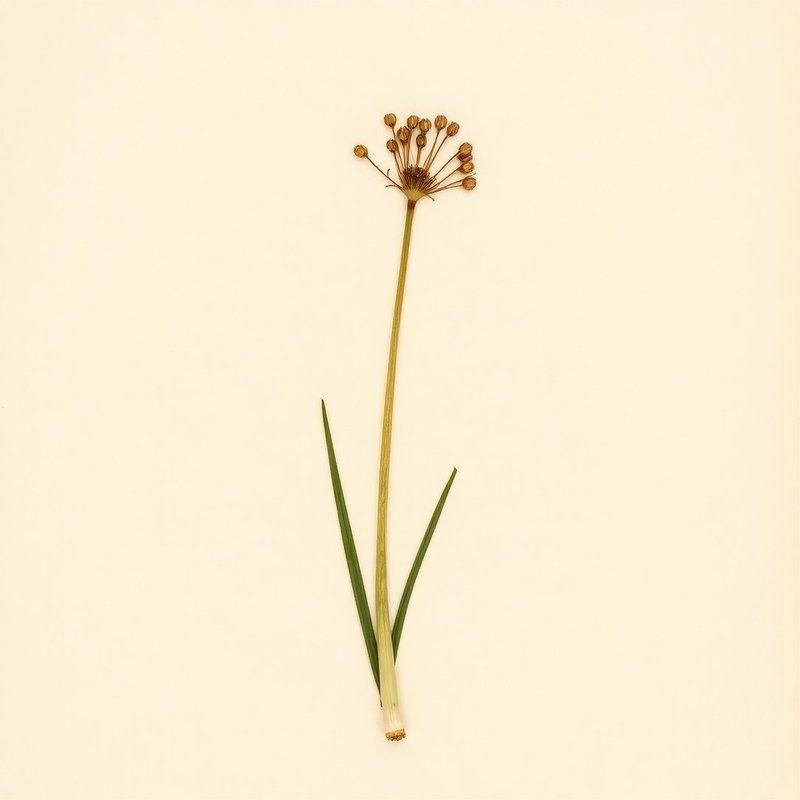
Newsletter returning soon.
We are rebuilding the update list around a lightweight editorial workflow. New dispatches will resume after the next content review cycle.