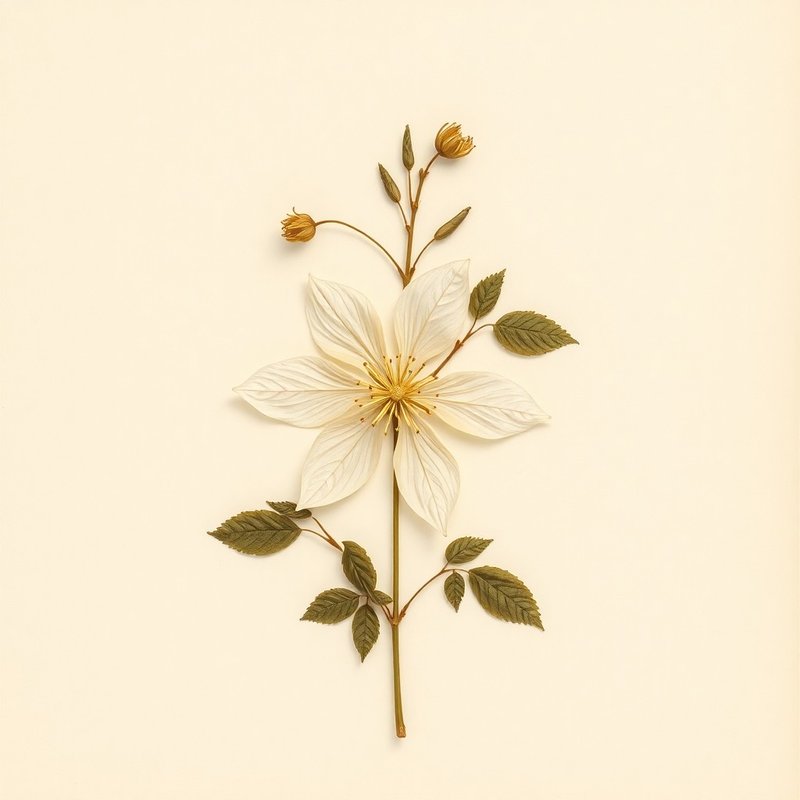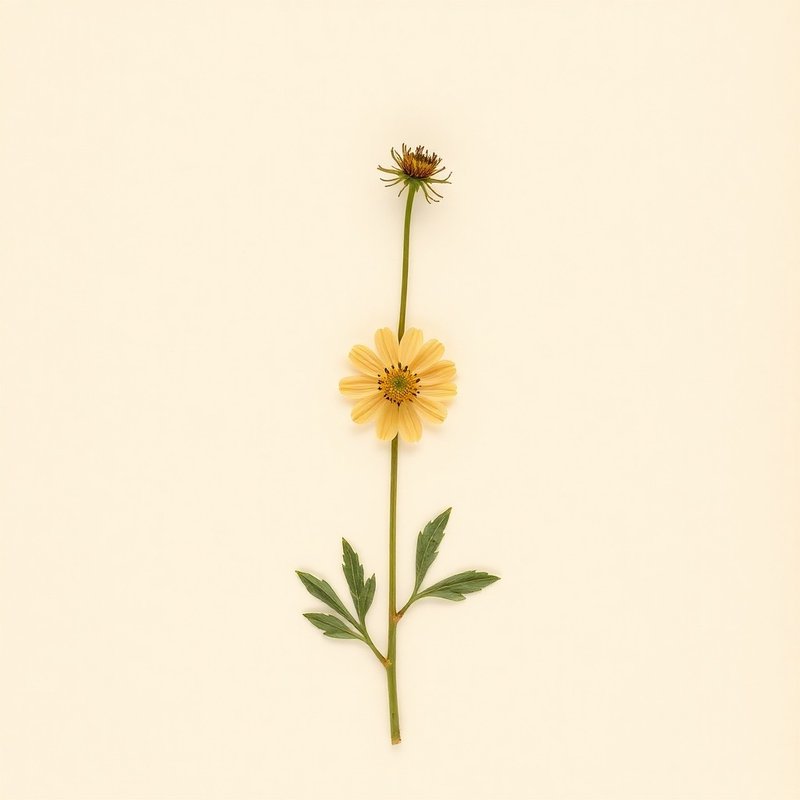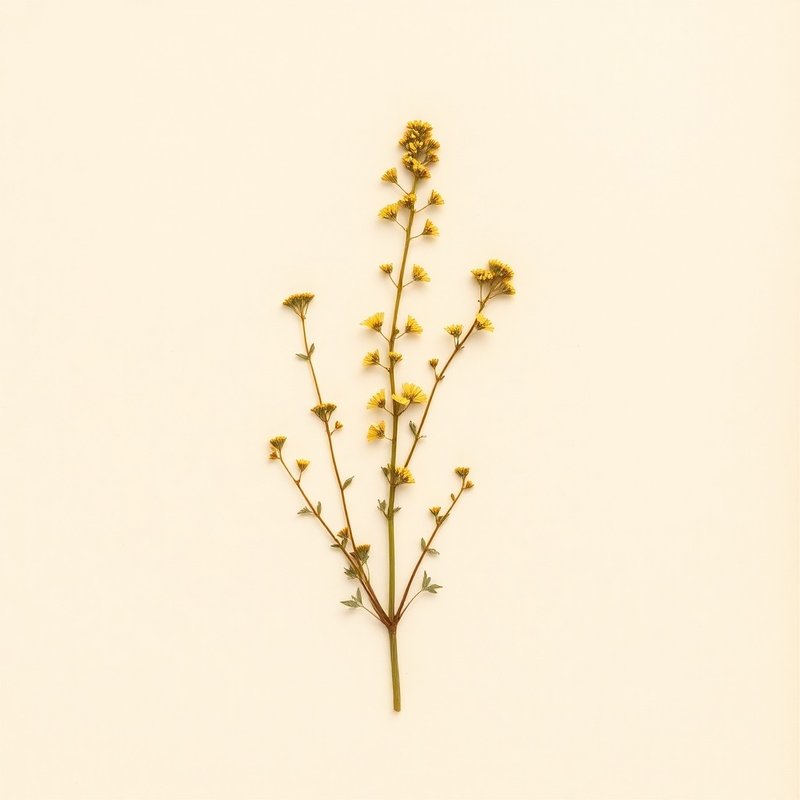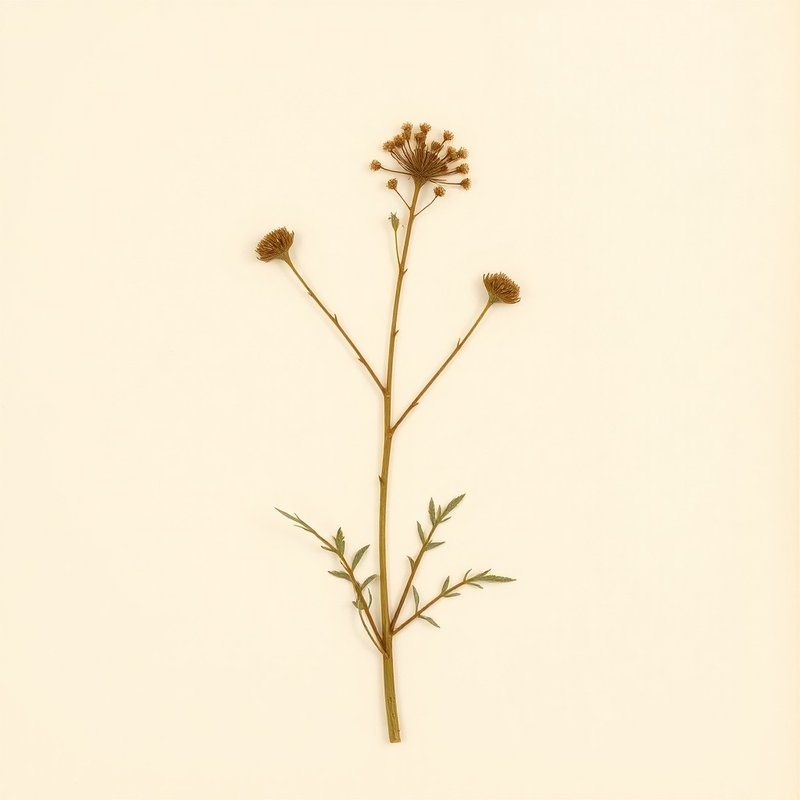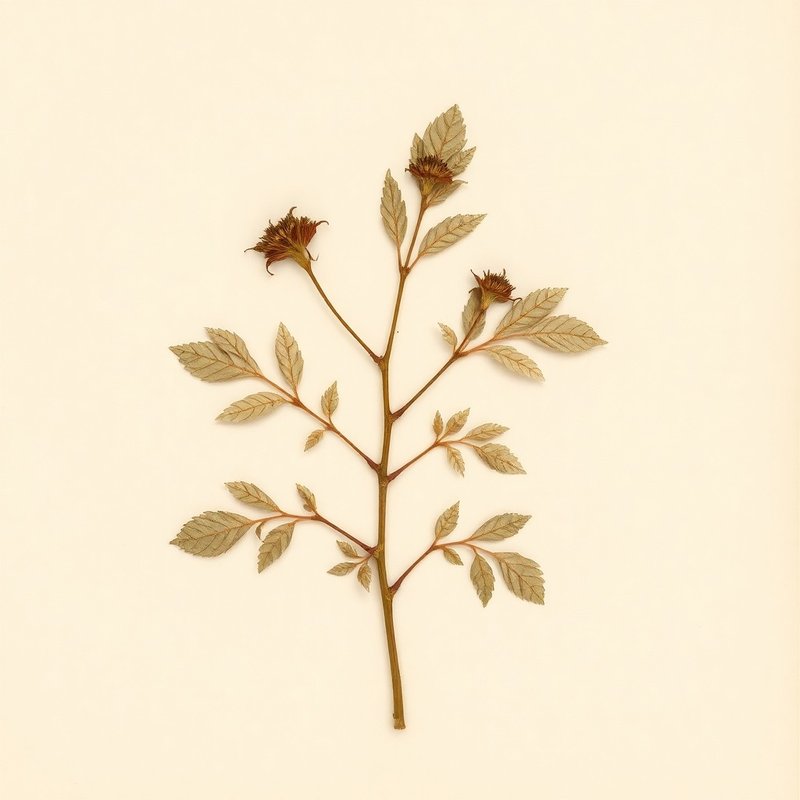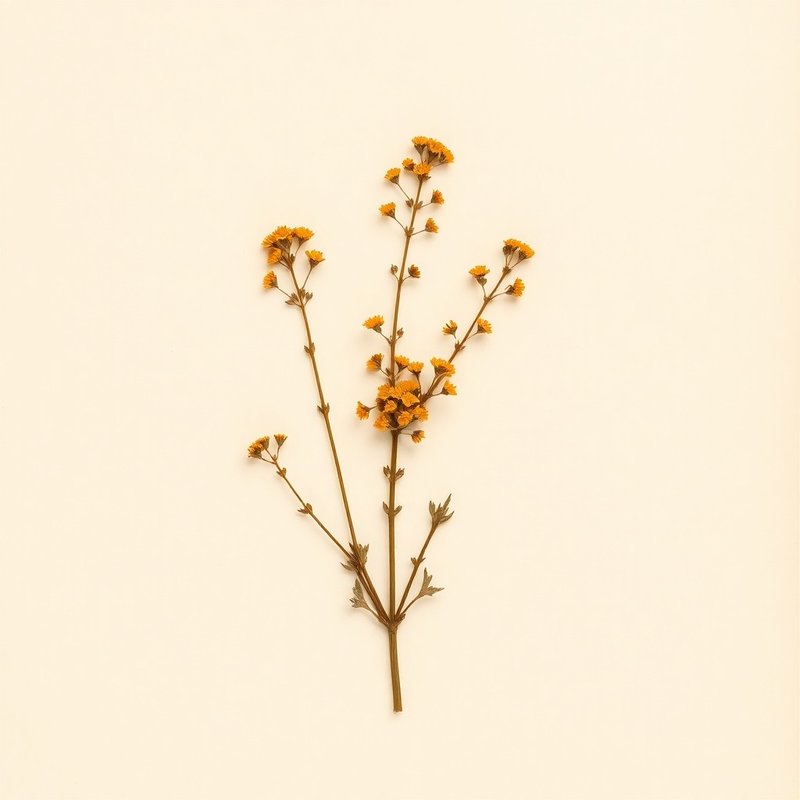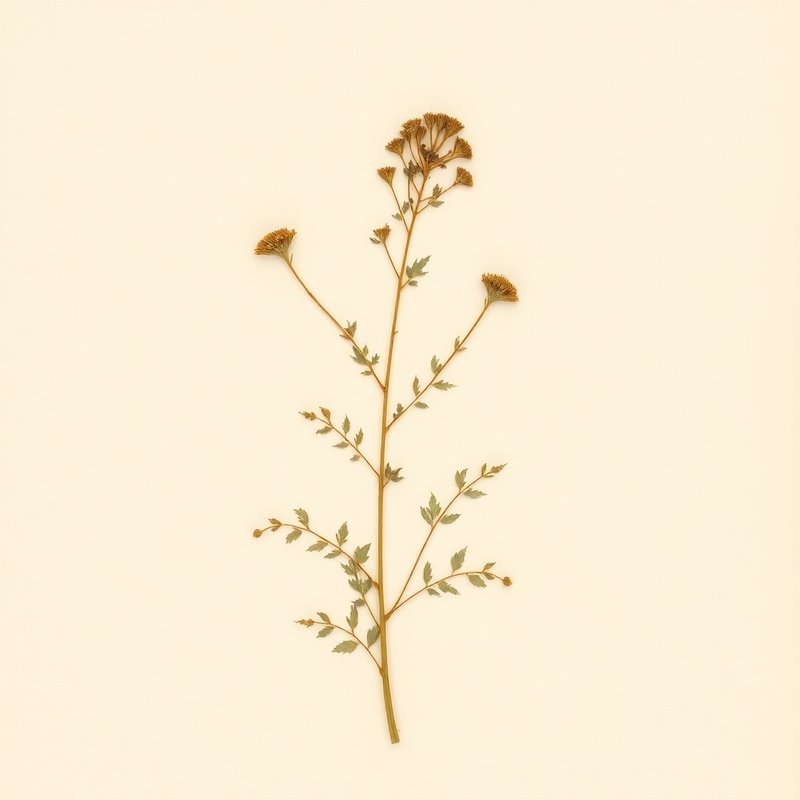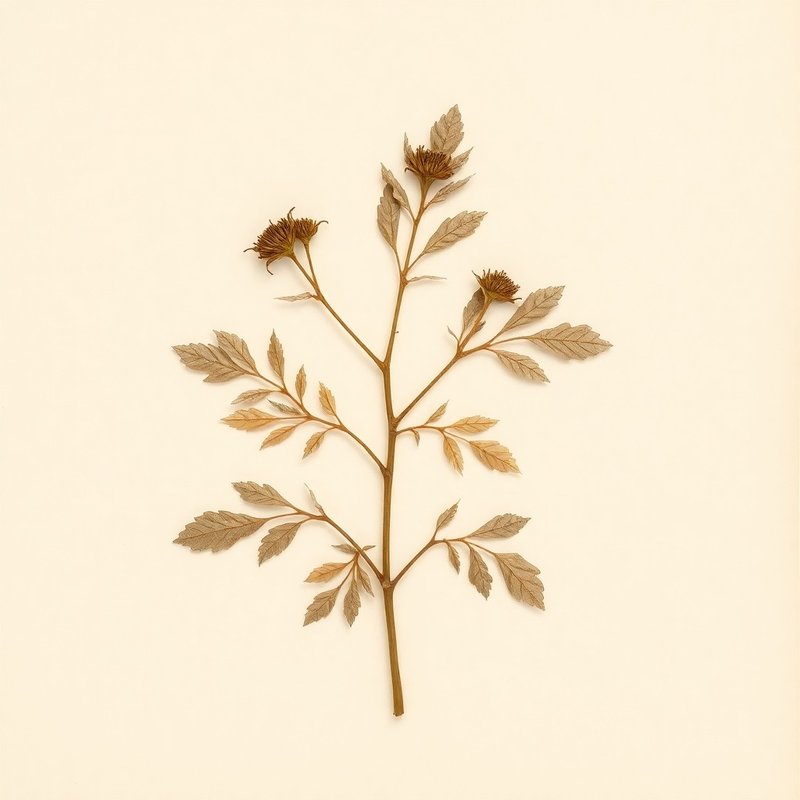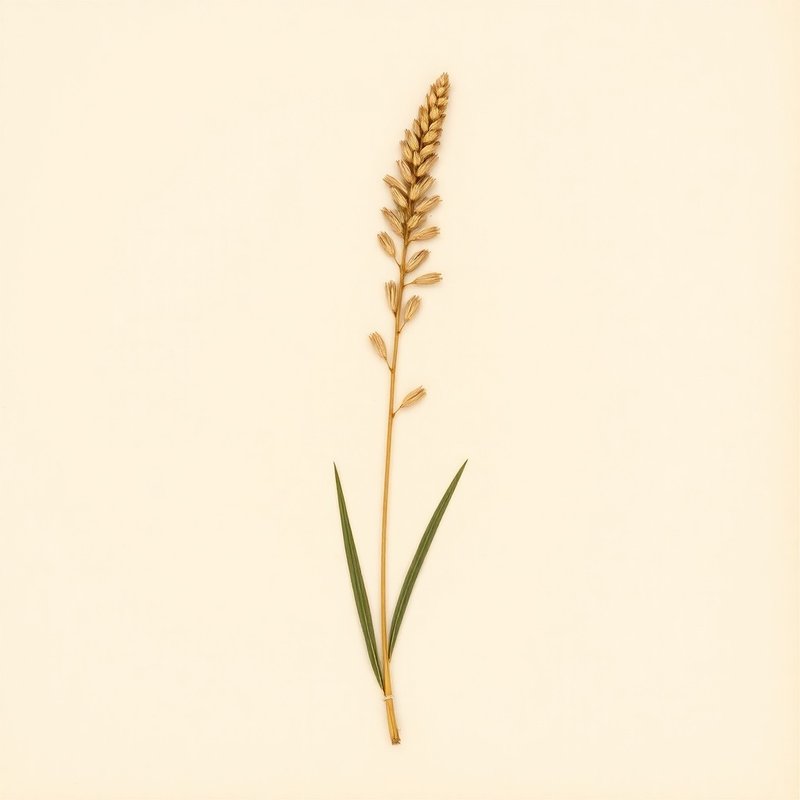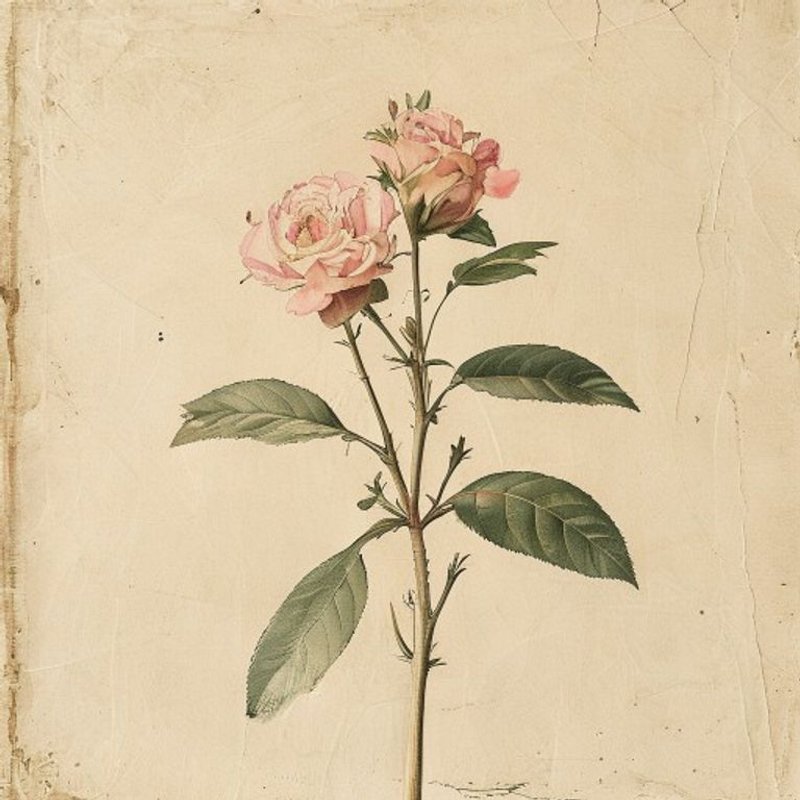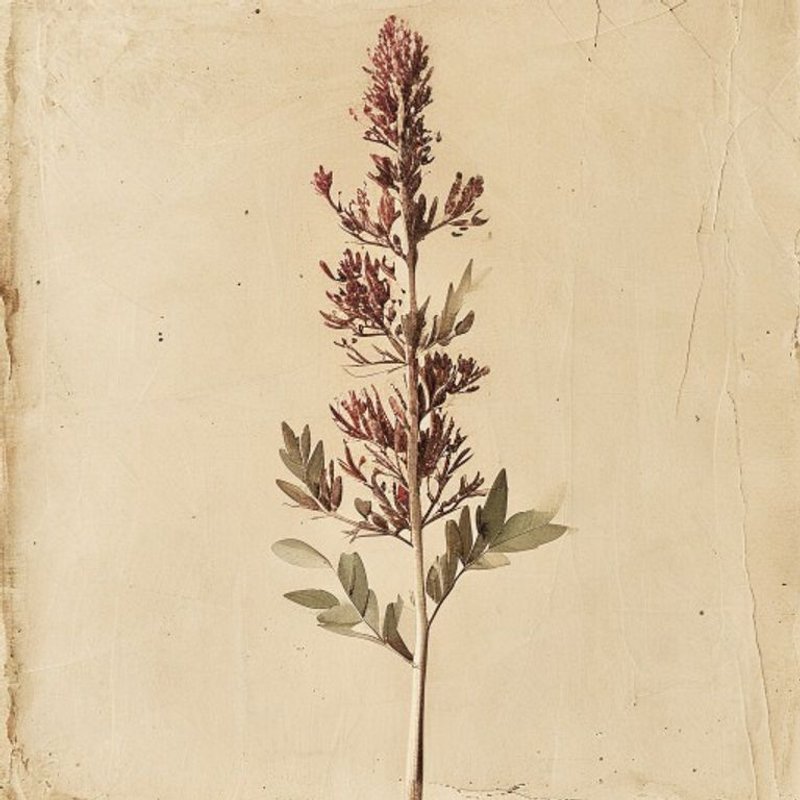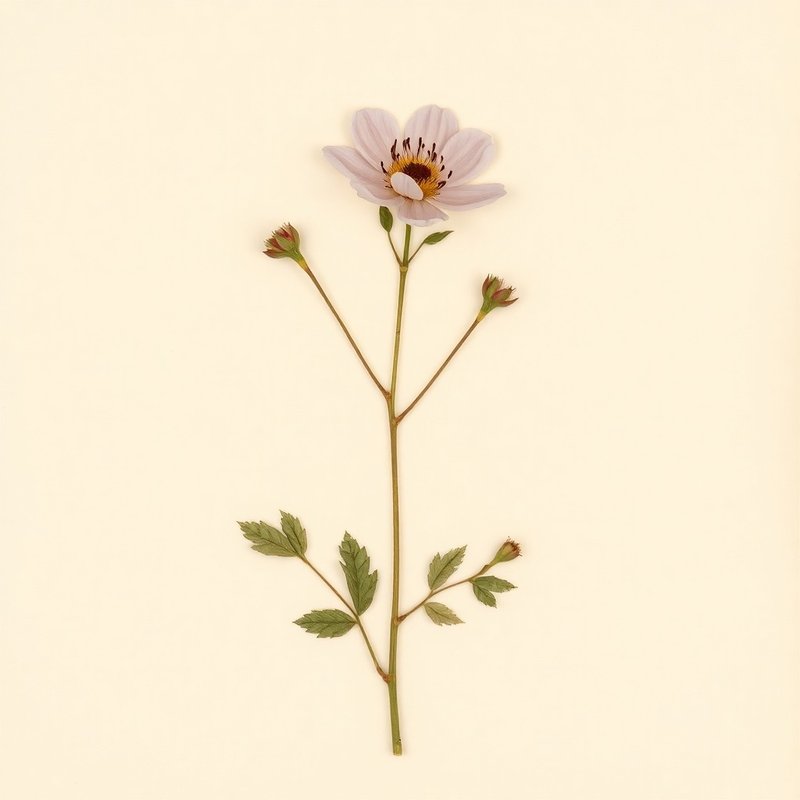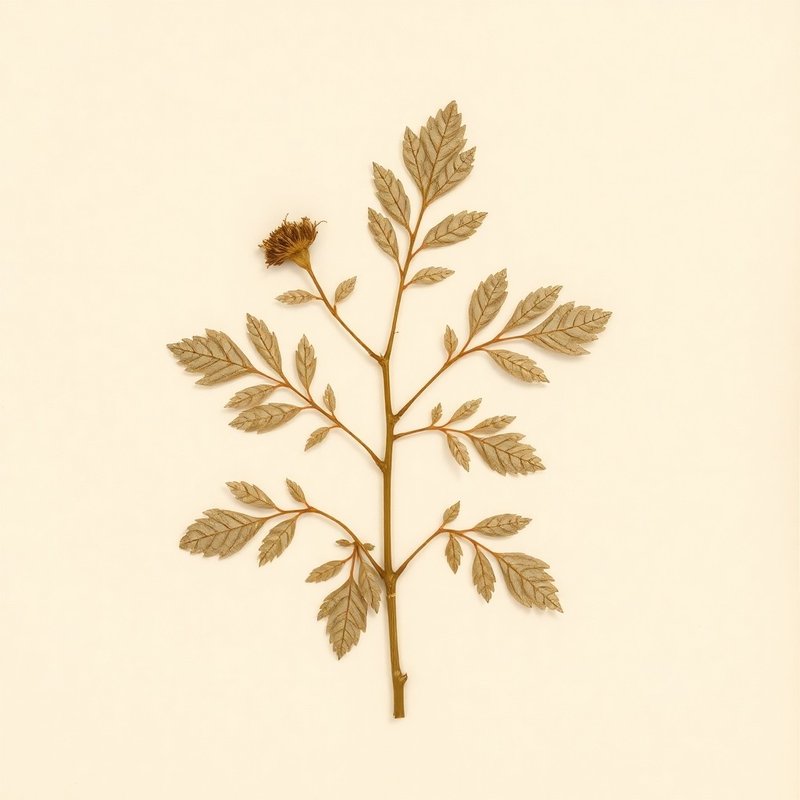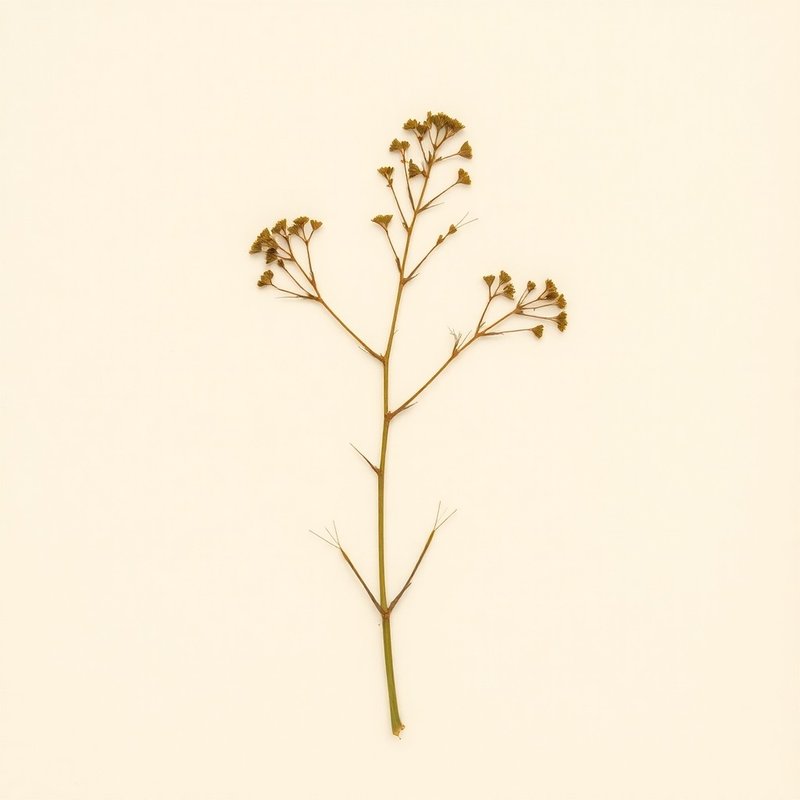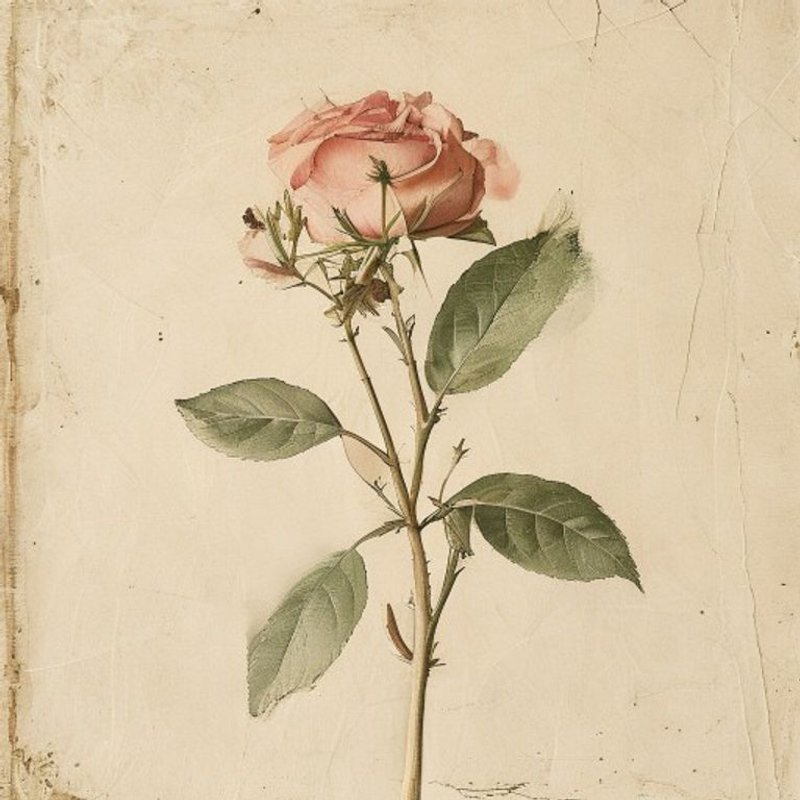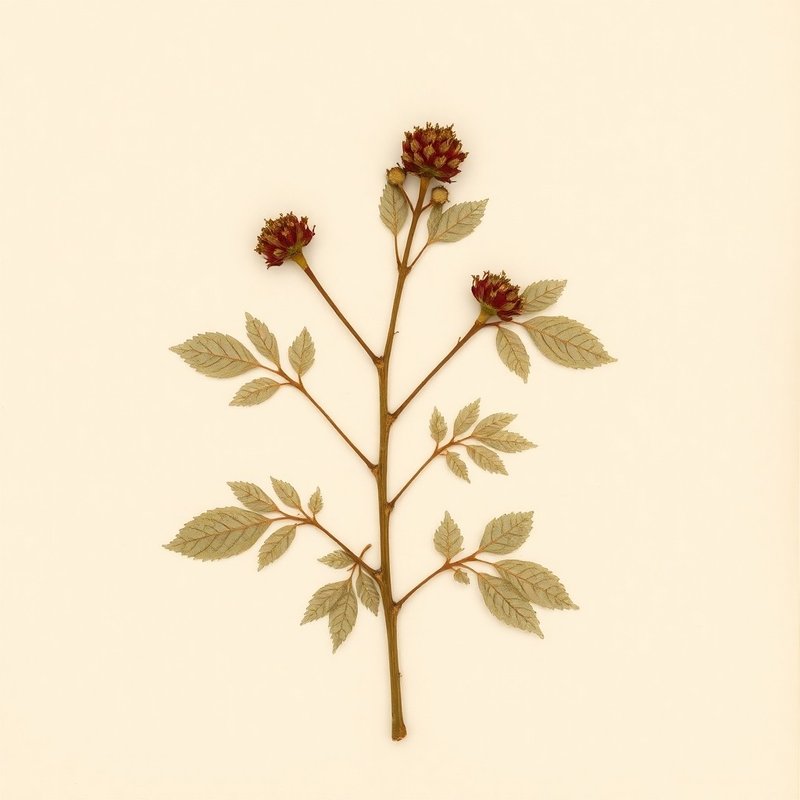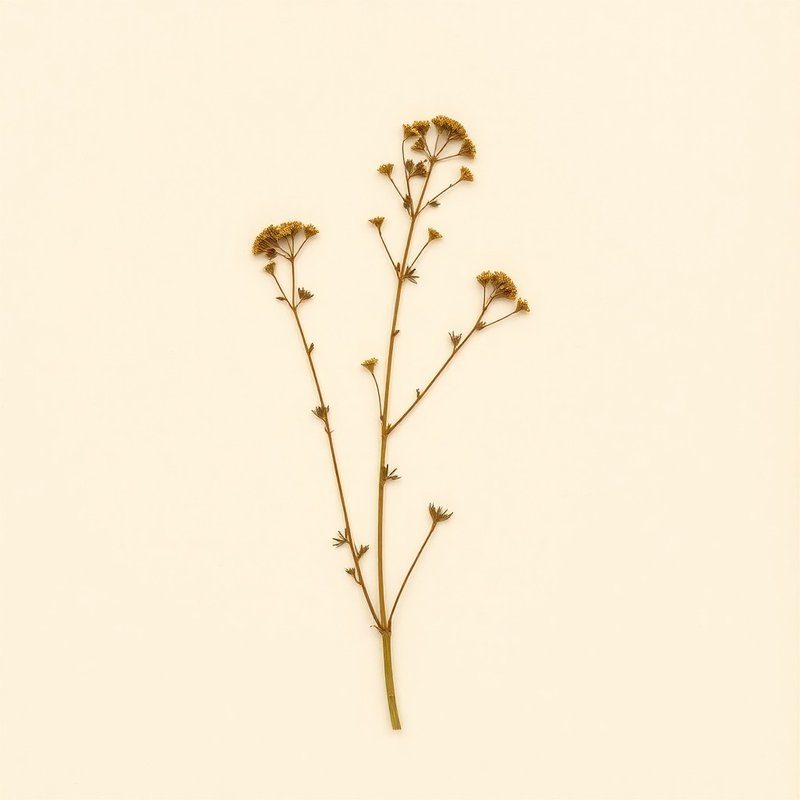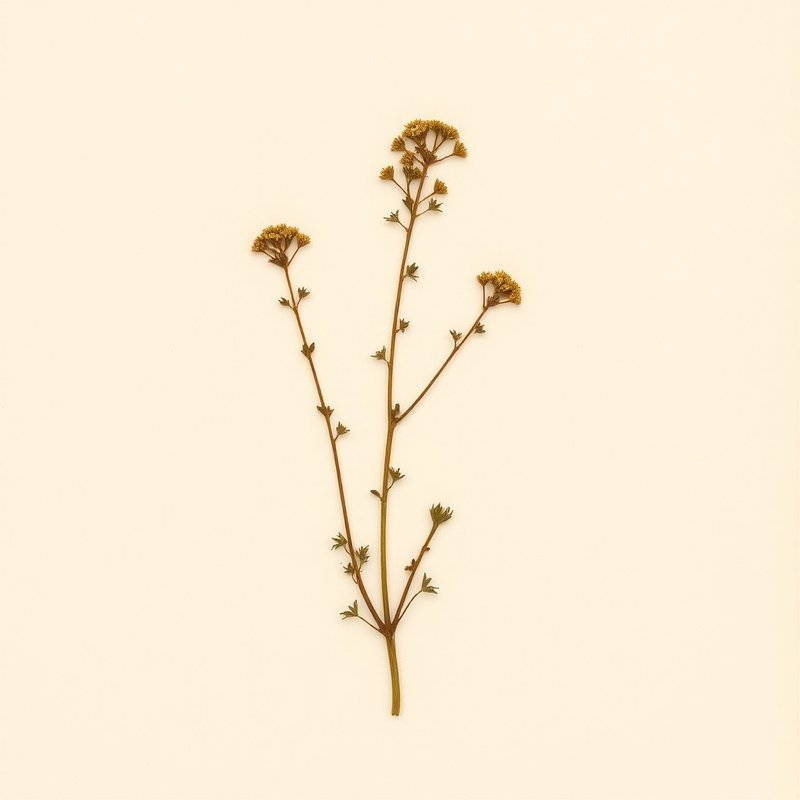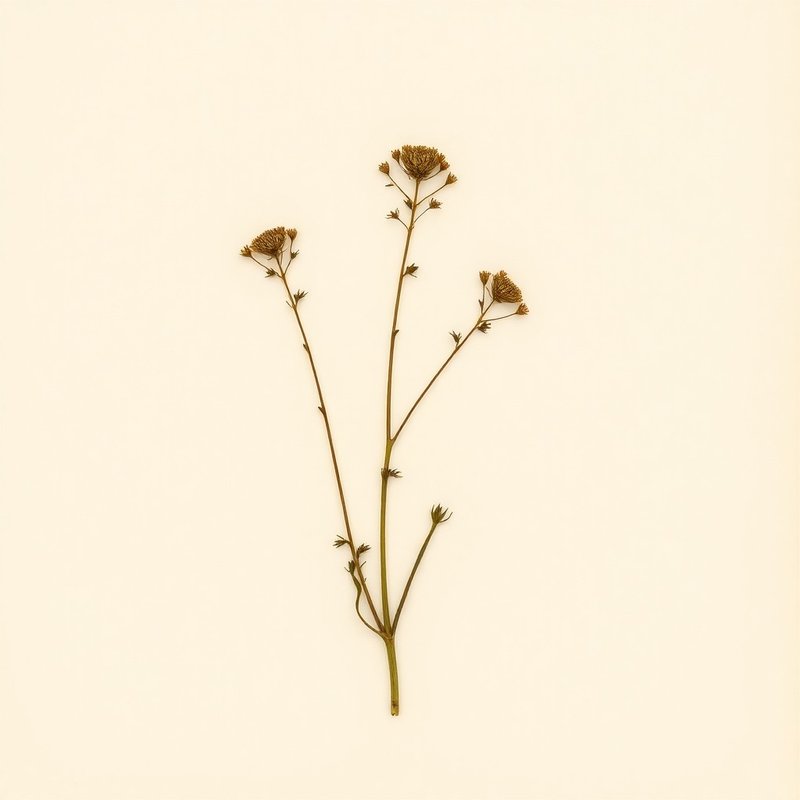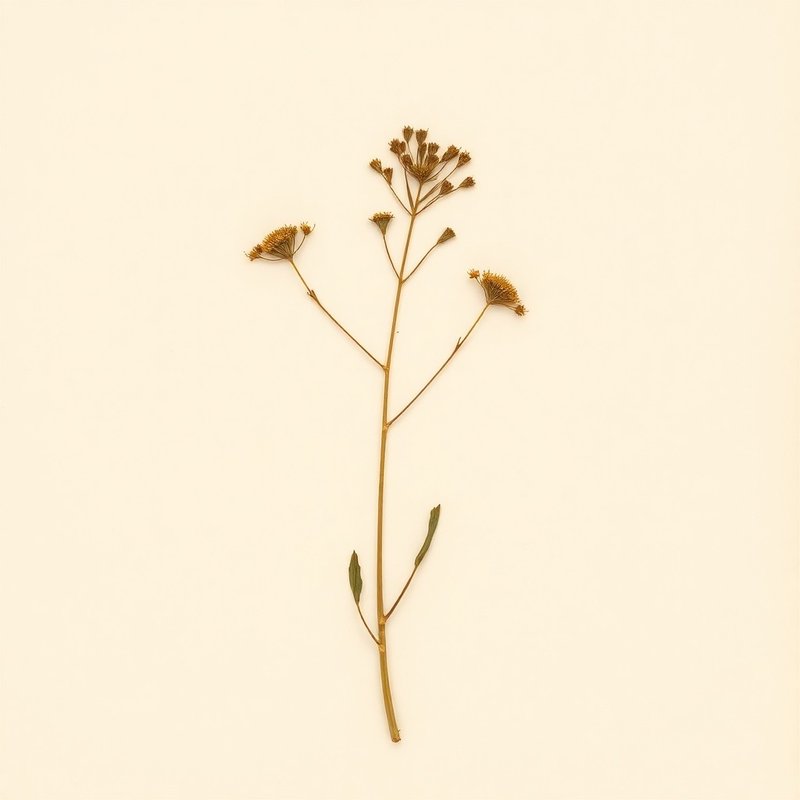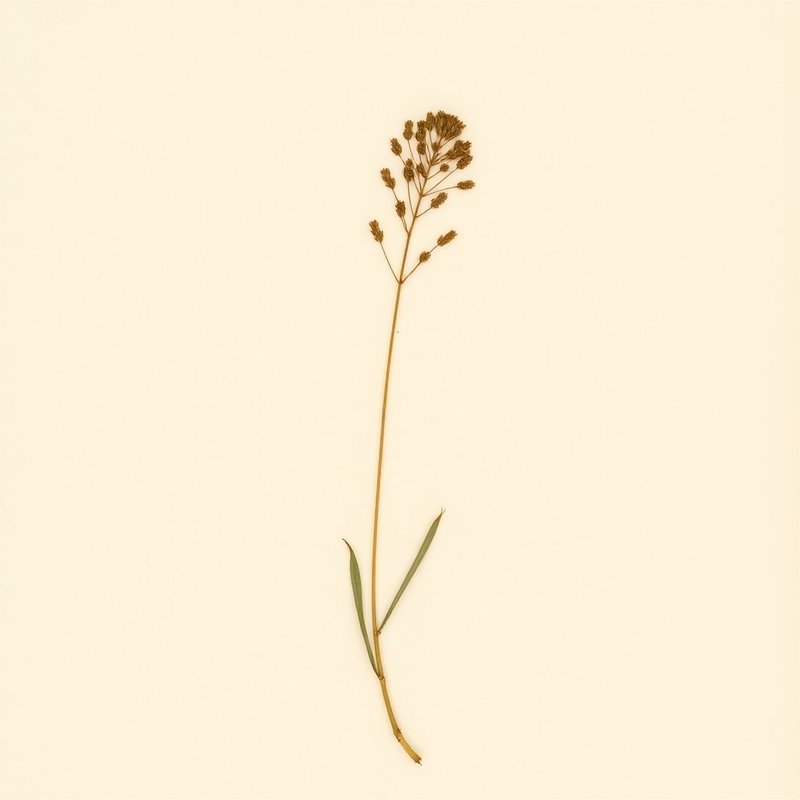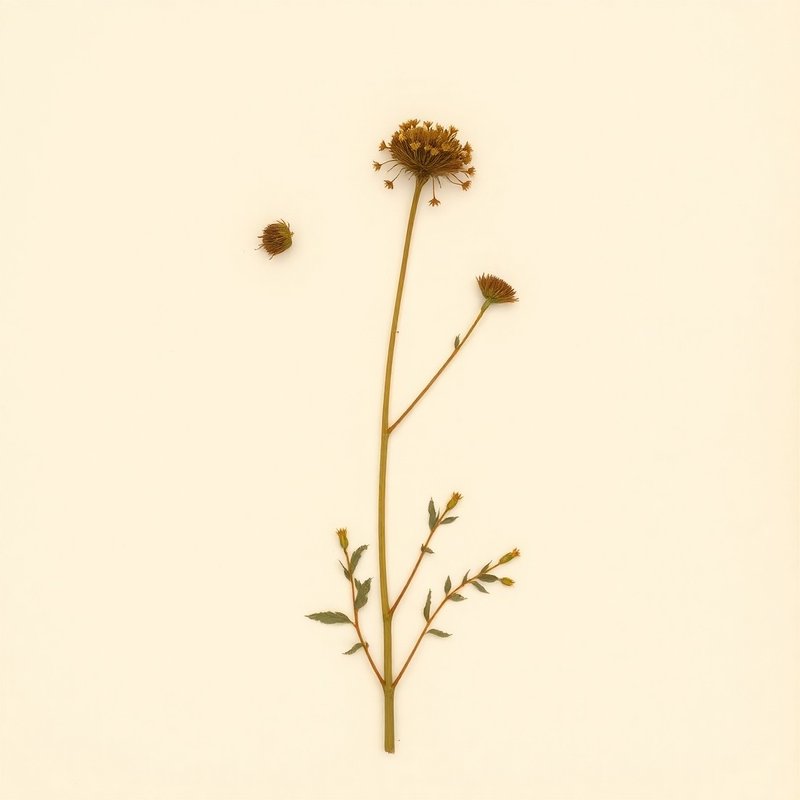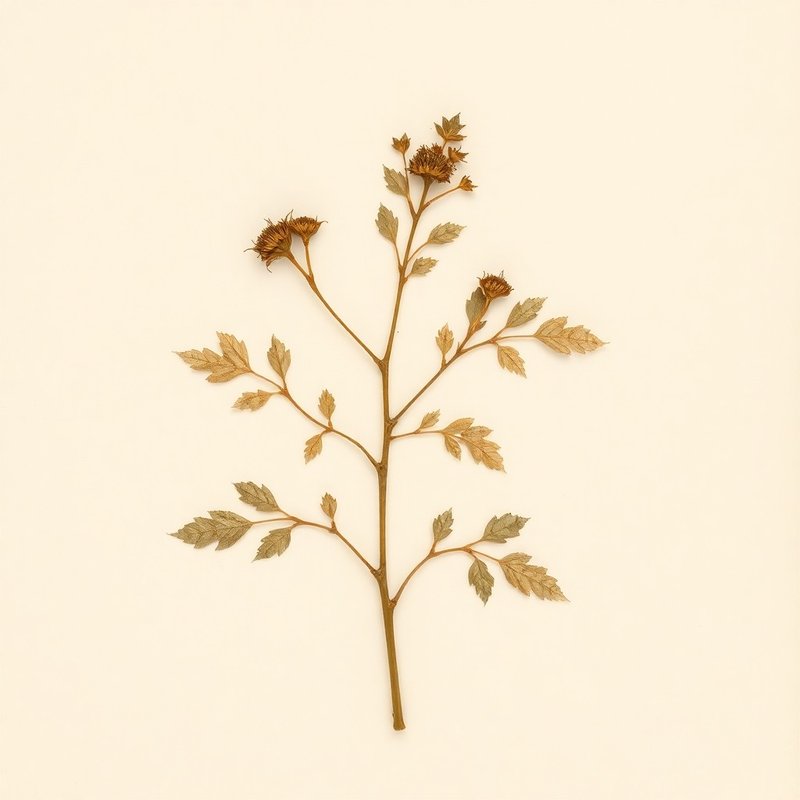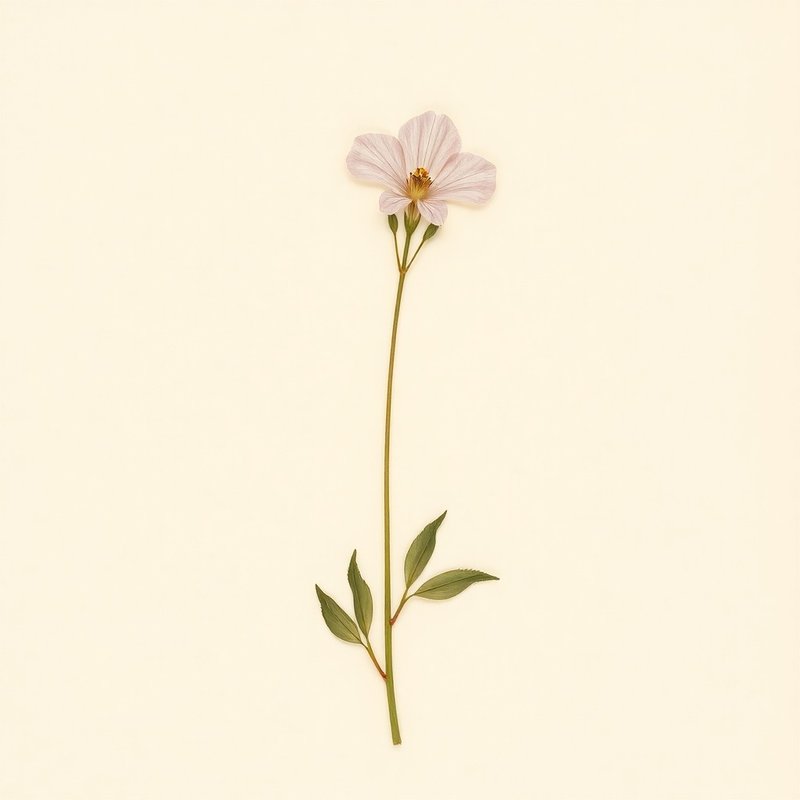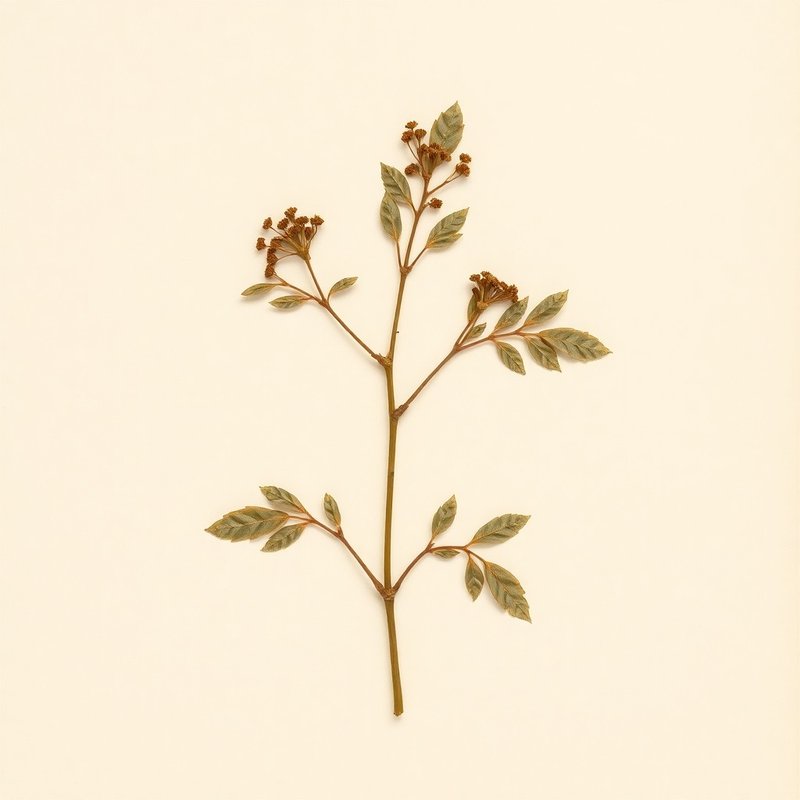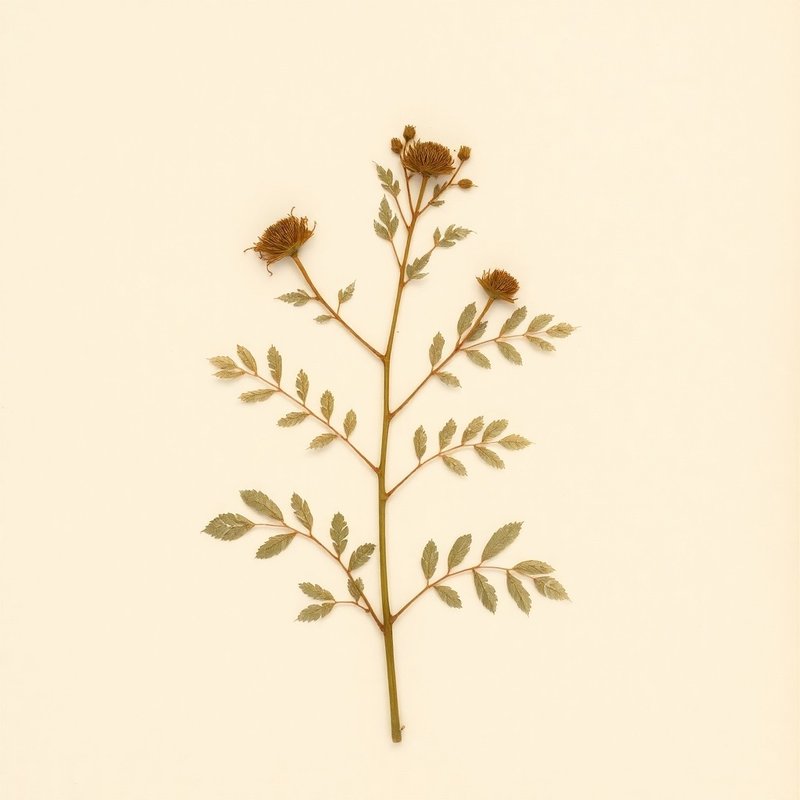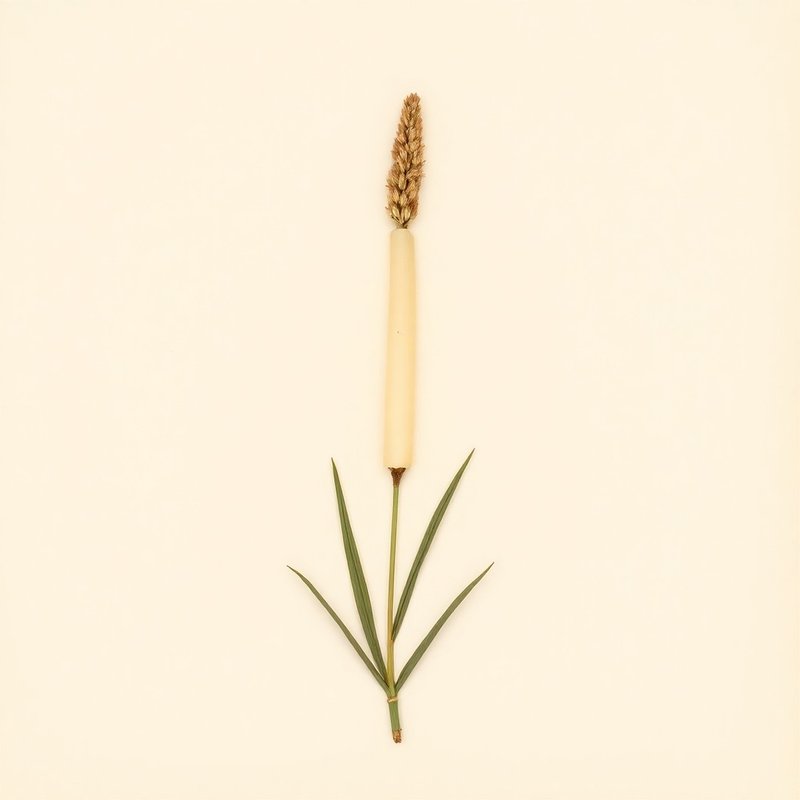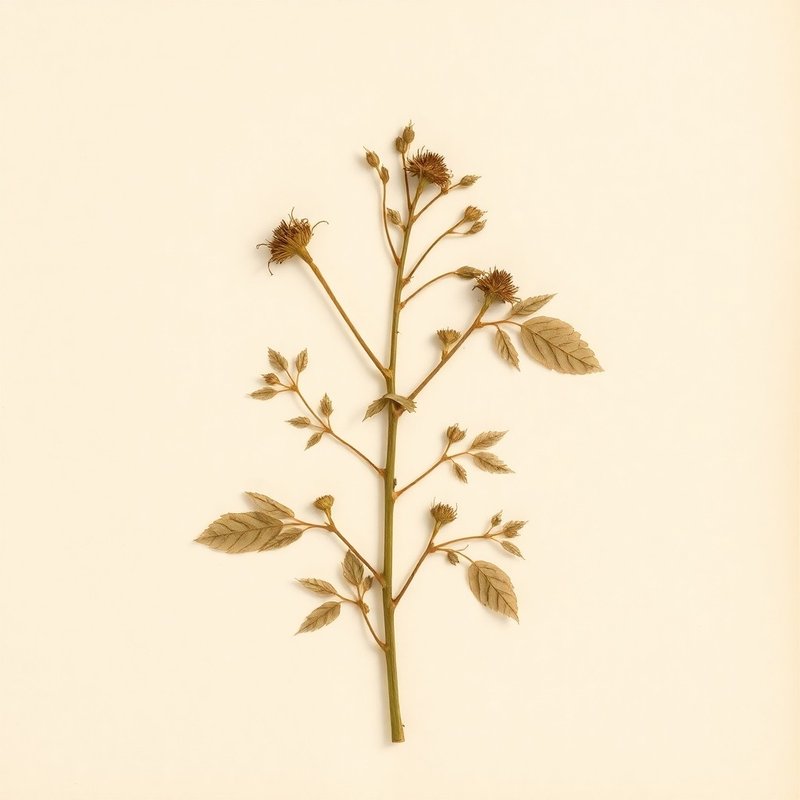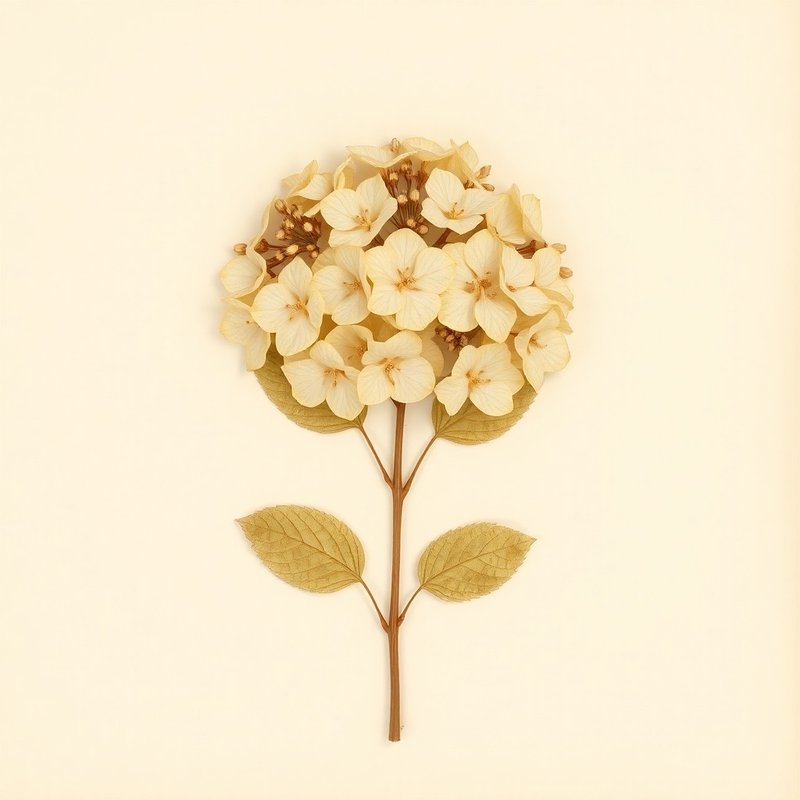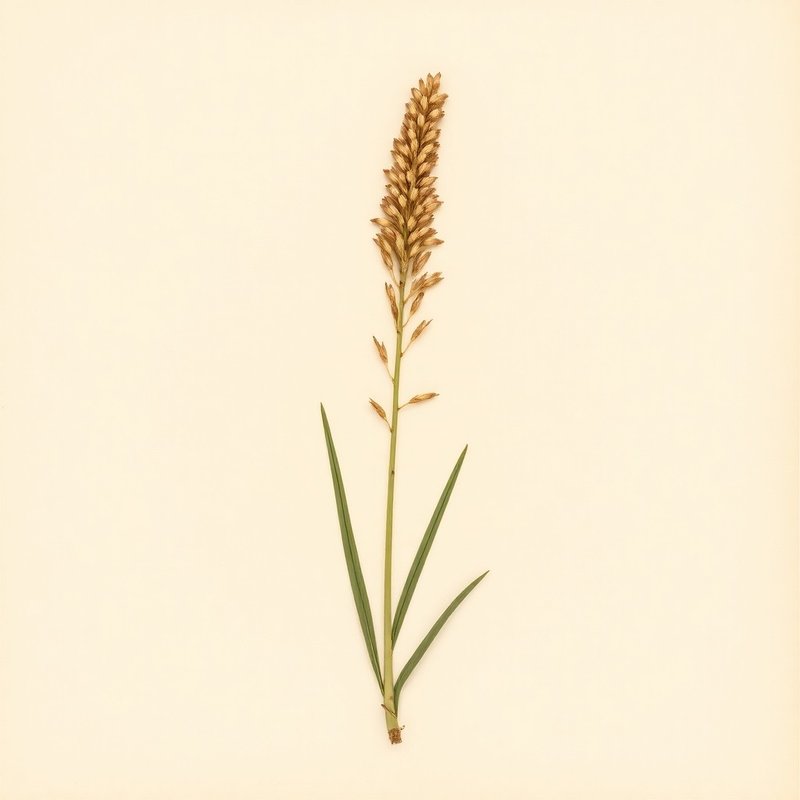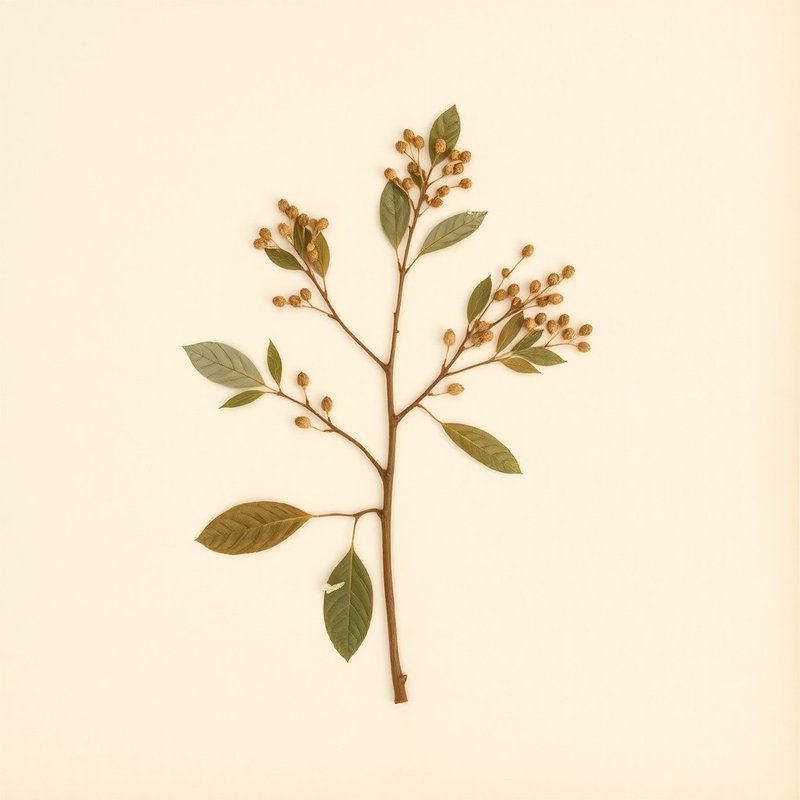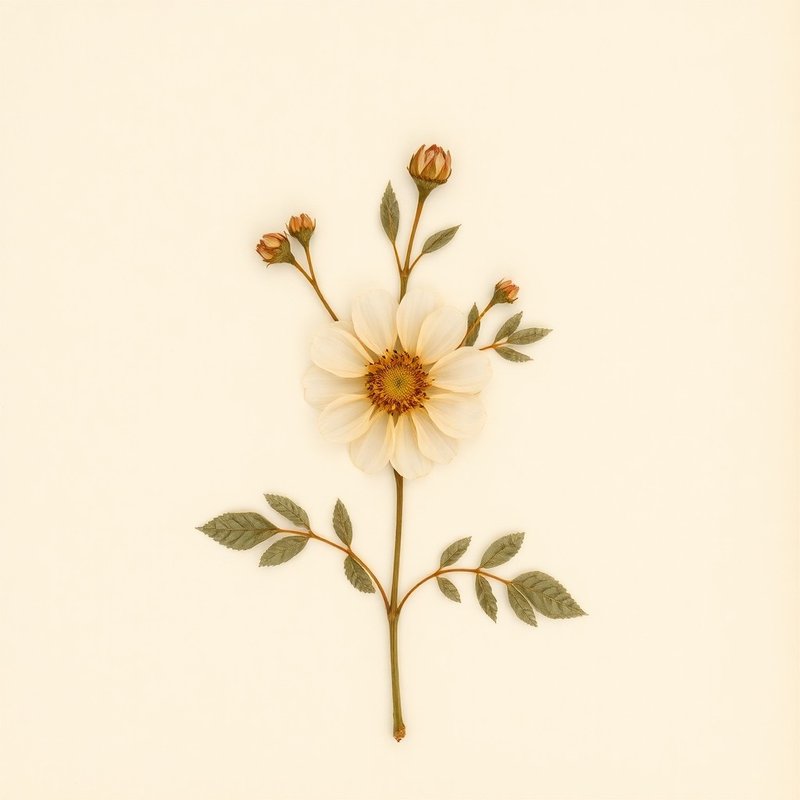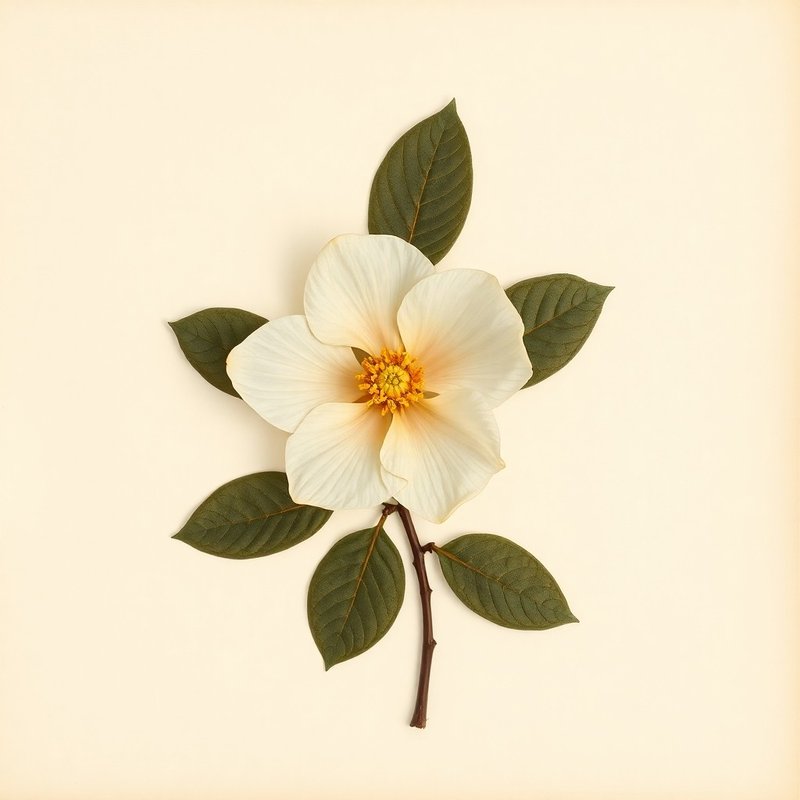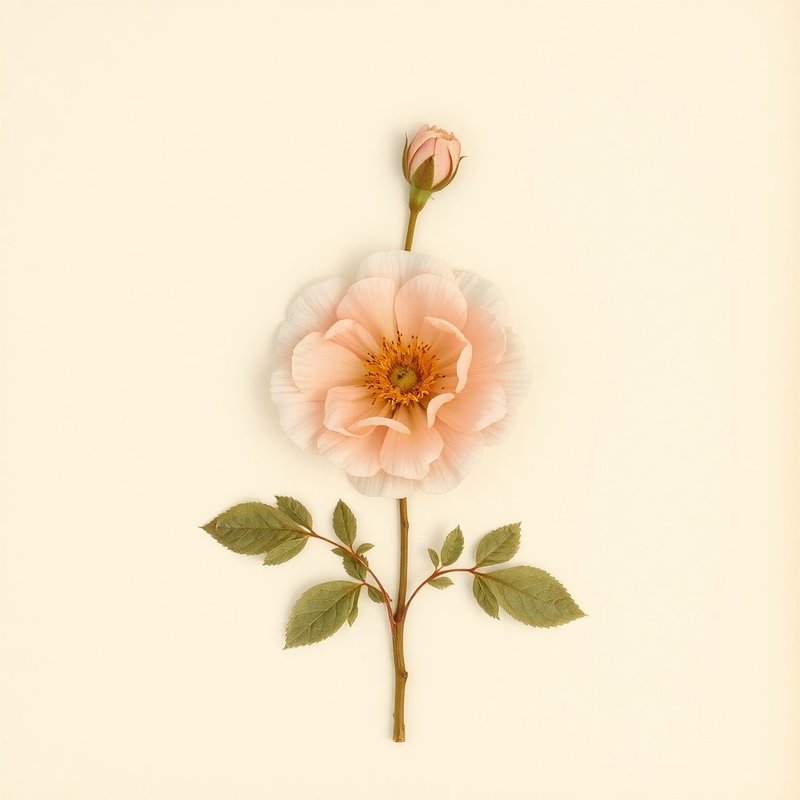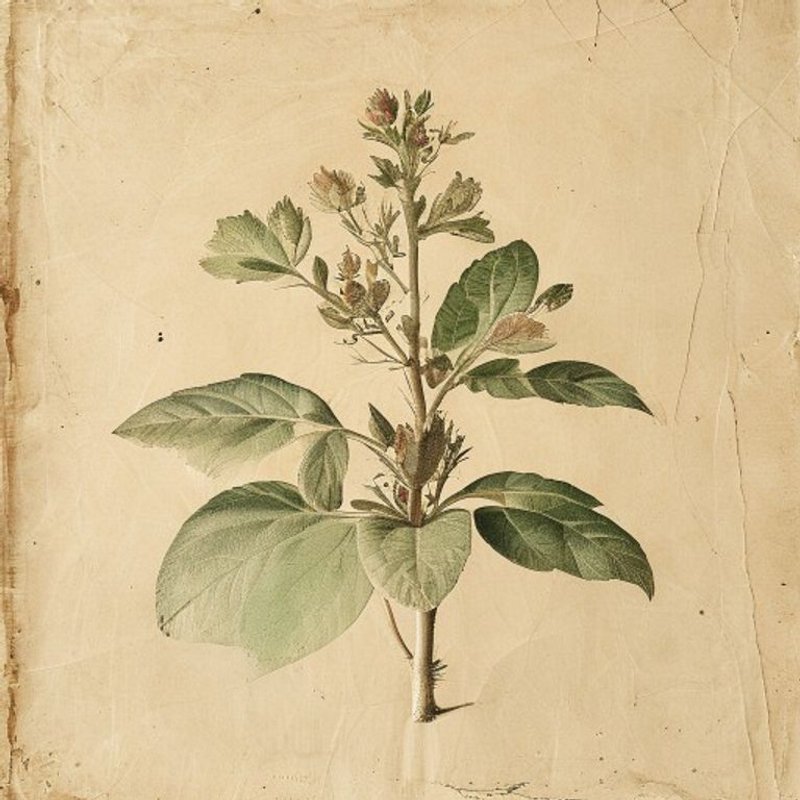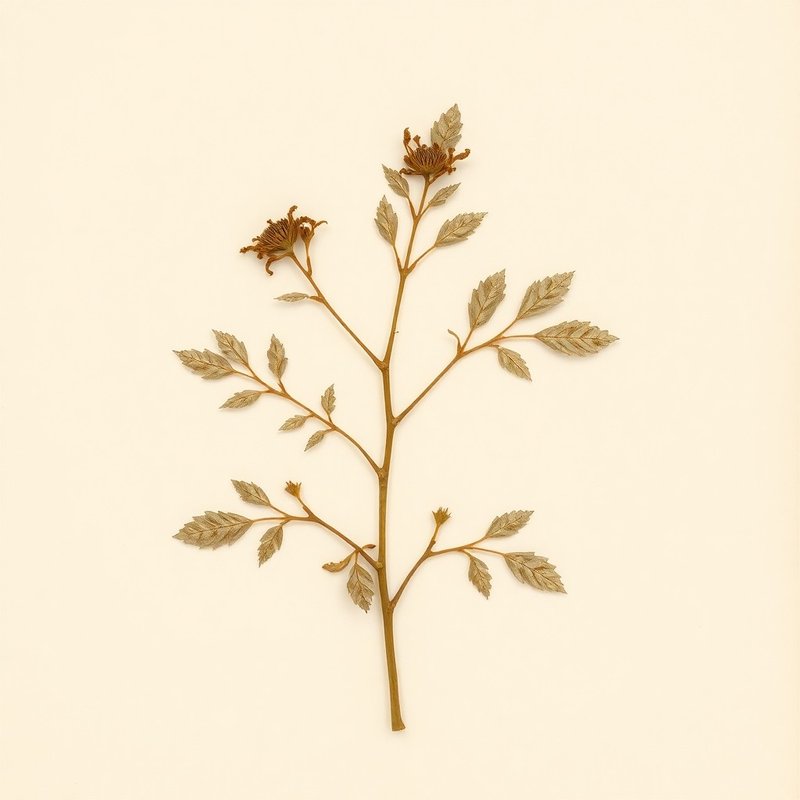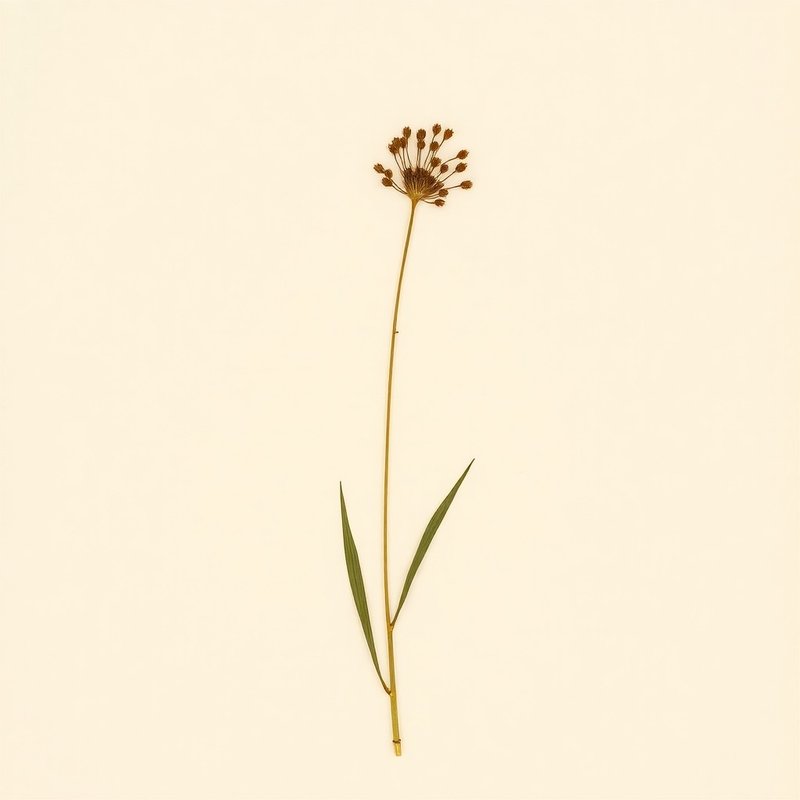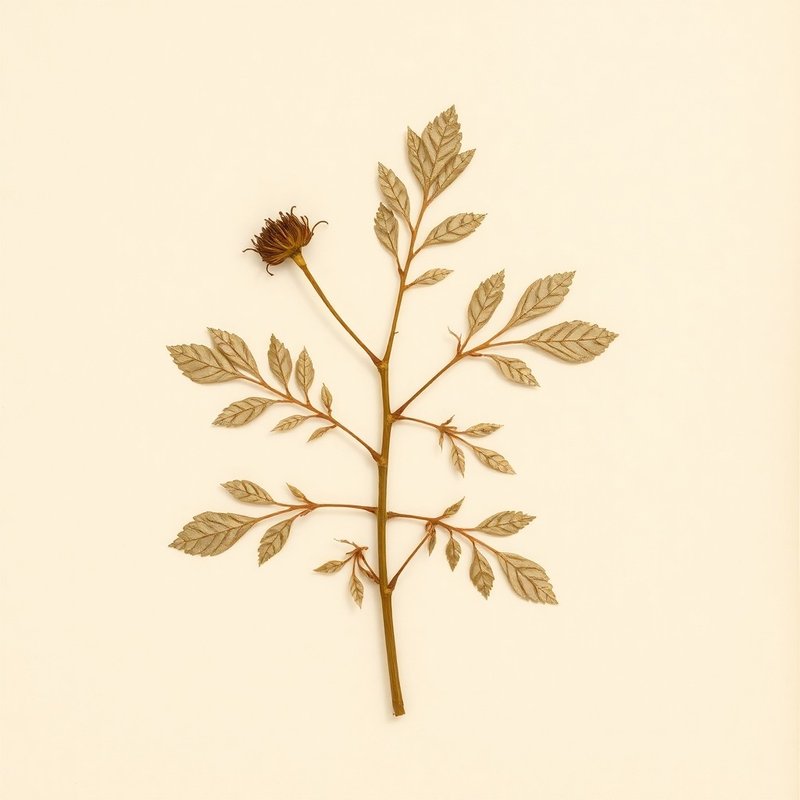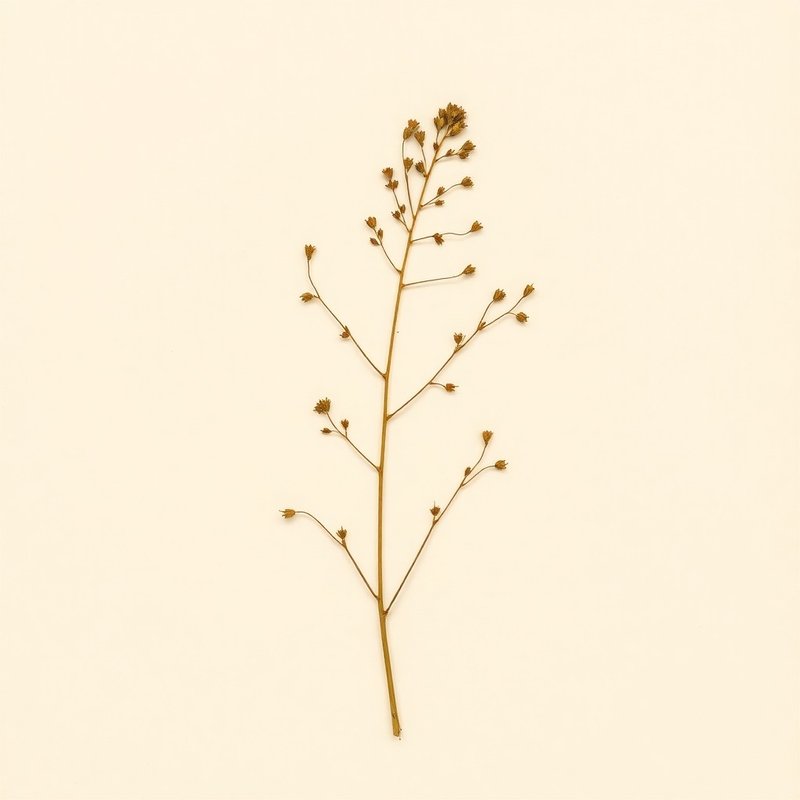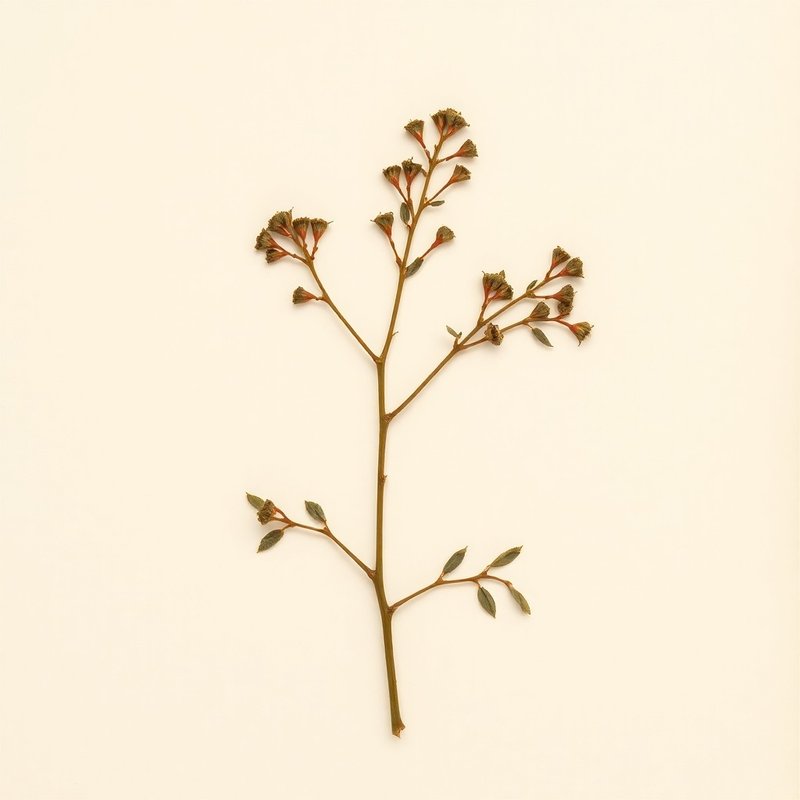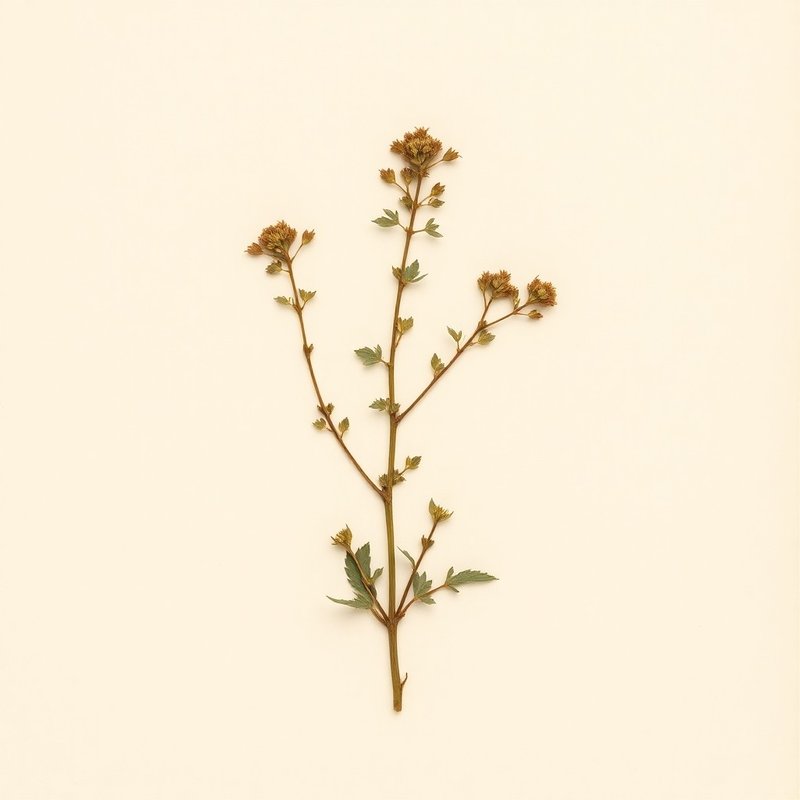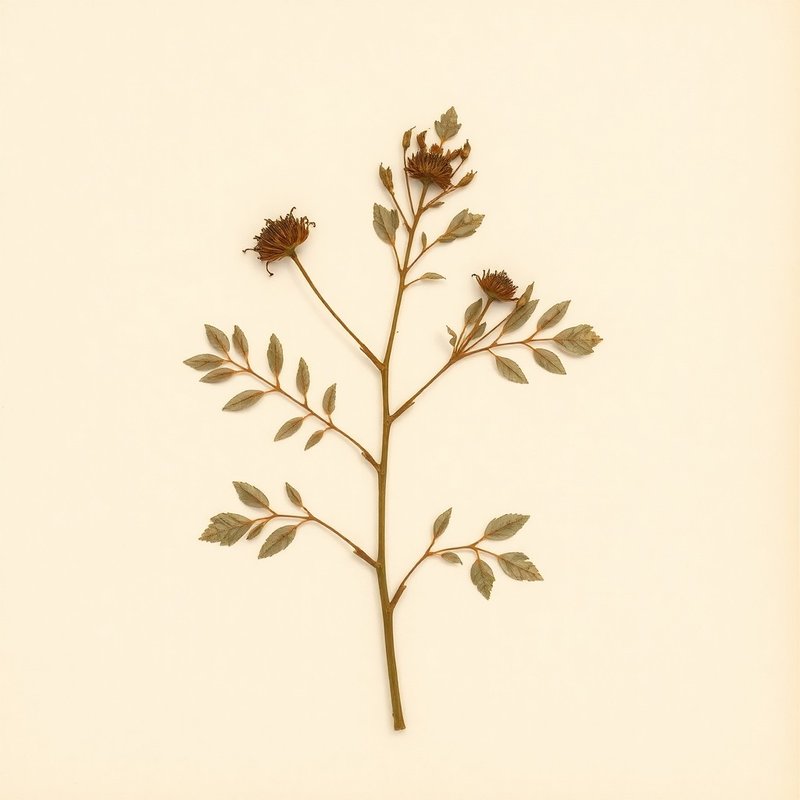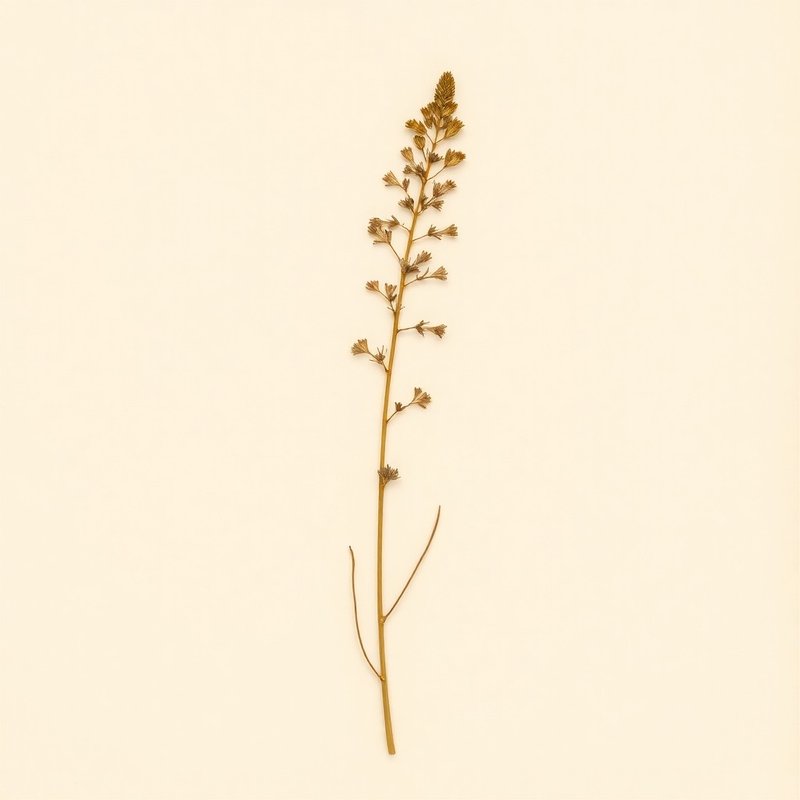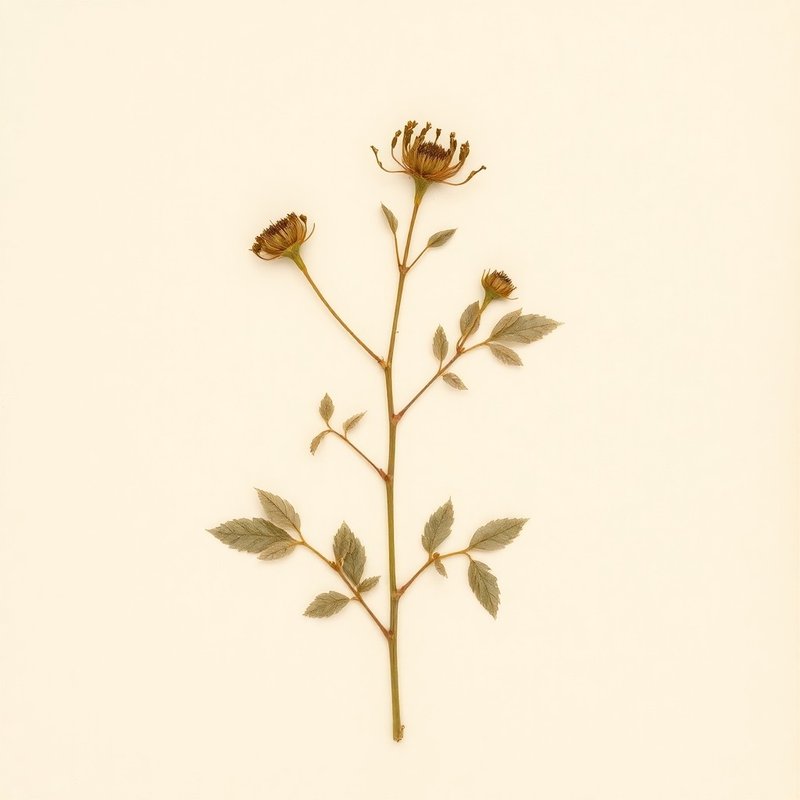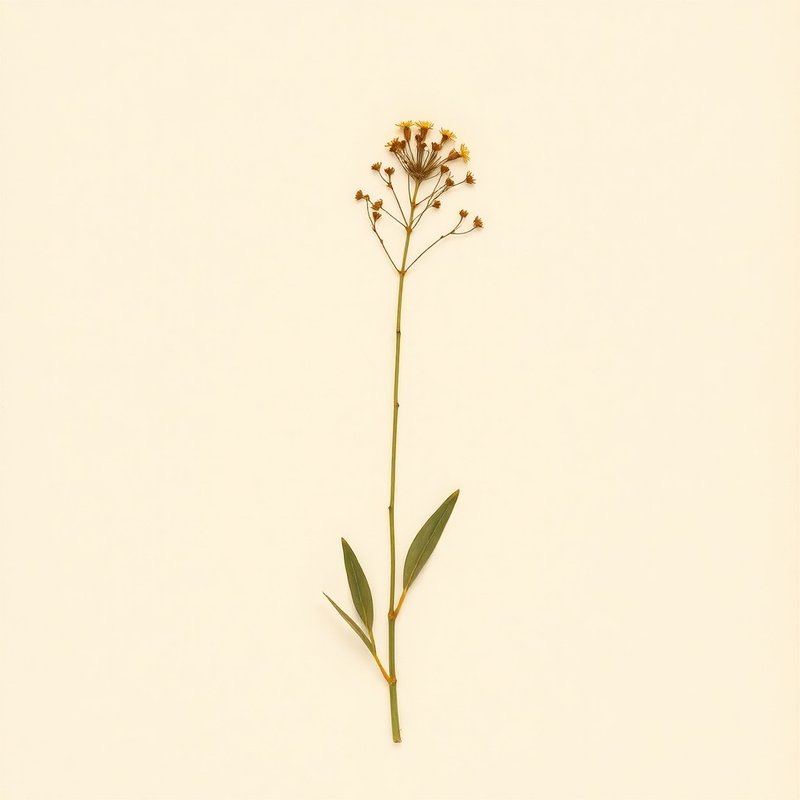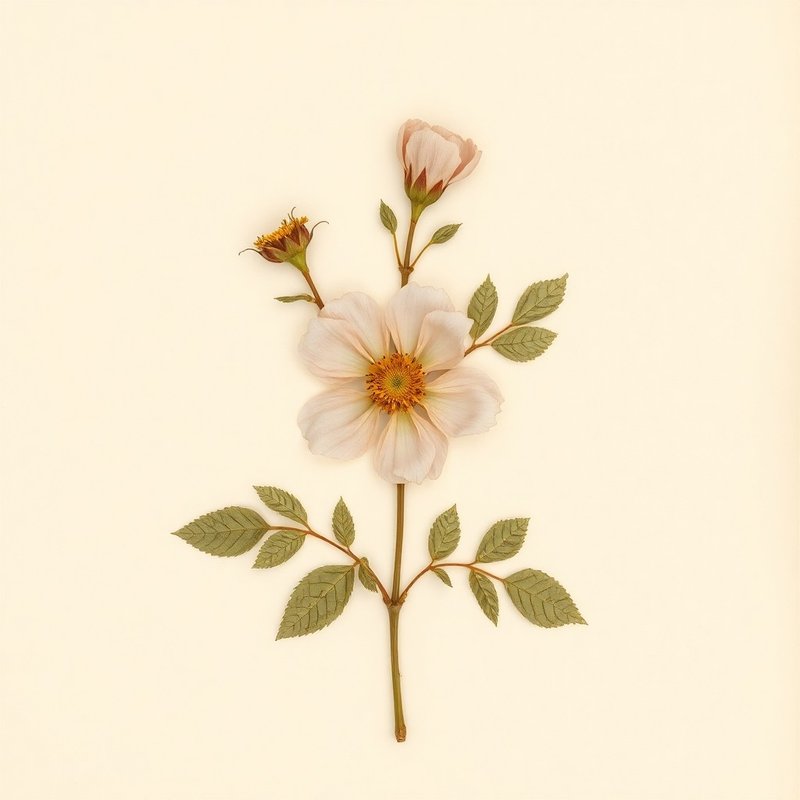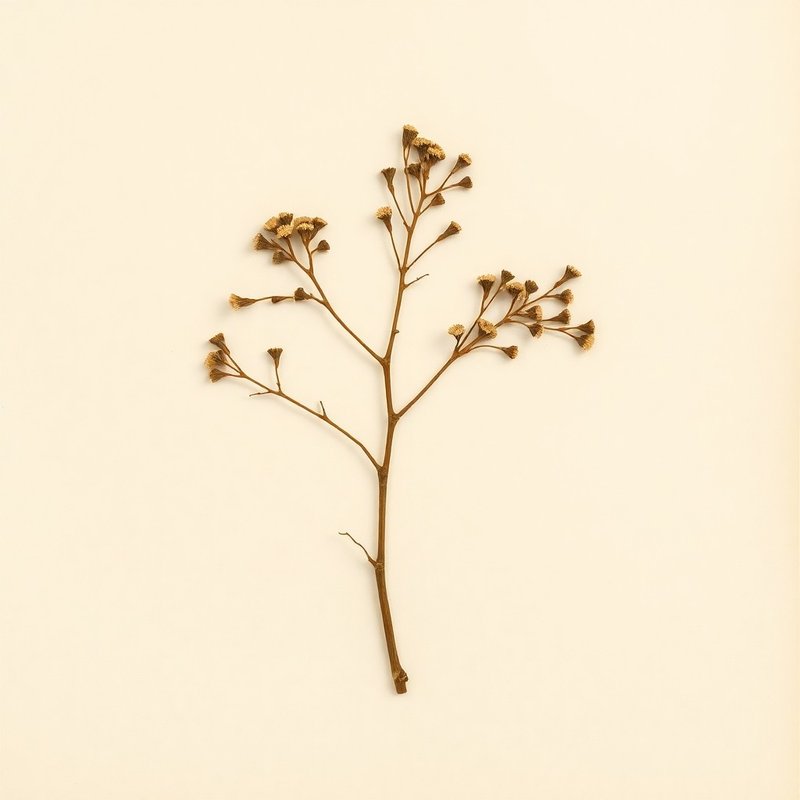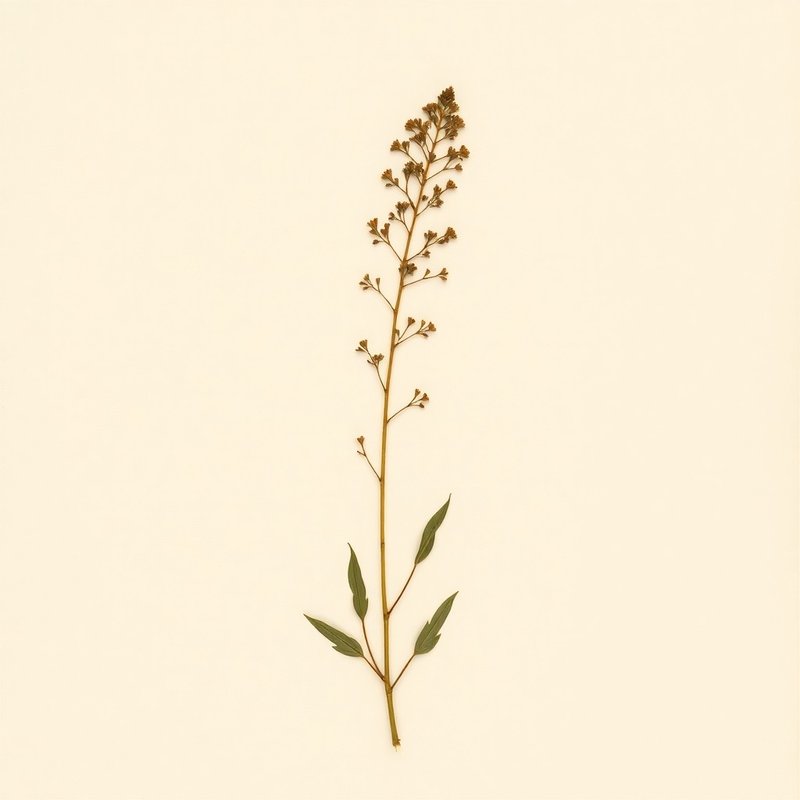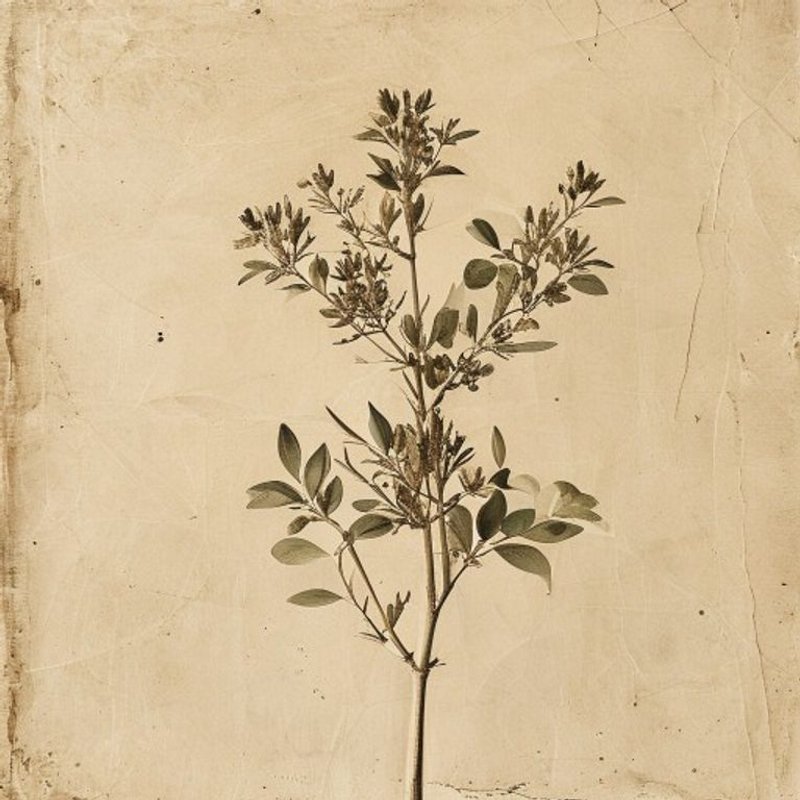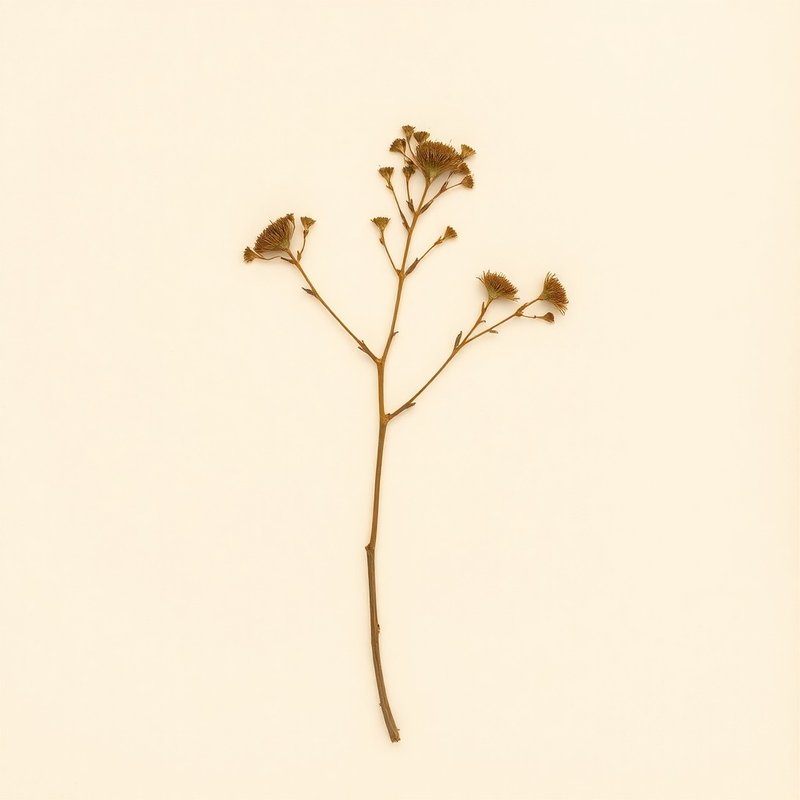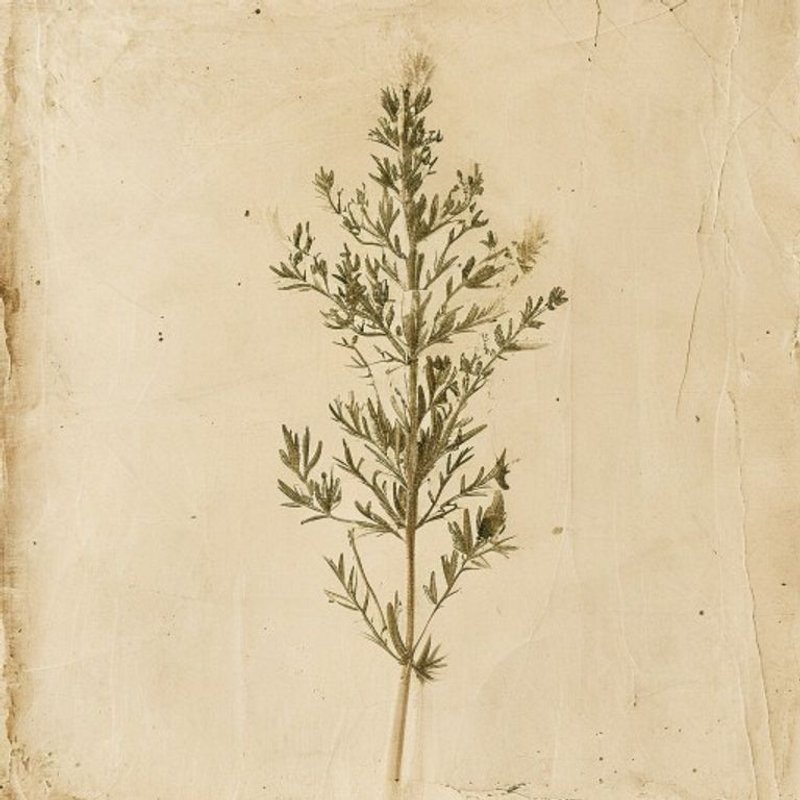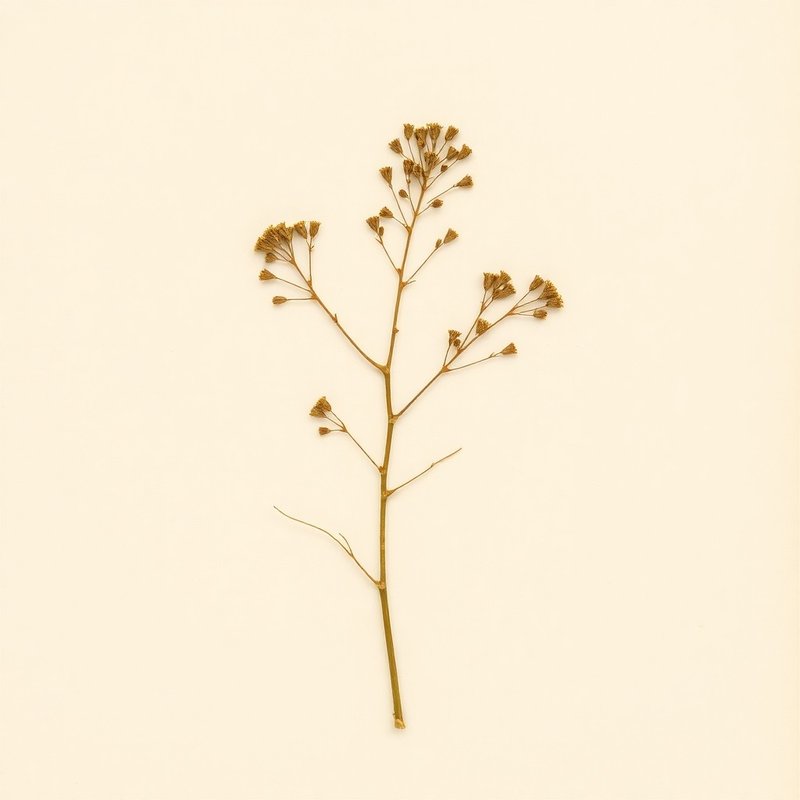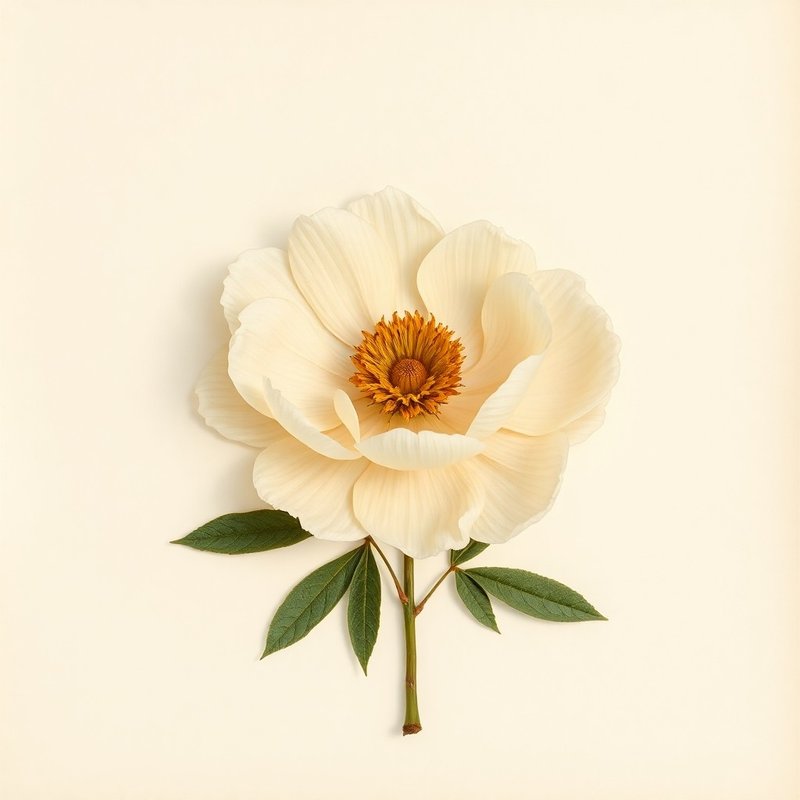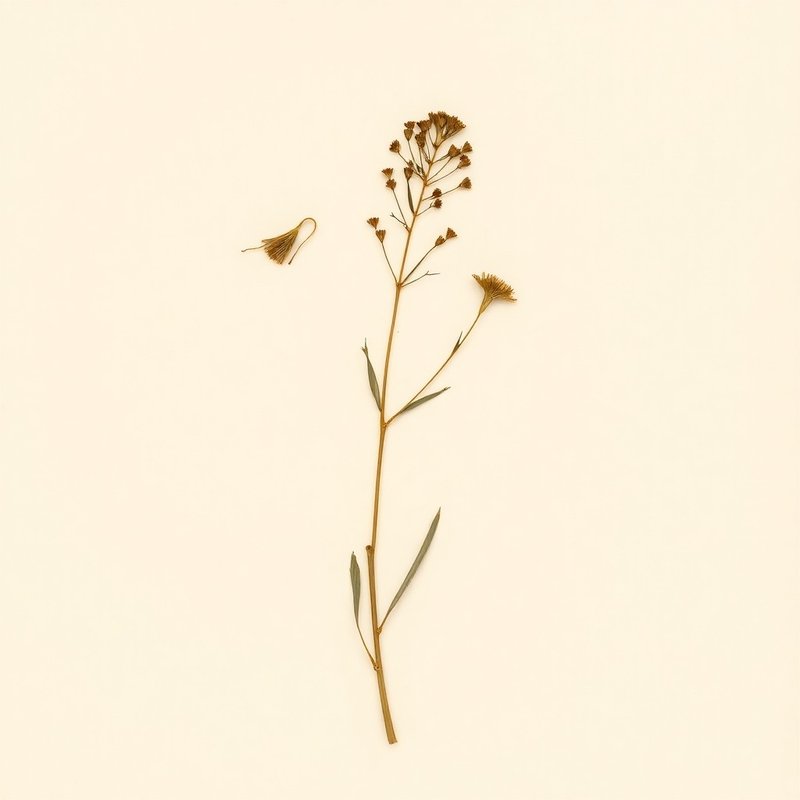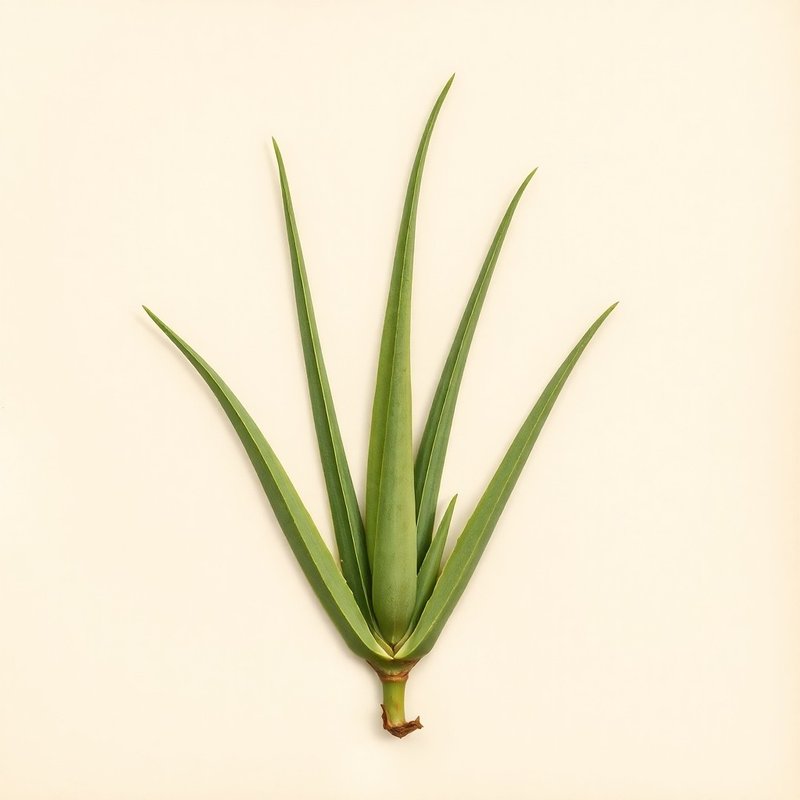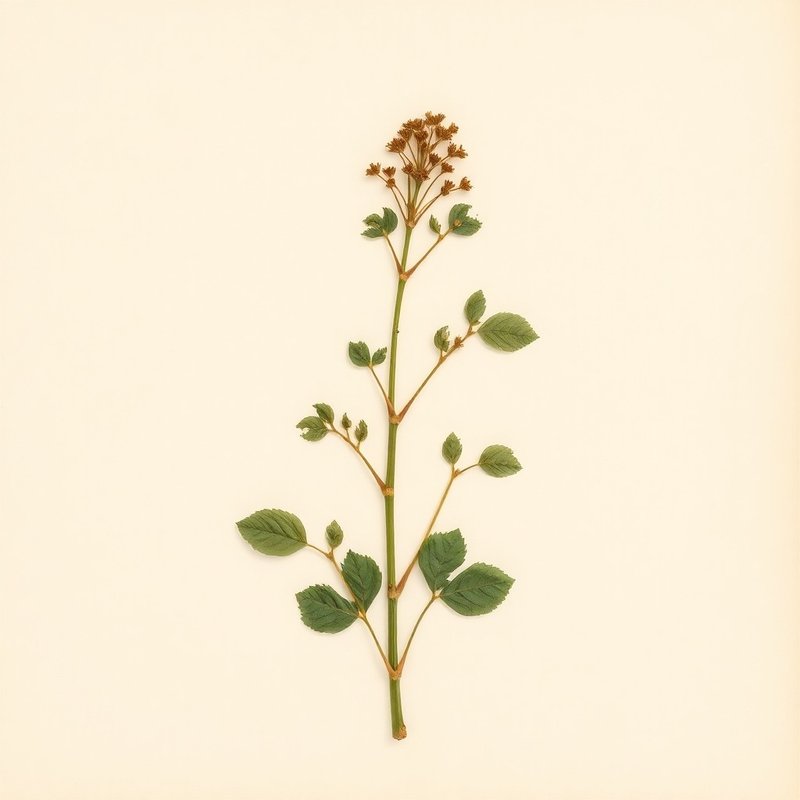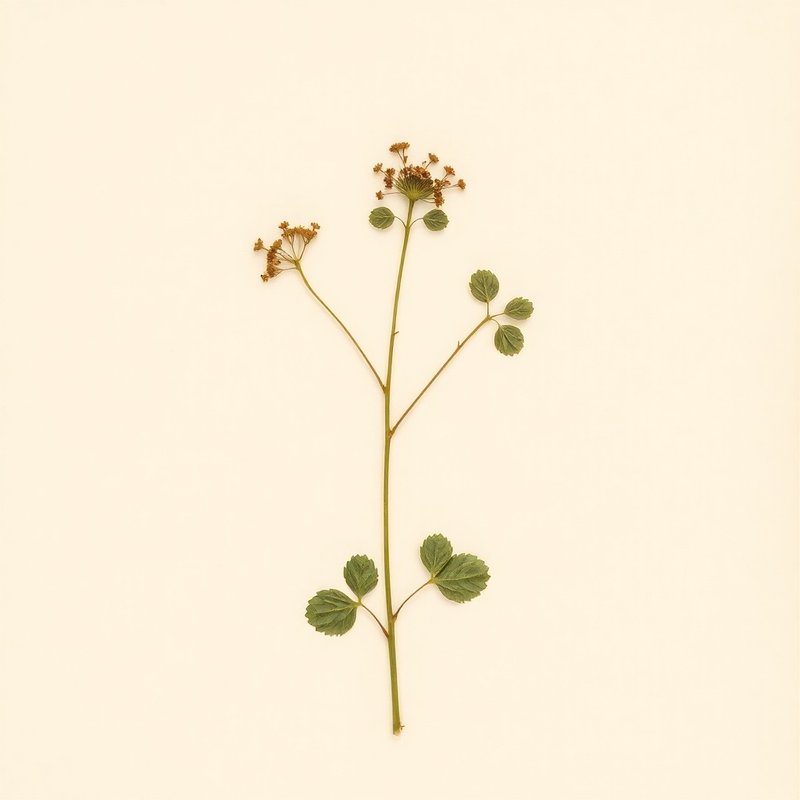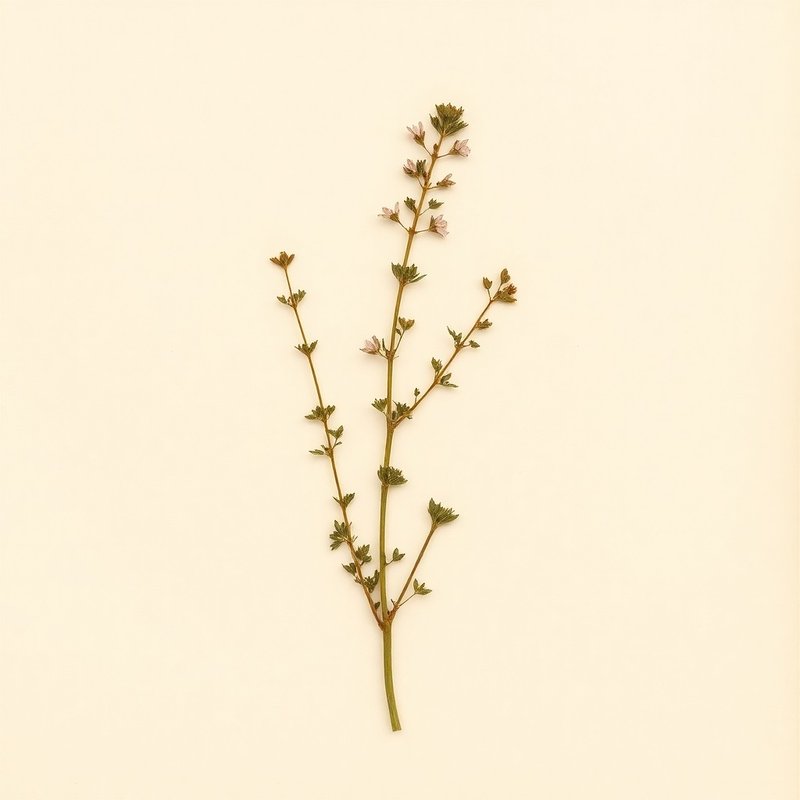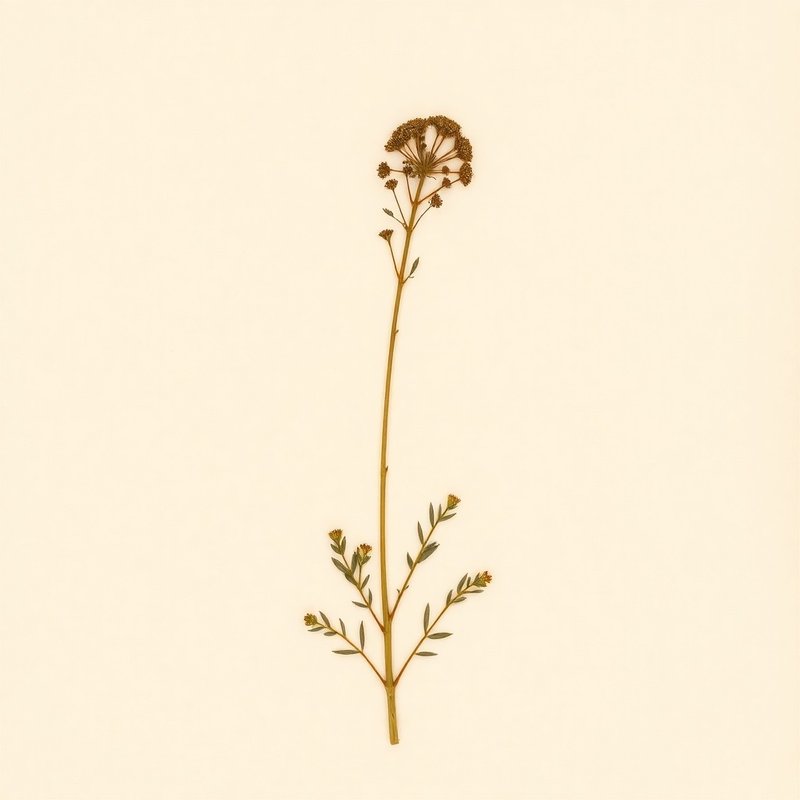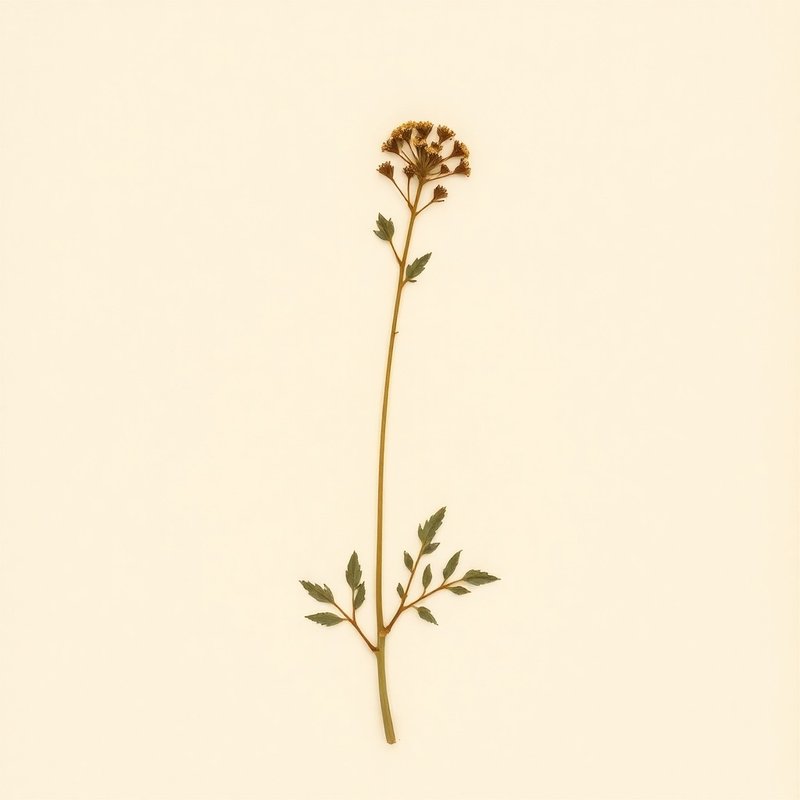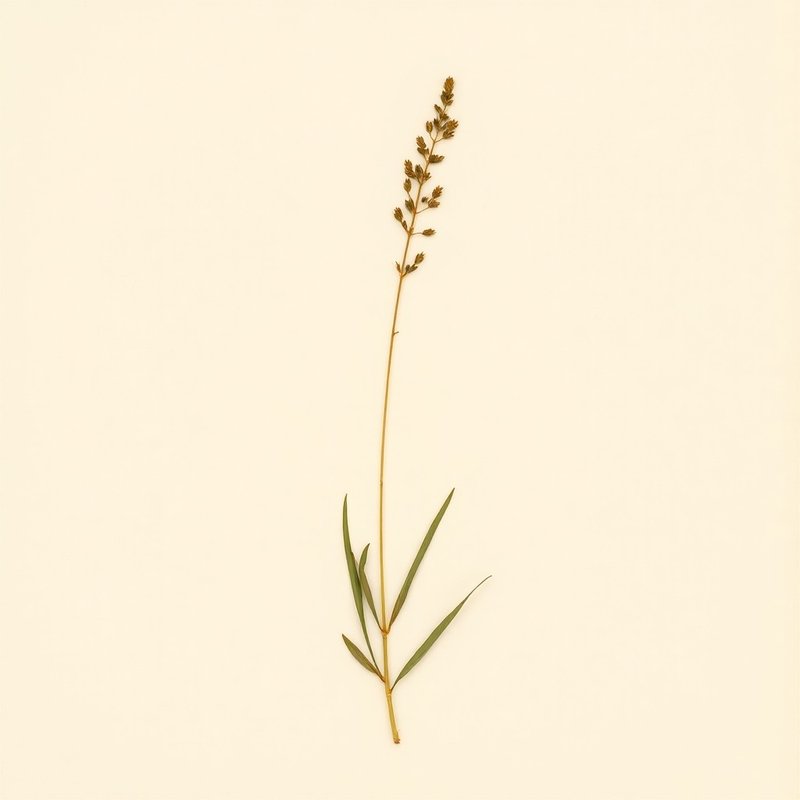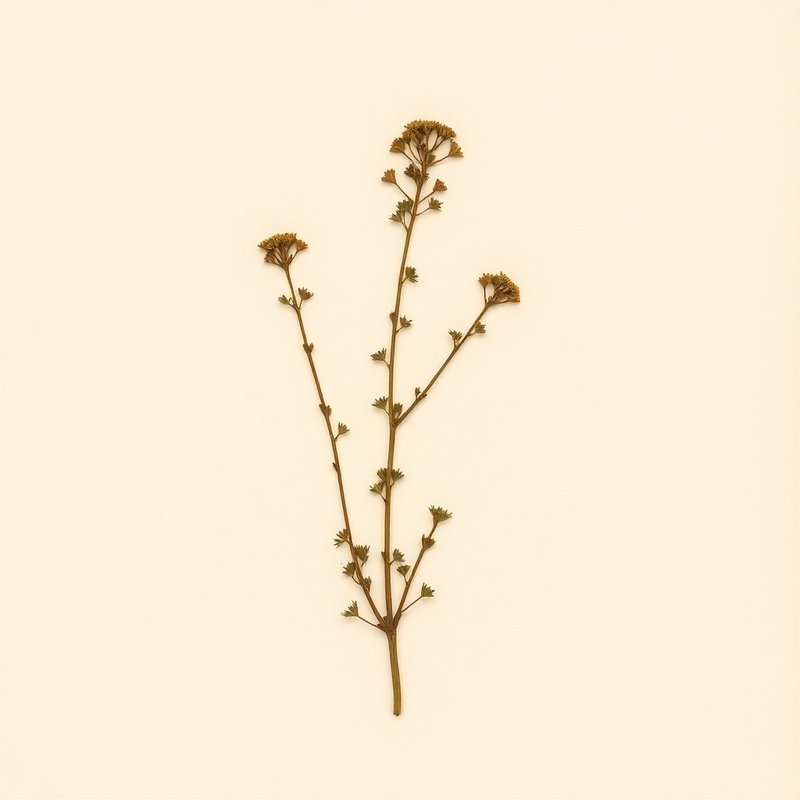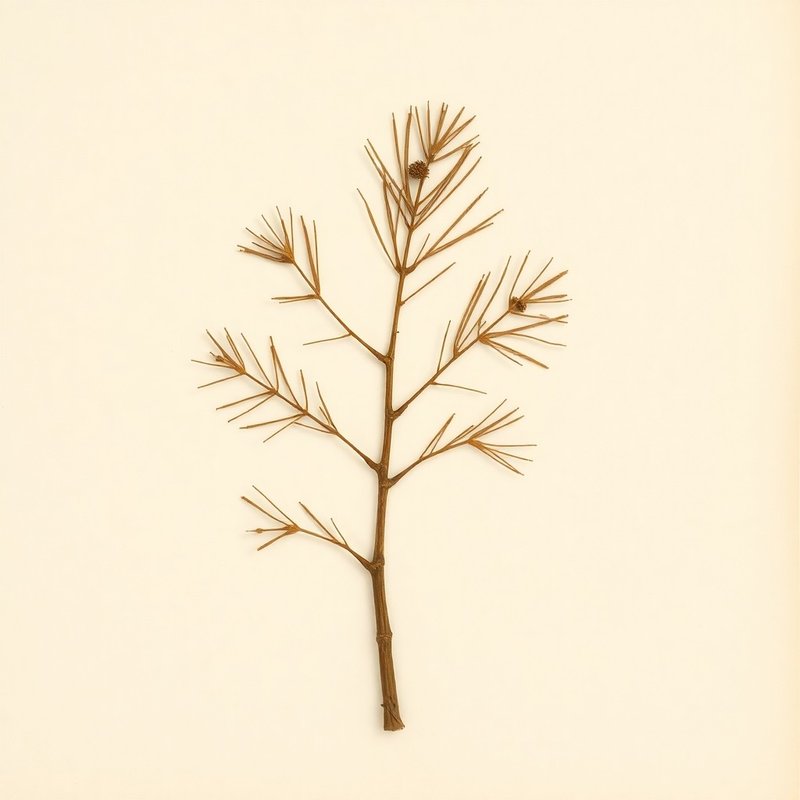
Maritime Pine is one of the better-evidenced choices for Topical & skin — 0 cited references including robust clinical evidence. Effect size d=0.30 (small). Traditional context only.
Confidence
high
Safety
no major flags
We catalogue 221 plants traditionally used or clinically studied for Topical & skin. Each entry shows its mechanism and evidence quality — pick by what works, not what trends.
Ranked by confidence × effect-size × evidence count. These are the plants we'd reach for first for Topical & skin. Click through for the full profile.
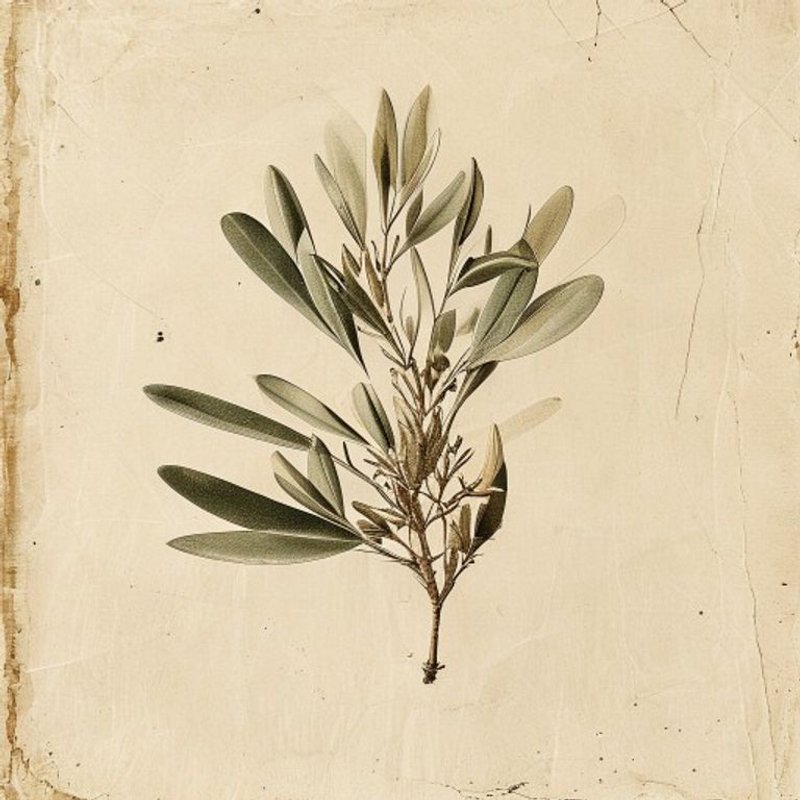
Maritime Pine is one of the better-evidenced choices for Topical & skin — 0 cited references including robust clinical evidence. Effect size d=0.30 (small). Traditional context only.
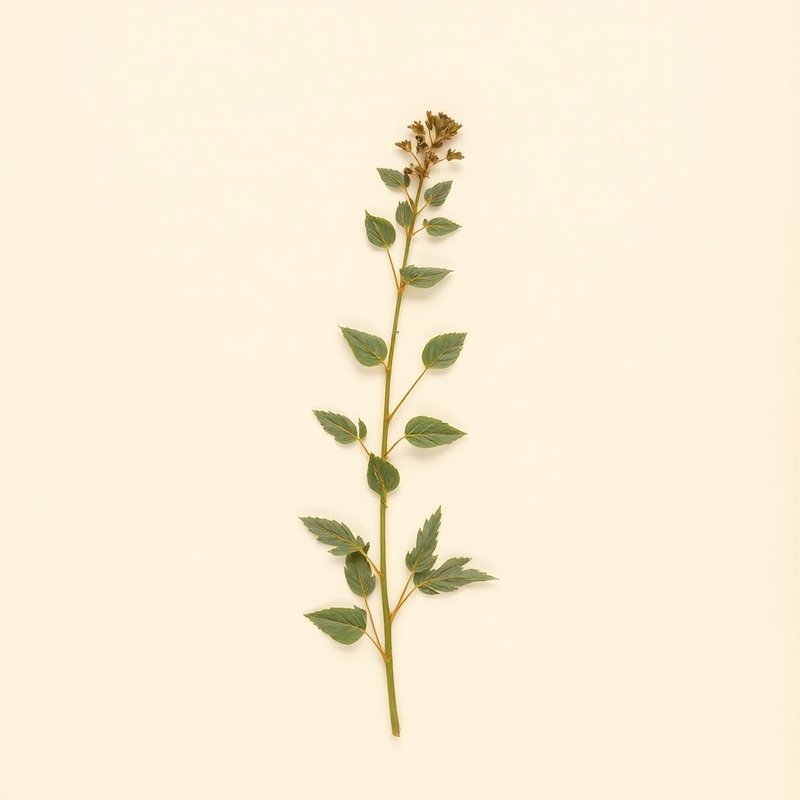
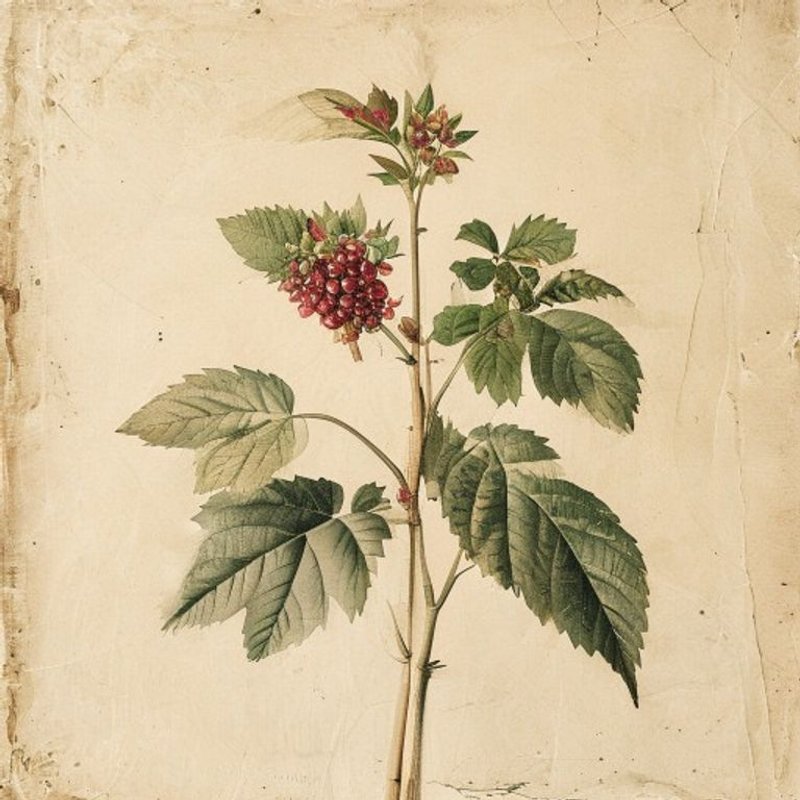
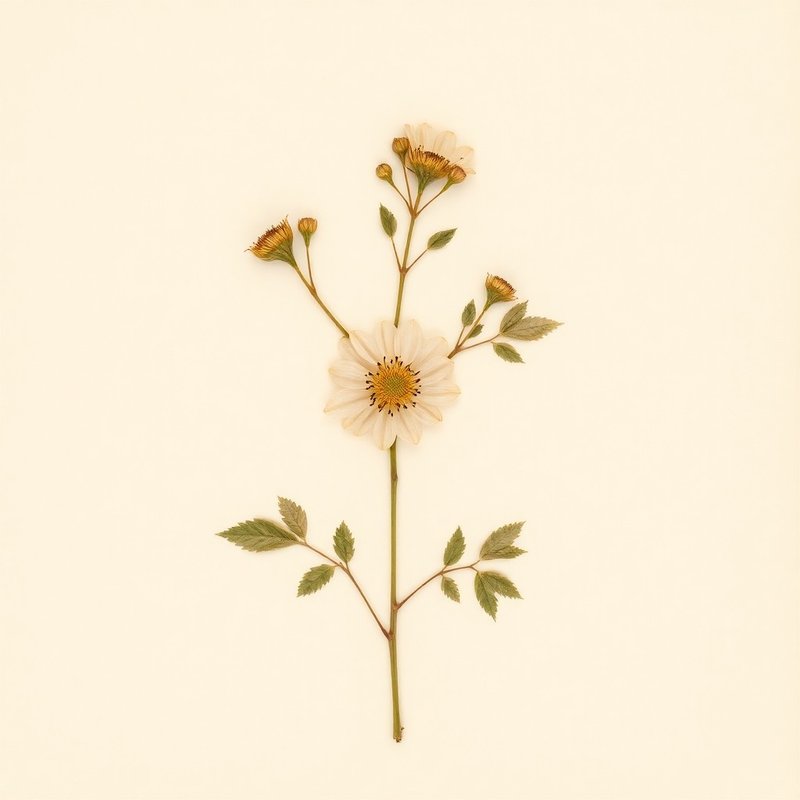
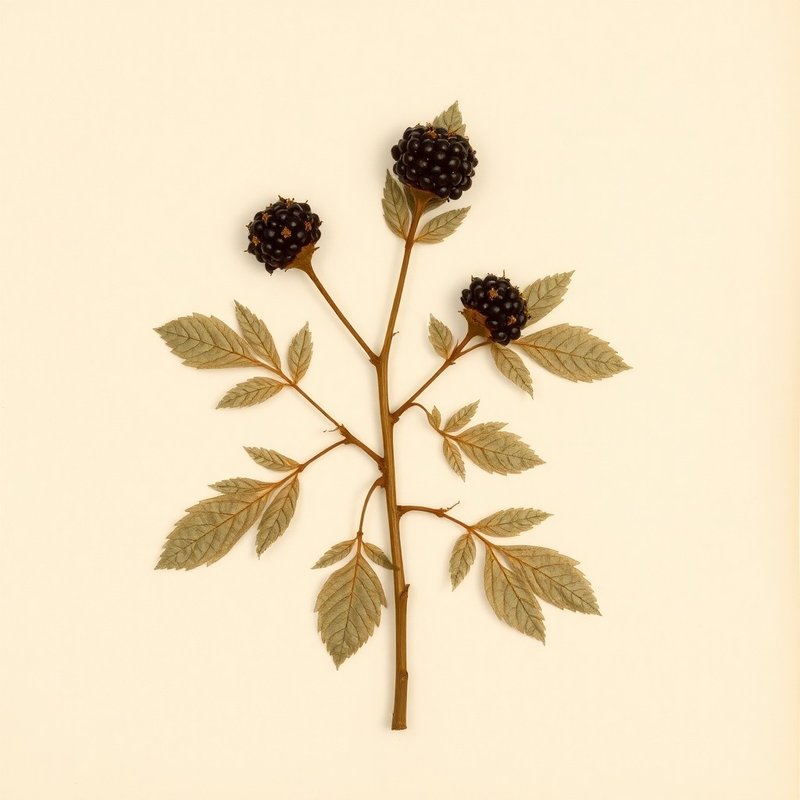
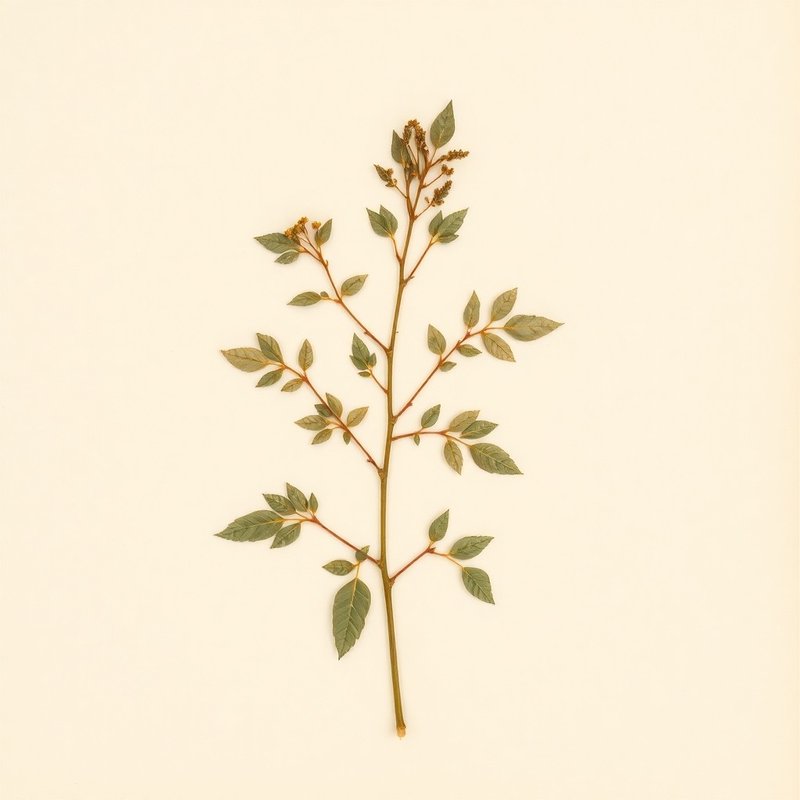
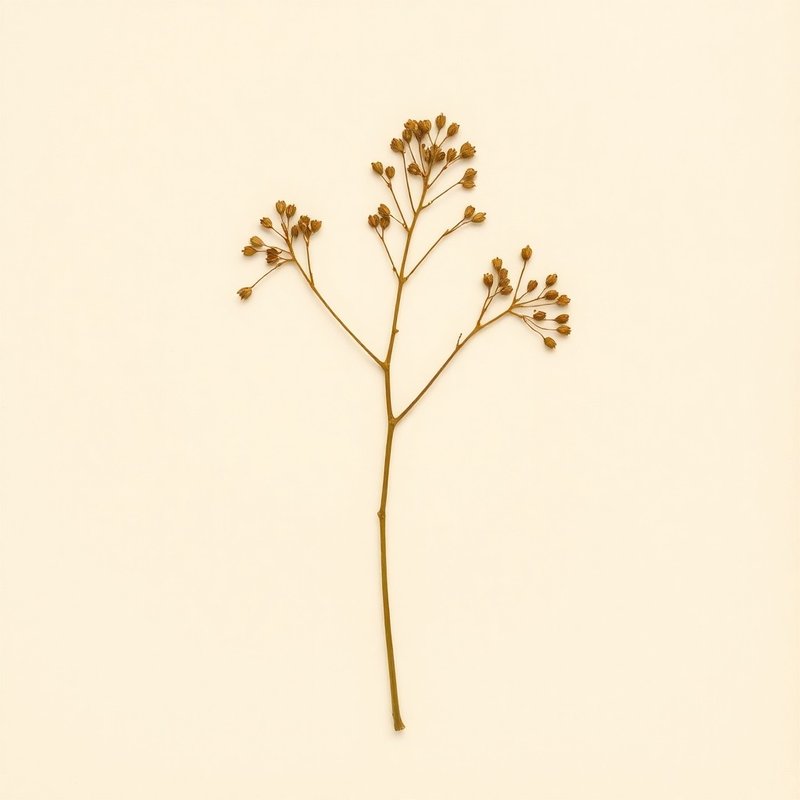
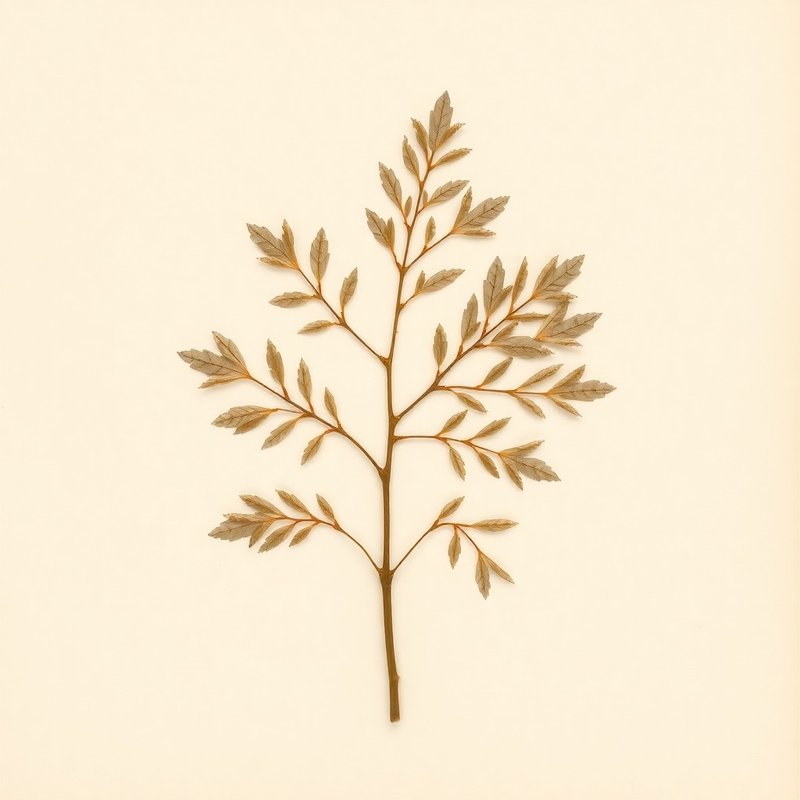
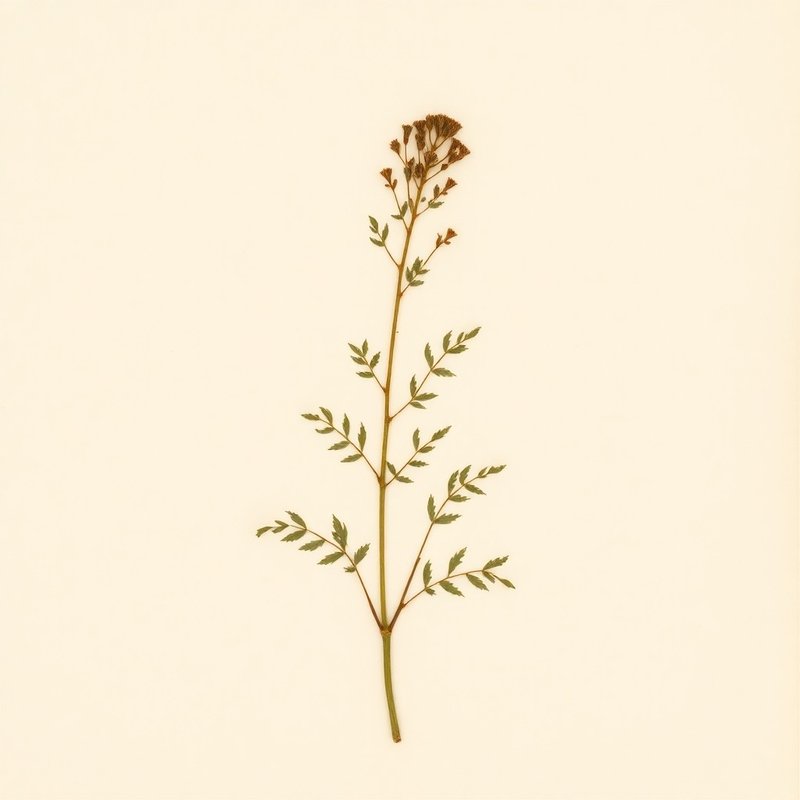
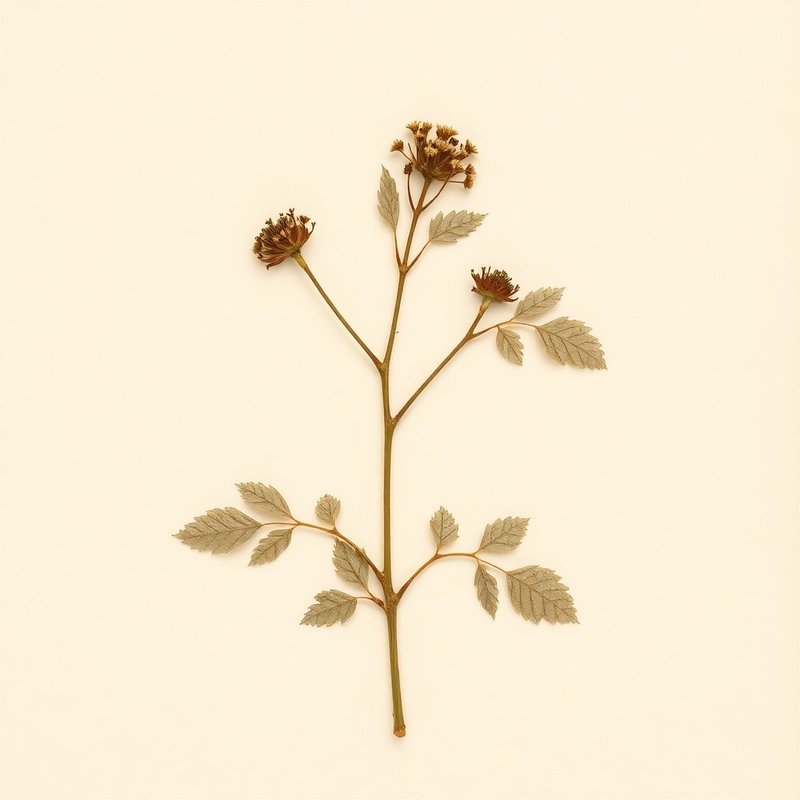
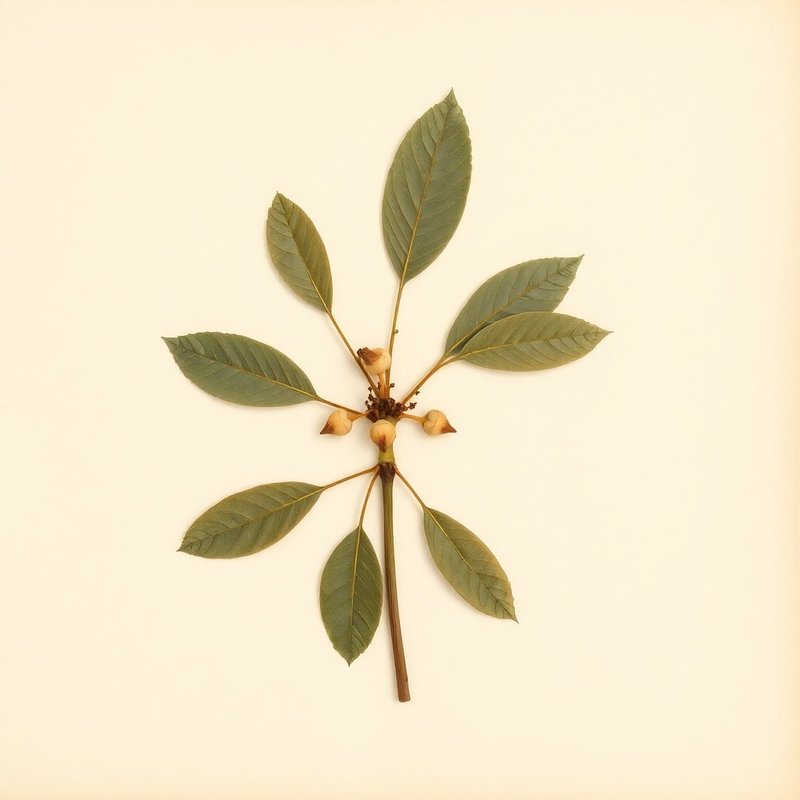
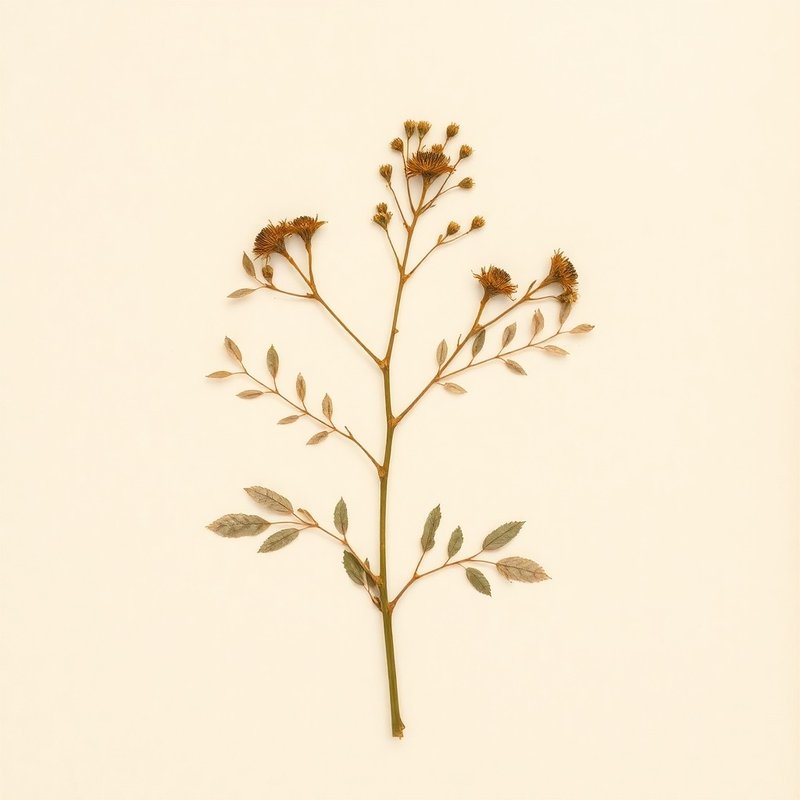
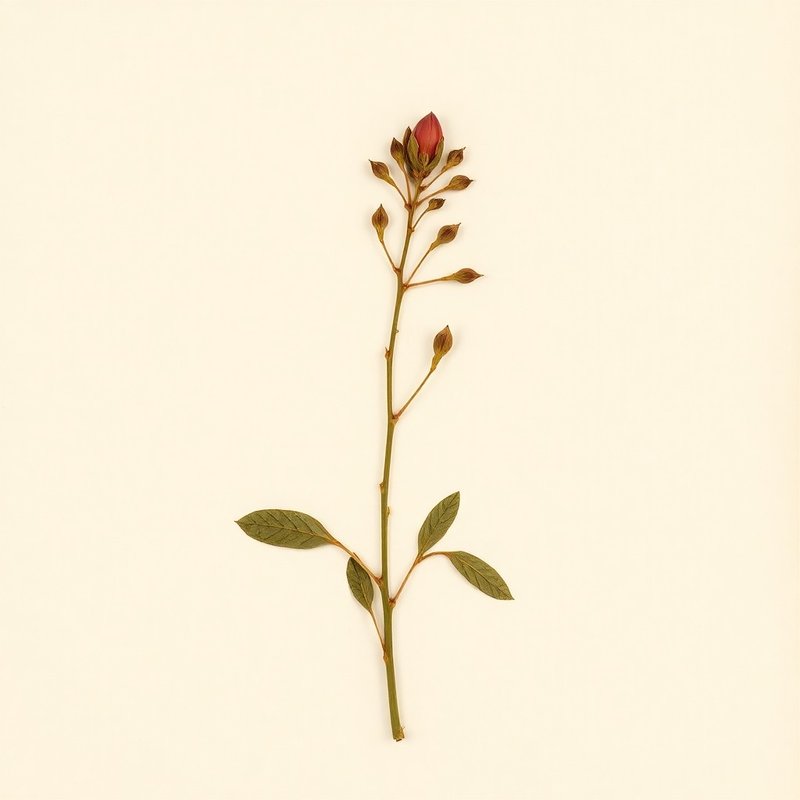
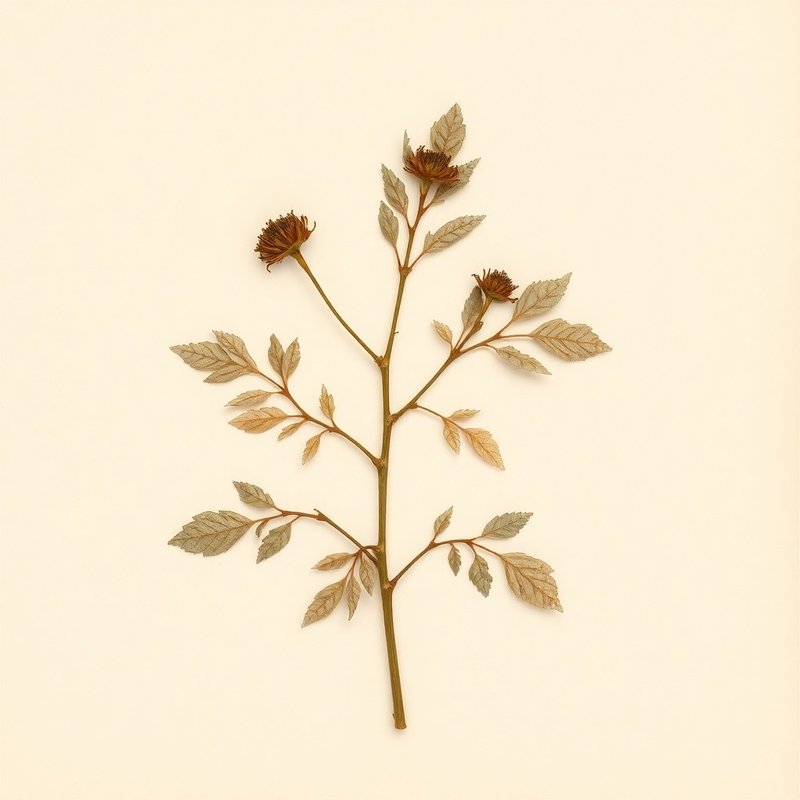
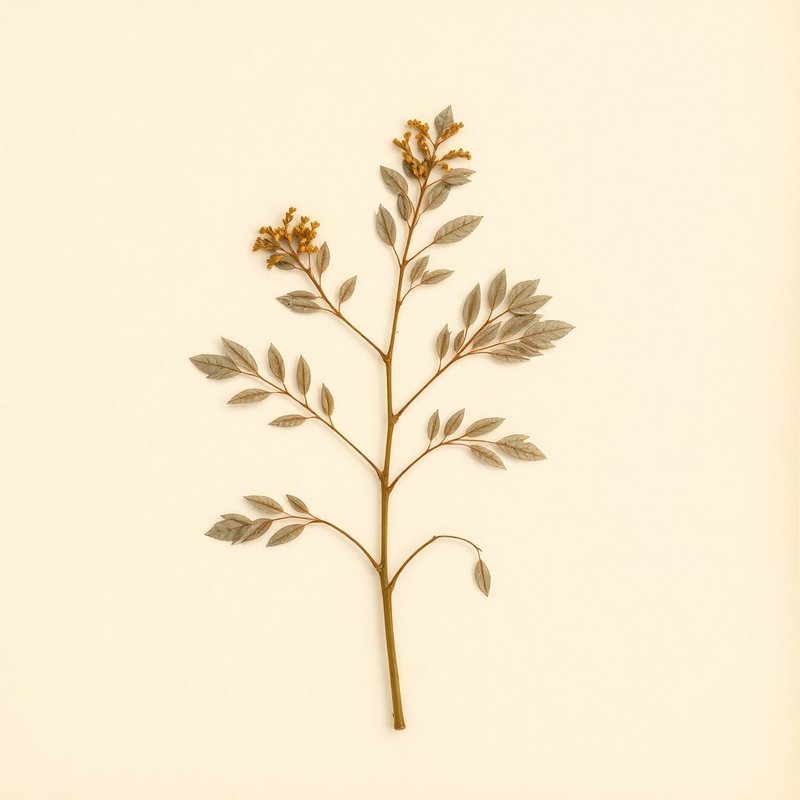
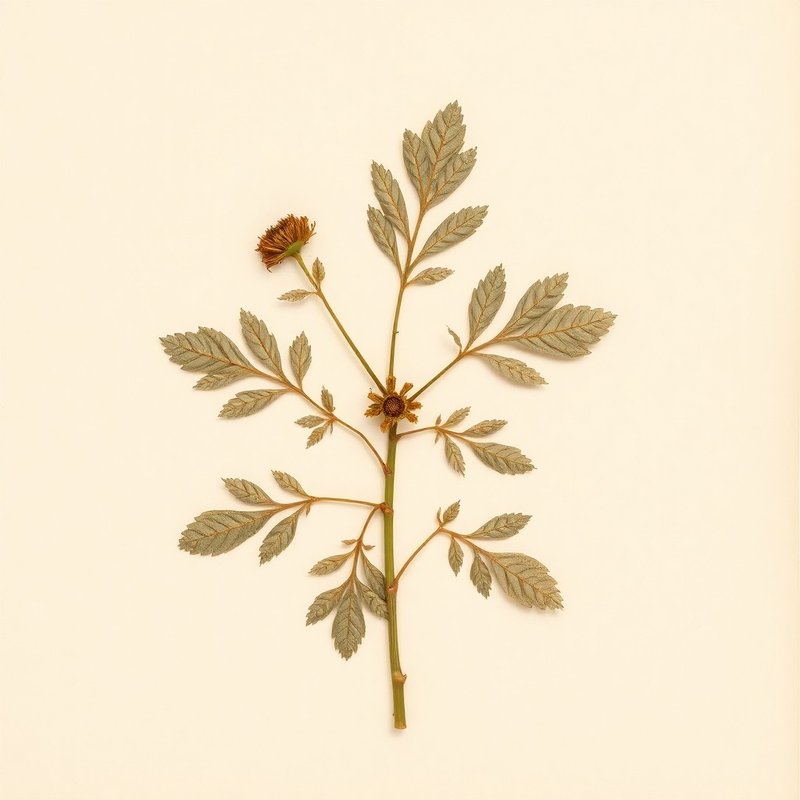
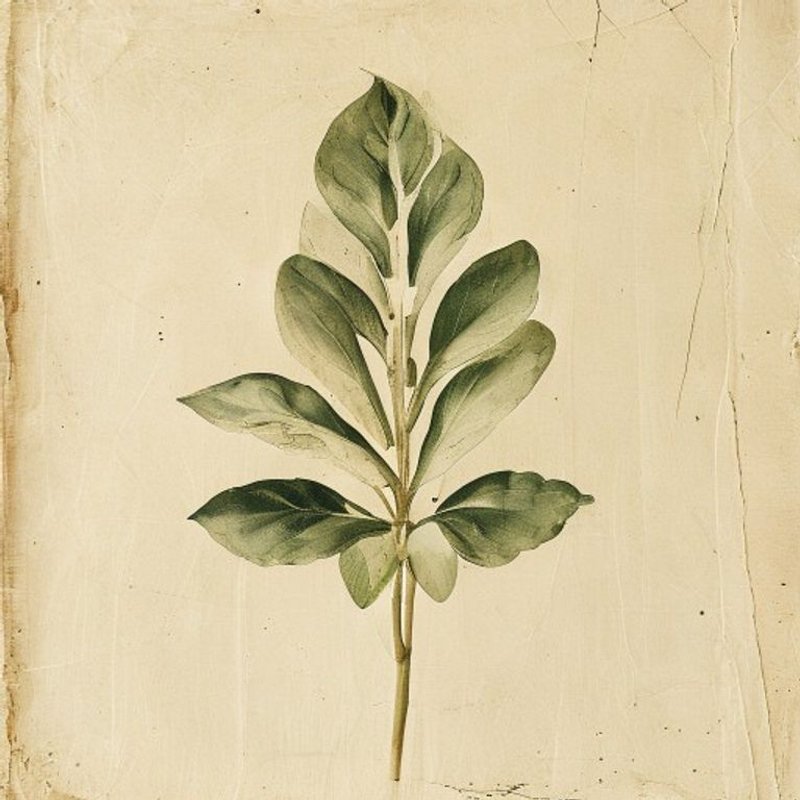
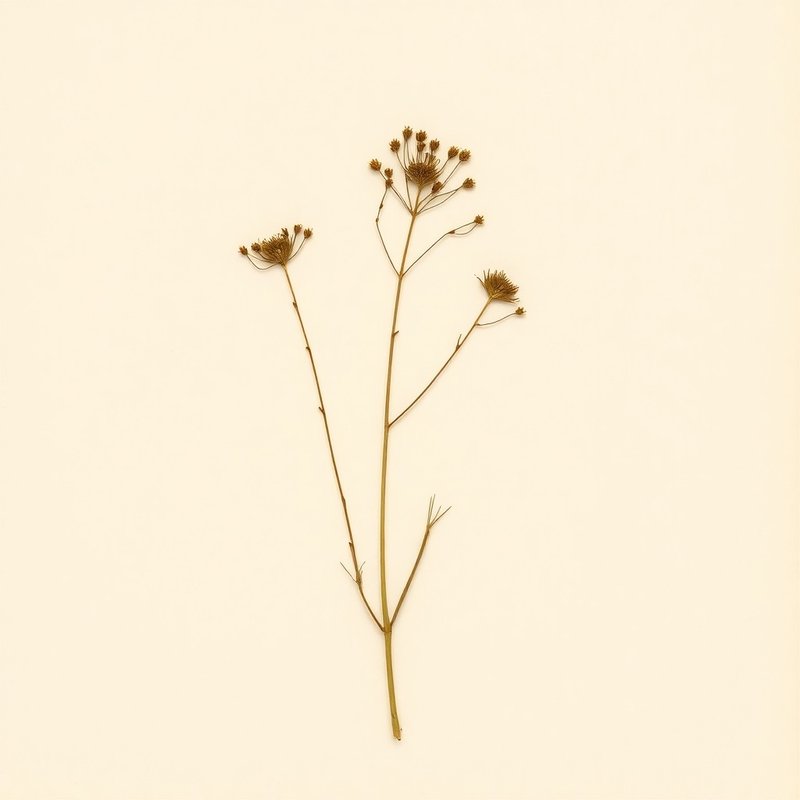
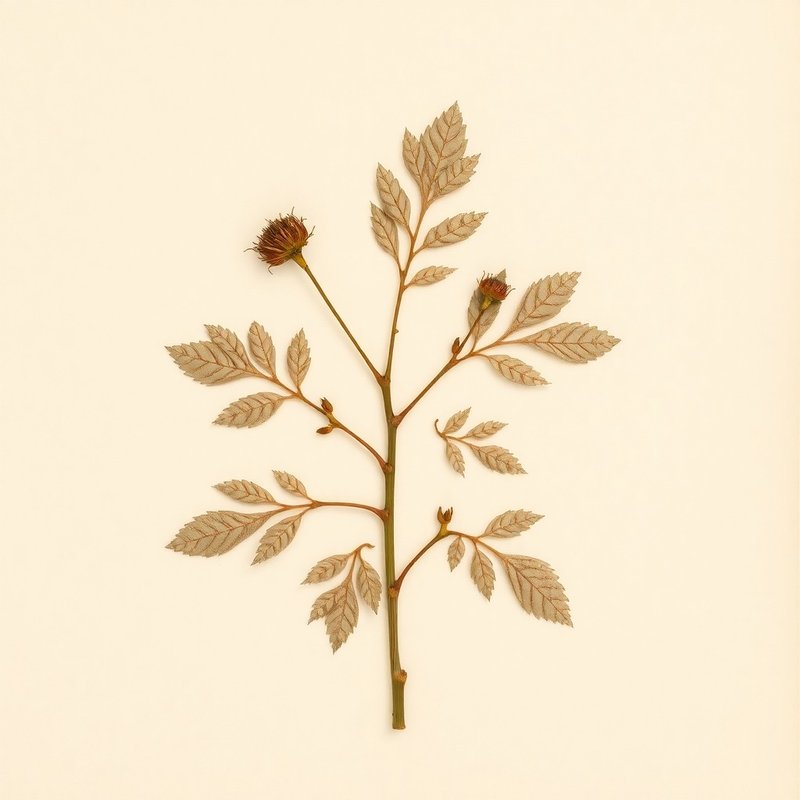
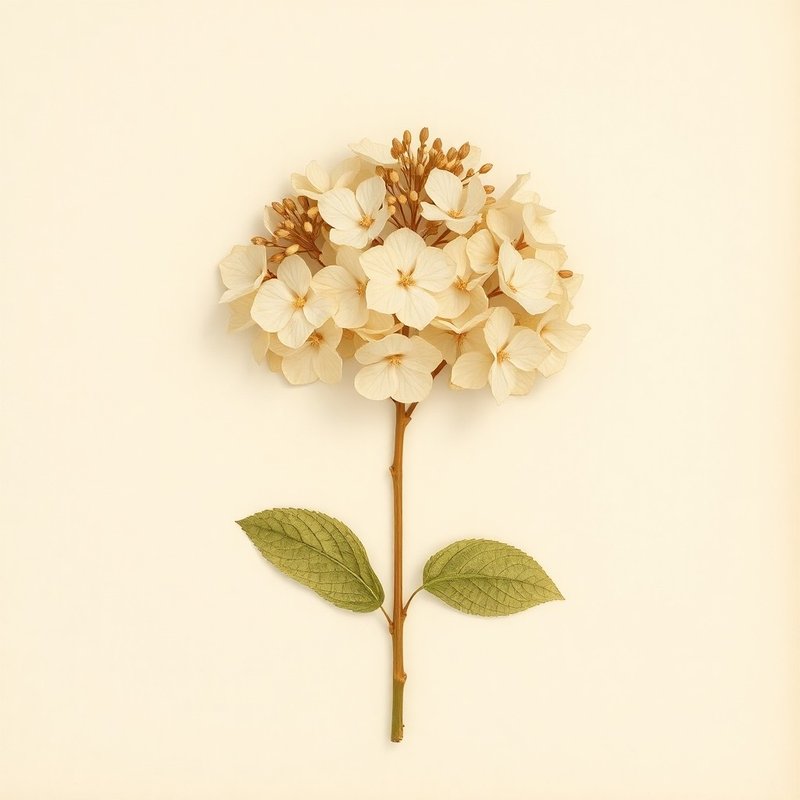
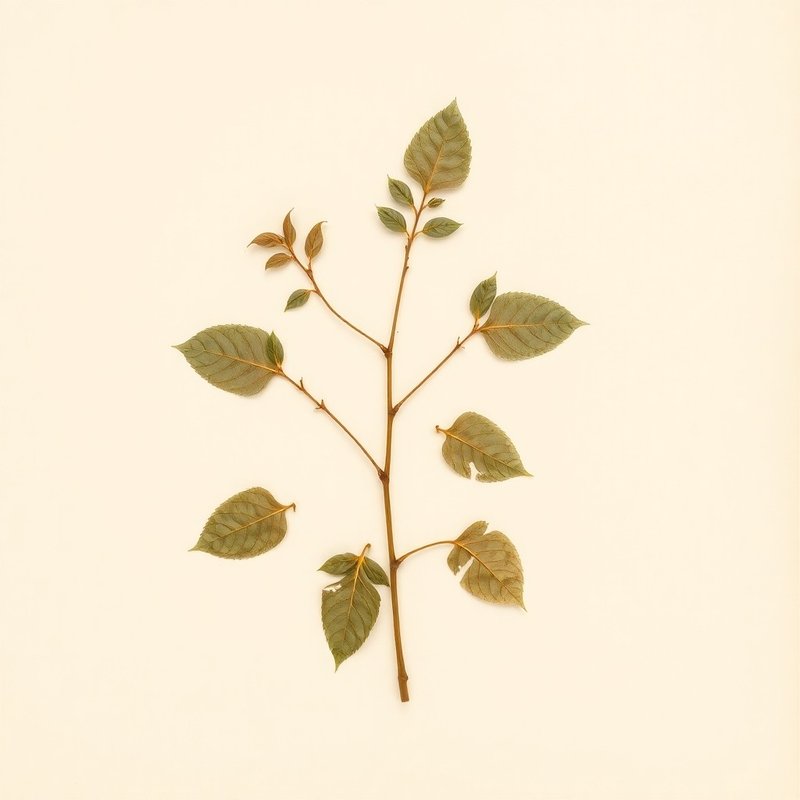
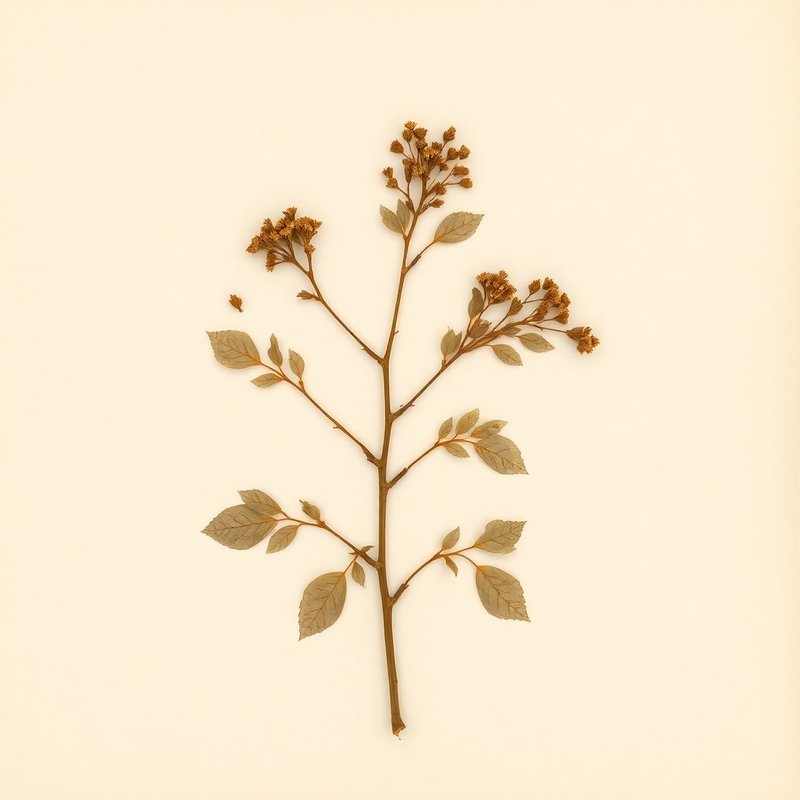
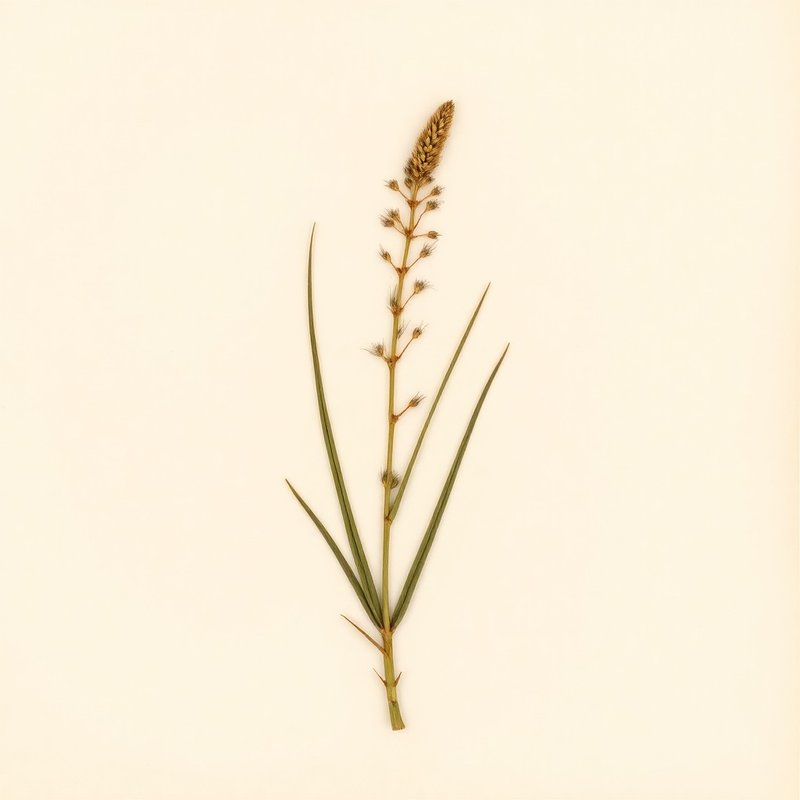
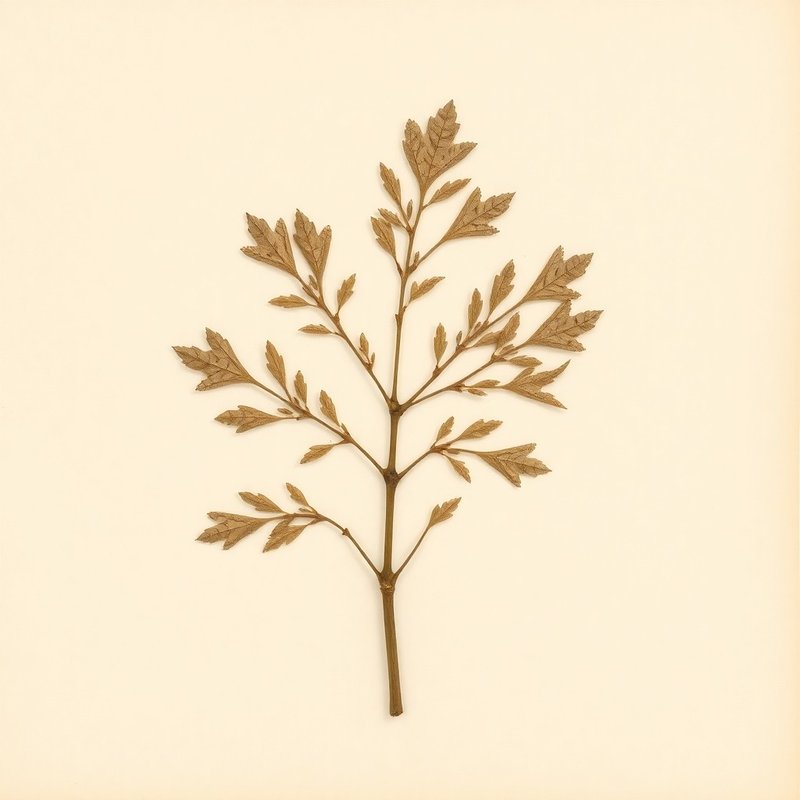
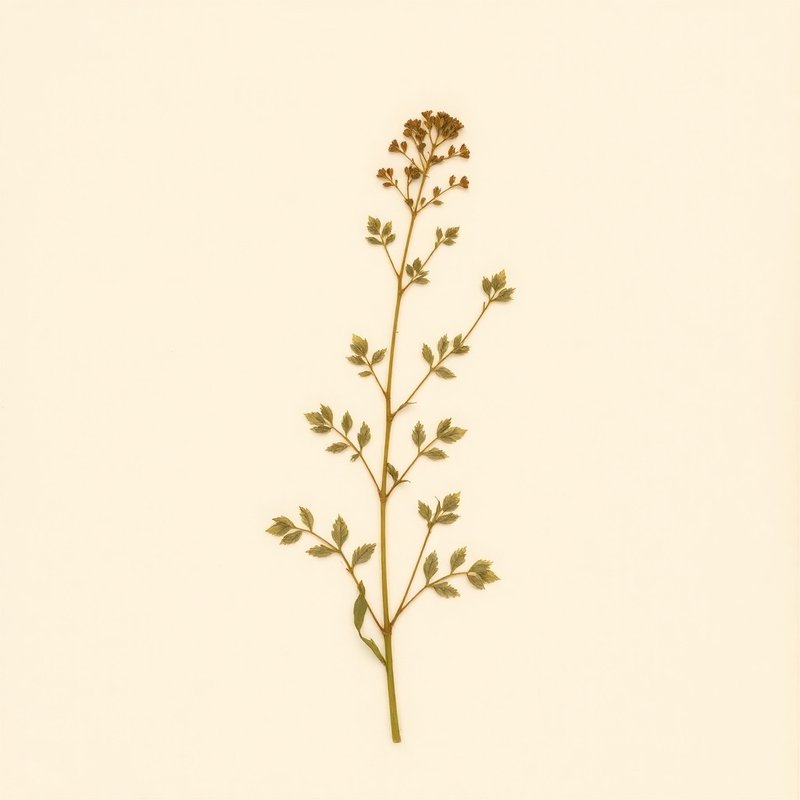
Clematis pierotii is one of the better-evidenced choices for Topical & skin — 0 cited references with moderate evidence quality. Effect size d=0.30 (small). Traditional context only.
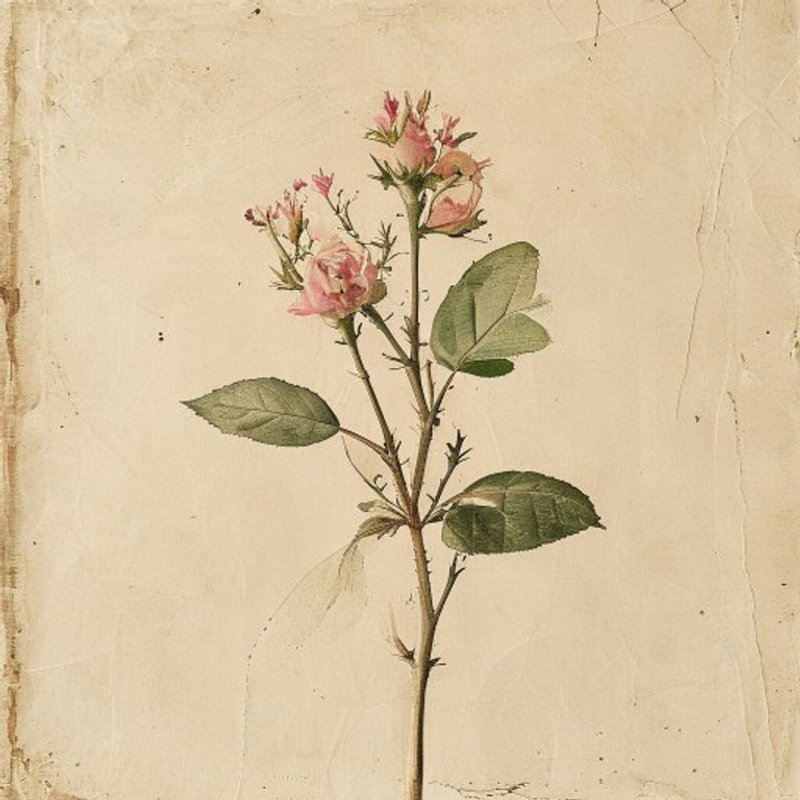
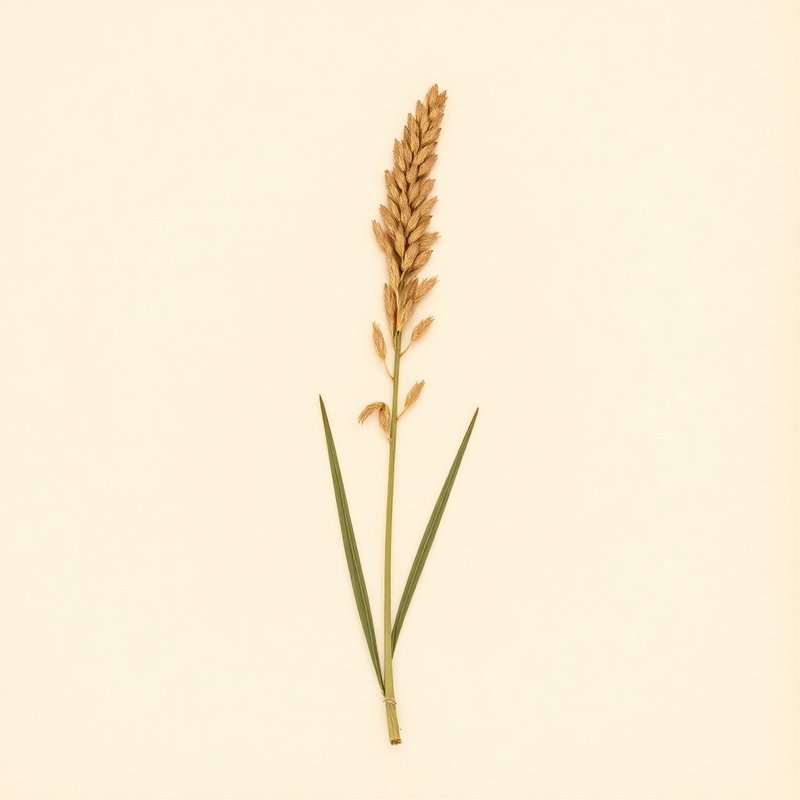
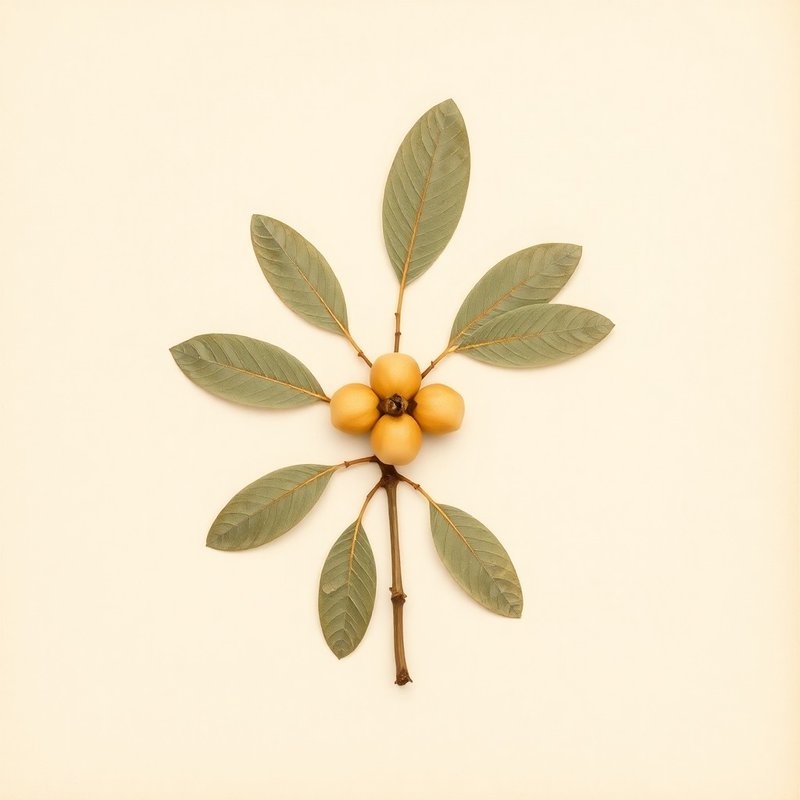
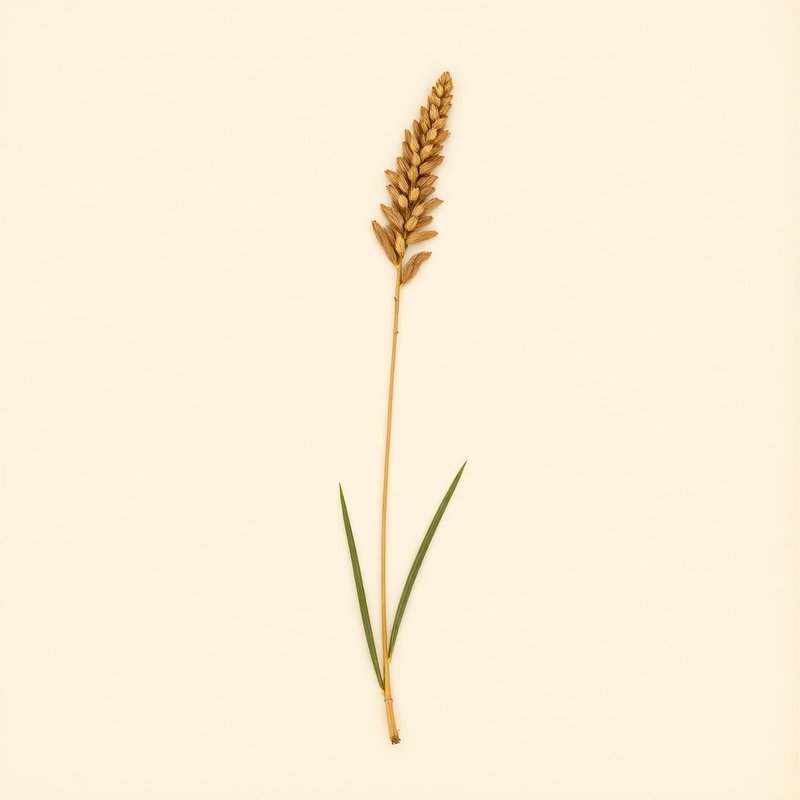
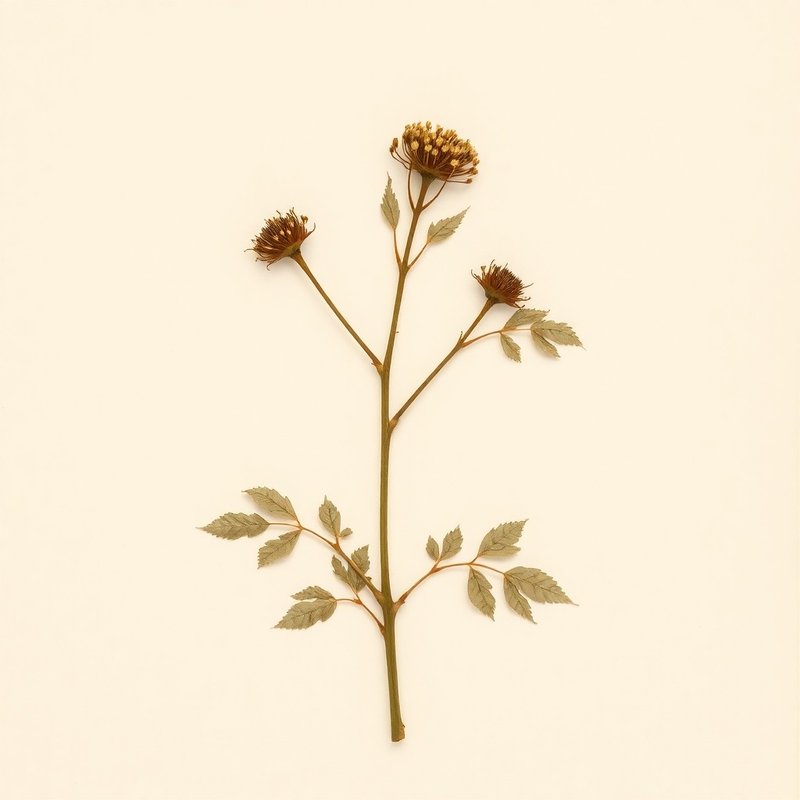
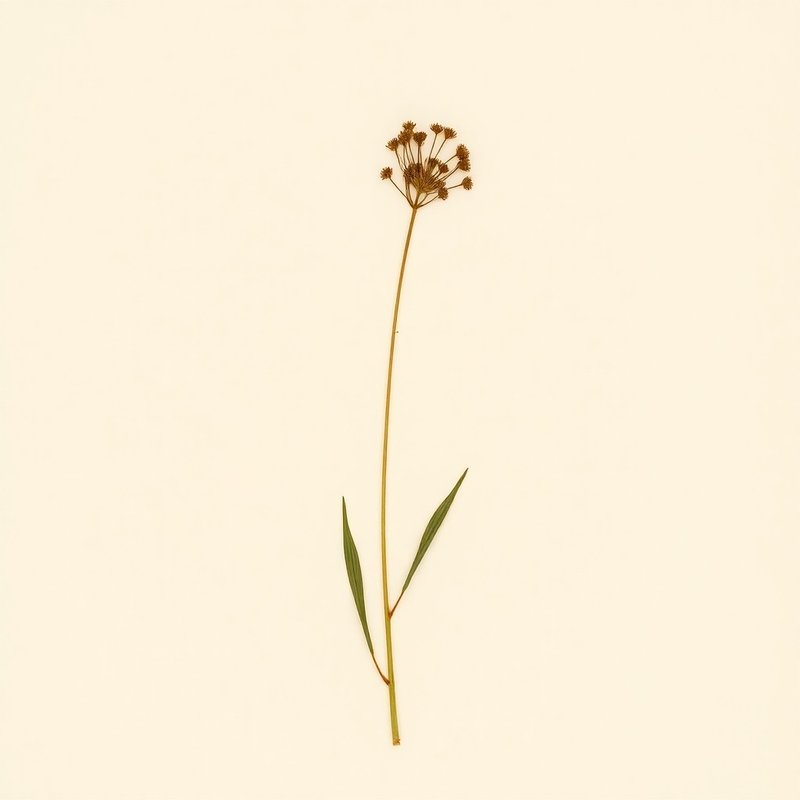
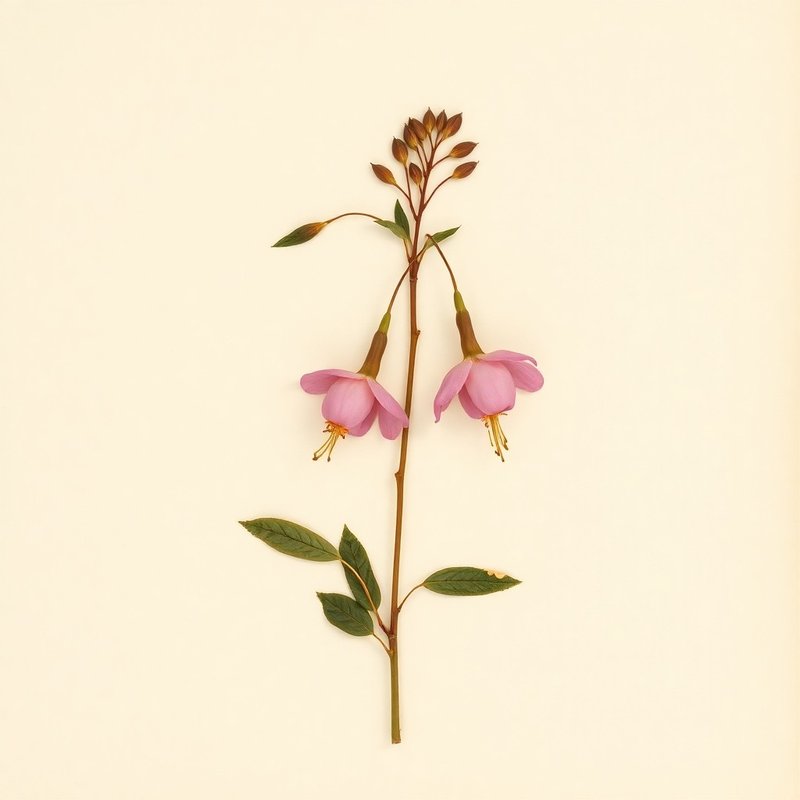
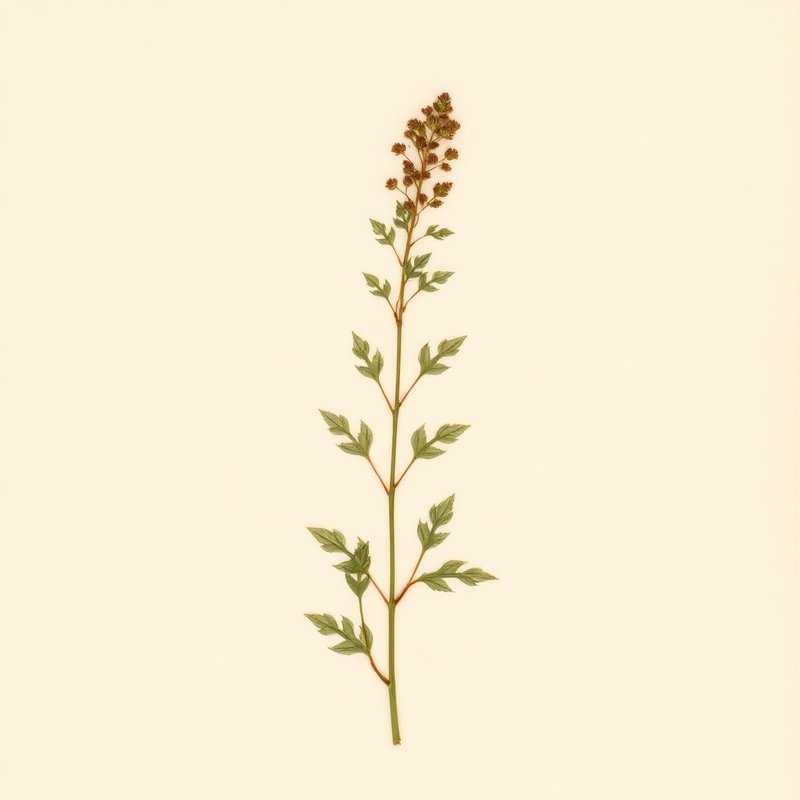
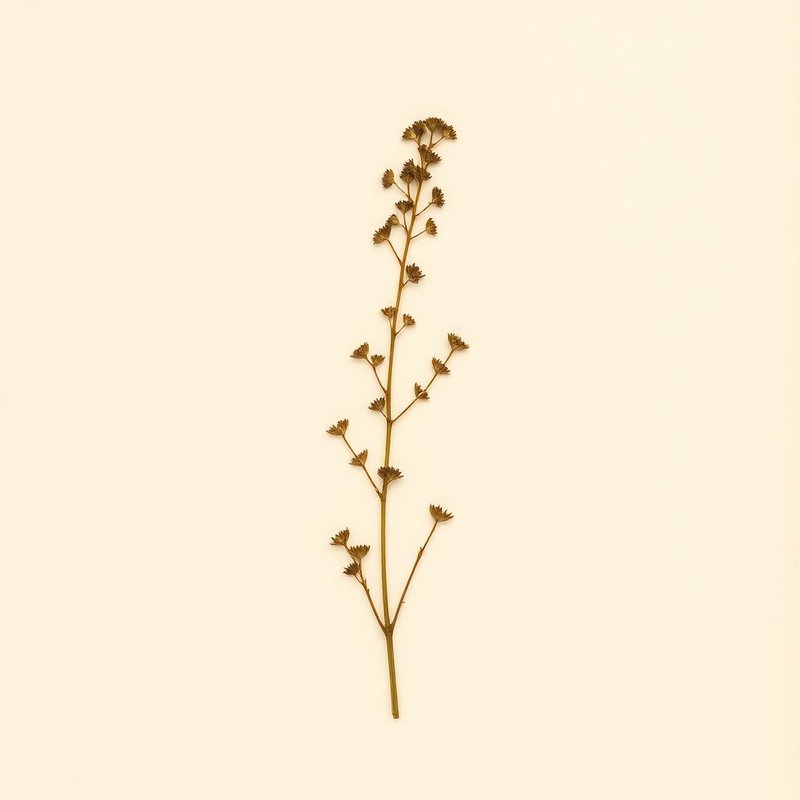
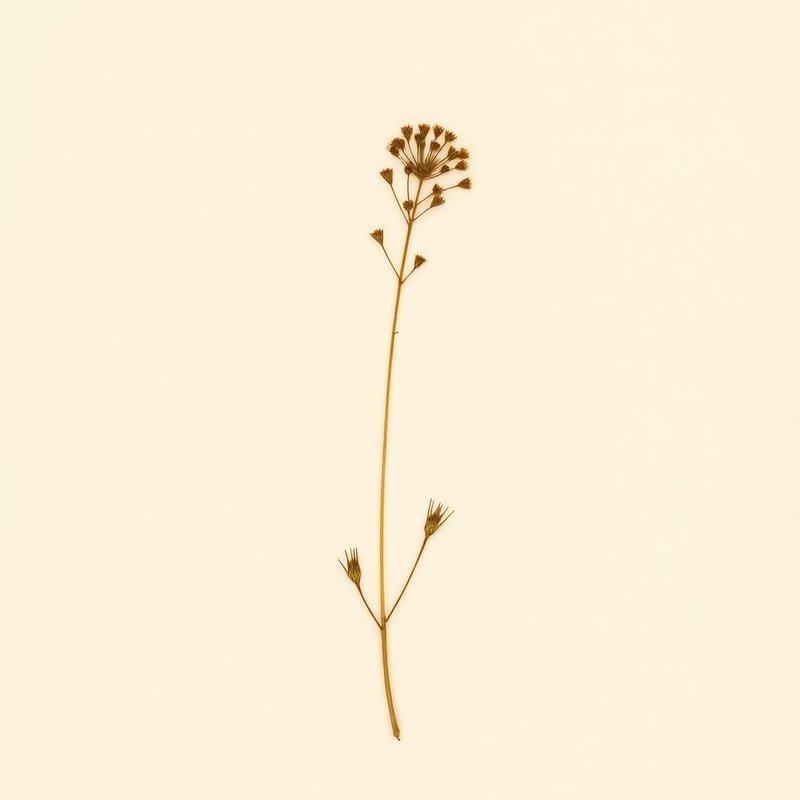
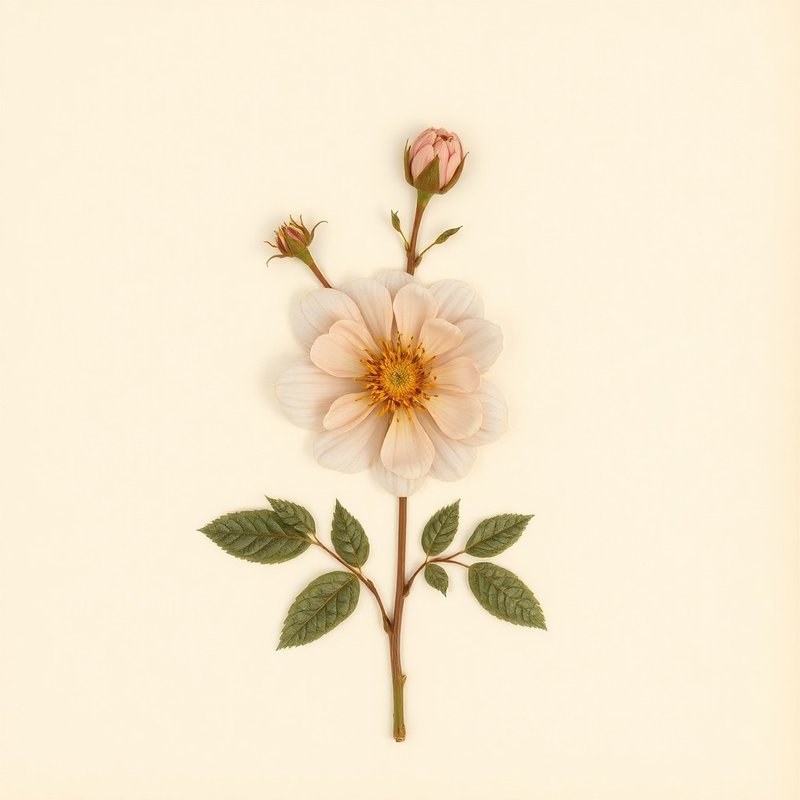
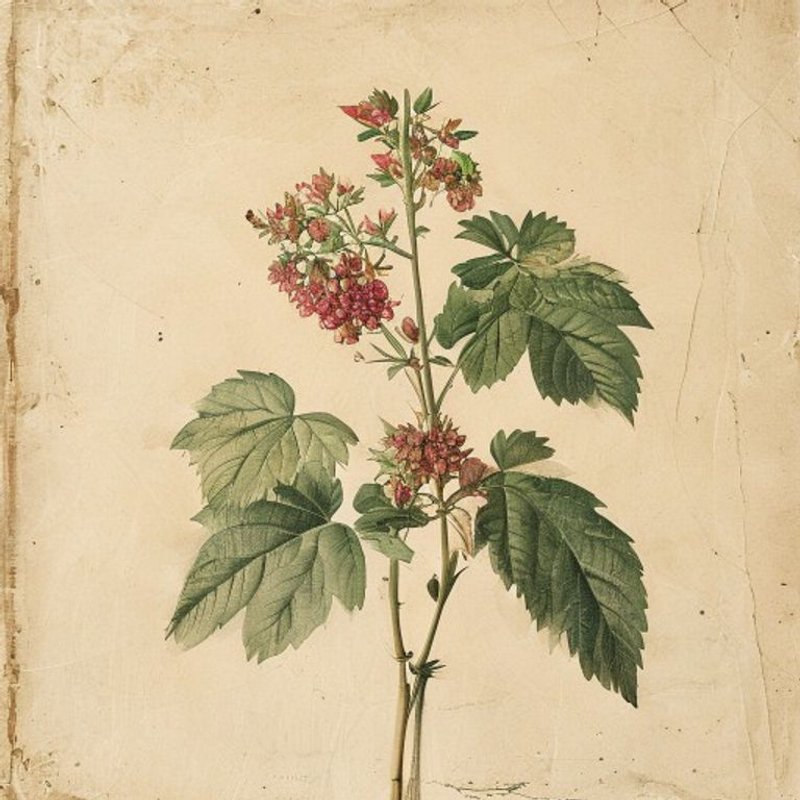
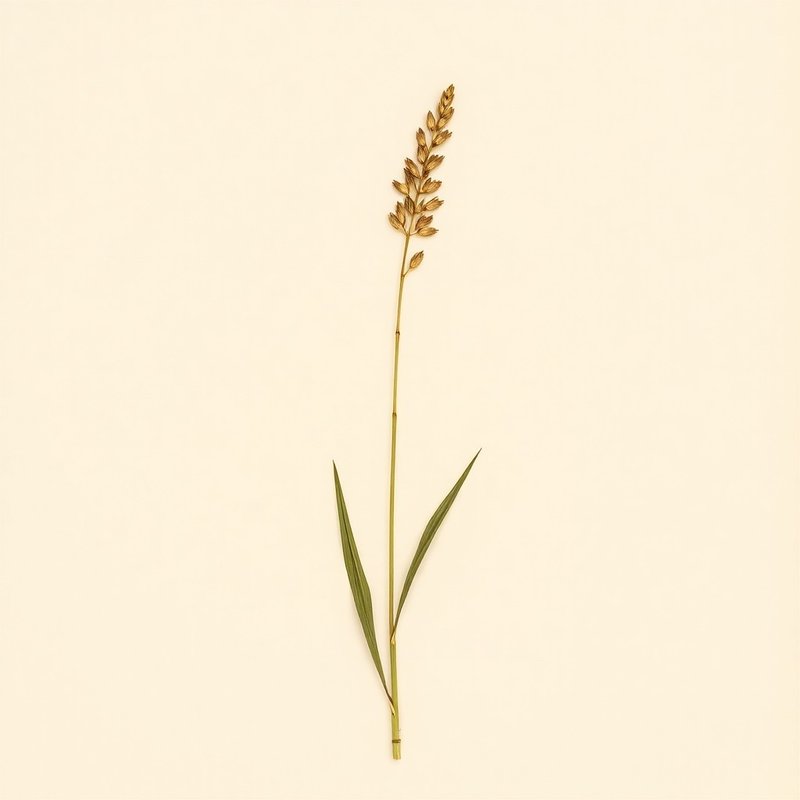
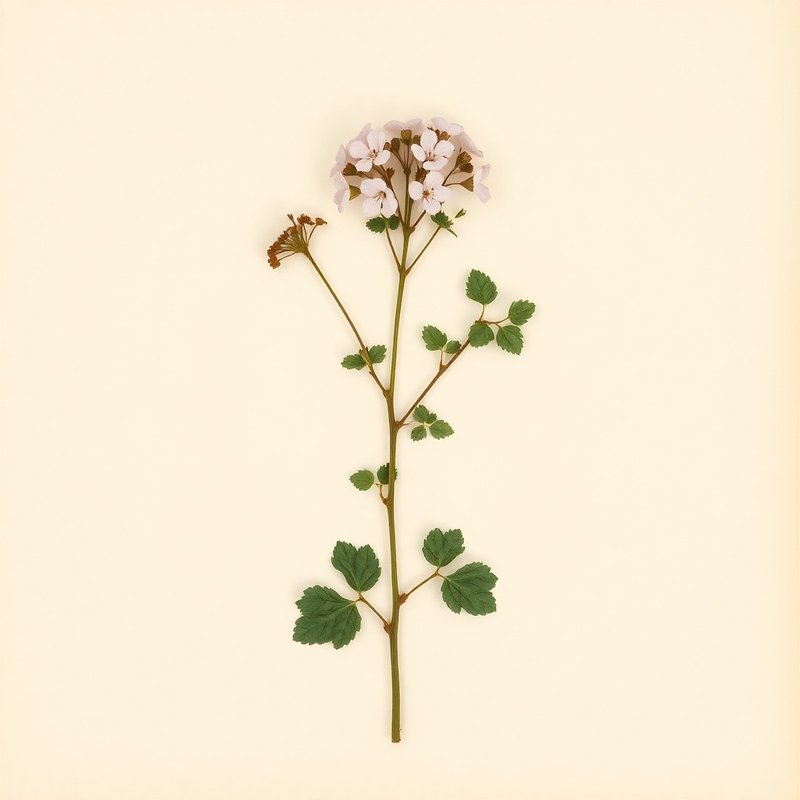
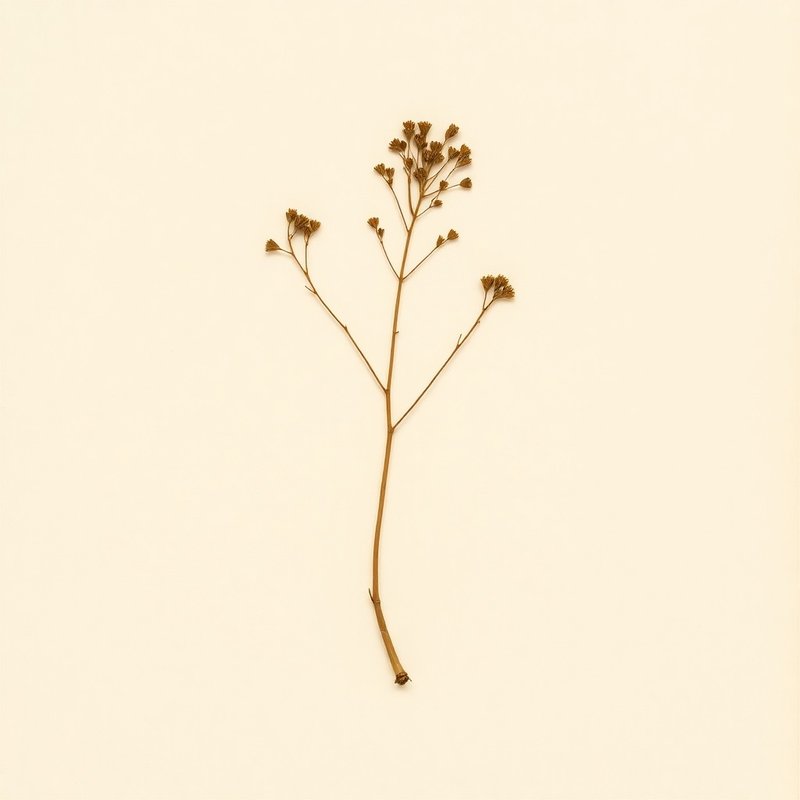
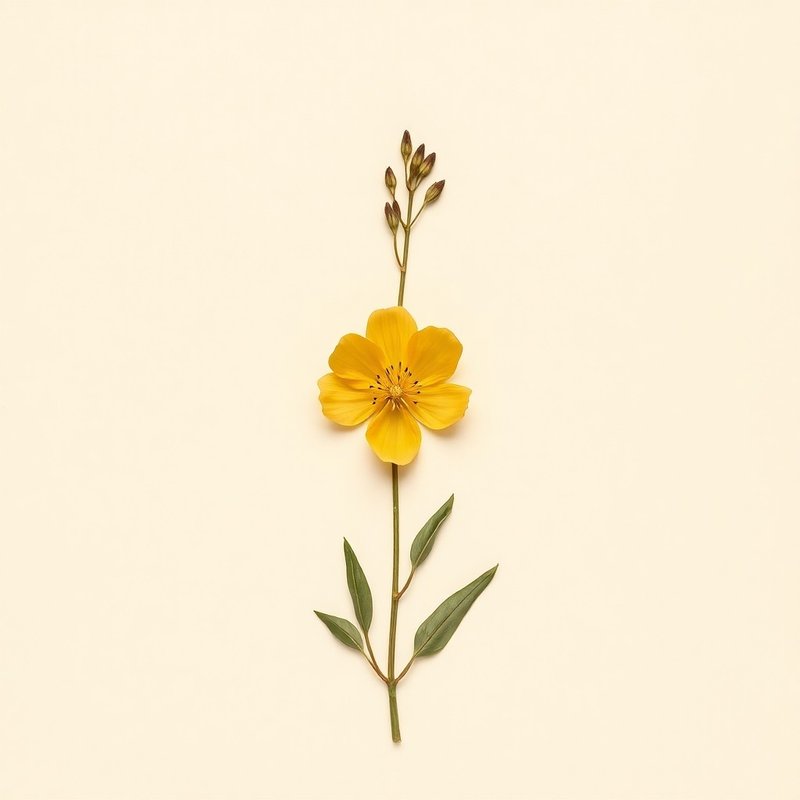
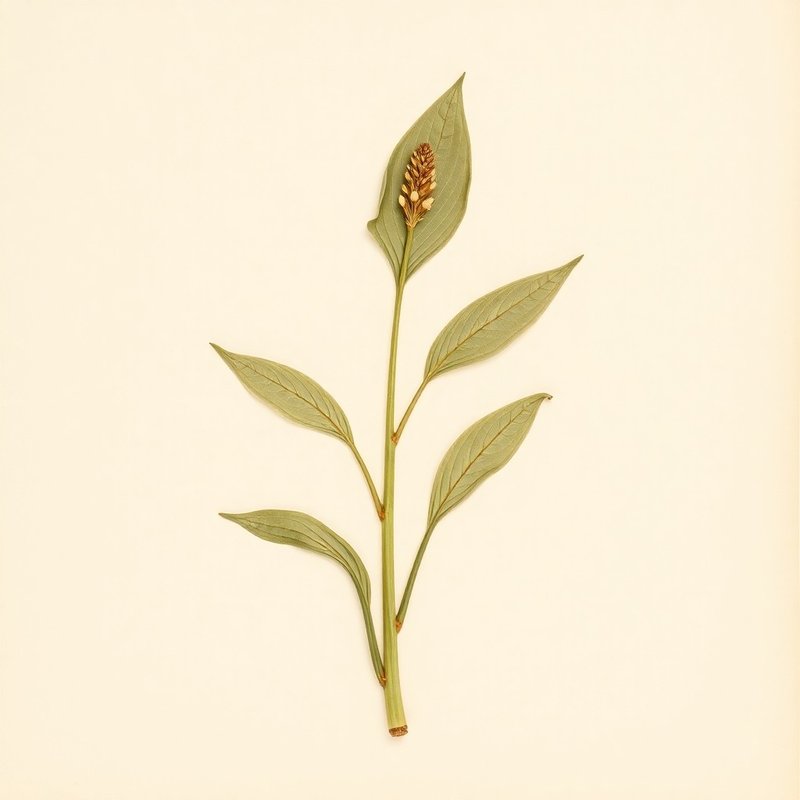
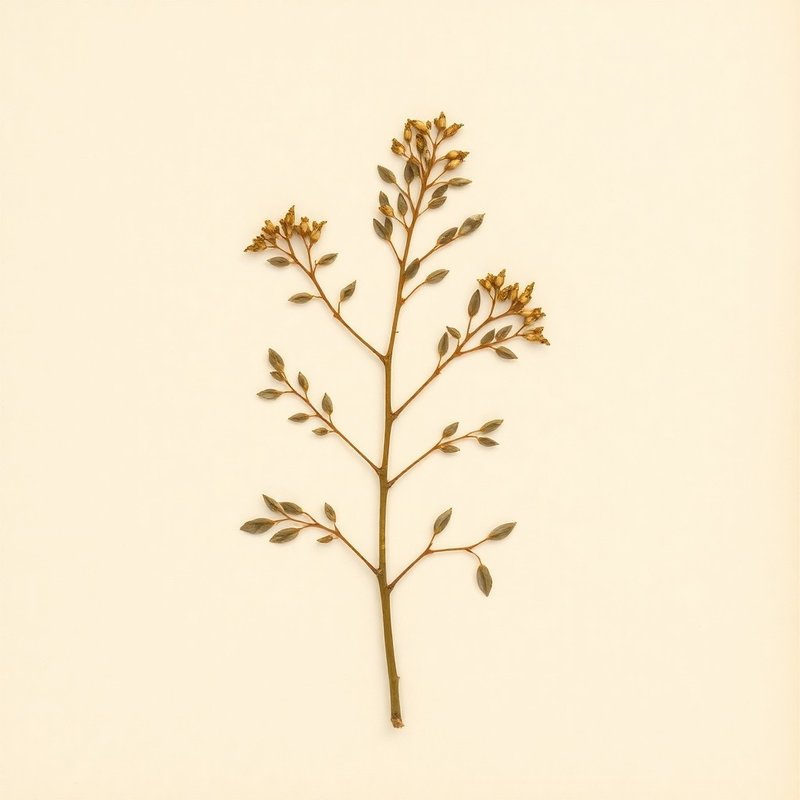
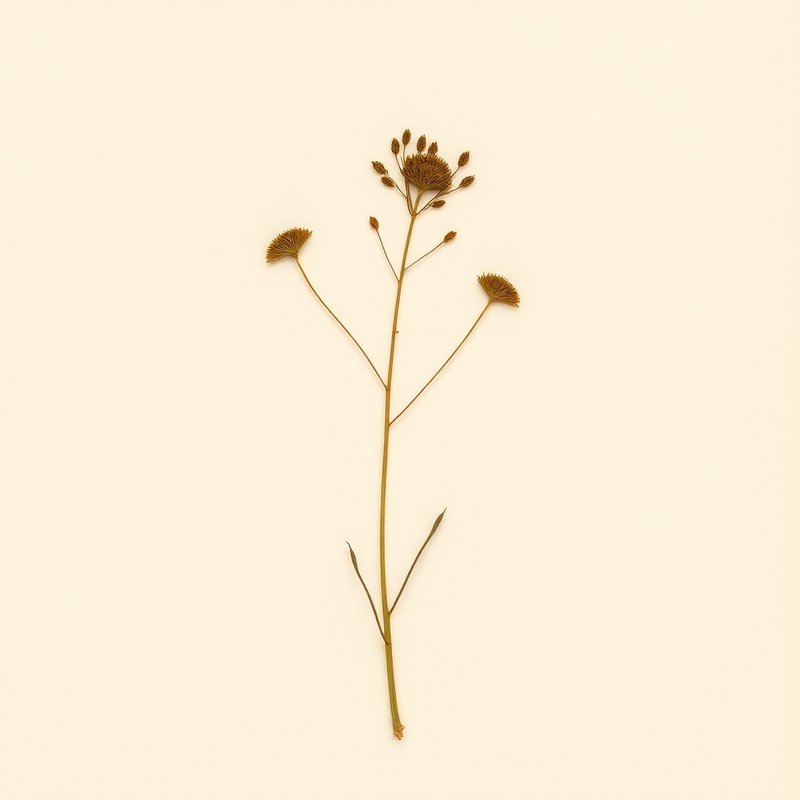
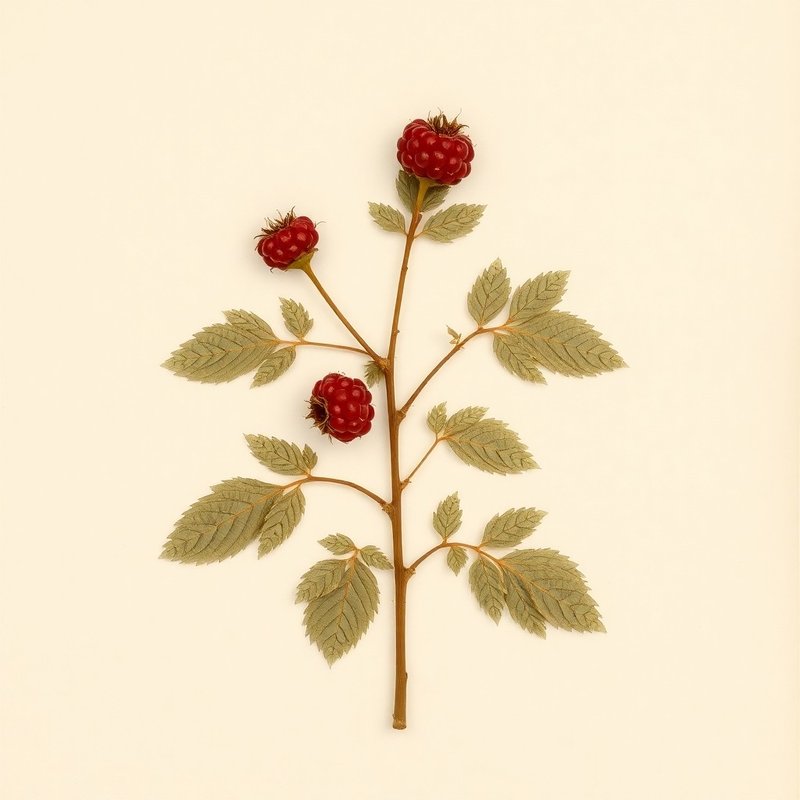
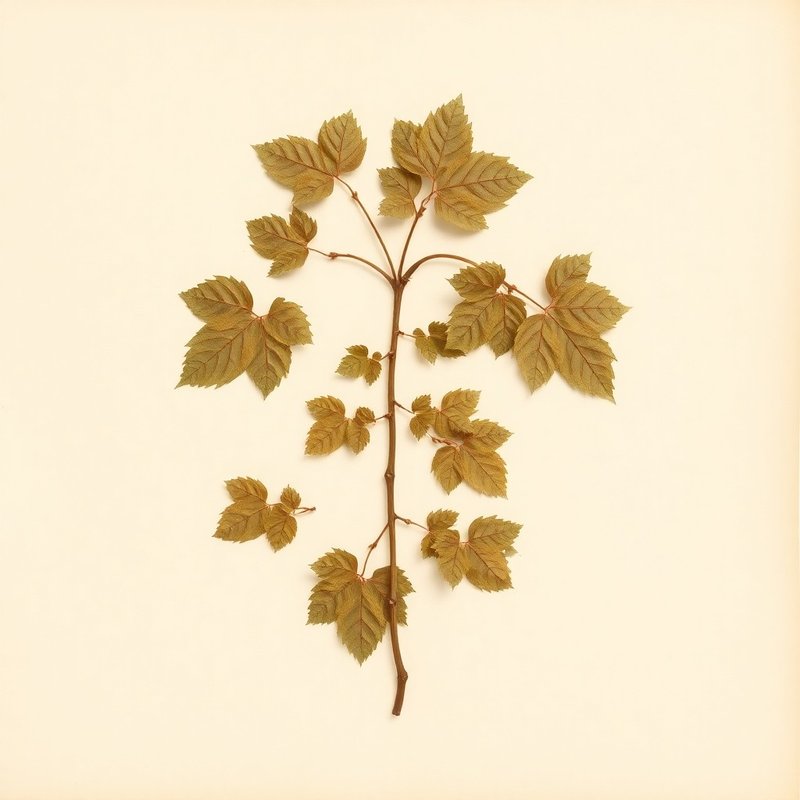
Pennsylvania Buttercup is one of the better-evidenced choices for Topical & skin — 0 cited references with moderate evidence quality. Effect size d=0.30 (small). The mechanism by which Pennsylvania Buttercup supports skin health is not fully characterized.
Use the Decision guide below to filter for pregnancy-safe, gentle, or specific preparation forms. Or open any plant recommendation above for full evidence detail.
Traditional-use note: Maritime Pine appears in herbal sources around traditional skin-care routines, often as a topical preparation. PlantSage presents this as ethnobotanical context, not as medical advice.
Mechanism: Traditional context only. This reviewed claim keeps the original high confidence level, but avoids treatment, disease, dosage, or guaranteed-effect language.
Traditional-use note: Clematis pierotii appears in herbal sources around traditional skin-care routines, often as a topical preparation. PlantSage presents this as ethnobotanical context, not as medical advice.
Mechanism: Traditional context only. This reviewed claim keeps the original moderate confidence level, but avoids treatment, disease, dosage, or guaranteed-effect language.
Pennsylvania Buttercup has been traditionally used in topical applications for skin irritations, often prepared as a poultice or salve to soothe and heal minor wounds.
Mechanism: The mechanism by which Pennsylvania Buttercup supports skin health is not fully characterized. However, related species like Ranunculus acris contain compounds such as ranunculin that may have anti-inflammatory properties.
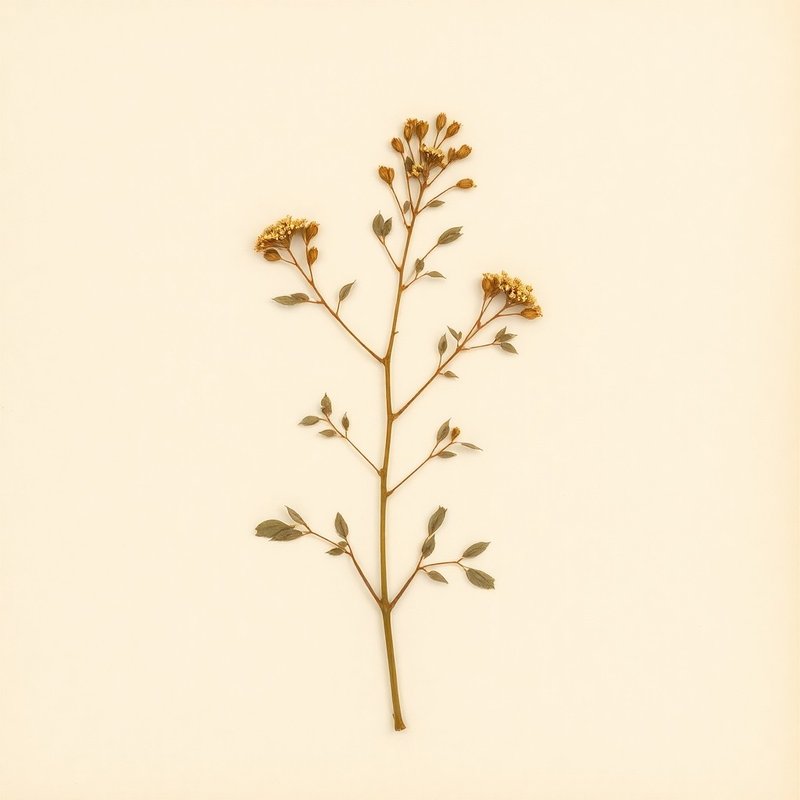
Sedum species, including Crooked Yellow Stonecrop, have been traditionally used in European herbal medicine for topical applications to support skin health. A poultice or salve made from the leaves may help soothe minor irritations and promote healing.
Mechanism: The mechanism by which Sedum supports skin health is not fully characterised but likely involves anti-inflammatory compounds that reduce redness and irritation.
Sea Holly has been traditionally used in European herbal medicine for topical applications to support skin health, particularly for minor irritations and inflammation. Its preparation as a poultice or compress is recommended.
Mechanism: The mechanism by which Sea Holly supports skin health is not fully characterised but may involve anti-inflammatory compounds that help reduce redness and irritation.
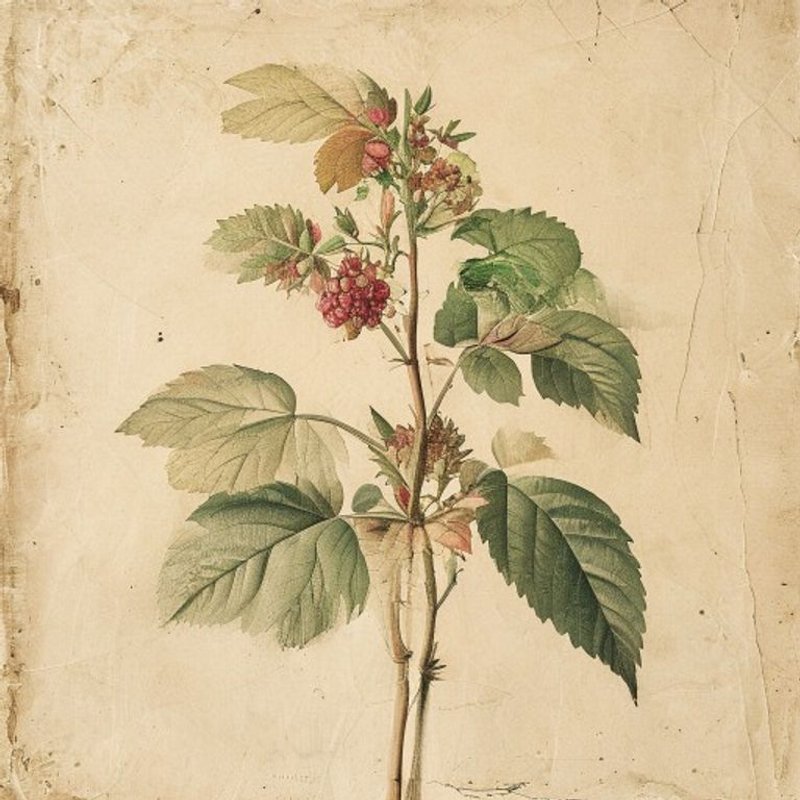
Rubus odoratus has been traditionally used in North American herbalism for topical applications to support skin health. A poultice or salve made from the leaves and fruit may help soothe minor skin irritations.
Mechanism: The mechanism is not fully characterised but likely involves anti-inflammatory compounds such as anthocyanins which can reduce redness and swelling in the skin.
North African and Mediterranean folk herbalism applies Mentha longifolia leaf infusions or poultices topically to support skin comfort and minor irritation. The herb may be used as a cooling wash or compress for localized skin concerns.
Mechanism: Menthol and other volatile oils provide mild antimicrobial and anti-inflammatory activity via inhibition of pro-inflammatory cytokine pathways, though standardised clinical trials in humans are scarce. The cooling sensation from menthol activates TRPM8 receptors, providing symptomatic relief. Lamiaceae family members (Thymus, Origanum, Salvia) are similarly documented for topical skin support in European phytotherapy.
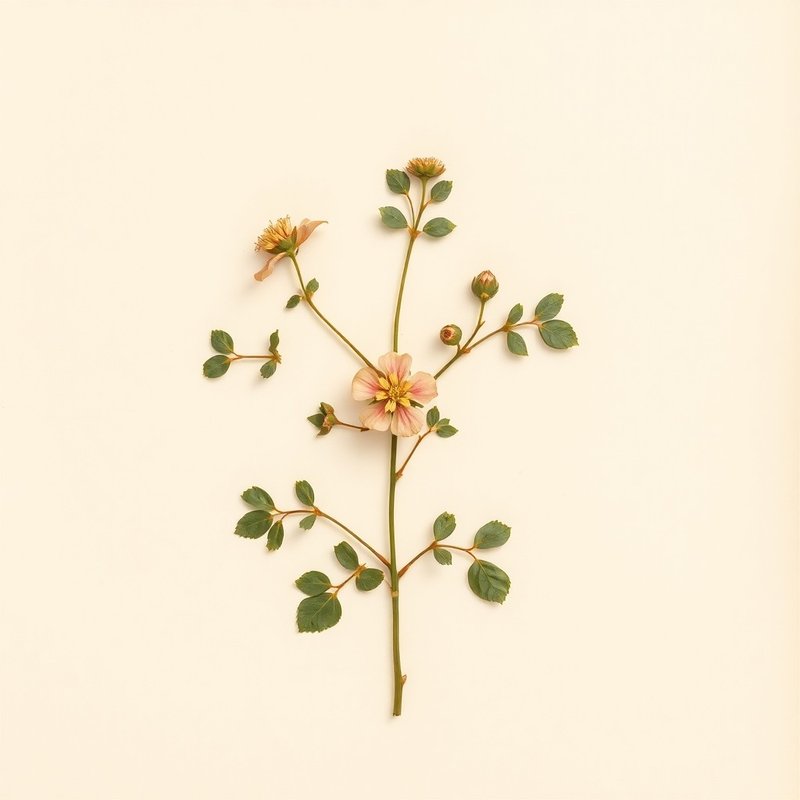
Traditional-use note: Prickly Rose appears in herbal sources around traditional skin-care routines, often as a topical preparation. PlantSage presents this as ethnobotanical context, not as medical advice.
Mechanism: Traditional context only. This reviewed claim keeps the original moderate confidence level, but avoids treatment, disease, dosage, or guaranteed-effect language.
Traditional-use note: Rose Moss appears in herbal sources around traditional skin-care routines, often as a topical preparation. PlantSage presents this as ethnobotanical context, not as medical advice.
Mechanism: Traditional context only. This reviewed claim keeps the original moderate confidence level, but avoids treatment, disease, dosage, or guaranteed-effect language.
Traditional-use note: Plantago crassifolia appears in herbal sources around traditional skin-care routines, often as a topical preparation. PlantSage presents this as ethnobotanical context, not as medical advice.
Mechanism: Traditional context only. This reviewed claim keeps the original moderate confidence level, but avoids treatment, disease, dosage, or guaranteed-effect language.
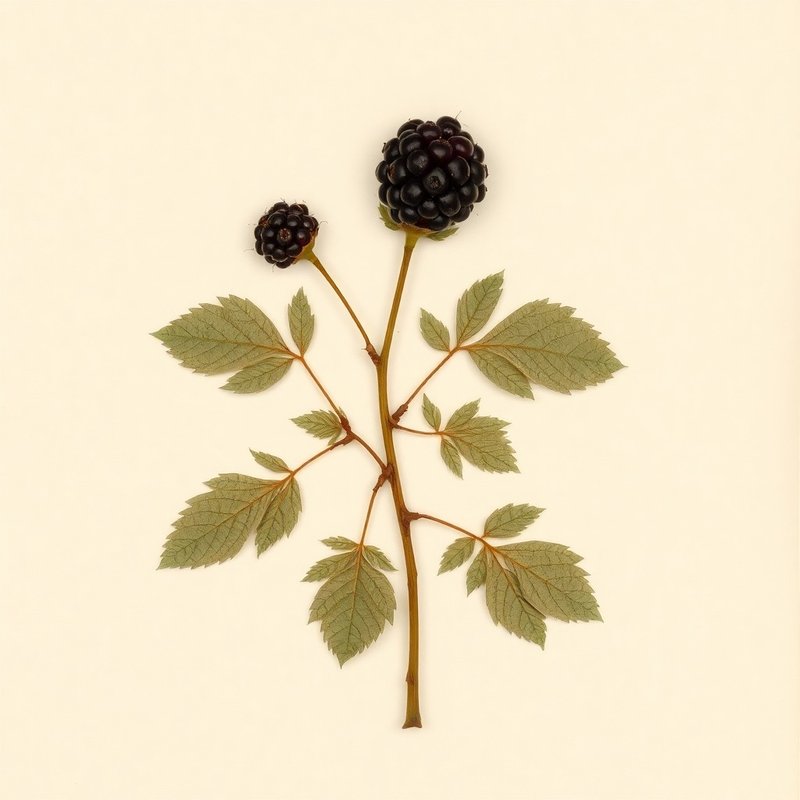
Blackberries are traditionally used in topical applications to support skin health. A poultice made from the fruit may help soothe minor irritations and promote healing.
Mechanism: The mechanism is not fully characterised but likely involves antioxidants such as anthocyanins that can protect against oxidative stress and inflammation.
In traditional medicine, Orange stonecrop is used topically to support skin health and may help soothe minor irritations when applied as a poultice or salve.
Mechanism: The plant's compounds, including flavonoids and tannins, have anti-inflammatory properties that can help reduce redness and irritation. However, the specific mechanisms are not fully characterised.
Traditional-use note: Urtica angustifolia appears in herbal sources around traditional skin-care routines, often as a topical preparation. PlantSage presents this as ethnobotanical context, not as medical advice.
Mechanism: Traditional context only. This reviewed claim keeps the original moderate confidence level, but avoids treatment, disease, dosage, or guaranteed-effect language.
Traditional-use note: Plantago depressa appears in herbal sources around traditional skin-care routines, often as a topical preparation. PlantSage presents this as ethnobotanical context, not as medical advice.
Mechanism: Traditional context only. This reviewed claim keeps the original moderate confidence level, but avoids treatment, disease, dosage, or guaranteed-effect language.
Rubus species have been traditionally used in European herbal medicine for topical applications to support skin health. A poultice or salve made from the fruit and leaves may help soothe minor skin irritations.
Mechanism: The mechanism is not fully characterised but likely involves antioxidants such as anthocyanins which can provide anti-inflammatory effects on the skin, potentially reducing redness and irritation.
Spanish Bayonet has been traditionally used for topical applications to support skin health, including minor cuts and abrasions. Its preparation as a poultice may help soothe irritated skin.
Mechanism: The mechanism by which Spanish Bayonet supports skin health is not fully characterised but it likely involves compounds that have anti-inflammatory or antimicrobial properties.
Rosa virginiana has been traditionally used in topical applications to support skin health, particularly for minor irritations and wounds. Its astringent properties may help soothe the skin.
Mechanism: The presence of tannins in rose species contributes to their astringent effects by tightening tissues and reducing inflammation, which can be beneficial for skin care.
Yucca schidigera has been traditionally used in topical applications to support skin health, particularly for conditions like eczema and psoriasis. Its anti-inflammatory properties may help soothe irritated skin.
Mechanism: The steroidal saponins in yucca have anti-inflammatory effects that can help reduce redness and irritation when applied topically. However, the specific mechanism is not fully characterised.
Kunzea pomifera has been traditionally used in topical applications for skin health, particularly for minor irritations and wounds. Its use is based on local herbal practices.
Mechanism: The mechanism by which Kunzea pomifera supports skin health is not fully characterised but may involve anti-inflammatory or antimicrobial compounds.
Lamiaceae plants are traditionally used in topical applications for skin health. A poultice or salve made from larkspur may help soothe minor irritations and promote healing.
Mechanism: The mechanism is not fully characterised but likely involves anti-inflammatory compounds that reduce redness and swelling, promoting skin recovery.
Manzanita is traditionally used in topical applications to support skin health, particularly for minor irritations and wounds.
Mechanism: The mechanism is not fully characterised but may involve compounds such as phenolic acids that have antimicrobial and anti-inflammatory effects.
Pasture Rose has been traditionally used in herbal remedies for skin health. A topical preparation from the petals and fruits may help soothe minor irritations and promote healing.
Mechanism: The presence of anthocyanins and other polyphenols in Rosa carolina can provide anti-inflammatory benefits, which may contribute to its use in supporting healthy skin conditions. However, specific mechanisms for Pasture Rose are not fully characterised.
Macadamia tetraphylla oil is traditionally used in skincare for its moisturising and protective properties, often applied topically to nourish the skin. The oil's fatty acid profile supports skin health.
Mechanism: The mechanism involves the presence of oleic and palmitoleic acids which help maintain the skin barrier function and provide hydration.
Traditional-use note: Lemon-Scented Gum appears in herbal sources around traditional skin-care routines, often as a topical preparation. PlantSage presents this as ethnobotanical context, not as medical advice.
Mechanism: Traditional context only. This reviewed claim keeps the original moderate confidence level, but avoids treatment, disease, dosage, or guaranteed-effect language.
Traditional-use note: Indian Madder appears in herbal sources around traditional skin-care routines, often as a topical preparation. PlantSage presents this as ethnobotanical context, not as medical advice.
Mechanism: Traditional context only. This reviewed claim keeps the original moderate confidence level, but avoids treatment, disease, dosage, or guaranteed-effect language.
Smooth Sumach has been traditionally used in Native American medicine for topical applications to support skin health, often prepared as a poultice or wash. Its use is based on historical and traditional practices rather than clinical trials.
Mechanism: The mechanism by which Smooth Sumach supports skin health is not fully characterized but may involve compounds such as tannins that have known astringent properties.
Yucca species have been traditionally used in Native American medicine for topical applications to support skin health. Yucca harrimaniae may help soothe irritated skin due to its anti-inflammatory compounds.
Mechanism: The saponins and other phytochemicals present in yucca plants can exhibit anti-inflammatory effects, which might contribute to the plant's traditional use for topical applications on the skin. However, specific mechanisms for Yucca harrimaniae are not fully characterised.
Traditional-use note: Yankee Blackberry appears in herbal sources around traditional skin-care routines, often as a decoction. PlantSage presents this as ethnobotanical context, not as medical advice.
Mechanism: Traditional context only. This reviewed claim keeps the original moderate confidence level, but avoids treatment, disease, dosage, or guaranteed-effect language.
Seagrape is traditionally used in topical applications to support skin health, particularly for minor irritations and wounds. Its astringent properties are thought to help soothe and protect the skin.
Mechanism: The mechanism by which Seagrape supports skin health involves its tannins and other polyphenolic compounds that have antioxidant and anti-inflammatory effects.
Yucca species are traditionally used in topical applications for skin conditions, such as rashes and minor irritations. Yucca constricta may help soothe the skin due to its anti-inflammatory compounds.
Mechanism: The saponins present in yucca have anti-inflammatory effects that can reduce redness and irritation when applied topically.
Water Crowfoot has been traditionally used in topical applications for skin conditions, such as minor irritations and rashes.
Mechanism: The mechanism is not fully characterised but may involve anti-inflammatory compounds that help reduce redness and irritation when applied topically.
Prairie Rose petals and hips have been traditionally used in Native American medicine to support skin health. A topical application of a poultice or salve may help soothe minor irritations.
Mechanism: The presence of flavonoids and anthocyanins in Rosa species can provide anti-inflammatory benefits, potentially aiding in the relief of mild dermatological issues.
Rosa species have a long history of use in traditional medicine for skin health, often applied topically. Rosa fedtschenkoana may help soothe and protect the skin due to its anti-inflammatory properties.
Mechanism: The presence of anthocyanins and other polyphenols in roses can provide antioxidant benefits that support skin integrity and reduce inflammation, though specific compounds in Rosa fedtschenkoana require further investigation.
Yucca elata has been traditionally used in Native American medicine for topical applications to support skin health, often prepared as a poultice or wash.
Mechanism: The mechanism by which Yucca elata supports skin health is not fully characterised but may involve compounds with anti-inflammatory or antimicrobial properties.
Traditional-use note: Jewels of Opar appears in herbal sources around traditional skin-care routines, often as a topical preparation. PlantSage presents this as ethnobotanical context, not as medical advice.
Mechanism: Traditional context only. This reviewed claim keeps the original moderate confidence level, but avoids treatment, disease, dosage, or guaranteed-effect language.
Traditional-use note: Rubus ostryfolius appears in herbal sources around traditional skin-care routines, often as a topical preparation. PlantSage presents this as ethnobotanical context, not as medical advice.
Mechanism: Traditional context only. This reviewed claim keeps the original moderate confidence level, but avoids treatment, disease, dosage, or guaranteed-effect language.
Ceylon Blackberry is traditionally used for topical applications to support skin health. A poultice or decoction applied topically may help with minor skin irritations and wounds.
Mechanism: The mechanism involves antioxidants such as anthocyanins, which can protect the skin from oxidative stress and promote healing.
Cucumis sativus is traditionally used in skincare to soothe and hydrate the skin, often applied topically as a fresh slice or juice.
Mechanism: The high water content and presence of antioxidants like vitamin C and caffeic acid may help reduce inflammation and provide hydration. However, specific mechanisms are not fully characterised.
Macadamia nuts are traditionally used for topical applications to support skin health, often in the form of oils or creams. The oil is rich in antioxidants and fatty acids that may help nourish and protect the skin.
Mechanism: The high content of linoleic acid and oleic acid in macadamia nut oil can provide essential nutrients for skin hydration and barrier function, while vitamin E acts as an antioxidant to combat oxidative stress.
Sedum sediforme has been traditionally used in topical applications to support skin health. A poultice or salve made from the leaves may help soothe minor irritations and promote healing.
Mechanism: The mechanism by which Sedum supports skin health is not fully characterised but likely involves compounds with anti-inflammatory and antioxidant properties.
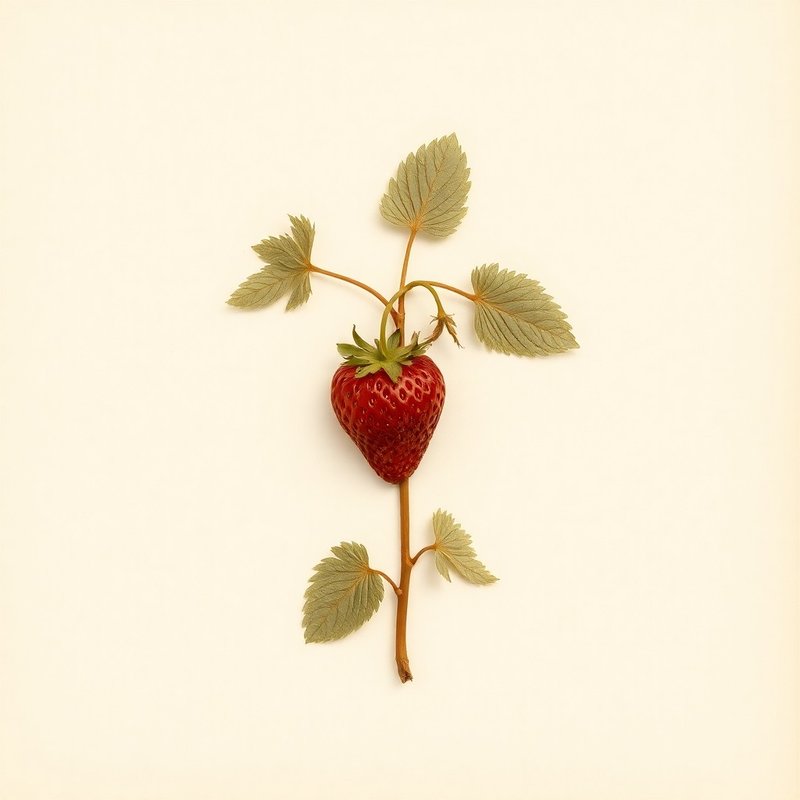
Strawberry fruit has been traditionally used topically to support skin health, particularly for its antioxidant properties. The fruit contains vitamin C and ellagic acid which may help protect the skin from oxidative stress.
Mechanism: Vitamin C and ellagic acid in strawberries act as antioxidants that can neutralize free radicals, potentially reducing damage caused by environmental factors such as UV radiation.
Traditional-use note: Malu Creeper appears in herbal sources around traditional skin-care routines, often as a topical preparation. PlantSage presents this as ethnobotanical context, not as medical advice.
Mechanism: Traditional context only. This reviewed claim keeps the original moderate confidence level, but avoids treatment, disease, dosage, or guaranteed-effect language.
Traditional-use note: Aleppo Oak appears in herbal sources around traditional skin-care routines, often as a topical preparation. PlantSage presents this as ethnobotanical context, not as medical advice.
Mechanism: Traditional context only. This reviewed claim keeps the original moderate confidence level, but avoids treatment, disease, dosage, or guaranteed-effect language.
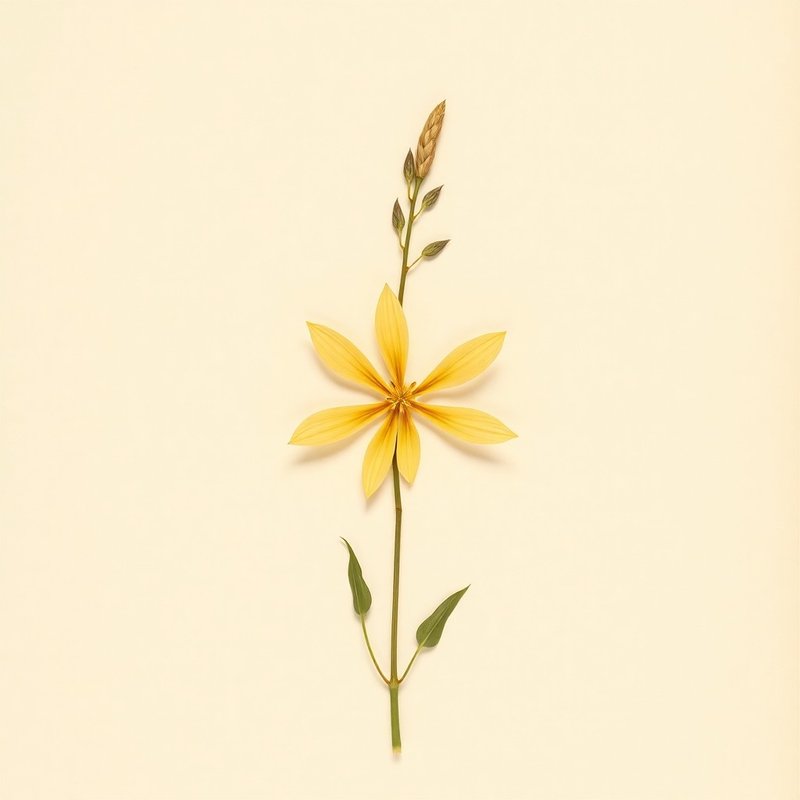
Yellow Spiderflower has been traditionally used in topical applications to support skin health, particularly for minor irritations and wounds. It is often prepared as a poultice or infused oil.
Mechanism: The mechanism by which Yellow Spiderflower supports skin health is not fully characterised but may involve anti-inflammatory compounds that help soothe the skin.
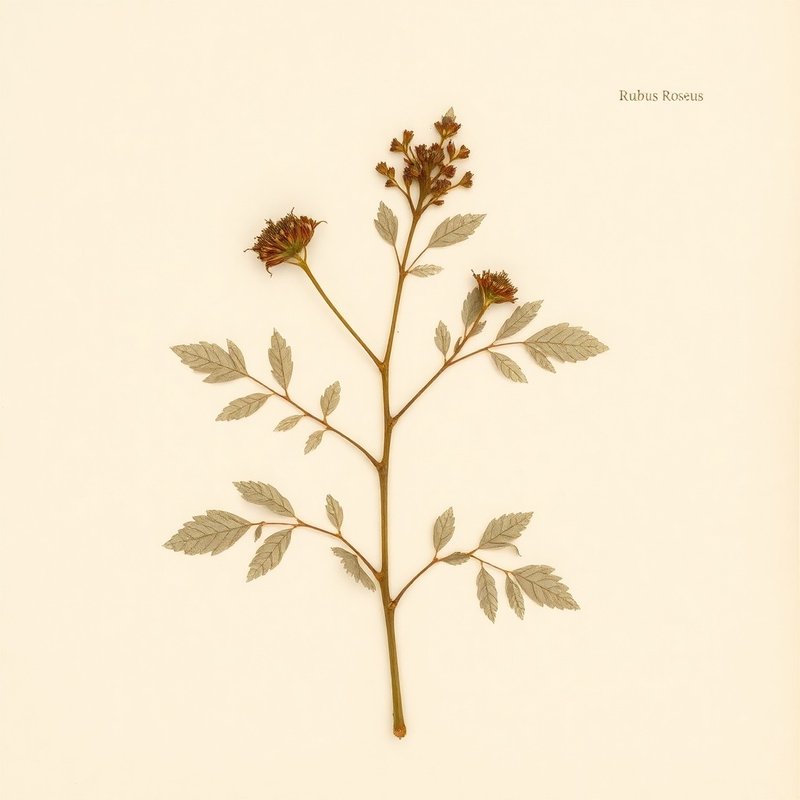
Rubus roseus has been traditionally used in topical applications to support skin health, particularly for minor irritations and wounds. Its use is based on local traditional practices.
Mechanism: The mechanism by which Rubus roseus supports skin health is not fully characterised but may involve anti-inflammatory compounds that help reduce irritation.
In traditional New Zealand medicine, Gaultheria macrostigma has been used topically to address skin irritations and minor wounds.
Mechanism: The mechanism by which Gaultheria macrostigma supports skin health is not fully characterised but may involve anti-inflammatory or antimicrobial compounds.
Sophora japonica has been traditionally used in Chinese medicine for topical applications to support skin health, particularly for conditions such as eczema and dermatitis. It is often prepared as a decoction or poultice.
Mechanism: The mechanism by which Sophora japonica supports skin health involves compounds like quercetin and kaempferol, which have anti-inflammatory and antioxidant properties.
Yucca baccata has been traditionally used in topical applications for skin conditions, such as rashes and minor irritations, often prepared as a poultice or salve.
Mechanism: The mechanism by which Yucca baccata supports skin health is not fully characterised but may involve anti-inflammatory compounds that help soothe the skin.
Blue false indigo has been traditionally used in topical applications to support skin health, particularly for conditions like eczema and minor wounds. This use is based on traditional knowledge rather than extensive clinical research.
Mechanism: The mechanism of action for Baptisia's skin benefits is not fully understood but may involve anti-inflammatory compounds such as flavonoids and alkaloids.
Rosa davurica has been traditionally used in topical applications to support skin health. Its fruit and seeds can be prepared as a decoction or infused oil.
Mechanism: The mechanism is not fully characterised but may involve the presence of antioxidants like anthocyanins which help protect against oxidative stress and inflammation.
Traditional-use note: Catchfly appears in herbal sources around traditional skin-care routines, often as a topical preparation. PlantSage presents this as ethnobotanical context, not as medical advice.
Mechanism: Traditional context only. This reviewed claim keeps the original moderate confidence level, but avoids treatment, disease, dosage, or guaranteed-effect language.
American Brooklime has been traditionally used in herbal remedies for topical applications to support skin health, often prepared as a poultice or wash.
Mechanism: The mechanism by which Veronica americana supports skin health is not fully characterized but may involve anti-inflammatory and antimicrobial compounds.
Gladiolus species are traditionally used in topical applications for skin health, particularly to soothe minor irritations and promote healing. While specific compounds in Gladiolius dalenii are not well-documented, related species contain mucilages that can provide a soothing effect.
Mechanism: Not fully characterised; however, related species in the Iridaceae family contain mucilages which have emollient properties and may help soothe irritated skin.
Blackberry leaves have been traditionally used in European herbal medicine for topical applications to support skin health. A decoction of the leaves may help soothe minor irritations and promote healing.
Mechanism: The astringent properties from tannins can help tighten tissues, reduce swelling, and provide protective effects on the skin's surface, though specific mechanisms are not fully characterised.
Beech leaves have been traditionally used in European herbal medicine for topical applications to support skin health. A poultice or ointment made from the leaves may help soothe minor skin irritations and promote healing.
Mechanism: The mechanism by which beech leaves benefit the skin is not fully characterised but likely involves anti-inflammatory compounds that reduce irritation and promote tissue repair.
Yucca glauca has been traditionally used in Native American medicine for topical applications to support skin health. It may be applied as a poultice or salve to help with minor skin irritations.
Mechanism: The mechanism by which Yucca glauca supports skin health is not fully characterised but it likely involves anti-inflammatory compounds that reduce irritation and promote healing.
Upland dewberry (Rubus invisus) has been traditionally used in topical applications to support skin health. A poultice or salve made from the fruit and leaves may help soothe minor skin irritations.
Mechanism: The mechanism is not fully characterised but likely involves antioxidants such as anthocyanins which can protect against oxidative stress and inflammation, promoting healthy skin.
Sedum species are traditionally used in herbal medicine for topical applications to support skin health. The plant's rosmarinic acid and other phenolic compounds may help soothe irritated skin.
Mechanism: Rosmarinic acid, a phenolic compound found in Sedum species, has anti-inflammatory properties that can help reduce redness and irritation when applied topically.
California Buttercup has been traditionally used in Native American medicine for topical applications to support skin health. It may help soothe minor irritations and inflammations.
Mechanism: The mechanism is not fully characterised but likely involves compounds such as ranunculin which can have anti-inflammatory effects on the skin.
Nettles, including U. incisa, have been traditionally used in topical applications to soothe skin irritations and promote healing.
Mechanism: The mechanism is not fully characterised but may involve anti-inflammatory compounds such as quercetin and other flavonoids that reduce irritation.
Traditional-use note: Native Flax appears in herbal sources around traditional skin-care routines, often as a topical preparation. PlantSage presents this as ethnobotanical context, not as medical advice.
Mechanism: Traditional context only. This reviewed claim keeps the original moderate confidence level, but avoids treatment, disease, dosage, or guaranteed-effect language.
Oenothera lamarckiana, similar to other Onagraceae species like evening primrose (Oenothera biennis), has been traditionally used for skin conditions such as eczema and minor wounds. A topical application may help promote healing.
Mechanism: The mechanism is not fully characterised but likely involves compounds with anti-inflammatory or regenerative properties, similar to those found in evening primrose oil.
Stellaria alsine has been traditionally used in topical applications to support skin health, particularly for minor irritations and wounds. It is often prepared as a poultice or infused oil.
Mechanism: The mechanism by which Stellaria alsine supports skin health is not fully characterized, but it may involve anti-inflammatory compounds that help soothe the skin.
Lungwort has been traditionally used in European herbal medicine for topical applications to support skin health, particularly for minor irritations and wounds. It is often prepared as a poultice or salve.
Mechanism: The mechanism by which Lungwort supports skin health is not fully characterised but may involve the presence of compounds like tannins that have known astringent properties.
Red Bloodwood has been traditionally used in topical applications for skin health. A poultice made from the leaves may help soothe minor skin irritations.
Mechanism: Eucalyptus species contain compounds like tannins and flavonoids which have anti-inflammatory properties, though specific mechanisms for Red Bloodwood are not fully characterised.
Stonecrop has been traditionally used in East Asian medicine for minor skin irritations and wounds, often applied topically as a poultice or salve. Its anti-inflammatory properties may help soothe irritated skin.
Mechanism: The plant contains compounds like flavonoids and phenolic acids which have demonstrated anti-inflammatory effects. However, the specific mechanism of action for Stonecrop is not fully characterised.
Traditional-use note: Pacific Stonecrop appears in herbal sources around traditional skin-care routines, often as a topical preparation. PlantSage presents this as ethnobotanical context, not as medical advice.
Mechanism: Traditional context only. This reviewed claim keeps the original moderate confidence level, but avoids treatment, disease, dosage, or guaranteed-effect language.
Rubus species are traditionally used for their topical benefits to support skin health. A poultice or decoction of Northern dewberry may help soothe minor skin irritations and promote healing.
Mechanism: The mechanism is not fully characterised but likely involves antioxidants such as anthocyanins that can protect against oxidative stress and reduce inflammation in the skin.
Fuchsia has been traditionally used in South American herbal medicine for topical applications to support skin health, often prepared as a poultice or infused oil.
Mechanism: The mechanism by which Fuchsia supports skin health is not fully characterised but may involve anti-inflammatory and antioxidant compounds.
White Poplar has been traditionally used in topical applications to soothe minor skin irritations and inflammation. Its use is based on its astringent properties.
Mechanism: The mechanism involves tannins, which have astringent effects that can help reduce swelling and irritation when applied topically.
Traditional-use note: Caribbean Pine Caribbean pitch pine appears in herbal sources around traditional skin-care routines, often as a topical preparation. PlantSage presents this as ethnobotanical context, not as medical advice.
Mechanism: Traditional context only. This reviewed claim keeps the original moderate confidence level, but avoids treatment, disease, dosage, or guaranteed-effect language.
Rubus species, including closely related Rubus fruticosus, have been traditionally used in European herbal medicine for topical applications to support skin health. A poultice or salve made from the fruit may help soothe minor irritations and promote healing.
Mechanism: The mechanism is not fully characterised but likely involves antioxidants such as anthocyanins which can protect against oxidative stress and inflammation in the skin.
Rubus lentiginosus is traditionally used in topical applications to support skin health. A poultice or salve made from the fruit and leaves may help soothe minor skin irritations.
Mechanism: The mechanism is not fully characterised but likely involves antioxidants such as anthocyanins, which can protect against oxidative stress and inflammation.
Rubus racemosus is traditionally used in Ayurvedic practices for topical applications to support skin health, often prepared as a paste or poultice.
Mechanism: The mechanism is not fully characterised but may involve antioxidants and anti-inflammatory compounds that help soothe and protect the skin.
Urtica laetevirens is traditionally used in topical applications to support skin health. A poultice or salve made from the plant may help soothe irritated skin.
Mechanism: The mechanism involves compounds such as quercetin and other flavonoids that have anti-inflammatory effects, which can help reduce irritation and redness.
Creeping Bramble has been traditionally used topically for skin irritations and minor wounds in Chinese herbal medicine. A poultice or topical application may help soothe the affected area.
Mechanism: The mechanism by which Rubus tricolor supports skin health is not fully characterised but it likely involves anti-inflammatory compounds that reduce irritation.
Ice Plant has been traditionally used in Chinese medicine for skin conditions, often applied topically as a poultice or gel. Its moisturizing and soothing properties may help with dryness and irritation.
Mechanism: The plant contains compounds like flavonoids and anthocyanins which have anti-inflammatory and antioxidant effects, contributing to its beneficial impact on the skin.
In traditional Chinese medicine, Vernicia fordii is used topically to support skin health and address minor irritations. It is often applied as a poultice or ointment.
Mechanism: The mechanism by which Vernicia fordii supports skin health is not fully characterised but may involve compounds with anti-inflammatory properties that help soothe the skin.
Weld has been traditionally used in European herbal medicine for its topical applications to support skin health, particularly for minor irritations and wounds. Its yellow dye compounds are believed to contribute to these benefits.
Mechanism: The yellow dye compounds found in Weld may have anti-inflammatory properties that help soothe irritated skin and promote healing of minor wounds. However, the specific mechanisms are not fully characterised.
Grindelia robusta is traditionally used in topical preparations for skin irritations, burns, and insect bites. Its anti-inflammatory properties may help soothe irritated skin.
Mechanism: The mechanism involves triterpenoids which have anti-inflammatory effects by inhibiting pro-inflammatory cytokines.
Rubus affinis has been traditionally used in European herbalism for topical applications to support skin health. A poultice or salve made from the fruit may help soothe minor skin irritations.
Mechanism: The mechanism is not fully characterised but likely involves antioxidants and anti-inflammatory compounds present in the fruit.
Evening primrose oil has been traditionally used for skin health, particularly in European herbal medicine. It is often applied topically to support the healing of dry or irritated skin.
Mechanism: The oil contains essential fatty acids like GLA which help maintain the integrity and hydration of the skin barrier. However, the specific mechanism by which it supports skin health is not fully characterised.
Wolfberry species like L. barbarum are traditionally used in Chinese medicine to support skin health and appearance. A topical application or a tea made from the fruit may help improve skin conditions.
Mechanism: The berries contain antioxidants such as lutein and zeaxanthin, which can protect against oxidative stress and inflammation that contribute to skin aging and damage. However, specific compounds in Lycium pallidum need further characterization.
Rubus species, including Bush Lawyer, have been traditionally used for topical applications to support skin health. A poultice or salve made from the leaves may help with minor cuts and abrasions.
Mechanism: The mechanism is not fully characterised but likely involves anti-inflammatory compounds such as flavonoids that can reduce redness and swelling in affected areas.
Yucca whipplei has been traditionally used in Native American medicine for topical applications to support skin health, often prepared as a poultice or salve.
Mechanism: The mechanism by which Yucca whipplei supports skin health is not fully characterised but may involve anti-inflammatory and antioxidant compounds that help soothe irritated skin.
Jambos is traditionally used in topical applications to support skin health, particularly for conditions like minor cuts and wounds. It may help soothe irritated skin.
Mechanism: The mechanism by which Jambos supports skin health is not fully characterised but likely involves antimicrobial or anti-inflammatory compounds.
Yucca species have been traditionally used for topical applications to support skin health, often prepared as a poultice or salve. The plant's anti-inflammatory properties may help with minor skin irritations.
Mechanism: The mechanism by which Yucca supports skin health is not fully characterised but may involve compounds that have anti-inflammatory effects on the skin.
Dock leaves are traditionally used topically to soothe skin irritations and minor wounds, often crushed or made into a poultice. This use is based on the plant's anti-inflammatory properties.
Mechanism: The mechanism involves compounds like anthraquinones which have been shown to possess anti-inflammatory effects.
Traditional-use note: Rubia chinensis appears in herbal sources around traditional skin-care routines, often as a topical preparation. PlantSage presents this as ethnobotanical context, not as medical advice.
Mechanism: Traditional context only. This reviewed claim keeps the original moderate confidence level, but avoids treatment, disease, dosage, or guaranteed-effect language.
Traditional-use note: Solanum lyratum appears in herbal sources around traditional skin-care routines, often as a topical preparation. PlantSage presents this as ethnobotanical context, not as medical advice.
Mechanism: Traditional context only. This reviewed claim keeps the original moderate confidence level, but avoids treatment, disease, dosage, or guaranteed-effect language.
Rubus species, including closely related Rubus fruticosus, have been traditionally used in European herbal medicine for topical applications to support skin health. A poultice or salve made from the fruit and leaves may help soothe minor skin irritations.
Mechanism: The mechanism is not fully characterised but likely involves antioxidants such as anthocyanins that can protect against oxidative stress and inflammation in the skin.
Traditional-use note: Needle stonecrop appears in herbal sources around traditional skin-care routines, often as a topical preparation. PlantSage presents this as ethnobotanical context, not as medical advice.
Mechanism: Traditional context only. This reviewed claim keeps the original moderate confidence level, but avoids treatment, disease, dosage, or guaranteed-effect language.
Carnation has been traditionally used for its topical benefits, particularly to soothe and heal minor skin irritations. Its flowers can be infused in oil or water to create a gentle remedy.
Mechanism: The mechanism by which carnation supports skin health is not fully characterised but may involve anti-inflammatory compounds that help reduce redness and irritation.
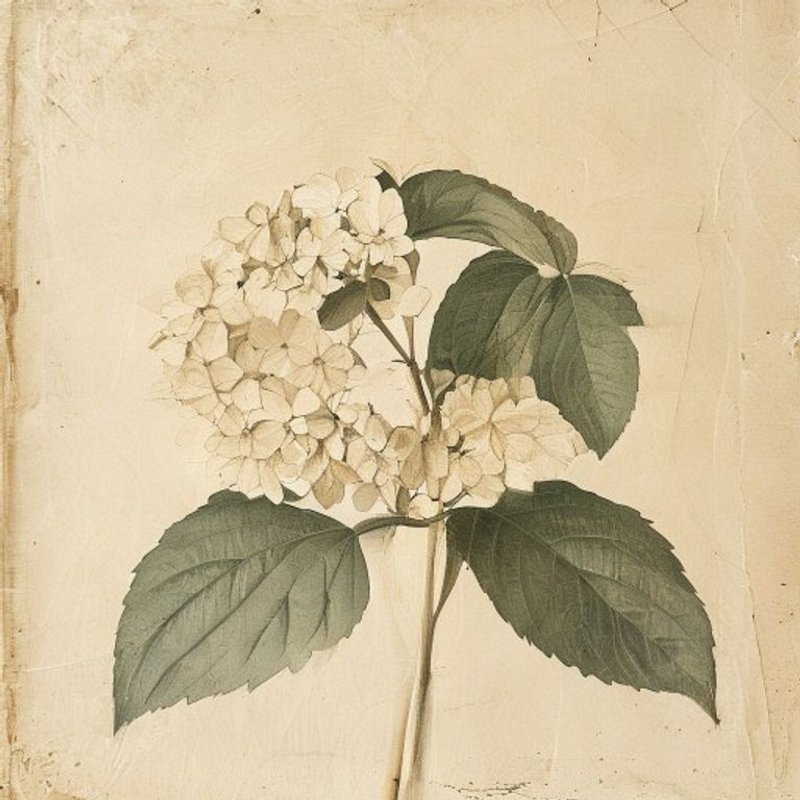
Hydrangea serrata is traditionally used in topical applications to support skin health, particularly for minor irritations and inflammation. It may be applied as a poultice or infused into oils.
Mechanism: The anti-inflammatory compounds found in Hydrangea serrata can help reduce redness and swelling when applied topically, though the specific bioactive components are not fully elucidated.
Annatto has been traditionally used in South American folk medicine for skin health, often applied topically to soothe minor irritations and promote healing. Its anti-inflammatory properties are attributed to compounds like bixin.
Mechanism: Bixin, a carotenoid found in annatto seeds, exhibits anti-inflammatory effects by modulating cytokine production and reducing oxidative stress.
Chinchweed has been traditionally used in topical applications to support skin health, particularly for minor irritations and inflammation.
Mechanism: The mechanism by which chinchweed supports skin health is not fully characterized but may involve anti-inflammatory compounds such as flavonoids or phenolic acids.
Rubus species have a long history in traditional medicine for topical use to support skin health. A poultice or salve made from the leaves and fruit may help soothe minor skin irritations.
Mechanism: The mechanism is not fully characterised but likely involves antioxidants such as anthocyanins which can protect against oxidative stress and inflammation, promoting healthy skin.
Rubus species, including Rubus parvus, have been traditionally used in New Zealand for topical applications to support skin health. A poultice or salve made from the fruit may help soothe minor irritations and promote healing.
Mechanism: The mechanism is not fully characterised but likely involves antioxidants such as anthocyanins that protect against oxidative stress and reduce inflammation in the skin.
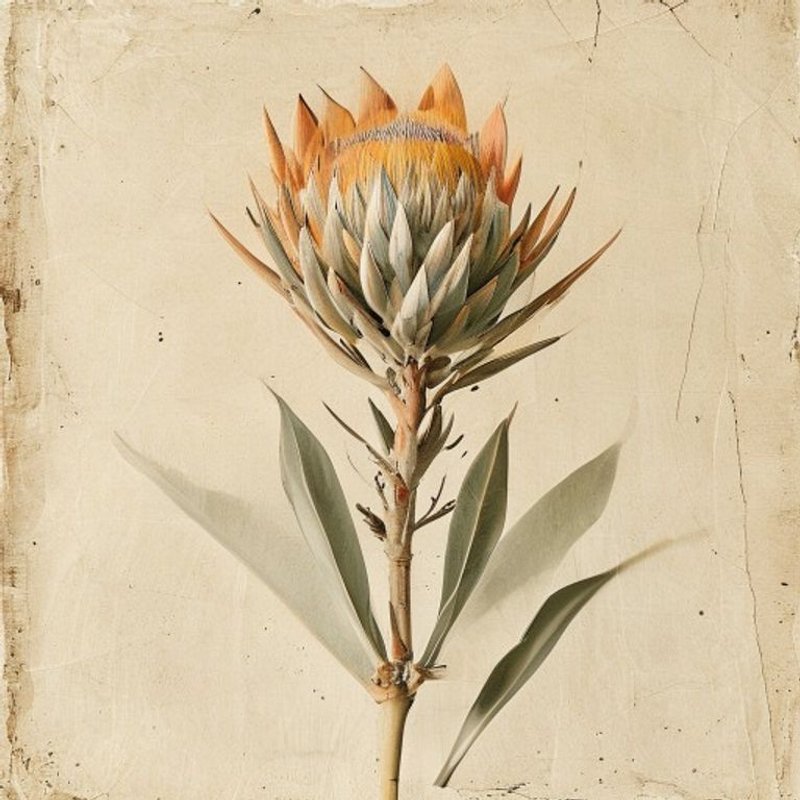
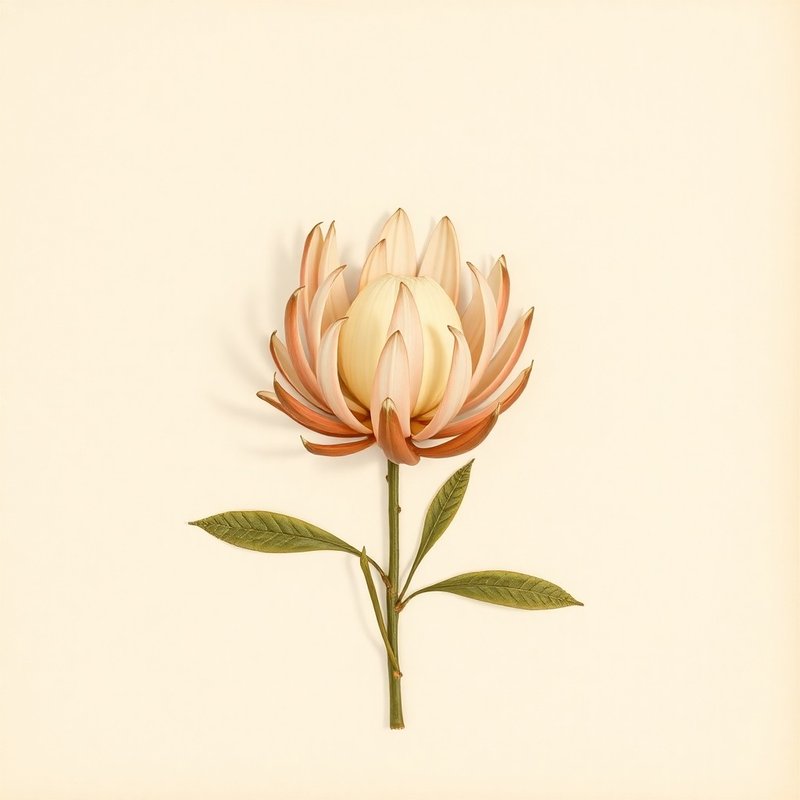
Protea cynaroides is traditionally used in topical applications for skin health, particularly to soothe and protect the skin. This use is based on local traditional practices.
Mechanism: The mechanism by which Protea cynaroides benefits skin health is not fully characterised but may involve anti-inflammatory or antioxidant compounds that help maintain skin integrity.
Rubus pseudo-acer has been traditionally used in topical applications to support skin health, often prepared as a poultice or infused oil for its soothing and protective properties.
Mechanism: The mechanism is not fully characterised but may involve antioxidants such as anthocyanins that can help protect the skin from oxidative stress.
White Dead Nettle has been traditionally used in topical applications to soothe and support skin health, often prepared as a poultice or infused oil. Its use is based on traditional knowledge.
Mechanism: The mechanism by which White Dead Nettle supports skin health is not fully characterised but may involve anti-inflammatory compounds that help reduce irritation and promote healing.
Yucca species are traditionally used for topical applications to support skin health, often prepared as a poultice or wash from the leaves. This preparation may help soothe irritated skin and promote healing.
Mechanism: The mechanism by which yucca supports skin health is not fully characterised but may involve compounds with anti-inflammatory and antimicrobial properties.
Rubus species, including closely related Rubus fruticosus (blackberry), have been traditionally used in European herbal medicine for topical applications to support skin health. A poultice or topical application of the fruit may help with minor skin irritations and wounds.
Mechanism: The mechanism is not fully characterised, but it likely involves antioxidants such as anthocyanins which can provide anti-inflammatory effects on the skin.
Rosa sericea has been traditionally used in topical applications for skin health. A poultice or salve made from its petals may help soothe and moisturize the skin.
Mechanism: The mechanism is not fully characterised but likely involves anti-inflammatory compounds such as anthocyanins that can reduce redness and irritation.
Paperbark is traditionally used in Indigenous Australian medicine for skin health, particularly to soothe and heal minor burns and abrasions. Its astringent properties are derived from compounds like tannins that help reduce inflammation.
Mechanism: Tannins present in Paperbark act as natural astringents by binding to proteins on the surface of damaged tissues, which can help constrict blood vessels and reduce swelling and irritation.
Lesser Burdock has been traditionally used in European herbal medicine for topical applications to support skin health, often prepared as a poultice or salve. It is believed to help soothe and heal irritated skin.
Mechanism: The mechanism by which Lesser Burdock supports skin health is not fully characterised but may involve anti-inflammatory compounds such as polyphenols and flavonoids.
Red Dock has been traditionally used in topical applications for skin conditions, such as rashes and minor irritations.
Mechanism: The plant contains anthraquinones which may have anti-inflammatory properties. However, the specific mechanism is not fully characterised.
Rubus species, including closely related Rubus fruticosus, have been traditionally used in European herbal medicine for topical applications to support skin health. A poultice or salve made from the fruit and leaves may help soothe minor skin irritations.
Mechanism: The mechanism is not fully characterised but likely involves antioxidants such as anthocyanins that can protect against oxidative stress and inflammation in the skin.
Traditional-use note: Lemon-Scented Gum appears in herbal sources around traditional skin-care routines, often as a topical preparation. PlantSage presents this as ethnobotanical context, not as medical advice.
Mechanism: Traditional context only. This reviewed claim keeps the original moderate confidence level, but avoids treatment, disease, dosage, or guaranteed-effect language.
Sandalwood, including Santalum freycinetianum, has been traditionally used in Ayurveda and traditional Chinese medicine for its skin-soothing properties. Topical application may help with minor irritations.
Mechanism: The mechanism is not fully characterised but it is believed that compounds such as santalol contribute to its anti-inflammatory effects on the skin.
Traditional-use note: Ribwort Plantain appears in herbal sources around traditional skin-care routines, often as a topical preparation. PlantSage presents this as ethnobotanical context, not as medical advice.
Mechanism: Traditional context only. This reviewed claim keeps the original moderate confidence level, but avoids treatment, disease, dosage, or guaranteed-effect language.
Rubus species are traditionally used for topical applications to support skin health. A poultice or salve made from the leaves may help with minor cuts and abrasions.
Mechanism: The mechanism is not fully characterised but likely involves anti-inflammatory compounds such as flavonoids that can reduce redness and swelling in affected areas.
Traditional-use note: Strawberry-Raspberry appears in herbal sources around traditional skin-care routines, often as a topical preparation. PlantSage presents this as ethnobotanical context, not as medical advice.
Mechanism: Traditional context only. This reviewed claim keeps the original moderate confidence level, but avoids treatment, disease, dosage, or guaranteed-effect language.
This herb has been traditionally used in topical applications to support skin health, particularly for minor irritations and wounds. It is often prepared as a poultice or salve.
Mechanism: The mechanism by which Epilobium tetragonum supports skin health is not fully characterised but may involve anti-inflammatory compounds such as flavonoids and tannins.
Perennial Flax seeds have been traditionally used to support skin health. A topical application of a seed oil or poultice may help moisturize and soothe dry, irritated skin.
Mechanism: The seeds are rich in omega-3 fatty acids and linoleic acid, which can help maintain the integrity of the skin barrier and reduce inflammation.
Traditional-use note: Vermont blackberry appears in herbal sources around traditional skin-care routines, often as a topical preparation. PlantSage presents this as ethnobotanical context, not as medical advice.
Mechanism: Traditional context only. This reviewed claim keeps the original moderate confidence level, but avoids treatment, disease, dosage, or guaranteed-effect language.
Rubus species, including closely related Rubus fruticosus, have been traditionally used in European herbal medicine for topical applications to support skin health. A poultice or topical application of the fruit may help soothe minor skin irritations.
Mechanism: The mechanism is not fully characterised but likely involves antioxidants and anti-inflammatory compounds that can benefit the skin.
Camellia japonica flowers have been traditionally used in East Asian herbal medicine for topical applications to support skin health. A decoction of the flowers is often applied directly to the skin.
Mechanism: The mechanism by which Camellia japonica supports skin health involves compounds such as flavonoids and phenolic acids, which may have anti-inflammatory and antioxidant effects.
Canadian Wood Nettle has been traditionally used in North American herbalism for topical applications to support skin health, often prepared as a poultice or infused oil.
Mechanism: The mechanism by which Canadian Wood Nettle supports skin health is not fully characterised but may involve anti-inflammatory and antioxidant compounds.
Traditional-use note: Sweet Hottentot Fig appears in herbal sources around traditional skin-care routines, often as a topical preparation. PlantSage presents this as ethnobotanical context, not as medical advice.
Mechanism: Traditional context only. This reviewed claim keeps the original moderate confidence level, but avoids treatment, disease, dosage, or guaranteed-effect language.
Mallow is traditionally used in topical applications to support skin health, particularly for conditions like eczema and minor wounds.
Mechanism: The plant contains mucilage which forms a protective layer on the skin, helping to retain moisture and reduce inflammation. However, the exact mechanism of action is not fully characterised.
Common Box has been traditionally used in topical preparations to soothe and protect the skin, particularly for minor irritations. Its astringent properties are thought to contribute to its effectiveness.
Mechanism: The plant contains tannins which have astringent effects, helping to tighten and protect the skin's surface.
Traditional-use note: Black raspberry appears in herbal sources around traditional skin-care routines, often as a topical preparation. PlantSage presents this as ethnobotanical context, not as medical advice.
Mechanism: Traditional context only. This reviewed claim keeps the original moderate confidence level, but avoids treatment, disease, dosage, or guaranteed-effect language.
Rubus magnificus has been traditionally used in topical applications to support skin health. A poultice or salve made from the fruit and leaves may help soothe minor skin irritations.
Mechanism: The mechanism is not fully characterised but likely involves antioxidants such as anthocyanins, which can protect against oxidative stress and inflammation.
Kenaf leaves and flowers have been traditionally used in topical applications to support skin health, particularly for minor irritations and wounds.
Mechanism: The mechanism is not fully characterized but may involve anti-inflammatory or antimicrobial compounds present in the plant.
Rosa banksiae is traditionally used for topical applications to support skin health. A decoction of the petals may help soothe and moisturize dry or irritated skin.
Mechanism: The mechanism is not fully characterised but likely involves anti-inflammatory compounds such as flavonoids and tannins that can reduce redness and irritation when applied topically.
Greater Chickweed is traditionally used in topical applications to support skin health, particularly for minor irritations and wounds.
Mechanism: The mechanism by which Greater Chickweed supports skin health is not fully characterised but may involve anti-inflammatory compounds that help soothe the skin.
Camellia species, including To-tsubaki, have been traditionally used in Chinese medicine for skin health. A topical application may help soothe and protect the skin due to its anti-inflammatory properties.
Mechanism: Contains catechins which exhibit anti-inflammatory effects by inhibiting pro-inflammatory cytokines such as TNF-α and IL-6.
Hydrangea hirta has been traditionally used in topical applications to support skin health, particularly for soothing and healing minor irritations. This use is based on the plant's historical reputation in Japanese herbal medicine.
Mechanism: The mechanism by which Hydrangea hirta supports skin health is not fully characterised but may involve anti-inflammatory compounds that help reduce irritation and promote healing.
Sugar Bush is traditionally used in topical applications to support skin health, particularly for minor irritations and wounds. This use is based on local traditional practices.
Mechanism: The mechanism by which Sugar Bush supports skin health is not fully characterised but may involve anti-inflammatory or antimicrobial compounds.
Epilobium macranthum has been traditionally used topically for skin conditions, including minor wounds and irritations. Its anti-inflammatory properties may help soothe the affected area.
Mechanism: The plant contains flavonoids which have anti-inflammatory effects that can reduce redness and swelling in the skin.
Provence Rose is traditionally used in skincare for its soothing and moisturising properties, often applied topically as a lotion or cream.
Mechanism: The mechanism by which Provence Rose supports skin health involves compounds such as anthocyanins and flavonoids that have antioxidant and anti-inflammatory effects.
Traditional-use note: Hosta longipes appears in herbal sources around traditional skin-care routines, often as a topical preparation. PlantSage presents this as ethnobotanical context, not as medical advice.
Mechanism: Traditional context only. This reviewed claim keeps the original moderate confidence level, but avoids treatment, disease, dosage, or guaranteed-effect language.
Flax seeds and oil have been traditionally used in Ayurvedic medicine to support skin health, providing moisture and nourishment. The omega-3 fatty acids are key components.
Mechanism: Omega-3 fatty acids found in flaxseed oil help maintain the integrity of cell membranes, enhancing their ability to retain water and nutrients, which supports healthy skin hydration.
Dipsacus species are traditionally used in Chinese medicine for topical applications to support skin health. D. mitis may be similarly beneficial when applied topically.
Mechanism: The mechanism is not fully characterised but may involve anti-inflammatory and antioxidant compounds that help soothe and protect the skin.
Solanum muricatum has been traditionally used in South American herbal medicine for topical applications to support skin health. Its fruit is often applied directly to the skin to help with minor irritations and blemishes.
Mechanism: The mechanism by which Solanum muricatum supports skin health is not fully characterised but it likely involves its antioxidant properties, which can help protect against oxidative stress and inflammation in the skin.
Persoonia rigida has been traditionally used in topical applications to support skin health, particularly for minor irritations and wounds.
Mechanism: The mechanism by which Persoonia rigida supports skin health is not fully characterised but may involve anti-inflammatory or antimicrobial compounds.
Burnet Rose has been traditionally used in topical applications to support skin health, particularly for minor irritations and wounds. This use is based on traditional European herbal practices.
Mechanism: The mechanism by which Burnet Rose supports skin health is not fully characterised but may involve anti-inflammatory compounds that help reduce redness and swelling.
Urtica parviflora is traditionally used in topical applications to soothe skin irritations and promote healing, based on its use in Ayurvedic practices.
Mechanism: The plant contains compounds like quercetin and other flavonoids that have anti-inflammatory properties, which may help reduce redness and irritation when applied topically.
Rubus species, including closely related Rubus pectinellus, have been traditionally used in Chinese medicine for topical applications to support skin health. A poultice or topical application of the fruit may help soothe minor irritations and promote healing.
Mechanism: The mechanism is not fully characterised but likely involves antioxidants such as anthocyanins that protect against oxidative stress and inflammation, promoting healthy skin.
Traditional-use note: Rubus candicans appears in herbal sources around traditional skin-care routines, often as a topical preparation. PlantSage presents this as ethnobotanical context, not as medical advice.
Mechanism: Traditional context only. This reviewed claim keeps the original moderate confidence level, but avoids treatment, disease, dosage, or guaranteed-effect language.
Traditional-use note: Stinging Nettle appears in herbal sources around traditional skin-care routines, often as a topical preparation. PlantSage presents this as ethnobotanical context, not as medical advice.
Mechanism: Traditional context only. This reviewed claim keeps the original moderate confidence level, but avoids treatment, disease, dosage, or guaranteed-effect language.
Perennial Flax seeds have been traditionally used in topical applications to support skin health, similar to the well-documented use of Linum usitatissimum. The oil from flax seeds is rich in omega-3 fatty acids and can help moisturize and nourish the skin.
Mechanism: Flax seed oil contains alpha-linolenic acid (ALA), an essential omega-3 fatty acid that may contribute to maintaining healthy skin by reducing inflammation and supporting cell membrane integrity. However, specific mechanisms for topical use are not fully characterised.
Rubus species, including Rubus avipes, have been traditionally used in European herbal medicine for topical applications to support skin health. A poultice or salve made from the leaves may help soothe minor skin irritations.
Mechanism: The mechanism is not fully characterised but likely involves compounds like anthocyanins and flavonoids that have antioxidant and anti-inflammatory properties beneficial for skin health.
Persoonia linearis has been traditionally used in topical applications for skin health, potentially due to its anti-inflammatory and antioxidant properties.
Mechanism: The mechanism is not fully characterised but may involve compounds with anti-inflammatory effects that help soothe irritated skin.
Arctostaphylos species, including Alpine Bearberry, have been traditionally used in Native American medicine for topical applications to support skin health. A poultice or salve made from the leaves and berries may help soothe minor irritations.
Mechanism: The mechanism is not fully characterised but likely involves tannins which can provide astringent effects, helping to tighten and protect the skin.
Hosta species have been traditionally used in Asian herbal medicine for topical applications to soothe skin irritations and minor wounds. A poultice made from the leaves may help support healthy skin.
Mechanism: The mechanism is not fully characterised but may involve anti-inflammatory compounds that reduce redness and swelling.
Rosa blanda has been traditionally used in topical applications to support skin health. A poultice made from rose petals may help soothe and protect the skin.
Mechanism: The mechanism is not fully characterised but likely involves compounds such as flavonoids and anthocyanins which have anti-inflammatory properties that can benefit skin conditions.
Honeysuckle is traditionally used in Chinese medicine to address skin issues, often applied topically. It may help soothe irritated skin and reduce redness.
Mechanism: The mechanism involves compounds such as chlorogenic acid and luteolin, which have anti-inflammatory properties. However, the exact pathways are not fully characterised.
Sedum lanceolatum has been traditionally used in herbal medicine for topical applications to support skin health. A poultice or salve made from the leaves may help soothe minor skin irritations.
Mechanism: The mechanism by which Sedum supports skin health is not fully characterised but likely involves anti-inflammatory compounds and antioxidants that promote healing.
Rubus rubiginosus has been traditionally used in topical applications to support skin health. A poultice or salve made from the fruit and leaves may help soothe minor skin irritations.
Mechanism: The mechanism is not fully characterised but likely involves antioxidants such as anthocyanins which can protect against oxidative stress and inflammation.
Rubus species, including Rubus leucostachys, have been traditionally used in Native American medicine for topical applications to support skin health. A poultice or salve made from the leaves may help soothe minor skin irritations.
Mechanism: The mechanism is not fully characterised but likely involves compounds like anthocyanins and flavonoids that have antioxidant and anti-inflammatory properties beneficial for skin health.
Traditional-use note: Broadleaf Stonecrop appears in herbal sources around traditional skin-care routines, often as a topical preparation. PlantSage presents this as ethnobotanical context, not as medical advice.
Mechanism: Traditional context only. This reviewed claim keeps the original moderate confidence level, but avoids treatment, disease, dosage, or guaranteed-effect language.
Isatis lusitanica is traditionally used in topical applications for skin health. A poultice or ointment made from the leaves may help soothe minor skin irritations.
Mechanism: The mechanism involves compounds such as flavonoids and anthocyanins which have anti-inflammatory properties, potentially aiding in skin healing processes.
Traditional-use note: Ivy Geranium appears in herbal sources around traditional skin-care routines, often as a topical preparation. PlantSage presents this as ethnobotanical context, not as medical advice.
Mechanism: Traditional context only. This reviewed claim keeps the original moderate confidence level, but avoids treatment, disease, dosage, or guaranteed-effect language.
Fukien Tea is traditionally used in topical applications to support skin health, particularly for minor irritations and blemishes. It is often prepared as a poultice or applied directly.
Mechanism: The mechanism by which Fukien Tea supports skin health is not fully characterised but may involve anti-inflammatory compounds that help soothe the skin.
Chinese Hibiscus has been traditionally used in Asian medicine for skin health, particularly to soothe and moisturize irritated or dry skin. Its topical application may help maintain healthy skin barrier function.
Mechanism: The mechanism is not fully characterized but likely involves the presence of antioxidants such as anthocyanins and flavonoids which can protect against oxidative stress and inflammation in the skin.
Rubus species, including Rubus lemurum, have been traditionally used in European herbal medicine for topical applications to support skin health. A poultice or salve made from the fruit may help soothe minor irritations and promote healing.
Mechanism: The mechanism is not fully characterised but likely involves antioxidants such as anthocyanins that can protect against oxidative stress and inflammation in the skin.
Verbascum thapsus has been traditionally used in European herbal medicine for topical applications to soothe irritated skin, supported by its long history of use. A poultice or salve made from the leaves and flowers may help reduce inflammation and promote healing.
Mechanism: The plant contains mucilage compounds that provide a soothing effect on the skin, although the specific mechanism is not fully characterised.
Rosa moyesii, similar to other rose species, has been traditionally used in Chinese medicine for topical applications to support skin health. A poultice or salve made from the petals may help soothe and hydrate the skin.
Mechanism: The mechanism is not fully characterised but likely involves flavonoids which have anti-inflammatory properties that can benefit skin conditions.
Arnica has been traditionally used in European and North American herbalism for minor injuries, bruises, and sore muscles. A topical application may help reduce inflammation and promote healing.
Mechanism: Contains helenalin and other sesquiterpene lactones which have anti-inflammatory properties by inhibiting cyclooxygenase enzymes and reducing prostaglandin synthesis.
Coromandel is traditionally used in Ayurvedic medicine for topical applications to support skin health. It may be applied as a poultice or infused oil.
Mechanism: The mechanism by which Coromandel supports skin health is not fully characterised but may involve anti-inflammatory and antioxidant compounds.
Western Wild Rose is traditionally used in herbal remedies for skin health, particularly as a topical application from the petals and hips. It may help soothe minor irritations and promote healing.
Mechanism: The petals of Rosa woodsii contain flavonoids such as anthocyanins which have anti-inflammatory properties that can reduce redness and swelling in irritated skin.
Traditional-use note: Rubus radicans appears in herbal sources around traditional skin-care routines, often as a topical preparation. PlantSage presents this as ethnobotanical context, not as medical advice.
Mechanism: Traditional context only. This reviewed claim keeps the original moderate confidence level, but avoids treatment, disease, dosage, or guaranteed-effect language.
Psoralea species have been traditionally used in Ayurvedic and Chinese medicine for topical applications to support skin health, particularly for conditions like psoriasis.
Mechanism: The mechanism is not fully characterised but may involve the activation of melanocytes and keratinocytes through compounds such as psoralen and its derivatives.
Common Stonecrop has been traditionally used in European herbal medicine for minor skin irritations and wounds, often applied topically as a poultice or salve. Its anti-inflammatory properties may help soothe irritated skin.
Mechanism: The plant contains compounds such as flavonoids and phenolic acids which have demonstrated anti-inflammatory effects. However, the specific mechanism is not fully characterised.
Thyme-Leaf Sandwort has been traditionally used in topical applications to support skin health, particularly for minor irritations and wounds. Its astringent properties are thought to contribute to this benefit.
Mechanism: The mechanism by which Thyme-Leaf Sandwort supports skin health is not fully characterised but may involve compounds with astringent effects similar to those found in other plants of the Caryophyllaceae family, such as Saponaria officinalis.
Eucalyptus species are traditionally used for topical applications to support skin health. A topical preparation of Cider Gum may help soothe minor skin irritations.
Mechanism: The mechanism involves eucalyptol and other terpenoids which have anti-inflammatory properties that can reduce redness and swelling in the affected area.
Hydrangea serrata has been traditionally used in East Asian medicine for topical applications to support skin health, often prepared as a poultice or wash.
Mechanism: The mechanism by which Hydrangea serrata supports skin health is not fully characterised but may involve anti-inflammatory compounds that reduce irritation and promote healing.
Rubus species have a long history in traditional medicine for topical use to support skin health. A poultice or salve made from Swamp lawyer may help with minor skin irritations.
Mechanism: The mechanism is not fully characterised but likely involves anti-inflammatory and antioxidant compounds such as anthocyanins and ellagic acid.
Golden Suncup has been traditionally used in Native American medicine for topical applications to support skin health. A poultice or salve made from the leaves may help soothe minor irritations and promote healing.
Mechanism: The mechanism is not fully characterised but likely involves anti-inflammatory compounds that reduce redness and irritation.
Hosta species have been traditionally used in Asian herbal medicine for topical applications to support skin health. A poultice or ointment made from the leaves may help with minor skin irritations and wounds.
Mechanism: The mechanism is not fully characterised but likely involves anti-inflammatory compounds that reduce redness and swelling, promoting healing.
West Australian Sandalwood is traditionally used in skincare for its soothing and moisturising properties, often applied topically as an oil or cream.
Mechanism: The plant contains santalols which have anti-inflammatory effects and help maintain skin hydration. However, the exact mechanism of action is not fully characterised.
Hosta montana has been traditionally used topically for skin conditions such as minor burns and irritations. Applying a poultice or topical preparation may help soothe the affected area.
Mechanism: The mechanism is not fully characterised but likely involves anti-inflammatory compounds that reduce redness and swelling in the skin.
Plants in the Astereae family, including Layia platyglossa, have been traditionally used for topical applications to support skin health. A poultice or salve made from the plant may help soothe minor skin irritations.
Mechanism: The mechanism is not fully characterised but likely involves anti-inflammatory and soothing compounds that can benefit the skin.
Ruby hibiscus is traditionally used in topical applications to support skin health, particularly for its moisturising and soothing effects.
Mechanism: The mechanism by which Ruby hibiscus supports skin health involves compounds such as anthocyanins and flavonoids that have antioxidant properties, helping to protect the skin from oxidative stress.
Marsh Willow Herb has been traditionally used in topical applications to support skin health, particularly for minor irritations and wounds.
Mechanism: The mechanism by which Marsh Willow Herb supports skin health is not fully characterised but may involve anti-inflammatory or antimicrobial compounds.
Milk Vine is traditionally used in topical applications for skin conditions, such as minor irritations and wounds, often prepared as a poultice or salve.
Mechanism: The mechanism by which Milk Vine supports skin health is not fully characterised but may involve anti-inflammatory compounds that help soothe the skin.
Swamp Hosta is traditionally used topically for skin conditions such as minor irritations and inflammation. A poultice or topical application of the leaves may help soothe affected areas.
Mechanism: The mechanism by which Swamp Hosta supports skin health is not fully characterised but may involve anti-inflammatory compounds present in the plant.
Japanese pearlwort is traditionally used in topical applications to support skin health, particularly for minor irritations and wounds.
Mechanism: The mechanism by which Japanese pearlwort supports skin health is not fully characterised but may involve anti-inflammatory or antimicrobial compounds.
Chinese Sea Buckthorn is traditionally used in topical applications to support skin health, particularly for conditions like dryness and irritation. Its fruit oil contains fatty acids that may help moisturize the skin.
Mechanism: The presence of omega-7 fatty acids suggests a mechanism involving skin hydration and barrier repair.
Galium gracile has been traditionally used topically to support skin health, particularly for minor irritations and wounds. Its application is believed to help soothe and promote healing.
Mechanism: The mechanism of action involves bioactive compounds such as tannins and flavonoids which have anti-inflammatory and astringent properties, contributing to its traditional use in topical applications.
Crowfoot has been traditionally used in Sudan for topical applications to support skin health, often prepared as a poultice or applied directly to the affected area.
Mechanism: The mechanism by which Crowfoot supports skin health is not fully characterised but may involve anti-inflammatory and antimicrobial compounds.
Sugar Bush is traditionally used in topical applications to support skin health, particularly for minor irritations and wounds. Its use is based on the plant's anti-inflammatory properties.
Mechanism: The mechanism involves bioactive compounds that may have anti-inflammatory effects, though specific pathways are not fully understood.
Traditional-use note: Ruby Saltbush appears in herbal sources around traditional skin-care routines, often as a topical preparation. PlantSage presents this as ethnobotanical context, not as medical advice.
Mechanism: Traditional context only. This reviewed claim keeps the original moderate confidence level, but avoids treatment, disease, dosage, or guaranteed-effect language.
Guggul has been traditionally used in Ayurvedic medicine to support skin health, often applied topically. It is believed to help reduce acne and improve overall skin condition.
Mechanism: The compound gugulipid may inhibit the growth of Propionibacterium acnes, a bacterium associated with acne formation, while also reducing sebum production.
Mountain Sandalwood is traditionally used in Polynesian skincare practices to soothe and protect the skin. A topical application of an oil or cream containing Mountain Sandalwood may help maintain healthy, moisturized skin.
Mechanism: The mechanism involves bioactive compounds such as santalols which have anti-inflammatory properties and can support skin health by reducing irritation and promoting healing.
Traditional-use note: Polygonatum lasianthum appears in herbal sources around traditional skin-care routines, often as a decoction. PlantSage presents this as ethnobotanical context, not as medical advice.
Mechanism: Traditional context only. This reviewed claim keeps the original moderate confidence level, but avoids treatment, disease, dosage, or guaranteed-effect language.
Traditional-use note: Urtica platyphylla appears in herbal sources around traditional skin-care routines, often as a topical preparation. PlantSage presents this as ethnobotanical context, not as medical advice.
Mechanism: Traditional context only. This reviewed claim keeps the original moderate confidence level, but avoids treatment, disease, dosage, or guaranteed-effect language.
Aloe ferox has been traditionally used in South African medicine for topical application to soothe and heal minor burns, cuts, and skin irritations. Its gel-like substance is applied directly to the affected area.
Mechanism: The active compounds include aloesin and anthraquinones which have anti-inflammatory properties that help reduce redness and swelling in damaged tissues.
Suaeda palmeri has been traditionally used in topical applications for skin conditions such as minor irritations and inflammation. A poultice or salve made from the leaves may help soothe affected areas.
Mechanism: The mechanism is not fully characterised but may involve anti-inflammatory compounds that reduce redness and swelling.
Alstroemeria haemantha has been traditionally used topically for skin conditions such as minor burns and wounds in South American herbal medicine. A poultice made from the root is applied directly to affected areas.
Mechanism: The mechanism by which Alstroemeria supports skin health is not fully characterised but may involve anti-inflammatory compounds that help reduce redness and swelling.
Traditional-use note: Prickly Comfrey appears in herbal sources around traditional skin-care routines, often as a topical preparation. PlantSage presents this as ethnobotanical context, not as medical advice.
Mechanism: Traditional context only. This reviewed claim keeps the original moderate confidence level, but avoids treatment, disease, dosage, or guaranteed-effect language.
Rubia hexaphylla is traditionally used topically to support skin health, particularly for minor irritations and blemishes. Its application as a poultice or topical preparation is believed to help soothe the skin.
Mechanism: The mechanism of action for Rubia hexaphylla's skin benefits is not fully characterised but may involve anti-inflammatory compounds present in related species within the same family.
Tree Peony is traditionally used in Chinese medicine to support skin health, often applied topically. It may help soothe and protect the skin from irritants.
Mechanism: The mechanism is not fully characterised but may involve anti-inflammatory compounds such as paeonol which have shown potential for reducing inflammation and irritation.
In traditional Chinese medicine, Boehmeria tricuspis is used topically to address skin irritations and minor wounds. It is often applied as a poultice or ointment.
Mechanism: The plant contains compounds with anti-inflammatory properties that may help reduce redness and swelling when applied directly to the skin.
Traditional use: calendula heals minor wounds, eases dermatitis. Apply as infused oil or ointment.
Mechanism: Triterpenoid saponins + flavonoids
Traditional use: aloe gel cools burns and minor wounds. Topical only.
Mechanism: Acemannan + polysaccharides
Traditional use: comfrey for bruising and slow-healing wounds. Topical only (alkaloids).
Mechanism: Allantoin — cell proliferation
Traditional use: plantain leaf as poultice for bites, stings, minor wounds.
Mechanism: Aucubin + mucilage
Traditional use: gotu kola supports wound healing, scar reduction. Topical and oral.
Mechanism: Asiaticoside — collagen synthesis
Traditional use: thyme as topical antimicrobial. Diluted essential oil for skin infections.
Mechanism: Thymol
Traditional use: yarrow stops bleeding, heals wounds. Crushed leaf or infused oil.
Mechanism: Achilleine — coagulation
Traditional use: tormentil root astringent wash for weeping eczema.
Mechanism: Tannins + tormentol
Traditional use: oak bark decoction — astringent skin wash for inflammation.
Mechanism: Tannins
Traditional use: raspberry leaf astringent rinse for inflamed gums + skin.
Mechanism: Tannins + flavonoids
Traditional use: chickweed cooling poultice for itchy skin. Folk European.
Mechanism: Saponins + vitamins
Traditional use: cleavers cooling lymphatic for skin congestion + chronic eczema.
Mechanism: Iridoid glycosides + lymphatic action
Traditional use: nettle systemic for histamine-driven skin reactions; freeze-dried internal.
Mechanism: Histamine + lectin + chlorophyll
Traditional use: grape leaf + seed extract for vascular-driven skin signs (rosacea).
Mechanism: OPC proanthocyanidins
Traditional use: olive oil base for infused medicinal oils + skin nutrition.
Mechanism: Squalene + oleocanthal
Traditional use: marshmallow mucilage cold infusion for dry irritated skin (internal + topical).
Mechanism: Mucilage + polysaccharides
Traditional use: lavender hydrosol gentle skin tonic + minor burn first-aid.
Mechanism: Linalool + linalyl acetate
Traditional-use note: Large-Flower Evening Primrose appears in herbal sources around traditional skin-care routines, often as a topical preparation. PlantSage presents this as ethnobotanical context, not as medical advice.
Mechanism: Traditional context only. This reviewed claim keeps the original low confidence level, but avoids treatment, disease, dosage, or guaranteed-effect language.
Traditional-use note: Jewelweed appears in herbal sources around traditional skin-care routines, often as a tincture. PlantSage presents this as ethnobotanical context, not as medical advice.
Mechanism: Traditional context only. This reviewed claim keeps the original low confidence level, but avoids treatment, disease, dosage, or guaranteed-effect language.
Traditional-use note: Alkanna tinctoria appears in herbal sources around traditional skin-care routines, often as a tincture. PlantSage presents this as ethnobotanical context, not as medical advice.
Mechanism: Traditional context only. This reviewed claim keeps the original low confidence level, but avoids treatment, disease, dosage, or guaranteed-effect language.
Traditional-use note: Jewelweed appears in herbal sources around traditional skin-care routines, often as a tincture. PlantSage presents this as ethnobotanical context, not as medical advice.
Mechanism: Traditional context only. This reviewed claim keeps the original low confidence level, but avoids treatment, disease, dosage, or guaranteed-effect language.
Traditional-use note: Poison Sumach appears in herbal sources around traditional skin-care routines, often as a traditional preparation. PlantSage presents this as ethnobotanical context, not as medical advice.
Mechanism: Traditional context only. This reviewed claim keeps the original low confidence level, but avoids treatment, disease, dosage, or guaranteed-effect language.
Traditional-use note: Devil's club appears in herbal sources around traditional skin-care routines, often as a topical preparation. PlantSage presents this as ethnobotanical context, not as medical advice.
Mechanism: Traditional context only. This reviewed claim keeps the original low confidence level, but avoids treatment, disease, dosage, or guaranteed-effect language.
Traditional-use note: Caucasian Stonecrop appears in herbal sources around traditional skin-care routines, often as a topical preparation. PlantSage presents this as ethnobotanical context, not as medical advice.
Mechanism: Traditional context only. This reviewed claim keeps the original low confidence level, but avoids treatment, disease, dosage, or guaranteed-effect language.
Traditional-use note: Stolon stonecrop appears in herbal sources around traditional skin-care routines, often as a topical preparation. PlantSage presents this as ethnobotanical context, not as medical advice.
Mechanism: Traditional context only. This reviewed claim keeps the original low confidence level, but avoids treatment, disease, dosage, or guaranteed-effect language.
Quick decision shortcuts for Topical & skin. Jump to a candidate that fits your constraints.
Plants without pregnancy contraindications in our database.
Plants with documented tea or decoction dosing.
No published tea dosages yet for this goal.
Plants with documented alcohol-extract dosing.
No published tincture dosages yet for this goal.
Based on confidence × effect-size ranking, the top plants are Maritime Pine, Clematis pierotii, Pennsylvania Buttercup. See the High-confidence section above for full evidence and mechanism notes.
Maritime Pine — each backed by RCTs or meta-analyses cited in the plant profile.
Each plant profile includes a Cautions section with contraindications, drug interactions, and population warnings (pregnancy, children, etc.). Always check before use, especially with prescription medication.
High = systematic reviews or multiple RCTs. Moderate = single RCT or strong observational data. Low = traditional use or in-vitro evidence only. We never inflate confidence — if a claim is shaky, we say so.
Weekly notes from the PlantSage editorial team — new evidence, dosage updates, and monograph highlights. No spam; unsubscribe in one click.
Herbal terminology relevant to plants targeting topical & skin.
Tightens and tones tissues.
Reduces inflammation, acute or chronic.
Inhibits bacteria, viruses, fungi, or parasites.
Inhibits fungal growth.
Heals wounds.
Softens and soothes skin.
Stops bleeding.
Gradually restores healthy elimination.
Moist herbal mass applied topically.
Plant extracted into carrier oil.
Occasional email when substantial new content lands — plant profiles, seasonal growing notes, folk-remedy additions. Free, no tracking, unsubscribe anytime.