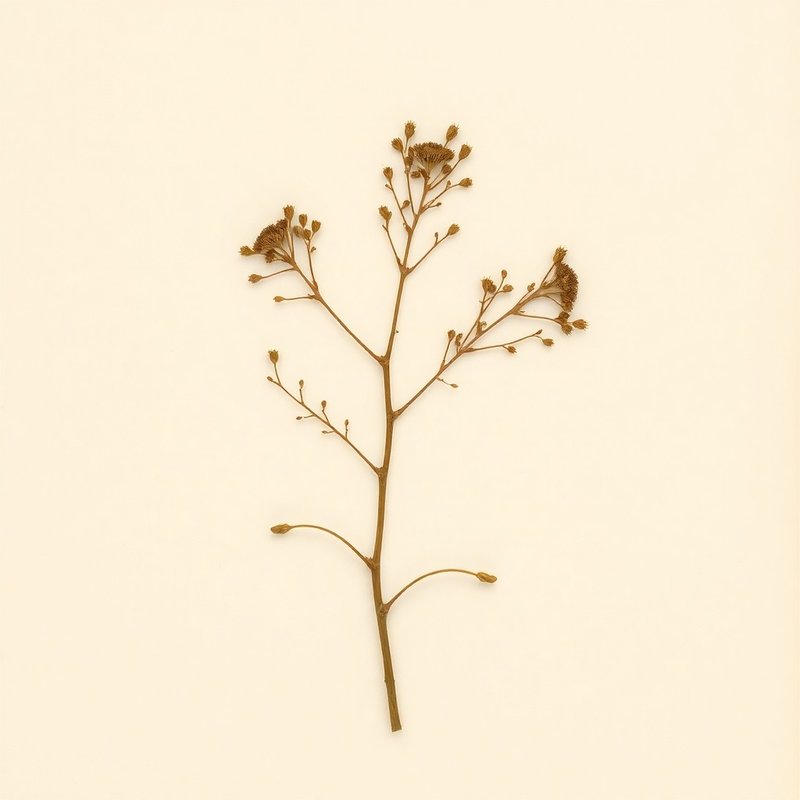
SIDE A
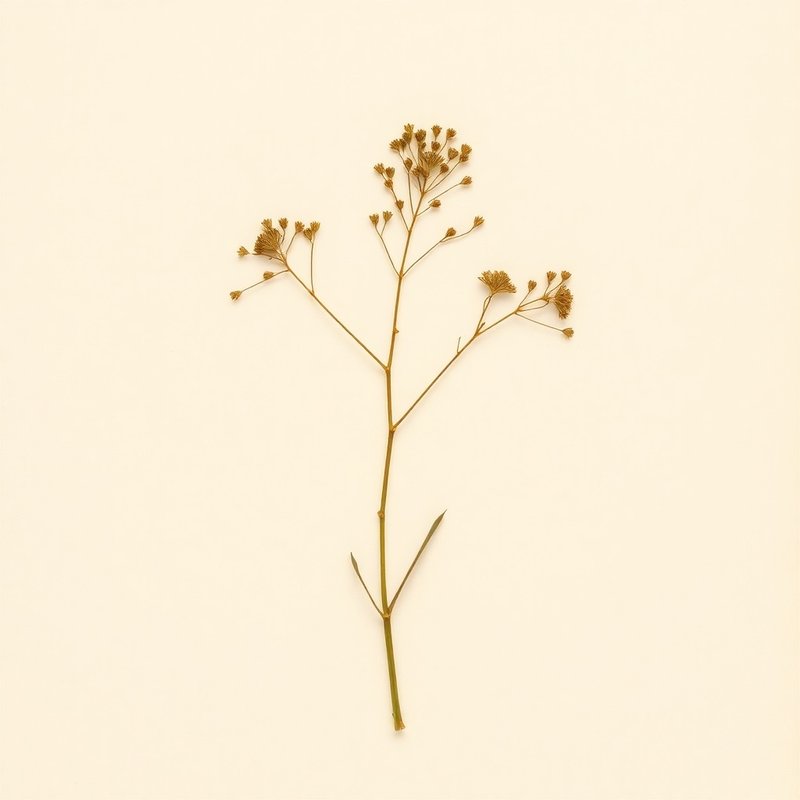
Lophomyrtus bullata
Lophomyrtus bullata
Myrtaceaeediblemedicinal
Lophomyrtus bullata, a member of the Myrtaceae family, has been traditionally used in New Zealand for supporting immune health. Its close relation to Eucalyptus and other medicinal myrtles suggests similar beneficial properties.
Myrtle has been traditionally used in Mediterranean herbal medicine to support the immune system, often prepared as a decoction. Its antimicrobial properties may help maintain healthy respiratory and urinary tract function.
Uses documented for one plant but not the other — pick based on which goal matters more to you.
Lophomyrtus bullata has been traditionally used in New Zealand for digestive issues, similar to other Myrtaceae species like Leptospermum scoparium.
No documented uses beyond what Lophomyrtus bullata also covers.
Myrtle has the stronger documented effect (moderate confidence vs moderate for Lophomyrtus bullata). Both work; this one has more clinical backing.
Lophomyrtus bullata (Lophomyrtus bullata) and Myrtle (Myrtus communis) are both in the Myrtaceae family. See the side-by-side table above for cultivation needs, edible parts, and medicinal uses.
Myrtle has stronger documented evidence for Immune support. See the "Both used for same goals" section for cited statements from each.
Plant combinations should be evaluated case by case. Check the safety/contraindications section on each plant's profile (Lophomyrtus bullata and Myrtle) before mixing. Some combinations are synergistic, others can interact with medication.
Every plant profile includes a Cautions section with contraindications, drug interactions, and population warnings. Consult a healthcare professional before using either for medicinal purposes.
Occasional email when substantial new content lands — plant profiles, seasonal growing notes, folk-remedy additions. Free, no tracking, unsubscribe anytime.