
Myrtle
Myrtus communisfam. Myrtaceae
Educational content — not medical, botanical, or professional advice. Always consult a qualified clinician before using any herbal preparation — especially during pregnancy, breastfeeding, while on medication, or for children. How we source & review →
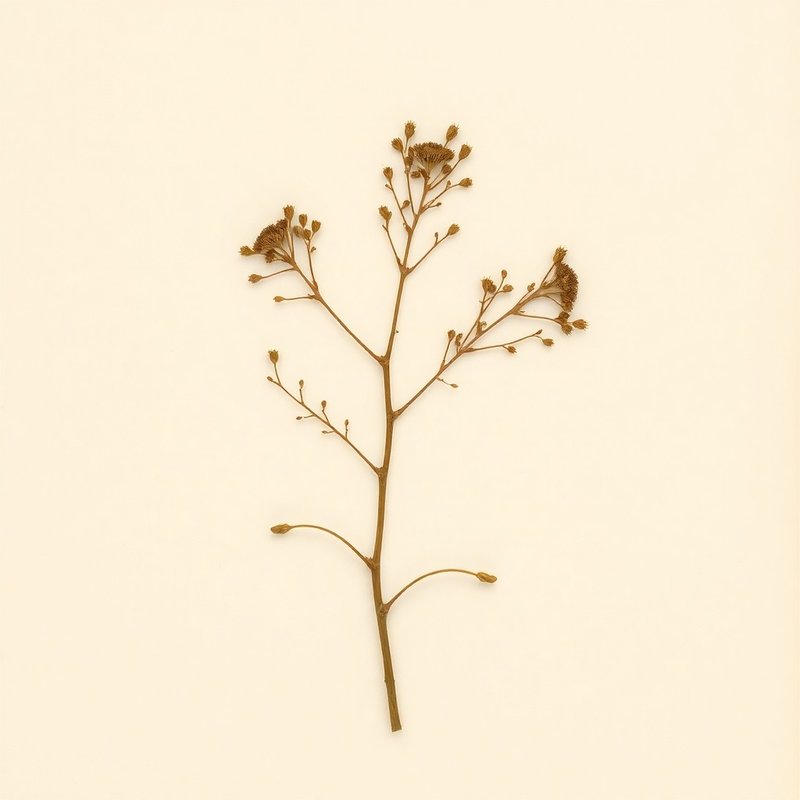
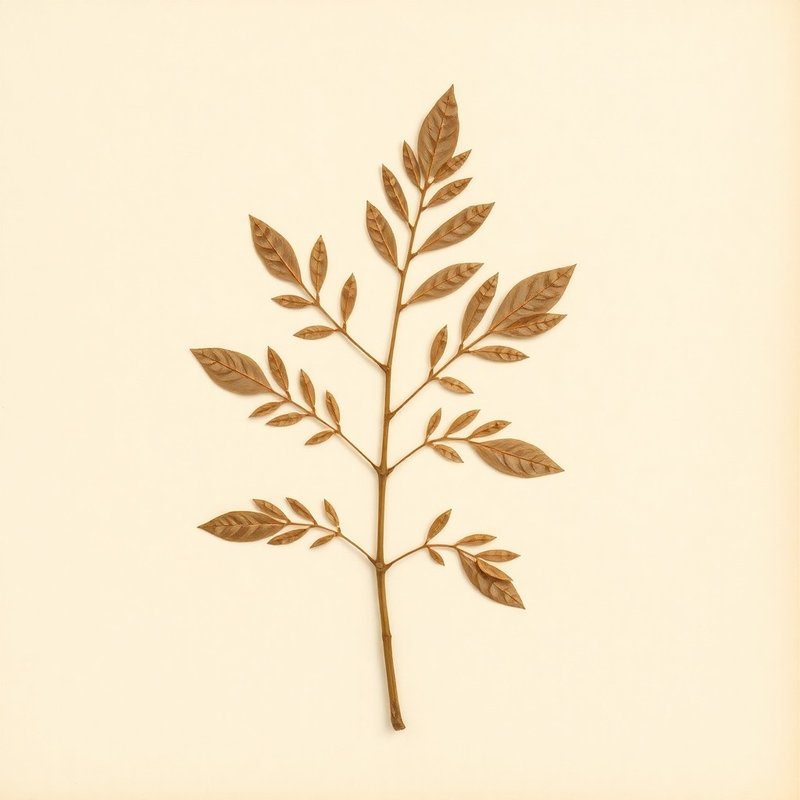
Pl. 1359 — Myrtus communis
Myrtus communisMyrtus communisMyrtus communisMyrtus communisMyrtus communisMyrtus communisMyrtus communisMyrtus communisMyrtus communisMyrtus communisMyrtus communisMyrtus communisMyrtus communisMyrtus communis
IOverview
Overview
Myrtle, scientifically known as Myrtus communis, is a perennial shrub native to the Philippines and other Mediterranean regions such as Afghanistan, Albania, Algeria, and the Canary Islands. This plant thrives in full sun with a preference for dry to moist conditions and can grow up to 4.5 meters tall. It is adaptable to various soil types, including light (sandy), medium, and heavy (clay). Myrtle is both edible and medicinal; its flowers and fruit are commonly used. The plant's distinctive feature lies in its ability to flourish in a range of environments, making it a versatile addition to gardens or landscapes.
Quick answers
What is Myrtle?
Myrtle, scientifically known as Myrtus communis, is a perennial shrub native to the Philippines and other Mediterranean regions such as Afghanistan, Albania, Algeria, and the Canary Islands. This plant thrives in full sun with a preference for dry to moist conditions and can grow up to 4.
What is Myrtle used for?
Traditionally used for immune support. Each claim is evidence-rated — see Section II for full citations.
Best for
Top 1 evidence-ranked use of Myrtle
Clinicaluses · safety · chemistry · dosagemedicinal profile
IIBenefits & evidence
1 claim · 0 sources
Benefits & evidence
1 claim · 0 sources- Myrtle has been traditionally used in Mediterranean herbal medicine to support the immune system, often prepared as a decoction. Its antimicrobial properties may help maintain healthy respiratory and urinary tract function.
Myrtus communis contains essential oils like eugenol and cineole which exhibit antibacterial and antifungal activities against various pathogens. The mechanism involves disrupting cell membranes of microorganisms, though specific pathways are not fully characterised.
Growingconditions · propagation · uses
VCultivation
Cultivation
Myrtle is a perennial plant that thrives in full sun and can tolerate dry to moist conditions. It prefers well-drained soil, including light sandy, medium, and heavy clay types. The plant is hardy in temperate regions with an 8-9 zone rating. To grow myrtle, choose a location with suitable soil and adequate sunlight. Water the plant when necessary, but avoid overwatering. Myrtle can be propagated through its edible flowers and fruit, providing a natural method for gardeners to multiply their plants.
Light
Full sun
Water
Dry, Moist
Soil
Light (sandy), Medium, Heavy (clay)
Hardiness
8-9
Life cycle
Perennial
Mature size
4.5 m tall
For first-time growers
How to grow Myrtle for the first time
8steps
Start with a simple, full-sun spot and basic care for your Myrtle.
- 1
What you'll need
A young Myrtle plant or seeds, well-draining soil, and a container if planting in a pot.
- 2
Best time to plant
Plant Myrtle in spring when the weather is warming up.
- 3
Soil and container prep
Use a mix of light (sandy), medium, or heavy soil with good drainage. Ensure containers have holes for water to escape.
- 4
Sowing or transplanting
Transplant young Myrtle plants from a nursery pot into your garden bed or a larger container.
- 5
First two weeks
Water the plant regularly but avoid overwatering. Keep it in a sunny spot and monitor for pests.
- 6
Ongoing care
Provide full sun, water when soil feels dry, and prune to maintain shape as needed.
- 7
Harvest or pruning
Prune Myrtle regularly to encourage bushy growth. Harvest flowers and fruits if desired.
- 8
Common mistakes
Overwatering, planting in heavy clay soil, not providing enough sunlight, and neglecting regular pruning.
VIEdible & utility
Edible & utility
Edible parts:FlowersFruit
Edible uses: Condiment, Drink
Other uses:Fire starterEssential OilHedgerowFragrance
Contextrange · companions · related
VIIDistribution
30 native · 0 introduced
Distribution
30 native · 0 introducedDistribution across3 continents· 30 native
Europe7 regions
native (7)AlbaniaCyprusFranceGreeceItalyPortugalSpain
Asia7 regions
native (7)AfghanistanIranIraqPakistanPalestineTurkeyYemen
Africa6 regions
native (6)AlgeriaEritreaEthiopiaLibyaMoroccoTunisia
Broader regions
native:Yugoslavia, East Aegean Is., Kriti, Lebanon-Syria
IXSpecimen gallery
1 image
Specimen gallery
1 imageXSee also
8 related
See also
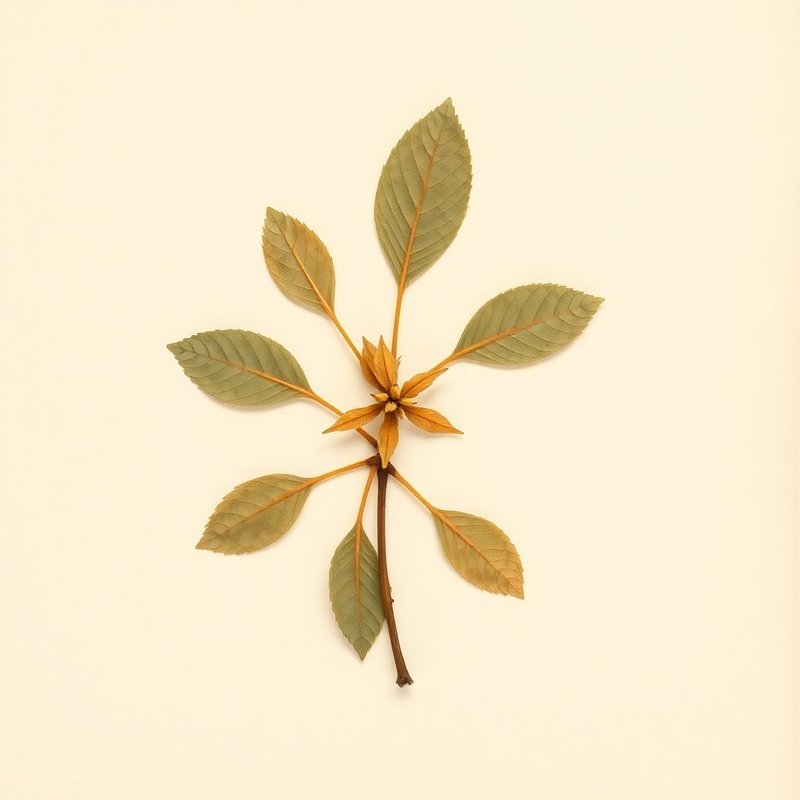
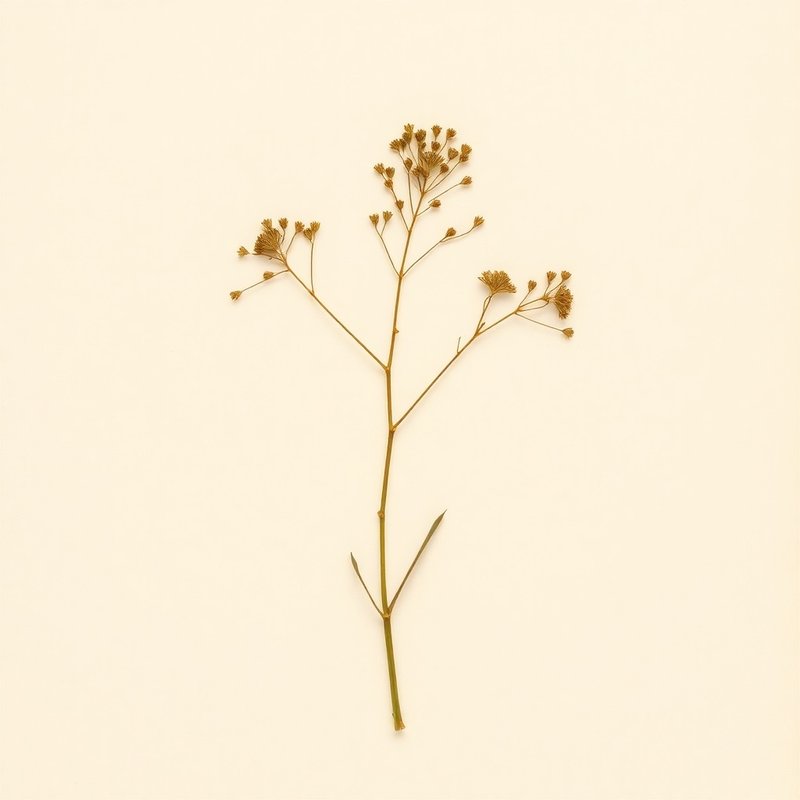
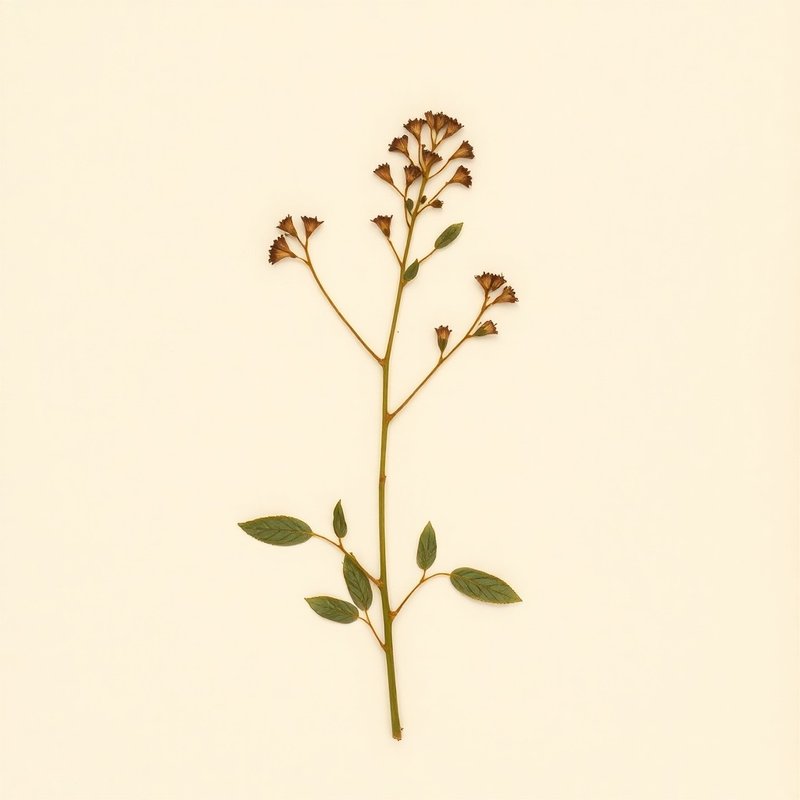
8 relatedPlants you might compare or use together — scored by shared family (Myrtaceae), common use cases, and growing requirements.
same family · Myrtaceae
Botanical relatives — often share phytochemistry + growing needs.
shared use cases
Different families, similar therapeutic role — good for comparing.
XI
Explore further
Companion planting
Health goals
Compare with similar plants
Growing zone
XII
About this entry
- Last updated
- Citation
- How to cite this entry · Submit a correction
Back to the cataloguePlant id · 135995a2-a05c-40a8-8036-e79c6b8092b5
Decision aid
Choosing between Myrtle and something else?
Continue reading
❦❦❦❦
Endpaper · archive updates
Get archive updates
Occasional email when substantial new content lands — plant profiles, seasonal growing notes, folk-remedy additions. Free, no tracking, unsubscribe anytime.