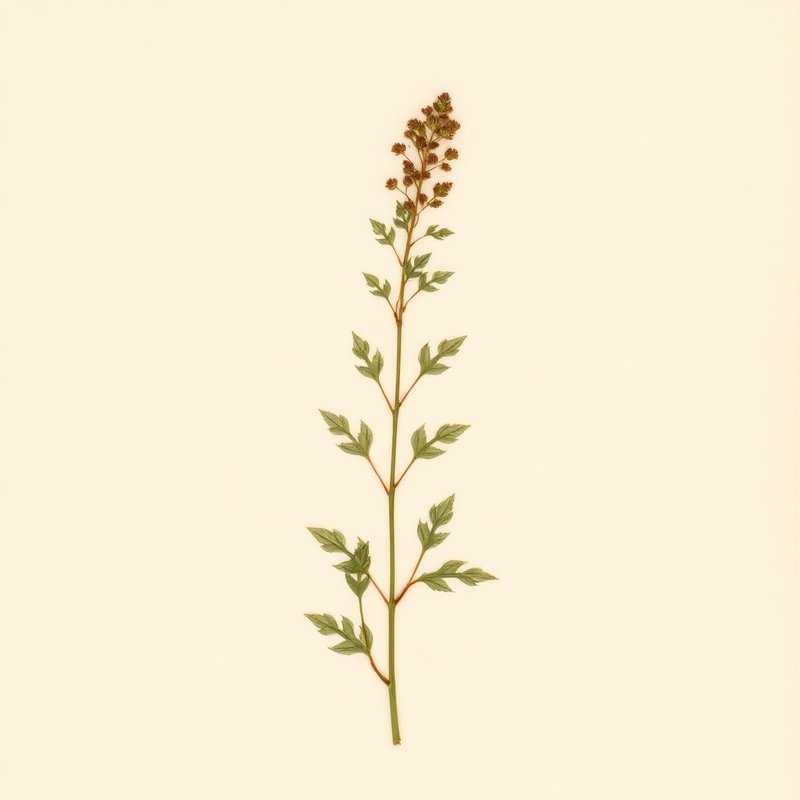
SIDE A
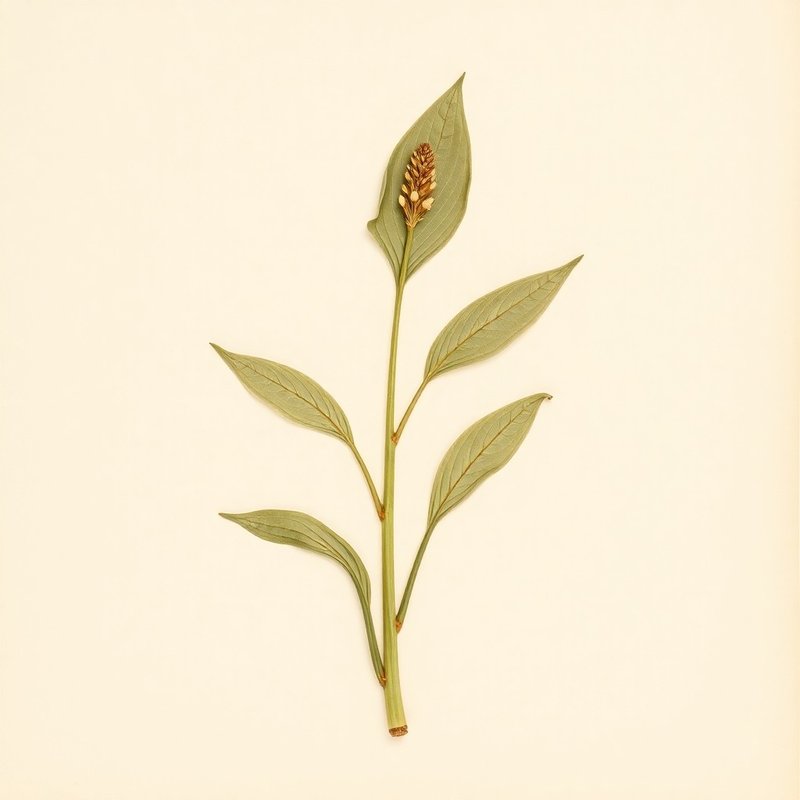
Swamp Hosta
Hosta longissima
Liliaceaeediblemedicinal
Swamp Hosta is traditionally used topically for skin conditions such as minor irritations and inflammation. A poultice or topical application of the leaves may help soothe affected areas.
Dock leaves are traditionally used topically to soothe skin irritations and minor wounds, often crushed or made into a poultice. This use is based on the plant's anti-inflammatory properties.
Swamp Hosta, like other Hostas, has been traditionally used in East Asian medicine for digestive issues such as bloating and indigestion. A decoction of the leaves or stems may help alleviate these symptoms.
Dock leaves have been traditionally used in European herbalism to support digestive health, often prepared as a tea or decoction. The plant's high tannin content may help soothe the gastrointestinal tract.
Fewleaved Dock has the stronger documented effect (moderate confidence vs moderate for Swamp Hosta). Both work; this one has more clinical backing.
Fewleaved Dock has the stronger documented effect (moderate confidence vs moderate for Swamp Hosta). Both work; this one has more clinical backing.
Swamp Hosta (Hosta longissima) and Fewleaved Dock (Rumex paucifolius) belong to different botanical families. See the side-by-side table above for cultivation needs, edible parts, and medicinal uses.
Fewleaved Dock has stronger documented evidence for Topical & skin. See the "Both used for same goals" section for cited statements from each.
Plant combinations should be evaluated case by case. Check the safety/contraindications section on each plant's profile (Swamp Hosta and Fewleaved Dock) before mixing. Some combinations are synergistic, others can interact with medication.
Every plant profile includes a Cautions section with contraindications, drug interactions, and population warnings. Consult a healthcare professional before using either for medicinal purposes.
Occasional email when substantial new content lands — plant profiles, seasonal growing notes, folk-remedy additions. Free, no tracking, unsubscribe anytime.