
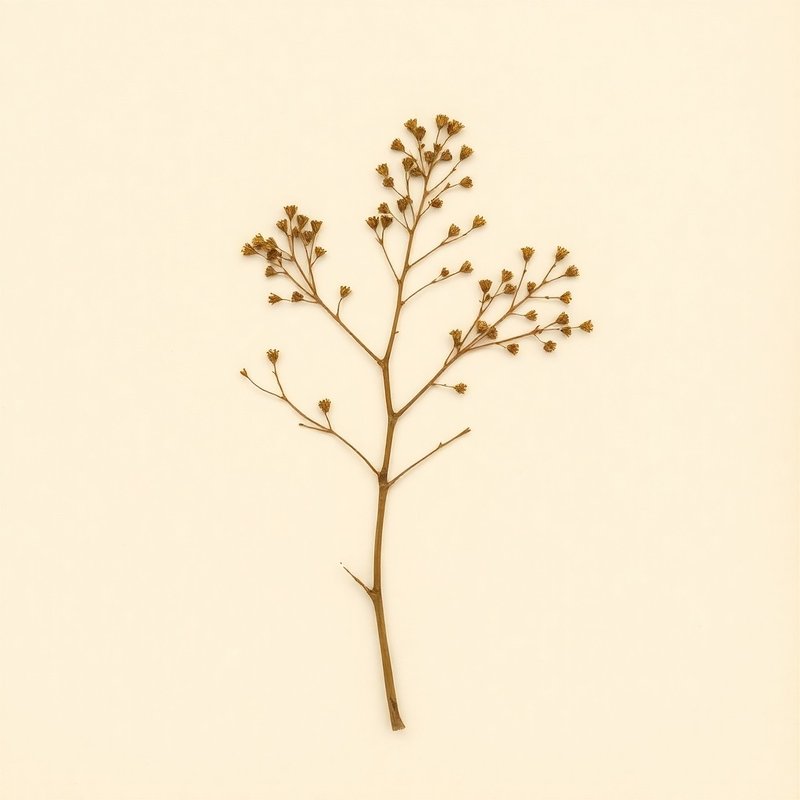
Hall’s Creek wattle
IOverview
Overview
Hall’s Creek wattle, scientifically known as Acacia cowleana, is a member of the Fabaceae family and can be found in the wild across New South Wales, Northern Territory, Queensland, and Western Australia. This shrub or small tree grows to about 5 meters tall and thrives in full sun with varying soil types, from light (sandy) to medium. Known for its edible seed and seedpod, Hall’s Creek wattle is a valuable resource in the arid and semi-arid regions of Australia. Its distinctive feature includes bright yellow flowers that add a splash of color to the landscape during spring. The seeds can be eaten raw or cooked, while the seedpods are typically prepared by cooking before consumption. These parts of the plant provide a food source in their native range, which includes New South Wales, Northern Territory, Queensland, and Western Australia. Hall’s Creek wattle is also useful as a fire starter, wind breaker, soil conditioner, and for soil reclamation. Its fast growth and nitrogen-fixing properties make it a valuable plant for reforestation and land rehabilitation projects. While Hall’s Creek wattle is not known for medicinal uses, it is important to exercise caution when consuming any part of the plant, as some species within the Acacia genus can be toxic.
What is Hall’s Creek wattle?
Hall’s Creek wattle, scientifically known as Acacia cowleana, is a member of the Fabaceae family and can be found in the wild across New South Wales, Northern Territory, Queensland, and Western Australia.
VCultivation
Cultivation
How to grow Hall’s Creek wattle for the first time
Start with Hall’s Creek wattle by planting it in a sunny spot and ensuring the right soil conditions.
- 1
What you'll need
Seeds, potting mix, container or garden bed, watering can.
- 2
Best time to plant
Plant Hall’s Creek wattle in spring or autumn when temperatures are mild.
- 3
Soil and container prep
Use well-draining soil with a pH between 6.0 and 7.5 for best results.
- 4
Sowing or transplanting
Direct sow seeds in the ground or start them indoors before transplanting.
- 5
First two weeks
Water regularly to keep soil moist but not waterlogged, providing about 20-30 minutes of watering daily.
- 6
Ongoing care
Ensure full sun exposure and avoid overwatering. Fertilize sparingly with a balanced fertilizer in spring.
- 7
Harvest or pruning
Prune lightly to shape the plant, focusing on removing dead or damaged branches.
- 8
Common mistakes
...
VIEdible & utility
Edible & utility
VIIDistribution
4 native · 0 introduced
Distribution
4 native · 0 introducedIXSpecimen gallery
1 image
Specimen gallery
1 imageXSee also
8 related
See also
8 relatedPlants you might compare or use together — scored by shared family (Fabaceae), common use cases, and growing requirements.

Explore further
About this entry
- Last updated
- Citation
- How to cite this entry · Submit a correction
Continue reading
Get archive updates
Occasional email when substantial new content lands — plant profiles, seasonal growing notes, folk-remedy additions. Free, no tracking, unsubscribe anytime.