
Knife-Leaf Wattle
IOverview
Overview
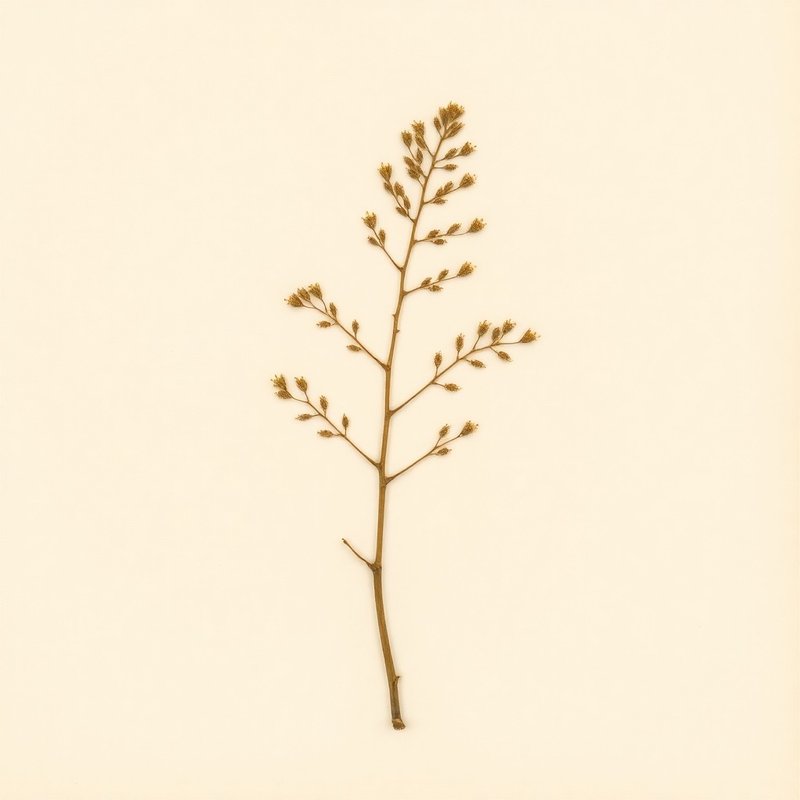
Knife-Leaf Wattle, scientifically known as Acacia cultriformis, is a shrub native to the dry and moist regions of New South Wales and Queensland in Australia. This plant thrives in full sun and can tolerate various soil types, including light (sandy), medium, and heavy (clay). It grows up to 4 meters tall and is notable for its edible flowers, which make it a valuable resource for those seeking sustainable food sources. The distinctive feature of this plant includes narrow, blade-like leaves, resembling a knife, hence the common name "Knife-Leaf Wattle." This shrub is native to New South Wales and Queensland but has been introduced to other regions such as Argentina Northeast, Assam, Brazil Northeast, Cape Provinces, Ethiopia, India, Jawa, and Zimbabwe. Its edible flowers can be enjoyed raw or used to make a light tea, adding a mild flavor to dishes. Knife-Leaf Wattle is also a nitrogen fixer and can be used as a hedgerow, making it a useful plant for various applications. While the plant is not medicinal, it is important to note that any part of the plant should be handled with caution and not consumed without proper identification, as some Acacia species can be toxic.
What is Knife-Leaf Wattle?
Knife-Leaf Wattle, scientifically known as Acacia cultriformis, is a shrub native to the dry and moist regions of New South Wales and Queensland in Australia. This plant thrives in full sun and can tolerate various soil types, including light (sandy), medium, and heavy (clay).
VCultivation
Cultivation
How to grow Knife-Leaf Wattle for the first time
Start with Knife-Leaf Wattle for a low-maintenance, beginner-friendly project.
- 1
What you'll need
Knife-Leaf Wattle seedlings or cuttings.
- 2
Best time to plant
Plant in spring or autumn when the weather is mild.
- 3
Soil and container prep
Use well-draining soil with a mix of light, medium, and heavy textures.
- 4
Sowing or transplanting
Transplant seedlings into containers or directly in the garden after all frost danger has passed.
- 5
First two weeks
Water regularly to keep the soil moist but not waterlogged. Protect from strong winds and direct sun.
- 6
Ongoing care
Water when the top inch of soil feels dry, especially in dry conditions. Prune lightly to maintain shape.
- 7
Harvest or pruning
Prune to remove dead or damaged branches and to encourage a bushy growth habit.
VIEdible & utility
Edible & utility
VIIDistribution
2 native · 8 introduced
Distribution
2 native · 8 introducedIXSpecimen gallery
1 image
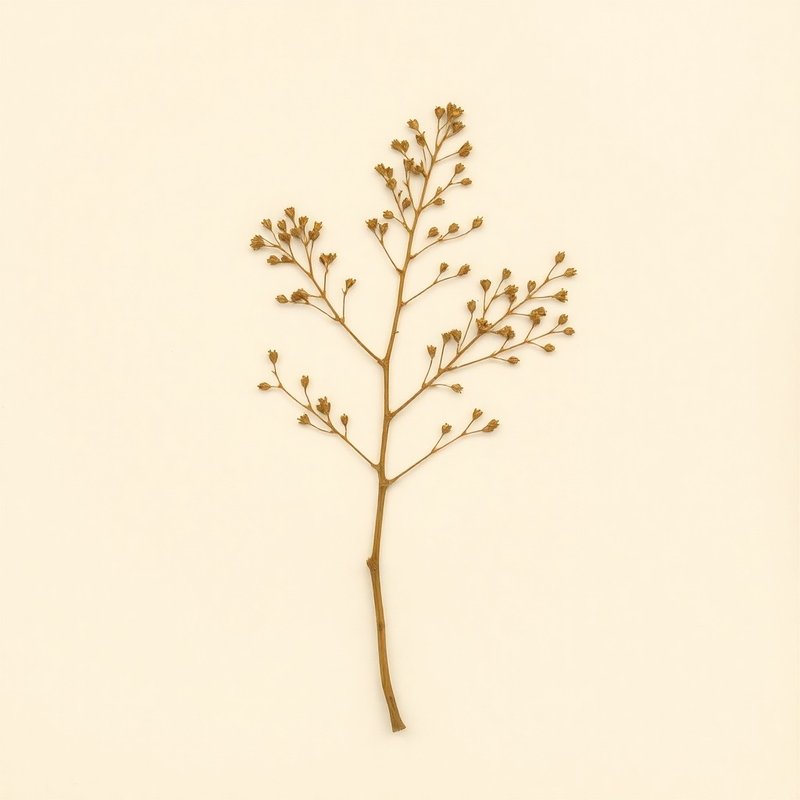
Specimen gallery
1 imageXSee also
8 related
See also
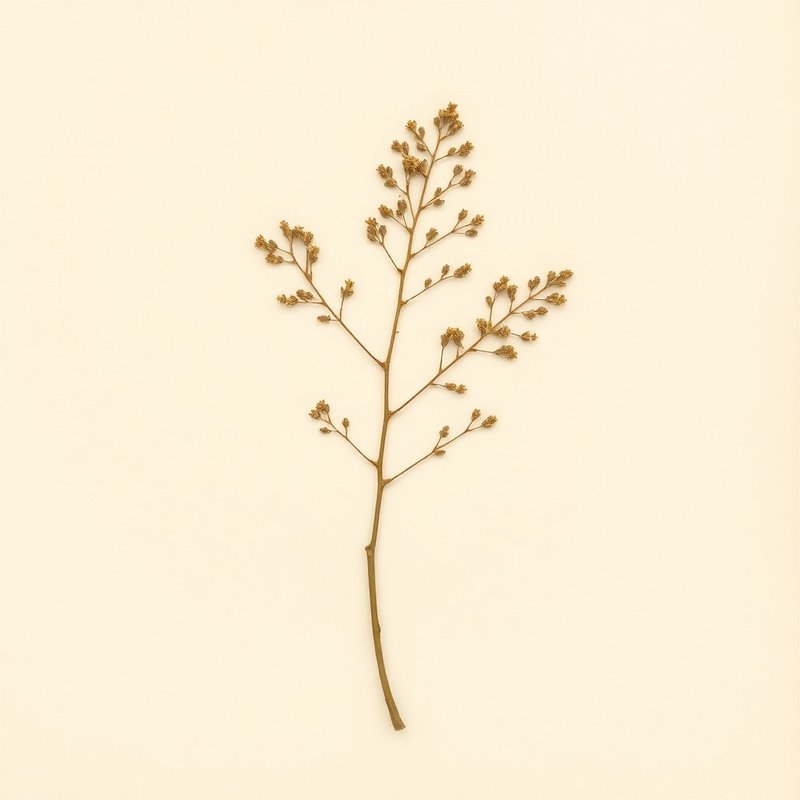
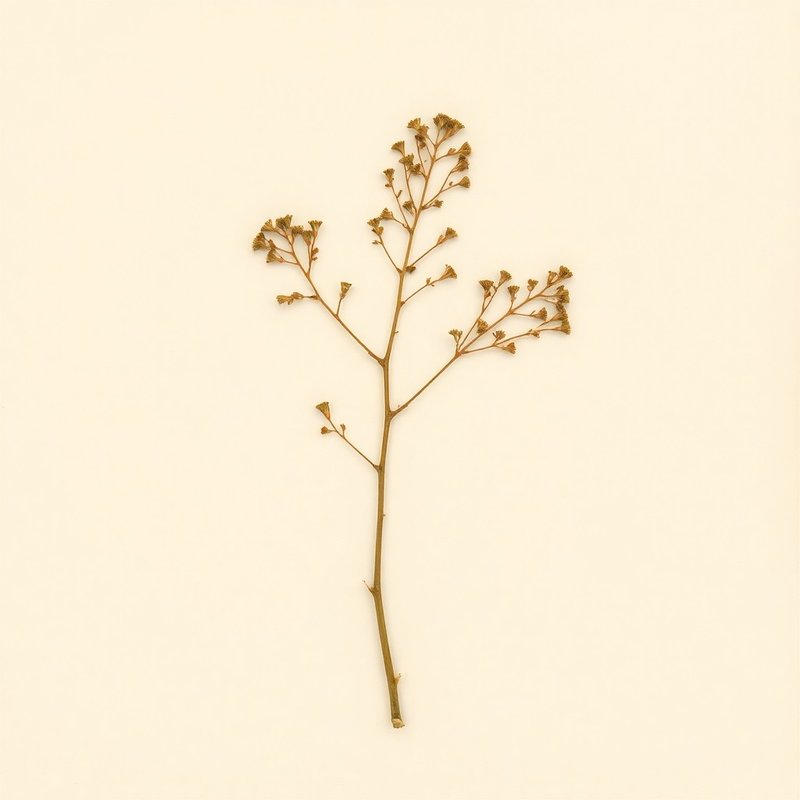
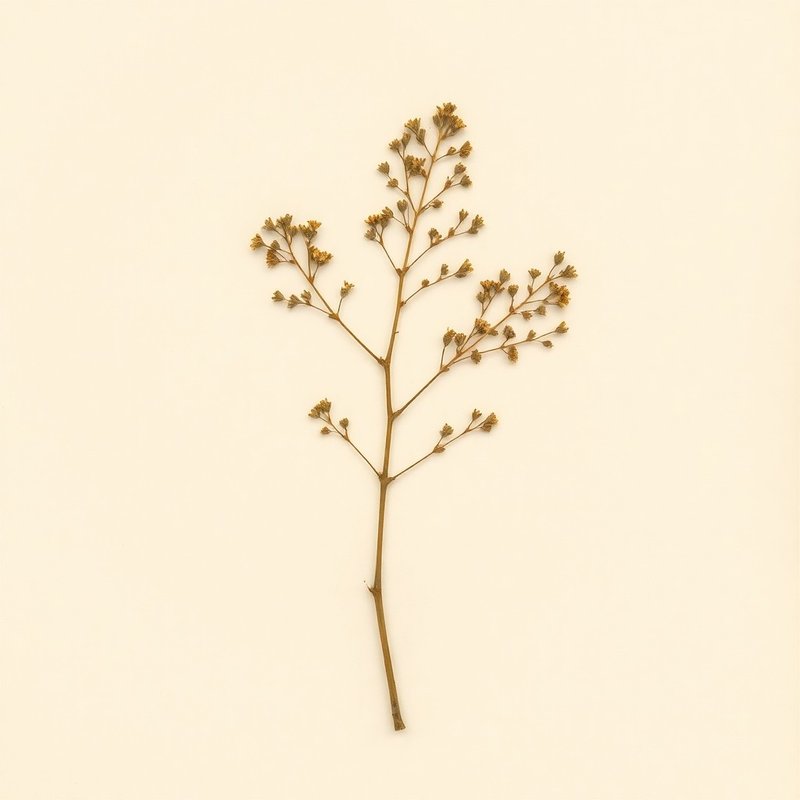
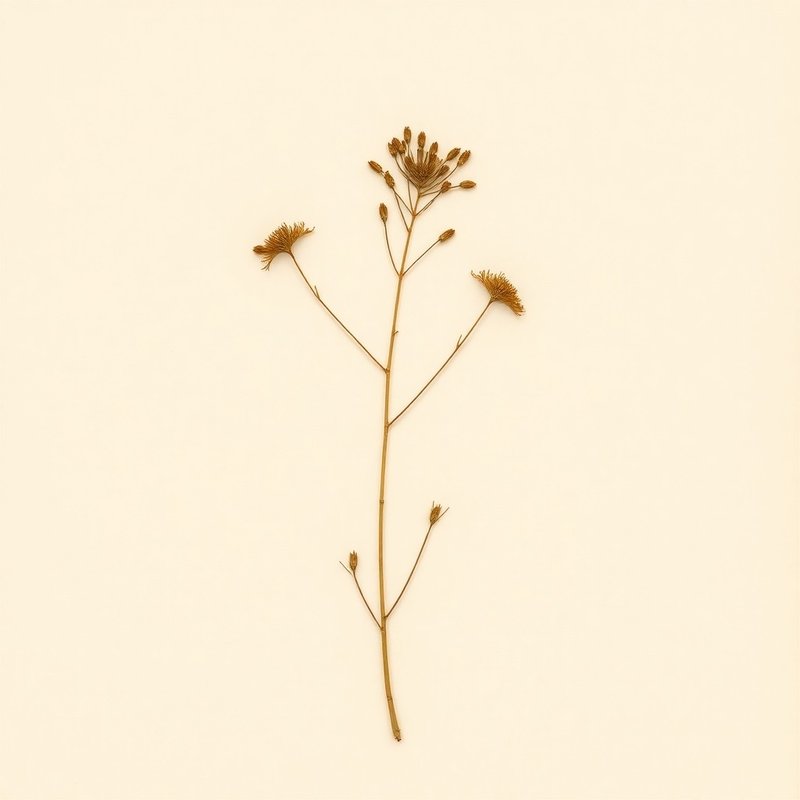
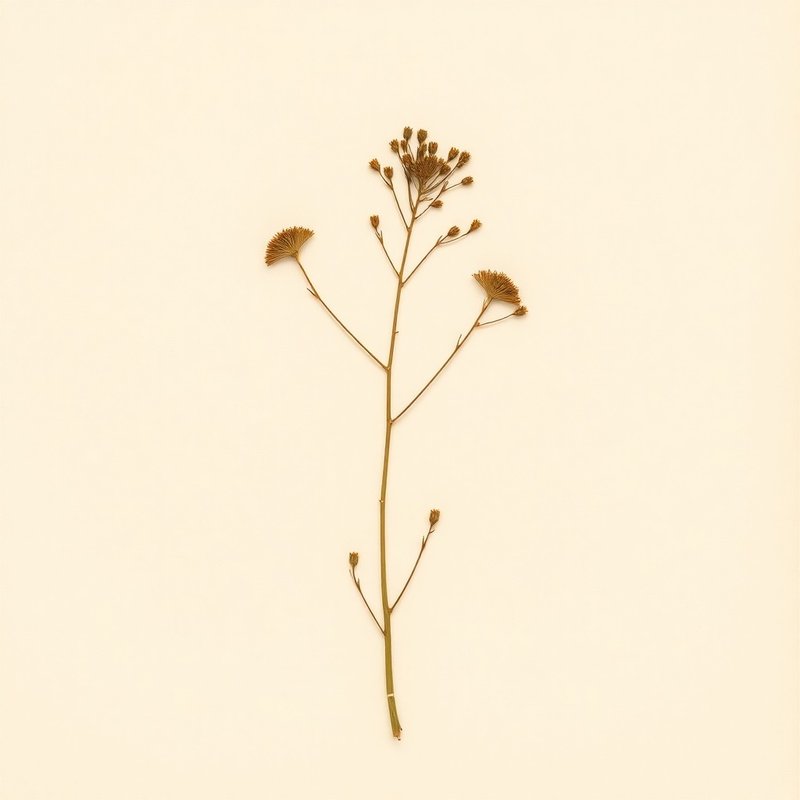
8 relatedPlants you might compare or use together — scored by shared family (Fabaceae), common use cases, and growing requirements.

Explore further
About this entry
- Last updated
- Citation
- How to cite this entry · Submit a correction
Continue reading
Get archive updates
Occasional email when substantial new content lands — plant profiles, seasonal growing notes, folk-remedy additions. Free, no tracking, unsubscribe anytime.