
Silver Wattle
Acacia dealbatafam. Fabaceae
Educational content — not medical, botanical, or professional advice. Plant identification, safety, and edibility depend on local conditions, cultivars, and correct identification. Consult a qualified botanist or forager before consuming or handling wild specimens. How we source & review →
Garden journal pausedUse profile notes below
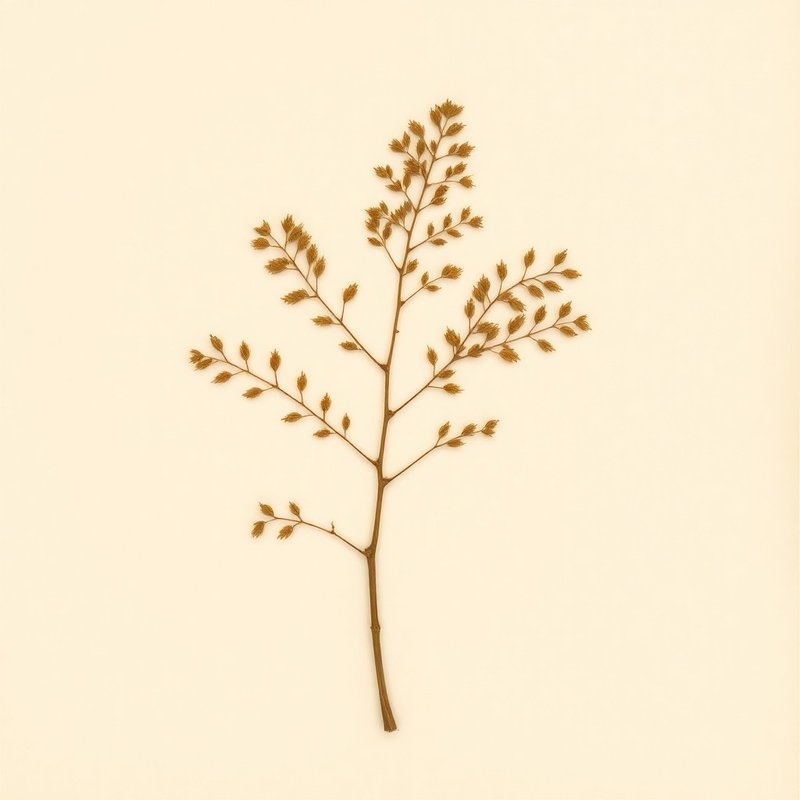
Pl. 5E4C — Acacia dealbata
Acacia dealbataAcacia dealbataAcacia dealbataAcacia dealbataAcacia dealbataAcacia dealbataAcacia dealbataAcacia dealbataAcacia dealbataAcacia dealbataAcacia dealbataAcacia dealbataAcacia dealbataAcacia dealbata
IOverview
Overview
Acacia dealbata, commonly known as the Silver Wattle, is a large shrub or small tree native to the eastern regions of Australia, specifically New South Wales, Tasmania, and Victoria. This member of the Fabaceae family, also known as the leguminosae, is well-suited to a variety of growing conditions, thriving in full sun and adapting to both dry and moist environments. Its ability to tolerate different soil types, including light (sandy) and medium textures, makes it an adaptable choice for gardeners. The Silver Wattle is valued for its ornamental qualities, featuring silver-gray foliage and fragrant yellow flowers. Its flowers are the only part suitable for consumption, making it an edible ornamental plant. The tree can grow up to 25 meters in height and is a striking addition to gardens and landscapes. Additionally, Acacia dealbata serves multiple practical purposes, including the production of dye, gum, and tannin, as well as erosion control and as a nitrogen fixer. While the Silver Wattle is not known for medicinal uses, it is important to exercise caution when handling any plant, as some parts may contain compounds that could be harmful if ingested or applied improperly.
Quick answers
What is Silver Wattle?
Acacia dealbata, commonly known as the Silver Wattle, is a large shrub or small tree native to the eastern regions of Australia, specifically New South Wales, Tasmania, and Victoria.
Growingconditions · propagation · uses
VCultivation
Cultivation
Silver Wattle, or Acacia dealbata, thrives in full sun and prefers well-draining soil that is light (sandy) or medium. It is adaptable to both dry and moist conditions but requires regular watering to maintain its health. This tree is hardy in zones 7-10, making it suitable for temperate regions. For propagation, use seeds or cuttings. Silver Wattle can grow up to 25 meters tall and is known for its edible flowers.
Light
Full sun
Water
Dry, Moist
Soil
Light (sandy), Medium
Hardiness
7-10
Mature size
25.0 m tall
For first-time growers
How to grow Silver Wattle for the first time
8steps
Start with a simple Silver Wattle to gain experience in gardening basics.
- 1
What you'll need
A young Silver Wattle plant, garden gloves, and a trowel.
- 2
Best time to plant
Plant in spring or autumn when the weather is mild.
- 3
Soil and container prep
Ensure soil is well-draining. Amend with compost if needed.
- 4
Sowing or transplanting
Transplant young plants directly into the garden, spacing them 3-4 meters apart.
- 5
First two weeks
Water regularly to help establish roots. Keep soil moist but not waterlogged.
- 6
Ongoing care
Water during dry spells and prune lightly in late winter or early spring.
- 7
Harvest or pruning
Prune in late winter to maintain shape and encourage new growth.
- 8
Common mistakes
Overwatering, planting too close together, neglecting pruning.
VIEdible & utility
Edible & utility
Edible parts:Flowers
Edible uses: Gum
Other uses:DyeGumErosion controlTanninNitrogen fixerFragrance
Contextrange · companions · related
VIIDistribution
3 native · 58 introduced
Distribution
3 native · 58 introducedDistribution across4 continents· 3 native· 58 introduced
Europe6 regions
introduced (6)AlbaniaFranceItalyPortugalRomaniaSpain
Asia7 regions
introduced (7)ChinaIndiaMyanmarNepalPalestineSri LankaTaiwan
Americas6 regions
introduced (6)Costa RicaEcuadorGuatemalaHaitiJamaicaUruguay
Africa9 regions
introduced (9)EswatiniEthiopiaLesothoMadagascarMauritiusMozambiqueTanzaniaUgandaZimbabwe
Broader regions
native:New South Wales, Tasmania, Victoria
introduced:Amsterdam-St.Paul Is, Argentina Northeast, Brazil South, California, Cape Provinces, Chile Central, Chile South, Desventurados Is., East Himalaya, Easter Is., Free State, Juan Fernández Is., KwaZulu-Natal, New Zealand North, New Zealand South, Norfolk Is., Northern Provinces, Oregon, Réunion, South Australia, Transcaucasus, West Himalaya, Yugoslavia, Zaïre
IXSpecimen gallery
1 image
Specimen gallery
1 imageXSee also
8 related
See also
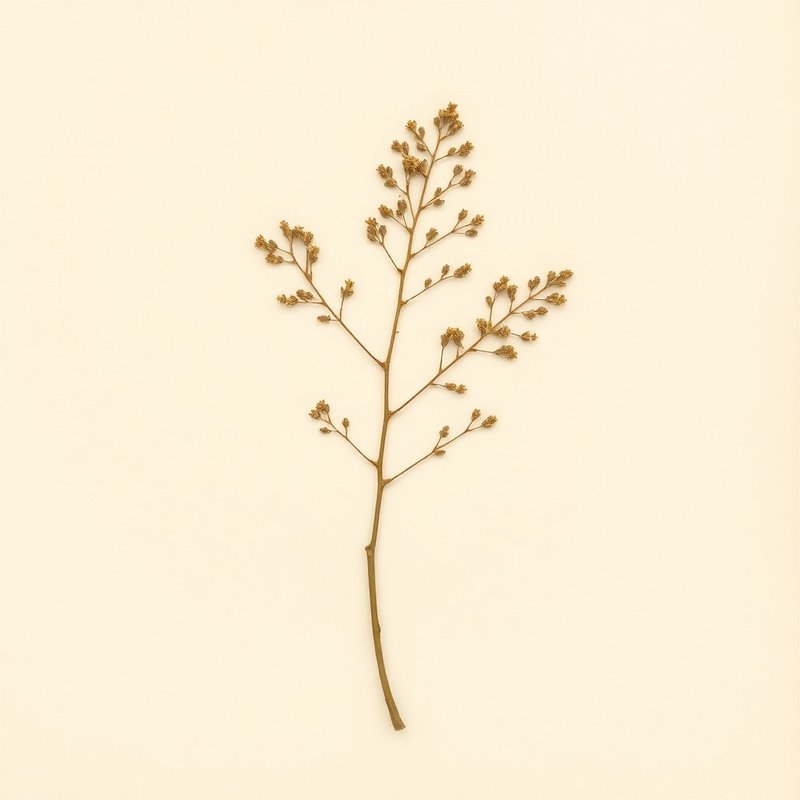
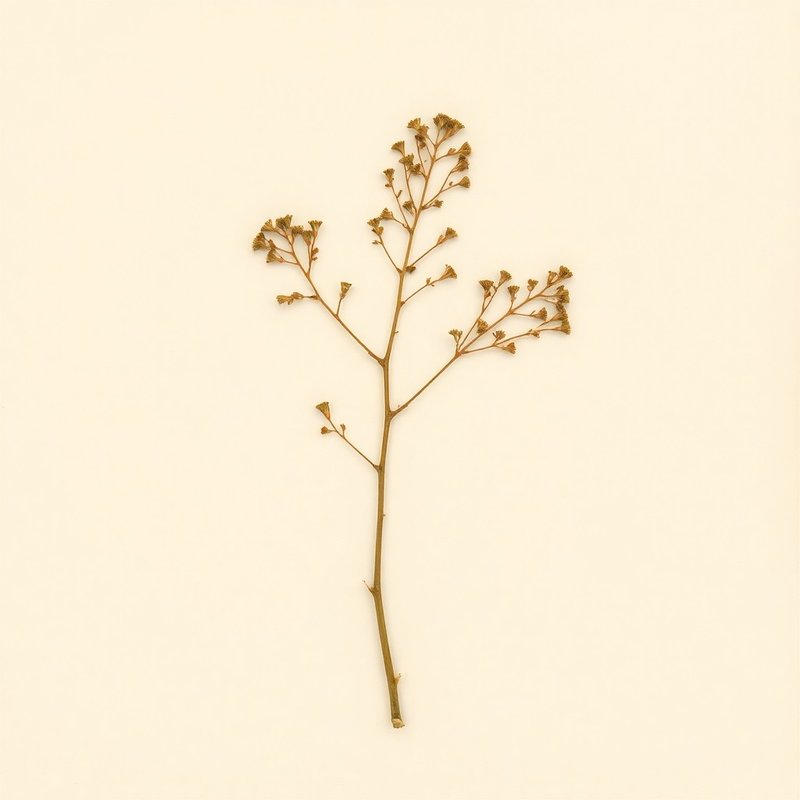
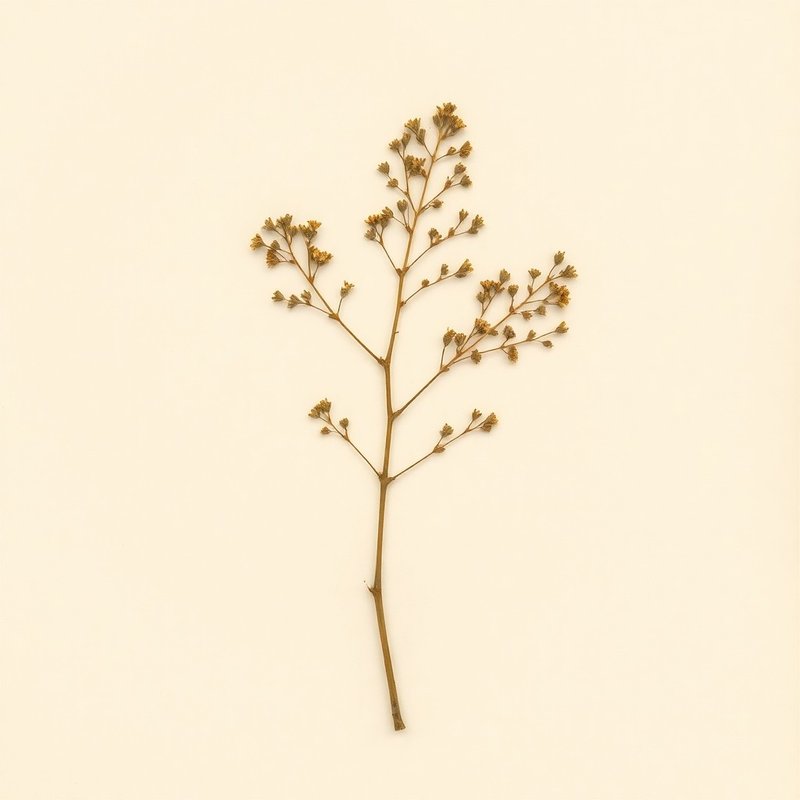
8 relatedPlants you might compare or use together — scored by shared family (Fabaceae), common use cases, and growing requirements.
same family · Fabaceae
Botanical relatives — often share phytochemistry + growing needs.
XI
Explore further
Companion planting
Compare with similar plants
Growing zone
Native to
XII
About this entry
- Last updated
- Citation
- How to cite this entry · Submit a correction
Back to the cataloguePlant id · 5e4cd613-fbf3-4509-b9e1-0b80f9f49cb4
Decision aid
Choosing between Silver Wattle and something else?
Continue reading
❦❦❦❦
Endpaper · archive updates
Get archive updates
Occasional email when substantial new content lands — plant profiles, seasonal growing notes, folk-remedy additions. Free, no tracking, unsubscribe anytime.
Newsletter returning soon.
We are rebuilding the update list around a lightweight editorial workflow. New dispatches will resume after the next content review cycle.