
Acacia holosericea
IOverview
Overview
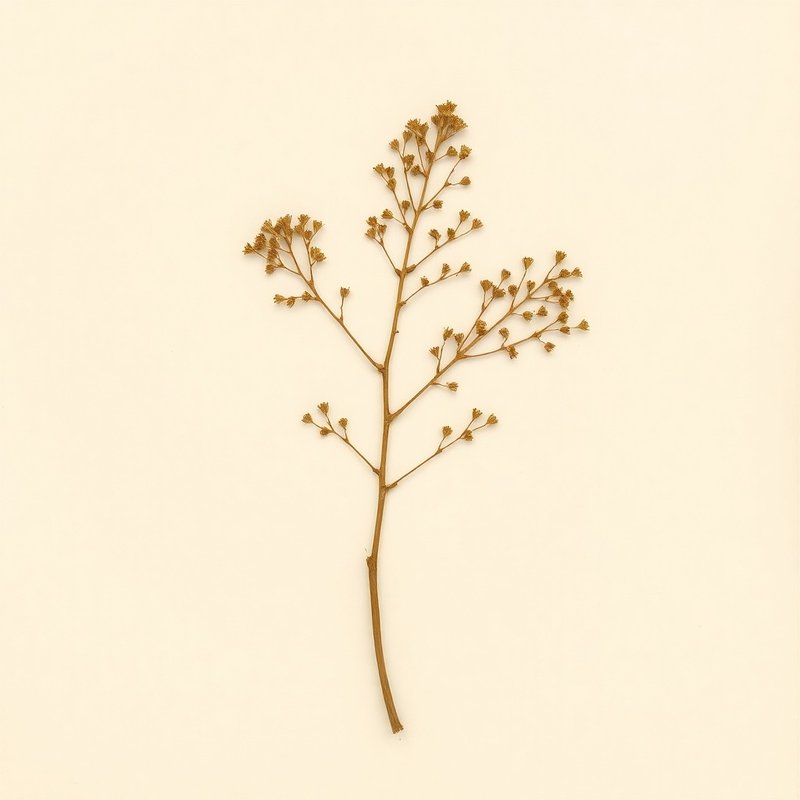
Acacia holosericea, a shrub belonging to the Fabaceae family, is native to the arid and semi-arid regions of Northern Territory, Queensland, and Western Australia. Thriving in full sun, this fast-growing plant can reach a height of 3 meters and is adaptable to various soil types, including light (sandy), medium, and heavy (clay) soils. Its distinctive silvery, velvety foliage provides a unique appearance, making it an ornamental choice for gardens. Acacia holosericea is valued for its edible parts, particularly the seeds and seedpods, which are a valuable food source in its native range. Both the seeds and seedpods can be eaten raw or cooked, offering a nutritious alternative for local communities. The plant has been introduced to Burkina, Guinea, and New Guinea, where it continues to provide valuable food resources. While not known for medicinal uses, its edible parts make it an important plant for local communities.
What is Acacia holosericea?
Acacia holosericea, a shrub belonging to the Fabaceae family, is native to the arid and semi-arid regions of Northern Territory, Queensland, and Western Australia.
VCultivation
Cultivation
How to grow Acacia holosericea for the first time
Start with Acacia holosericea as a simple, low-maintenance addition to your garden.
- 1
What you'll need
Seeds or seedlings, potting mix, watering can.
- 2
Best time to plant
Plant in spring when the weather starts warming up.
- 3
Soil and container prep
Use a well-draining soil mix suitable for general plants. Ensure containers have drainage holes.
- 4
Sowing or transplanting
Direct sow seeds into the ground or start them in small pots before transplanting to larger ones if needed.
- 5
First two weeks
Water regularly, keeping the soil moist but not waterlogged. Place in a sunny spot.
- 6
Ongoing care
Provide full sun and regular watering until established. Prune lightly to shape as needed.
- 7
Harvest or pruning
Prune branches for shaping or remove dead wood to maintain health. Flowers are not typically harvested.
- 8
Common mistakes
Overwatering, planting in heavy soil, neglecting sun exposure.
VIEdible & utility
Edible & utility
VIIDistribution
3 native · 3 introduced
Distribution
3 native · 3 introducedIXSpecimen gallery
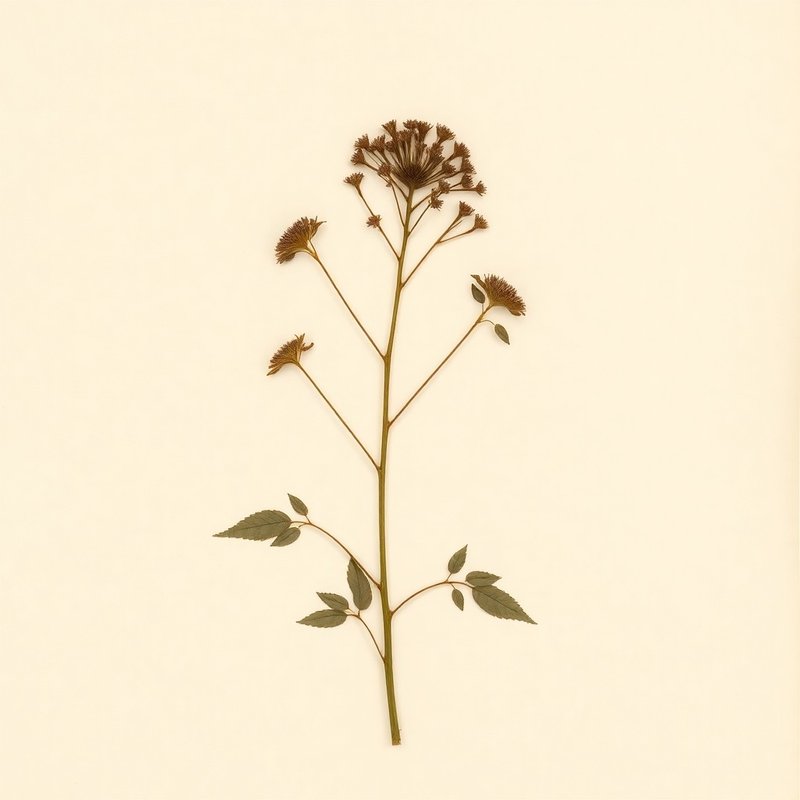
1 image
Specimen gallery
1 imageXSee also
8 related
See also
8 relatedPlants you might compare or use together — scored by shared family (Fabaceae), common use cases, and growing requirements.
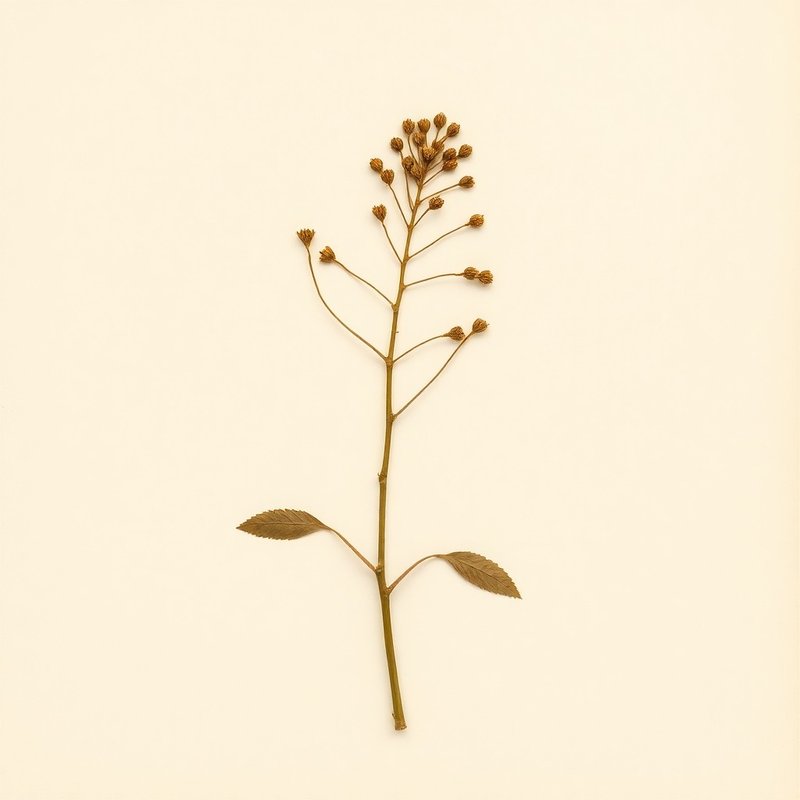
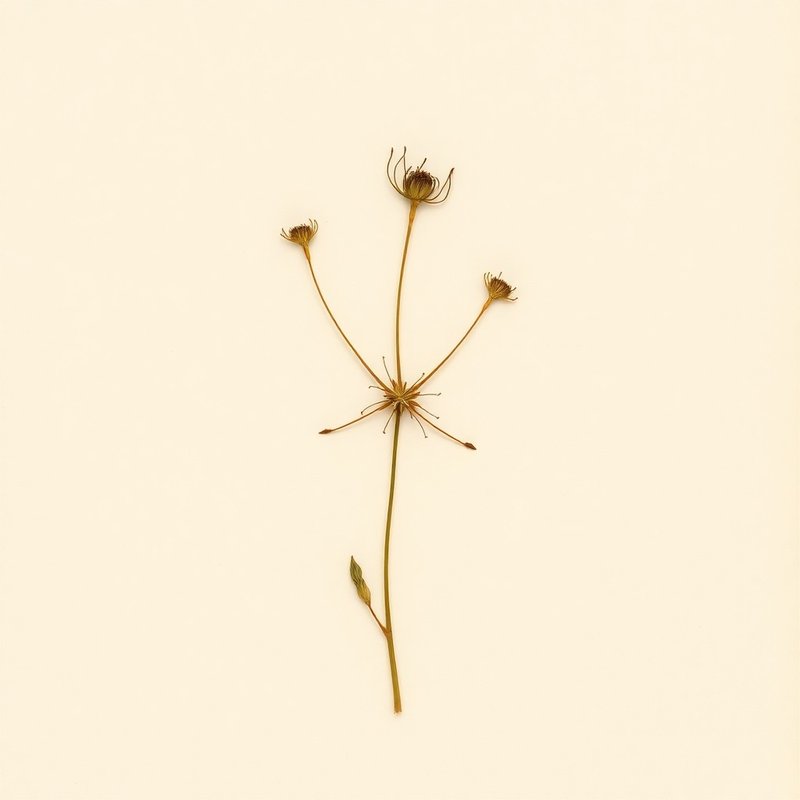
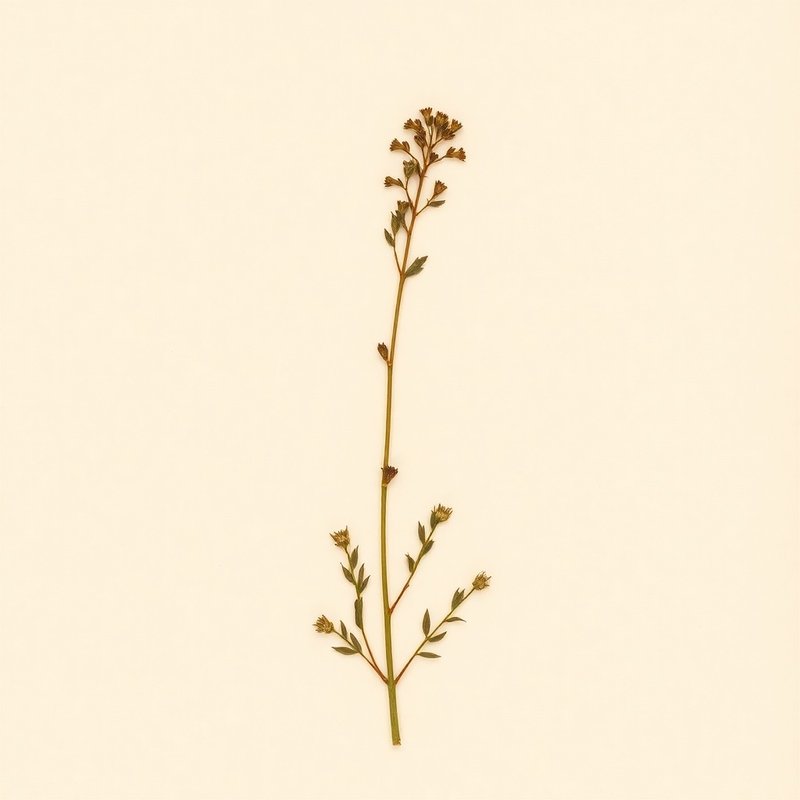
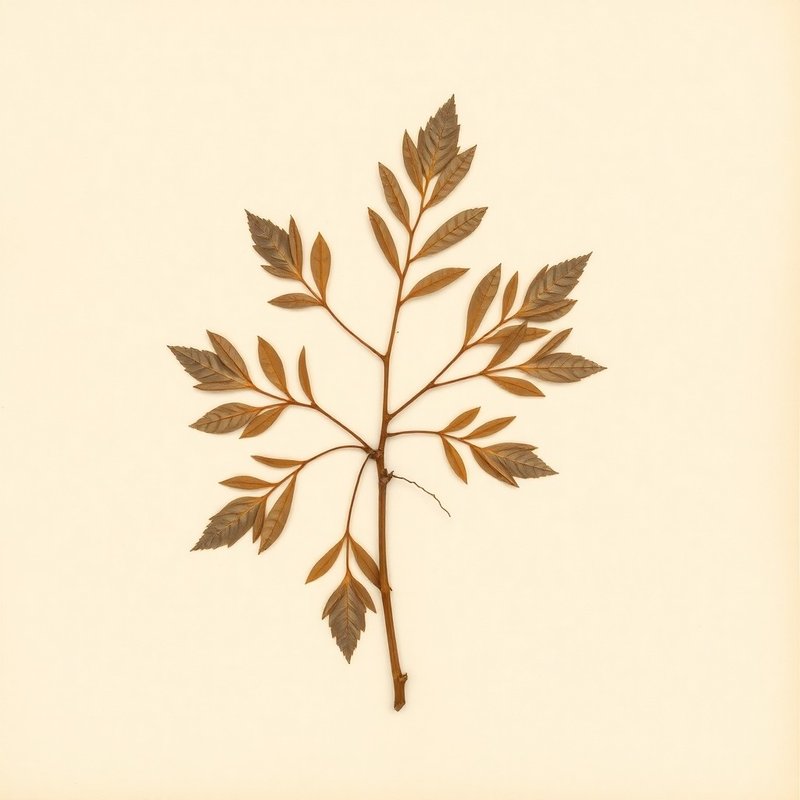
Explore further
About this entry
- Last updated
- Citation
- How to cite this entry · Submit a correction
Continue reading
Get archive updates
Occasional email when substantial new content lands — plant profiles, seasonal growing notes, folk-remedy additions. Free, no tracking, unsubscribe anytime.