
Norway Maple
Acer platanoidesfam. Sapindaceae
Educational content — not medical, botanical, or professional advice. Always consult a qualified clinician before using any herbal preparation — especially during pregnancy, breastfeeding, while on medication, or for children. How we source & review →
Pl. 33DB — Acer platanoides
Acer platanoidesAcer platanoidesAcer platanoidesAcer platanoidesAcer platanoidesAcer platanoidesAcer platanoidesAcer platanoidesAcer platanoidesAcer platanoidesAcer platanoidesAcer platanoidesAcer platanoidesAcer platanoides
IOverview
Overview
Norway Maple (Acer platanoides), a member of the Sapindaceae family, is native to Europe and parts of Asia, including Afghanistan, Albania, Austria, and Belarus. This deciduous tree thrives in moist soil with a pH between 4.8 and 6.8, making it adaptable to various growing conditions. Known for its light requirements—full sun or partial shade—and hardiness zones from 3 to 7, the Norway Maple can grow up to 21 meters tall. It is both edible and medicinal; its sap can be tapped similarly to maple syrup production, while parts of the tree have been used in traditional medicine. Its distinctive features include a rounded crown and deeply lobed leaves that turn vibrant shades of yellow, orange, and red in autumn, making it an ornamental choice for gardens and parks.
Quick answers
What is Norway Maple?
Norway Maple (Acer platanoides), a member of the Sapindaceae family, is native to Europe and parts of Asia, including Afghanistan, Albania, Austria, and Belarus. This deciduous tree thrives in moist soil with a pH between 4.8 and 6.8, making it adaptable to various growing conditions.
IV·bMixology suggestions
2 drafts
Mixology suggestions
2 draftsEditorial drafts. These pairings are AI-suggested from traditional herbal lore. Always verify with a qualified herbalist before brewing.
Stress Relief
stresstincture
Historically used for calming nervousness.
Digestive Harmony
digestiondecoction
Traditional remedy for digestive issues.
Growingconditions · propagation · uses
VCultivation
Cultivation
Norway Maple thrives in full sun to partial shade and prefers moist, well-drained soil that is light (sandy), medium, or heavy (clay). It is hardy in zones 3-7, making it suitable for temperate regions. Sap can be tapped as an edible part. Propagate through seeds or hardwood cuttings.
Light
Full sun, Partial sun/shade
Water
Moist
Soil
Light (sandy), Medium, Heavy (clay)
Hardiness
3-7
Habit
Tree
Mature size
21.0 m tall
Soil pH
4.8–6.8
For first-time growers
How to grow Norway Maple for the first time
7steps
Start with planting a Norway Maple as it thrives in most beginner-friendly conditions.
- 1
What you'll need
A young Norway Maple sapling, garden gloves, and a shovel.
- 2
Best time to plant
Plant in early spring or late fall when the soil is workable but not frozen.
- 3
Soil and container prep
Ensure the soil drains well; amend with compost if necessary. For containers, use a pot at least 15 liters (4 gallons) in size.
- 4
Sowing or transplanting
Dig a hole twice as wide but not deeper than the root ball. Place the sapling and backfill with soil, gently pressing down.
- 5
First two weeks
Water regularly to keep the soil moist but not waterlogged. Monitor for any signs of stress or pests.
- 6
Ongoing care
Water deeply once a week during dry spells and mulch around the base to retain moisture. Prune only if necessary, focusing on removing dead or crossing branches.
- 7
Harvest or pruning
Prune in late winter before new growth starts to maintain shape and remove any damaged branches.
VIEdible & utility
Edible & utility
Edible parts:Sap
Edible uses: Sweetener
Other uses:DyePreservativeWind breakerLumber
Contextrange · companions · related
VIIDistribution
30 native · 0 introduced
Distribution
30 native · 0 introducedDistribution across2 continents· 30 native
Europe16 regions
native (16)AlbaniaAustriaBelarusBelgiumBulgariaFinlandFranceGermanyGreeceHungaryItalyNorwayRussiaSwedenSwitzerlandUkraine
Asia4 regions
native (4)AfghanistanIranTurkeyUzbekistan
Broader regions
native:Baltic States, Czechoslovakia, Transcaucasus, Turkey-in-Europe, Yugoslavia, Kirgizstan, Tadzhikistan
XSee also
8 related
See also
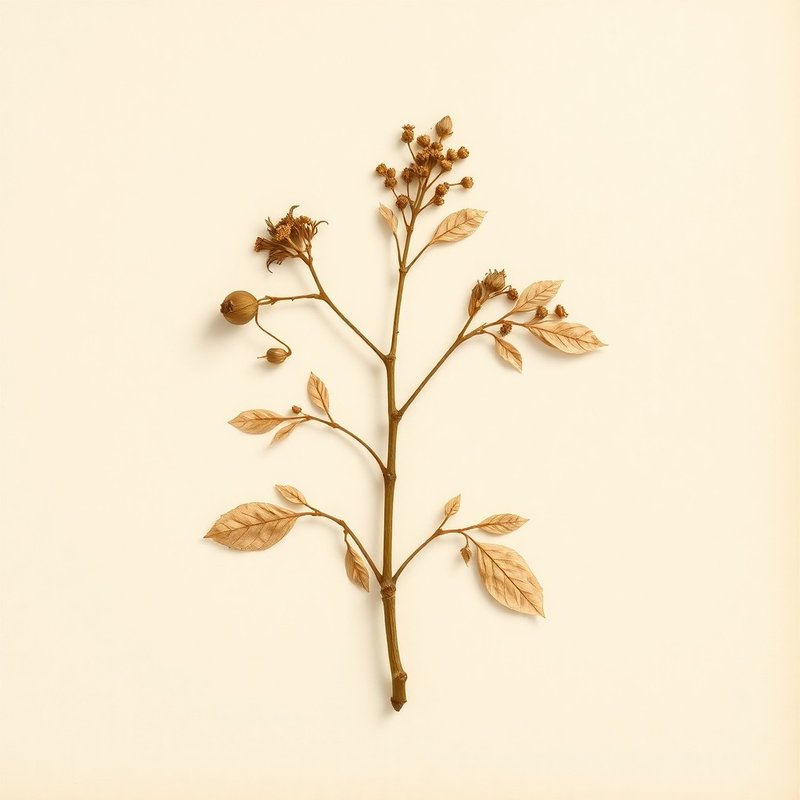
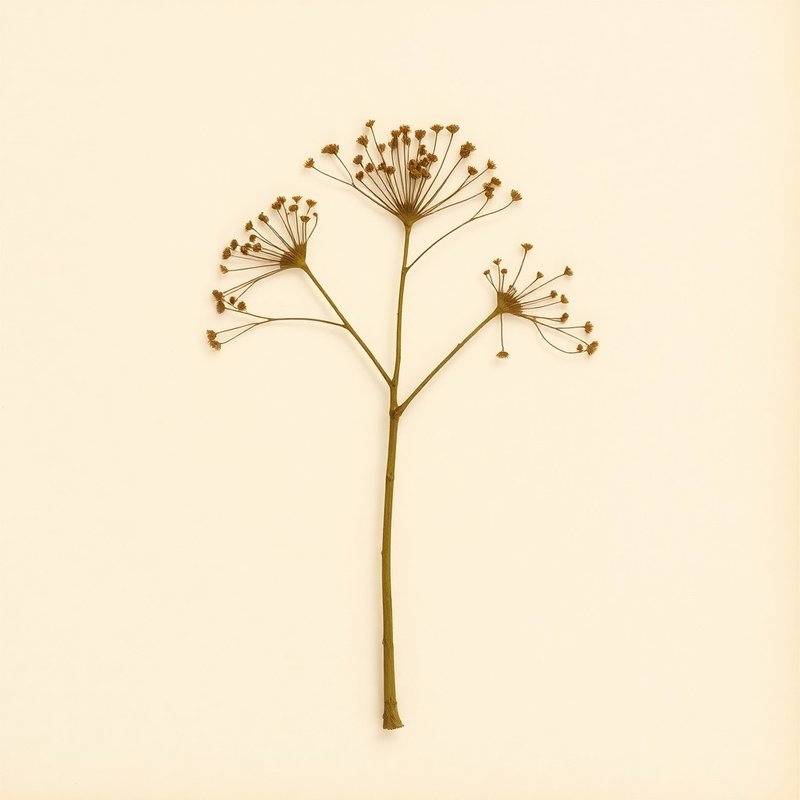
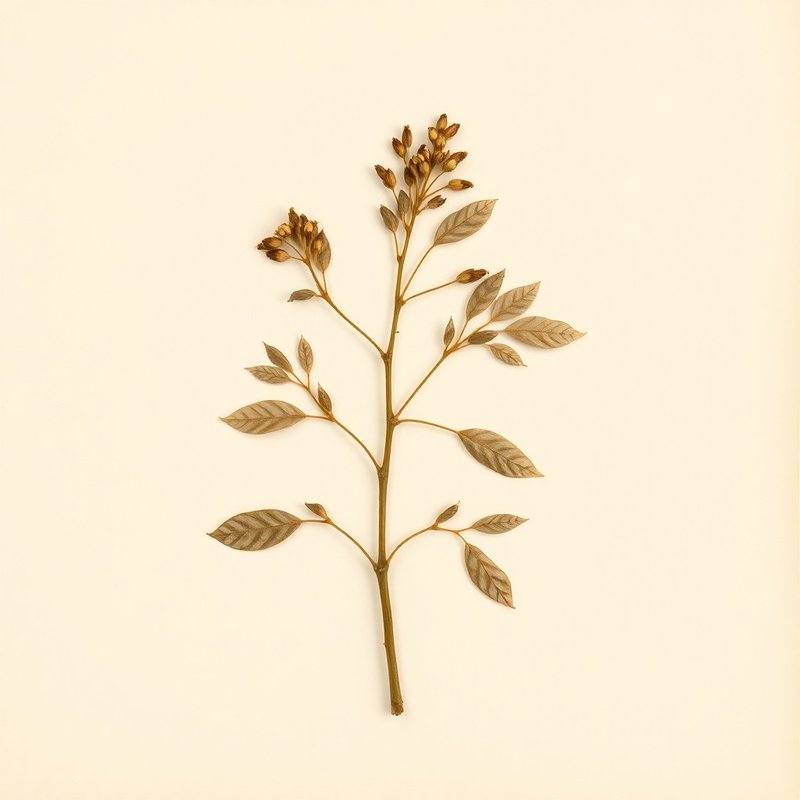
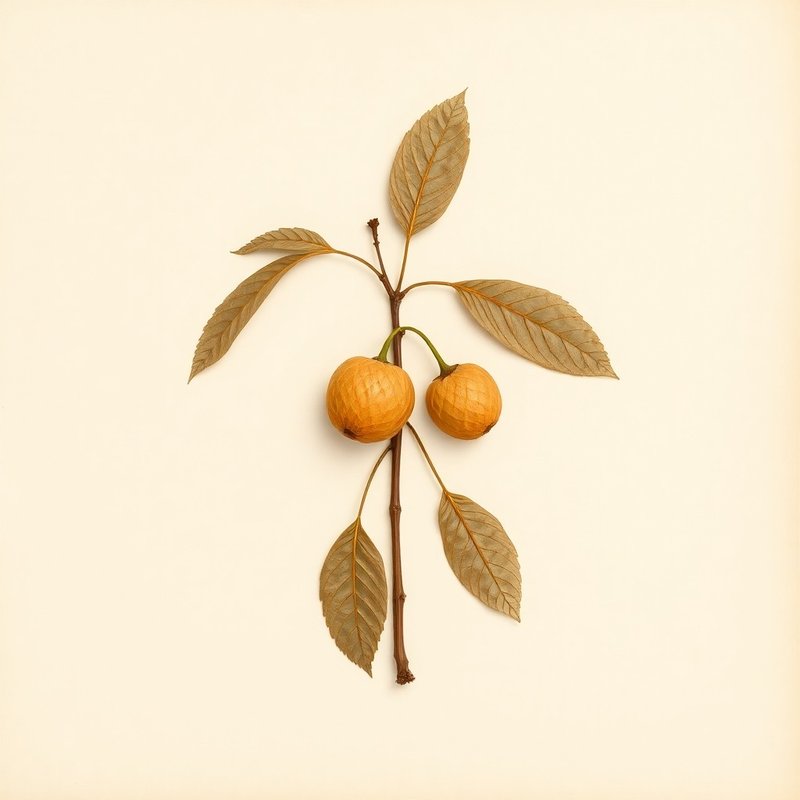
8 relatedPlants you might compare or use together — scored by shared family (Sapindaceae), common use cases, and growing requirements.
same family · Sapindaceae
Botanical relatives — often share phytochemistry + growing needs.
XI
Explore further
Companion planting
Compare with similar plants
Growing zone
XII
About this entry
- Last updated
- Citation
- How to cite this entry · Submit a correction
Back to the cataloguePlant id · 33dbd641-58c8-419c-af1b-8ca28f3f6c8f
Decision aid
Choosing between Norway Maple and something else?
Continue reading
❦❦❦❦
Endpaper · archive updates
Get archive updates
Occasional email when substantial new content lands — plant profiles, seasonal growing notes, folk-remedy additions. Free, no tracking, unsubscribe anytime.