
Lychee
Litchi chinensisfam. Sapindaceae
Educational content — not medical, botanical, or professional advice. Always consult a qualified clinician before using any herbal preparation — especially during pregnancy, breastfeeding, while on medication, or for children. How we source & review →
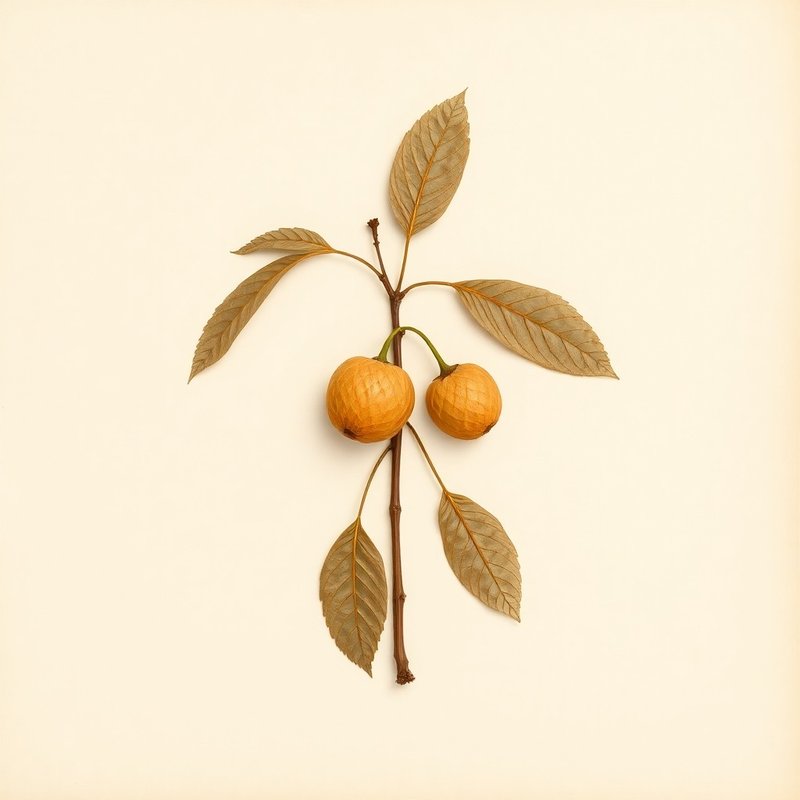
Pl. C46D — Litchi chinensis
Litchi chinensisLitchi chinensisLitchi chinensisLitchi chinensisLitchi chinensisLitchi chinensisLitchi chinensisLitchi chinensisLitchi chinensisLitchi chinensisLitchi chinensisLitchi chinensisLitchi chinensisLitchi chinensis
IOverview
Overview
Lychee (Litchi chinensis) is a tree native to the southeastern regions of China and other tropical areas like Assam, Borneo, Hainan, Jawa, Laos, Malaya, Myanmar, New Guinea, Philippines, Thailand, and Vietnam. Known for its edible fruit, lychee thrives in full to partial sun with moist soil and can grow up to 12 meters tall. This tree is adaptable to medium to heavy clay soils and is hardy in zones 10-12. Its distinctive feature includes the sweet, translucent white flesh of the fruit that surrounds a hard seed inside.
Quick answers
What is Lychee?
Lychee (Litchi chinensis) is a tree native to the southeastern regions of China and other tropical areas like Assam, Borneo, Hainan, Jawa, Laos, Malaya, Myanmar, New Guinea, Philippines, Thailand, and Vietnam.
What is Lychee used for?
Traditionally used for digestion, immune support. Each claim is evidence-rated — see Section II for full citations.
Best for
Top 2 evidence-ranked uses of Lychee
Clinicaluses · safety · chemistry · dosagemedicinal profile
IIBenefits & evidence
2 claims · 0 sources
Benefits & evidence
2 claims · 0 sources- Lychee has been traditionally used in Southeast Asian medicine to aid digestion, particularly for its ability to soothe the digestive tract and promote healthy bowel movements.
The fruit contains dietary fiber which aids in digestion by promoting regularity and supporting gut health. The mechanism is not fully characterised but involves fiber's role in maintaining a balanced microbiome.
- Lychee has been traditionally used in Chinese medicine to support immune health, with its high vitamin C content contributing to antioxidant and anti-inflammatory properties.
Rich in vitamin C, lychee supports the immune system by enhancing the production of white blood cells and reducing oxidative stress. The mechanism is not fully characterised but involves antioxidant activity.
IV·bMixology suggestions
1 draft
Mixology suggestions
1 draftEditorial drafts. These pairings are AI-suggested from traditional herbal lore. Always verify with a qualified herbalist before brewing.
Lychee support blend
generaltea
AI returned a direct ingredient list; normalized into one draft blend for editorial review.
Growingconditions · propagation · uses
VCultivation
Cultivation
Lychee thrives in full to partial sun and requires moist soil that can be medium or heavy (clay). It is hardy in temperate regions from zones 10-12. For propagation, use seeds or grafting. The tree grows up to 12 meters tall and produces edible fruit.
Light
Full sun, Partial sun/shade
Water
Moist
Soil
Medium, Heavy (clay)
Hardiness
10-12
Habit
Tree
Mature size
12.0 m tall
For first-time growers
How to grow Lychee for the first time
8steps
Start with a young lychee tree for the best beginner experience.
- 1
What you'll need
A young lychee sapling, well-draining soil, and a large container or planting space.
- 2
Best time to plant
Plant in late winter or early spring when the weather starts warming up.
- 3
Soil and container prep
Use a potting mix that is well-draining and rich in organic matter. Ensure your container has good drainage holes.
- 4
Sowing or transplanting
Transplant the young sapling into its permanent spot, making sure not to damage the roots during the process.
- 5
First two weeks
Water regularly to keep the soil moist but not waterlogged. Place in a sunny location and avoid direct midday sun for now.
- 6
Ongoing care
Provide full sun exposure, regular watering, and occasional feeding with a balanced fertilizer during the growing season.
- 7
Harvest or pruning
Prune lightly in late winter to maintain shape. Harvest fruit when they turn red and are slightly soft to touch.
- 8
Common mistakes
Overwatering, planting in heavy soil, not providing enough sunlight, and neglecting regular pruning.
VIEdible & utility
Edible & utility
Edible parts:Fruit
Edible uses: The lychee fruit is the main edible part of this plant. It is typically eaten raw, offering a sweet and juicy treat. The fruit can also be dried or made into jams and preserves for later use.
Other uses:HouseplantTanninLumber
Contextrange · companions · related
VIIDistribution
12 native · 7 introduced
Distribution
12 native · 7 introducedDistribution across2 continents· 12 native· 7 introduced
Asia10 regions
native (7)ChinaIndiaLaosMyanmarPhilippinesThailandVietnam
introduced (3)BangladeshCambodiaIndia
Africa1 region
introduced (1)Mauritius
Broader regions
native:New Guinea, Borneo, Hainan, Jawa, Malaya
introduced:Andaman Is., East Himalaya, Réunion
IXSpecimen gallery
1 image
Specimen gallery
1 imageXSee also
8 related
See also
8 relatedPlants you might compare or use together — scored by shared family (Sapindaceae), common use cases, and growing requirements.
same family · Sapindaceae
Botanical relatives — often share phytochemistry + growing needs.
shared use cases
Different families, similar therapeutic role — good for comparing.


XI
Explore further
Companion planting
Compare with similar plants
Growing zone
XII
About this entry
- Last updated
- Citation
- How to cite this entry · Submit a correction
Back to the cataloguePlant id · c46d4bba-3d02-4bb8-b4f0-086b388e843a
Decision aid
Choosing between Lychee and something else?
Continue reading
❦❦❦❦
Endpaper · archive updates
Get archive updates
Occasional email when substantial new content lands — plant profiles, seasonal growing notes, folk-remedy additions. Free, no tracking, unsubscribe anytime.