
Indian Millet
Achnatherum hymenoidesfam. Poaceae
Educational content — not medical, botanical, or professional advice. Plant identification, safety, and edibility depend on local conditions, cultivars, and correct identification. Consult a qualified botanist or forager before consuming or handling wild specimens. How we source & review →
Garden journal pausedUse profile notes below
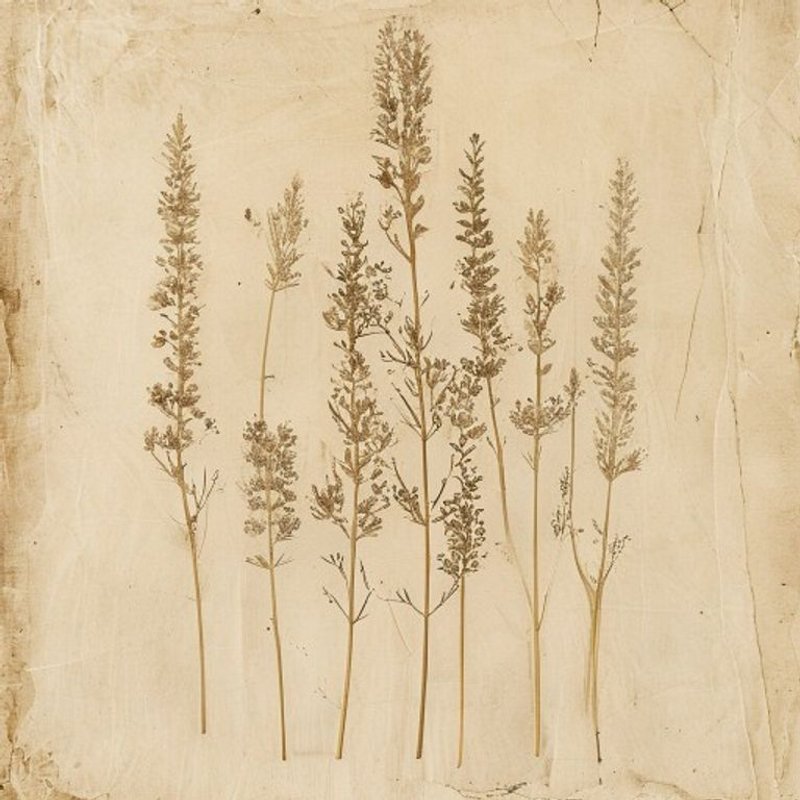
Pl. B75E — Achnatherum hymenoides
Achnatherum hymenoidesAchnatherum hymenoidesAchnatherum hymenoidesAchnatherum hymenoidesAchnatherum hymenoidesAchnatherum hymenoidesAchnatherum hymenoidesAchnatherum hymenoidesAchnatherum hymenoidesAchnatherum hymenoidesAchnatherum hymenoidesAchnatherum hymenoidesAchnatherum hymenoidesAchnatherum hymenoides
IOverview
Overview
Indian Millet (Achnatherum hymenoides), a perennial grass belonging to the Poaceae family, is native to the western and central United States, as well as parts of Canada and Mexico. This adaptable plant can be found across a wide range of habitats, from Alberta to Wyoming, thriving in full sun with moist to light soil conditions. Indian Millet is known for its edible seeds, which have been utilized by indigenous communities for centuries. The plant typically reaches a height of 0.6 meters and is hardy in zones 7-10. Its native range includes regions such as Arizona, Arkansas, British Columbia, California, Colorado, Idaho, Kansas, and others listed. Indian Millet is valued for its utility in soil reclamation, erosion control, and textile production, as well as its ability to fix nitrogen in the soil. For cultivation, ensure the soil remains consistently moist while providing ample sunlight. The plant's seeds can be harvested and prepared by drying or grinding into flour for use in various dishes.
Quick answers
What is Indian Millet?
Indian Millet (Achnatherum hymenoides), a perennial grass belonging to the Poaceae family, is native to the western and central United States, as well as parts of Canada and Mexico.
Growingconditions · propagation · uses
VCultivation
Cultivation
Indian Millet thrives in full sun and prefers moist soil that is light (sandy), medium, or heavy (clay). It grows well in hardiness zones 7-10 and reaches a height of about 0.6 meters. This perennial plant is native to regions including Alberta, Arizona, Arkansas, British Columbia, California, Colorado, Idaho, Kansas, and other areas listed. For cultivation, ensure the soil remains consistently moist while providing ample sunlight. Propagation can be done through seeds.
Light
Full sun
Water
Moist
Soil
Light (sandy), Medium, Heavy (clay)
Hardiness
7-10
Life cycle
Perennial
Mature size
0.6 m tall
For first-time growers
How to grow Indian Millet for the first time
8steps
Start with Indian Millet as a simple, low-maintenance perennial for your garden.
- 1
What you'll need
A handful of Indian Millet seeds and a trowel.
- 2
Best time to plant
Plant in spring after the last frost or in fall before the first freeze.
- 3
Soil and container prep
Choose a spot with well-draining soil, either in the ground or a large pot. Ensure the container is at least 30 cm deep.
- 4
Sowing or transplanting
Direct sow seeds 1-2 cm deep, spaced about 30 cm apart. If using containers, plant one seed per pot and thin to the strongest seedling.
- 5
First two weeks
Keep soil consistently moist until germination. Water less frequently once established but ensure it doesn’t dry out completely.
- 6
Ongoing care
Water deeply every 7-10 days, especially during hot weather. Mulch around the base to retain moisture and reduce weeds.
- 7
Harvest or pruning
Prune dead foliage in late winter to maintain a neat appearance and encourage new growth.
- 8
Common mistakes
Overwatering, planting too deep, neglecting winter protection in colder zones.
VIEdible & utility
Edible & utility
Edible parts:Seed
Edible uses: The Indian Millet's seeds are edible and can be harvested for consumption. Typically, they are prepared by drying or grinding into flour before use in various dishes.
Other uses:Soil reclamationErosion controltextilesNitrogen fixer
Contextrange · companions · related
VIIDistribution
26 native · 1 introduced
Distribution
26 native · 1 introducedDistribution across1 continent· 26 native· 1 introduced
Asia1 region
introduced (1)Turkey
Broader regions
native:Alberta, Arizona, Arkansas, British Columbia, California, Colorado, Idaho, Kansas, Manitoba, Mexico Northeast, Mexico Northwest, Minnesota, Montana, Nebraska, Nevada, New Mexico, North Dakota, Oklahoma, Oregon, Saskatchewan, South Dakota, Texas, Utah, Washington, Wyoming, Yukon
XSee also
8 related
See also
8 relatedPlants you might compare or use together — scored by shared family (Poaceae), common use cases, and growing requirements.
same family · Poaceae
Botanical relatives — often share phytochemistry + growing needs.

XI
Explore further
Companion planting
Compare with similar plants
Growing zone
XII
About this entry
- Last updated
- Citation
- How to cite this entry · Submit a correction
Back to the cataloguePlant id · b75e2726-7a40-45a5-b45d-0d03115c8de5
Decision aid
Choosing between Indian Millet and something else?
Continue reading
❦❦❦❦
Endpaper · archive updates
Get archive updates
Occasional email when substantial new content lands — plant profiles, seasonal growing notes, folk-remedy additions. Free, no tracking, unsubscribe anytime.
Newsletter returning soon.
We are rebuilding the update list around a lightweight editorial workflow. New dispatches will resume after the next content review cycle.