
Club Wheat
Triticum aestivum compactumfam. Poaceae
Educational content — not medical, botanical, or professional advice. Plant identification, safety, and edibility depend on local conditions, cultivars, and correct identification. Consult a qualified botanist or forager before consuming or handling wild specimens. How we source & review →
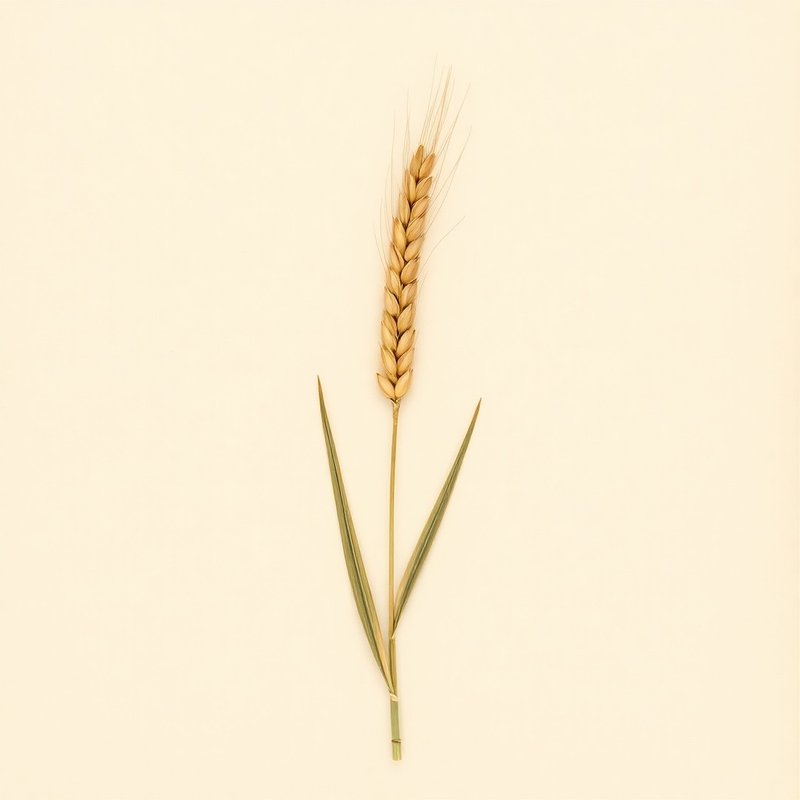
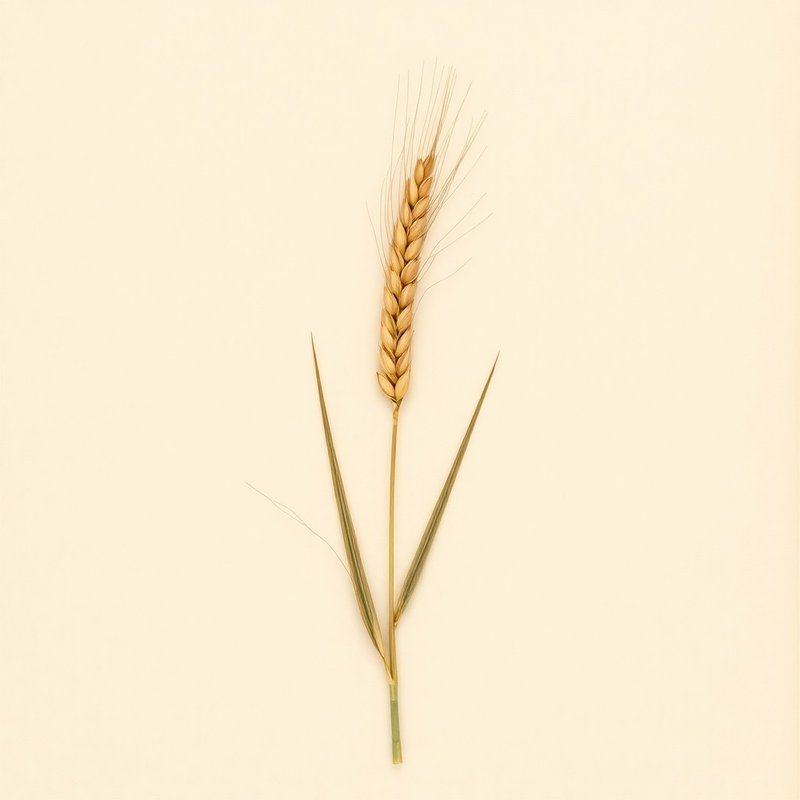
Pl. 474D — Triticum aestivum compactum
Triticum aestivum compactumTriticum aestivum compactumTriticum aestivum compactumTriticum aestivum compactumTriticum aestivum compactumTriticum aestivum compactumTriticum aestivum compactumTriticum aestivum compactumTriticum aestivum compactumTriticum aestivum compactumTriticum aestivum compactumTriticum aestivum compactumTriticum aestivum compactumTriticum aestivum compactum
IOverview
Overview
Club Wheat, scientifically known as Triticum aestivum compactum and belonging to the Poaceae family, is an annual plant native to Egypt. This variety of wheat grows up to 0.6 meters in height and thrives in full sun with moist soil that can range from light (sandy) to heavy (clay). Known for its edible parts, specifically the seed, club wheat has been cultivated for its grains used in various culinary applications. One distinctive feature is its compact form, which may make it suitable for smaller gardens or areas where space is limited.
Quick answers
What is Club Wheat?
Club Wheat, scientifically known as Triticum aestivum compactum and belonging to the Poaceae family, is an annual plant native to Egypt. This variety of wheat grows up to 0.6 meters in height and thrives in full sun with moist soil that can range from light (sandy) to heavy (clay).
Growingconditions · propagation · uses
VCultivation
Cultivation
Club Wheat thrives in full sun and prefers moist, well-draining soil that can be light (sandy), medium, or heavy (clay). This annual plant grows to about 0.6 meters tall and is best suited for temperate regions. For successful cultivation, ensure the soil remains consistently moist while avoiding waterlogged conditions. Harvest the seed when it's ripe. SKIP
Light
Full sun
Water
Moist
Soil
Light (sandy), Medium, Heavy (clay)
Life cycle
Annual
Mature size
0.6 m tall
For first-time growers
How to grow Club Wheat for the first time
8steps
Start with club wheat as a simple annual crop, suitable for beginners.
- 1
What you'll need
Club Wheat seeds, a garden plot or container pot, and basic gardening tools.
- 2
Best time to plant
Plant in early spring when the soil is workable and temperatures are mild.
- 3
Soil and container prep
Ensure the soil is well-draining with a pH between 6.0 and 7.5; mix in compost if needed.
- 4
Sowing or transplanting
Direct sow seeds about 2 cm deep, spacing them 10-15 cm apart in rows 30 cm wide.
- 5
First two weeks
Keep the soil consistently moist and provide full sun exposure to encourage healthy growth.
- 6
Ongoing care
Water regularly, especially during dry spells; mulch around plants for moisture retention. Watch out for pests like aphids.
- 7
Harvest or pruning
Cut the mature stalks just above the ground when seeds are fully ripe and dry.
- 8
Common mistakes
Overwatering, planting too deep, neglecting to mulch, and not providing enough sunlight.
VIEdible & utility
Edible & utility
Edible parts:Seed
Edible uses: The seed of Club Wheat is edible and can be harvested for consumption. Typically, the seeds are cooked before eating, often used in similar ways to regular wheat grains. They can also be ground into flour for baking or added directly to dishes for a nutty flavor.
Other uses:BiomassMulchtextilesStarch
Contextrange · companions · related
VIIDistribution
1 native · 29 introduced
Distribution
1 native · 29 introducedDistribution across4 continents· 1 native· 29 introduced
Europe11 regions
introduced (11)AlbaniaAustriaBulgariaCyprusFranceGermanyItalyRussiaSpainUkraineUnited Kingdom
Asia5 regions
introduced (5)AfghanistanIndiaIranIraqKazakhstan
Americas1 region
introduced (1)Honduras
Africa4 regions
native (1)Egypt
introduced (3)AlgeriaEthiopiaMorocco
Broader regions
introduced:East Aegean Is., Central African Repu, Turkey-in-Europe, Kirgizstan, Kriti, Lebanon-Syria, Alberta
IXSpecimen gallery
1 image
Specimen gallery
1 imageXSee also
8 related
See also
8 relatedPlants you might compare or use together — scored by shared family (Poaceae), common use cases, and growing requirements.
same family · Poaceae
Botanical relatives — often share phytochemistry + growing needs.

XI
Explore further
Companion planting
Compare with similar plants
XII
About this entry
- Last updated
- Citation
- How to cite this entry · Submit a correction
Back to the cataloguePlant id · 474dfa77-642e-446d-8f43-ce4640bfbe5b
Decision aid
Choosing between Club Wheat and something else?
Continue reading
❦❦❦❦
Endpaper · archive updates
Get archive updates
Occasional email when substantial new content lands — plant profiles, seasonal growing notes, folk-remedy additions. Free, no tracking, unsubscribe anytime.