
Aconitum rotundifolium
IOverview
Overview
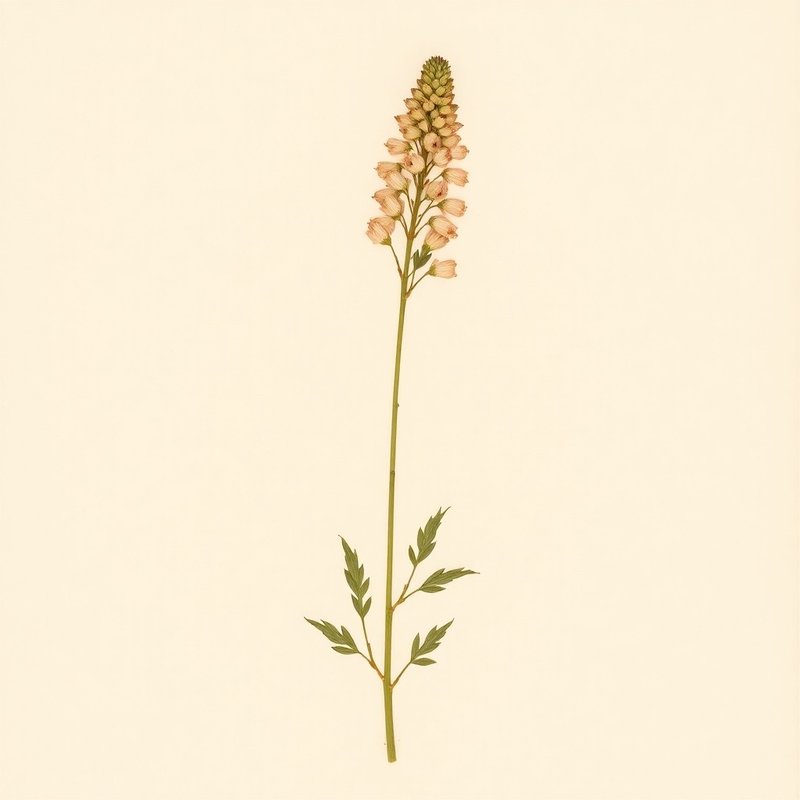
Aconitum rotundifolium, a perennial plant belonging to the Ranunculaceae family, is native to regions including Afghanistan, Kazakhstan, Kirgizstan, Nepal, Pakistan, Tadzhikistan, West Himalaya, and Xinjiang. This plant thrives in moist conditions with light or partial sun exposure, adapting well to various soil types ranging from sandy to clay. Known for its edible leaves, Aconitum rotundifolium has been used in traditional cuisine, typically harvested and used fresh or dried before being incorporated into dishes. It is important to handle this plant with caution due to its toxic nature. Growing to about 0.5 meters tall, Aconitum rotundifolium is a notable presence in the landscape, highlighting its adaptability and ecological significance in its native range. Its distinctive features include its ability to grow in diverse soil conditions and its edible leaves, making it a unique addition to gardens for both ornamental and culinary purposes.
What is Aconitum rotundifolium?
Aconitum rotundifolium, a perennial plant belonging to the Ranunculaceae family, is native to regions including Afghanistan, Kazakhstan, Kirgizstan, Nepal, Pakistan, Tadzhikistan, West Himalaya, and Xinjiang.
IV·bMixology suggestions
2 drafts
Mixology suggestions
2 draftsVCultivation
Cultivation
How to grow Aconitum rotundifolium for the first time
Start with Skip as a simple, low-maintenance perennial for your garden.
- 1
What you'll need
Aconitum rotundifolium seeds or young plants, potting soil, containers if planting in pots.
- 2
Best time to plant
Plant Skip in early spring or late fall when the weather is cooler and more stable.
- 3
Soil and container prep
Use well-draining soil with a mix of light (sandy), medium, or heavy clay. Ensure containers have drainage holes.
- 4
Sowing or transplanting
Direct sow seeds in the garden after danger of frost has passed, or start young plants indoors 6-8 weeks before planting outdoors.
- 5
First two weeks
Water regularly to keep soil moist but not waterlogged. Avoid direct sunlight during this period.
- 6
Ongoing care
Provide partial sun/shade, and ensure the plant gets regular watering, especially in dry periods.
- 7
Harvest or pruning
Prune dead leaves to maintain a neat appearance. Skip is not commonly harvested for its edible parts.
- 8
Common mistakes
Overwatering, planting in full sun, neglecting to provide partial shade, and using heavy clay soil without drainage.
VIEdible & utility
Edible & utility
VIIDistribution
8 native · 0 introduced
Distribution
8 native · 0 introducedIXSpecimen gallery
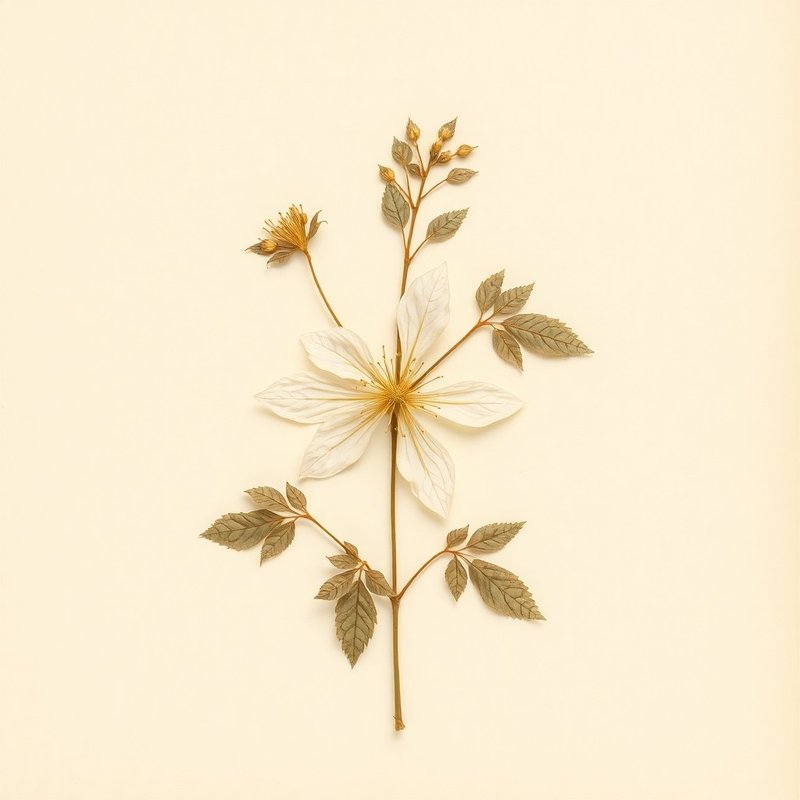
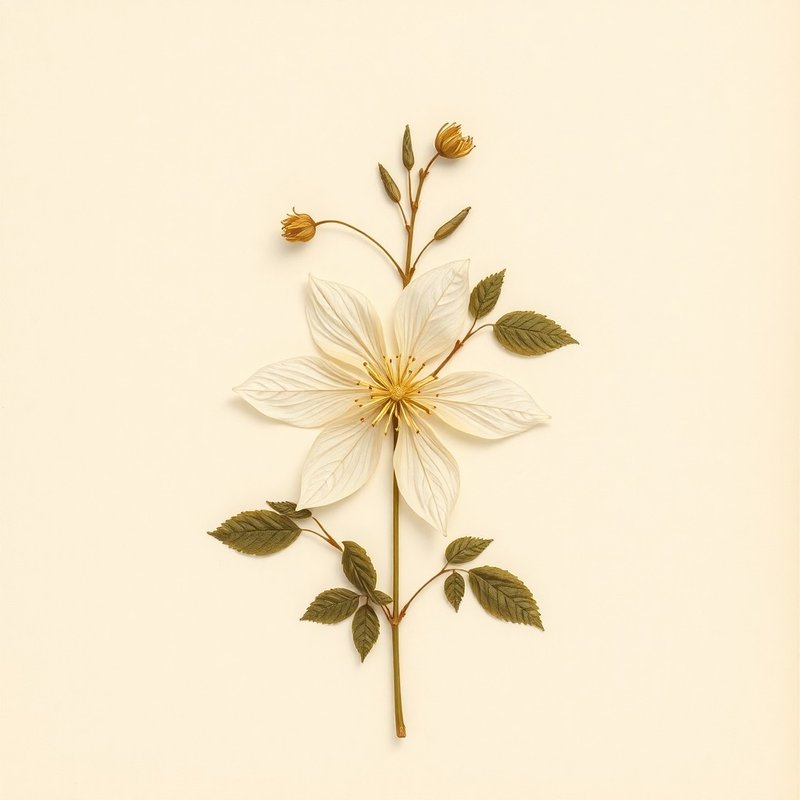
1 image
Specimen gallery
1 imageXSee also
8 related
See also
8 relatedPlants you might compare or use together — scored by shared family (Ranunculaceae), common use cases, and growing requirements.



Explore further
About this entry
- Last updated
- Citation
- How to cite this entry · Submit a correction
Continue reading
Get archive updates
Occasional email when substantial new content lands — plant profiles, seasonal growing notes, folk-remedy additions. Free, no tracking, unsubscribe anytime.