
Actinidia longicauda
IOverview
Overview
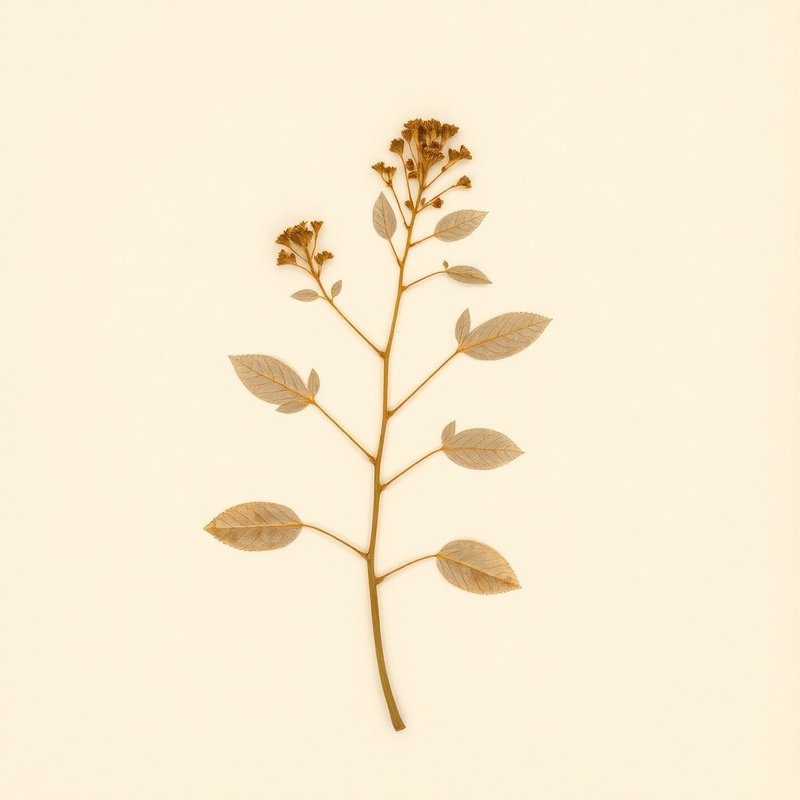
Actinidia longicauda, commonly known as the long-tailed kiwi, is a deciduous vine native to the subtropical regions of China South-Central, China Southeast, and Vietnam. This vine can also be found in parts of Japan and Korea, thriving in a variety of soil types, including light (sandy), medium, and heavy (clay) soils. It prefers moist conditions and can grow up to 7 meters tall, making it a versatile plant for gardens and landscapes. The vine requires full to partial sun and benefits from good air circulation to promote healthy growth and fruit production. The fruit of Actinidia longicauda is edible and can be enjoyed raw or incorporated into various dishes. Its flavor is often described as a cross between a kiwi and a strawberry, making it a unique addition to culinary creations. While the specific taste or use of the fruit is not detailed here, it is valued for its culinary versatility. This vine is adaptable to different growing conditions, making it a useful plant for gardeners in temperate regions. For optimal fruit production, ensure the plant receives adequate water and grows in a location with good air circulation. Propagation can be done through cuttings or seeds, allowing for easy expansion of the plant's presence in gardens and landscapes.
What is Actinidia longicauda?
Actinidia longicauda, commonly known as the long-tailed kiwi, is a deciduous vine native to the subtropical regions of China South-Central, China Southeast, and Vietnam. This vine can also be found in parts of Japan and Korea, thriving in a variety of soil types, including light (sandy), medium, and heavy (clay) soils.
VCultivation
Cultivation
How to grow Actinidia longicauda for the first time
Start with a simple planting approach to grow Actinidia longicauda as an ornamental or fruit-bearing plant.
- 1
What you'll need
A young Actinidia longicauda plant, well-draining soil, and a container if planting in a pot.
- 2
Best time to plant
Plant Actinidia longicauda in spring or early fall when the weather is mild.
- 3
Soil and container prep
Ensure the soil is well-draining with a pH between 6.0 and 7.5, and prepare a container that is at least 30 cm wide and deep.
- 4
Sowing or transplanting
Transplant young Actinidia longicauda plants directly into the prepared soil, ensuring they are planted at the same depth as in their pot.
- 5
First two weeks
Water the plant regularly to keep the soil moist but not waterlogged. Avoid direct sunlight for the first few days.
- 6
Ongoing care
Provide Actinidia longicauda with full sun or partial shade, and water it when the top inch of soil feels dry.
- 7
Harvest or pruning
Prune Actinidia longicauda in late winter to early spring to maintain its shape and encourage fruiting.
- 8
Common mistakes
Overwatering, planting too deep, not providing enough support for the vines, and neglecting regular pruning.
VIEdible & utility
Edible & utility
VIIDistribution
11 native · 8 introduced
Distribution
11 native · 8 introducedIXSpecimen gallery
1 image
Specimen gallery
1 imageXSee also
8 related
See also
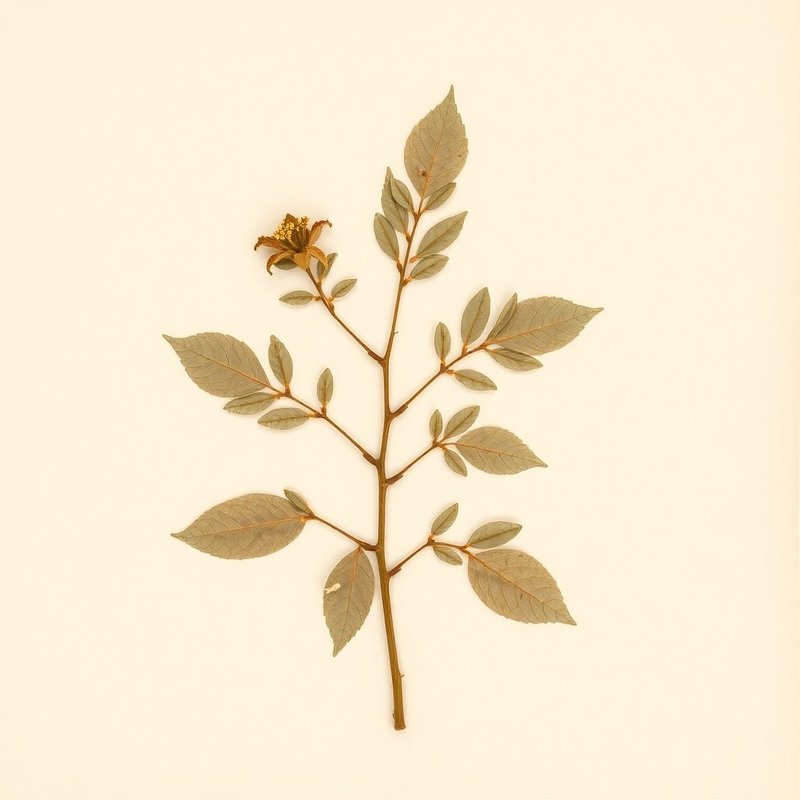
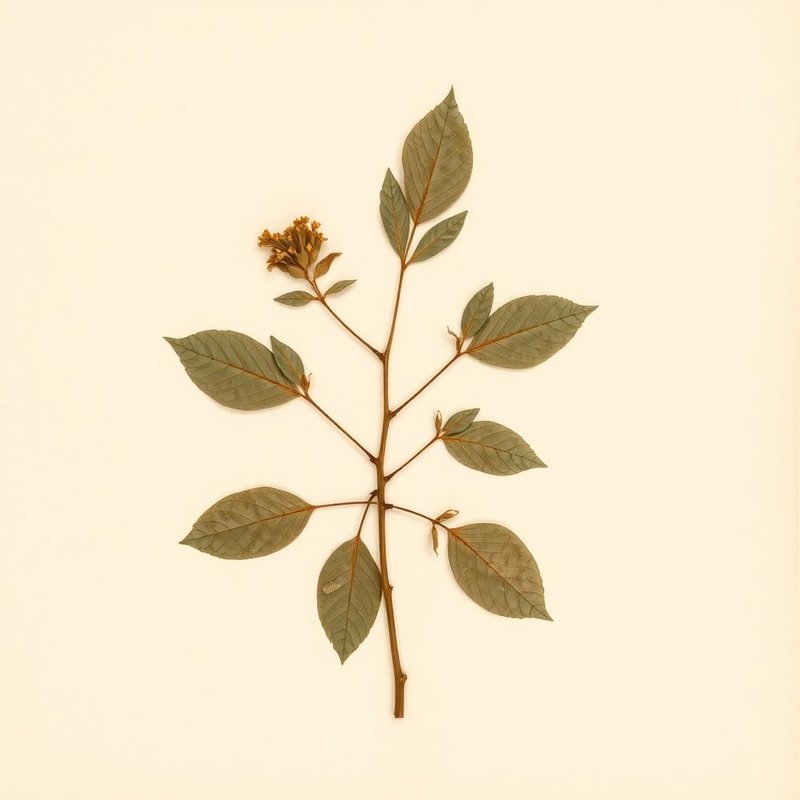
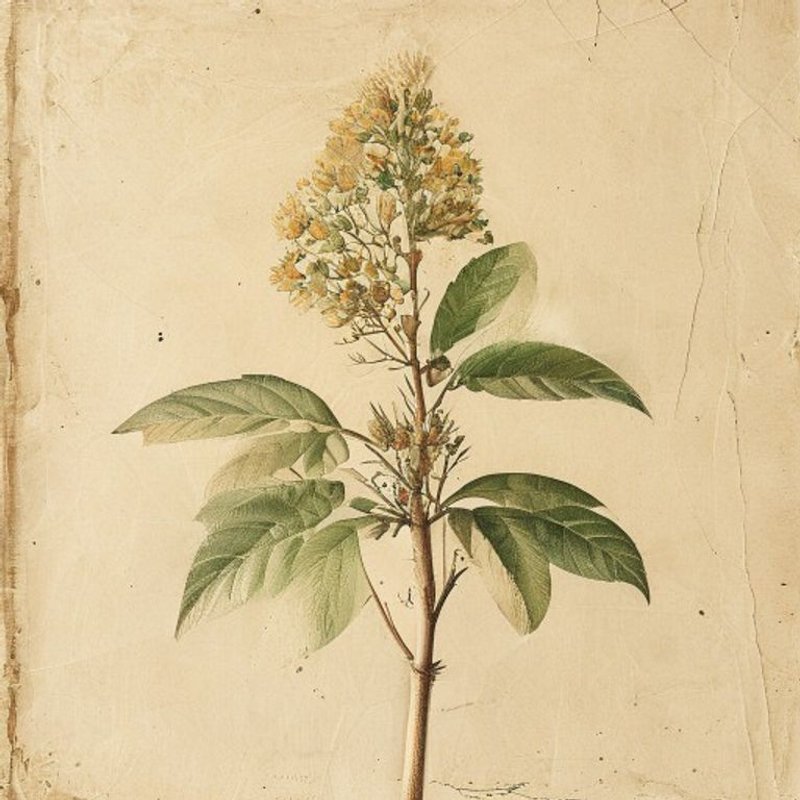
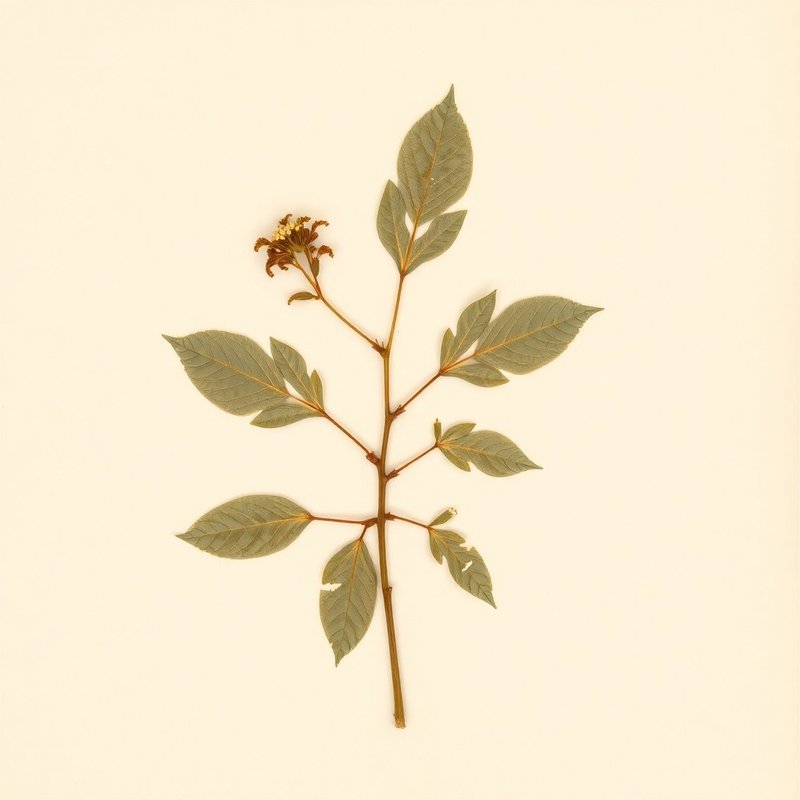
8 relatedPlants you might compare or use together — scored by shared family (Actinidiaceae), common use cases, and growing requirements.

Explore further
About this entry
- Last updated
- Citation
- How to cite this entry · Submit a correction
Continue reading
Get archive updates
Occasional email when substantial new content lands — plant profiles, seasonal growing notes, folk-remedy additions. Free, no tracking, unsubscribe anytime.