
Actinidia pilosula
Actinidia pilosulafam. Actinidiaceae
Educational content — not medical, botanical, or professional advice. Plant identification, safety, and edibility depend on local conditions, cultivars, and correct identification. Consult a qualified botanist or forager before consuming or handling wild specimens. How we source & review →
Garden journal pausedUse profile notes below
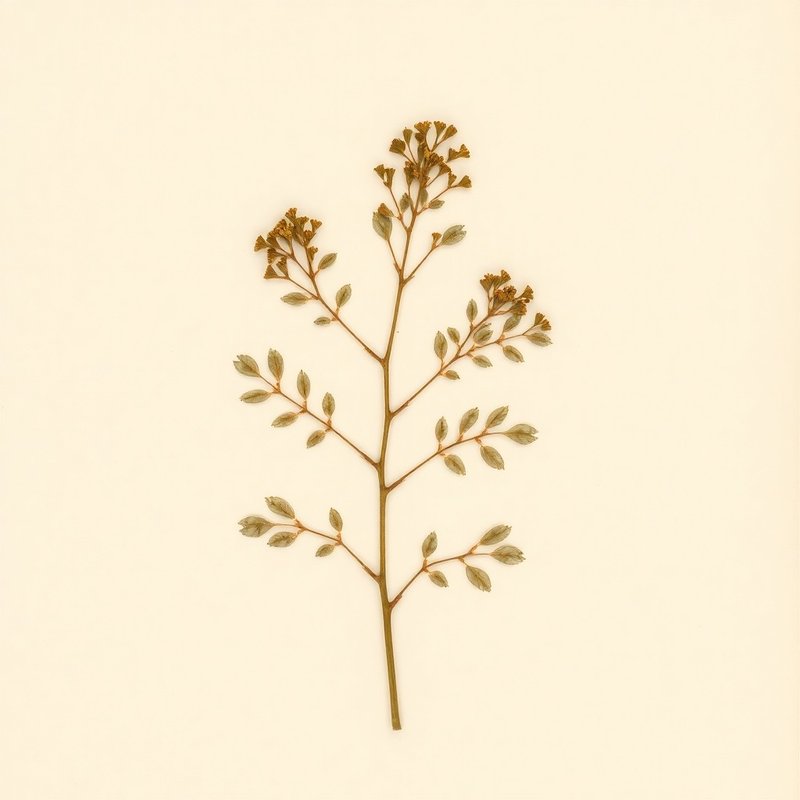
Pl. B4C2 — Actinidia pilosula
Actinidia pilosulaActinidia pilosulaActinidia pilosulaActinidia pilosulaActinidia pilosulaActinidia pilosulaActinidia pilosulaActinidia pilosulaActinidia pilosulaActinidia pilosulaActinidia pilosulaActinidia pilosulaActinidia pilosulaActinidia pilosula
IOverview
Overview
Actinidia pilosula is a climbing vine in the family Actinidiaceae, recorded from South-Central China and Myanmar, where it grows in moist conditions. Reaching roughly 7 meters in height, it is a substantial climber that occupies the vine layer of a planting and tolerates a range of light levels, from full sun to partial sun or shade. It is not drought resistant and prefers consistently moist ground, and it will grow in light sandy, medium, and heavy clay soils alike, giving it some flexibility in garden situations where adequate moisture can be maintained. The plant is grown chiefly for its fruit, which is edible. The fruit can be eaten raw or cooked and is also suited to preparation as jams and preserves, an edible use that gives the vine a practical role in home gardens. No distinctive compounds or medicinal applications are documented in the supplied profile, and the plant is not listed as medicinal; readers should treat any such claims cautiously, since information on its chemistry and safety is limited. Its native range across South-Central China and Myanmar points to a preference for moist settings, and cultivation should aim to reproduce those conditions. Because the vine is not drought tolerant, maintaining steady moisture while providing sun to partial shade are the main considerations. The available data does not describe cold hardiness, propagation methods, or specific drainage preferences, so those details should be confirmed locally before planting.
Quick answers
What is Actinidia pilosula?
Actinidia pilosula is a climbing vine in the family Actinidiaceae, recorded from South-Central China and Myanmar, where it grows in moist conditions.
Growingconditions · propagation · uses
VCultivation
Cultivation
Actinidia pilosula thrives in full to partial sun and requires moist, well-draining soil that can be light (sandy), medium, or heavy (clay). This vine grows up to 7 meters tall and is hardy in temperate regions. For optimal fruit production, ensure the plant receives adequate moisture and sunlight while maintaining a balanced watering schedule. Propagation can be done through cuttings or seeds.
Light
Full sun, Partial sun/shade
Water
Moist
Soil
Light (sandy), Medium, Heavy (clay)
Mature size
7.0 m tall
For first-time growers
How to grow Actinidia pilosula for the first time
8steps
Start with a simple, light-loving Skip plant for your beginner garden.
- 1
What you'll need
Skip plants, well-draining soil, and a container or planting site.
- 2
Best time to plant
Plant in spring when the last frost has passed.
- 3
Soil and container prep
Ensure the soil is light (sandy), medium, or heavy with good drainage. Use a pot with holes if planting in containers.
- 4
Sowing or transplanting
Transplant Skip from a nursery pot to your garden or a larger container.
- 5
First two weeks
Water regularly and keep the soil moist but not waterlogged. Place in partial shade for acclimatization.
- 6
Ongoing care
Provide full sun once established, water when dry, and mulch to retain moisture.
- 7
Harvest or pruning
Prune in late winter to maintain shape and encourage fruiting. Harvest fruits when they are ripe and easy to pick.
- 8
Common mistakes
Overwatering, planting in heavy shade, not providing enough support for climbing vines.
VIEdible & utility
Edible & utility
Edible parts:Fruit
Edible uses: The fruit of Actinidia pilosula is edible and can be eaten raw or cooked. It is commonly consumed fresh but can also be used in various preparations such as jams or preserves.
Contextrange · companions · related
VIIDistribution
2 native · 0 introduced
Distribution
2 native · 0 introducedDistribution across1 continent· 2 native
Asia2 regions
native (2)ChinaMyanmar
IXSpecimen gallery
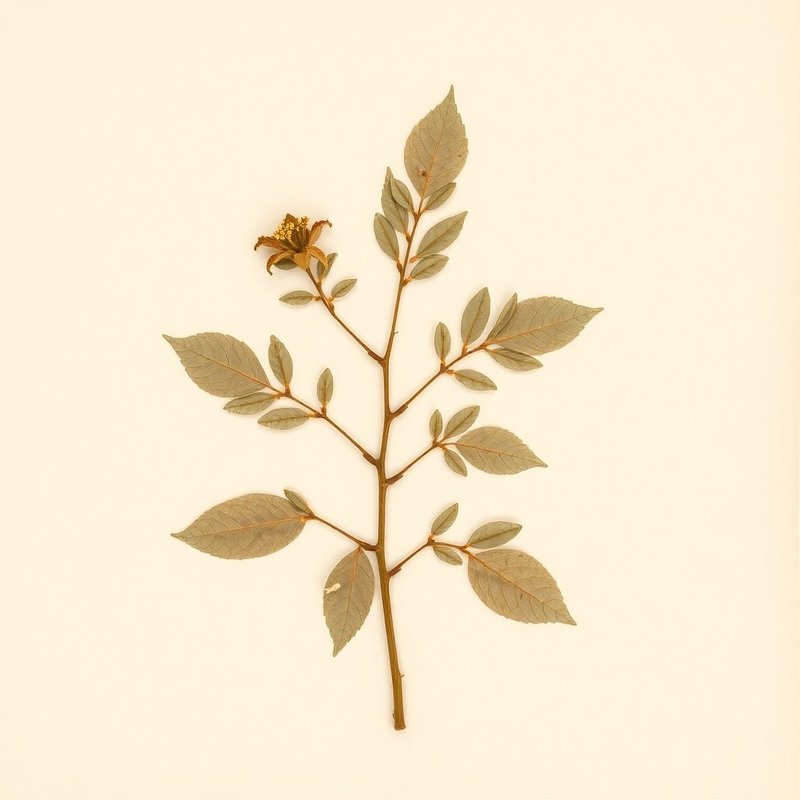
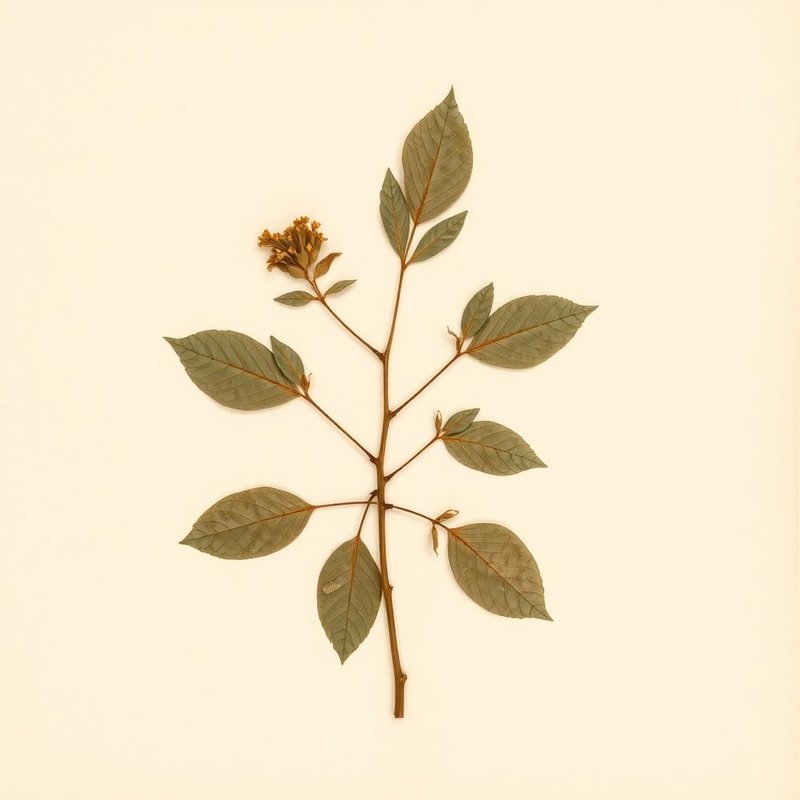
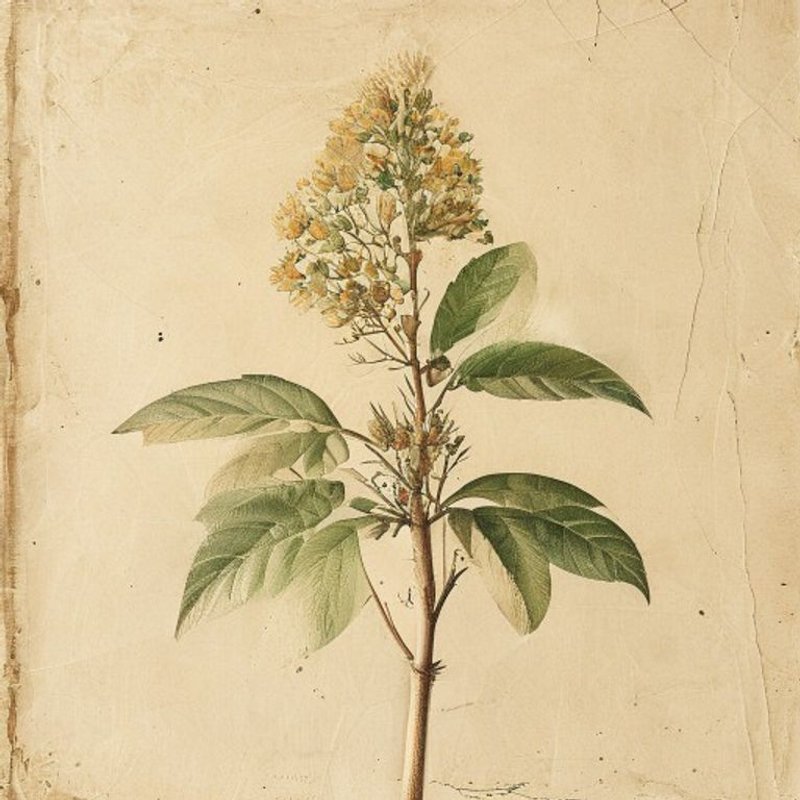
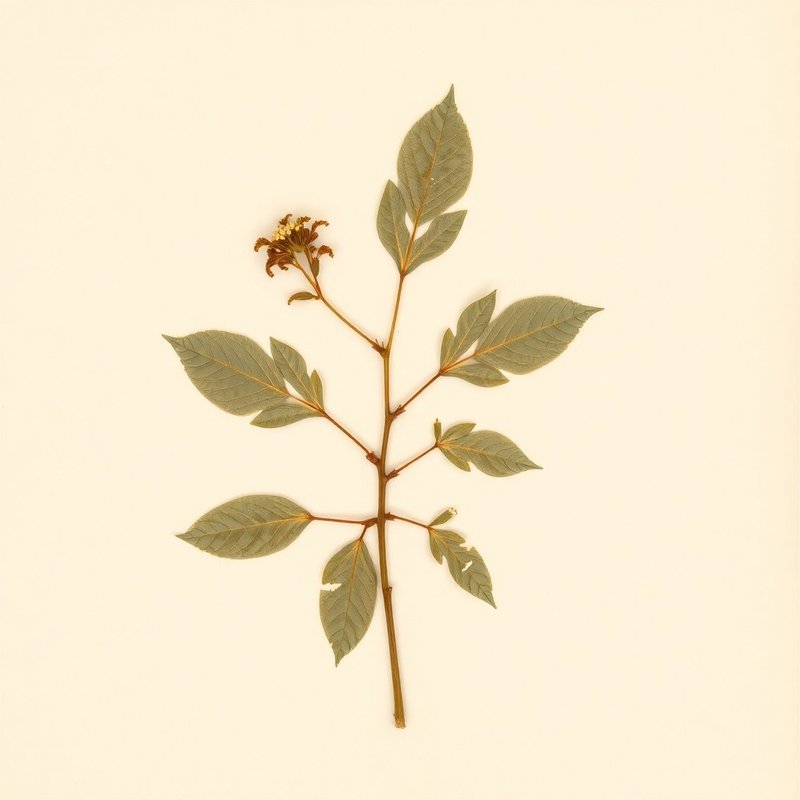
1 image
Specimen gallery
1 imageXSee also
8 related
See also
8 relatedPlants you might compare or use together — scored by shared family (Actinidiaceae), common use cases, and growing requirements.
same family · Actinidiaceae
Botanical relatives — often share phytochemistry + growing needs.

XI
Explore further
Companion planting
Compare with similar plants
Native to
XII
About this entry
- Last updated
- Citation
- How to cite this entry · Submit a correction
Back to the cataloguePlant id · b4c276a7-1d9b-44fb-a12f-4ae4ca100b29
Decision aid
Choosing between Actinidia pilosula and something else?
Continue reading
❦❦❦❦
Endpaper · archive updates
Get archive updates
Occasional email when substantial new content lands — plant profiles, seasonal growing notes, folk-remedy additions. Free, no tracking, unsubscribe anytime.
Newsletter returning soon.
We are rebuilding the update list around a lightweight editorial workflow. New dispatches will resume after the next content review cycle.