
Actinidia purpurea
IOverview
Overview
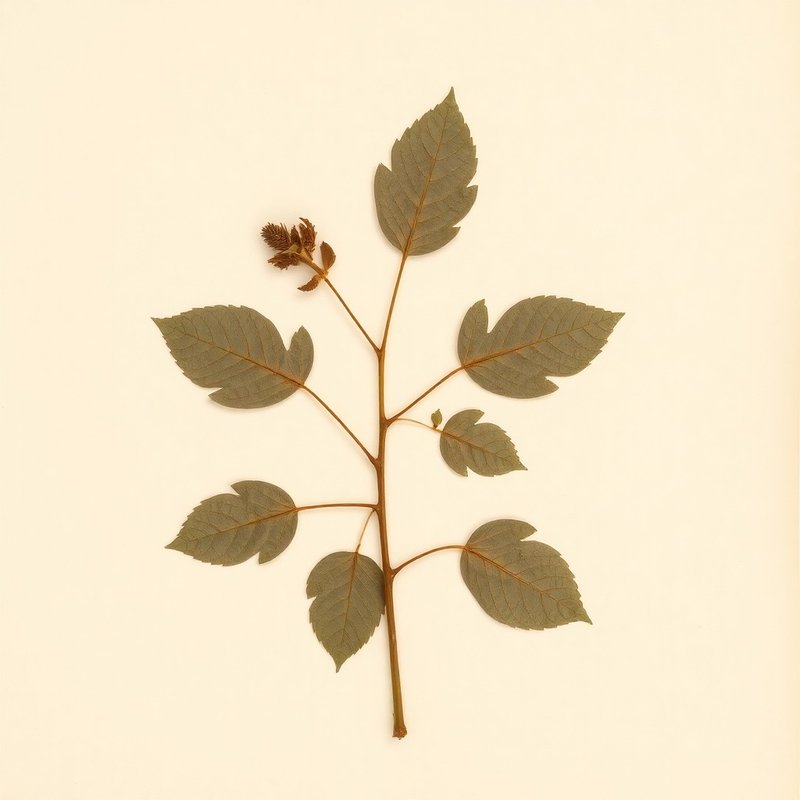
Actinidia purpurea, commonly known as purple kiwi or Chinese vine, is a deciduous woody vine native to China, Japan, and Korea. This vine thrives in moist, well-drained soils that can be light (sandy), medium, or heavy (clay) and prefers full sun to partial shade. It can grow up to 10 meters tall and is hardy in USDA zones 5-9. The vine is both ornamental and useful as a food source, with its edible fruit being enjoyed fresh or used in jams and preserves. One distinctive feature of this vine is the purple coloration of its young stems and leaves, setting it apart from other kiwi species. Known for its light sweetness, the fruit is often eaten raw but can also be dried for later use. While primarily ornamental and edible, A. purpurea is not known for medicinal properties. This vine has been introduced into regions such as Connecticut, Maine, Massachusetts, New Jersey, New York, Ohio, Pennsylvania, and Uzbekistan, expanding its range beyond its native habitats.
What is Actinidia purpurea?
Actinidia purpurea, commonly known as purple kiwi or Chinese vine, is a deciduous woody vine native to China, Japan, and Korea. This vine thrives in moist, well-drained soils that can be light (sandy), medium, or heavy (clay) and prefers full sun to partial shade.
VCultivation
Cultivation
How to grow Actinidia purpurea for the first time
Start with a simple vine that thrives in partial sun and moist soil, perfect for beginners.
- 1
What you'll need
Skip cuttings or young plants, garden gloves, pruning shears.
- 2
Best time to plant
Plant Skip in spring after the last frost or in early fall before the first freeze.
- 3
Soil and container prep
Choose a location with light to partial shade. Ensure soil is well-draining, rich in organic matter.
- 4
Sowing or transplanting
Transplant young Skip plants into your garden bed or a large container filled with potting mix.
- 5
First two weeks
Water regularly to keep the soil moist. Monitor for pests and diseases, treating if necessary.
- 6
Ongoing care
Provide support for climbing. Water deeply once a week during dry spells. Fertilize in early spring with compost.
- 7
Harvest or pruning
Prune in late winter to maintain shape and encourage fruiting. Harvest ripe fruits when they turn from green to yellow.
- 8
Common mistakes
Overwatering, not providing support, neglecting winter protection, using chemical pesticides, over-fertilizing.
VIEdible & utility
Edible & utility
VIIDistribution
10 native · 9 introduced
Distribution
10 native · 9 introducedIXSpecimen gallery
1 image
Specimen gallery
1 imageXSee also
8 related
See also
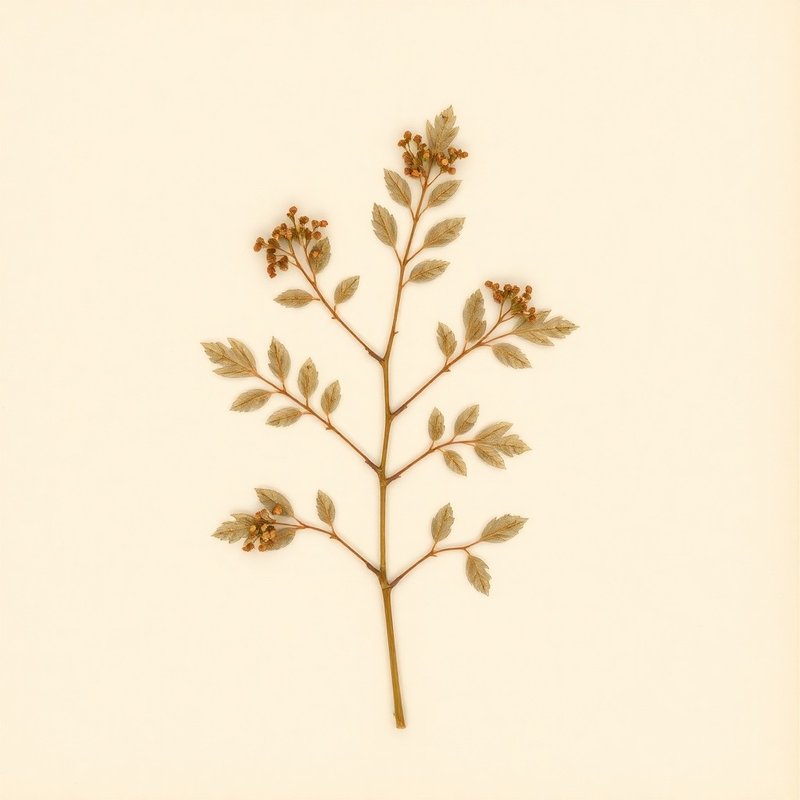
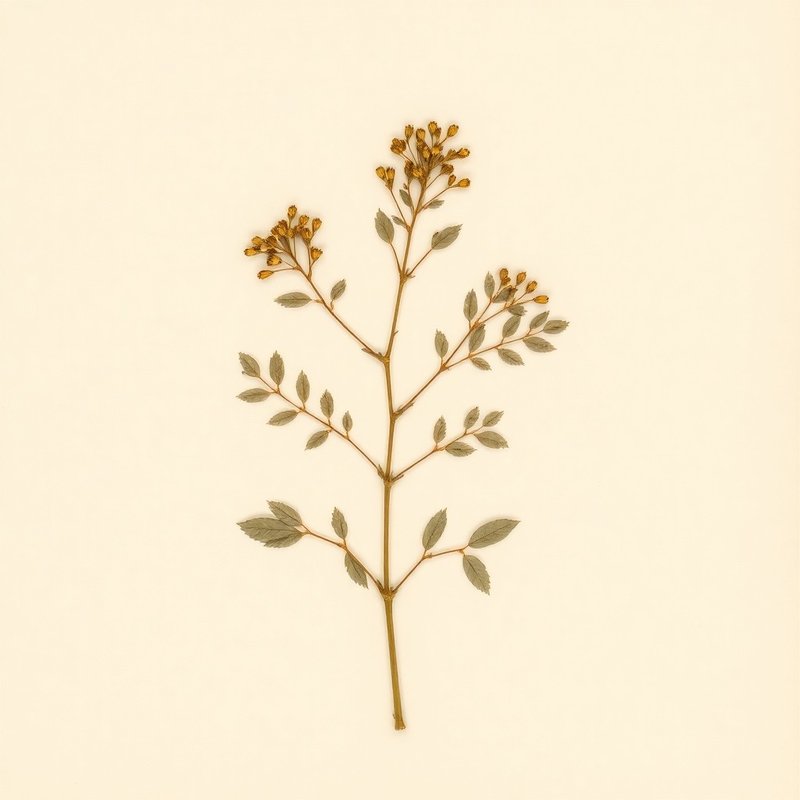
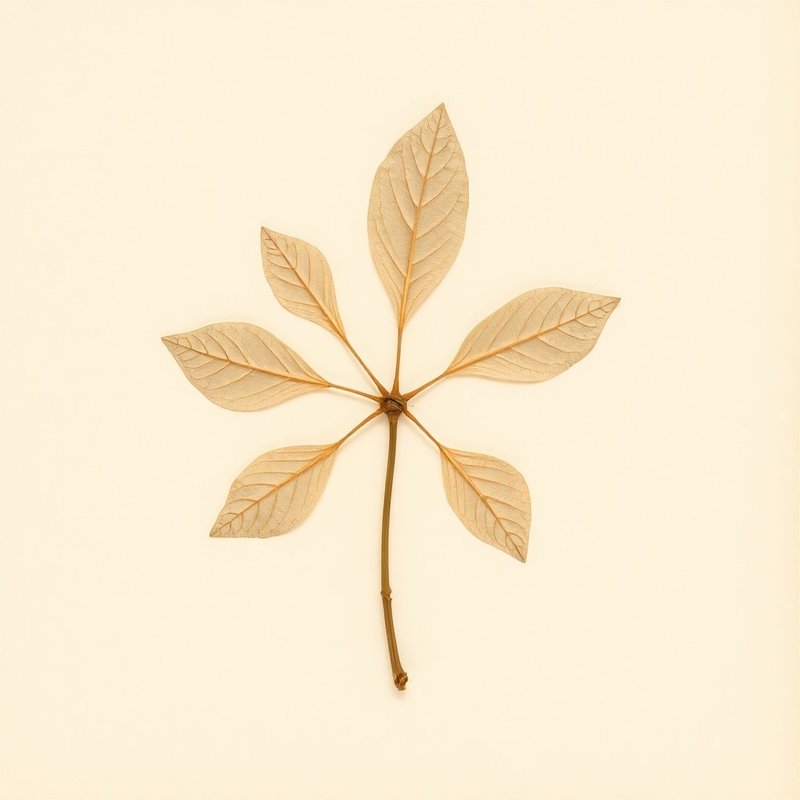
8 relatedPlants you might compare or use together — scored by shared family (Actinidiaceae), common use cases, and growing requirements.
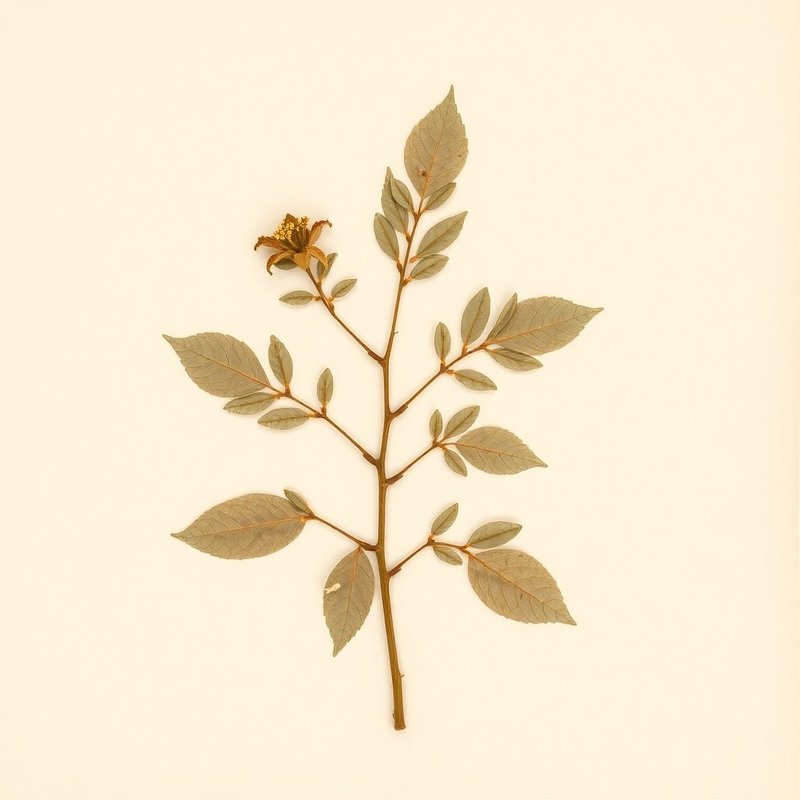
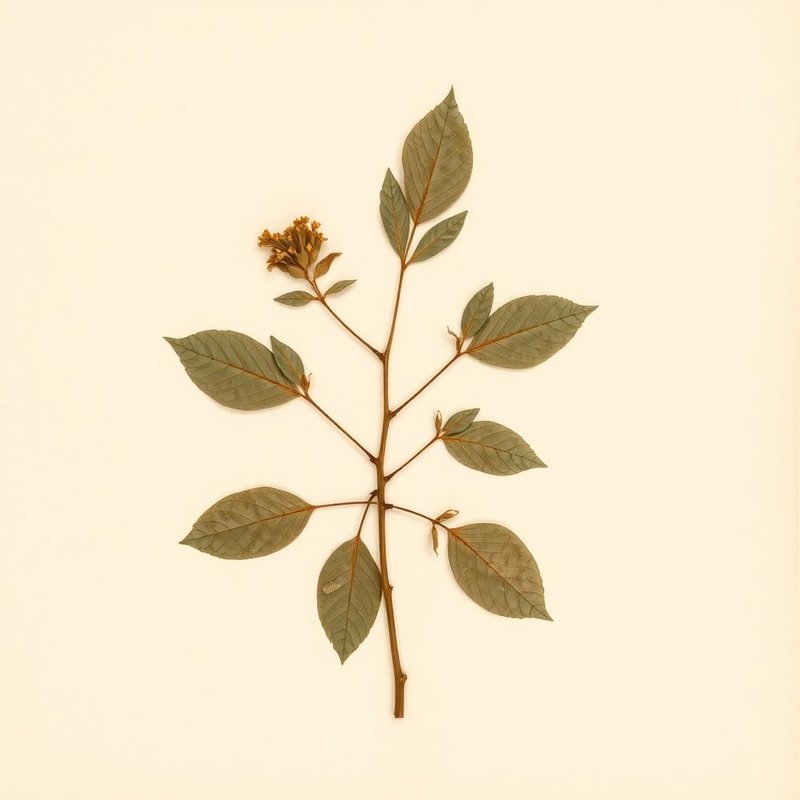
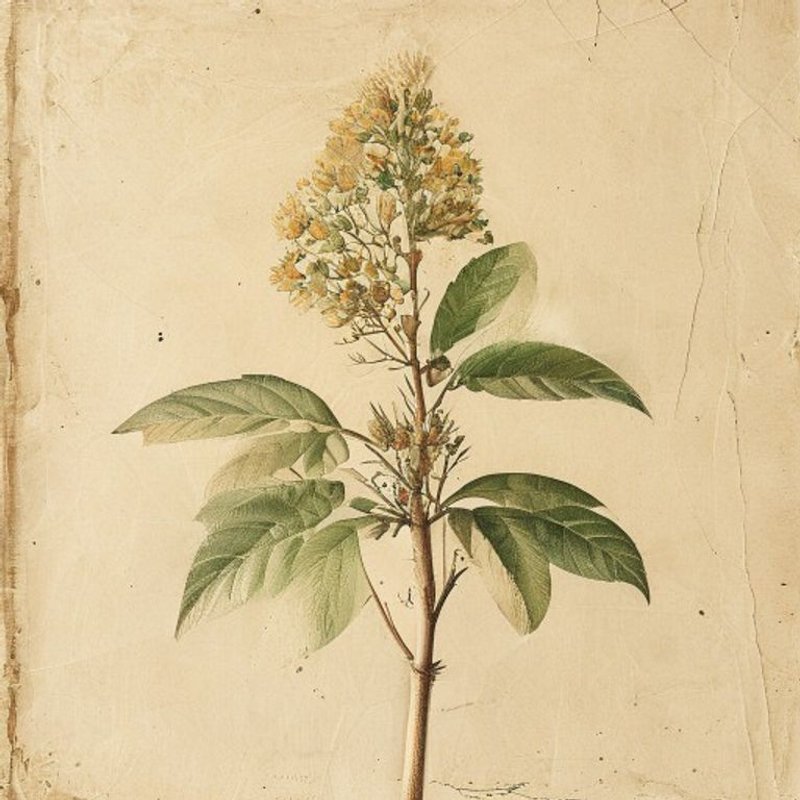

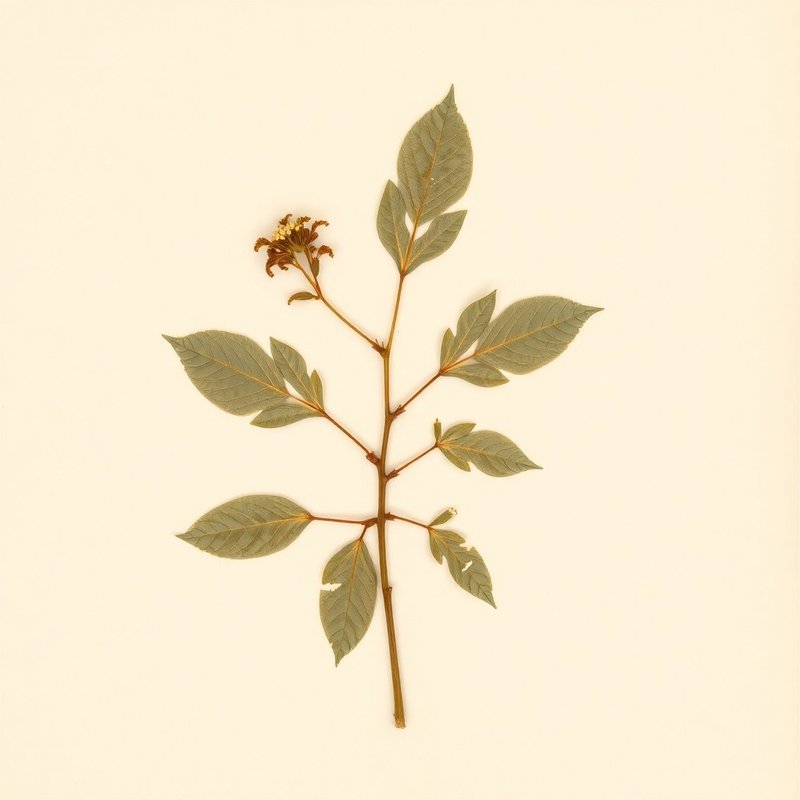
Explore further
About this entry
- Last updated
- Citation
- How to cite this entry · Submit a correction
Continue reading
Get archive updates
Occasional email when substantial new content lands — plant profiles, seasonal growing notes, folk-remedy additions. Free, no tracking, unsubscribe anytime.