
Bottlebrush buckeye
IOverview
Overview
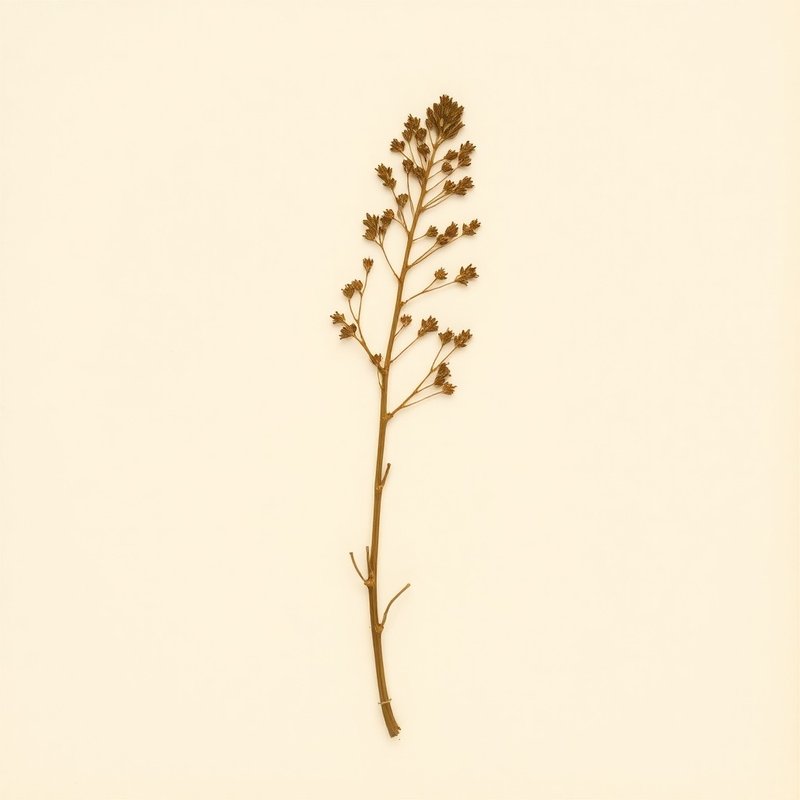
Bottlebrush buckeye, scientifically known as Aesculus parviflora, is a deciduous shrub native to Alabama and Georgia. This plant thrives in moist, well-drained soils and can tolerate various light conditions, from full sun to partial shade. Known for its distinctive bottlebrush-like flowers and edible seeds, it serves both ornamental and culinary purposes. The bottlebrush buckeye reaches a height of about 4 meters and is hardy in zones 4-9. Its light green leaves and showy red inflorescences make it a striking addition to gardens, while its seeds can be enjoyed as a snack or processed for various uses. Traditionally, the seeds have been used to aid digestion and support immune health, though they should be roasted or boiled before consumption due to toxic compounds. The bottlebrush buckeye is also valued for its utility in soap-making, lumber, and as a ground cover. It has been introduced into Maryland, New York, and South Carolina, expanding its range beyond its native habitats.
What is Bottlebrush buckeye?
Bottlebrush buckeye, scientifically known as Aesculus parviflora, is a deciduous shrub native to Alabama and Georgia. This plant thrives in moist, well-drained soils and can tolerate various light conditions, from full sun to partial shade.
What is Bottlebrush buckeye used for?
Traditionally used for digestion, immune support. Each claim is evidence-rated — see Section II for full citations.
IIBenefits & evidence
2 claims · traditional-use context
Benefits & evidence
2 claims · traditional-use context- Bottlebrush buckeye seeds have been used traditionally to aid digestion, particularly in Native American medicine. The preparation involves boiling the seeds into a decoction.
The mechanism by which Bottlebrush buckeye aids digestion is not fully characterised but may involve compounds similar to those found in other Aesculus species that support digestive function.
▲ ModerateDigestion → - Bottlebrush buckeye has been traditionally used in Native American medicine to support immune health, often prepared as a decoction. Its use is based on historical practices rather than extensive clinical studies.
The mechanism by which Bottlebrush buckeye supports the immune system is not fully characterised but may involve bioactive compounds similar to those found in other Aesculus species.
▲ ModerateImmune support →
IV·bMixology suggestions
2 drafts
Mixology suggestions
2 draftsVCultivation
Cultivation
How to grow Bottlebrush buckeye for the first time
Start with Bottlebrush buckeye by planting it in a suitable location and providing basic care.
- 1
What you'll need
A young bottlebrush buckeye plant, garden gloves, a trowel, and mulch.
- 2
Best time to plant
Plant in spring after the last frost or early fall before the first freeze.
- 3
Soil and container prep
Ensure soil is well-draining with medium texture. Amend heavy clay or sandy soils as needed.
- 4
Sowing or transplanting
Transplant young plants from a nursery pot to your garden, spacing them 4-6 meters apart.
- 5
First two weeks
Water the plant regularly to help it establish. Keep the soil moist but not waterlogged.
- 6
Ongoing care
Provide light watering during dry spells and mulch around the base for moisture retention.
- 7
Harvest or pruning
Prune in late winter before new growth starts to maintain shape. Remove any dead or damaged branches.
- 8
Common mistakes
Overwatering, planting in heavy clay soil without amending, and not providing enough space between plants.
VIEdible & utility
Edible & utility
VIIDistribution
2 native · 3 introduced
Distribution
2 native · 3 introducedIXSpecimen gallery
1 image
Specimen gallery
1 imageXSee also
8 related
See also
8 relatedPlants you might compare or use together — scored by shared family, common use cases, and growing requirements.

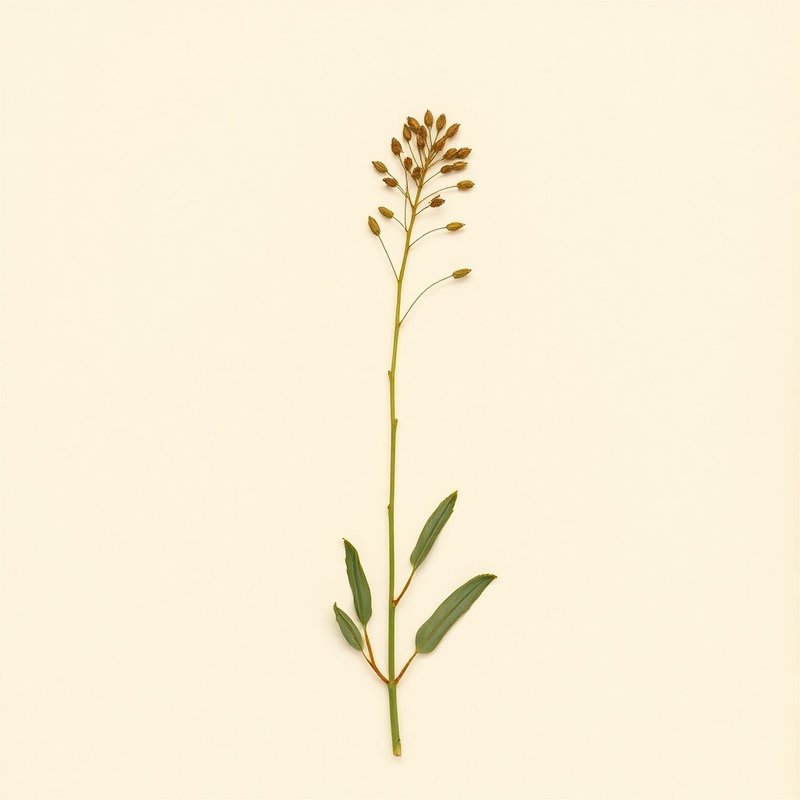
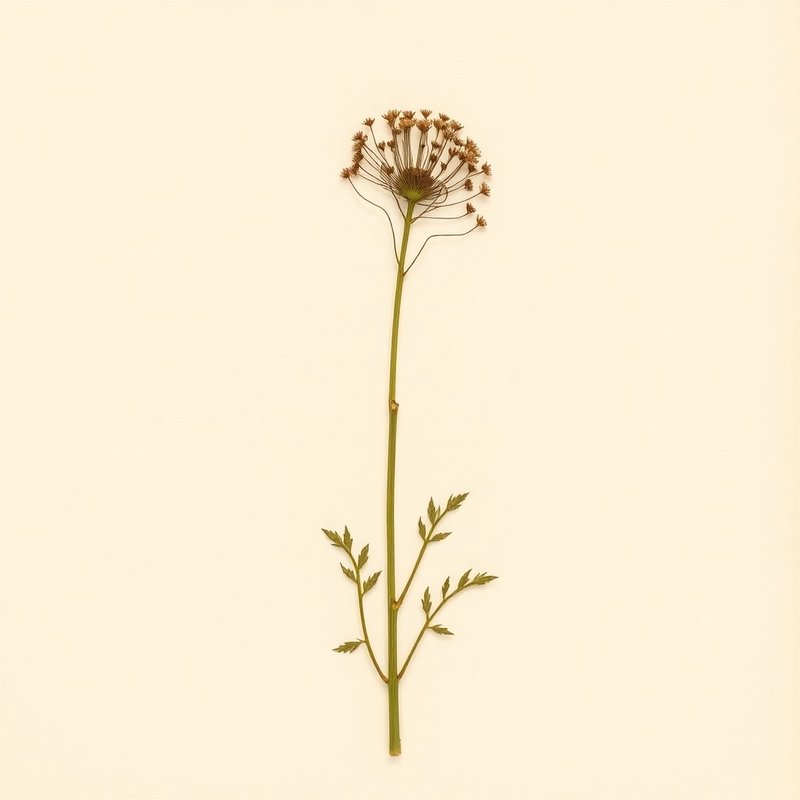
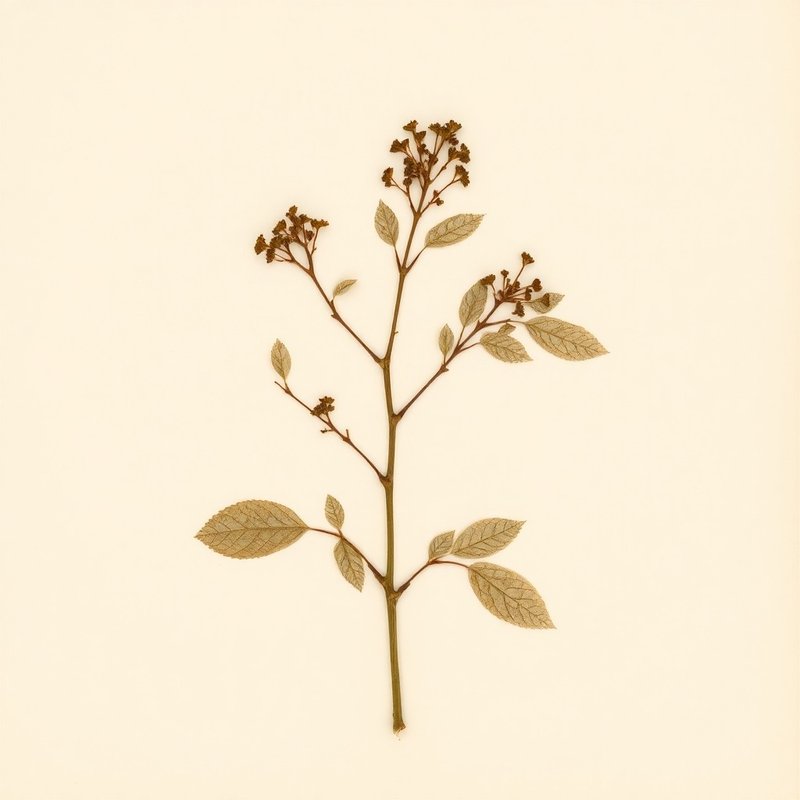
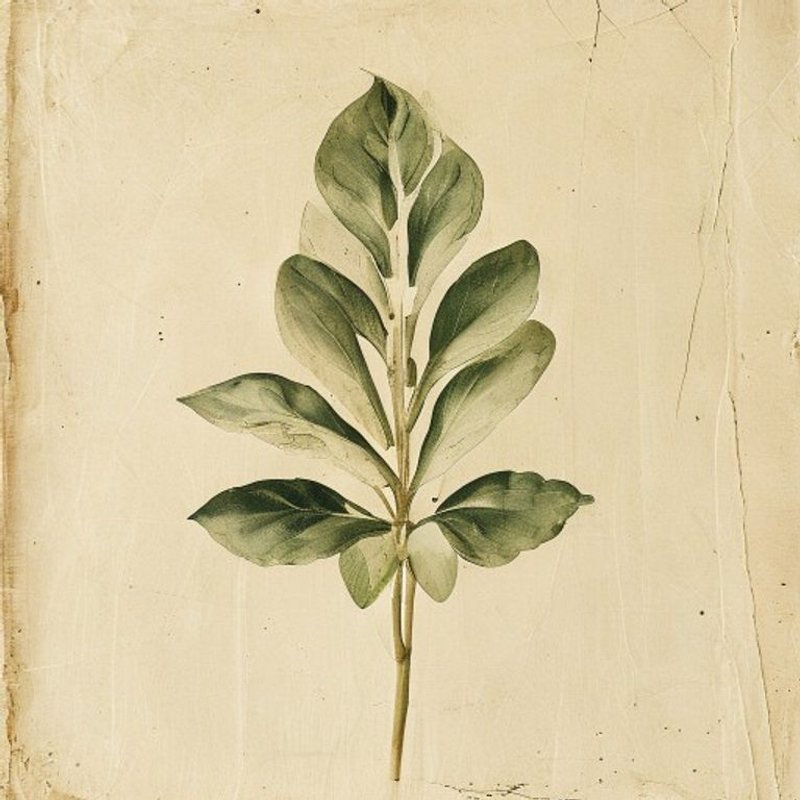
Explore further
About this entry
- Last updated
- Citation
- How to cite this entry · Submit a correction
Continue reading
Get archive updates
Occasional email when substantial new content lands — plant profiles, seasonal growing notes, folk-remedy additions. Free, no tracking, unsubscribe anytime.