
Sisal
Agave sisalanafam. Asparagaceae
Educational content — not medical, botanical, or professional advice. Plant identification, safety, and edibility depend on local conditions, cultivars, and correct identification. Consult a qualified botanist or forager before consuming or handling wild specimens. How we source & review →
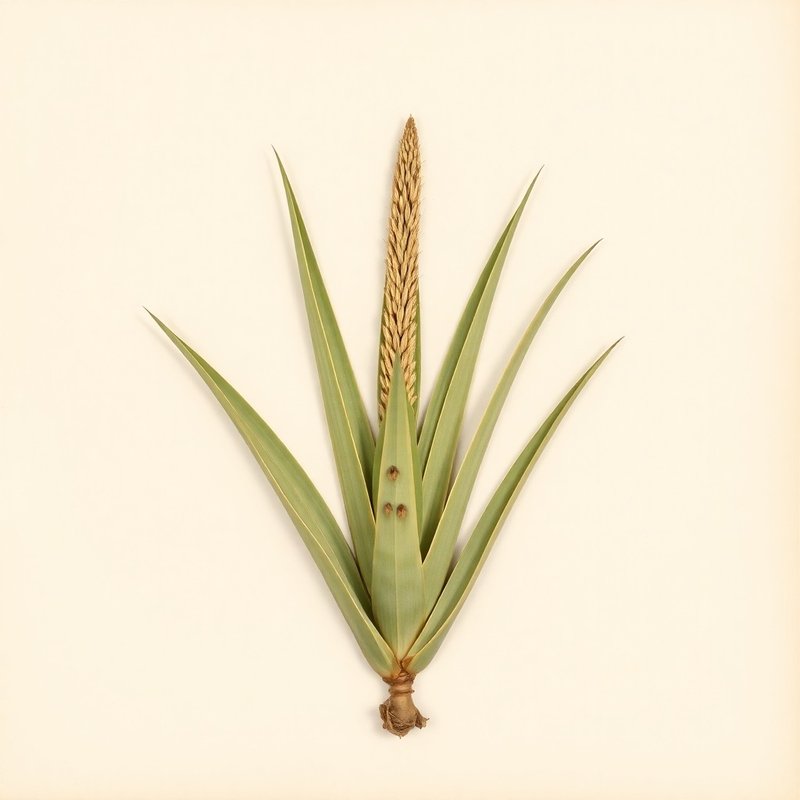
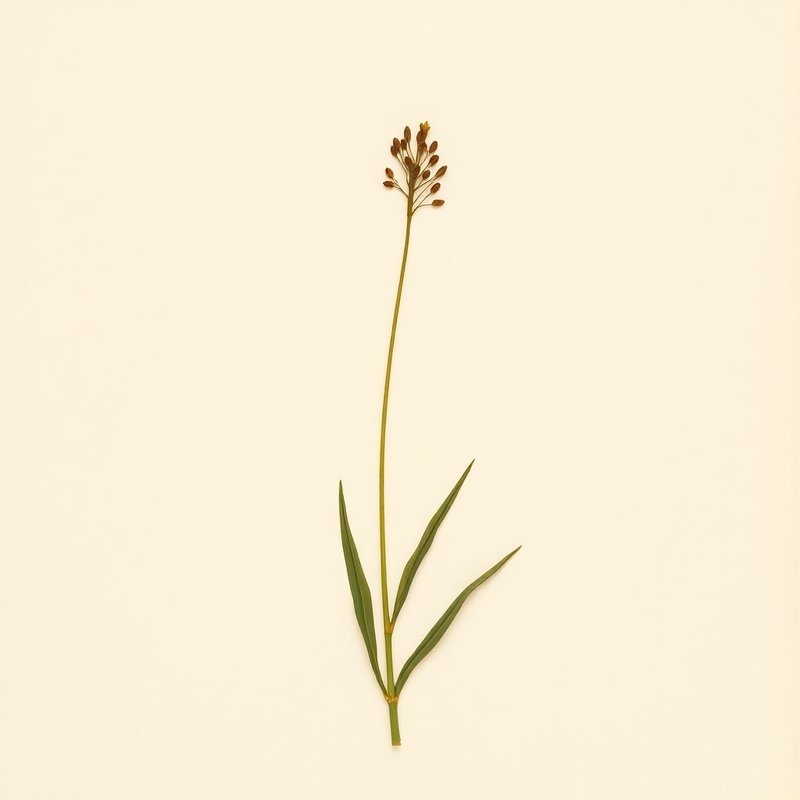
Pl. 3800 — Agave sisalana
Agave sisalanaAgave sisalanaAgave sisalanaAgave sisalanaAgave sisalanaAgave sisalanaAgave sisalanaAgave sisalanaAgave sisalanaAgave sisalanaAgave sisalanaAgave sisalanaAgave sisalanaAgave sisalana
IOverview
Overview
Sisal (Agave sisalana) is a perennial plant belonging to the Asparagaceae family and is native to Mexico's southeastern region. This hardy subshrub or shrub can grow up to 2 meters in height and thrives in full sun to partial shade, requiring well-draining soil that can be light (sandy), medium, or heavy (clay). Known for its versatility, sisal is both edible and ornamental, with parts such as leaves, roots, sap, and shoots being used. Its distinctive feature lies in the durability of its fibers, which are harvested from the leaves to produce a variety of commercial products including ropes and textiles.
Quick answers
What is Sisal?
Sisal (Agave sisalana) is a perennial plant belonging to the Asparagaceae family and is native to Mexico's southeastern region. This hardy subshrub or shrub can grow up to 2 meters in height and thrives in full sun to partial shade, requiring well-draining soil that can be light (sandy), medium, or heavy (clay).
Growingconditions · propagation · uses
VCultivation
Cultivation
Sisal thrives in full to partial sun and prefers well-draining soil that can be light (sandy), medium, or heavy (clay). It is drought-tolerant but will benefit from moist conditions during the growing season. Sisal is hardy in zones 9-11, making it suitable for warmer climates. Propagate via offsets or division of mature plants. Harvest edible parts such as leaves, root, sap, and shoots after establishing a healthy plant.
Light
Full sun, Partial sun/shade
Water
Dry, Moist
Soil
Light (sandy), Medium, Heavy (clay)
Hardiness
9-11
Life cycle
Perennial
Habit
Subshrub, Shrub, Forb/herb
Mature size
2.0 m tall
For first-time growers
How to grow Sisal for the first time
8steps
Start with a simple sisal plant and focus on basic care for the first season.
- 1
What you'll need
A healthy young sisal plant, well-draining soil mix, and a sunny spot in your garden.
- 2
Best time to plant
Plant sisal during spring or early summer when temperatures are warm.
- 3
Soil and container prep
Use a sandy loam soil with good drainage. Ensure containers have adequate drainage holes.
- 4
Sowing or transplanting
Transplant young plants directly into the garden or larger pots, spacing them about 1-2 meters apart.
- 5
First two weeks
Water sparingly to avoid waterlogging. Keep the soil slightly moist but not wet.
- 6
Ongoing care
Provide full sun and allow the soil to dry out between watering sessions. Fertilize lightly once a year.
- 7
Harvest or pruning
Prune dead leaves to maintain plant health, focusing on removing yellowing or damaged foliage.
- 8
Common mistakes
Overwatering, planting in heavy soil, and not providing enough sunlight are common issues beginners face.
VIEdible & utility
Edible & utility
Edible parts:LeavesRootSapShoots
Edible uses: The sisal plant (Agave sisalana) is edible and its leaves, roots, sap, and shoots can be consumed. The leaves are often prepared by cooking or drying before eating. The sap can also be used, typically after boiling to make a sweetener or drink. Shoots may be eaten raw or cooked.
Other uses:CompostFiberHedgerowMulchCraftingtextilesErosion control
Contextrange · companions · related
VIIDistribution
1 native · 29 introduced
Distribution
1 native · 29 introducedDistribution across5 continents· 1 native· 29 introduced
Europe2 regions
introduced (2)AlbaniaSpain
Asia3 regions
introduced (3)BangladeshCambodiaChina
Americas4 regions
introduced (4)BahamasBelizeDominican RepublicEl Salvador
Africa8 regions
introduced (8)AlgeriaAngolaBeninBurundiCabo VerdeEritreaEthiopiaGambia
Oceania1 region
introduced (1)Fiji
Broader regions
native:Mexico Southeast
introduced:Cape Provinces, Andaman Is., Ascension, Bermuda, Aldabra, Caroline Is., Cayman Is., Central African Repu, Florida, Free State
IXSpecimen gallery
1 image
Specimen gallery
1 imageXSee also
8 related
See also
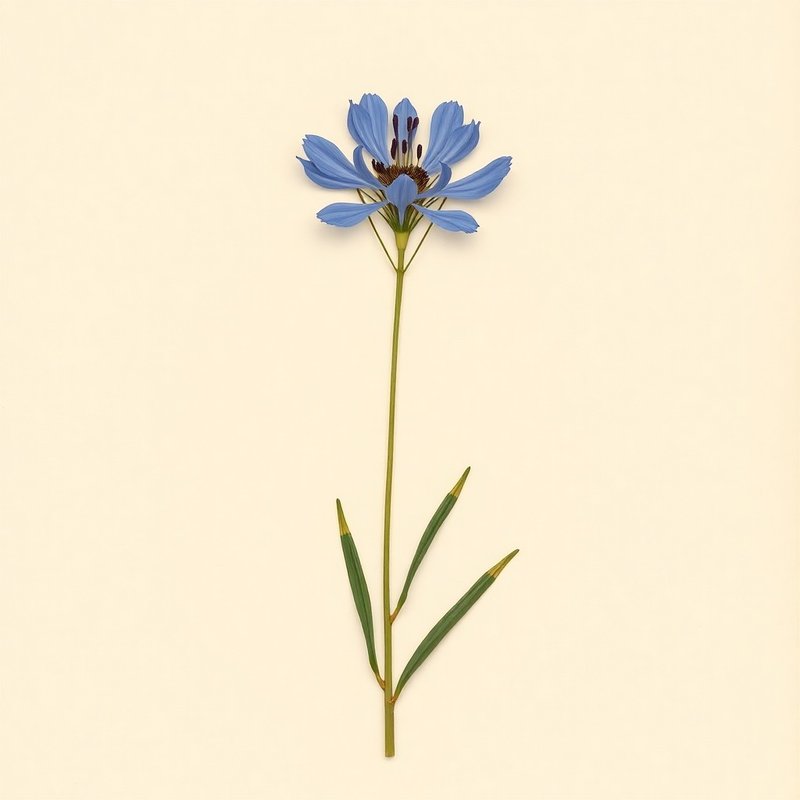
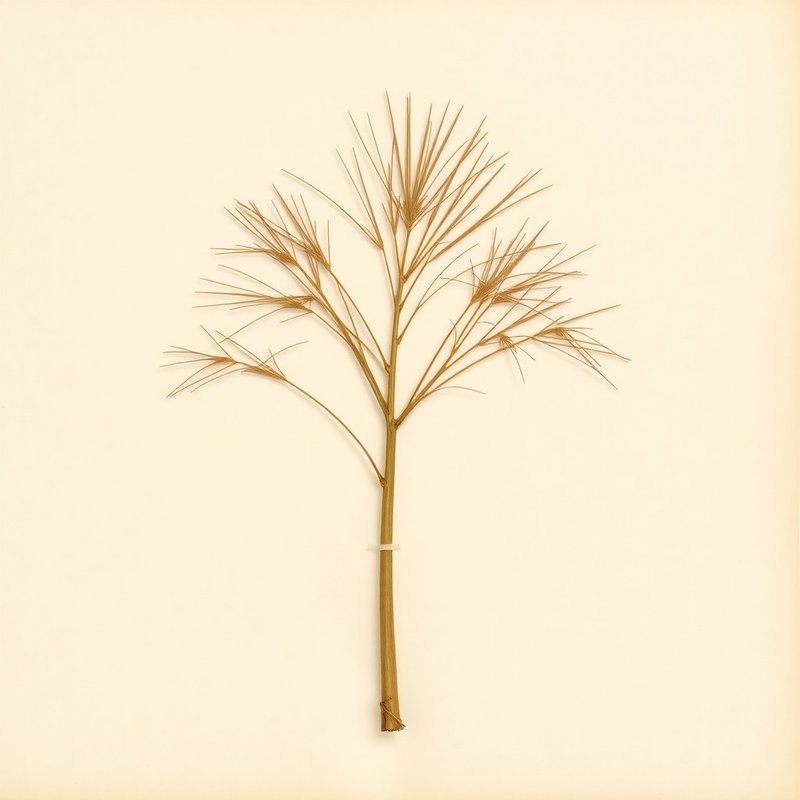
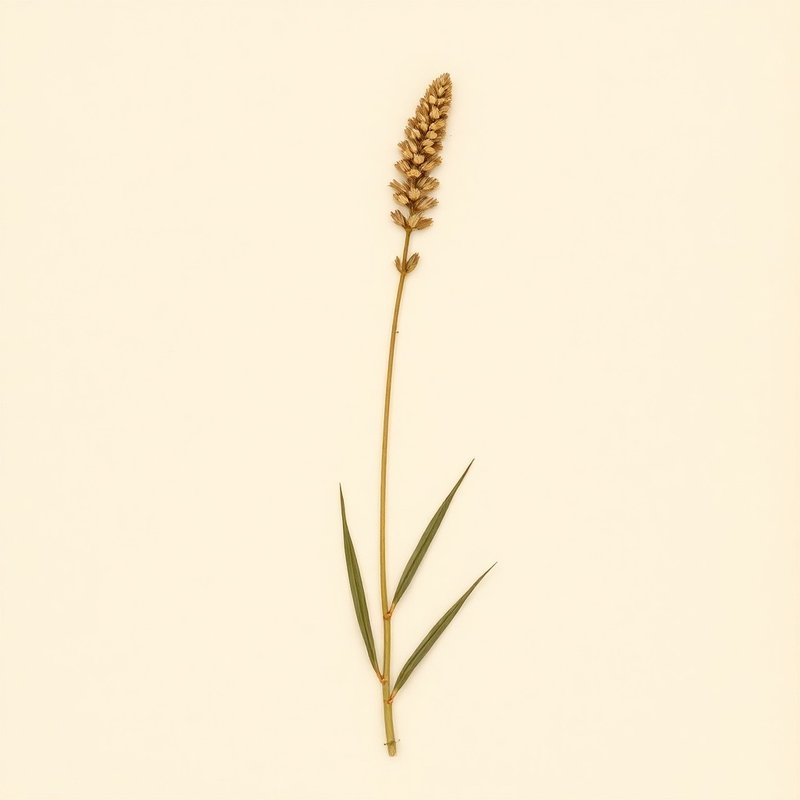
8 relatedPlants you might compare or use together — scored by shared family (Asparagaceae), common use cases, and growing requirements.
same family · Asparagaceae
Botanical relatives — often share phytochemistry + growing needs.
XI
Explore further
Companion planting
Compare with similar plants
Growing zone
XII
About this entry
- Last updated
- Citation
- How to cite this entry · Submit a correction
Back to the cataloguePlant id · 3800a92b-5ae4-41d7-9635-36d4715be8f4
Decision aid
Choosing between Sisal and something else?
Continue reading
❦❦❦❦
Endpaper · archive updates
Get archive updates
Occasional email when substantial new content lands — plant profiles, seasonal growing notes, folk-remedy additions. Free, no tracking, unsubscribe anytime.