
Mountain Dandelion
Agoseris aurantiaca
Educational content — not medical, botanical, or professional advice. Plant identification, safety, and edibility depend on local conditions, cultivars, and correct identification. Consult a qualified botanist or forager before consuming or handling wild specimens. How we source & review →
Garden journal pausedUse profile notes below
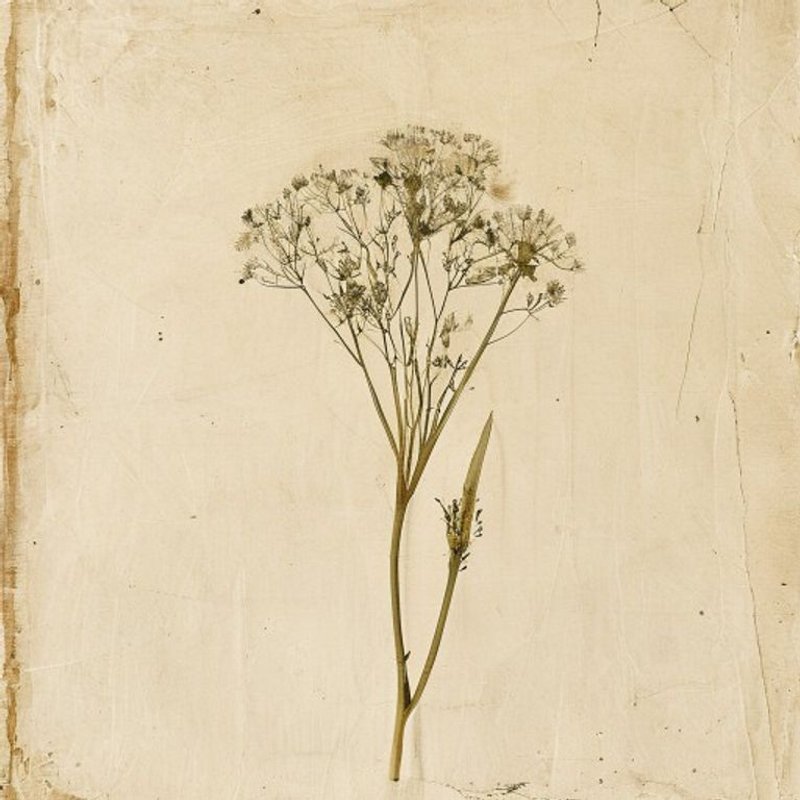
Pl. 6DD8 — Agoseris aurantiaca
Agoseris aurantiacaAgoseris aurantiacaAgoseris aurantiacaAgoseris aurantiacaAgoseris aurantiacaAgoseris aurantiacaAgoseris aurantiacaAgoseris aurantiacaAgoseris aurantiacaAgoseris aurantiacaAgoseris aurantiacaAgoseris aurantiacaAgoseris aurantiacaAgoseris aurantiaca
IOverview
Overview
Mountain Dandelion (Agoseris aurantiaca) is a perennial herb that thrives in the mountainous regions of western North America, ranging from Alaska and Alberta to California and Wyoming. This plant grows up to 0.6 meters tall and prefers light, full sun with well-drained soil that can be either sandy or medium-textured. It can tolerate both dry and moist conditions, thriving within a pH range of 6.6 to 7.5. Native to Alaska, Alberta, Arizona, British Columbia, California, Colorado, Idaho, Montana, Nevada, New Mexico, Northwest Territories, Oregon, Québec, South Dakota, Utah, Washington, Wyoming, Yukon, and parts of Canada, this plant is valued for its culinary uses in local cuisines. One distinctive feature of Mountain Dandelion is its bright orange flowers that appear during the summer months, adding a splash of color to the landscape. The edible leaves can be harvested from this subshrub or forb/herb, making it a useful addition to gardens and landscapes. For propagation, gardeners may use division or seed sowing. While not medicinal, Mountain Dandelion is an important part of the ecosystem in its native range and offers both ornamental and culinary value.
Quick answers
What is Mountain Dandelion?
Mountain Dandelion (Agoseris aurantiaca) is a perennial herb that thrives in the mountainous regions of western North America, ranging from Alaska and Alberta to California and Wyoming. This plant grows up to 0.6 meters tall and prefers light, full sun with well-drained soil that can be either sandy or medium-textured.
Growingconditions · propagation · uses
VCultivation
Cultivation
Mountain Dandelion thrives in full sun and prefers well-draining to moist soils with a pH between 6.6 and 7.5. It is a perennial that grows up to 0.6 meters tall and can be found in subshrub or herb-like habits. To cultivate this plant, ensure the soil is light (sandy) to medium-textured. While it is hardy in temperate regions, specific zone details are not provided. Watering should be adjusted based on soil moisture; allow the top layer to dry out between waterings. Harvest its edible leaves for culinary use.
Light
Full sun
Water
Dry, Moist
Soil
Light (sandy), Medium
Life cycle
Perennial
Habit
Subshrub, Forb/herb
Mature size
0.6 m tall
Soil pH
6.6–7.5
For first-time growers
How to grow Mountain Dandelion for the first time
8steps
Start with Mountain Dandelion as a simple, low-maintenance addition to your garden.
- 1
What you'll need
Mountain Dandelion seeds or young plants, gardening gloves, trowel.
- 2
Best time to plant
Plant in spring after the last frost or fall before the first freeze.
- 3
Soil and container prep
Choose a well-draining soil with a pH between 6.6 and 7.5, and ensure good sunlight exposure.
- 4
Sowing or transplanting
Direct sow seeds in the garden or start young plants indoors before transplanting them outdoors.
- 5
First two weeks
Water sparingly to avoid rotting the roots; keep soil moist but not waterlogged.
- 6
Ongoing care
Provide full sun and regular watering, especially during dry periods. Prune dead leaves as needed.
- 7
Harvest or pruning
Prune any dead foliage to maintain the plant's health; no need for harvesting unless you plan to use the leaves.
- 8
Common mistakes
Overwatering, planting in heavy soil, neglecting to prune dead leaves.
VIEdible & utility
Edible & utility
Edible parts:Leaves
Edible uses: Gum
Other uses:Gum
Contextrange · companions · related
VIIDistribution
18 native · 0 introduced
Distribution
18 native · 0 introducedDistribution across1 continent· 18 native
Americas1 region
native (1)United States
Broader regions
native:Alberta, Arizona, British Columbia, California, Colorado, Idaho, Montana, Nevada, New Mexico, Northwest Territorie, Oregon, Québec, South Dakota, Utah, Washington, Wyoming, Yukon
IXSpecimen gallery
1 image
Specimen gallery
1 imageXI
Explore further
Companion planting
XII
About this entry
- Last updated
- Citation
- How to cite this entry · Submit a correction
Back to the cataloguePlant id · 6dd8b5b5-3ad4-4bfc-bce0-bed8654018ec
Decision aid
Choosing between Mountain Dandelion and something else?
Continue reading
❦❦❦❦
Endpaper · archive updates
Get archive updates
Occasional email when substantial new content lands — plant profiles, seasonal growing notes, folk-remedy additions. Free, no tracking, unsubscribe anytime.
Newsletter returning soon.
We are rebuilding the update list around a lightweight editorial workflow. New dispatches will resume after the next content review cycle.