
Persian Silk Tree
IOverview
Overview
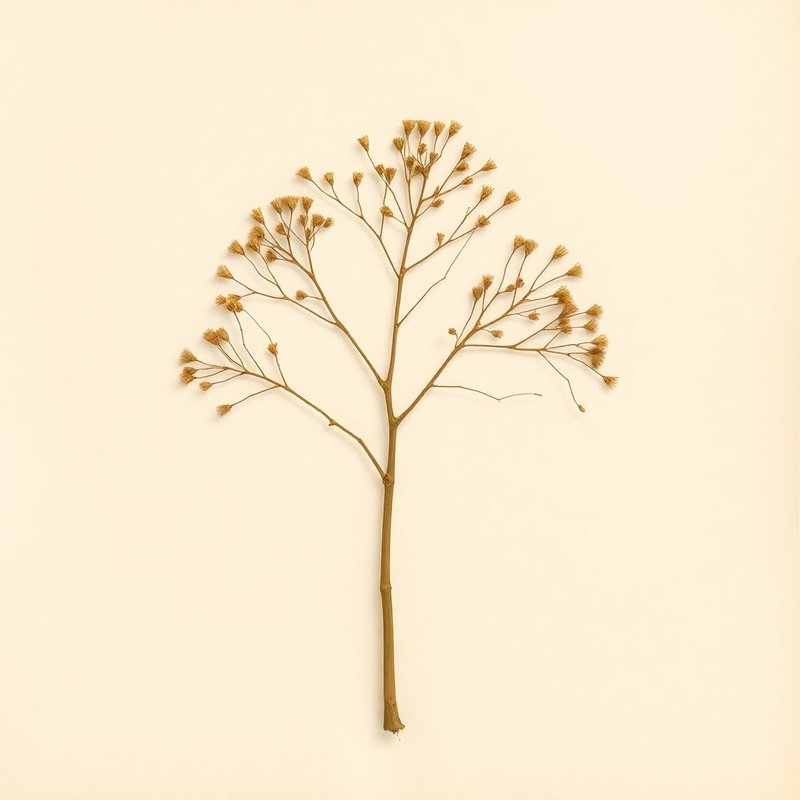
The Persian Silk Tree (Albizia julibrissin) is a deciduous tree in the Fabaceae or leguminosae family, native to Manchuria but now widely cultivated across Asia, including regions such as Assam, Bangladesh, China, India, Iran, Japan, Korea, Myanmar, Nepal, Pakistan, Taiwan, Tibet, Transcaucasus, and West Himalaya. This plant is known for its edible parts, particularly the flowers and leaves, which can be used in various culinary applications like teas or animal feed. The Persian Silk Tree thrives in a range of soil types—light (sandy), medium, and heavy clay—and can tolerate both dry and moist conditions. It prefers full sun to partial shade and grows rapidly, reaching heights of up to 12 meters. Its adaptability makes it suitable for diverse environments, from temperate zones (hardiness zone 6-9) to areas with varying moisture levels. While the Persian Silk Tree is not traditionally used medicinally, its edible parts offer practical benefits. The flowers and leaves can be harvested and utilized in teas or as animal feed. Additionally, this tree serves multiple utility purposes, including gum production, plaster making, and nitrogen fixation, contributing to soil health. Despite its usefulness, gardeners should be cautious of the Persian Silk Tree's potential for becoming a weed due to its invasive nature. Its introduction into various regions has made it an integral part of many landscapes in Asia, enhancing biodiversity and providing valuable resources.
What is Persian Silk Tree?
The Persian Silk Tree (Albizia julibrissin) is a deciduous tree in the Fabaceae or leguminosae family, native to Manchuria but now widely cultivated across Asia, including regions such as Assam, Bangladesh, China, India, Iran, Japan, Korea, Myanmar, Nepal, Pakistan, Taiwan, Tibet, Transcaucasus, and West Himalaya.
VCultivation
Cultivation
How to grow Persian Silk Tree for the first time
Start with a Persian Silk Tree to add a unique, flowering tree to your garden.
- 1
What you'll need
Persian Silk Tree seeds or young plants, a trowel, and mulch.
- 2
Best time to plant
Plant in spring after the last frost or in early fall before the first freeze.
- 3
Soil and container prep
Choose a location with well-draining soil that is light (sandy), medium, or heavy (clay). Ensure it gets full to partial sun.
- 4
Sowing or transplanting
Direct sow seeds in the ground after danger of frost has passed. For containers, use a pot at least 15 liters with drainage holes.
- 5
First two weeks
Water regularly to keep soil moist but not waterlogged. Monitor for pests and diseases.
- 6
Ongoing care
Provide regular watering during dry spells. Prune in late winter or early spring to maintain shape.
- 7
Harvest or pruning
Prune young trees to establish a strong structure. Remove dead, diseased, or crossing branches as needed.
- 8
Common mistakes
Overwatering, planting in poorly drained soil, and not providing enough sunlight are common issues.
VIEdible & utility
Edible & utility
VIIDistribution
19 native · 47 introduced
Distribution
19 native · 47 introducedIXSpecimen gallery
1 image
Specimen gallery
1 imageExplore further
About this entry
- Last updated
- Citation
- How to cite this entry · Submit a correction
Continue reading
Get archive updates
Occasional email when substantial new content lands — plant profiles, seasonal growing notes, folk-remedy additions. Free, no tracking, unsubscribe anytime.