
Allium macleanii
Allium macleaniifam. Alliaceae
Educational content — not medical, botanical, or professional advice. Always consult a qualified clinician before using any herbal preparation — especially during pregnancy, breastfeeding, while on medication, or for children. How we source & review →
Garden journal pausedUse profile notes below
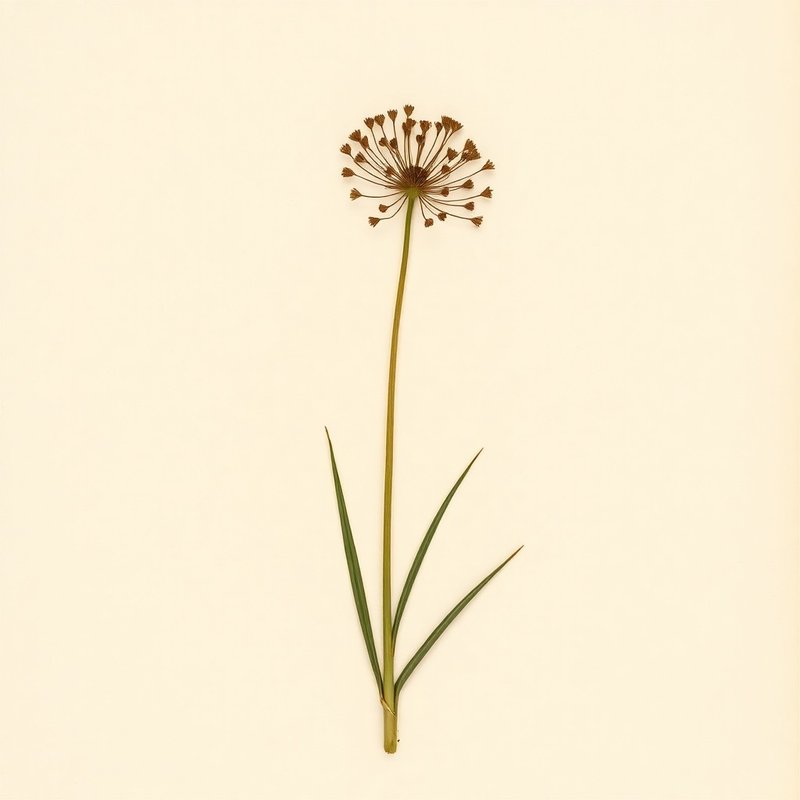
Pl. 9C0B — Allium macleanii
Allium macleaniiAllium macleaniiAllium macleaniiAllium macleaniiAllium macleaniiAllium macleaniiAllium macleaniiAllium macleaniiAllium macleaniiAllium macleaniiAllium macleaniiAllium macleaniiAllium macleaniiAllium macleanii
IOverview
Overview
Allium macleanii, a member of the Alliaceae family, is an edible species native to Afghanistan, Kirgizstan, Nepal, Pakistan, Tadzhikistan, Turkmenistan, and the West Himalaya. This plant thrives in full sun and prefers moist conditions with light (sandy) or medium soil, growing up to 1 meter tall in hardiness zones 7-10. The edible parts include flowers, leaves, and roots, making it a versatile addition to gardens and culinary dishes. Its leaves and flowers are often used fresh or dried, while the root can be eaten raw or cooked, adding a mild onion flavor to various dishes. This plant has a long history of use in traditional medicine for digestive issues, such as bloating and indigestion. Native to challenging climates in Central Asia and the Western Himalayas, Allium macleanii has adapted well to diverse environmental conditions. While it is generally safe, caution should be exercised when using any plant for medicinal purposes, and it is advisable to consult a healthcare professional before incorporating it into a treatment regimen.
Quick answers
What is Allium macleanii?
Allium macleanii, a member of the Alliaceae family, is an edible species native to Afghanistan, Kirgizstan, Nepal, Pakistan, Tadzhikistan, Turkmenistan, and the West Himalaya.
What is Allium macleanii used for?
Traditionally used for digestion. Each claim is evidence-rated — see Section II for full citations.
Best for
Top 1 evidence-ranked use of Allium macleanii
Clinicaluses · safety · chemistry · dosagemedicinal profile
IIBenefits & evidence
1 claim · traditional-use context
Benefits & evidence
1 claim · traditional-use contextTraditional-use context
These notes are presented as ethnobotanical context. No cited clinical references are catalogued for this plant yet.
- Allium species have a long history of use in traditional medicine for digestive issues, such as bloating and indigestion.
Compounds like thiosulfinates and flavonoids may help improve digestion by increasing gastric juice secretion and reducing inflammation. However, specific mechanisms for A. macleanii are not fully characterised.
▲ ModerateDigestion →
IV·bMixology suggestions
2 drafts
Mixology suggestions
2 draftsEditorial drafts. These pairings are AI-suggested from traditional herbal lore. Always verify with a qualified herbalist before brewing.
Stress Relief
stresstincture
Historically used for calming the mind and reducing anxiety.
Digestive Ease
digestiontea
Traditionally used to soothe digestive discomfort.
Growingconditions · propagation · uses
VCultivation
Cultivation
Allium macleanii thrives in full sun and prefers moist but well-draining soil that is light (sandy) to medium. It is hardy in zones 7-10 and can grow up to 1 meter tall. This plant can be propagated through seeds or division of the bulbs. Its edible parts include flowers, leaves, and roots, making it a versatile addition to gardens and culinary dishes.
Light
Full sun
Water
Moist
Soil
Light (sandy), Medium
Hardiness
7-10
Mature size
1.0 m tall
For first-time growers
How to grow Allium macleanii for the first time
8steps
Start with planting Skip in a sunny spot and follow these simple steps for success.
- 1
What you'll need
Skip bulbs, well-draining soil, a garden fork or trowel.
- 2
Best time to plant
Plant Skip in late summer or early fall for spring blooms.
- 3
Soil and container prep
Choose a light, sandy loam with good drainage. Amend the soil if necessary.
- 4
Sowing or transplanting
Plant bulbs 5-7 cm deep and 10-15 cm apart in the garden bed.
- 5
First two weeks
Water sparingly to avoid rotting. Keep the soil moist but not waterlogged.
- 6
Ongoing care
Provide full sun exposure and mulch around the base for winter protection.
- 7
Harvest or pruning
Prune dead leaves and spent flowers to maintain plant health, but avoid cutting roots.
- 8
Common mistakes
Overwatering, planting too deep, neglecting winter mulch.
VIEdible & utility
Edible & utility
Edible parts:FlowersLeavesRoot
Edible uses: The Allium macleanii is edible and can be consumed in various forms. Its leaves, flowers, and roots are typically harvested for culinary use. The leaves and flowers are often used fresh or dried, while the root can be eaten raw or cooked. This versatile plant adds a mild onion flavor to dishes when prepared in any of these methods.
Contextrange · companions · related
VIIDistribution
7 native · 0 introduced
Distribution
7 native · 0 introducedDistribution across1 continent· 7 native
Asia4 regions
native (4)AfghanistanNepalPakistanTurkmenistan
Broader regions
native:Kirgizstan, Tadzhikistan, West Himalaya
IXSpecimen gallery
1 image
Specimen gallery
1 imageXSee also
8 related
See also
8 relatedPlants you might compare or use together — scored by shared family (Alliaceae), common use cases, and growing requirements.
same family · Alliaceae
Botanical relatives — often share phytochemistry + growing needs.

shared use cases
Different families, similar therapeutic role — good for comparing.
XI
Explore further
Companion planting
Health goals
Compare with similar plants
Growing zone
Native to
XII
About this entry
- Last updated
- Citation
- How to cite this entry · Submit a correction
Back to the cataloguePlant id · 9c0b8635-b705-40b1-9dcc-dd35e343d8df
Decision aid
Choosing between Allium macleanii and something else?
Continue reading
❦❦❦❦
Endpaper · archive updates
Get archive updates
Occasional email when substantial new content lands — plant profiles, seasonal growing notes, folk-remedy additions. Free, no tracking, unsubscribe anytime.
Newsletter returning soon.
We are rebuilding the update list around a lightweight editorial workflow. New dispatches will resume after the next content review cycle.