
Amaranthus mangostanus
Amaranthus mangostanus
Educational content — not medical, botanical, or professional advice. Plant identification, safety, and edibility depend on local conditions, cultivars, and correct identification. Consult a qualified botanist or forager before consuming or handling wild specimens. How we source & review →
Garden journal pausedUse profile notes below
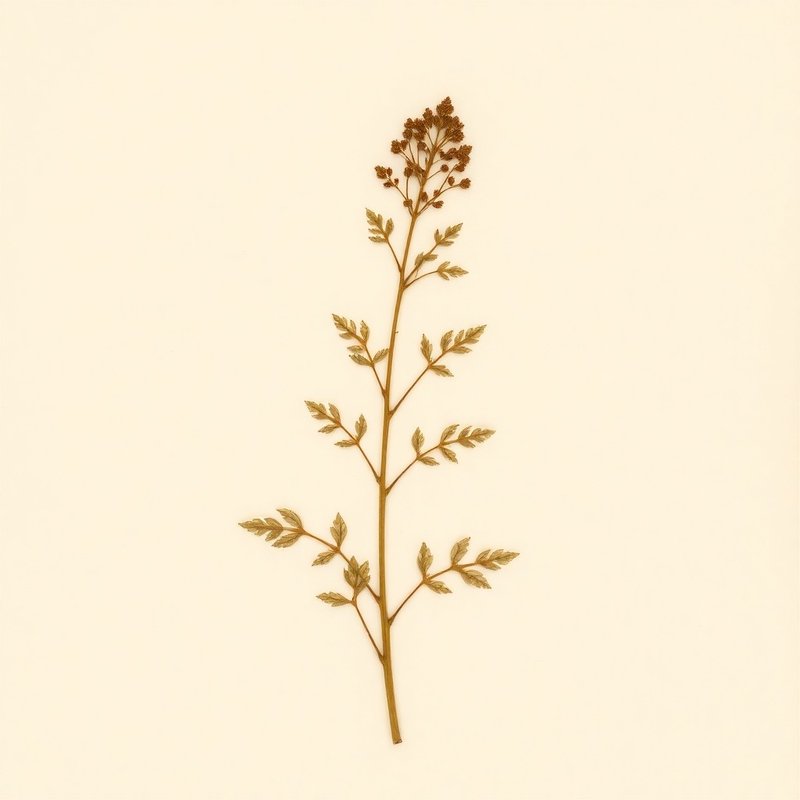
Pl. 314E — Amaranthus mangostanus
Amaranthus mangostanusAmaranthus mangostanusAmaranthus mangostanusAmaranthus mangostanusAmaranthus mangostanusAmaranthus mangostanusAmaranthus mangostanusAmaranthus mangostanusAmaranthus mangostanusAmaranthus mangostanusAmaranthus mangostanusAmaranthus mangostanusAmaranthus mangostanusAmaranthus mangostanus
IOverview
Overview
Amaranthus mangostanus, commonly known as Indian spinach or Indian kale, is an annual herb native to regions including Assam, Bangladesh, Borneo, India, Jawa, Laos, Lesser Sunda Islands, Line Islands, Malaya, Maluku, Myanmar, Nepal, New Guinea, Philippines, Solomon Islands, Sri Lanka, Sulawesi, Sumatera, Thailand, and Vietnam. This plant thrives in moist conditions and full sun, growing up to 1.5 meters in height and is valued for its edible parts—leaves, stems, and seeds—which can be harvested throughout the year. The leaves are commonly consumed fresh or cooked as a vegetable, while the seeds can be harvested and used for grinding into flour or roasted as a snack. The stems may also be prepared by cooking to enjoy their flavor and nutrients. A. mangostanus is also recognized for its dynamic accumulator properties, making it useful in gardens for improving soil health. Its ability to grow in various soil types, including light (sandy), medium, and heavy (clay), and its adaptability to different climates make it a versatile plant for cultivation. While primarily used for its edible and ornamental value, A. mangostanus is also noted for its ability to thrive in introduced regions such as Angola, Benin, Cambodia, and others, highlighting its adaptability and potential for wider cultivation.
Quick answers
What is Amaranthus mangostanus?
Amaranthus mangostanus, commonly known as Indian spinach or Indian kale, is an annual herb native to regions including Assam, Bangladesh, Borneo, India, Jawa, Laos, Lesser Sunda Islands, Line Islands, Malaya, Maluku, Myanmar, Nepal, New Guinea, Philippines, Solomon Islands, Sri L
Growingconditions · propagation · uses
VCultivation
Cultivation
Amaranthus mangostanus thrives in full sun and prefers moist soil that is light (sandy), medium, or heavy (clay). This annual plant grows up to 1.5 meters tall and can be propagated through seeds. It is hardy in temperate regions and is native to several Asian countries including Assam, Bangladesh, India, and parts of Southeast Asia. For cultivation, ensure the soil remains consistently moist while providing ample sunlight. Regular watering and well-draining soil will help maintain optimal growth conditions.
Light
Full sun
Water
Moist
Soil
Light (sandy), Medium, Heavy (clay)
Life cycle
Annual
Mature size
1.5 m tall
VIEdible & utility
Edible & utility
Edible parts:LeavesSeedStem
Edible uses: The amaranthus mangostanus is eaten in various parts, including leaves, stems, and seeds. The leaves are commonly consumed fresh or cooked as a vegetable. Seeds can be harvested and used for grinding into flour or roasted as a snack. Stems may also be prepared by cooking to enjoy their flavor and nutrients.
Other uses:DyeDynamic accumulator
Contextrange · companions · related
VIIDistribution
20 native · 48 introduced
Distribution
20 native · 48 introducedDistribution across5 continents· 20 native· 48 introduced
Europe1 region
introduced (1)France
Asia21 regions
native (9)BangladeshIndiaLaosMyanmarNepalPhilippinesSri LankaThailandVietnam
introduced (12)CambodiaChinaIraqJapanKazakhstanMaldivesPakistanSaudi ArabiaSouth KoreaTaiwanUzbekistanYemen
Americas4 regions
introduced (4)CubaDominican RepublicHaitiPuerto Rico
Africa10 regions
introduced (10)AngolaBeninCameroonEgyptEritreaEthiopiaMauritiusMozambiqueSierra LeoneSudan
Oceania3 regions
introduced (3)FijiNew CaledoniaVanuatu
Broader regions
native:Borneo, Jawa, Lesser Sunda Is., Line Is., Malaya, Maluku, New Guinea, Solomon Is., Sulawesi, Sumatera
introduced:Cayman Is., Central African Repu, Christmas I., Hainan, Marianas, Marquesas, Nansei-shoto, Panamá, Society Is., South China Sea, Western Australia
IXSpecimen gallery
1 image
Specimen gallery
1 imageXI
Explore further
Companion planting
Native to
XII
About this entry
- Last updated
- Citation
- How to cite this entry · Submit a correction
Back to the cataloguePlant id · 314e7f5b-cf18-43db-94f6-16a09693ac9a
Decision aid
Choosing between Amaranthus mangostanus and something else?
Continue reading
❦❦❦❦
Endpaper · archive updates
Get archive updates
Occasional email when substantial new content lands — plant profiles, seasonal growing notes, folk-remedy additions. Free, no tracking, unsubscribe anytime.
Newsletter returning soon.
We are rebuilding the update list around a lightweight editorial workflow. New dispatches will resume after the next content review cycle.