
Cherimoya
Annona cherimolafam. Annonaceae
Educational content — not medical, botanical, or professional advice. Plant identification, safety, and edibility depend on local conditions, cultivars, and correct identification. Consult a qualified botanist or forager before consuming or handling wild specimens. How we source & review →
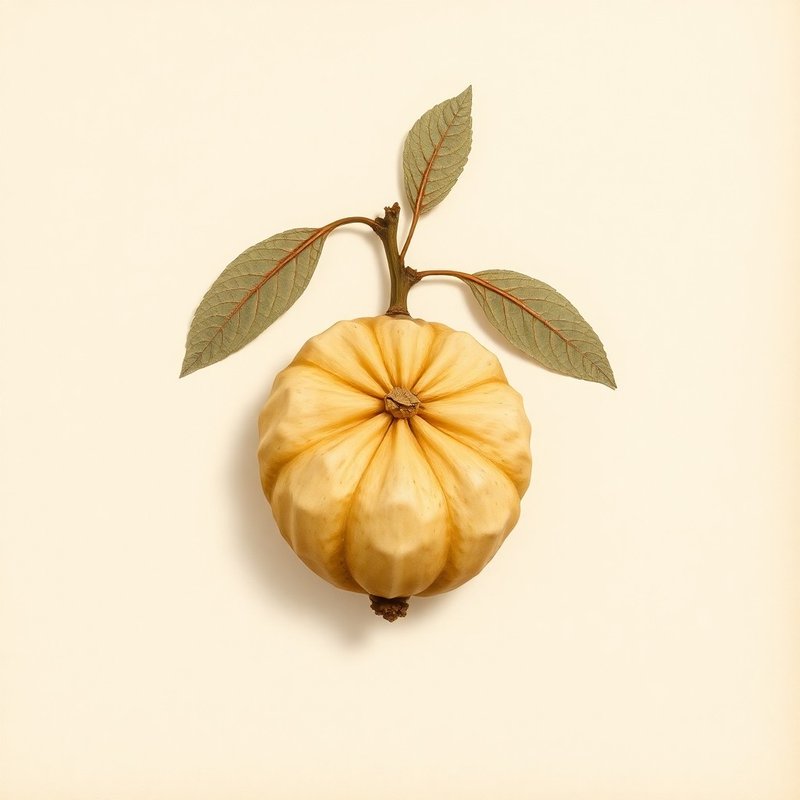
Pl. B543 — Annona cherimola
Annona cherimolaAnnona cherimolaAnnona cherimolaAnnona cherimolaAnnona cherimolaAnnona cherimolaAnnona cherimolaAnnona cherimolaAnnona cherimolaAnnona cherimolaAnnona cherimolaAnnona cherimolaAnnona cherimolaAnnona cherimola
IOverview
Overview
Cherimoya (Annona cherimola) is a deciduous tree native to the Andean regions of Bolivia, Colombia, Ecuador, and Peru. This fruit-bearing plant thrives in full sun but can tolerate drier or more moist conditions. It prefers well-drained soil types ranging from light sandy to heavy clay, with medium moisture levels. Hardy in zones 8-12, cherimoya can grow up to 9 meters tall and spread out to a width of 3 meters. Known for its delicious, creamy fruits, the tree is both ornamental and edible, making it a valuable addition to gardens and orchards. One distinctive feature is its large, heart-shaped leaves that give the plant an attractive appearance throughout the year.
Quick answers
What is Cherimoya?
Cherimoya (Annona cherimola) is a deciduous tree native to the Andean regions of Bolivia, Colombia, Ecuador, and Peru. This fruit-bearing plant thrives in full sun but can tolerate drier or more moist conditions. It prefers well-drained soil types ranging from light sandy to heavy clay, with medium moisture levels.
Growingconditions · propagation · uses
VCultivation
Cultivation
Cherimoya thrives in full sun and prefers well-draining soil that can be light (sandy), medium, or heavy (clay). It is adaptable to both dry and moist conditions but requires regular watering during the growing season. Cherimoya is hardy in zones 8-12, making it suitable for warmer climates. The plant grows up to 9 meters tall with a spread of 3 meters. For propagation, use seeds or grafting. Regular pruning can help maintain its shape and promote fruit production.
Light
Full sun
Water
Dry, Moist
Soil
Light (sandy), Medium, Heavy (clay)
Hardiness
8-12
Mature size
9.0 m × 3 m
For first-time growers
How to grow Cherimoya for the first time
8steps
Start with a simple cherimoya tree in your garden for an easy and rewarding experience.
- 1
What you'll need
A healthy young cherimoya sapling, well-draining soil, and a container if planting indoors.
- 2
Best time to plant
Plant in spring when the last frost has passed and temperatures are consistently above 15°C (60°F).
- 3
Soil and container prep
Use a well-draining potting mix with some sand or perlite added for lightness. Ensure containers have drainage holes.
- 4
Sowing or transplanting
Transplant the sapling to its permanent spot, making sure not to damage the roots. Water thoroughly after planting.
- 5
First two weeks
Keep the soil moist but not waterlogged. Place in a sunny location and avoid direct afternoon sun.
- 6
Ongoing care
Water regularly when the top inch of soil feels dry, especially during fruiting. Fertilize lightly every few months with a balanced fertilizer.
- 7
Harvest or pruning
Prune in late winter to early spring to shape the tree and remove dead branches. Harvest fruits when they give slightly under gentle pressure.
- 8
Common mistakes
Overwatering, planting too deep, not providing enough sunlight, and neglecting regular pruning are common issues.
VIEdible & utility
Edible & utility
Edible parts:fruits
Edible uses: The cherimoya fruit is the main edible part of the plant. It can be eaten raw, providing a sweet and creamy texture similar to a combination of banana and pineapple. The flesh is typically consumed fresh or used in desserts and smoothies. Occasionally, it may also be dried for preservation.
Other uses:Pest control
Contextrange · companions · related
VIIDistribution
4 native · 26 introduced
Distribution
4 native · 26 introducedDistribution across3 continents· 4 native· 26 introduced
Asia2 regions
introduced (2)ChinaLaos
Americas13 regions
native (4)BoliviaColombiaEcuadorPeru
introduced (9)BelizeCosta RicaDominican RepublicEl SalvadorGuatemalaHaitiHondurasJamaicaPuerto Rico
Africa2 regions
introduced (2)EthiopiaRwanda
Broader regions
introduced:Central American Pac, Galápagos, Gulf of Guinea Is., Hainan, Kermadec Is., Mexico Central, Mexico Gulf, Mexico Northeast, Mexico Southeast, Mexico Southwest, Panamá, Réunion
IXSpecimen gallery
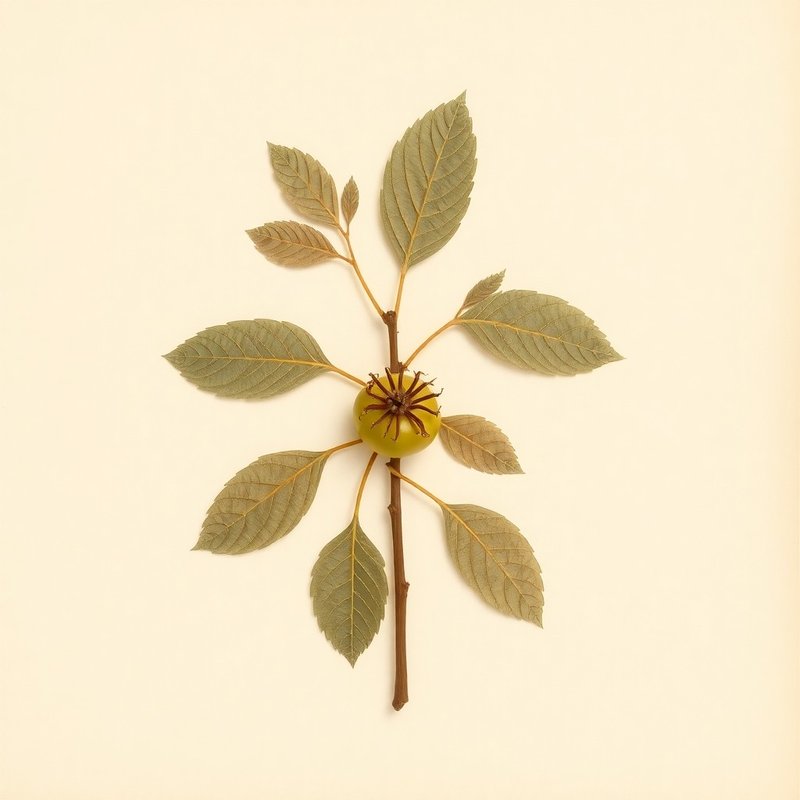
1 image
Specimen gallery
1 imageXSee also
7 related
See also
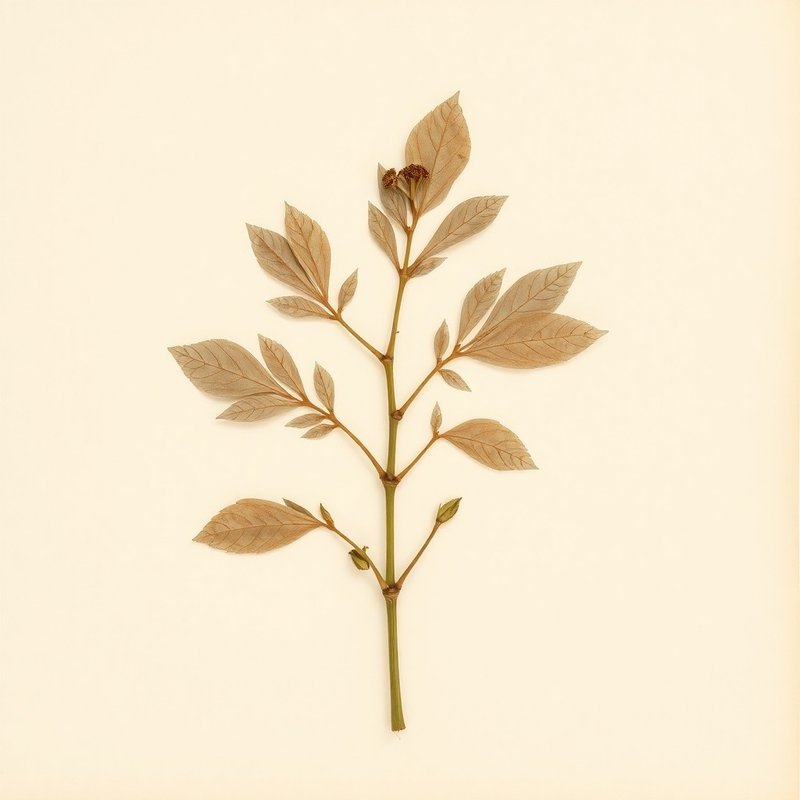
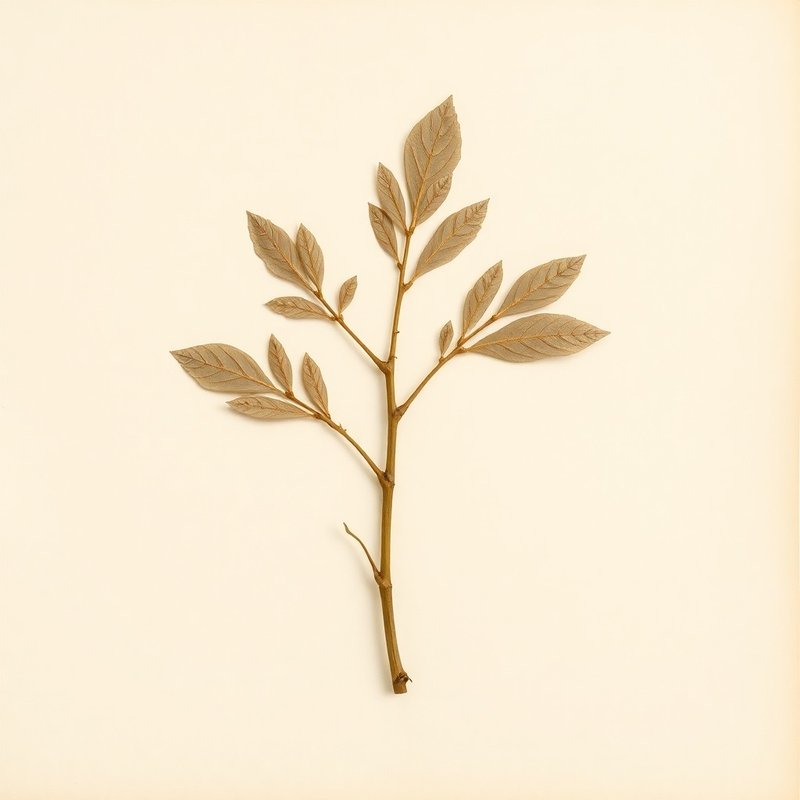
7 relatedPlants you might compare or use together — scored by shared family (Annonaceae), common use cases, and growing requirements.
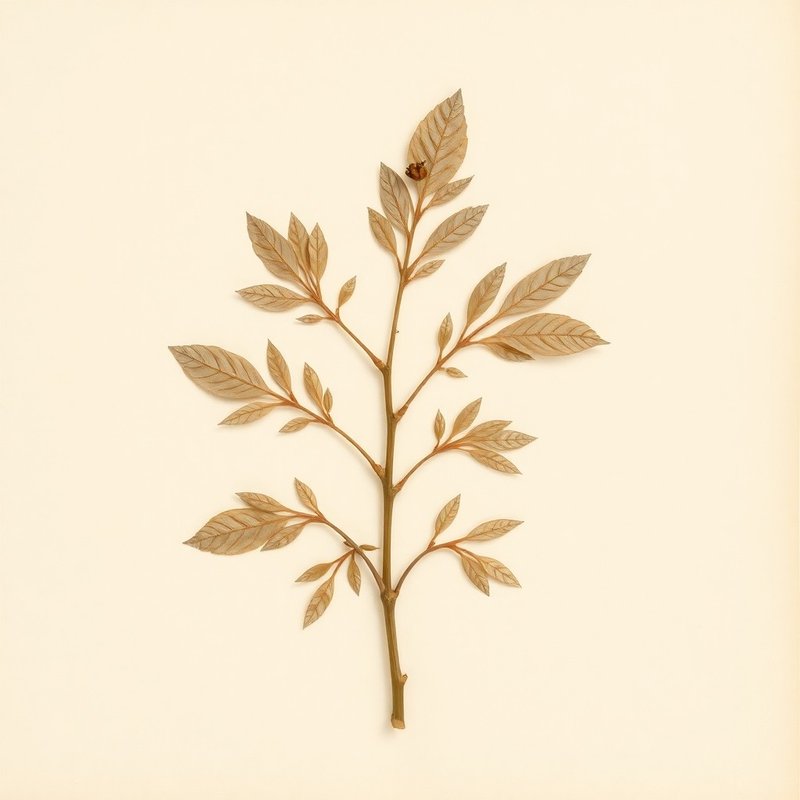
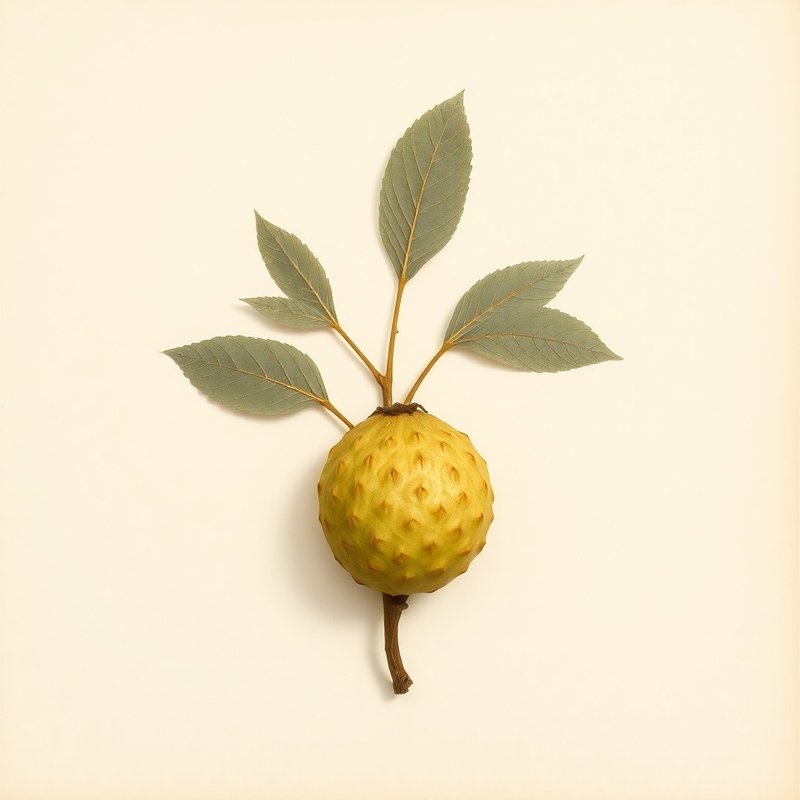
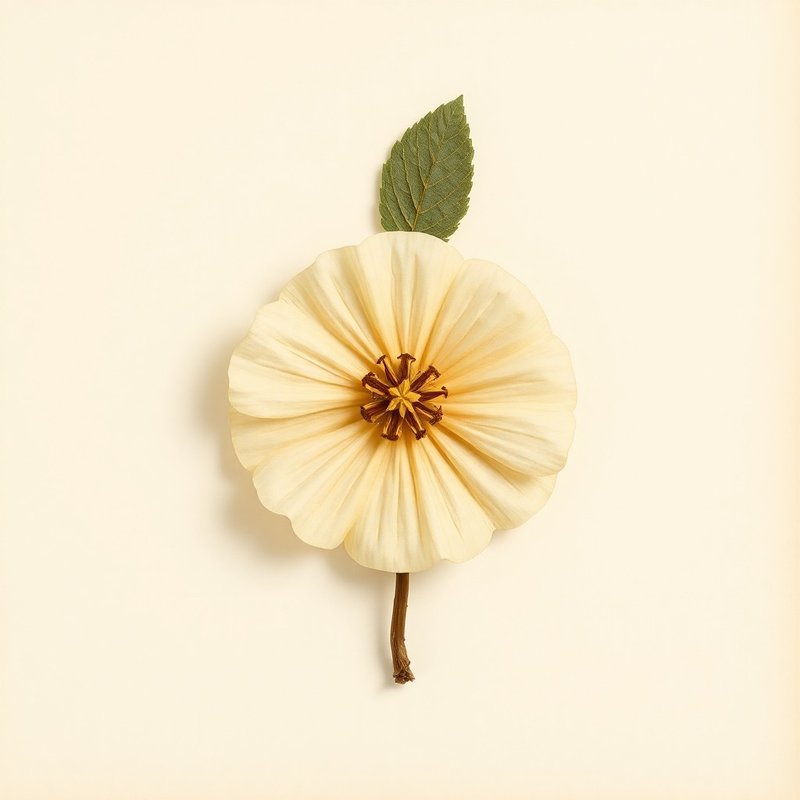
same family · Annonaceae
Botanical relatives — often share phytochemistry + growing needs.

XI
Explore further
Companion planting
Compare with similar plants
Growing zone
XII
About this entry
- Last updated
- Citation
- How to cite this entry · Submit a correction
Back to the cataloguePlant id · b5433a6d-17a3-46fa-bca0-4167346ff152
Decision aid
Choosing between Cherimoya and something else?
Continue reading
❦❦❦❦
Endpaper · archive updates
Get archive updates
Occasional email when substantial new content lands — plant profiles, seasonal growing notes, folk-remedy additions. Free, no tracking, unsubscribe anytime.