Skip to content
IIIFolio · plant profile№ 7E6Eedible
Data provenancePermapeopleTrefleWikipediaPFAFPOWOreviewed 13 Oct 2026methodology → read
Home/Plants/Annonaceae

Sour Sop

Annona muricatafam. Annonaceae
Educational content — not medical, botanical, or professional advice. Plant identification, safety, and edibility depend on local conditions, cultivars, and correct identification. Consult a qualified botanist or forager before consuming or handling wild specimens. How we source & review →
edibletreesedibleedible fruitnative amperennialtree
Updated·Quick Q&A →
Garden journal pausedUse profile notes below
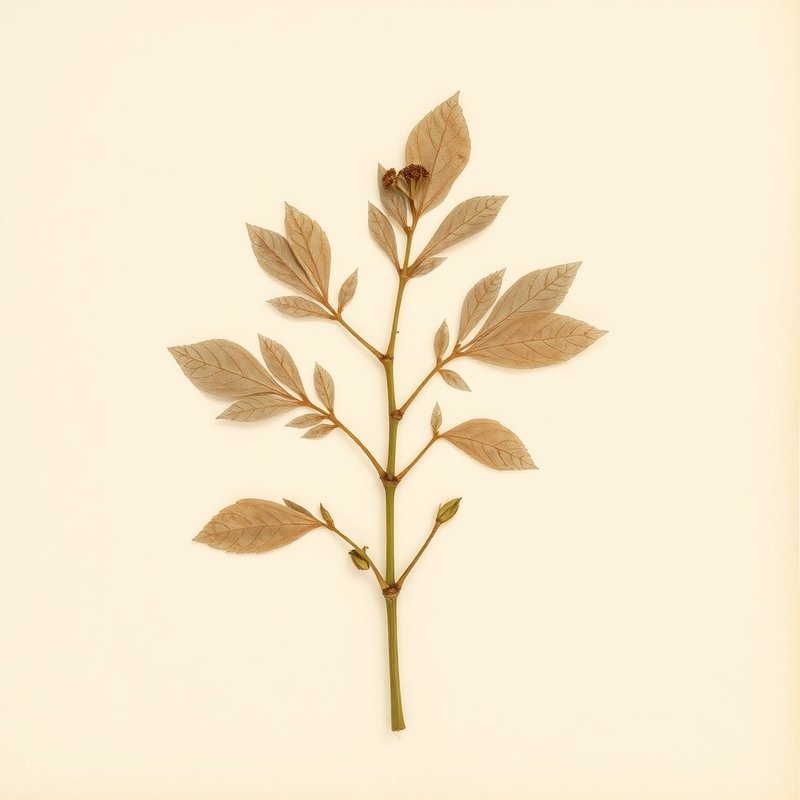
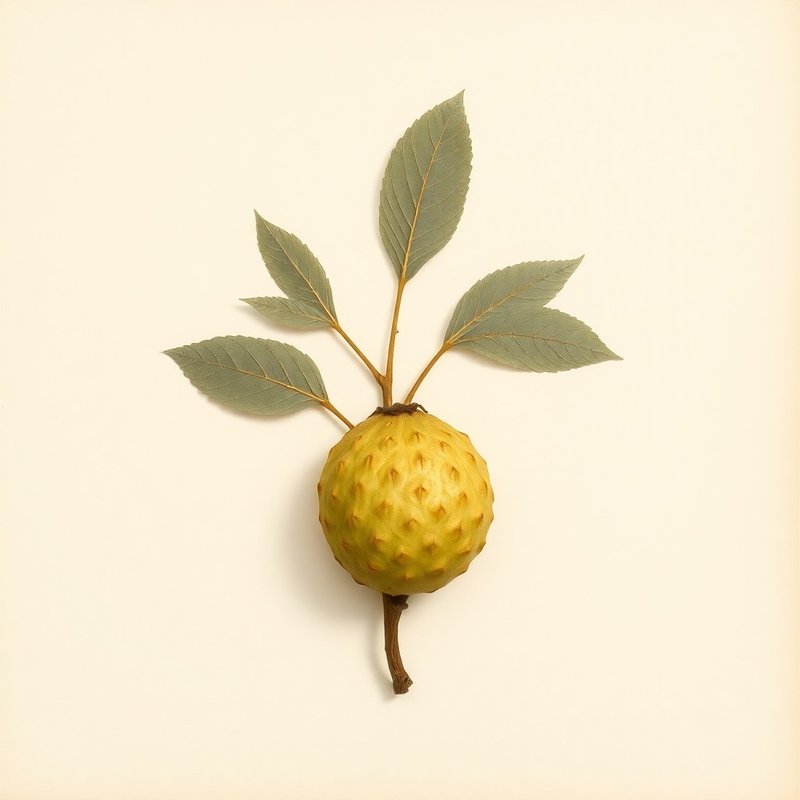
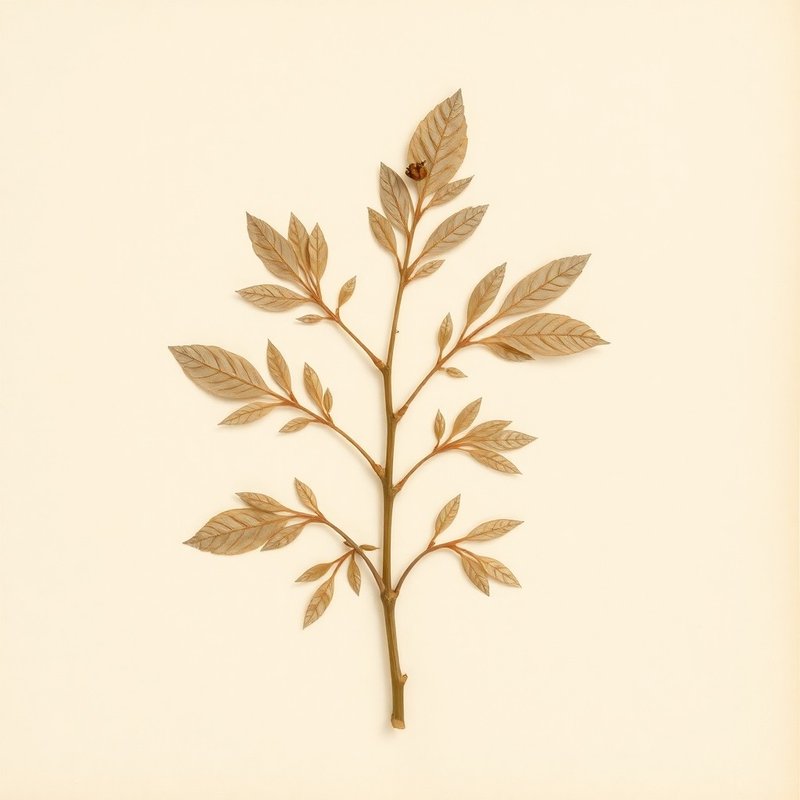
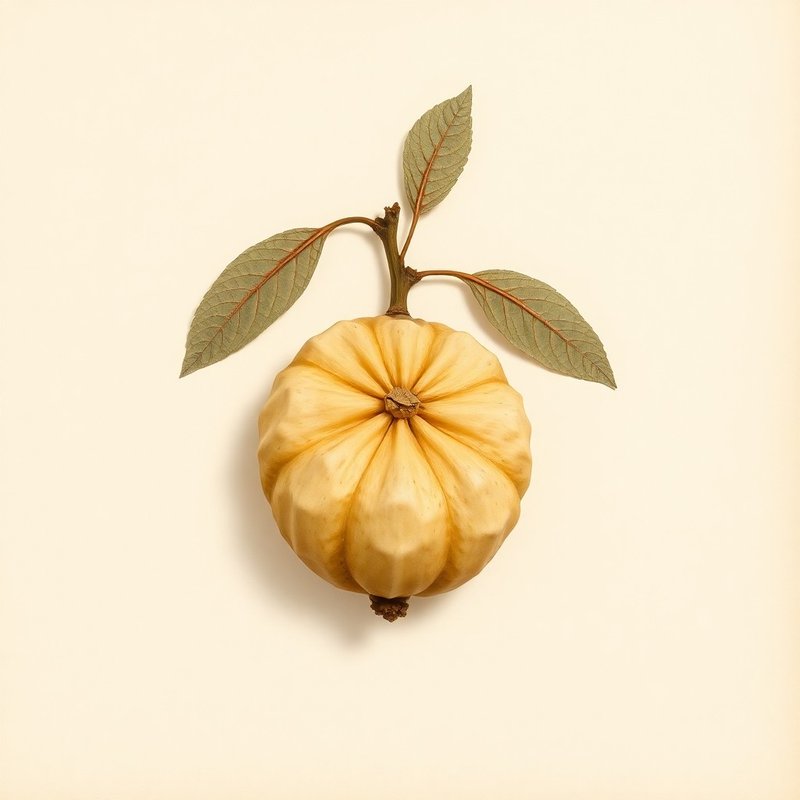
Annona muricata (Sour Sop) — botanical photograph
Pl. 7E6E — Annona muricata
Annona muricataAnnona muricataAnnona muricataAnnona muricataAnnona muricataAnnona muricataAnnona muricataAnnona muricataAnnona muricataAnnona muricataAnnona muricataAnnona muricataAnnona muricataAnnona muricata
I

Overview

Sour Sop (Annona muricata), a tropical tree native to Central and South America, thrives in regions such as Belize, Bolivia, Colombia, Costa Rica, Ecuador, Guatemala, Guyana, Honduras, Mexico Southeast, Nicaragua, Panama, Peru, Suriname, and Venezuela. This versatile plant prefers full or partial sun with moist soil that can be light (sandy), medium, or heavy (clay) and grows up to 7 meters tall in hardiness zones 10-12. Known for its edible fruits, Sour Sop is a popular choice among gardeners for both ornamental and culinary purposes. The fruit's distinctive spiky, green outer covering sets it apart from other tropical fruits, making it easily recognizable. The sour yet sweet flesh of the fruit can be eaten raw or used in various preparations such as jams, jellies, and juices, adding a unique flavor to tropical dishes. Additionally, Sour Sop has practical uses beyond its culinary value; its wood is suitable for lumber, and the plant can serve as a fire starter due to its flammable nature. While not traditionally used medicinally, it is valued for its edible and ornamental qualities in gardens across its native range and introduced regions like Andaman Islands, Assam, Brazil, Cameroon, and many others.

Quick answers

What is Sour Sop?

Sour Sop (Annona muricata), a tropical tree native to Central and South America, thrives in regions such as Belize, Bolivia, Colombia, Costa Rica, Ecuador, Guatemala, Guyana, Honduras, Mexico Southeast, Nicaragua, Panama, Peru, Suriname, and Venezuela.

Compare with:Beach Sugar Apple→Mammee Apple→Posh-te→all comparisons →
Growingconditions · propagation · uses
V

Cultivation

Sour Sop thrives in full to partial sun and requires moist soil that can be light (sandy), medium, or heavy (clay). It is hardy in zones 10-12, making it suitable for tropical climates. For propagation, direct seeding indoors or using semi-ripe cuttings are effective methods. Regular watering is essential to keep the soil consistently moist. This plant can grow up to 7 meters tall and produces edible fruits.
Light
Full sun, Partial sun/shade
Water
Moist
Soil
Light (sandy), Medium, Heavy (clay)
Hardiness
10-12
Mature size
7.0 m tall
Propagation
Direct seed indoors or use semi-ripe cuttings
For first-time growers

How to grow Sour Sop for the first time

7steps

Start with a simple sour sop tree in a sunny spot for your first gardening experience.

  1. 1

    What you'll need

    A sour sop seed or cutting, potting mix, and a container.

  2. 2

    Best time to plant

    Plant seeds indoors year-round or in spring outdoors when temperatures are warm.

  3. 3

    Soil and container prep

    Use well-draining soil with a pH between 6.0 and 7.5, and ensure the container is at least 12 inches wide.

  4. 4

    Sowing or transplanting

    Direct sow seeds indoors in small pots or plant cuttings directly into larger containers.

  5. 5

    First two weeks

    Keep soil moist but not soggy, and place the container in a warm spot with indirect sunlight.

  6. 6

    Ongoing care

    Provide full sun to partial shade, water regularly, and fertilize every few months with a balanced fertilizer.

  7. 7

    Harvest or pruning

    Prune lightly to shape the tree and remove dead branches; harvest fruits when they turn yellow-green.

VI

Edible & utility

Edible parts:fruits
Edible uses: The sour sop fruit is edible and can be eaten raw or used in various preparations. It is often consumed fresh but can also be made into jams, jellies, or added to juices. The fruit's flesh is sweet yet tart, making it a popular ingredient in tropical dishes.
Other uses:Fire starterPest controlLumber
Contextrange · companions · related
VII

Distribution

15 native · 56 introduced
Distribution across4 continents· 15 native· 56 introduced
Asia7 regions
introduced (7)BangladeshChinaIndiaLaosMaldivesTaiwanVietnam
Americas19 regions
native (13)BelizeBoliviaColombiaCosta RicaEcuadorFrench GuianaGuatemalaGuyanaHondurasNicaraguaPeruSurinameVenezuela
introduced (6)CubaDominican RepublicEl SalvadorHaitiJamaicaPuerto Rico
Africa11 regions
introduced (11)BeninCameroonComorosGabonGambiaGuineaGuinea-BissauMauritaniaMauritiusSenegalSeychelles
Oceania2 regions
introduced (2)NauruVanuatu
Broader regions
native:Mexico Southeast, Panamá
introduced:Andaman Is., Brazil Northeast, Brazil Southeast, Caroline Is., Cayman Is., Central African Repu, Christmas I., Cook Is., Galápagos, Gulf of Guinea Is., Hainan, Leeward Is., Marianas, Marquesas, Marshall Is., Mexico Central, Mexico Southwest, Nicobar Is., Niue, Queensland, Réunion, Rodrigues, Santa Cruz Is., Society Is., Southwest Caribbean, Trinidad-Tobago, Venezuelan Antilles, Windward Is.
IX

Specimen gallery

1 image
Annona muricata (Sour Sop) — botanical photograph
Sour Sop (Annona muricata)
X

See also

7 related

Plants you might compare or use together — scored by shared family (Annonaceae), common use cases, and growing requirements.
XI

Explore further

XII

About this entry

Last updated
Citation
How to cite this entry · Submit a correction
Back to the cataloguePlant id · 7e6e0117-ad0b-4647-8ac9-699e662f2c90
Decision aid
Choosing between Sour Sop and something else?
Compare with another plant

Continue reading

❦❦❦❦
Endpaper · archive updates

Get archive updates

Occasional email when substantial new content lands — plant profiles, seasonal growing notes, folk-remedy additions. Free, no tracking, unsubscribe anytime.

Newsletter returning soon.
We are rebuilding the update list around a lightweight editorial workflow. New dispatches will resume after the next content review cycle.
iCare notes