
Asclepias mexicana
IOverview
Overview
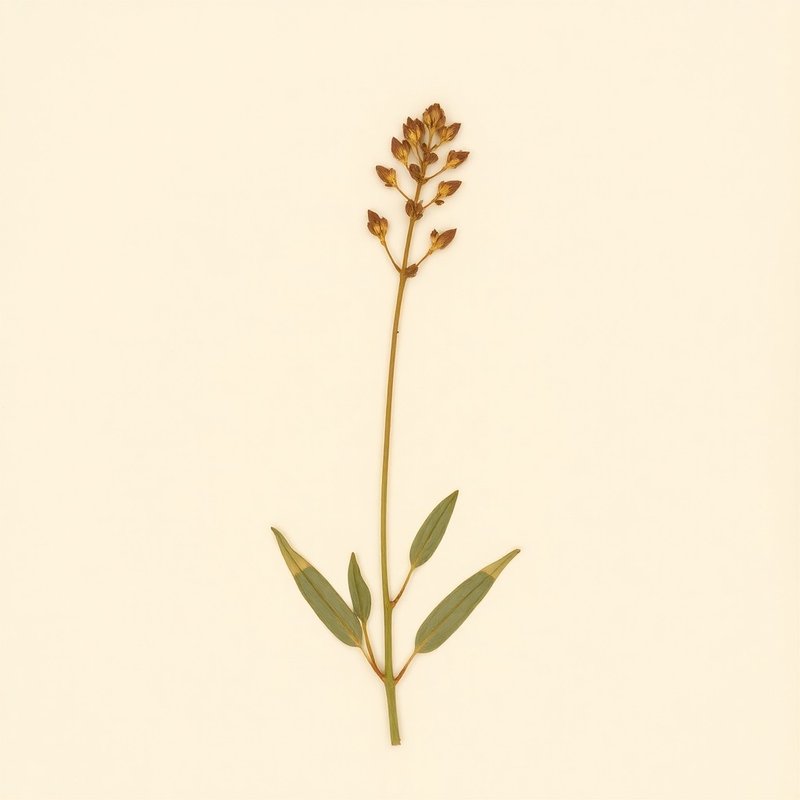
Asclepias mexicana, commonly known as Mexican milkweed, is a perennial plant native to central and northern Mexico. This species thrives in a variety of habitats, including dry and moist areas, and prefers light sandy soils. It can grow up to 0.8 meters tall and requires full sun to partial shade for optimal growth. The plant is known for its edible flowers, which can be consumed raw or used in various preparations, adding a sweet, slightly tangy flavor to salads or dried and steeped as a tea. Mexican milkweed serves as an important host plant for monarch butterflies, making it a valuable addition to gardens and natural landscapes. Its distinctive feature is the milky latex that exudes from any cut part of the plant, a characteristic shared with other milkweed species. This plant is hardy in USDA zones 5-9, making it suitable for cultivation in a range of climates. For gardeners, Asclepias mexicana can be propagated through division or seed sowing, and it thrives in well-draining, light soil that is sandy. While not medicinal, its utility in providing food and habitat for wildlife makes it a valuable plant for both ornamental and ecological purposes.
What is Asclepias mexicana?
Asclepias mexicana, commonly known as Mexican milkweed, is a perennial plant native to central and northern Mexico. This species thrives in a variety of habitats, including dry and moist areas, and prefers light sandy soils. It can grow up to 0.
VCultivation
Cultivation
How to grow Asclepias mexicana for the first time
Start with Asclepias mexicana for a low-maintenance, drought-tolerant addition to your garden.
- 1
What you'll need
Seeds or small plants, potting soil, containers if planting in pots.
- 2
Best time to plant
Plant in spring after the last frost or fall before the first freeze.
- 3
Soil and container prep
Use well-draining soil; mix sand for better drainage. Ensure containers have holes for water to escape.
- 4
Sowing or transplanting
Direct sow seeds in the ground or start them indoors 4-6 weeks before planting outside. Transplant small plants carefully.
- 5
First two weeks
Water sparingly, allowing soil to dry out between waterings. Keep in a partially shaded area if direct sun is too intense.
- 6
Ongoing care
Provide full sun or partial shade; avoid overwatering. Prune dead leaves and stems for better appearance and health.
- 7
Harvest or pruning
Prune in late winter to early spring to encourage new growth and maintain shape. Remove any dead flowers or foliage.
- 8
Common mistakes
Overwatering, planting in heavy soil, not providing enough sunlight, neglecting to prune.
VIEdible & utility
Edible & utility
VIIDistribution
5 native · 0 introduced
Distribution
5 native · 0 introducedIXSpecimen gallery
1 image
Specimen gallery
1 imageXSee also
8 related
See also
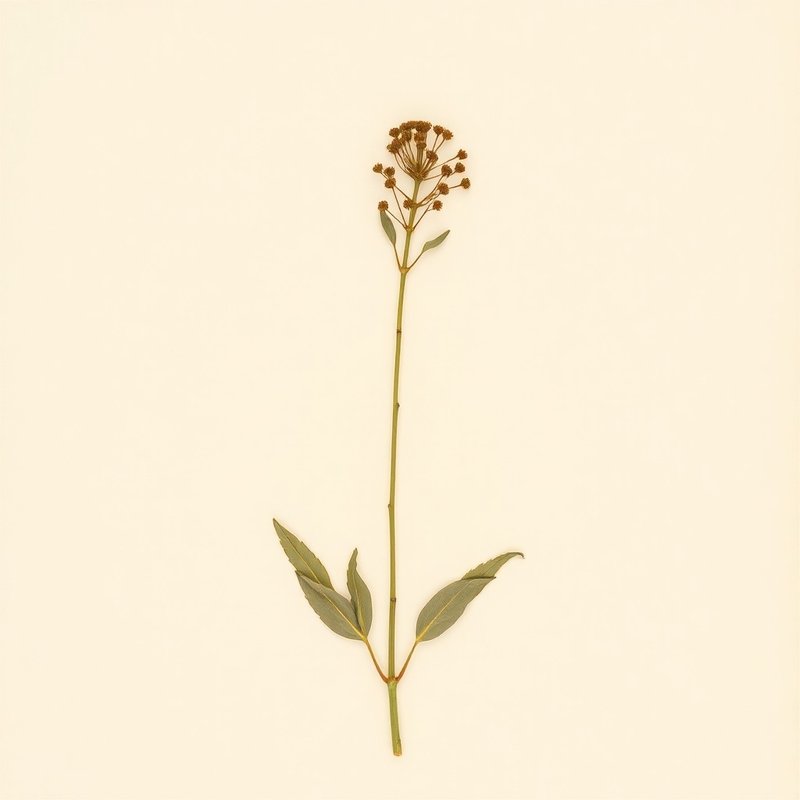
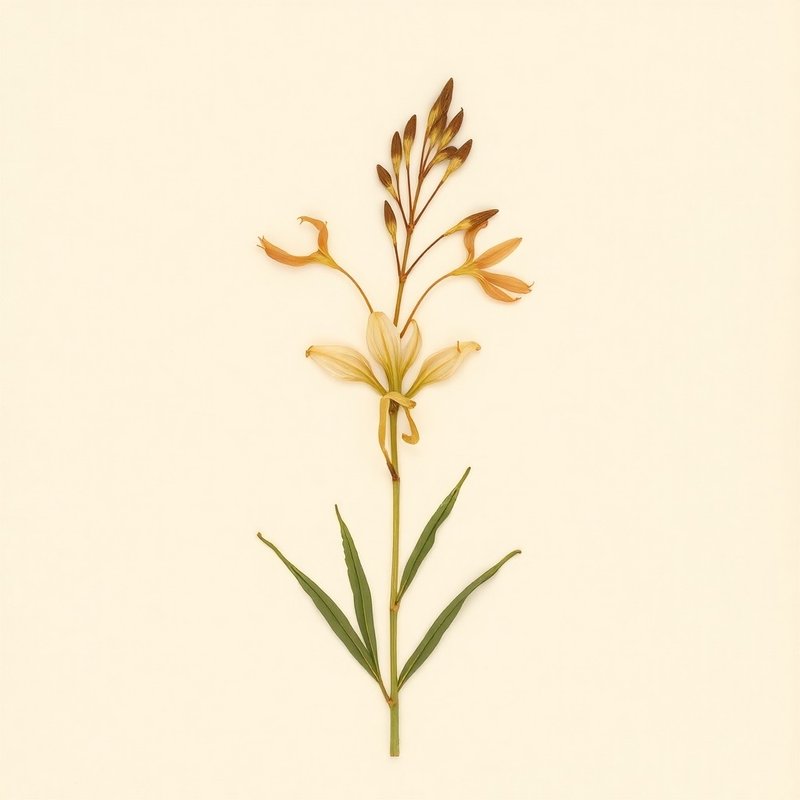
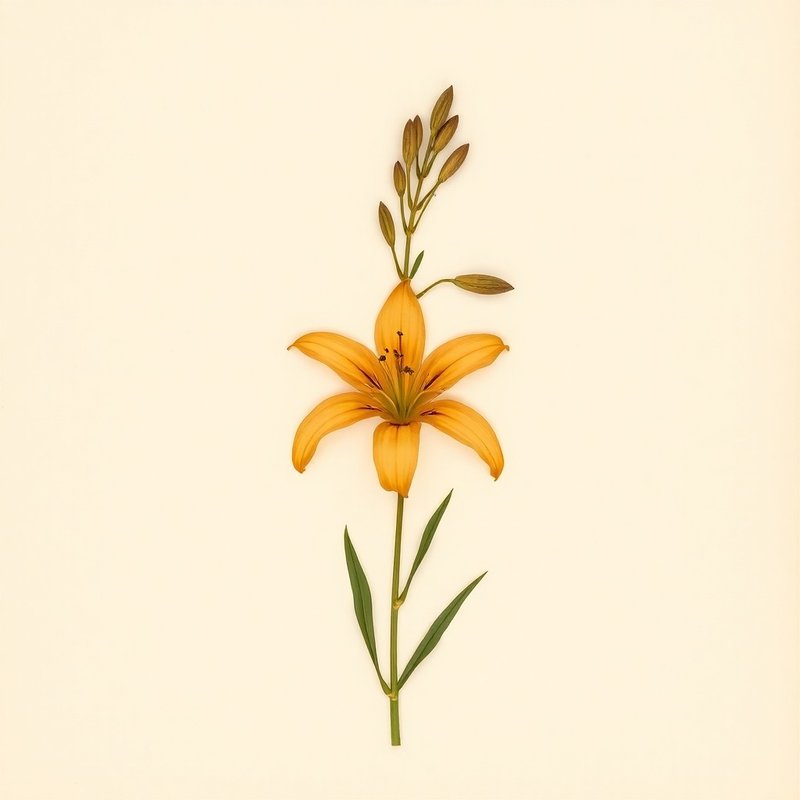
8 relatedPlants you might compare or use together — scored by shared family (Asclepiadaceae), common use cases, and growing requirements.


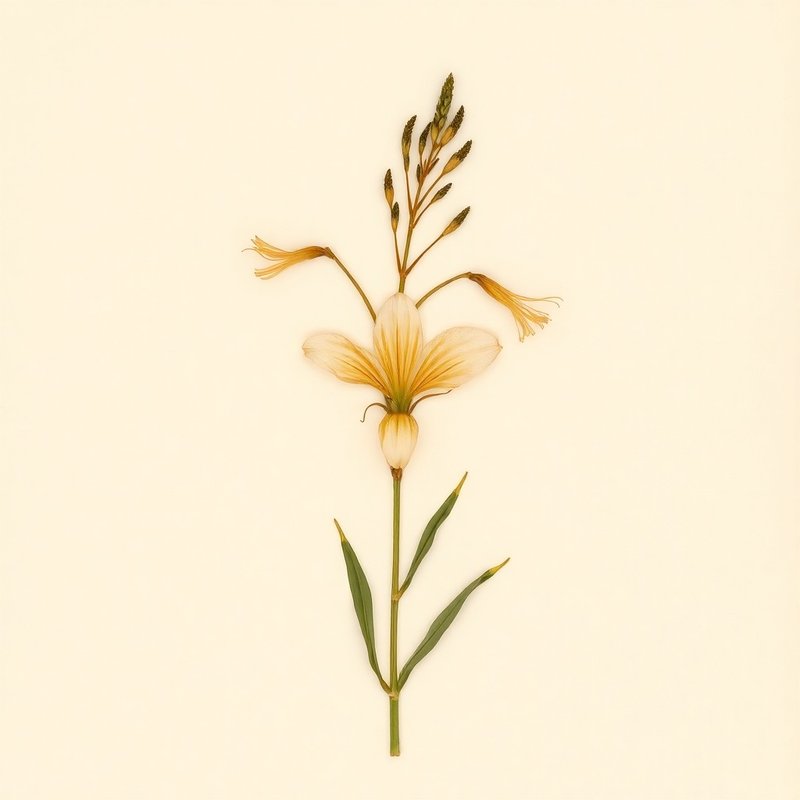
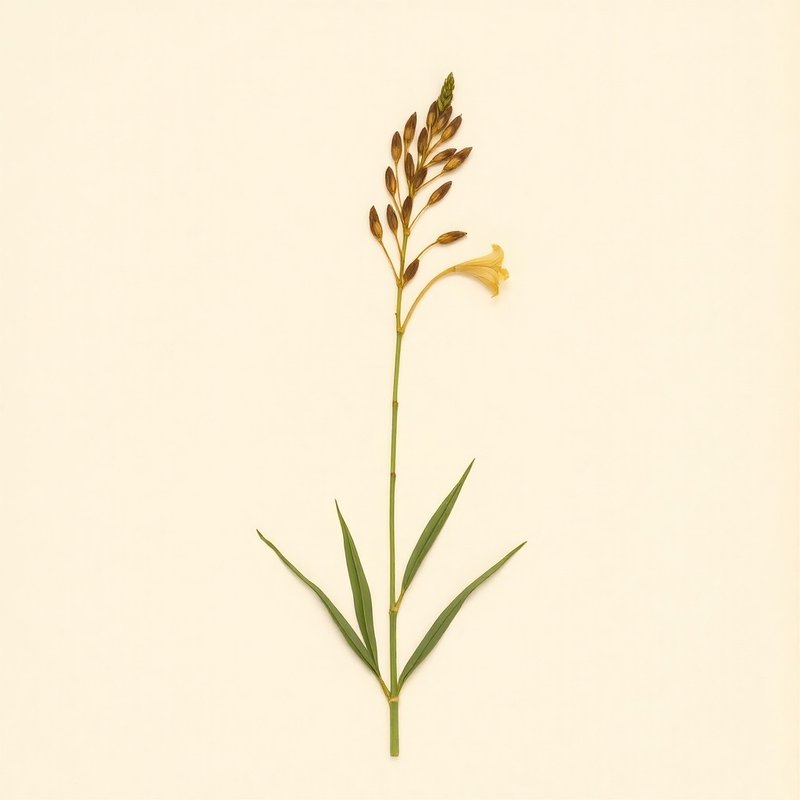
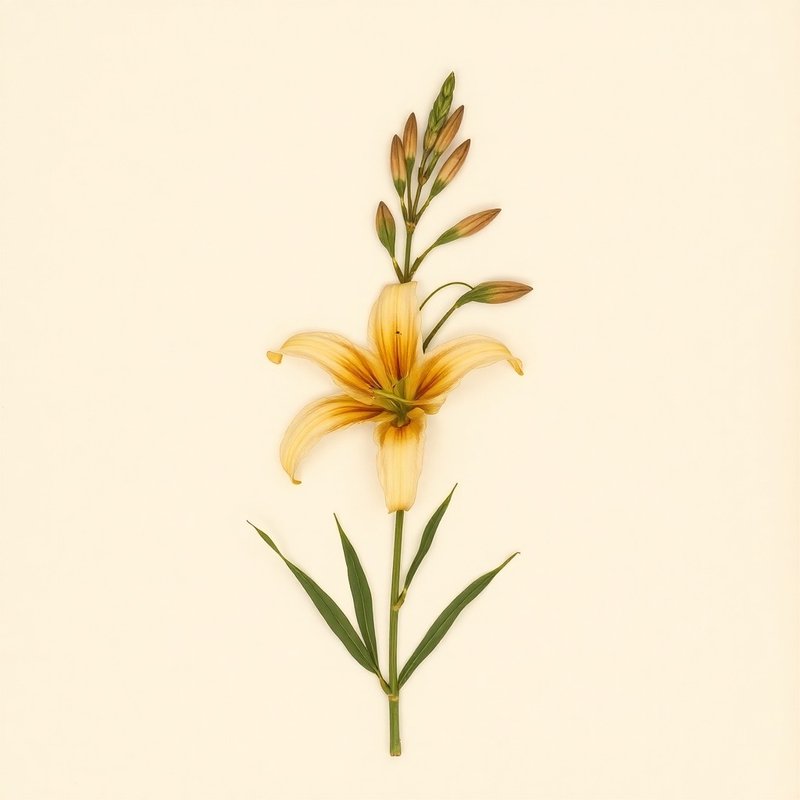
Explore further
About this entry
- Last updated
- Citation
- How to cite this entry · Submit a correction
Continue reading
Get archive updates
Occasional email when substantial new content lands — plant profiles, seasonal growing notes, folk-remedy additions. Free, no tracking, unsubscribe anytime.