
Astragalus chartostegius
Astragalus chartostegiusfam. Fabaceae
Educational content — not medical, botanical, or professional advice. Always consult a qualified clinician before using any herbal preparation — especially during pregnancy, breastfeeding, while on medication, or for children. How we source & review →
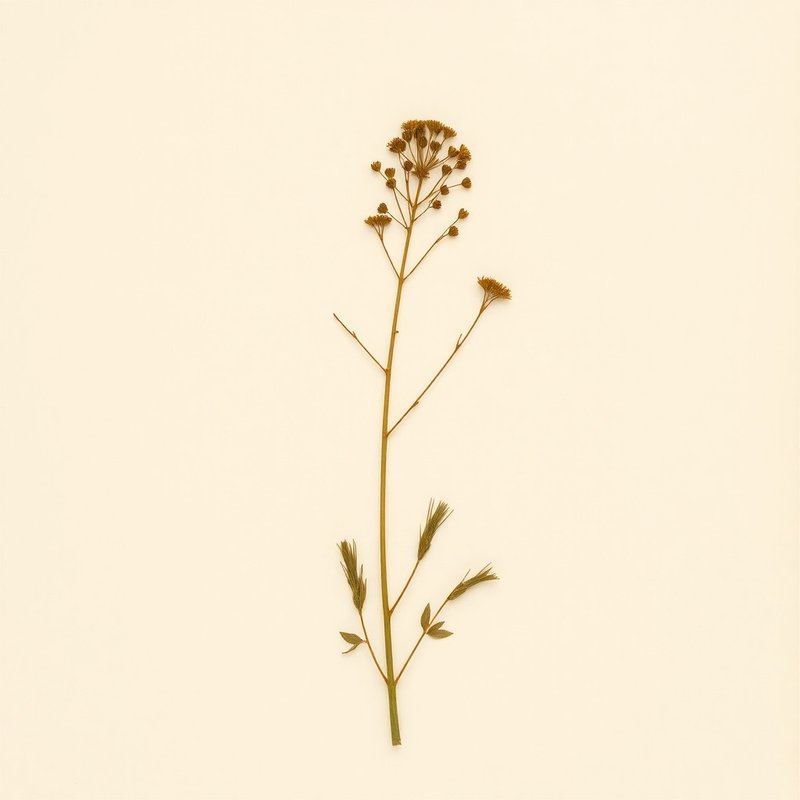
Pl. E8FF — Astragalus chartostegius
Astragalus chartostegiusAstragalus chartostegiusAstragalus chartostegiusAstragalus chartostegiusAstragalus chartostegiusAstragalus chartostegiusAstragalus chartostegiusAstragalus chartostegiusAstragalus chartostegiusAstragalus chartostegiusAstragalus chartostegiusAstragalus chartostegiusAstragalus chartostegiusAstragalus chartostegius
IOverview
Overview
Astragalus chartostegius, belonging to the Fabaceae family, is a hardy perennial known for its adaptability and resilience in Iran's arid environments. This plant thrives in full sun, dry conditions, and light or medium soil, making it well-suited for cultivation in regions with similar climates. Astragalus chartostegius has both edible and medicinal uses, contributing to local ecosystems and traditional practices. One distinctive feature of this plant is its ability to fix nitrogen in the soil through symbiotic bacteria, enhancing soil fertility while also serving as a valuable resource for human consumption and herbal remedies.
Quick answers
What is Astragalus chartostegius?
Astragalus chartostegius, belonging to the Fabaceae family, is a hardy perennial known for its adaptability and resilience in Iran's arid environments. This plant thrives in full sun, dry conditions, and light or medium soil, making it well-suited for cultivation in regions with similar climates.
What is Astragalus chartostegius used for?
Traditionally used for immune support. Each claim is evidence-rated — see Section II for full citations.
Best for
Top 1 evidence-ranked use of Astragalus chartostegius
Clinicaluses · safety · chemistry · dosagemedicinal profile
IIBenefits & evidence
1 claim · 0 sources
Benefits & evidence
1 claim · 0 sources- Traditionally used for immune support, Astragalus chartostegius is recommended as an adjunct in boosting the body’s defenses according to traditional Chinese medicine (TCM) practices.
Mechanism not fully characterised in modern literature; traditional attribution predates chemistry. Contains flavonoids and saponins typical for the Fabaceae family, which are known to modulate immune responses through multiple pathways.
IV·bMixology suggestions
2 drafts
Mixology suggestions
2 draftsEditorial drafts. These pairings are AI-suggested from traditional herbal lore. Always verify with a qualified herbalist before brewing.
Boosting Immunity
immunetincture
Used in traditional medicine to support the immune system.
Digestive Harmony
digestiontea
Historically used to aid in digestion and stomach health.
Growingconditions · propagation · uses
VCultivation
Cultivation
Astragalus chartostegius thrives in full sun and prefers dry conditions, making it suitable for xeriscaping or drought-tolerant gardens. It grows well in light to medium soil, particularly sandy types. For propagation, gardeners can use seeds or division of established plants. This plant is hardy in temperate regions and native to Iran, where it naturally adapts to its environment. Ensure the soil remains dry once established, as overwatering can be detrimental.
Light
Full sun
Water
Dry
Soil
Light (sandy), Medium
For first-time growers
How to grow Astragalus chartostegius for the first time
7steps
Astragalus chartostegius is a hardy plant that thrives in full sun and dry conditions, making it perfect for beginners.
- 1
What you'll need
Seeds or small plants, a trowel, a watering can.
- 2
Best time to plant
Plant seeds in spring after the last frost or transplant young plants in early summer.
- 3
Soil and container prep
Choose a well-draining soil mix for containers. For in-ground planting, select a light sandy or medium soil type.
- 4
Sowing or transplanting
Direct sow seeds 1 inch deep or plant young seedlings at the same depth as they were in their container.
- 5
First two weeks
Water sparingly to keep the soil moist but not soggy. Avoid overwatering, which can lead to root rot.
- 6
Ongoing care
Provide full sun exposure and allow the soil to dry out between waterings. Fertilize minimally if needed, using a balanced organic fertilizer.
- 7
Harvest or pruning
Prune dead or damaged foliage in early spring to encourage new growth and maintain plant health.
VIEdible & utility
Edible & utility
Edible uses: Manna
Other uses:Nitrogen fixer
Contextrange · companions · related
VIIDistribution
1 native · 0 introduced
Distribution
1 native · 0 introducedDistribution across1 continent· 1 native
Asia1 region
native (1)Iran
IXSpecimen gallery
1 image
Specimen gallery
1 imageXSee also
8 related
See also
8 relatedPlants you might compare or use together — scored by shared family (Fabaceae), common use cases, and growing requirements.
same family · Fabaceae
Botanical relatives — often share phytochemistry + growing needs.
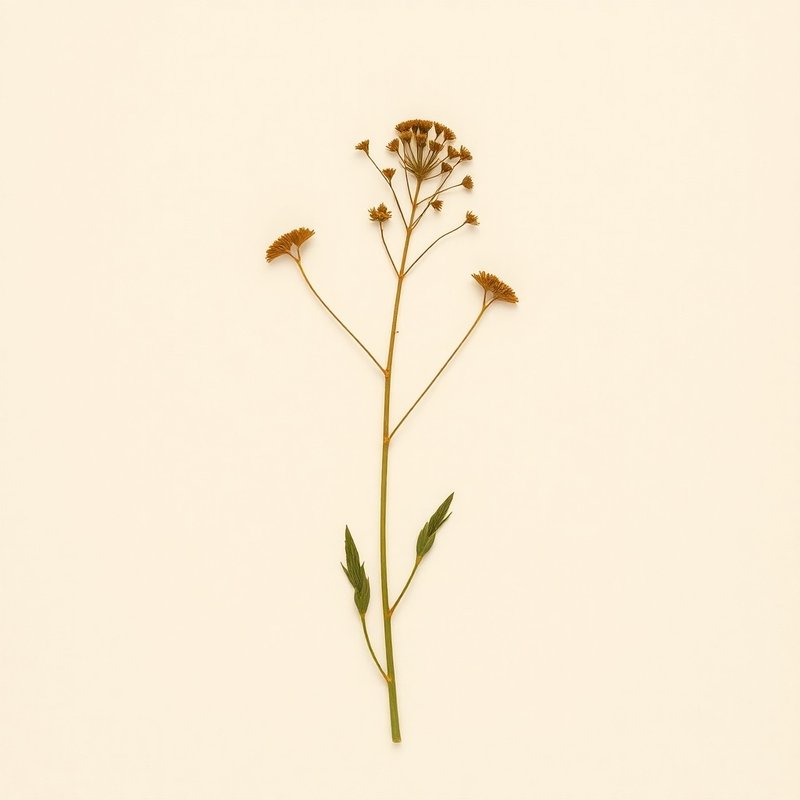
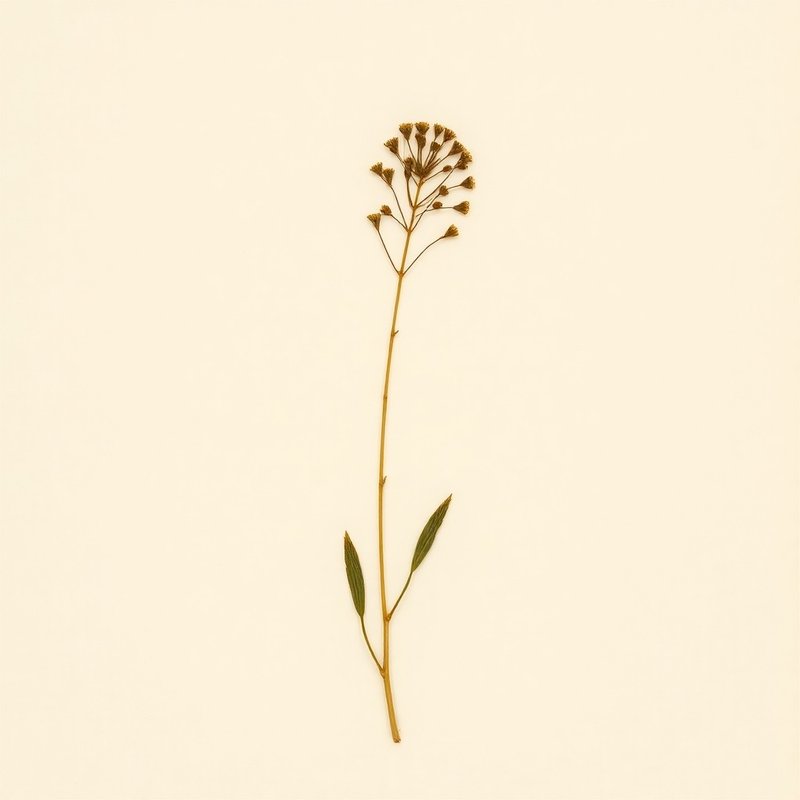
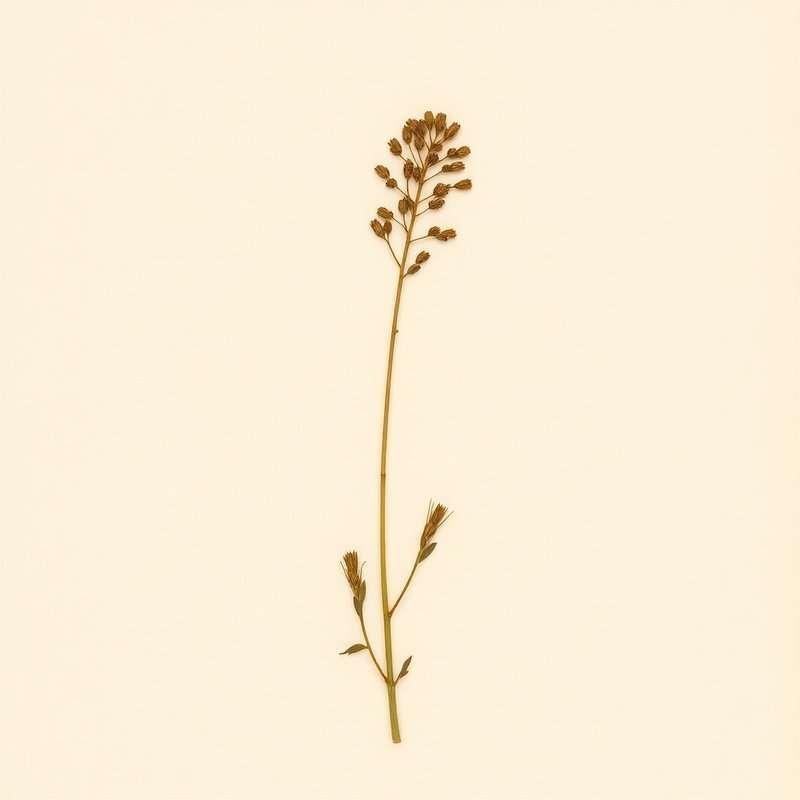

shared use cases
Different families, similar therapeutic role — good for comparing.
XI
Explore further
Companion planting
Compare with similar plants
XII
About this entry
- Last updated
- Citation
- How to cite this entry · Submit a correction
Back to the cataloguePlant id · e8ff6619-4415-44a4-9c6f-1a42c1f6d68c
Decision aid
Choosing between Astragalus chartostegius and something else?
Continue reading
❦❦❦❦
Endpaper · archive updates
Get archive updates
Occasional email when substantial new content lands — plant profiles, seasonal growing notes, folk-remedy additions. Free, no tracking, unsubscribe anytime.