
Astragalus multiceps
Astragalus multicepsfam. Fabaceae
Educational content — not medical, botanical, or professional advice. Always consult a qualified clinician before using any herbal preparation — especially during pregnancy, breastfeeding, while on medication, or for children. How we source & review →
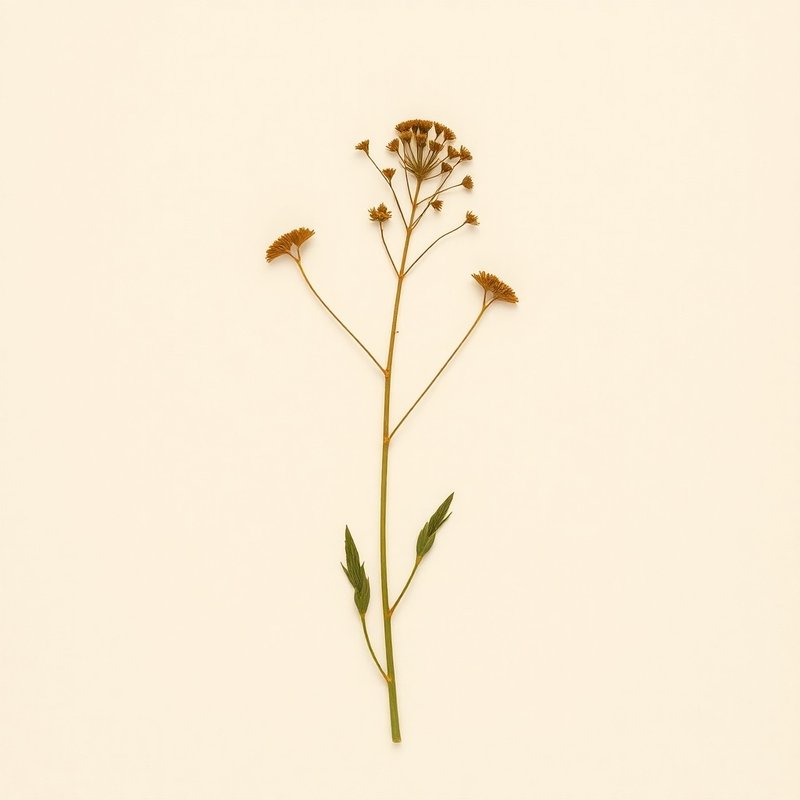
Pl. 54F6 — Astragalus multiceps
Astragalus multicepsAstragalus multicepsAstragalus multicepsAstragalus multicepsAstragalus multicepsAstragalus multicepsAstragalus multicepsAstragalus multicepsAstragalus multicepsAstragalus multicepsAstragalus multicepsAstragalus multicepsAstragalus multicepsAstragalus multiceps
IOverview
Overview
Astragalus multiceps is a member of the Fabaceae family and is native to Pakistan and the West Himalaya. This plant is known for its dual utility as both an edible and medicinal resource. It thrives in light, dry conditions with well-draining soil, typically reaching a height of 0.5 meters. The flowers are the primary edible part, often used in various culinary applications. Additionally, A. multiceps has been documented for its medicinal properties, making it a valuable plant in traditional medicine practices within its native range. One distinctive feature is its ability to grow in challenging environments, such as full sun and dry soil, showcasing its adaptability.
Quick answers
What is Astragalus multiceps?
Astragalus multiceps is a member of the Fabaceae family and is native to Pakistan and the West Himalaya. This plant is known for its dual utility as both an edible and medicinal resource. It thrives in light, dry conditions with well-draining soil, typically reaching a height of 0.
What is Astragalus multiceps used for?
Traditionally used for immune support. Each claim is evidence-rated — see Section II for full citations.
Best for
Top 1 evidence-ranked use of Astragalus multiceps
Clinicaluses · safety · chemistry · dosagemedicinal profile
IIBenefits & evidence
1 claim · 0 sources
Benefits & evidence
1 claim · 0 sources- Traditionally used for immune support, Astragalus multiceps is recommended as an adjunct in boosting the body’s defenses according to Chinese Materia Medica (Bencao Gangmu). The preparation form can be a decoction or tincture.
Mechanism not fully characterised in modern literature; traditional attribution predates chemistry. Contains flavonoids and saponins typical for the Fabaceae family, which are known to modulate immune responses through multiple pathways.
IV·bMixology suggestions
1 draft
Mixology suggestions
1 draftEditorial drafts. These pairings are AI-suggested from traditional herbal lore. Always verify with a qualified herbalist before brewing.
Immune Boost
immunetincture
Used in traditional medicine to support immune function.
Growingconditions · propagation · uses
VCultivation
Cultivation
Astragalus multiceps thrives in full sun and prefers dry conditions, making it suitable for xeriscaping or areas with limited water resources. It grows best in light to medium soil types, though it can tolerate sandy soils as well. This plant reaches a height of about 0.5 meters and is hardy in temperate regions. For propagation, seeds can be sown directly in the garden after the last frost. The edible parts include its flowers, which can add a unique flavor to dishes.
Light
Full sun
Water
Dry
Soil
Light (sandy), Medium
Mature size
0.5 m tall
For first-time growers
How to grow Astragalus multiceps for the first time
7steps
Start with Skip by providing basic care and understanding its light, water, and soil needs.
- 1
What you'll need
A small pot or garden bed, seeds of Astragalus multiceps.
- 2
Best time to plant
Plant in early spring when the ground is workable.
- 3
Soil and container prep
Use a light, well-draining soil mix. Ensure containers have drainage holes.
- 4
Sowing or transplanting
Direct sow seeds 0.5 cm deep in the garden bed or start them indoors and transplant later.
- 5
First two weeks
Water sparingly to keep the soil moist but not soggy. Avoid overwatering.
- 6
Ongoing care
Provide full sun exposure and allow the soil to dry out between waterings. Prune lightly if needed.
- 7
Harvest or pruning
Skip is primarily grown for its flowers, so focus on maintaining plant health rather than harvesting.
VIEdible & utility
Edible & utility
Edible parts:Flowers
Edible uses: The flowers of Astragalus multiceps are edible and can be consumed raw or used in various preparations. They add a mild flavor to salads and can also be dried for later use.
Other uses:Nitrogen fixer
Contextrange · companions · related
VIIDistribution
2 native · 0 introduced
Distribution
2 native · 0 introducedDistribution across1 continent· 2 native
Asia1 region
native (1)Pakistan
Broader regions
native:West Himalaya
IXSpecimen gallery
1 image
Specimen gallery
1 imageXSee also
8 related
See also
8 relatedPlants you might compare or use together — scored by shared family (Fabaceae), common use cases, and growing requirements.
same family · Fabaceae
Botanical relatives — often share phytochemistry + growing needs.
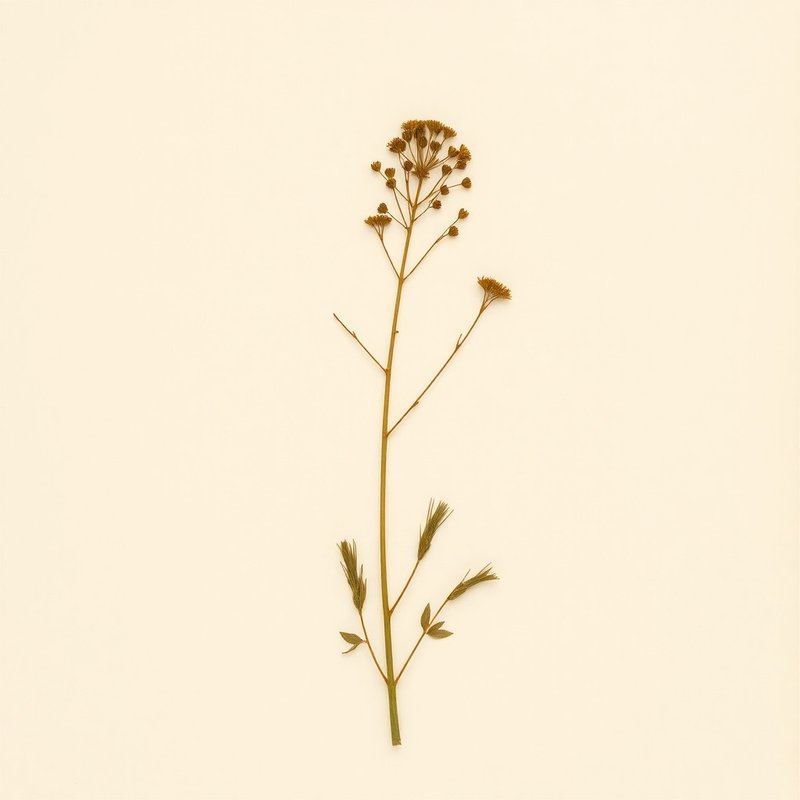
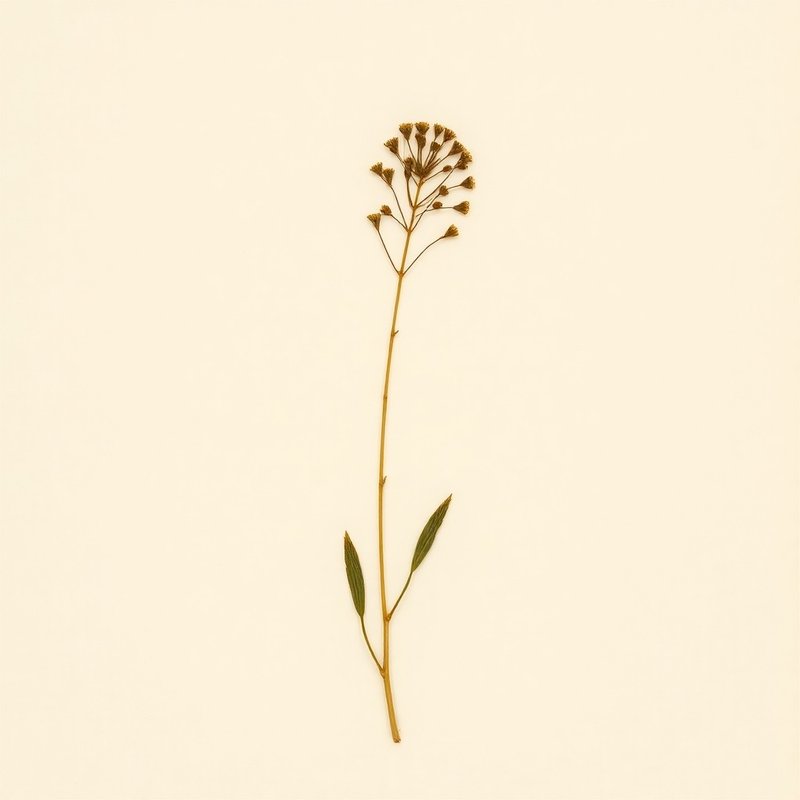
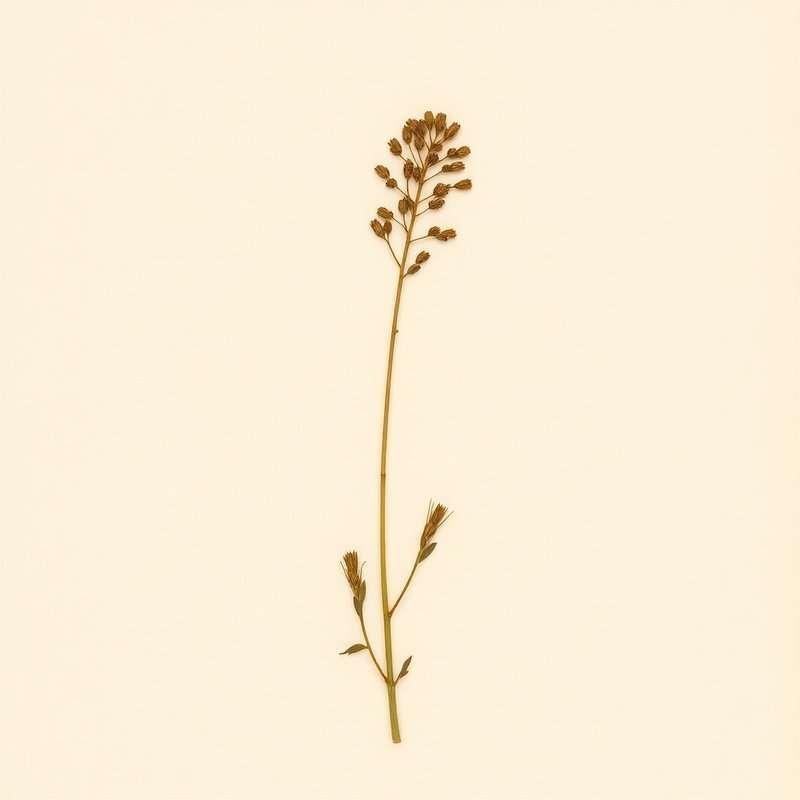

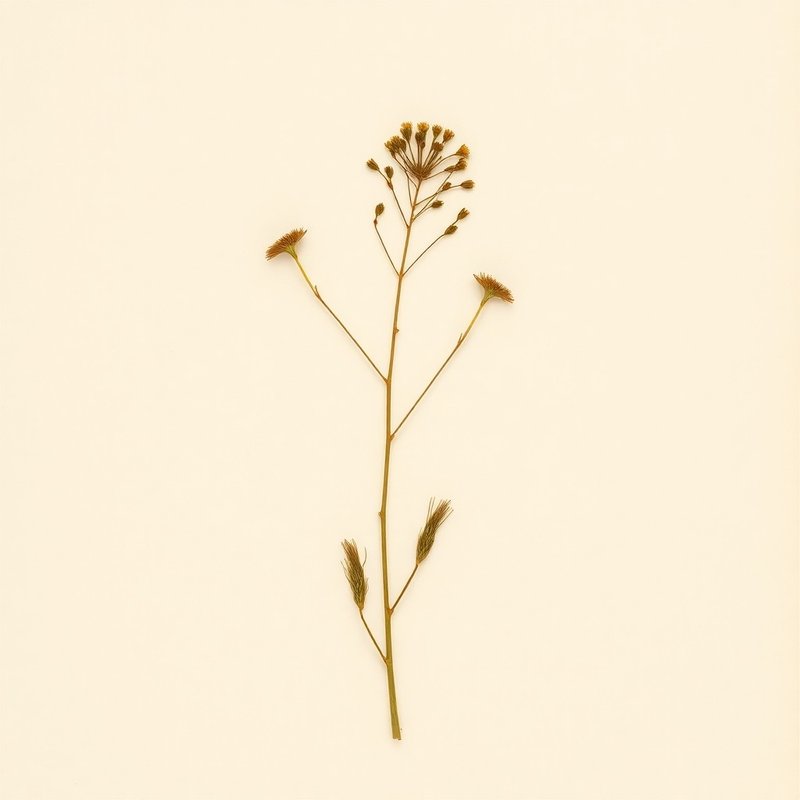
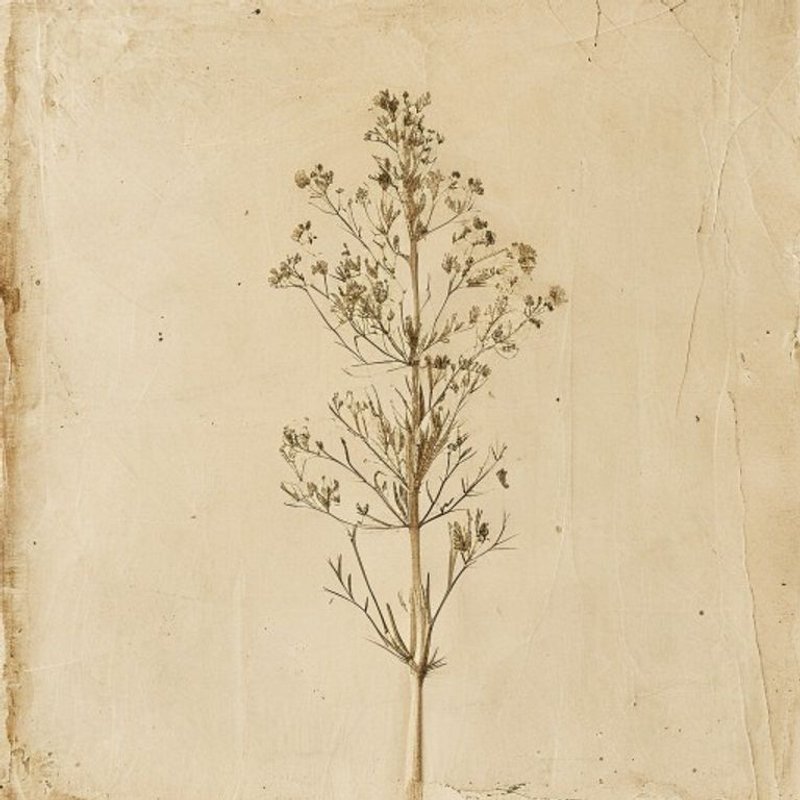
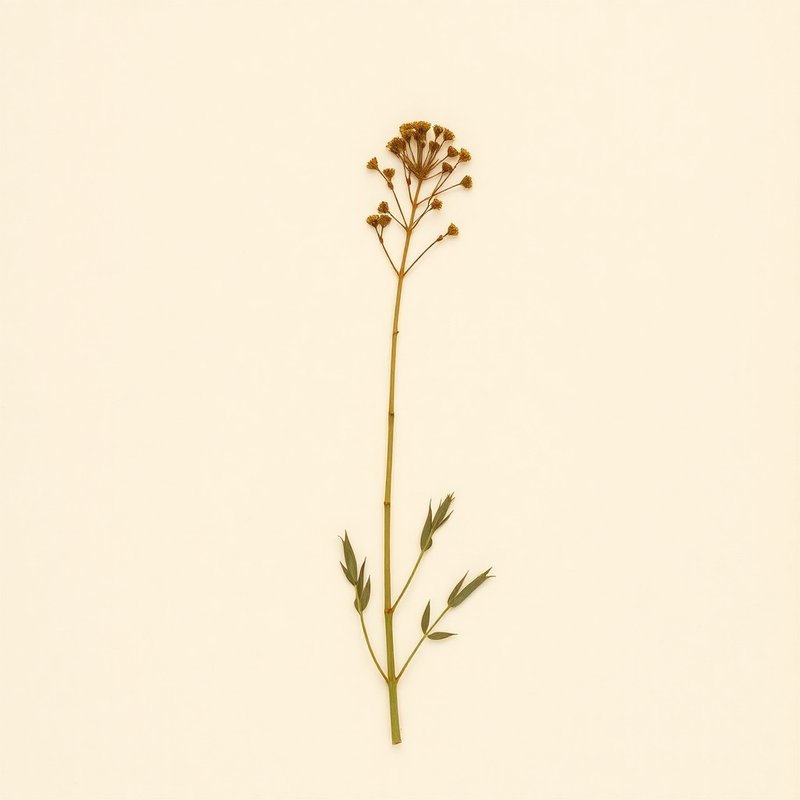
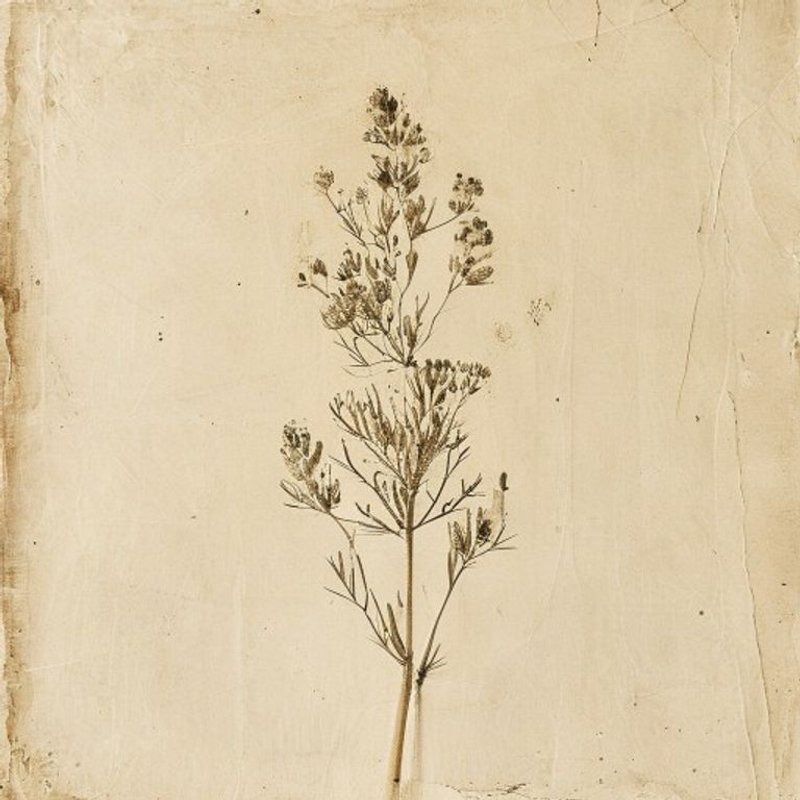
shared use cases
Different families, similar therapeutic role — good for comparing.
XI
Explore further
Companion planting
Compare with similar plants
XII
About this entry
- Last updated
- Citation
- How to cite this entry · Submit a correction
Back to the cataloguePlant id · 54f6daaf-94a6-4438-a16c-f5d9f1296e51
Decision aid
Choosing between Astragalus multiceps and something else?
Continue reading
❦❦❦❦
Endpaper · archive updates
Get archive updates
Occasional email when substantial new content lands — plant profiles, seasonal growing notes, folk-remedy additions. Free, no tracking, unsubscribe anytime.