
Silverscale Saltbush
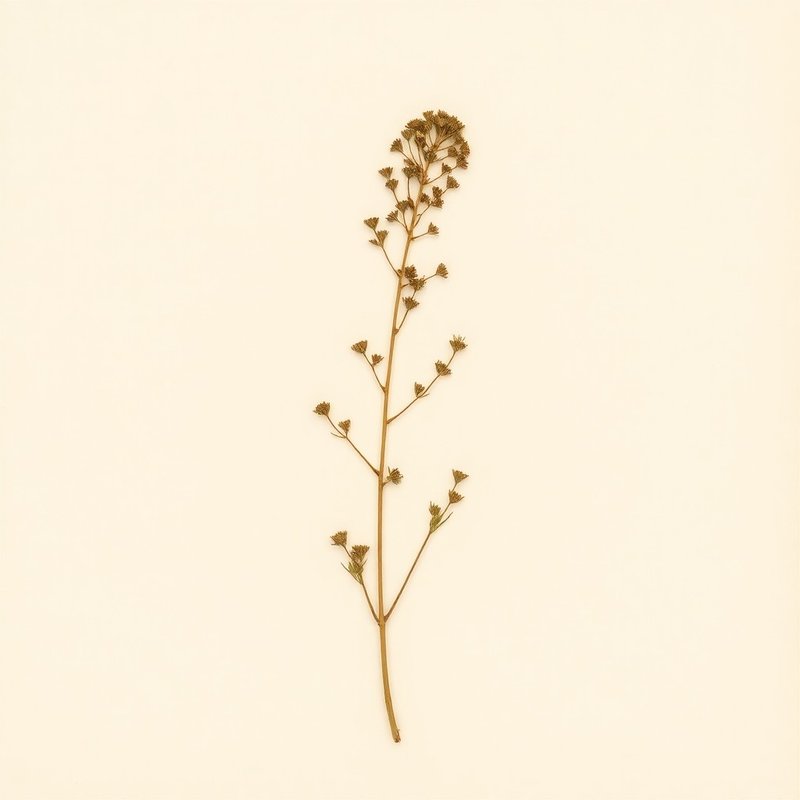
IOverview
Overview
Silverscale Saltbush (Atriplex argentea expansa) is an annual forb or herb belonging to the Chenopodiaceae family, native to the southwestern United States and northern Mexico. This plant thrives in full sun and prefers moist, light (sandy) to medium-textured soil. Growing up to 0.6 meters tall, Silverscale Saltbush is known for its distinctive silver-gray foliage, which sets it apart from other plants. The leaves and seeds are edible and can be used as a condiment, adding a unique flavor to dishes. In traditional medicine, the plant has been utilized for its various properties, though specific benefits and uses are not detailed here. Its ornamental value is also notable, making it a suitable choice for gardens in suitable environments. While the plant is not drought-resistant, it is adaptable to temperate climates and can be propagated through seeds.
What is Silverscale Saltbush?
Silverscale Saltbush (Atriplex argentea expansa) is an annual forb or herb belonging to the Chenopodiaceae family, native to the southwestern United States and northern Mexico. This plant thrives in full sun and prefers moist, light (sandy) to medium-textured soil.
IV·bMixology suggestions
1 draft
Mixology suggestions
1 draftVCultivation
Cultivation
How to grow Silverscale Saltbush for the first time
Start with Silverscale Saltbush as a simple, low-maintenance addition to your garden.
- 1
What you'll need
Seeds or seedlings, a small trowel, and a watering can.
- 2
Best time to plant
Plant in spring after the last frost, when temperatures are mild.
- 3
Soil and container prep
Use well-draining soil with sand mixed in. Containers should be at least 15 cm deep.
- 4
Sowing or transplanting
Direct sow seeds 0.6 m apart, or transplant seedlings into the garden after they have grown a few leaves.
- 5
First two weeks
Water regularly to keep soil moist but not waterlogged. Protect from strong winds.
- 6
Ongoing care
Provide full sun and regular watering, especially during dry spells. Prune lightly to maintain shape if needed.
- 7
Harvest or pruning
Prune occasionally to encourage bushy growth but avoid cutting back hard.
- 8
Common mistakes
Overwatering, planting in heavy soil, and not providing enough sunlight are common issues.
VIEdible & utility
Edible & utility
VIIDistribution
7 native · 0 introduced
Distribution
7 native · 0 introducedIXSpecimen gallery
1 image
Specimen gallery
1 imageXSee also
8 related
See also
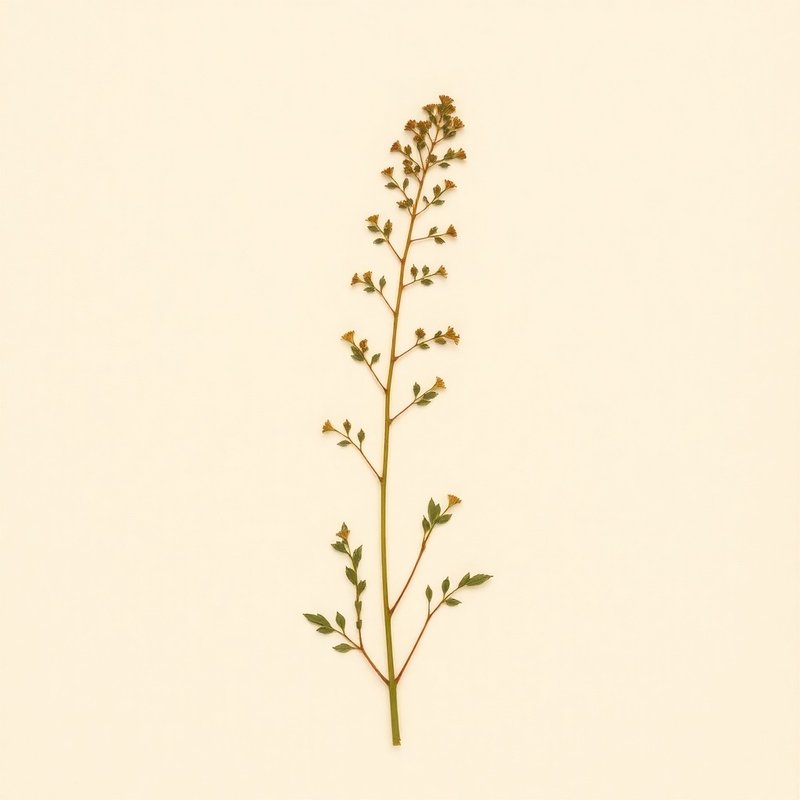
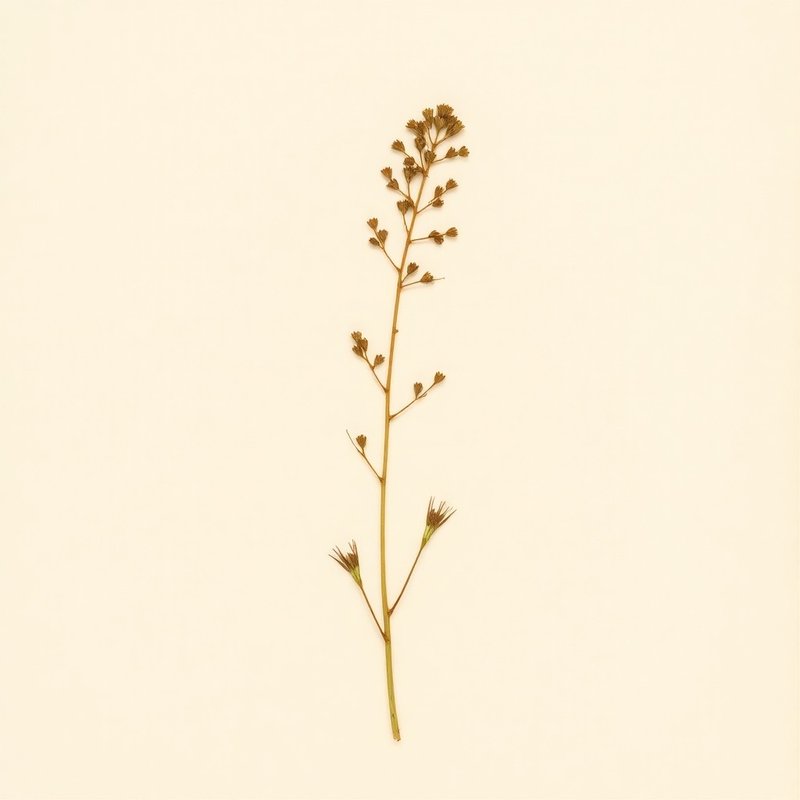
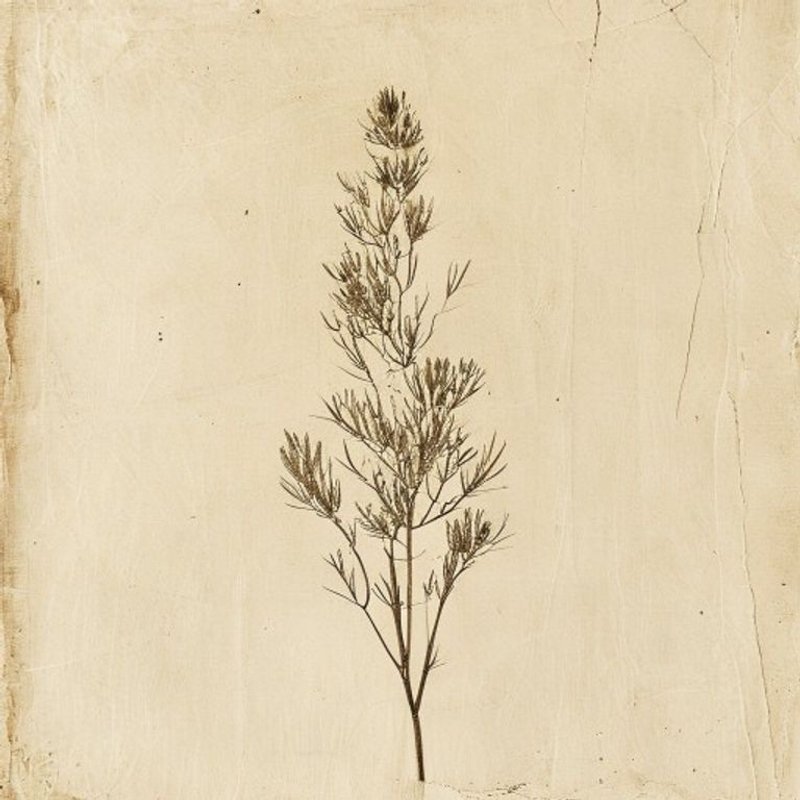
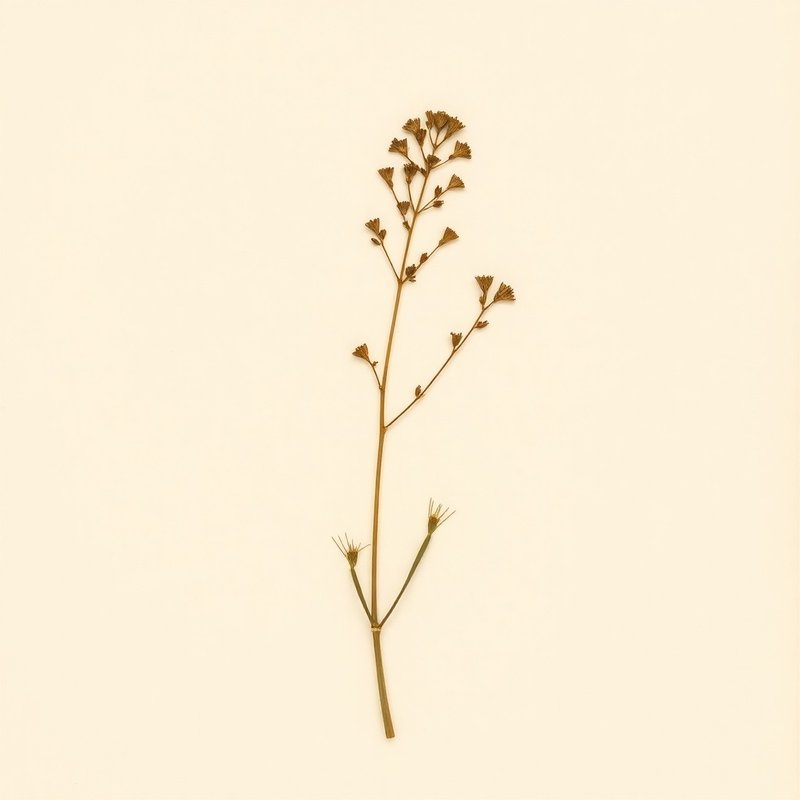
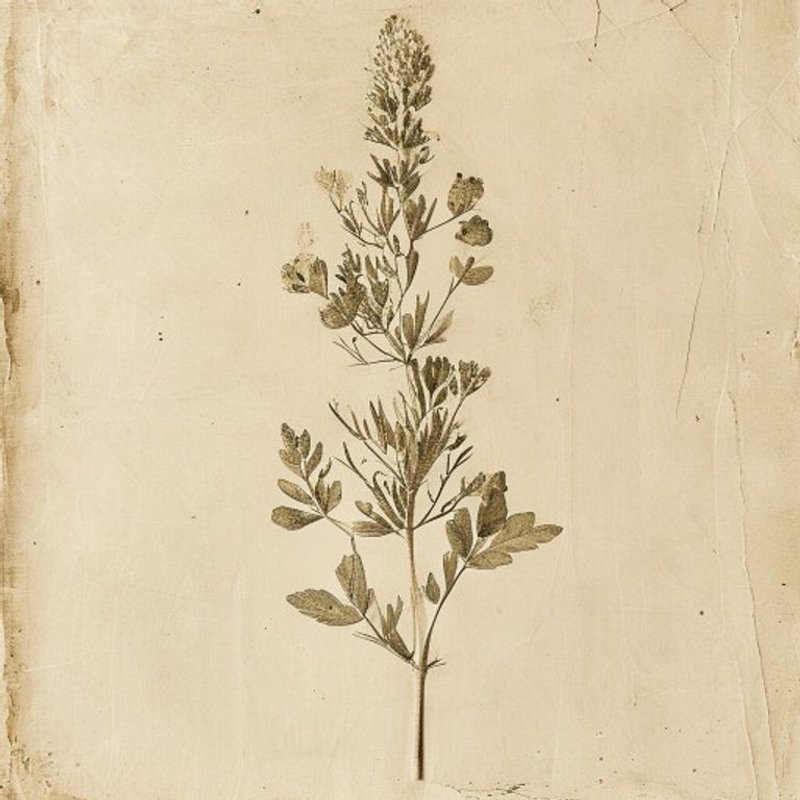
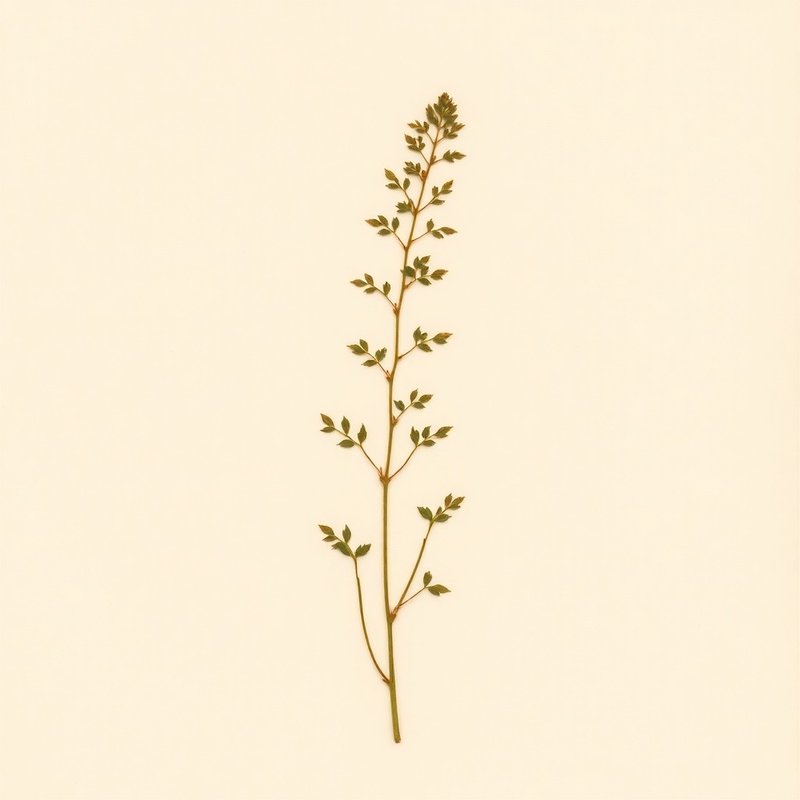
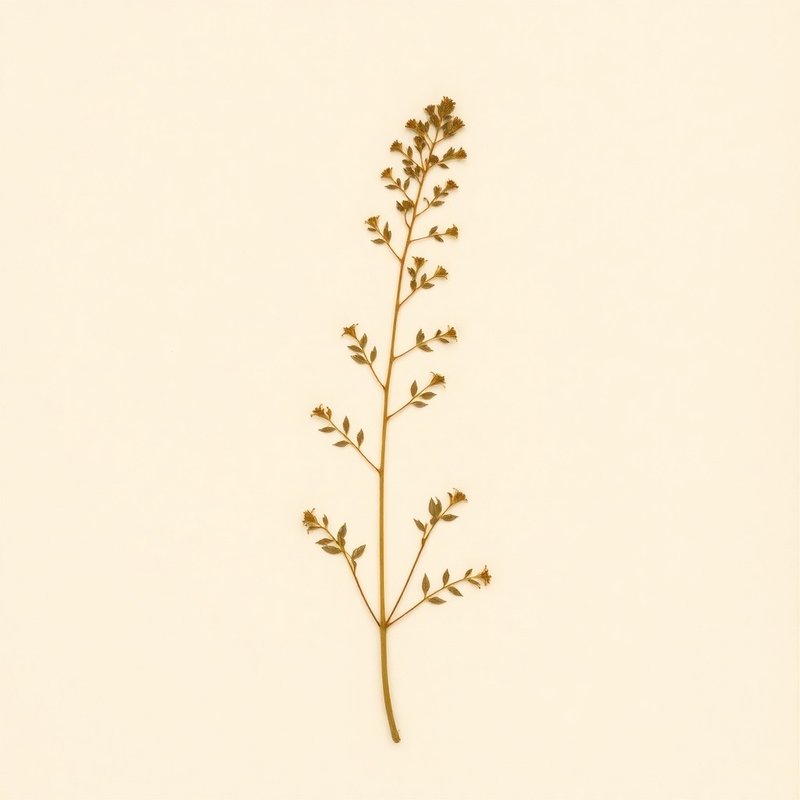
8 relatedPlants you might compare or use together — scored by shared family (Chenopodiaceae), common use cases, and growing requirements.

Explore further
About this entry
- Last updated
- Citation
- How to cite this entry · Submit a correction
Continue reading
Get archive updates
Occasional email when substantial new content lands — plant profiles, seasonal growing notes, folk-remedy additions. Free, no tracking, unsubscribe anytime.