
Huauzontle
Chenopodium nuttalliaefam. Chenopodiaceae
Educational content — not medical, botanical, or professional advice. Plant identification, safety, and edibility depend on local conditions, cultivars, and correct identification. Consult a qualified botanist or forager before consuming or handling wild specimens. How we source & review →
Garden journal pausedUse profile notes below
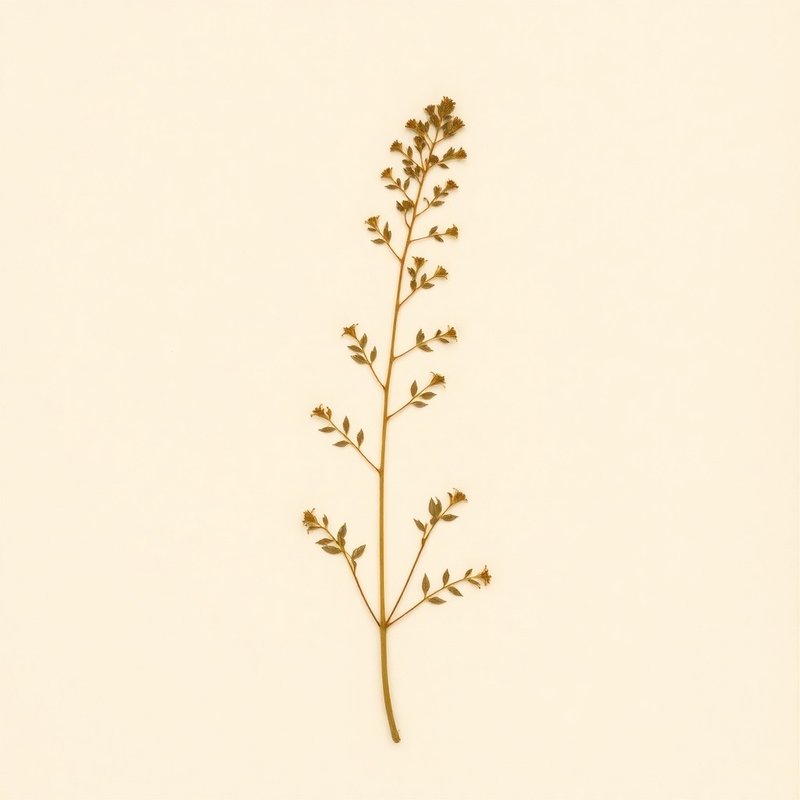
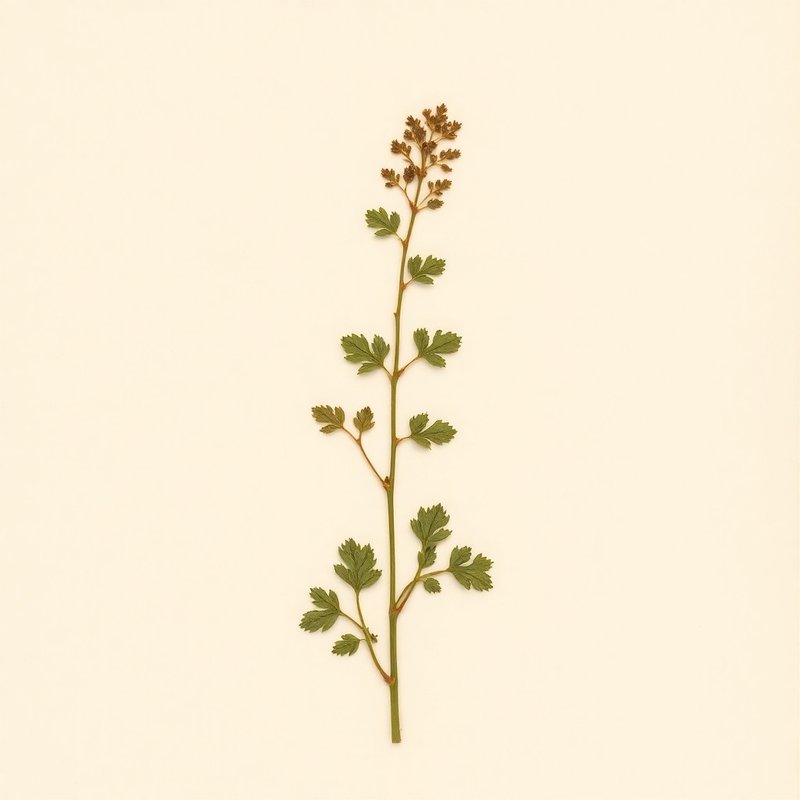
Pl. 6DAD — Chenopodium nuttalliae
Chenopodium nuttalliaeChenopodium nuttalliaeChenopodium nuttalliaeChenopodium nuttalliaeChenopodium nuttalliaeChenopodium nuttalliaeChenopodium nuttalliaeChenopodium nuttalliaeChenopodium nuttalliaeChenopodium nuttalliaeChenopodium nuttalliaeChenopodium nuttalliaeChenopodium nuttalliaeChenopodium nuttalliae
IOverview
Overview
Huauzontle, scientifically known as Chenopodium nuttalliae and belonging to the family Chenopodiaceae, is an annual forb/herb native to central and parts of northern Mexico, extending into Texas. Thriving in full sun and moist conditions, it prefers light (sandy), medium, or heavy (clay) soils. Standing at about 0.6 meters tall, this plant is notable for its edible flowers, leaves, and seeds, making it a valuable culinary ingredient. The flowers are often used fresh or dried for various dishes, while the leaves can be consumed raw or cooked, adding a mild flavor to meals. Seeds are typically harvested and ground into flour, which can then be used in baking or as a thickener. Huauzontle is native to Mexico Central, Mexico Gulf, Mexico Northeast, Mexico Northwest, and Mexico Southwest, and its adaptability to various soil types and its presence in multiple regions of Mexico make it an interesting addition to botanical gardens or home landscapes where space and sunlight are sufficient. While not medicinal, huauzontle is an important part of the local cuisine and cultural heritage.
Quick answers
What is Huauzontle?
Huauzontle, scientifically known as Chenopodium nuttalliae and belonging to the family Chenopodiaceae, is an annual forb/herb native to central and parts of northern Mexico, extending into Texas. Thriving in full sun and moist conditions, it prefers light (sandy), medium, or heavy (clay) soils.
Growingconditions · propagation · uses
VCultivation
Cultivation
Huauzontle thrives in full sun and prefers moist soil that can be light (sandy), medium, or heavy (clay). This annual plant grows up to 0.6 meters tall and is best suited for temperate regions of Mexico Central, Mexico Gulf, Mexico Northeast, Mexico Northwest, and Texas. For successful cultivation, ensure the soil is well-draining yet retains moisture. Propagate via seeds directly sown in the garden after the last frost. Harvest flowers, leaves, and seeds for culinary use.
Light
Full sun
Water
Moist
Soil
Light (sandy), Medium, Heavy (clay)
Life cycle
Annual
Habit
Forb/herb
Mature size
0.6 m tall
For first-time growers
How to grow Huauzontle for the first time
8steps
Start with Huauzontle by planting it in a sunny spot and providing basic care.
- 1
What you'll need
Seeds, small pots or garden space, potting mix, water.
- 2
Best time to plant
Plant Huauzontle after the last frost in spring.
- 3
Soil and container prep
Use a well-draining soil with some sand for lightness. Containers should be at least 30 cm deep.
- 4
Sowing or transplanting
Start seeds indoors about 4 weeks before planting outside, or direct sow in the garden after danger of frost.
- 5
First two weeks
Keep soil moist and provide plenty of sunlight. Thin seedlings to ensure each plant has enough space.
- 6
Ongoing care
Water when the top inch of soil feels dry, especially in hot weather. Mulch around plants to retain moisture.
- 7
Harvest or pruning
Prune spent flowers and leaves as needed for neatness; harvest young leaves and seeds for eating.
- 8
Common mistakes
Overwatering, planting too deep, neglecting sunlight, not mulching properly, failing to thin seedlings.
VIEdible & utility
Edible & utility
Edible parts:FlowersLeavesSeed
Edible uses: Huauzontle is eaten in its various forms—flowers, leaves, and seeds. The flowers are often used fresh or dried for culinary purposes. The leaves can be consumed raw or cooked, adding a mild flavor to dishes. Seeds are typically harvested and ground into flour, which can then be used in baking or as a thickener.
Other uses:Dye
Contextrange · companions · related
VIIDistribution
6 native · 0 introduced
Distribution
6 native · 0 introducedDistribution across0 continents· 6 native
Broader regions
native:Mexico Central, Mexico Gulf, Mexico Northeast, Mexico Northwest, Mexico Southwest, Texas
IXSpecimen gallery
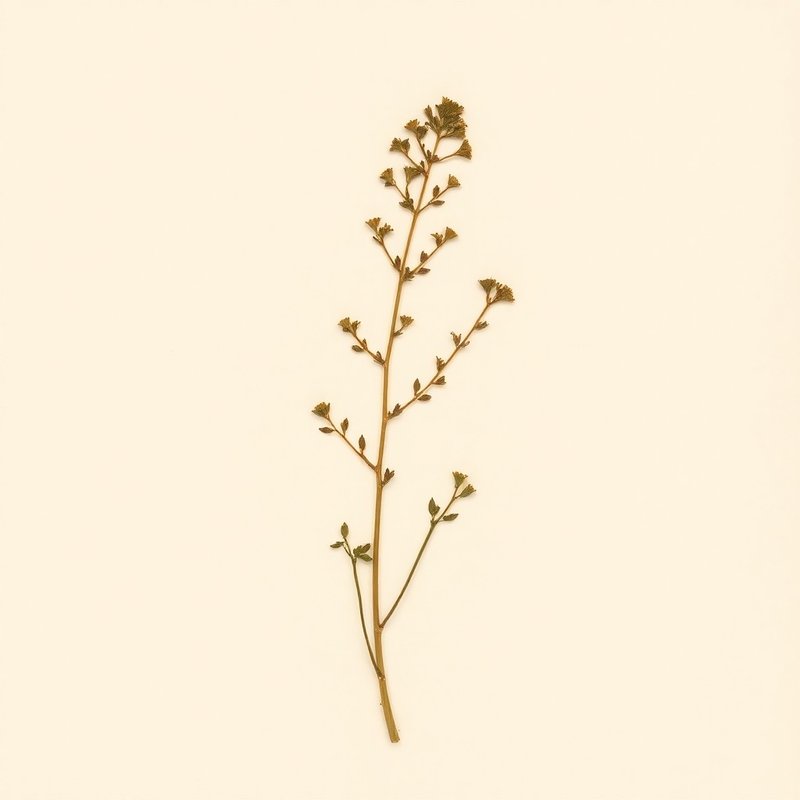
1 image
Specimen gallery
1 imageXSee also
8 related
See also
8 relatedPlants you might compare or use together — scored by shared family (Chenopodiaceae), common use cases, and growing requirements.
same family · Chenopodiaceae
Botanical relatives — often share phytochemistry + growing needs.


XI
Explore further
Companion planting
Compare with similar plants
XII
About this entry
- Last updated
- Citation
- How to cite this entry · Submit a correction
Back to the cataloguePlant id · 6dad66ca-f922-4a6b-a1cb-51786228ced3
Decision aid
Choosing between Huauzontle and something else?
Continue reading
❦❦❦❦
Endpaper · archive updates
Get archive updates
Occasional email when substantial new content lands — plant profiles, seasonal growing notes, folk-remedy additions. Free, no tracking, unsubscribe anytime.
Newsletter returning soon.
We are rebuilding the update list around a lightweight editorial workflow. New dispatches will resume after the next content review cycle.