Skip to content
IIIFolio · plant profile№ 527Eedible
Data provenancePermapeopleTreflePFAFPOWOreviewed 15 Oct 2026methodology → read
Home/Plants/Chenopodiaceae

Thickleaf Orach

Atriplex carnosafam. Chenopodiaceae
Educational content — not medical, botanical, or professional advice. Plant identification, safety, and edibility depend on local conditions, cultivars, and correct identification. Consult a qualified botanist or forager before consuming or handling wild specimens. How we source & review →
Updated·Quick Q&A →
Garden journal pausedUse profile notes below
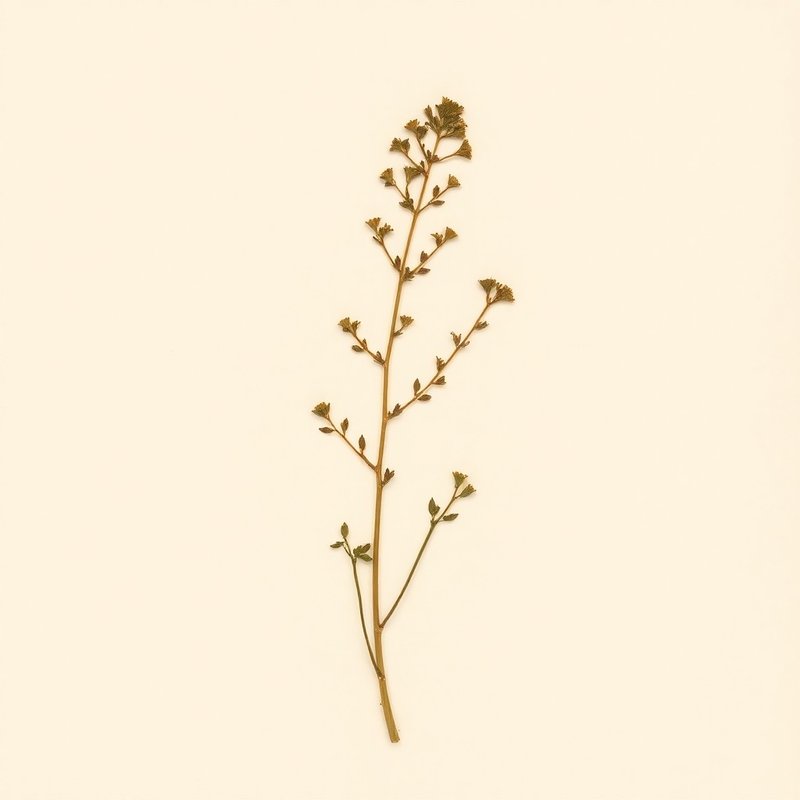
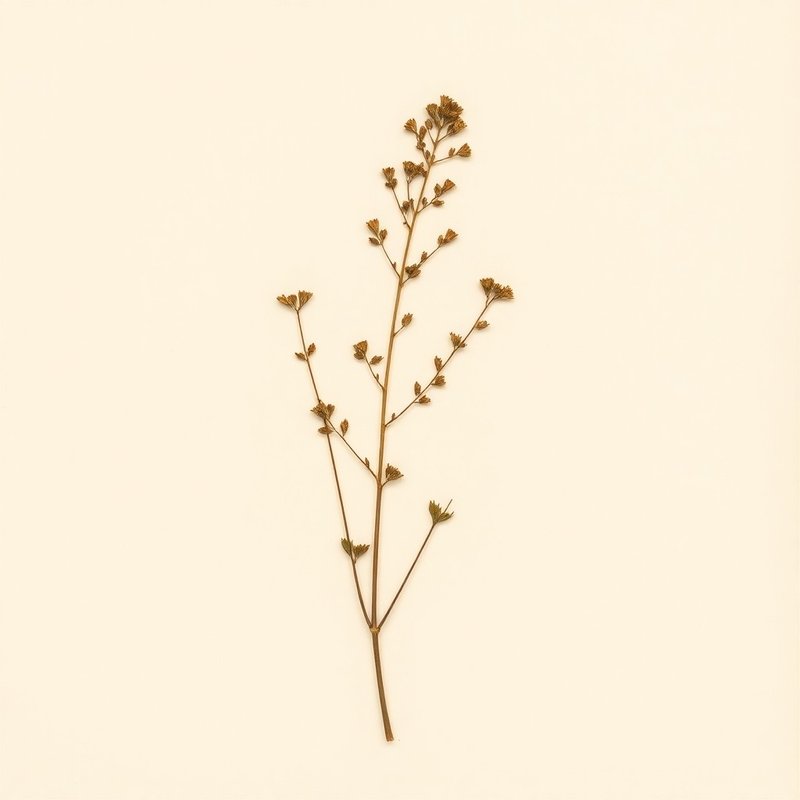
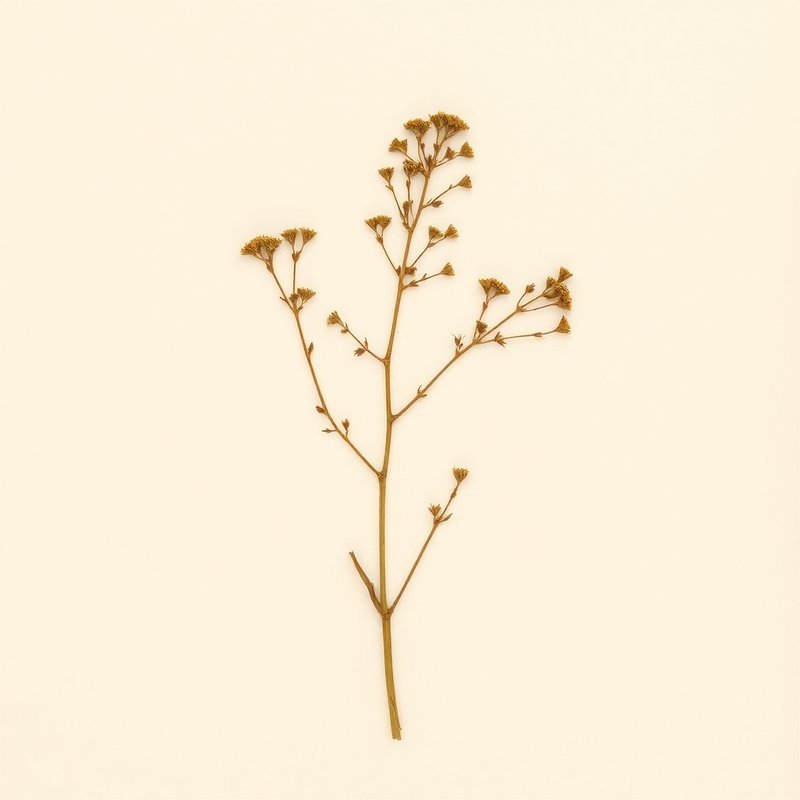
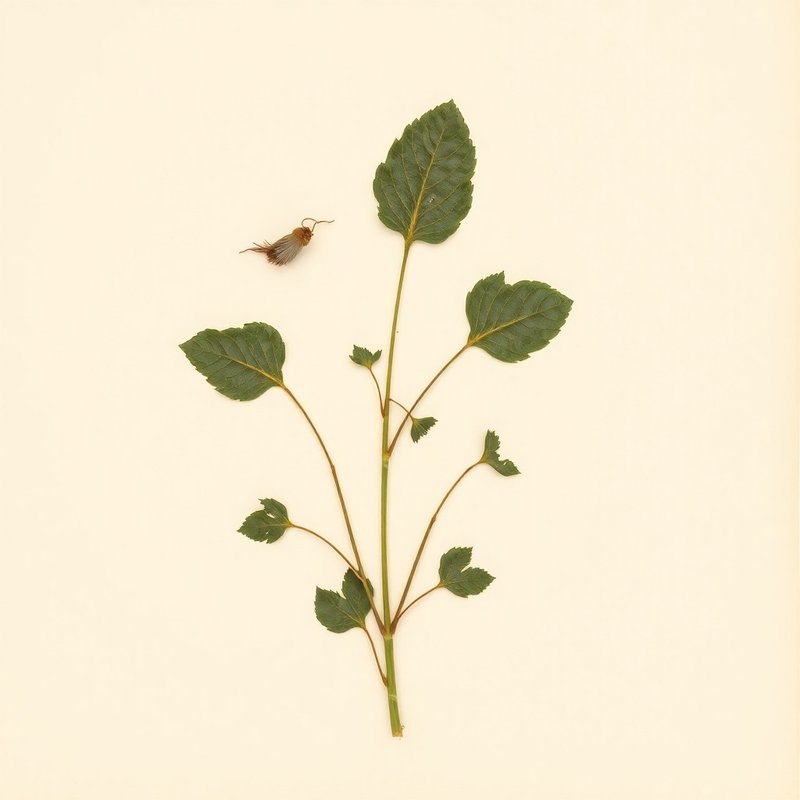
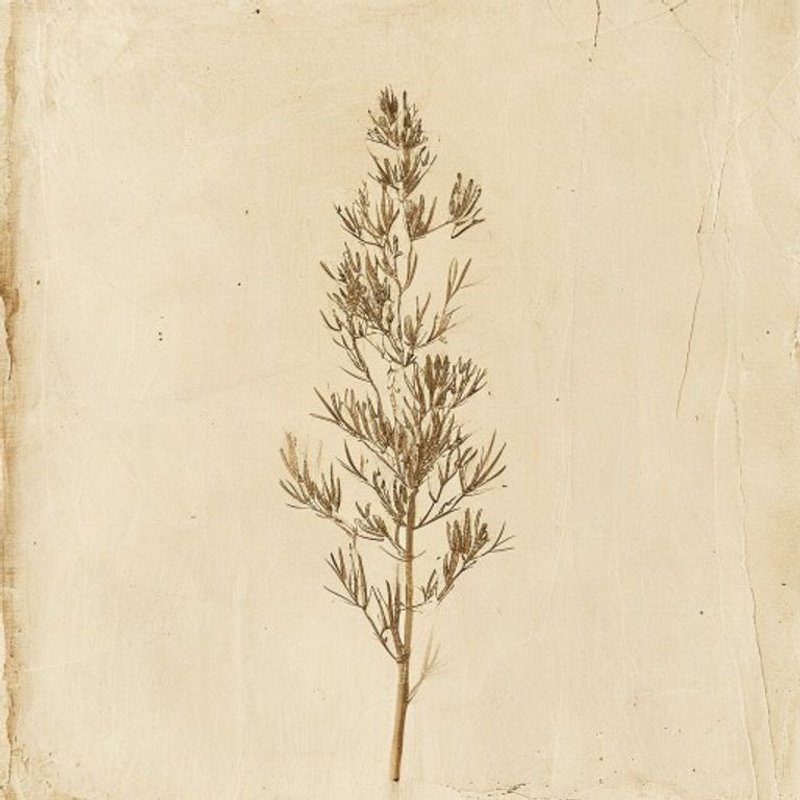
Atriplex carnosa (Thickleaf Orach) — botanical photograph
Pl. 527E — Atriplex carnosa
Atriplex carnosaAtriplex carnosaAtriplex carnosaAtriplex carnosaAtriplex carnosaAtriplex carnosaAtriplex carnosaAtriplex carnosaAtriplex carnosaAtriplex carnosaAtriplex carnosaAtriplex carnosaAtriplex carnosaAtriplex carnosa
I

Overview

Thickleaf Orach, scientifically known as Atriplex carnosa, is an annual plant belonging to the Chenopodiaceae family. Native to Wyoming and various European countries such as Austria and Belarus, this plant is adaptable to light and moist soil with a pH between 7 and 7.5, thriving in both sandy and medium soils. Thickleaf Orach is valued for its edible leaves and seeds, which can be consumed fresh in salads or cooked as a vegetable. The leaves and seeds can also be harvested and prepared for culinary use. This plant grows up to 0.9 meters tall in its native Wyoming habitat, where it can be found in dry and moist conditions. Thickleaf Orach is hardy in temperate regions, making it suitable for gardens across many climates. While not medicinal, it is an important edible and ornamental plant, contributing to local ecosystems and providing sustenance. Its distinctive green flowers and ability to grow in a variety of soil types make it a valuable addition to gardens and landscapes.

Quick answers

What is Thickleaf Orach?

Thickleaf Orach, scientifically known as Atriplex carnosa, is an annual plant belonging to the Chenopodiaceae family. Native to Wyoming and various European countries such as Austria and Belarus, this plant is adaptable to light and moist soil with a pH between 7 and 7.

Compare with:Atriplex dimorphostegia→Atriplex subcordata→Australian Saltbush Australian saltbush→all comparisons →
Growingconditions · propagation · uses
V

Cultivation

Thickleaf Orach thrives in light to moist conditions and prefers well-drained soils with a pH of 7-7.5. It is an annual plant that grows up to 0.9 meters tall and can be propagated through seeds. This plant is hardy in temperate regions, making it suitable for gardens across many climates. Provide it with light to medium soil and ensure it receives adequate water, though not too much, as it prefers dry conditions. Harvest its edible leaves and seeds for culinary use.
Light
9/10
Water
Dry, Moist
Soil
Light (sandy), Medium
Life cycle
Annual
Mature size
0.9 m tall
Soil pH
7–7.5
For first-time growers

How to grow Thickleaf Orach for the first time

8steps

Start with Thickleaf Orach as a simple annual plant, focusing on basic care and harvesting.

  1. 1

    What you'll need

    Seeds or seedlings, a small trowel, a watering can.

  2. 2

    Best time to plant

    Plant in spring after the last frost, when soil is warm.

  3. 3

    Soil and container prep

    Choose well-draining soil with a pH of 7–7.5; ensure containers are at least 30 cm deep.

  4. 4

    Sowing or transplanting

    Direct sow seeds 1 cm deep, spacing them about 20 cm apart; thin seedlings to 30 cm apart.

  5. 5

    First two weeks

    Water regularly to keep soil moist but not waterlogged; mulch lightly if needed.

  6. 6

    Ongoing care

    Water when the top inch of soil dries out, especially in dry or windy conditions. Fertilize sparingly with compost.

  7. 7

    Harvest or pruning

    Prune to maintain shape and remove dead leaves; harvest young leaves for cooking.

  8. 8

    Common mistakes

    Overwatering, planting too deep, neglecting to mulch, not providing enough light.

VI

Edible & utility

Edible parts:LeavesSeed
Edible uses: The Thickleaf Orach is edible and its leaves and seeds can be consumed. The leaves are typically eaten fresh in salads or cooked as a vegetable. Seeds can also be harvested and used for culinary purposes after proper preparation.
Contextrange · companions · related
VII

Distribution

43 native · 23 introduced
Distribution across4 continents· 43 native· 23 introduced
Europe20 regions
native (20)AustriaBelarusBelgiumDenmarkFinlandFranceGermanyGreeceHungaryIrelandItalyNetherlandsNorwayPolandRomaniaRussiaSpainSwedenUkraineUnited Kingdom
Asia3 regions
native (3)JapanSouth KoreaTurkmenistan
Americas1 region
introduced (1)Puerto Rico
Africa3 regions
native (3)AlgeriaEgyptMorocco
Broader regions
native:Altay, Baltic States, Czechoslovakia, Kamchatka, Kuril Is., Lebanon-Syria, Sakhalin, Sinai, Transcaucasus, Wyoming, Yugoslavia
introduced:Cape Provinces, Connecticut, Illinois, Indiana, Iowa, KwaZulu-Natal, Maine, Maryland, Masachusettes, Michigan, New Brunswick, New Hampshire, New Jersey, New York, Nova Scotia, Ohio, Pennsylvania, Prince Edward I., Rhode I., Vermont, Washington, Wisconsin
IX

Specimen gallery

1 image
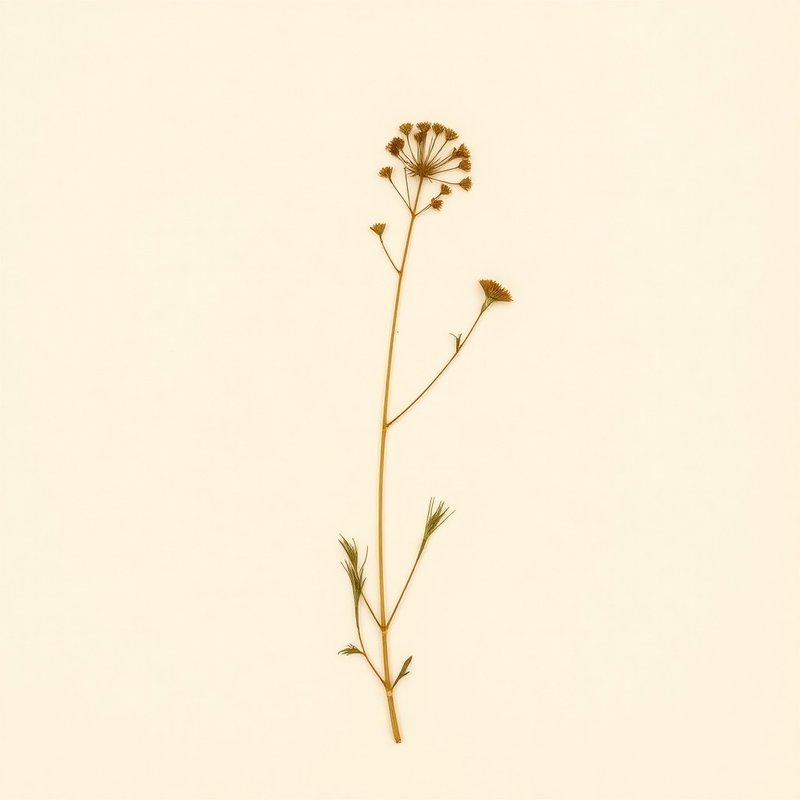
Atriplex carnosa (Thickleaf Orach) — botanical photograph
Thickleaf Orach (Atriplex carnosa)
X

See also

8 related
XI

Explore further

XII

About this entry

Last updated
Citation
How to cite this entry · Submit a correction
Back to the cataloguePlant id · 527ee41f-0470-402a-a26d-7d8379aad6a7
Decision aid
Choosing between Thickleaf Orach and something else?
Compare with another plant

Continue reading

❦❦❦❦
Endpaper · archive updates

Get archive updates

Occasional email when substantial new content lands — plant profiles, seasonal growing notes, folk-remedy additions. Free, no tracking, unsubscribe anytime.

Newsletter returning soon.
We are rebuilding the update list around a lightweight editorial workflow. New dispatches will resume after the next content review cycle.
iCare notes