
Bristle Oats
IOverview
Overview
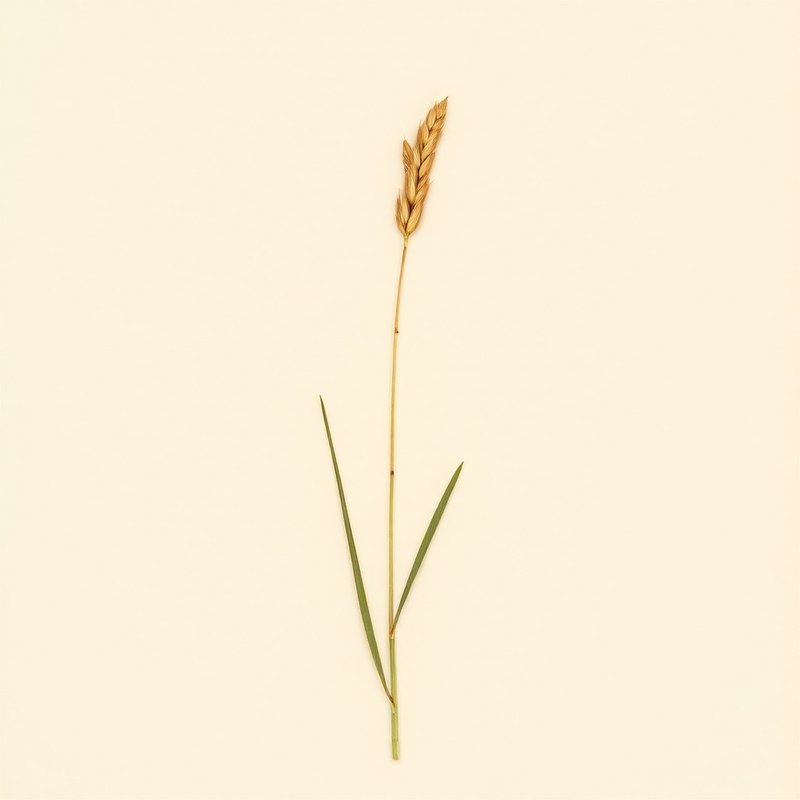
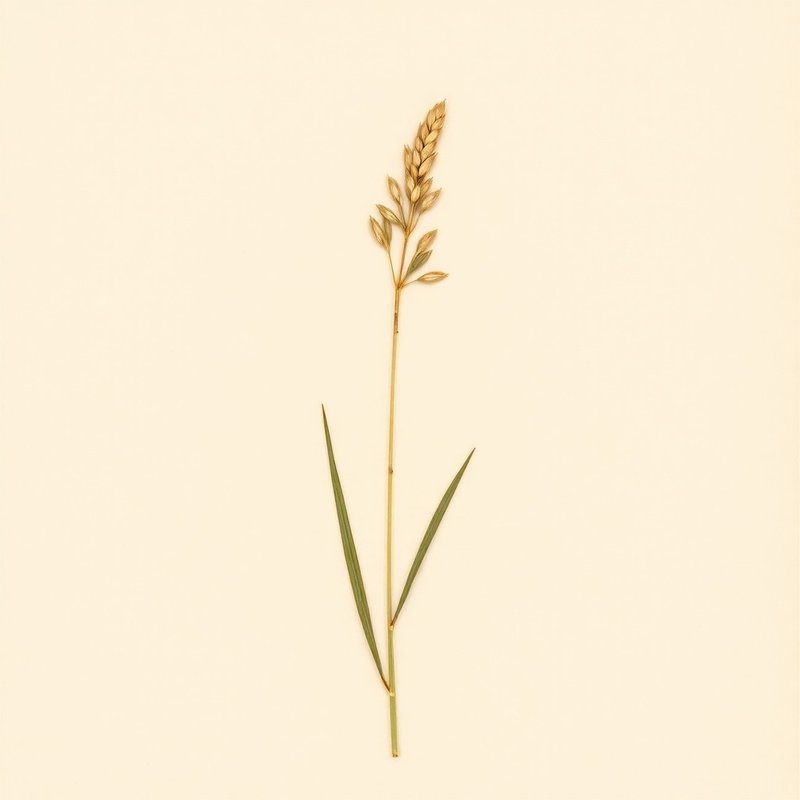
Bristle Oats, scientifically known as Avena strigosa, is an annual grass native to Sakhalin and has been introduced to Corsica, France, Portugal, and Spain. This plant thrives in a variety of soil types, including light (sandy), medium, and heavy (clay), and prefers full sun with a range of moisture levels from dry to moist. Standing at about 0.9 meters tall, Bristle Oats are recognizable by the bristles on their seed heads, which aid in seed dispersal. The edible seeds can be harvested for human consumption and are used to make coffee. Cultivation is straightforward, with these plants thriving in well-draining soil that retains some moisture. For best results, sow seeds directly into the garden bed during spring or early summer. Harvest the seeds in late summer when the seed heads are dry. Bristle Oats are primarily valued for their fiber, mulch, and textile uses, making them a versatile addition to gardens and agricultural settings. While not medicinal, Bristle Oats are safe for human consumption and can be enjoyed as a unique alternative to traditional coffee.
What is Bristle Oats?
Bristle Oats, scientifically known as Avena strigosa, is an annual grass native to Sakhalin and has been introduced to Corsica, France, Portugal, and Spain.
VCultivation
Cultivation
How to grow Bristle Oats for the first time
Start with Bristle Oats as an easy annual crop for beginners, focusing on basic care.
- 1
What you'll need
Seeds of Bristle Oats and a garden plot or container.
- 2
Best time to plant
Plant in spring after the last frost, when soil is warm.
- 3
Soil and container prep
Choose a location with full sun. Prepare loose, well-draining soil.
- 4
Sowing or transplanting
Direct sow seeds 0.5-1 cm deep, spacing them about 20 cm apart.
- 5
First two weeks
Keep the area moist until germination. Thin seedlings to 30 cm apart after they emerge.
- 6
Ongoing care
Water sparingly but regularly. Mulch around plants to retain moisture and suppress weeds.
- 7
Harvest or pruning
Cut the entire plant when seeds are ripe, usually in late summer or early fall.
- 8
Common mistakes
Overwatering, planting too deep, neglecting thinning seedlings.
VIEdible & utility
Edible & utility
VIIDistribution
5 native · 45 introduced
Distribution
5 native · 45 introducedIXSpecimen gallery
1 image
Specimen gallery
1 imageXSee also
8 related
See also
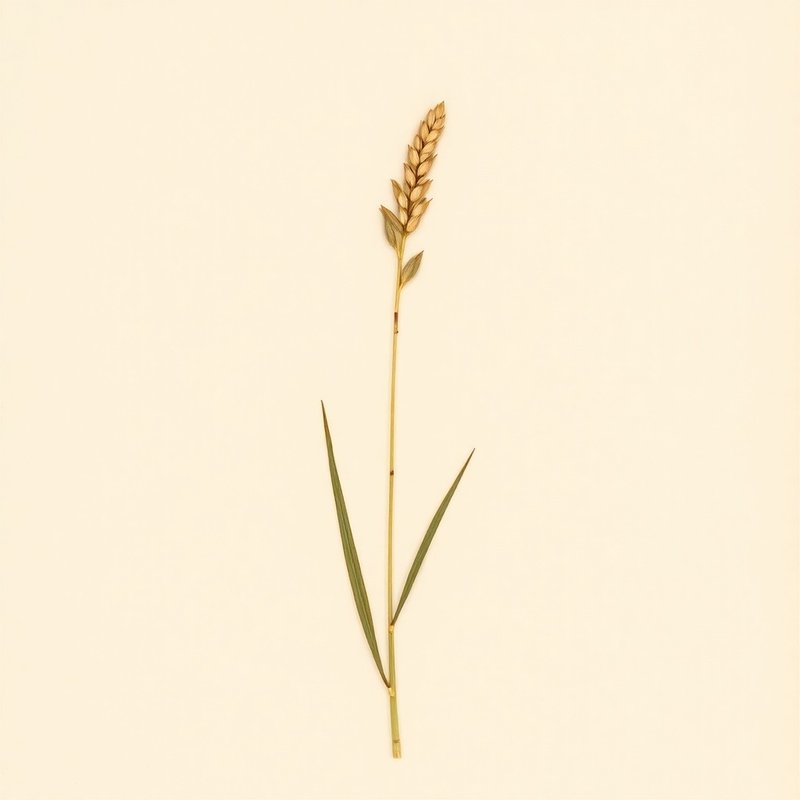
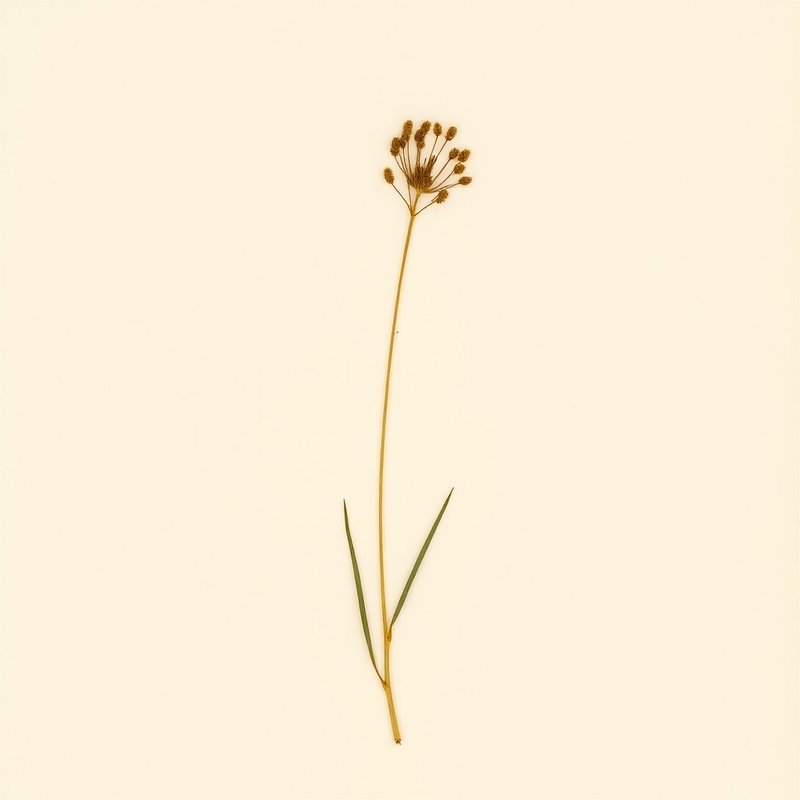
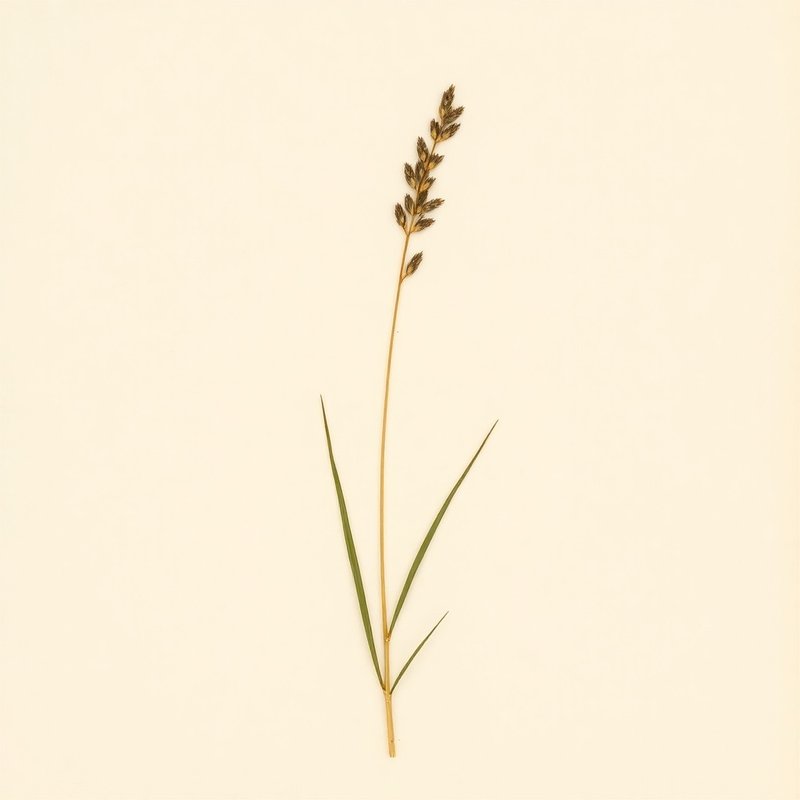
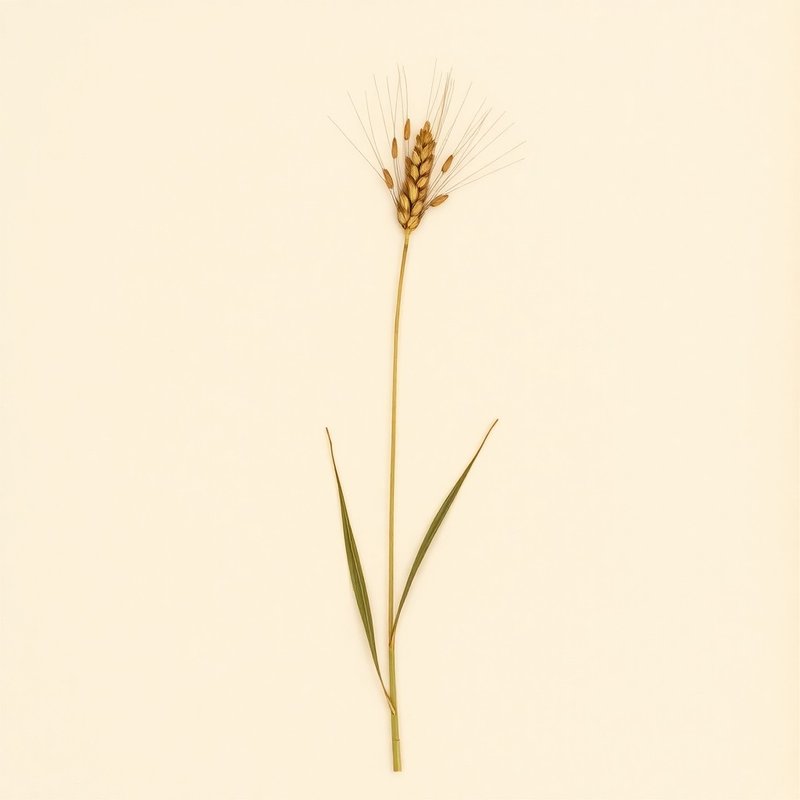
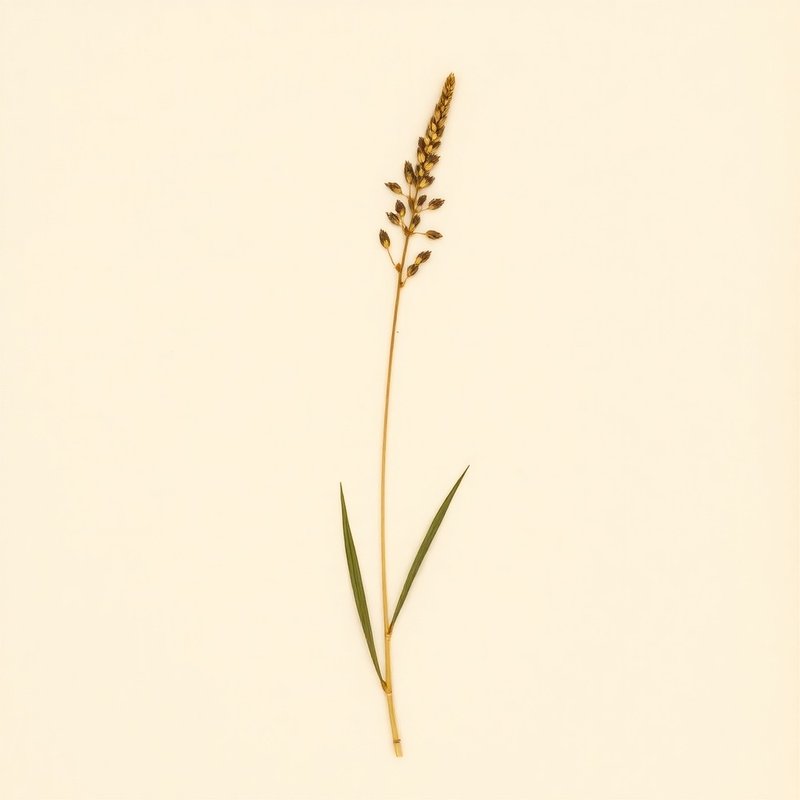
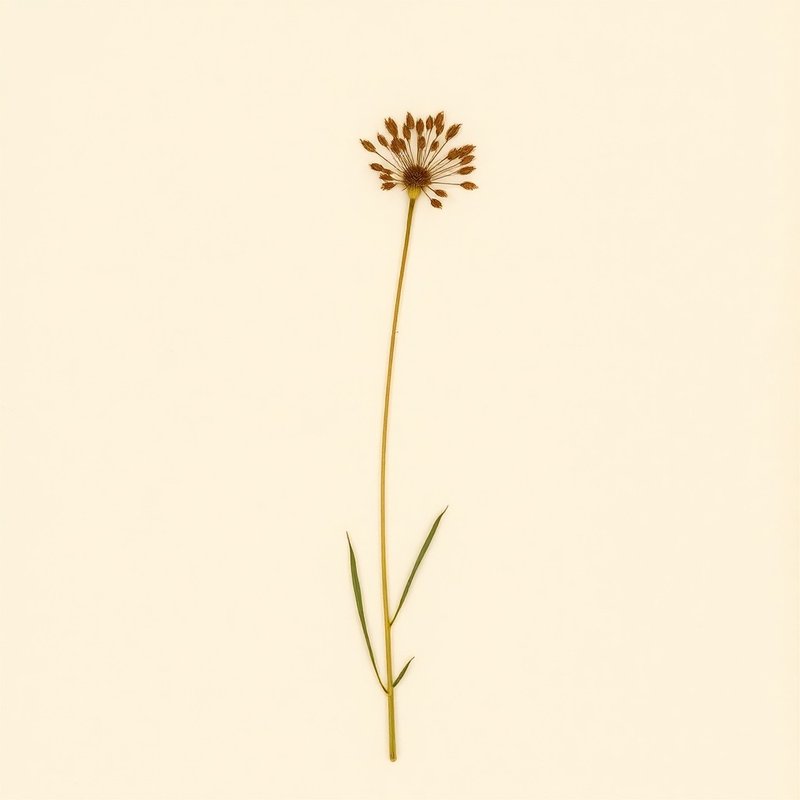
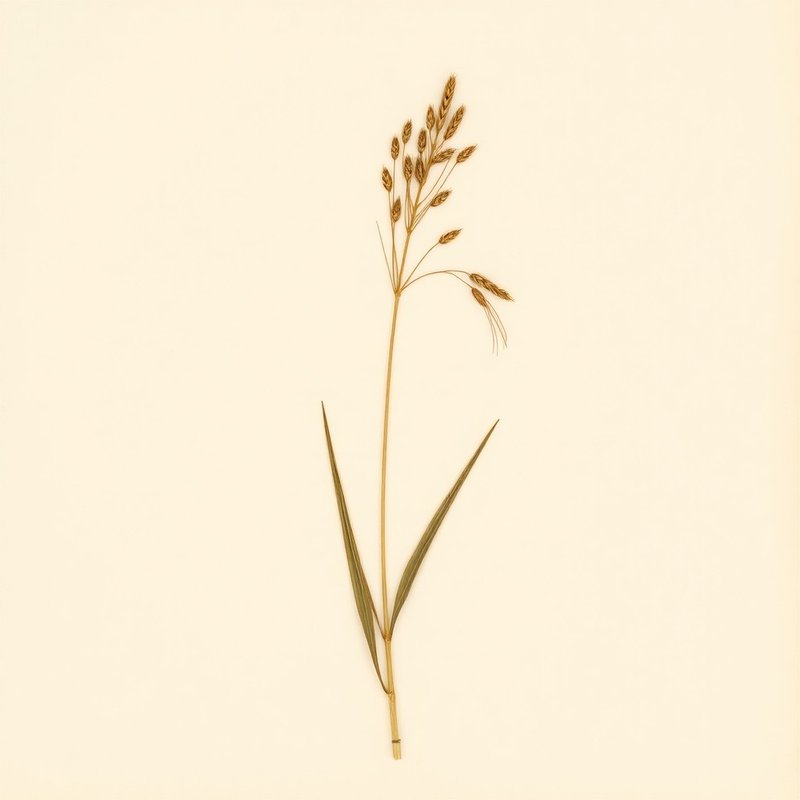
8 relatedPlants you might compare or use together — scored by shared family (Poaceae), common use cases, and growing requirements.
Explore further
About this entry
- Last updated
- Citation
- How to cite this entry · Submit a correction
Continue reading
Get archive updates
Occasional email when substantial new content lands — plant profiles, seasonal growing notes, folk-remedy additions. Free, no tracking, unsubscribe anytime.