
European Millet
Panicum miliaceumfam. Poaceae
Educational content — not medical, botanical, or professional advice. Plant identification, safety, and edibility depend on local conditions, cultivars, and correct identification. Consult a qualified botanist or forager before consuming or handling wild specimens. How we source & review →
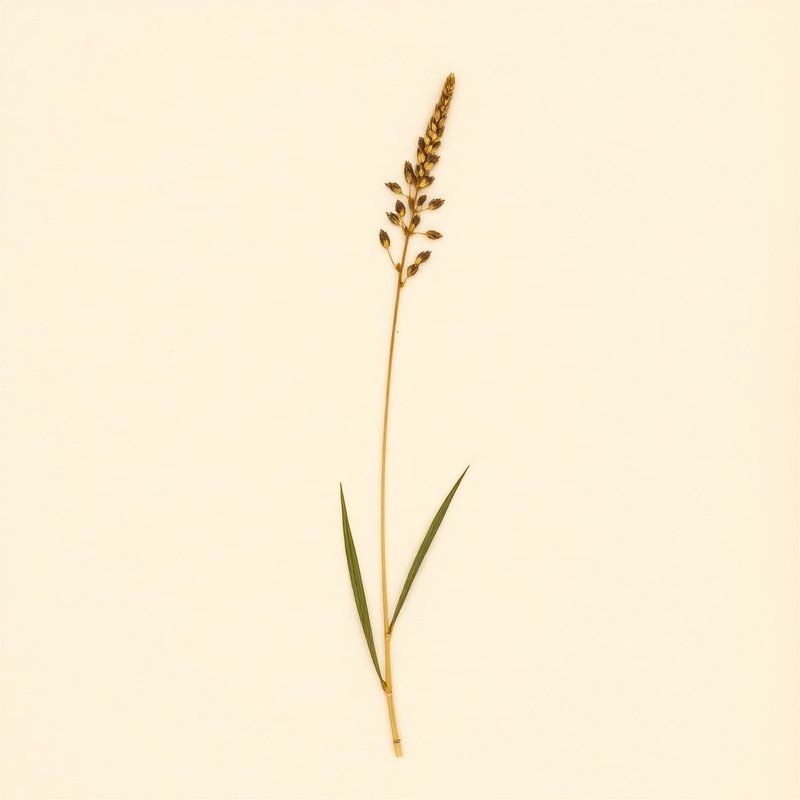
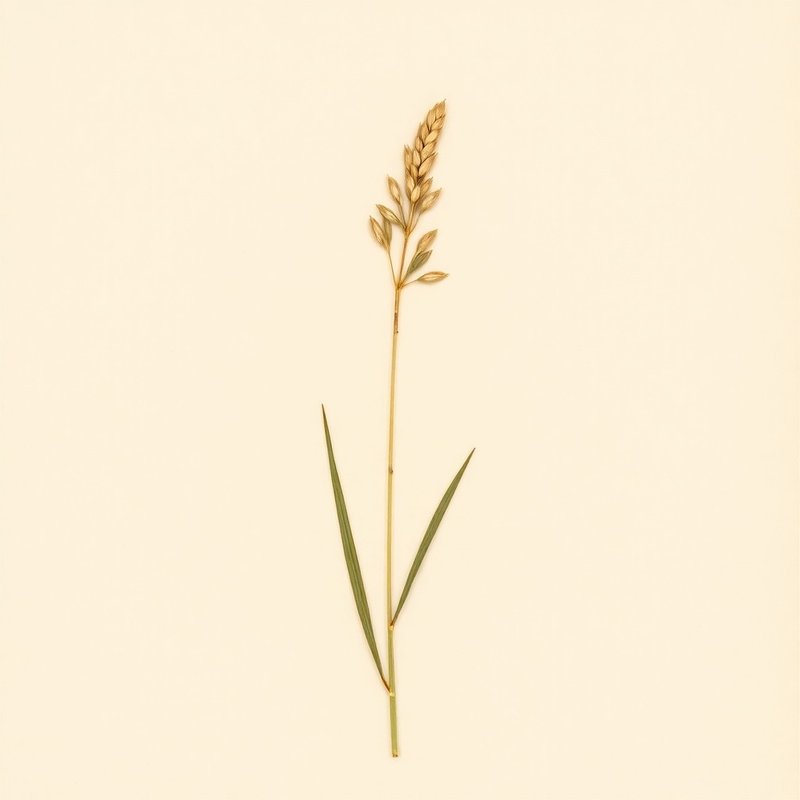
Pl. 8F1D — Panicum miliaceum
Panicum miliaceumPanicum miliaceumPanicum miliaceumPanicum miliaceumPanicum miliaceumPanicum miliaceumPanicum miliaceumPanicum miliaceumPanicum miliaceumPanicum miliaceumPanicum miliaceumPanicum miliaceumPanicum miliaceumPanicum miliaceum
IOverview
Overview
European Millet, scientifically known as Panicum miliaceum, is an annual grass native to the North-Central and Southeast regions of China. This plant thrives in full sun and can tolerate both dry and moist conditions, making it adaptable to various soil types including light (sandy), medium, and heavy (clay). Known for its edible seeds, European Millet has been cultivated for centuries as a grain crop. Standing at about 1 meter tall, this plant is recognizable by its distinctive panicles of small flowers that mature into seed heads.
Quick answers
What is European Millet?
European Millet, scientifically known as Panicum miliaceum, is an annual grass native to the North-Central and Southeast regions of China. This plant thrives in full sun and can tolerate both dry and moist conditions, making it adaptable to various soil types including light (sandy), medium, and heavy (clay).
Growingconditions · propagation · uses
VCultivation
Cultivation
European Millet thrives in full sun and prefers well-drained soil that can be light (sandy), medium, or heavy (clay). It is drought-tolerant but will produce better yields with regular moisture. This annual plant grows up to 1 meter tall and is hardy in temperate regions, typically zones 10-12. For propagation, sow seeds directly into the garden after all danger of frost has passed. Harvest the edible seed when the heads turn brown and dry.
Light
Full sun
Water
Dry, Moist
Soil
Light (sandy), Medium, Heavy (clay)
Hardiness
10-12
Life cycle
Annual
Mature size
1.0 m tall
For first-time growers
How to grow European Millet for the first time
7steps
Start with European Millet for a simple and rewarding gardening experience.
- 1
What you'll need
Seeds, a garden plot or large container, soil, water can.
- 2
Best time to plant
Plant in spring after the last frost, when temperatures are consistently above 10°C (50°F).
- 3
Soil and container prep
Choose a location with full sun. Ensure soil is well-draining; amend if necessary.
- 4
Sowing or transplanting
Direct sow seeds 2-3 cm deep, spaced about 15 cm apart in rows 60 cm apart. Alternatively, start indoors and transplant after danger of frost passes.
- 5
First two weeks
Water regularly to keep soil moist but not waterlogged. Monitor for pests and diseases.
- 6
Ongoing care
Water when the top inch of soil is dry. Fertilize lightly once or twice during growing season. Keep weeds at bay.
- 7
Harvest or pruning
Cut down plants after seeds have matured and dried on stalks, usually in late summer to early fall.
VIEdible & utility
Edible & utility
Edible parts:Seed
Edible uses: The European Millet seed is edible and can be prepared in various ways. It is commonly cooked, either boiled or roasted, to add a nutritious grain to meals. The seeds can also be ground into flour for baking or used to make porridge. Skip the raw consumption as it may not be digestible.
Other uses:FiberSandpaper
Contextrange · companions · related
VIIDistribution
11 native · 19 introduced
Distribution
11 native · 19 introducedDistribution across3 continents· 11 native· 19 introduced
Europe1 region
introduced (1)Russia
Asia11 regions
native (8)BangladeshChinaIndiaMaldivesMyanmarNepalPakistanSri Lanka
introduced (3)BangladeshChinaIndia
Africa1 region
introduced (1)Algeria
Broader regions
native:East Himalaya, West Himalaya
introduced:Brazil Southeast, Amur, Brazil West-Central, Brazil South, Connecticut, Borneo, Colorado, Cayman Is., Delaware, District of Columbia, East Himalaya, Florida, Free State
IXSpecimen gallery
1 image
Specimen gallery
1 imageXSee also
8 related
See also
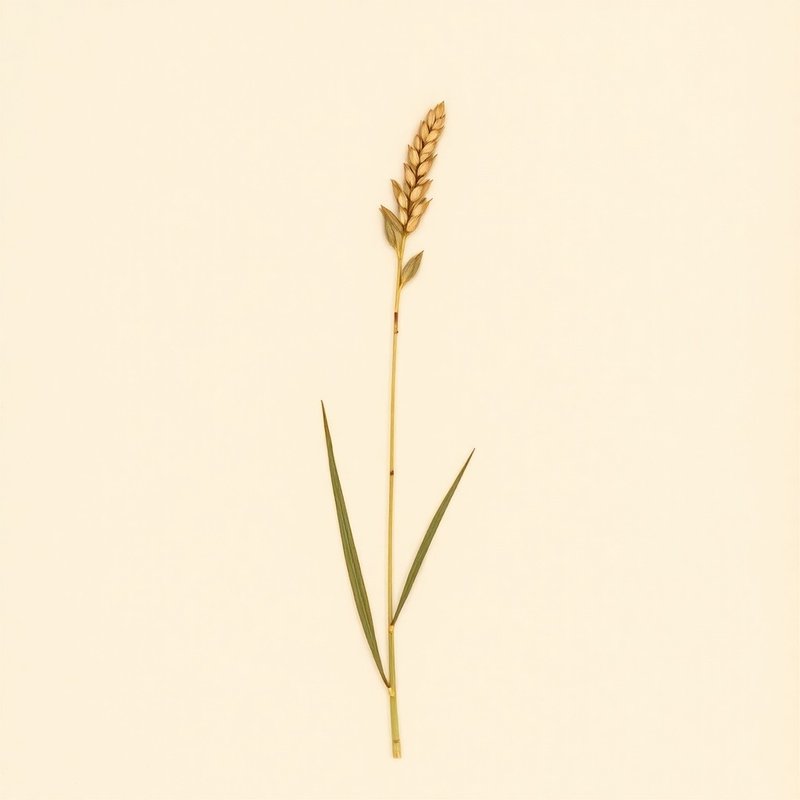
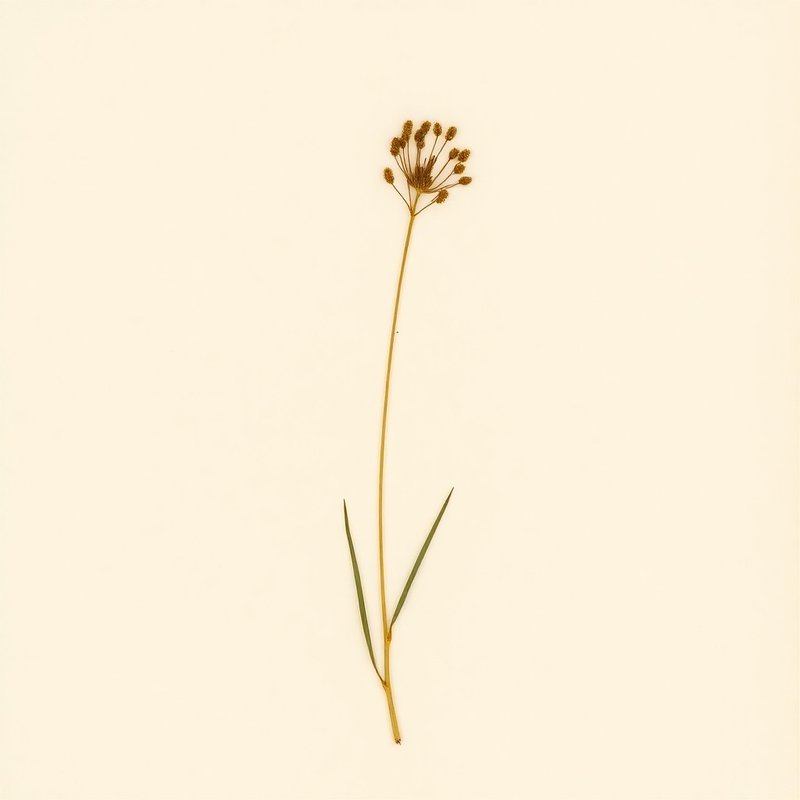
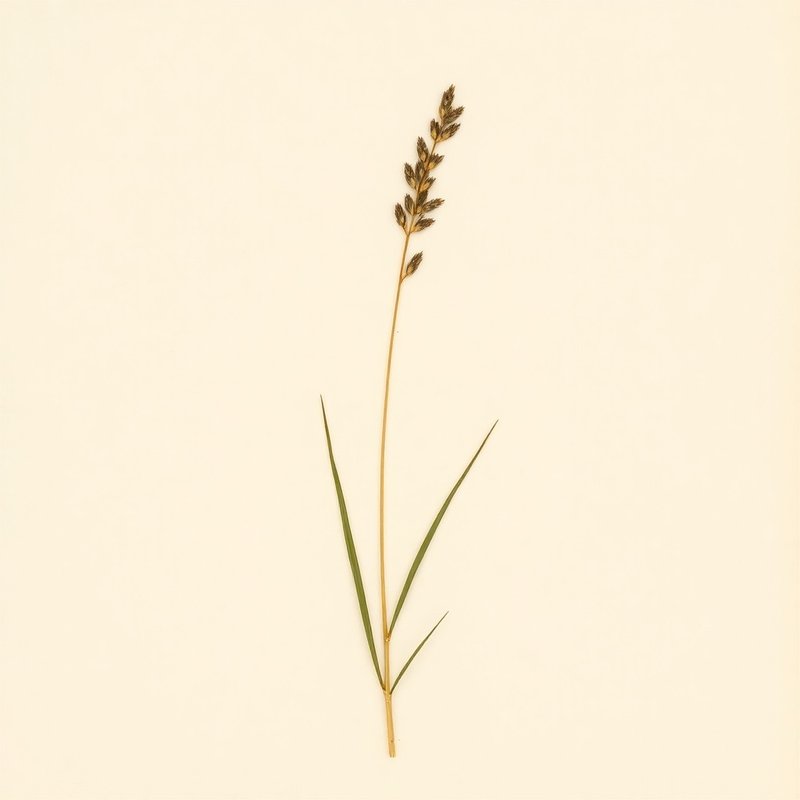
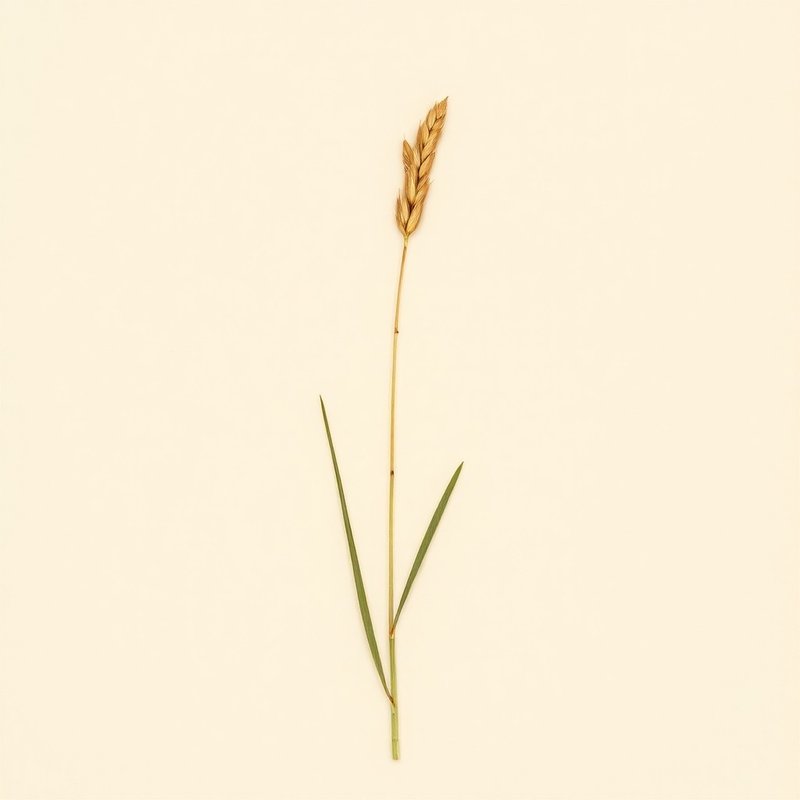
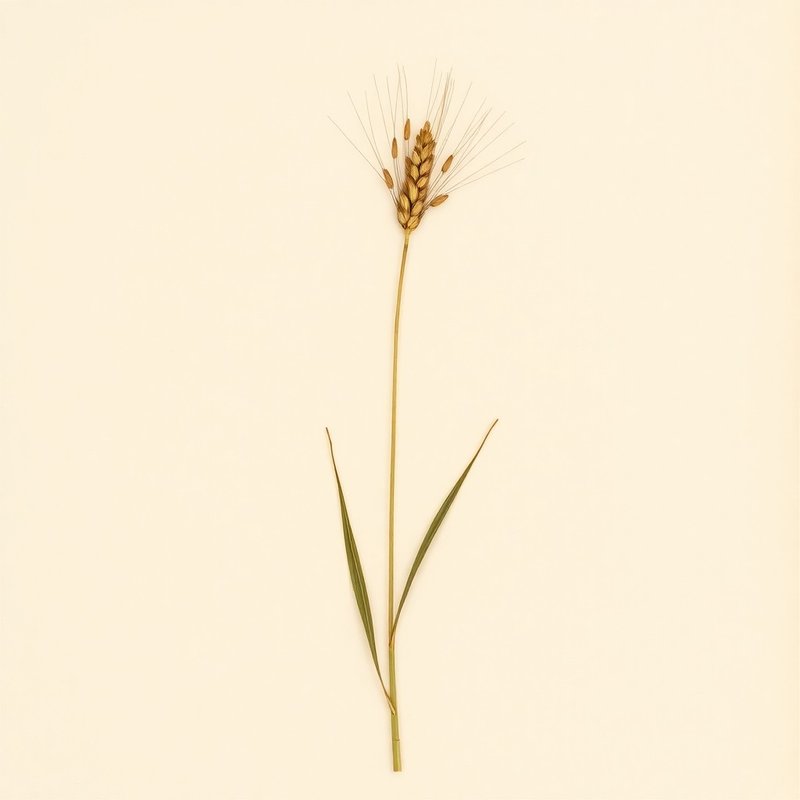
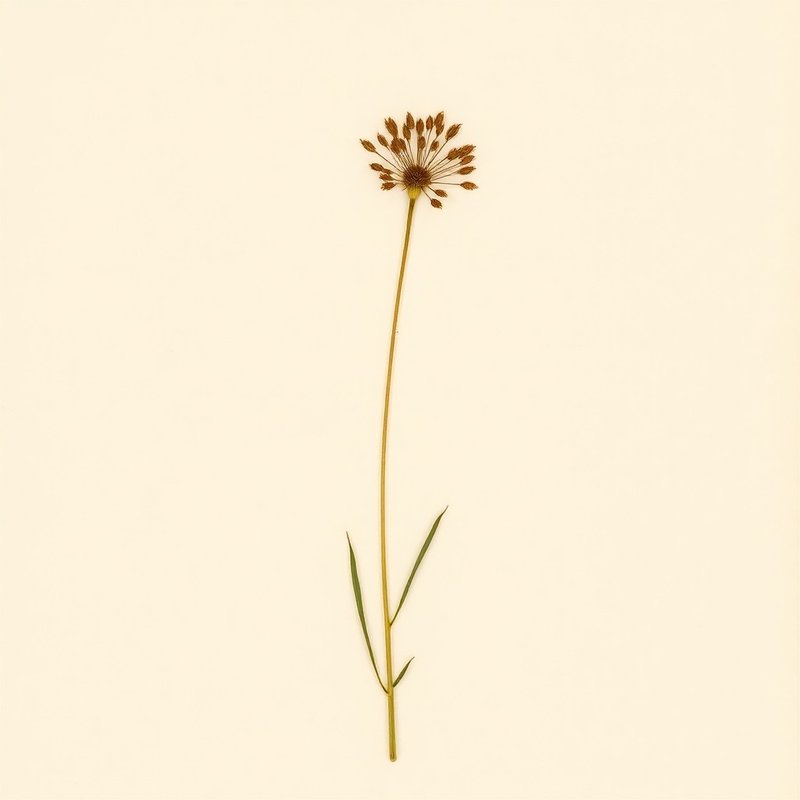
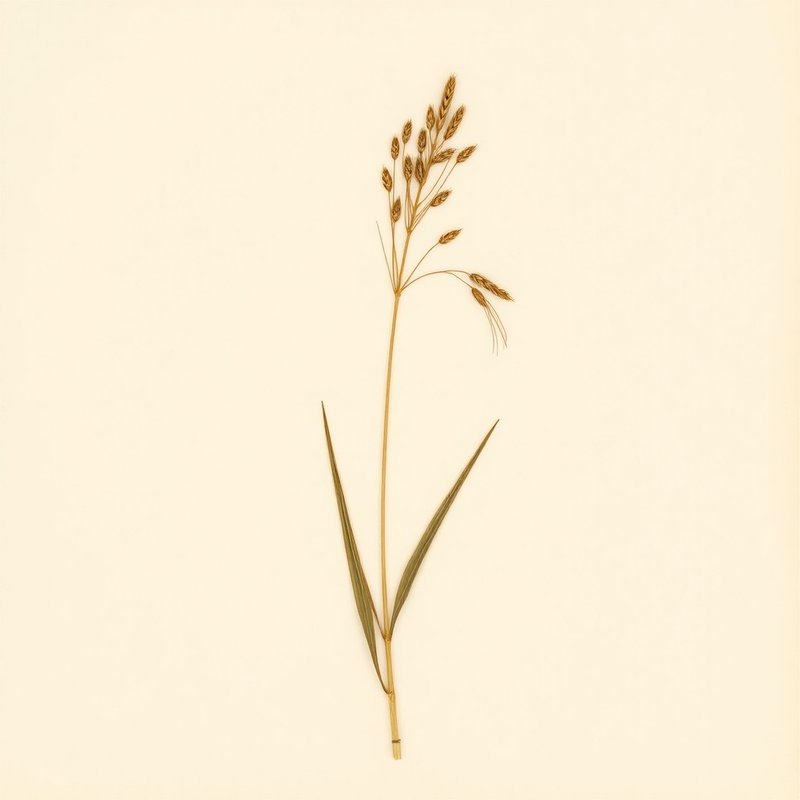
8 relatedPlants you might compare or use together — scored by shared family (Poaceae), common use cases, and growing requirements.
same family · Poaceae
Botanical relatives — often share phytochemistry + growing needs.
XI
Explore further
Companion planting
Compare with similar plants
Growing zone
XII
About this entry
- Last updated
- Citation
- How to cite this entry · Submit a correction
Back to the cataloguePlant id · 8f1d96a2-3493-4e41-9b56-c12f0534688b
Decision aid
Choosing between European Millet and something else?
Continue reading
❦❦❦❦
Endpaper · archive updates
Get archive updates
Occasional email when substantial new content lands — plant profiles, seasonal growing notes, folk-remedy additions. Free, no tracking, unsubscribe anytime.