
Swiss Chard
Beta vulgaris flavescens
Educational content — not medical, botanical, or professional advice. Plant identification, safety, and edibility depend on local conditions, cultivars, and correct identification. Consult a qualified botanist or forager before consuming or handling wild specimens. How we source & review →
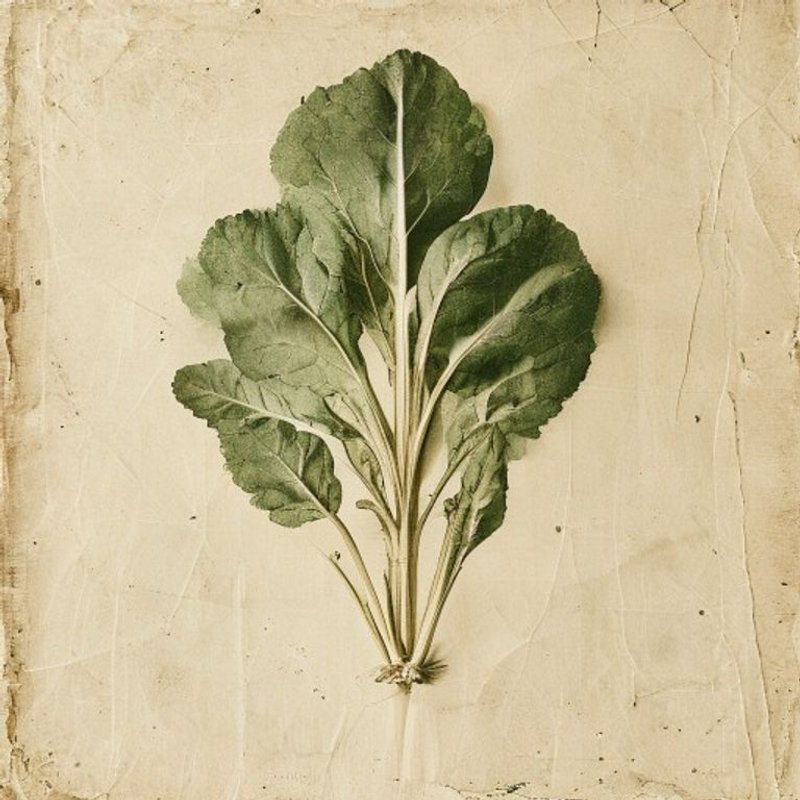
Pl. 3C3B — Beta vulgaris flavescens
Beta vulgaris flavescensBeta vulgaris flavescensBeta vulgaris flavescensBeta vulgaris flavescensBeta vulgaris flavescensBeta vulgaris flavescensBeta vulgaris flavescensBeta vulgaris flavescensBeta vulgaris flavescensBeta vulgaris flavescensBeta vulgaris flavescensBeta vulgaris flavescensBeta vulgaris flavescensBeta vulgaris flavescens
IOverview
Overview
Swiss chard (Beta vulgaris flavescens) is a leafy green vegetable native to the Mediterranean region, including countries such as Albania, Algeria, and Belgium. This biennial plant grows to about 1 meter in height and features large, dark green leaves and thick, crunchy stalks that come in various colors, from white to red or yellow. Swiss chard thrives in light, medium, or heavy soil with a pH between 7.5 and 8, making it adaptable but preferring slightly alkaline conditions. It can be propagated by direct seeding indoors or outdoors, followed by transplanting seedlings after they have hardened off. The edible parts include both the leaves and the stems, which add a mild, sweet flavor to salads and cooked dishes.
Quick answers
What is Swiss Chard?
Swiss chard (Beta vulgaris flavescens) is a leafy green vegetable native to the Mediterranean region, including countries such as Albania, Algeria, and Belgium.
Growingconditions · propagation · uses
VCultivation
Cultivation
Swiss chard thrives in light to medium soil and prefers a slightly alkaline pH between 7.5 and 8. It is hardy in zones 4-8 and can be grown from direct seeds indoors or outdoors, with seedlings transplanted after they have hardened off. The plant requires moist conditions but should not sit in waterlogged soil. Provide full sun for best growth, as it needs at least six hours of sunlight daily. Harvest the leaves and stems when mature, ensuring the plant continues to produce new growth.
Light
7/10
Water
Moist
Soil
Light (sandy), Medium, Heavy (clay)
Hardiness
4-8
Life cycle
Biennial
Habit
Forb/herb
Mature size
0.9 m tall
Soil pH
7.5–8
- Propagation
- Direct seed indoors or outdoors. Transplant seedlings after hardening off.
- Days to harvest
- 80
- Row spacing
- 30 cm
- Seed viability
- 2-3 years
For first-time growers
How to grow Swiss Chard for the first time
8steps
Start with Swiss Chard to gain confidence in your gardening skills.
- 1
What you'll need
Seeds, small pots for starting indoors, a garden spot or large container, and potting soil.
- 2
Best time to plant
Plant Swiss Chard in spring after the last frost, or start seeds indoors 4-6 weeks before transplanting.
- 3
Soil and container prep
Ensure your soil is well-draining with a pH of 7.5–8. Amend with compost if necessary.
- 4
Sowing or transplanting
Direct sow seeds 1/2 inch deep, 4 inches apart in rows 18-24 inches apart. Transplant seedlings after hardening off.
- 5
First two weeks
Keep the soil consistently moist and protect from extreme heat or cold.
- 6
Ongoing care
Water regularly, mulch to retain moisture, and fertilize every 4-6 weeks with a balanced fertilizer.
- 7
Harvest or pruning
Start harvesting leaves when they are about the size of your hand. Cut from the outside of the plant to encourage new growth.
- 8
Common mistakes
Overcrowding, not providing enough water, and planting too late in the season.
VIEdible & utility
Edible & utility
Edible parts:LeavesStem
Edible uses: Swiss chard is commonly eaten both raw and cooked. The leaves can be used fresh in salads or sautéed as a side dish. The thick stalks are often chopped and added to soups or stir-fries. They can also be blanched and then frozen for later use. SKIP
Other uses:Companion
Contextrange · companions · related
VIIDistribution
30 native · 0 introduced
Distribution
30 native · 0 introducedDistribution across3 continents· 30 native
Europe14 regions
native (14)AlbaniaBelgiumBulgariaCyprusFranceGermanyGreeceIrelandItalyNetherlandsPortugalRussiaSpainUkraine
Asia6 regions
native (6)IndiaIranIraqKuwaitOmanPakistan
Africa4 regions
native (4)AlgeriaEgyptLibyaMorocco
Broader regions
native:East Aegean Is., Gulf States, Kriti, Lebanon-Syria
IXSpecimen gallery
1 image
Specimen gallery
1 imageXI
Explore further
Companion planting
Growing zone
XII
About this entry
- Last updated
- Citation
- How to cite this entry · Submit a correction
Back to the cataloguePlant id · 3c3b63ca-36cf-4c92-bec6-cb558320e436
Decision aid
Choosing between Swiss Chard and something else?
Continue reading
❦❦❦❦
Endpaper · archive updates
Get archive updates
Occasional email when substantial new content lands — plant profiles, seasonal growing notes, folk-remedy additions. Free, no tracking, unsubscribe anytime.