
Skip to content
IIIFolio · plant profile№ 668Fedible
Data provenancePermapeopleTrefleWikipediaPFAFreviewed 7 Jul 2026methodology → read

Beet

Beta vulgaris vulgaris
Educational content — not medical, botanical, or professional advice. Plant identification, safety, and edibility depend on local conditions, cultivars, and correct identification. Consult a qualified botanist or forager before consuming or handling wild specimens. How we source & review →
ediblebiennialedibleedible leafedible root
Updated·Quick Q&A →
Garden journal pausedUse profile notes below
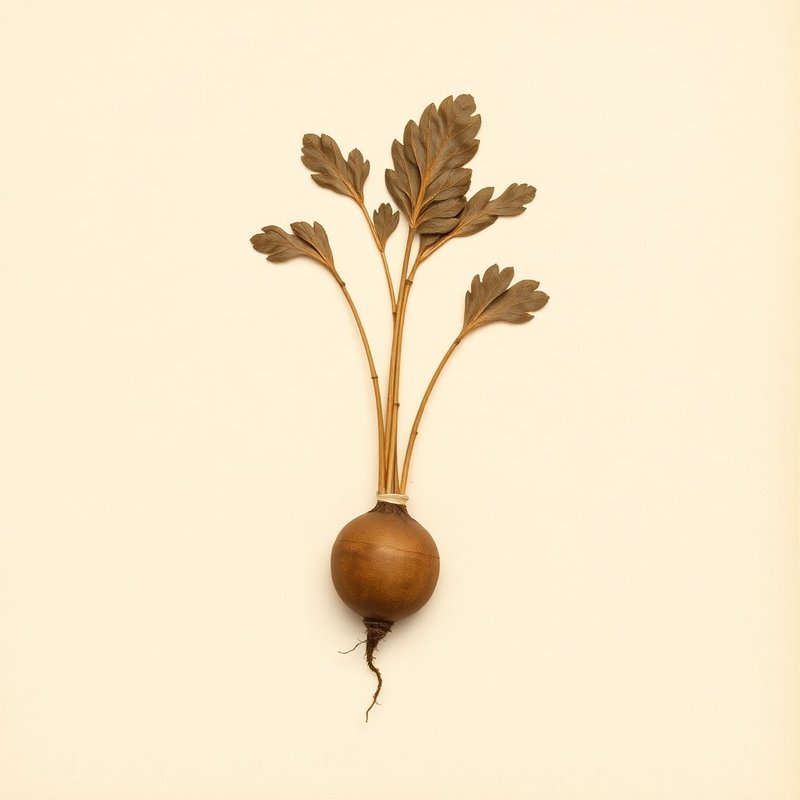
Beta vulgaris vulgaris (Beet) — botanical photograph
Pl. 668F — Beta vulgaris vulgaris
Beta vulgaris vulgarisBeta vulgaris vulgarisBeta vulgaris vulgarisBeta vulgaris vulgarisBeta vulgaris vulgarisBeta vulgaris vulgarisBeta vulgaris vulgarisBeta vulgaris vulgarisBeta vulgaris vulgarisBeta vulgaris vulgarisBeta vulgaris vulgarisBeta vulgaris vulgarisBeta vulgaris vulgarisBeta vulgaris vulgaris
I

Overview

Beet (Beta vulgaris vulgaris), also known as garden beet, red beet, or table beet, is a biennial plant native to the Mediterranean region and cultivated worldwide for its edible root and leaves. This plant typically grows to about 0.9 meters in height with dark green, long and rounded leaves. Beets thrive in light (sandy), medium, and heavy (clay) soils with a pH between 7.5 and 8, making them adaptable to various growing conditions. They are commonly propagated by direct seeding indoors or outdoors, with outdoor sowing recommended 2-3 weeks before the last frost and 6-8 weeks before the first frost. Beets mature in 45-65 days and require a spacing of about 20cm between plants for optimal growth. Known for their versatility, beets are both edible and ornamental, adding vibrant color to gardens and tables alike.

Quick answers

What is Beet?

Beet (Beta vulgaris vulgaris), also known as garden beet, red beet, or table beet, is a biennial plant native to the Mediterranean region and cultivated worldwide for its edible root and leaves. This plant typically grows to about 0.9 meters in height with dark green, long and rounded leaves.

Growingconditions · propagation · uses
V

Cultivation

Beet (Beta vulgaris vulgaris) thrives in light to medium soil and can tolerate heavy clay soils as well. It prefers a slightly alkaline pH between 7.5 and 8. For optimal growth, plant seeds directly outdoors about 2-3 weeks before the last frost or start them indoors for transplanting after hardening off. Sow seeds 6-8 weeks before the first frost, spacing them 20cm apart. Beets are hardy in zones 4-8 and grow to a height of 0.9 meters with a spread of 0.25 meters. Ensure they receive moist soil and plenty of light for best results. Harvest leaves and roots when mature, typically between 45-65 days after planting.
Light
7/10
Water
Moist
Soil
Light (sandy), Medium, Heavy (clay)
Hardiness
4-8
Life cycle
Biennial
Habit
Forb/herb
Mature size
0.9 m × 0.25 m
Soil pH
7.5–8
Propagation
Direct seed indoors or outdoors. Transplant seedlings after hardening off.
Sow outdoors
2-3 weeks before last frost, 6-8 weeks before the first frost
Sow indoors
6-8 weeks before last frost
Germination
5-12 days
Days to maturity
45-65
Days to harvest
80
Spacing
20cm
Row spacing
30 cm
Seed viability
2-3 years
For first-time growers

How to grow Beet for the first time

8steps

Start with easy-to-grow beets for a rewarding beginner gardening experience.

  1. 1

    What you'll need

    Seeds, small pots or trays, soil, a garden bed, and water.

  2. 2

    Best time to plant

    Plant outdoors 2-3 weeks before the last frost or 6-8 weeks before the first frost.

  3. 3

    Soil and container prep

    Use well-draining soil with a pH of 7.5–8, either in containers at least 10 inches deep or directly in the garden.

  4. 4

    Sowing or transplanting

    Direct sow seeds 1/2 inch deep and 2-3 inches apart; thin to 4-6 inches as they grow.

  5. 5

    First two weeks

    Keep soil moist, water regularly but avoid overwatering. Cover with a light mulch if needed.

  6. 6

    Ongoing care

    Water consistently, especially during dry spells. Remove weeds carefully to avoid damaging roots.

  7. 7

    Harvest or pruning

    Thin seedlings when they are 2-3 inches tall; harvest mature roots after 45-65 days by gently lifting them from the soil.

  8. 8

    Common mistakes

    Overwatering, planting too close together, and neglecting to thin seedlings.

VI

Edible & utility

Edible parts:LeavesRoot
Edible uses: The beet (Beta vulgaris vulgaris) is commonly eaten for both its leaves and roots. The root can be cooked or eaten raw, often pickled or used in salads. The leaves are typically steamed or sautéed as a green vegetable. Both parts are also suitable for drying to preserve them for later use.
Contextrange · companions · related
VII

Distribution

44 native · 69 introduced
Distribution across4 continents· 44 native· 69 introduced
Europe23 regions
native (15)AlbaniaBelgiumBulgariaCyprusFranceGermanyGreeceIrelandItalyNetherlandsPortugalRussiaSpainUkraineUnited Kingdom
introduced (8)DenmarkFinlandNorwayPolandPortugalRussiaSwedenUkraine
Asia18 regions
native (10)IndiaIranIraqKuwaitOmanPakistanPalestineSaudi ArabiaTurkeyYemen
introduced (8)BangladeshChinaIndiaJapanNepalSouth KoreaSri LankaVietnam
Americas7 regions
introduced (7)Costa RicaCubaDominican RepublicEcuadorHondurasPuerto RicoUruguay
Africa10 regions
native (5)AlgeriaEgyptLibyaMoroccoTunisia
introduced (5)CameroonEritreaEthiopiaSudanWestern Sahara
Broader regions
native:East Aegean Is., Gulf States, Kriti, Lebanon-Syria, Sinai, Transcaucasus, Turkey-in-Europe, Yugoslavia
introduced:Alabama, Altay, Argentina Northeast, Argentina Northwest, Argentina South, Baltic States, California, Cape Provinces, Cayman Is., Chile Central, Chile North, Connecticut, Czechoslovakia, Juan Fernández Is., Maine, Marianas, Maryland, Masachusettes, Mexico Northwest, New Hampshire, New Jersey, New South Wales, New York, New Zealand North, New Zealand South, North Carolina, Pennsylvania, Rhode I., South Australia, South Carolina, Tadzhikistan, Tasmania, Vermont, Victoria, Virginia, West Virginia
IX

Specimen gallery

1 image
Beta vulgaris vulgaris (Beet) — botanical photograph
Beet (Beta vulgaris vulgaris)
XI

Explore further

Companion planting
Growing zone
XII

About this entry

Last updated
Citation
How to cite this entry · Submit a correction
Back to the cataloguePlant id · 668f2659-be2b-40df-b486-ef7849295880
Decision aid
Choosing between Beet and something else?
Compare with another plant

Continue reading

❦❦❦❦
Endpaper · archive updates

Get archive updates

Occasional email when substantial new content lands — plant profiles, seasonal growing notes, folk-remedy additions. Free, no tracking, unsubscribe anytime.

Newsletter returning soon.
We are rebuilding the update list around a lightweight editorial workflow. New dispatches will resume after the next content review cycle.
iCare notes