
White Birch
Betula pubescens
Educational content — not medical, botanical, or professional advice. Plant identification, safety, and edibility depend on local conditions, cultivars, and correct identification. Consult a qualified botanist or forager before consuming or handling wild specimens. How we source & review →
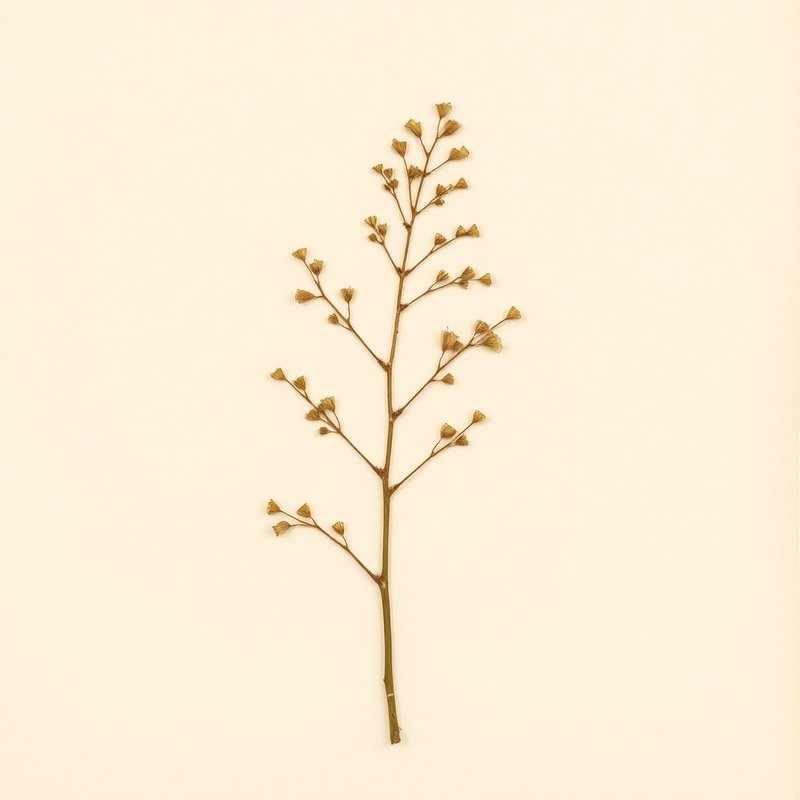
Pl. ABFD — Betula pubescens
Betula pubescensBetula pubescensBetula pubescensBetula pubescensBetula pubescensBetula pubescensBetula pubescensBetula pubescensBetula pubescensBetula pubescensBetula pubescensBetula pubescensBetula pubescensBetula pubescens
IOverview
Overview
White Birch, scientifically known as Betula pubescens, is a deciduous tree native to various European and Asian regions including Altay, Austria, Belarus, and Belgium. This hardy species thrives in diverse habitats such as forests and woodlands, adapting well to light soil types ranging from sandy to clay. Known for its ornamental value with white peeling bark, the White Birch is also valued for its edible parts, which include flowers, inner bark, leaves, and sap. It can grow up to 20 meters in height and prefers full sun with a tolerance for dry, moist, or wet conditions. Its native range extends across Central European Rus, Czechoslovakia, and other regions, making it a versatile addition to gardens and landscapes.
Quick answers
What is White Birch?
White Birch, scientifically known as Betula pubescens, is a deciduous tree native to various European and Asian regions including Altay, Austria, Belarus, and Belgium. This hardy species thrives in diverse habitats such as forests and woodlands, adapting well to light soil types ranging from sandy to clay.
Growingconditions · propagation · uses
VCultivation
Cultivation
White Birch thrives in full sun and can adapt to various soil types, from light sandy to heavy clay, though it prefers medium conditions. It is hardy in temperate regions and grows well in moist to dry environments. To propagate, use seeds or cuttings. The plant reaches a height of 20 meters and its edible parts include flowers, inner bark, leaves, and sap.
Light
Full sun
Water
Dry, Moist, Wet
Soil
Light (sandy), Medium, Heavy (clay)
Mature size
20.0 m tall
For first-time growers
How to grow White Birch for the first time
8steps
Start with planting White Birch saplings for a beginner-friendly project.
- 1
What you'll need
White Birch saplings, garden gloves, spade or shovel.
- 2
Best time to plant
Plant in spring or fall when the soil is moist but not waterlogged.
- 3
Soil and container prep
Choose a location with well-draining soil; amend with compost if necessary.
- 4
Sowing or transplanting
Transplant saplings directly into the garden, spacing them 4-6 meters apart.
- 5
First two weeks
Water regularly to keep the soil moist but not soggy; mulch around the base.
- 6
Ongoing care
Water during dry spells and prune dead or damaged branches as needed.
- 7
Harvest or pruning
Prune in late winter before new growth starts to maintain shape and health.
- 8
Common mistakes
Overwatering, planting too close together, neglecting winter protection.
VIEdible & utility
Edible & utility
Edible parts:FlowersInner barkLeavesSap
Edible uses: Tea
Other uses:AdhesiveCraftingFire starterCompostDyeEssential OilFiberantifungaltextilesPioneerPolishTanninWaterproofingLumberDynamic accumulatorFragrance
Contextrange · companions · related
VIIDistribution
30 native · 0 introduced
Distribution
30 native · 0 introducedDistribution across3 continents· 30 native
Europe16 regions
native (16)AustriaBelarusBelgiumDenmarkFinlandFranceGermanyHungaryIcelandIrelandRussiaSpainSwedenSwitzerlandUkraineUnited Kingdom
Asia2 regions
native (2)IranTurkey
Americas1 region
native (1)Greenland
Broader regions
native:Transcaucasus, Yakutskiya, Yugoslavia, Buryatiya, Altay, Baltic States, Czechoslovakia
IXSpecimen gallery
1 image
Specimen gallery
1 imageXI
Explore further
Companion planting
XII
About this entry
- Last updated
- Citation
- How to cite this entry · Submit a correction
Back to the cataloguePlant id · abfddb05-348a-474d-91b7-6012dabb3664
Decision aid
Choosing between White Birch and something else?
Continue reading
❦❦❦❦
Endpaper · archive updates
Get archive updates
Occasional email when substantial new content lands — plant profiles, seasonal growing notes, folk-remedy additions. Free, no tracking, unsubscribe anytime.