
Savoy cabbage
Brassica oleracea sabaudafam. Brassicaceae
Educational content — not medical, botanical, or professional advice. Always consult a qualified clinician before using any herbal preparation — especially during pregnancy, breastfeeding, while on medication, or for children. How we source & review →
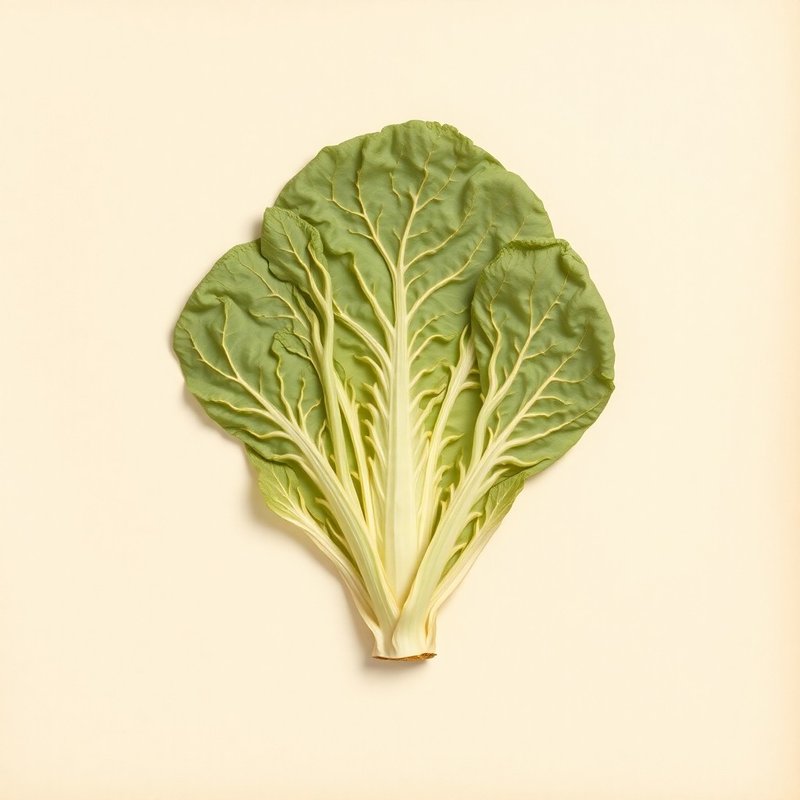
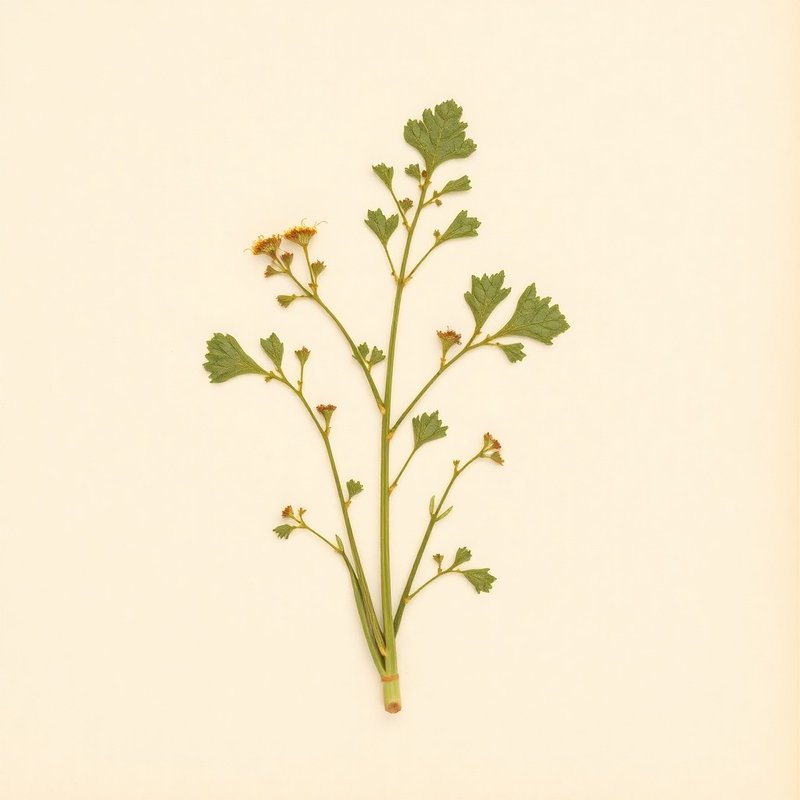
Pl. 4AFC — Brassica oleracea sabauda
Brassica oleracea sabaudaBrassica oleracea sabaudaBrassica oleracea sabaudaBrassica oleracea sabaudaBrassica oleracea sabaudaBrassica oleracea sabaudaBrassica oleracea sabaudaBrassica oleracea sabaudaBrassica oleracea sabaudaBrassica oleracea sabaudaBrassica oleracea sabaudaBrassica oleracea sabaudaBrassica oleracea sabaudaBrassica oleracea sabauda
IOverview
Overview
Savoy cabbage (Brassica oleracea sabauda) is a winter vegetable known for its distinctive crinkled leaves and mild flavor. Native to France, Great Britain, and Spain, this plant thrives in moist, light to heavy soil with a pH of 7–7.5. Savoy cabbage can be propagated by sowing seeds indoors and transplanting them outside. While primarily edible, it also has documented medicinal uses. This annual or biennial grows up to 0.8 meters tall and is hardy in zones 7-11. Its light texture and ability to withstand cooler temperatures make it a valuable addition to winter gardens.
Quick answers
What is Savoy cabbage?
Savoy cabbage (Brassica oleracea sabauda) is a winter vegetable known for its distinctive crinkled leaves and mild flavor. Native to France, Great Britain, and Spain, this plant thrives in moist, light to heavy soil with a pH of 7–7.5.
IV·bMixology suggestions
1 draft
Mixology suggestions
1 draftEditorial drafts. These pairings are AI-suggested from traditional herbal lore. Always verify with a qualified herbalist before brewing.
Digestive Comfort
digestiontincture
Traditional use for digestive issues.
Growingconditions · propagation · uses
VCultivation
Cultivation
Savoy cabbage thrives in a temperate climate with hardiness ranging from zones 7 to 11. It prefers light (sandy), medium, and heavy (clay) soils that are well-drained but moist. The plant requires full sun to partial shade for optimal growth. Sow seeds indoors about six weeks before the last frost date, then transplant them outside once the soil has warmed. Savoy cabbage is an annual or biennial that grows up to 0.8 meters tall and produces edible leaves that can be harvested throughout the growing season. Maintain a soil pH between 7 and 7.5 for best results.
Light
8/10
Water
Moist
Soil
Light (sandy), Medium, Heavy (clay)
Hardiness
7-11
Life cycle
Annual, Biennial
Habit
Forb/herb
Mature size
0.8 m tall
Soil pH
7–7.5
- Propagation
- "Sow seeds indoors and transplant outside
- Seed viability
- 3 to 7 years
For first-time growers
How to grow Savoy cabbage for the first time
7steps
Start with Savoy cabbage for a beginner-friendly winter vegetable.
- 1
What you'll need
Savoy cabbage seeds, small pots or trays, potting soil, and a garden spot that gets full sun.
- 2
Best time to plant
Start indoors about 6-8 weeks before the last frost date in your area.
- 3
Soil and container prep
Use well-draining soil with a pH between 7 and 7.5, ensuring it's light (sandy), medium, or heavy (clay).
- 4
Sowing or transplanting
Sow seeds indoors in small pots, keeping them moist until they germinate. Once seedlings have two true leaves, transplant to the garden after hardening off.
- 5
First two weeks
Keep young plants watered and protected from extreme weather conditions for their first couple of weeks.
- 6
Ongoing care
Water regularly, especially during dry spells. Fertilize lightly every few weeks with a balanced organic fertilizer.
- 7
Harvest or pruning
Prune outer leaves as needed to encourage new growth and harvest inner leaves when they are large enough for use.
VIEdible & utility
Edible & utility
Edible parts:Leaves
Edible uses: The Savoy cabbage, with its tender, crinkled leaves, is often eaten raw in salads or cooked as a side dish. It can also be used to make soups and stews, adding a rich flavor and texture. The leaves are typically harvested from the plant when mature and can be enjoyed fresh or slightly wilted.
Other uses:Dynamic accumulator
Contextrange · companions · related
VIIDistribution
3 native · 27 introduced
Distribution
3 native · 27 introducedDistribution across4 continents· 3 native· 27 introduced
Europe10 regions
native (3)FranceSpainUnited Kingdom
introduced (7)AlbaniaBelarusBelgiumBulgariaPortugalRussiaSpain
Asia3 regions
introduced (3)BangladeshChinaIndia
Americas2 regions
introduced (2)Costa RicaEcuador
Africa2 regions
introduced (2)AlgeriaEthiopia
Broader regions
introduced:Crozet Is., California, Caroline Is., Chatham Is., Chile South, Baltic States, Connecticut, Czechoslovakia, East Himalaya, Easter Is.
IXSpecimen gallery
1 image
Specimen gallery
1 imageXSee also
8 related
See also
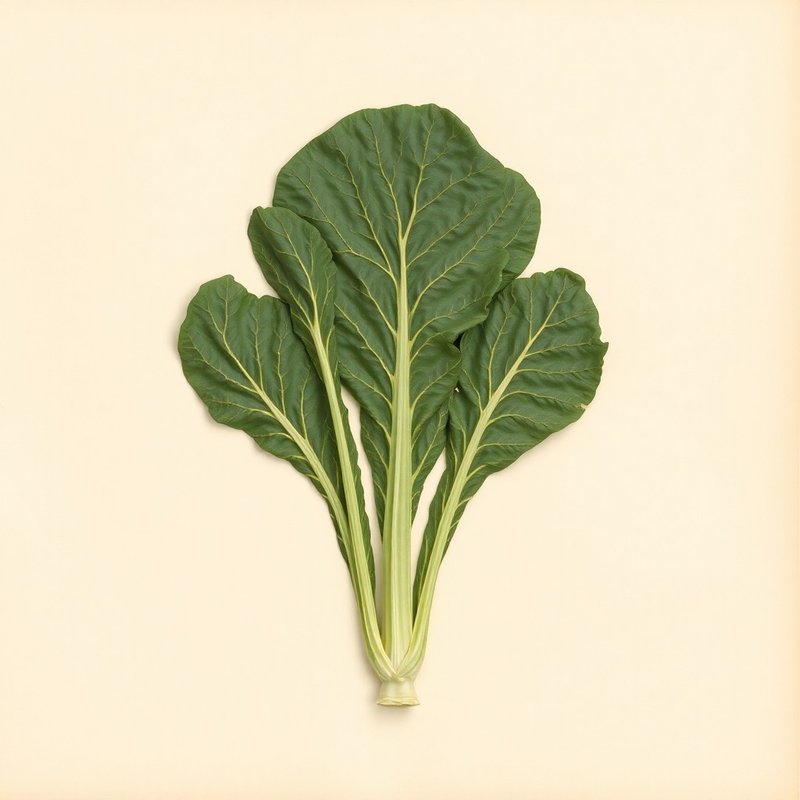
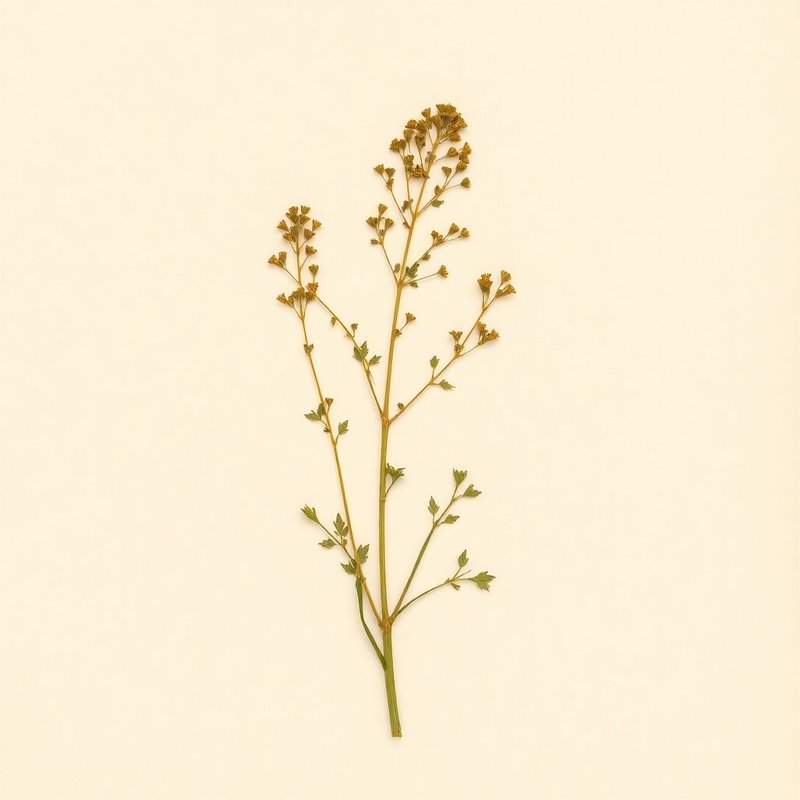
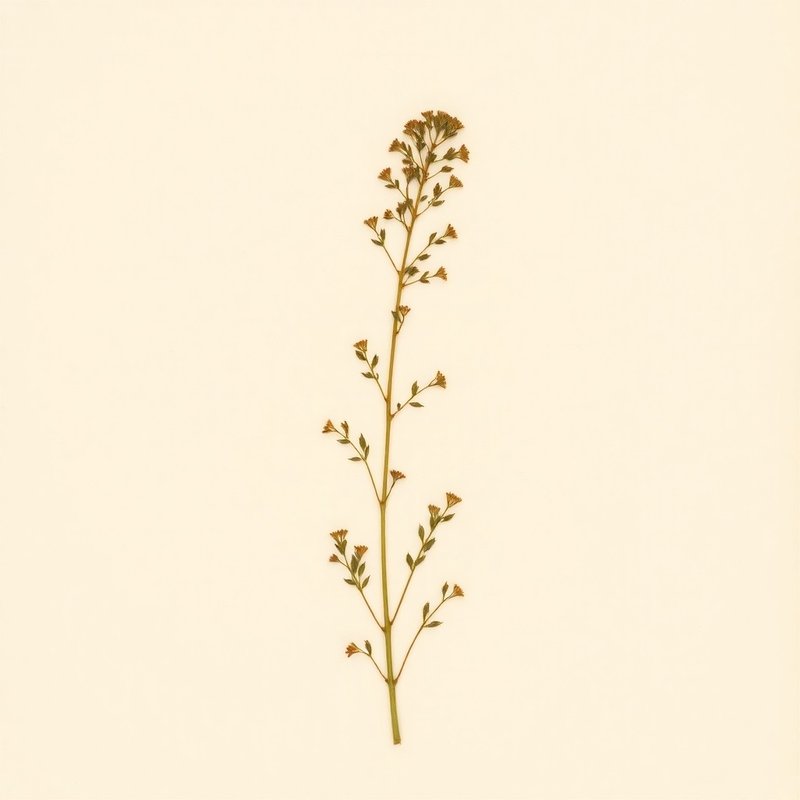
8 relatedPlants you might compare or use together — scored by shared family (Brassicaceae), common use cases, and growing requirements.
same family · Brassicaceae
Botanical relatives — often share phytochemistry + growing needs.
XI
Explore further
Companion planting
Compare with similar plants
Growing zone
XII
About this entry
- Last updated
- Citation
- How to cite this entry · Submit a correction
Back to the cataloguePlant id · 4afc46ba-5328-4043-8f90-0ee628422e90
Decision aid
Choosing between Savoy cabbage and something else?
Continue reading
❦❦❦❦
Endpaper · archive updates
Get archive updates
Occasional email when substantial new content lands — plant profiles, seasonal growing notes, folk-remedy additions. Free, no tracking, unsubscribe anytime.