
Cacalia peltifolia
IOverview
Overview
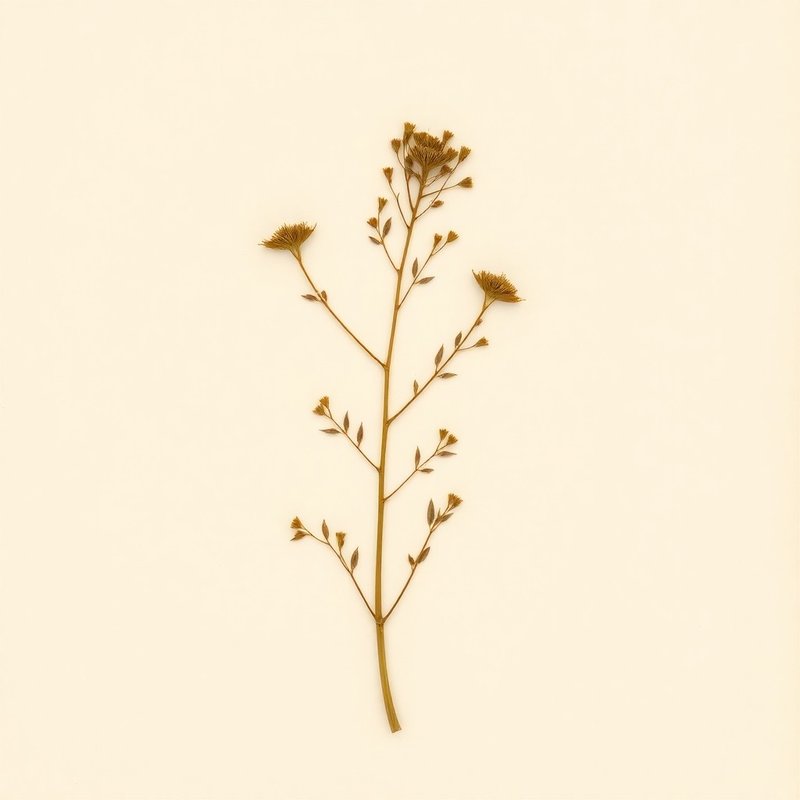
Cacalia peltifolia, a perennial herb native to Japan, is also found in parts of southeastern United States including Alabama, Florida, Georgia, Louisiana, Mississippi, and North Carolina. This plant thrives in moist, wet conditions with light (sandy), medium, or heavy (clay) soil, preferring a pH range of 5.5 to 6.5. Growing up to 1.8 meters tall, it is notable for its edible leaves and shoots, which can be prepared fresh either raw in salads or cooked as a vegetable. These parts can also be dried for later use, making Cacalia peltifolia a valuable resource in certain culinary traditions. This plant is adaptable to various habitats and can serve as an interesting addition to botanical gardens or naturalized areas where moisture levels are consistent. Its growth habit as a forb/herb makes it suitable for partial shade to full sun areas, requiring moderate sunlight. For best results, keep the soil consistently moist. Propagation can be done through seeds or division in spring. While Cacalia peltifolia is not known for medicinal uses, its edible parts make it a useful plant in culinary contexts. As with any wild plant, caution should be exercised when identifying and consuming plants to avoid confusion with lookalikes that may be toxic.
What is Cacalia peltifolia?
Cacalia peltifolia, a perennial herb native to Japan, is also found in parts of southeastern United States including Alabama, Florida, Georgia, Louisiana, Mississippi, and North Carolina. This plant thrives in moist, wet conditions with light (sandy), medium, or heavy (clay) soil, preferring a pH range of 5.
VCultivation
Cultivation
How to grow Cacalia peltifolia for the first time
Start with Cacalia peltifolia by ensuring you have the right conditions and care practices.
- 1
What you'll need
A container or garden bed, seeds or young plants, a trowel, and water.
- 2
Best time to plant
Plant in spring after the last frost or in early fall for best results.
- 3
Soil and container prep
Prepare soil with organic matter; ensure it's moist but well-draining. For containers, use a mix of light (sandy), medium, and heavy soils.
- 4
Sowing or transplanting
Direct sow seeds 1-2 cm deep in the soil or transplant young plants, spacing them about 30 cm apart.
- 5
First two weeks
Water regularly to keep the soil moist but not waterlogged. Monitor for any signs of stress or pests.
- 6
Ongoing care
Provide light shade during hot afternoons, especially in warmer climates. Water when the top inch of soil feels dry.
- 7
Harvest or pruning
Prune dead leaves and shoots to encourage new growth and maintain plant health.
- 8
Common mistakes
Overwatering, planting too deep, neglecting shade in hot weather, and not providing enough organic matter.
VIEdible & utility
Edible & utility
VIIDistribution
9 native · 0 introduced
Distribution
9 native · 0 introducedIXSpecimen gallery
1 image
Specimen gallery
1 imageExplore further
About this entry
- Last updated
- Citation
- How to cite this entry · Submit a correction
Continue reading
Get archive updates
Occasional email when substantial new content lands — plant profiles, seasonal growing notes, folk-remedy additions. Free, no tracking, unsubscribe anytime.