
Clubhair mariposa lily
IOverview
Overview
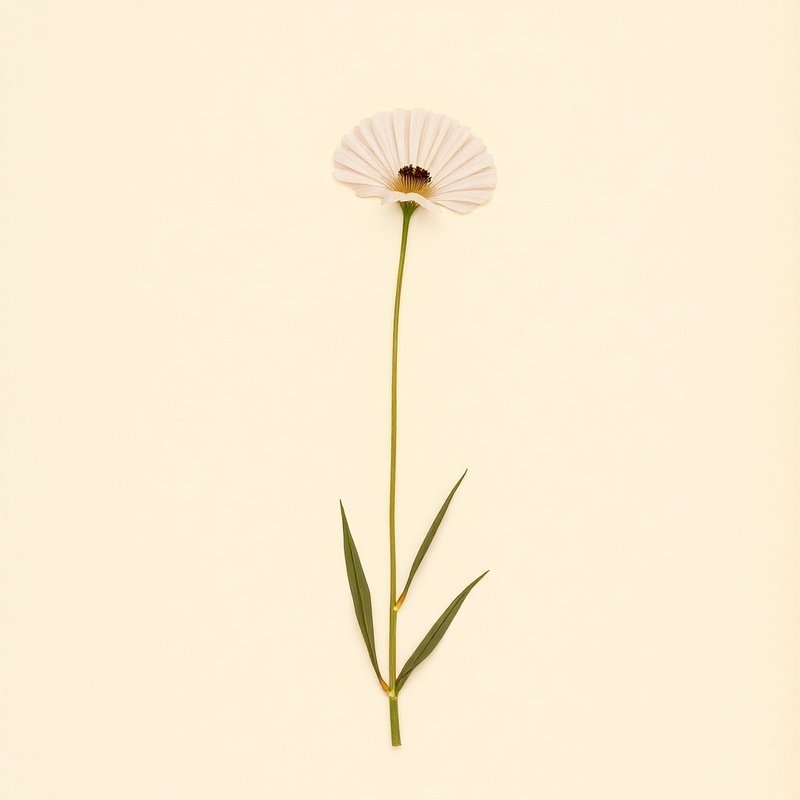
Clubhair mariposa lily (Calochortus clavatus) is a striking wildflower native to California, known for its light and airy form that thrives in full sun. This plant grows up to 1 meter tall and is often found in dry to moist conditions with well-draining soil, ranging from sandy to medium textures. It is hardy in zones 8-10 and is valued not only for its ornamental appeal but also for its edible root, which can be enjoyed when properly prepared. The root is typically dug up and eaten raw or cooked, and can also be dried for later use. Its distinctive feature includes the club-shaped hairs on the flower's stamens, giving it a unique appearance among other mariposa lilies. Traditionally, the clubhair mariposa lily has been used in Native American medicine to aid digestion. The root is often prepared as a decoction and consumed after meals. Additionally, this plant has been traditionally used to support immune health, with the root prepared as a decoction and consumed regularly during cold seasons. While the plant is edible and has medicinal uses, it is important to note that these uses should be approached with caution and under the guidance of a knowledgeable practitioner.
What is Clubhair mariposa lily?
Clubhair mariposa lily (Calochortus clavatus) is a striking wildflower native to California, known for its light and airy form that thrives in full sun. This plant grows up to 1 meter tall and is often found in dry to moist conditions with well-draining soil, ranging from sandy to medium textures.
What is Clubhair mariposa lily used for?
Traditionally used for digestion, immune support. Each claim is evidence-rated — see Section II for full citations.
IIBenefits & evidence
2 claims · traditional-use context
Benefits & evidence
2 claims · traditional-use context- Clubhair mariposa lily has been traditionally used in Native American medicine to aid digestion. The root is often prepared as a decoction and consumed after meals.
The mechanism by which Calochortus aids digestion is not fully characterised but may involve compounds that help regulate digestive processes or alleviate discomfort.
▲ ModerateDigestion → - Calochortus species, including Clubhair mariposa lily, have been traditionally used in Native American medicine to support immune health. The root is often prepared as a decoction and consumed regularly during cold seasons.
The mechanism by which Calochortus supports the immune system is not fully characterised but may involve compounds that modulate inflammatory responses or enhance immune cell activity.
▲ ModerateImmune support →
IV·bMixology suggestions
1 draft
Mixology suggestions
1 draftVCultivation
Cultivation
How to grow Clubhair mariposa lily for the first time
Start with planting Clubhair mariposa lily in a sunny spot and follow these simple steps for success.
- 1
What you'll need
Clubhair mariposa lily bulbs, well-draining soil, mulch.
- 2
Best time to plant
Plant bulbs in fall, around September or October.
- 3
Soil and container prep
Ensure the soil is light (sandy) to medium with good drainage. Amend if necessary.
- 4
Sowing or transplanting
Bury bulbs 2-3 times their depth, spacing them about 15 cm apart.
- 5
First two weeks
Keep the soil moist but not waterlogged during this period. Avoid overwatering.
- 6
Ongoing care
Water sparingly in dry periods and mulch to retain moisture. Fertilize lightly if needed.
- 7
Harvest or pruning
After flowering, allow the foliage to die back naturally before removing it.
- 8
Common mistakes
Overwatering, planting too deep, neglecting to mulch.
VIEdible & utility
Edible & utility
VIIDistribution
1 native · 0 introduced
Distribution
1 native · 0 introducedIXSpecimen gallery
1 image
Specimen gallery
1 imageXSee also
8 related
See also
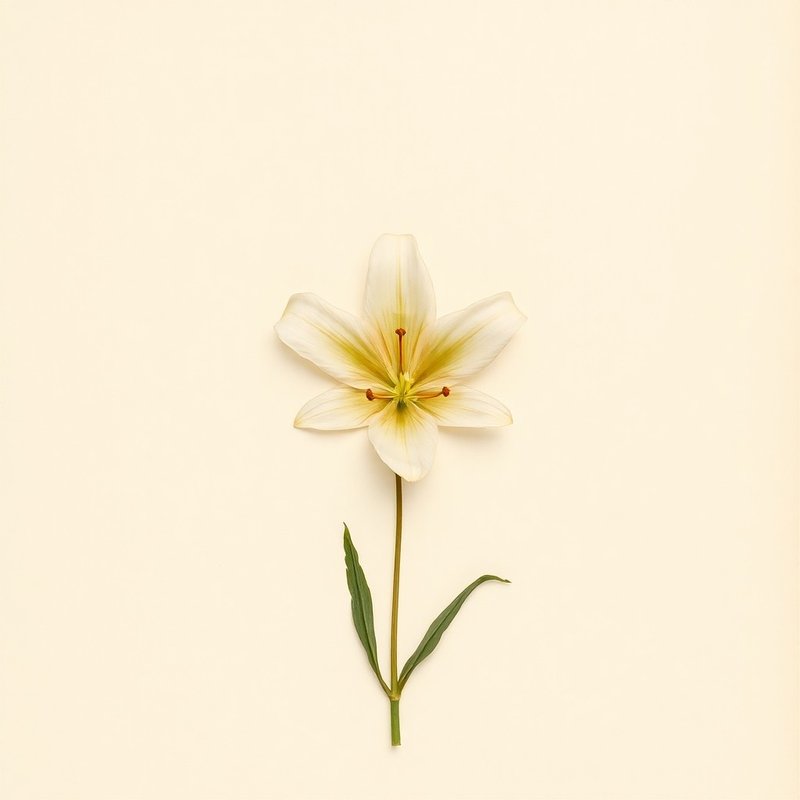
8 relatedPlants you might compare or use together — scored by shared family (Liliaceae), common use cases, and growing requirements.


Explore further
About this entry
- Last updated
- Citation
- How to cite this entry · Submit a correction
Continue reading
Get archive updates
Occasional email when substantial new content lands — plant profiles, seasonal growing notes, folk-remedy additions. Free, no tracking, unsubscribe anytime.