
Camellia
Camellia chekiangoleosafam. Theaceae
Educational content — not medical, botanical, or professional advice. Always consult a qualified clinician before using any herbal preparation — especially during pregnancy, breastfeeding, while on medication, or for children. How we source & review →
Garden journal pausedUse profile notes below
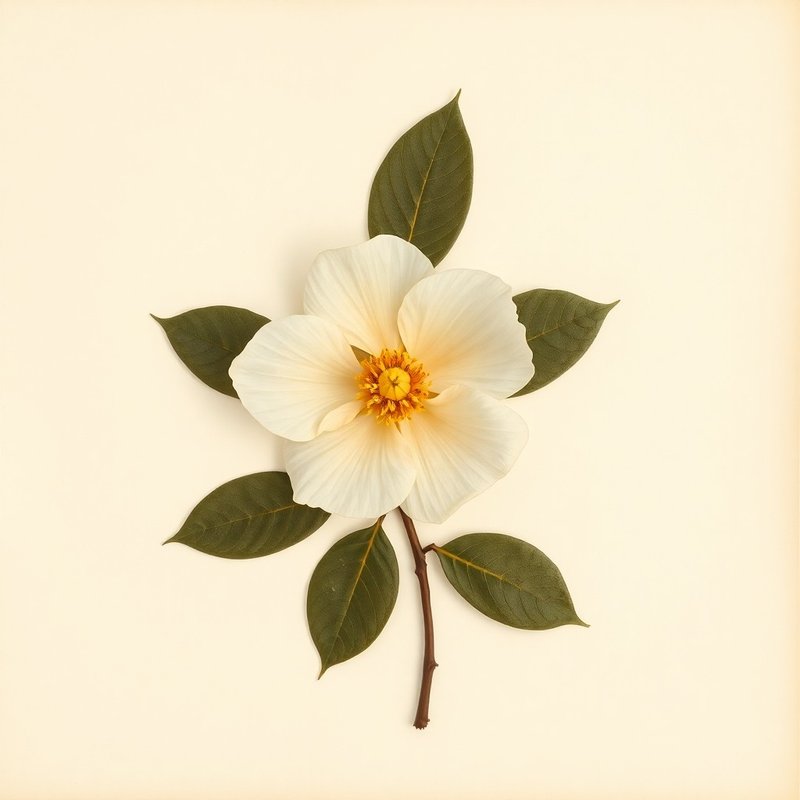
Pl. AD84 — Camellia chekiangoleosa
Camellia chekiangoleosaCamellia chekiangoleosaCamellia chekiangoleosaCamellia chekiangoleosaCamellia chekiangoleosaCamellia chekiangoleosaCamellia chekiangoleosaCamellia chekiangoleosaCamellia chekiangoleosaCamellia chekiangoleosaCamellia chekiangoleosaCamellia chekiangoleosaCamellia chekiangoleosaCamellia chekiangoleosa
IOverview
Overview
Camellia chekiangoleosa is a light-loving shrub or small tree native to the southeastern regions of China. This camellia species is known for its ornamental value and culinary uses, thriving in moist, well-drained soils that are typically sandy or medium-textured. It can grow up to 6 meters tall and prefers full sun to partial shade, making it adaptable to various light conditions. The plant has been utilized both medicinally and as an edible source, making it a versatile addition to gardens and landscapes. Its distinctive feature is its adaptability to various light conditions while maintaining a moderate hardiness range of zones 7-10. While not recommended for medicinal use without professional guidance, the plant's oil is a valued utility. Camellia chekiangoleosa thrives in partial sun to full sun, preferring moist, well-draining soil that is light (sandy) or medium in texture. It is hardy in zones 7-10, making it suitable for temperate regions. Regular watering is essential to maintain its health, and it can grow up to 6 meters tall. For propagation, use cuttings or layering methods.
Quick answers
What is Camellia?
Camellia chekiangoleosa is a light-loving shrub or small tree native to the southeastern regions of China. This camellia species is known for its ornamental value and culinary uses, thriving in moist, well-drained soils that are typically sandy or medium-textured.
IV·bMixology suggestions
2 drafts
Mixology suggestions
2 draftsEditorial drafts. These pairings are AI-suggested from traditional herbal lore. Always verify with a qualified herbalist before brewing.
Stress Relief
stresstincture
Historically used for calming effects.
Growingconditions · propagation · uses
VCultivation
Cultivation
Camellia chekiangoleosa thrives in partial sun to full sun, preferring moist, well-draining soil that is light (sandy) or medium in texture. It is hardy in zones 7-10, making it suitable for temperate regions. Regular watering is essential to maintain its health, and it can grow up to 6 meters tall. For propagation, use cuttings or layering methods.
Light
Full sun, Partial sun/shade
Water
Moist
Soil
Light (sandy), Medium
Hardiness
7-10
Mature size
6.0 m tall
For first-time growers
How to grow Camellia for the first time
7steps
Start with a simple planting of Camellia chekiangoleosa to enjoy its beauty and learn about basic care.
- 1
What you'll need
A young Camellia chekiangoleosa plant, well-draining soil, and a container or garden spot with the right conditions.
- 2
Best time to plant
Plant in spring when temperatures are mild but not too hot.
- 3
Soil and container prep
Ensure the soil is light (sandy) to medium and well-draining. For containers, use a pot with drainage holes and fill it with suitable potting mix.
- 4
Sowing or transplanting
Transplant young plants from nursery pots into your prepared garden bed or container.
- 5
First two weeks
Water the plant regularly to keep the soil moist but not waterlogged. Avoid direct sunlight during this period.
- 6
Ongoing care
Provide partial sun/shade, regular watering, and light pruning as needed to maintain shape and health.
- 7
Harvest or pruning
Prune in late winter or early spring to encourage new growth and maintain the plant's size.
VIEdible & utility
Edible & utility
Edible uses: Oil
Other uses:oil
Contextrange · companions · related
VIIDistribution
1 native · 0 introduced
Distribution
1 native · 0 introducedDistribution across1 continent· 1 native
Asia1 region
native (1)China
IXSpecimen gallery
1 image
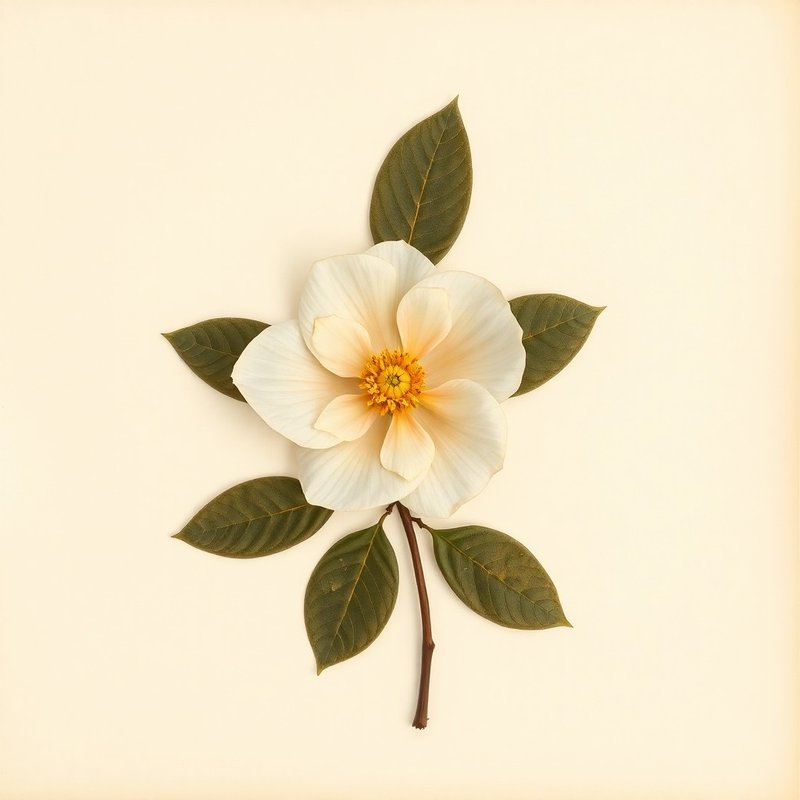
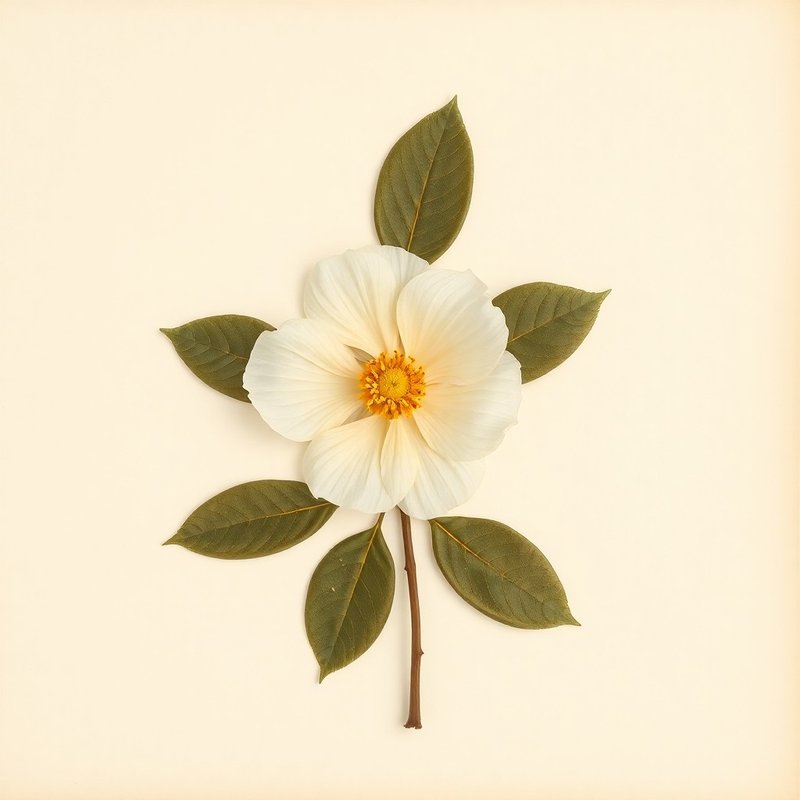
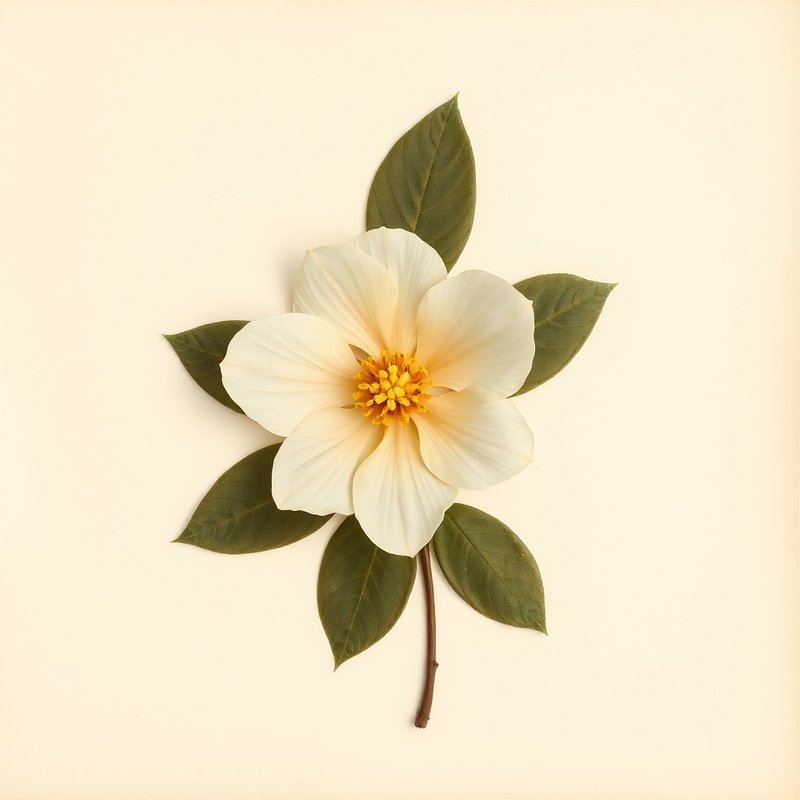
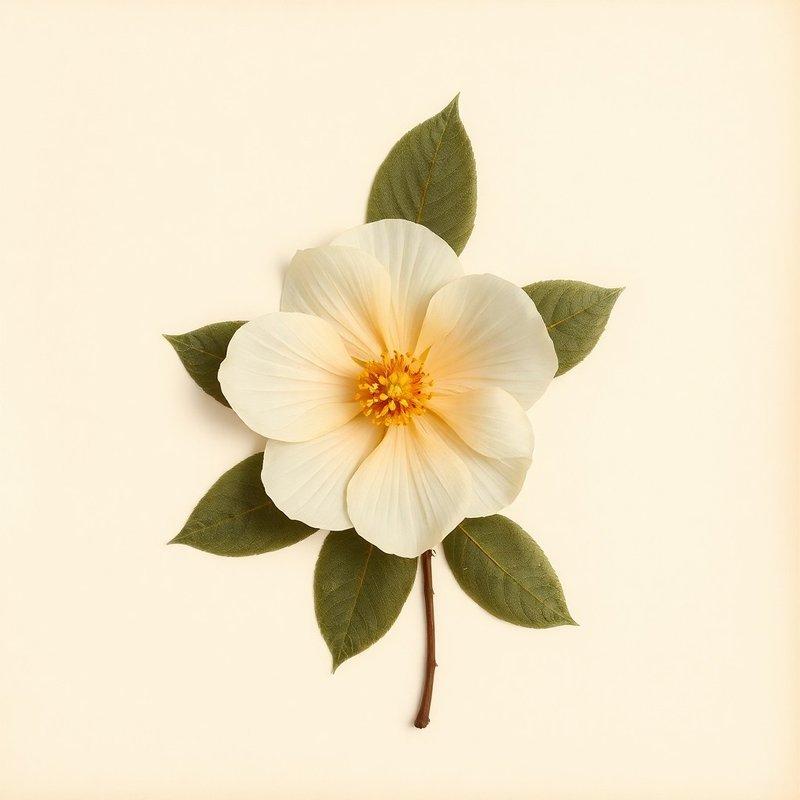
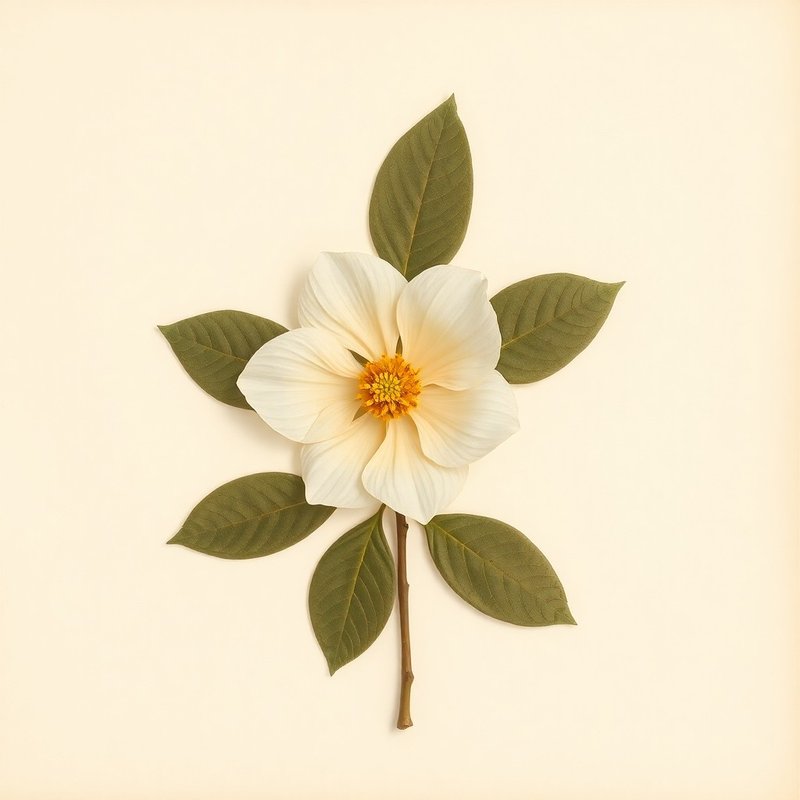
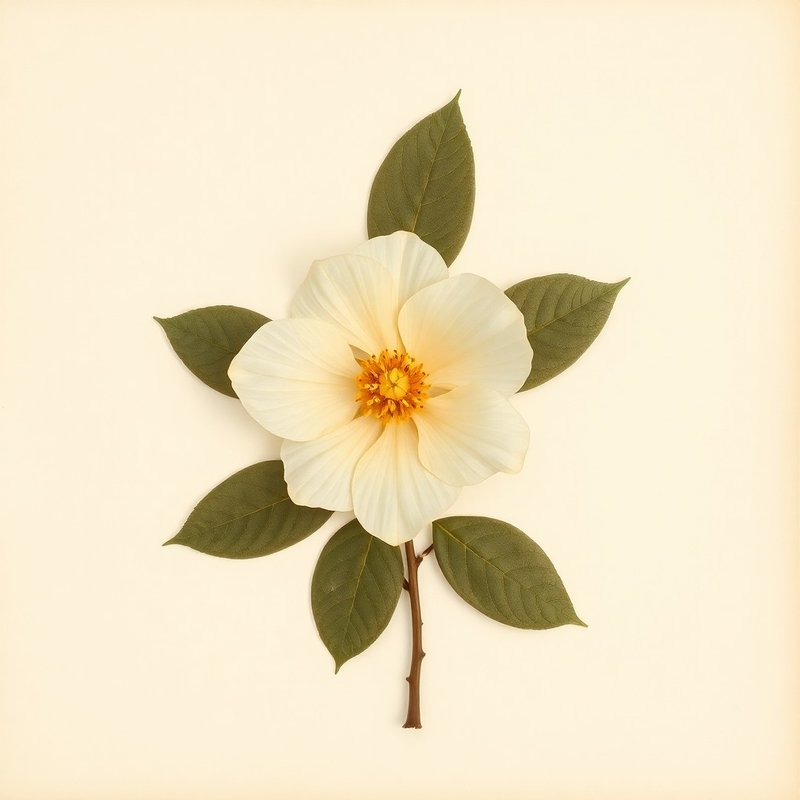
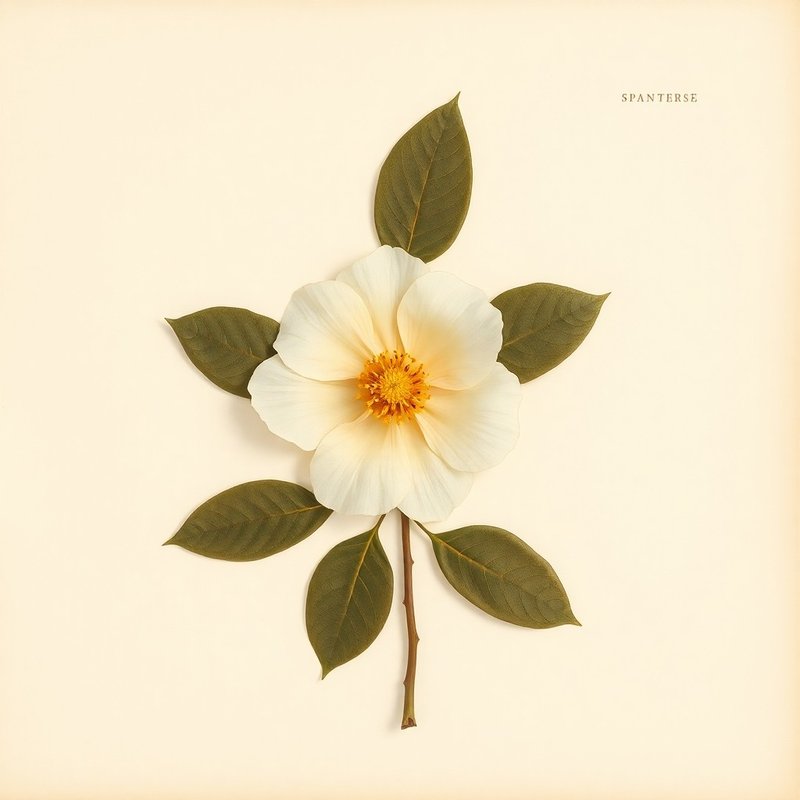
Specimen gallery
1 imageXSee also
7 related
See also
7 relatedPlants you might compare or use together — scored by shared family (Theaceae), common use cases, and growing requirements.
same family · Theaceae
Botanical relatives — often share phytochemistry + growing needs.
XI
Explore further
Companion planting
Compare with similar plants
Growing zone
Native to
XII
About this entry
- Last updated
- Citation
- How to cite this entry · Submit a correction
Back to the cataloguePlant id · ad84d9f8-962b-4690-b96e-ef373ed8194a
Decision aid
Choosing between Camellia and something else?
Continue reading
❦❦❦❦
Endpaper · archive updates
Get archive updates
Occasional email when substantial new content lands — plant profiles, seasonal growing notes, folk-remedy additions. Free, no tracking, unsubscribe anytime.
Newsletter returning soon.
We are rebuilding the update list around a lightweight editorial workflow. New dispatches will resume after the next content review cycle.