
Canterbury Bells
IOverview
Overview
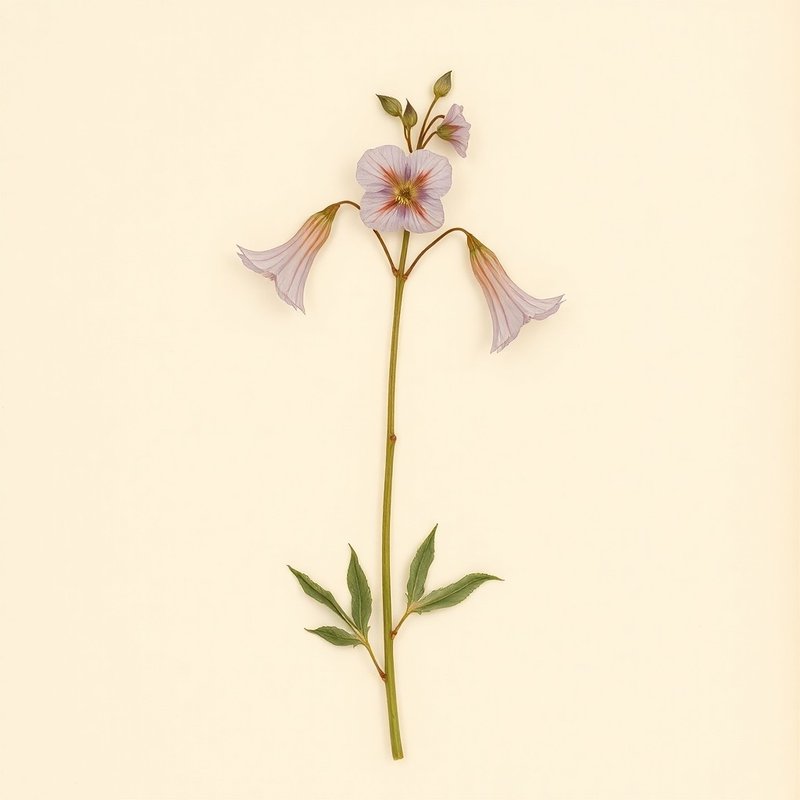
Canterbury Bells (Campanula medium) is a biennial plant belonging to the Campanulaceae family and is native to France and Italy. Known for its ornamental value, this plant features distinctive light blue or white bell-shaped flowers that hang in clusters, making it a popular addition to gardens and borders. It thrives in moist, well-drained soil with a pH of 7–7.5, preferring light (sandy) and medium soils. The plant is hardy in zones 6-8, reaching heights of up to 1.2 meters. Canterbury Bells are not only appreciated for their beauty but also have edible and medicinal uses. The leaves, shoots, and roots can be consumed, often added to salads, soups, or stews for a mild flavor. Documented traditional practices utilize the plant for its therapeutic properties, though specific medical effects and dosages should be determined by a healthcare professional. The plant is adaptable, having been introduced into various regions including Austria, British Columbia, Bulgaria, and New Zealand, among others. For best results, plant Canterbury Bells in light to partial shade and ensure the soil remains consistently moist but not overly wet. Regular watering is essential, and the plant can be propagated by seed or division of mature plants.
What is Canterbury Bells?
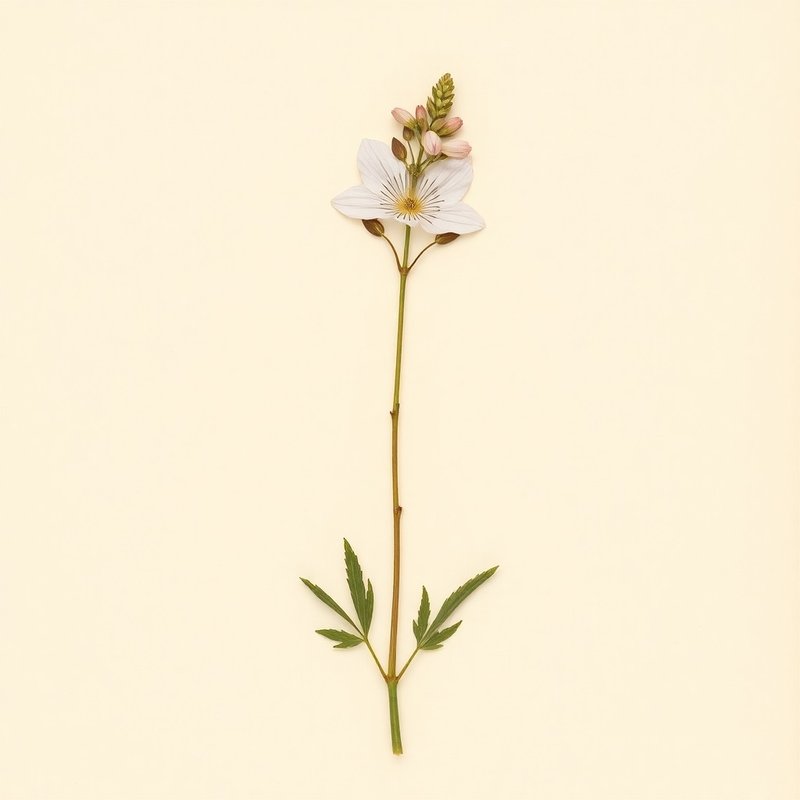
Canterbury Bells (Campanula medium) is a biennial plant belonging to the Campanulaceae family and is native to France and Italy. Known for its ornamental value, this plant features distinctive light blue or white bell-shaped flowers that hang in clusters, making it a popular addition to gardens and borders.
IV·bMixology suggestions
1 draft
Mixology suggestions
1 draftVCultivation
Cultivation
How to grow Canterbury Bells for the first time
Start with easy-to-grow Canterbury Bells for a rewarding beginner gardening experience.
- 1
What you'll need
Seeds or young plants, a small trowel, and a watering can.
- 2
Best time to plant
Plant in spring after the last frost or in early fall for best results.
- 3
Soil and container prep
Ensure soil is well-draining with a pH of 7–7.5, and prepare containers at least 30 cm deep.
- 4
Sowing or transplanting
Direct sow seeds in the garden or start them indoors 6-8 weeks before planting outside.
- 5
First two weeks
Water regularly to keep soil moist, and protect young plants from extreme weather conditions.
- 6
Ongoing care
Provide light shade during hot afternoons, and water when the top inch of soil feels dry.
- 7
Harvest or pruning
Prune spent flowers to encourage more blooms and maintain plant shape.
- 8
Common mistakes
Overwatering, planting in heavy soil, neglecting to provide light shade during hot weather.
VIEdible & utility
Edible & utility
VIIDistribution
2 native · 22 introduced
Distribution
2 native · 22 introducedIXSpecimen gallery
1 image
Specimen gallery
1 imageXSee also
8 related
See also
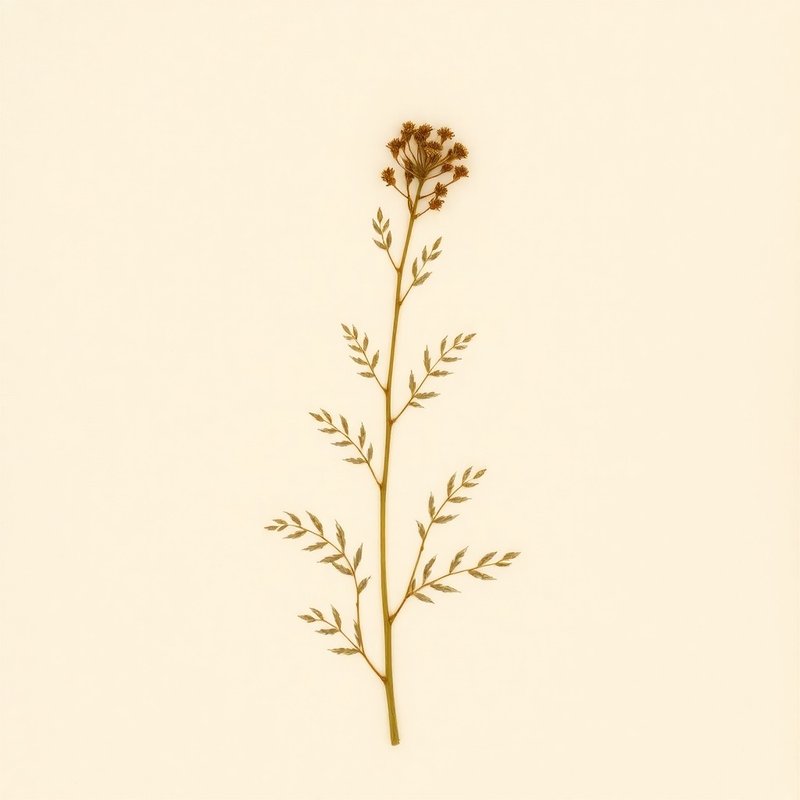
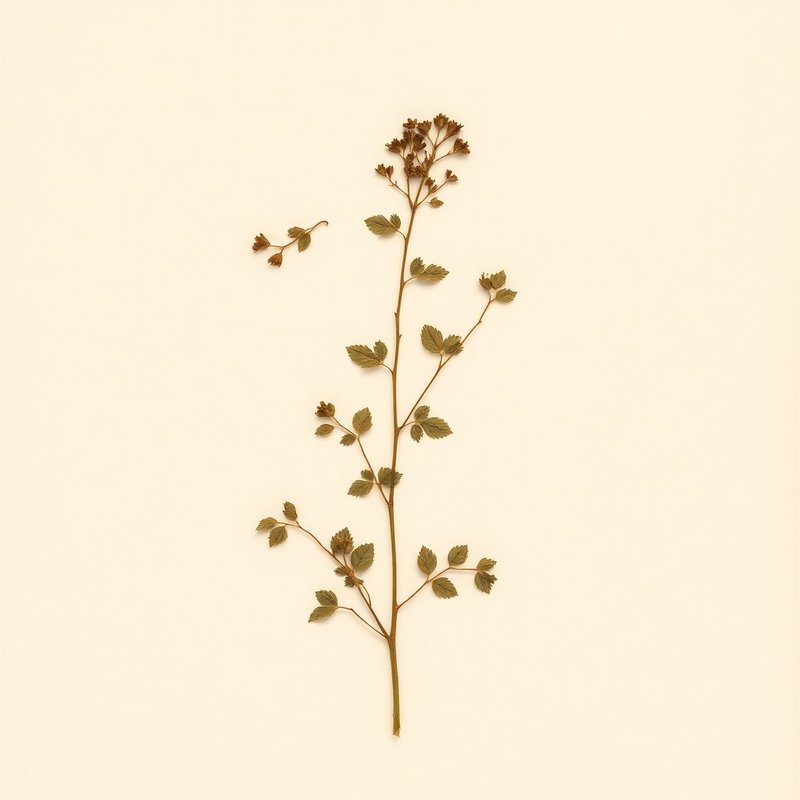
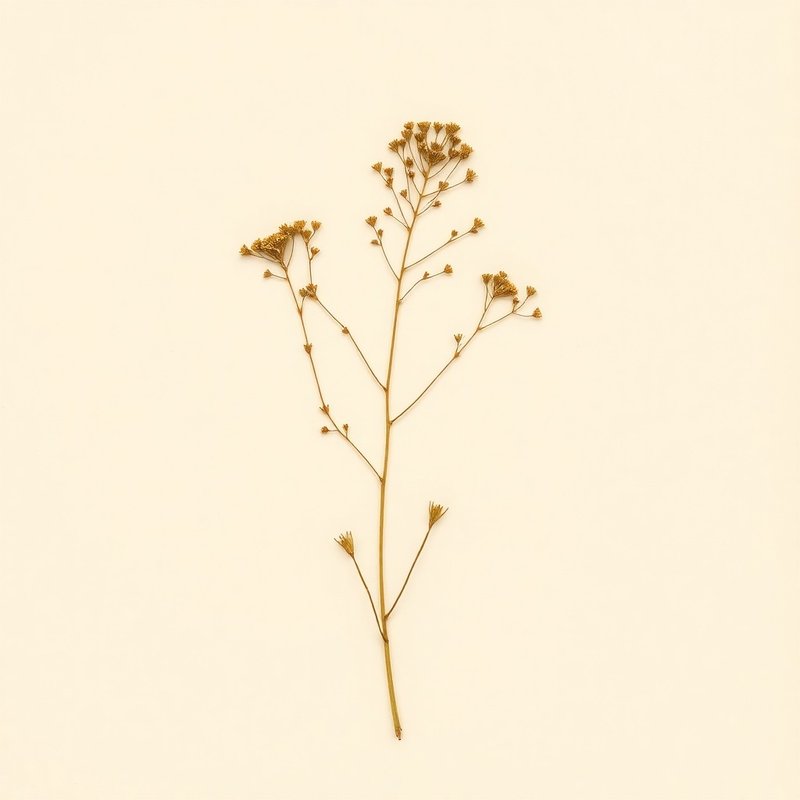
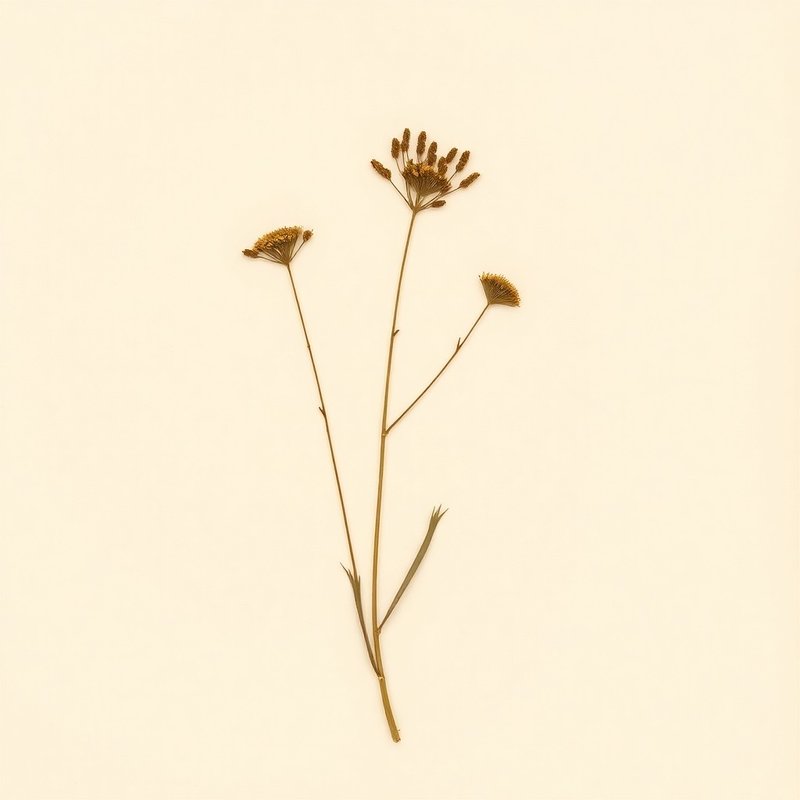
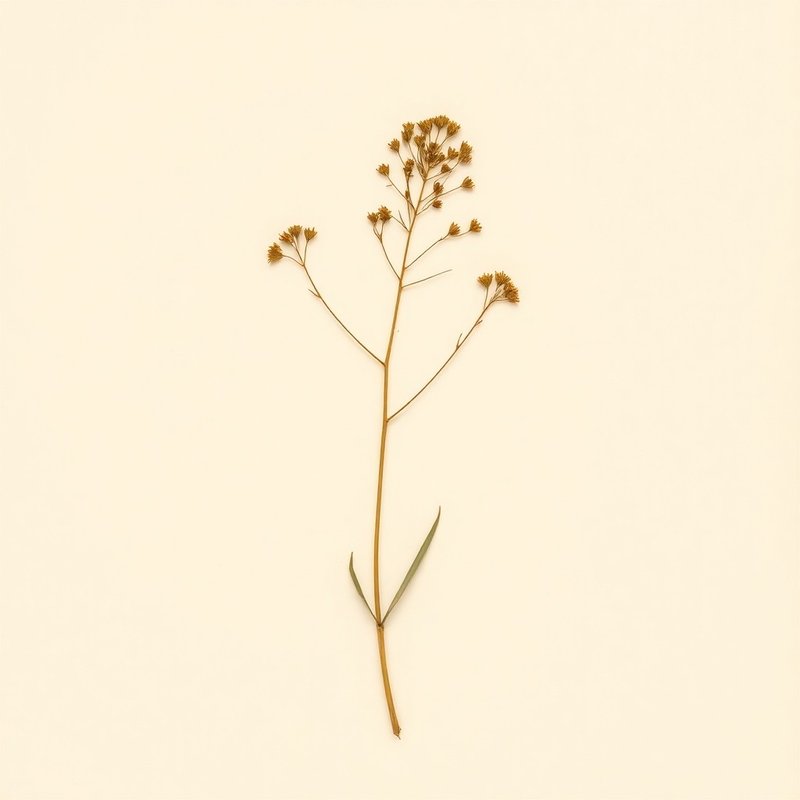
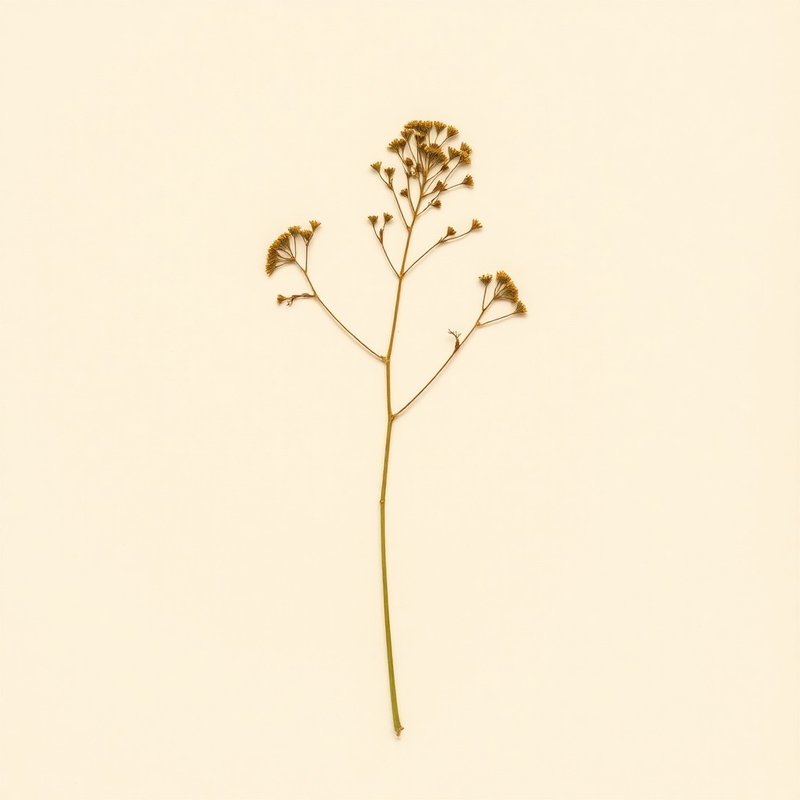
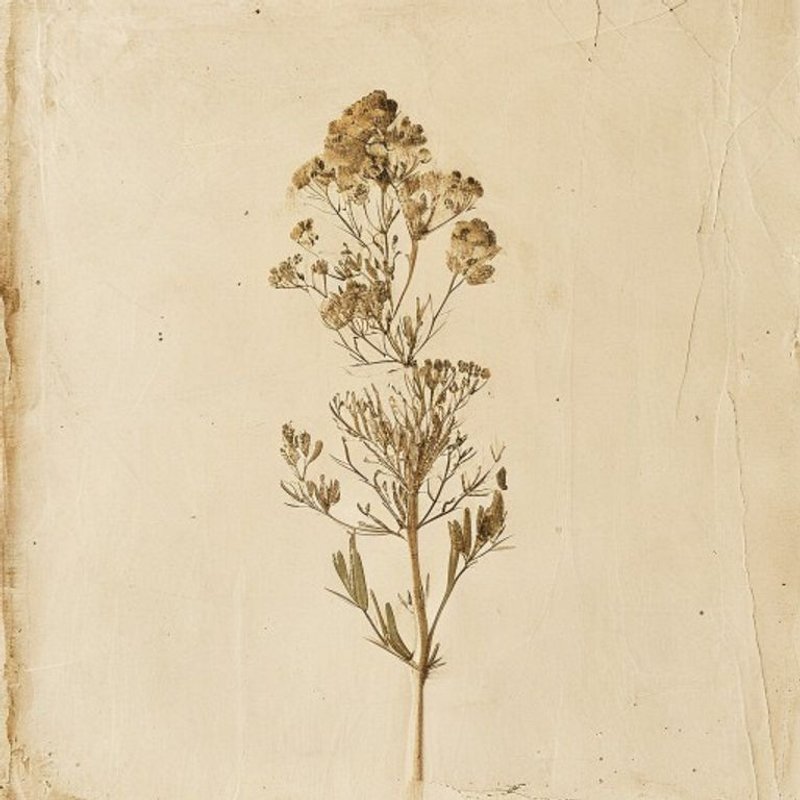
8 relatedPlants you might compare or use together — scored by shared family (Lamiaceae), common use cases, and growing requirements.
Explore further
About this entry
- Last updated
- Citation
- How to cite this entry · Submit a correction
Continue reading
Get archive updates
Occasional email when substantial new content lands — plant profiles, seasonal growing notes, folk-remedy additions. Free, no tracking, unsubscribe anytime.