
Caper
Capparis spinosa
Educational content — not medical, botanical, or professional advice. Plant identification, safety, and edibility depend on local conditions, cultivars, and correct identification. Consult a qualified botanist or forager before consuming or handling wild specimens. How we source & review →
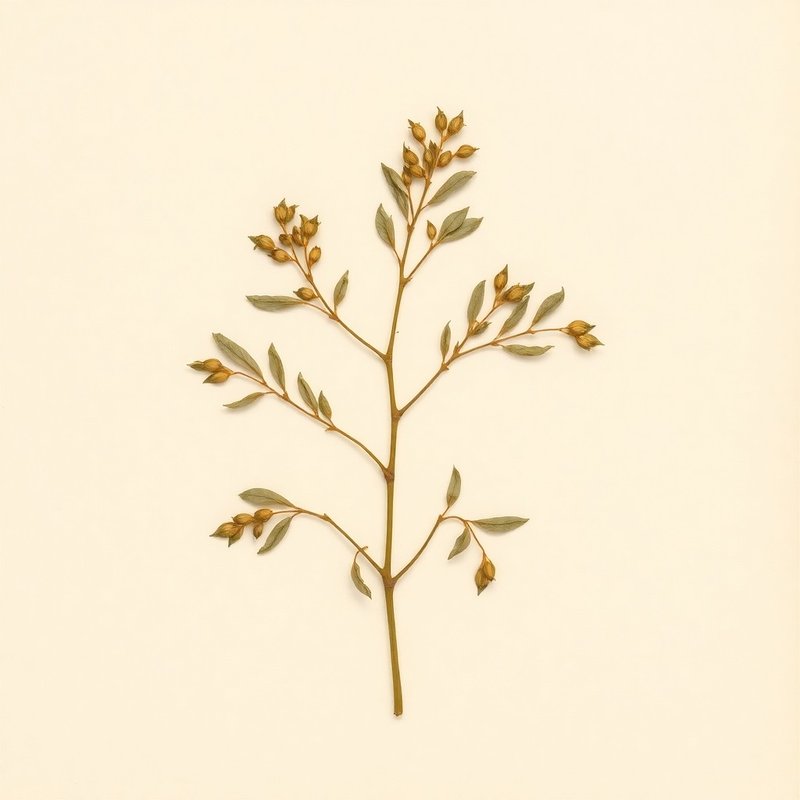
Pl. 9022 — Capparis spinosa
Capparis spinosaCapparis spinosaCapparis spinosaCapparis spinosaCapparis spinosaCapparis spinosaCapparis spinosaCapparis spinosaCapparis spinosaCapparis spinosaCapparis spinosaCapparis spinosaCapparis spinosaCapparis spinosa
IOverview
Overview
Capparis spinosa, commonly known as caper, is a shrub native to regions including Afghanistan, Albania, Algeria, and the Baleares. This plant thrives in diverse climates across North Africa, the Middle East, and parts of Asia. Known for its edible flowers, which are often used in culinary dishes, capers also have ornamental value due to their distinctive thorny branches and vibrant blooms. The plant prefers light, medium, or heavy soil with a pH between 7 and 7.5, thriving in dry to moist conditions. Capers grow up to 1 meter tall and are hardy in zones 8-10, making them adaptable to various environments within their native range.
Quick answers
What is Caper?
Capparis spinosa, commonly known as caper, is a shrub native to regions including Afghanistan, Albania, Algeria, and the Baleares. This plant thrives in diverse climates across North Africa, the Middle East, and parts of Asia.
Growingconditions · propagation · uses
VCultivation
Cultivation
Caper thrives in well-drained soils of light (sandy), medium, and heavy (clay) types with a pH between 7 and 7.5. It prefers dry to moist conditions and requires full sun to partial shade, with an ideal light level of 6/10. The plant is hardy in temperate regions, tolerating temperatures down to zones 8-10. For propagation, use seeds or cuttings. Water capers regularly but avoid overwatering, as they prefer dry conditions. Trim the plant to maintain its shape and encourage flowering. Harvest the edible flowers for culinary use.
Light
6/10
Water
Dry, Moist
Soil
Light (sandy), Medium, Heavy (clay)
Hardiness
8-10
Mature size
1.0 m tall
Soil pH
7–7.5
For first-time growers
How to grow Caper for the first time
8steps
Start with a simple planting of capers in well-draining soil for a rewarding beginner project.
- 1
What you'll need
Caper seeds or small plants, potting mix suitable for cacti and succulents, containers with drainage holes.
- 2
Best time to plant
Plant in spring when the soil has warmed up, or in autumn before the first frost.
- 3
Soil and container prep
Use a well-draining potting mix that is slightly acidic to neutral. Ensure containers have adequate drainage holes.
- 4
Sowing or transplanting
Direct sow seeds 1 cm deep, or transplant small plants into the prepared soil, spacing them about 30-45 cm apart.
- 5
First two weeks
Keep the soil consistently moist but not waterlogged. Place in a sunny spot and avoid direct midday sun for now.
- 6
Ongoing care
Water sparingly, allowing the top inch of soil to dry out between waterings. Provide full sun exposure and regular pruning to maintain shape.
- 7
Harvest or pruning
Prune in late winter or early spring to encourage new growth and remove any dead or damaged branches.
- 8
Common mistakes
Overwatering, planting in heavy soil, not providing enough sunlight, neglecting to prune regularly.
VIEdible & utility
Edible & utility
Edible parts:flowers
Edible uses: Condiment
Other uses:CosmeticFragrance
Contextrange · companions · related
VIIDistribution
30 native · 0 introduced
Distribution
30 native · 0 introducedDistribution across4 continents· 30 native
Europe7 regions
native (7)AlbaniaCyprusFranceGreeceItalySpainUkraine
Asia5 regions
native (5)IndiaIranIraqKazakhstanNepal
Africa5 regions
native (5)AlgeriaChadEgyptLibyaMorocco
Oceania2 regions
native (2)FijiNauru
Broader regions
native:Caroline Is., Cook Is., East Aegean Is., Kirgizstan, Kriti, Lebanon-Syria, Lesser Sunda Is., Marianas, Marshall Is., Gulf States
IXSpecimen gallery
1 image
Specimen gallery
1 imageXI
Explore further
Companion planting
Growing zone
XII
About this entry
- Last updated
- Citation
- How to cite this entry · Submit a correction
Back to the cataloguePlant id · 9022ddc4-a598-4dd9-b975-7e3d06746705
Decision aid
Choosing between Caper and something else?
Continue reading
❦❦❦❦
Endpaper · archive updates
Get archive updates
Occasional email when substantial new content lands — plant profiles, seasonal growing notes, folk-remedy additions. Free, no tracking, unsubscribe anytime.