
Capsicum pubescens
Capsicum pubescensfam. Solaneae
Educational content — not medical, botanical, or professional advice. Always consult a qualified clinician before using any herbal preparation — especially during pregnancy, breastfeeding, while on medication, or for children. How we source & review →
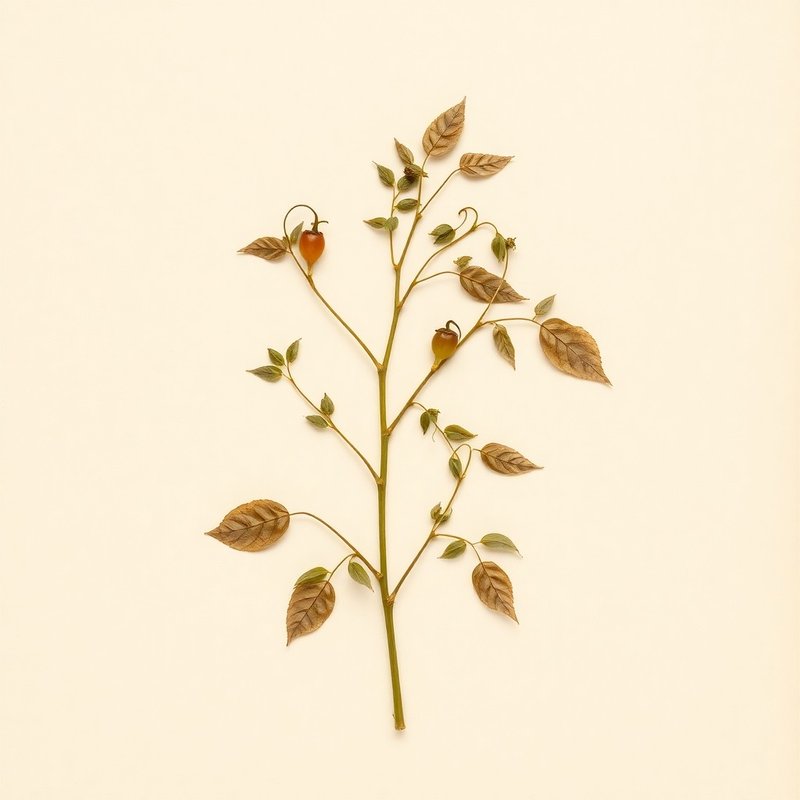
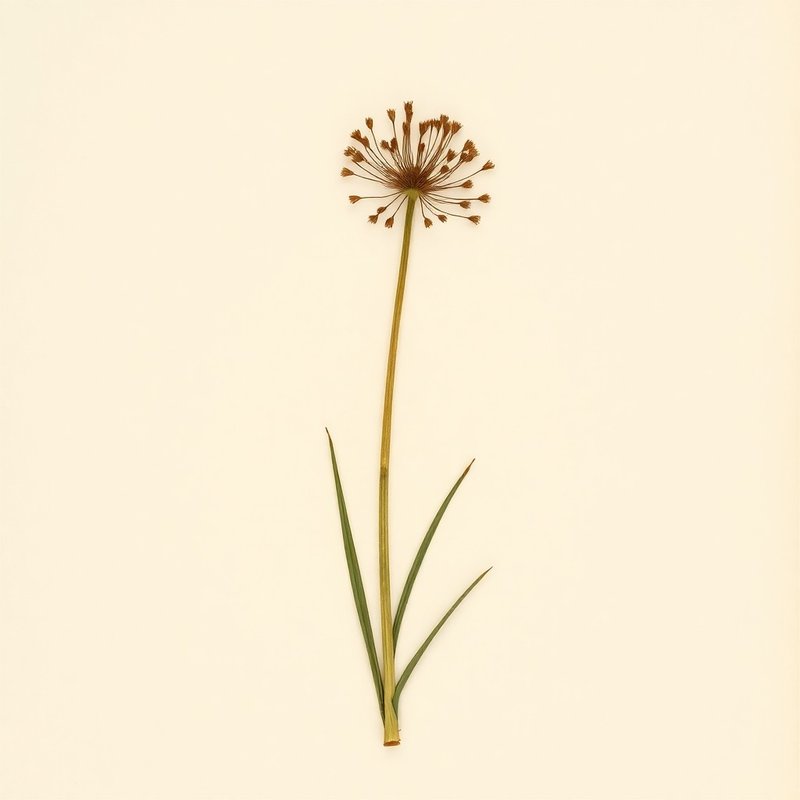
Pl. 4D95 — Capsicum pubescens
Capsicum pubescensCapsicum pubescensCapsicum pubescensCapsicum pubescensCapsicum pubescensCapsicum pubescensCapsicum pubescensCapsicum pubescensCapsicum pubescensCapsicum pubescensCapsicum pubescensCapsicum pubescensCapsicum pubescensCapsicum pubescens
IOverview
Overview
Capsicum pubescens, known as the tree chili or puya pepper, is a perennial plant native to Bolivia, Ecuador, and Peru. This member of the nightshade family (Solanaceae) thrives in full sun with moist soil that can be light (sandy), medium, or heavy (clay). It grows up to 3 meters tall and is hardy in zones 8-11. The plant is notable for its edible fruit, which makes it a valuable addition to the garden for those interested in growing peppers. Its distinctive feature includes fine hairs covering much of the plant, giving it a soft, fuzzy appearance.
Quick answers
What is Capsicum pubescens?
Capsicum pubescens, known as the tree chili or puya pepper, is a perennial plant native to Bolivia, Ecuador, and Peru. This member of the nightshade family (Solanaceae) thrives in full sun with moist soil that can be light (sandy), medium, or heavy (clay).
What is Capsicum pubescens used for?
Traditionally used for immune support, digestion. Each claim is evidence-rated — see Section II for full citations.
Best for
Top 2 evidence-ranked uses of Capsicum pubescens
Clinicaluses · safety · chemistry · dosagemedicinal profile
IIBenefits & evidence
2 claims · 0 sources
Benefits & evidence
2 claims · 0 sources- Capsicum pubescens is traditionally used in South American herbal medicine to support the immune system, particularly during cold and flu season. Its warming properties are believed to help clear congestion.
The capsaicinoids found in Capsicum species have anti-inflammatory effects and may stimulate the release of endorphins, which can enhance overall well-being and immune function.
- Capsicum pubescens, commonly known as rocoto pepper, has been traditionally used in Andean medicine for digestive issues such as bloating and indigestion. Its spicy nature is believed to stimulate gastric secretions.
The active compounds capsaicinoids in Capsicum species are thought to increase the production of stomach acid and improve digestion by stimulating nerve endings in the mouth and throat, leading to increased salivation and digestive enzyme secretion.
IV·bMixology suggestions
1 draft
Mixology suggestions
1 draftEditorial drafts. These pairings are AI-suggested from traditional herbal lore. Always verify with a qualified herbalist before brewing.
Capsicum pubescens support blend
generaltea
AI returned a direct ingredient list; normalized into one draft blend for editorial review.
Growingconditions · propagation · uses
VCultivation
Cultivation
Capsicum pubescens thrives in full sun and prefers moist soil that is light (sandy), medium, or heavy (clay). It can grow up to 3 meters tall and is perennial in temperate regions with hardiness zones of 8-11. Propagate through seeds for fruiting parts that are edible.
Light
Full sun
Water
Moist
Soil
Light (sandy), Medium, Heavy (clay)
Hardiness
8-11
Life cycle
Perennial
Mature size
3.0 m tall
For first-time growers
How to grow Capsicum pubescens for the first time
8steps
Start Skip with basic care for a successful beginner gardening experience.
- 1
What you'll need
Seeds or seedlings, potting soil, containers, watering can.
- 2
Best time to plant
Plant in late spring after the last frost when temperatures are consistently above 15°C (60°F).
- 3
Soil and container prep
Use well-draining potting mix. Containers should be at least 30 cm (12 inches) deep.
- 4
Sowing or transplanting
Start seeds indoors about 6-8 weeks before the last frost, then transplant outdoors once danger of frost is past.
- 5
First two weeks
Water regularly to keep soil moist but not waterlogged. Place in a sunny spot.
- 6
Ongoing care
Provide full sun for at least 6 hours daily. Water when the top inch of soil feels dry, and mulch to retain moisture.
- 7
Harvest or pruning
Prune occasionally to remove dead leaves and encourage bushier growth.
- 8
Common mistakes
Overwatering, not providing enough sunlight, planting too close together.
VIEdible & utility
Edible & utility
Edible parts:Fruit
Edible uses: Condiment
Contextrange · companions · related
VIIDistribution
3 native · 6 introduced
Distribution
3 native · 6 introducedDistribution across1 continent· 3 native· 6 introduced
Americas8 regions
native (3)BoliviaEcuadorPeru
introduced (5)ColombiaCosta RicaGuatemalaHondurasVenezuela
Broader regions
introduced:Mexico Southwest
IXSpecimen gallery
1 image
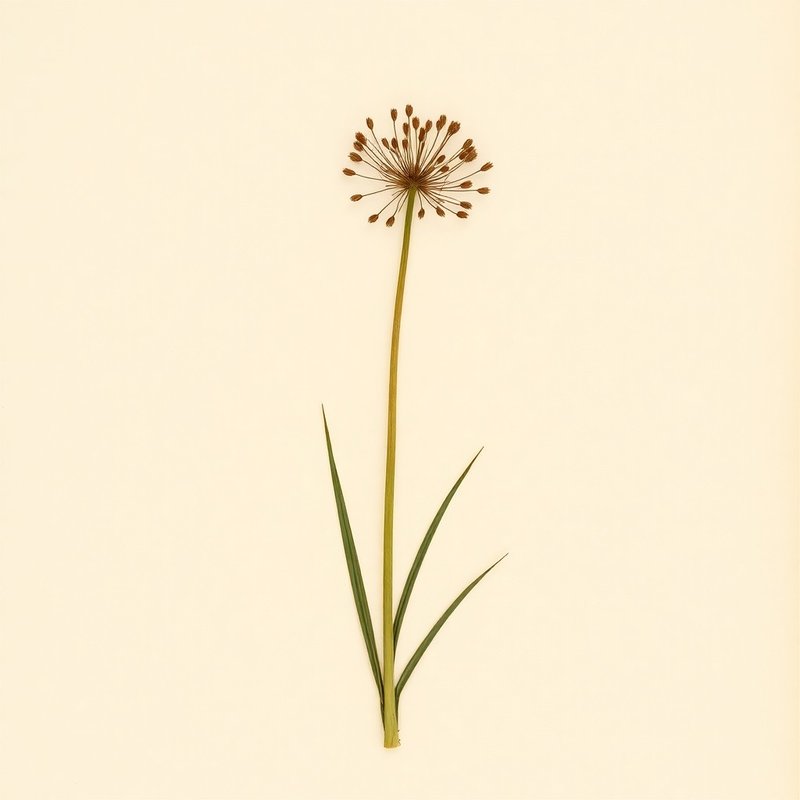
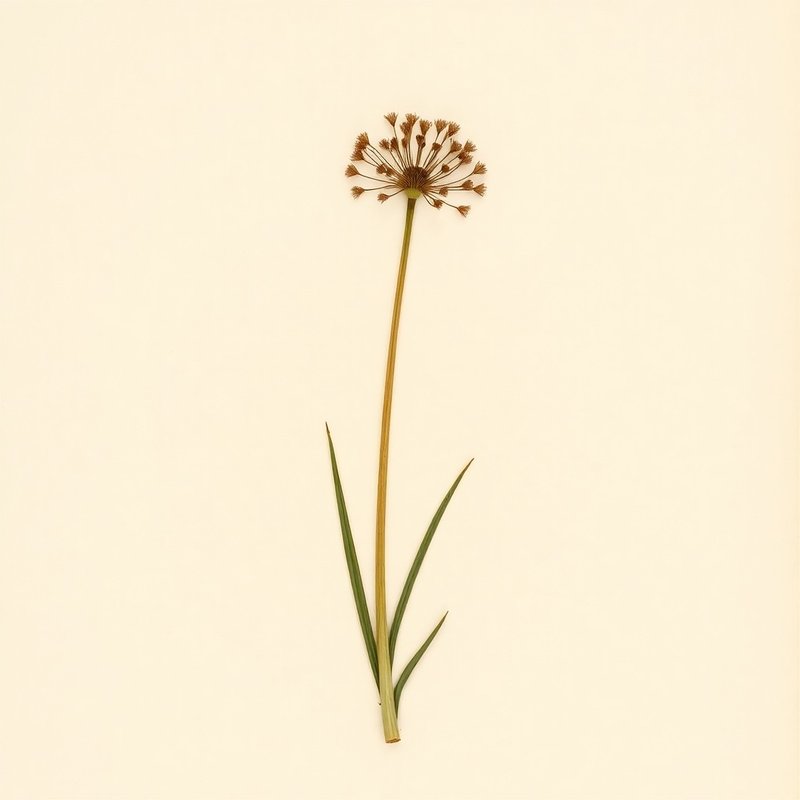
Specimen gallery
1 imageXSee also
8 related
See also
8 relatedPlants you might compare or use together — scored by shared family (Solaneae), common use cases, and growing requirements.
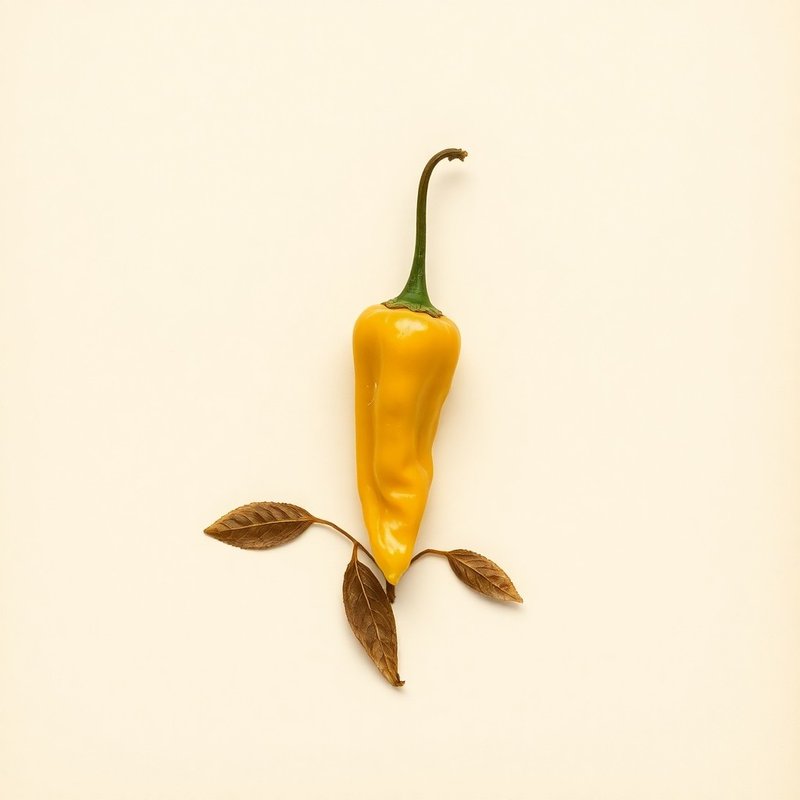
same family · Solaneae
Botanical relatives — often share phytochemistry + growing needs.
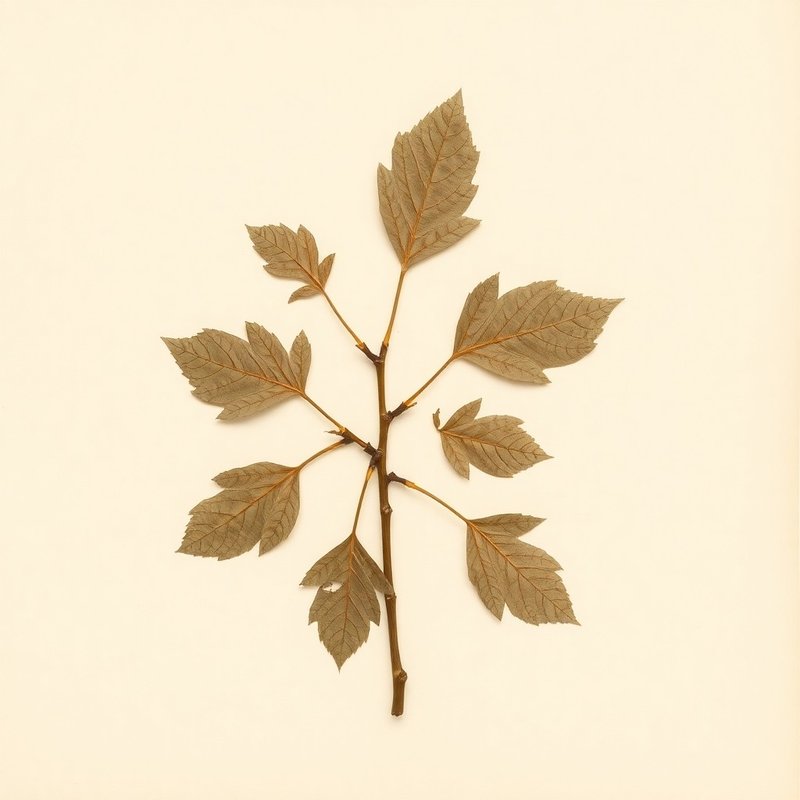
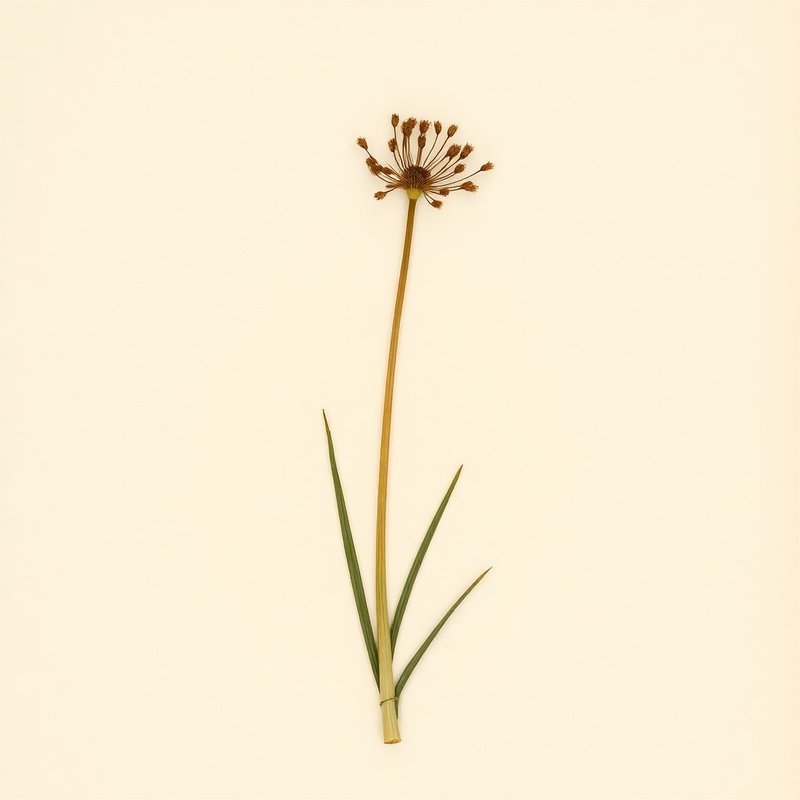
shared use cases
Different families, similar therapeutic role — good for comparing.


XI
Explore further
Companion planting
Health goals
Compare with similar plants
Growing zone
XII
About this entry
- Last updated
- Citation
- How to cite this entry · Submit a correction
Back to the cataloguePlant id · 4d95ed7b-5f6e-4c1f-b223-eaa6ace37594
Decision aid
Choosing between Capsicum pubescens and something else?
Continue reading
❦❦❦❦
Endpaper · archive updates
Get archive updates
Occasional email when substantial new content lands — plant profiles, seasonal growing notes, folk-remedy additions. Free, no tracking, unsubscribe anytime.