
Hoary Cress
IOverview
Overview
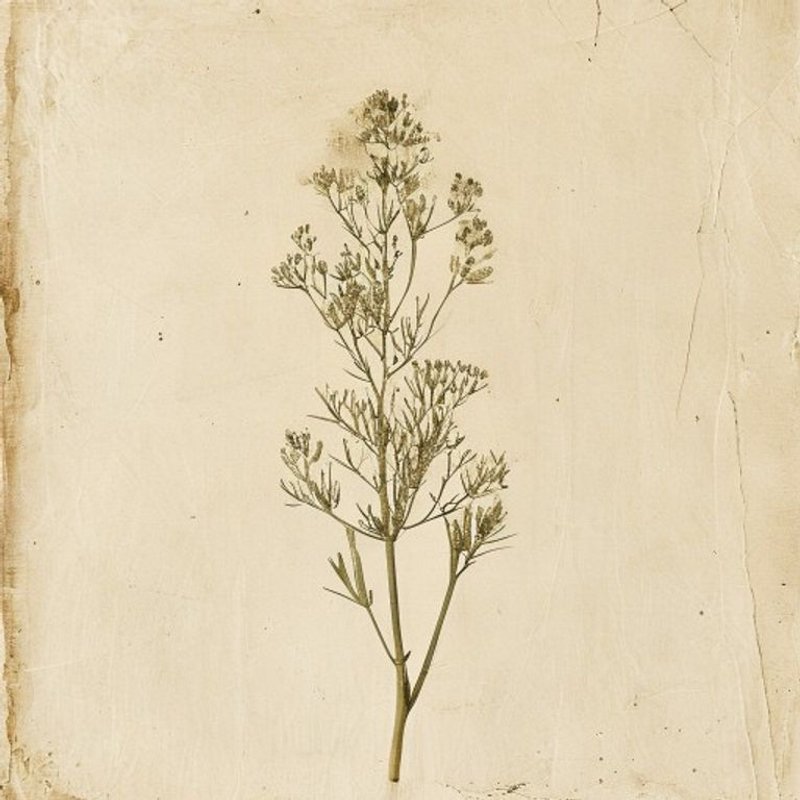
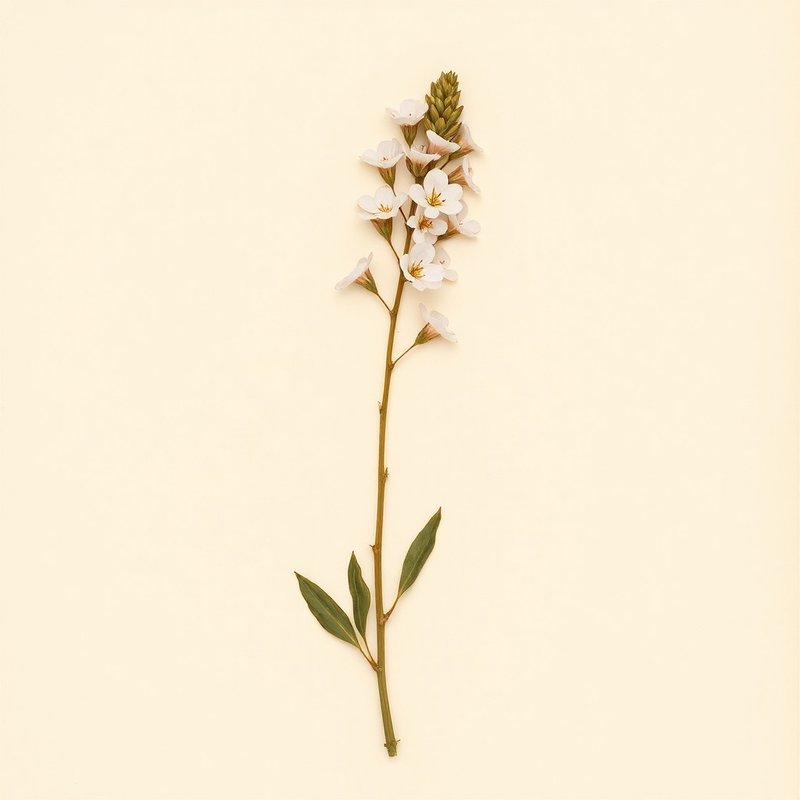
Hoary Cress (Cardaria draba) is a perennial plant belonging to the Brassicaceae family and is native to regions across Europe, Asia, and North Africa, including Albania, Bulgaria, Austria, China North-Central, and parts of Egypt and Iran. This plant can grow up to one meter tall and thrives in moist conditions with light (sandy), medium, or heavy (clay) soil types, preferring a pH range of 7.5–8. It is hardy in zones 5-9. Hoary Cress has distinctive features that set it apart from other plants. Its leaves and shoots are edible, making it useful as a condiment. The plant's light, airy appearance is due to fine hairs covering its stems and leaves, giving it a hoary or silvery look. This characteristic makes it easily identifiable in various habitats. While primarily found in its native range, Hoary Cress has been introduced to many other countries such as the United States, Canada, and parts of South America. Its adaptability and rapid growth have led to concerns about its potential as a weed. Due to its invasive nature, gardeners should be cautious when cultivating this plant. In cultivation, ensure that Hoary Cress grows in moist conditions with consistent watering but avoid waterlogging the soil. It prefers full sun to partial shade for optimal growth. Although not medicinal, its edible parts make it valuable for culinary use.
What is Hoary Cress?
Hoary Cress (Cardaria draba) is a perennial plant belonging to the Brassicaceae family and is native to regions across Europe, Asia, and North Africa, including Albania, Bulgaria, Austria, China North-Central, and parts of Egypt and Iran.
VCultivation
Cultivation
How to grow Hoary Cress for the first time
Hoary Cress is a hardy perennial that's easy to grow for beginners, but requires careful soil preparation and regular care.
- 1
What you'll need
Seeds or young plants, a container or garden bed with well-draining soil.
- 2
Best time to plant
Plant in early spring or late fall when the soil is cool and moist.
- 3
Soil and container prep
Choose a location that receives full sun. Ensure the soil is light, medium, or heavy with a pH of 7.5–8.
- 4
Sowing or transplanting
Direct sow seeds in the garden bed or start young plants indoors and transplant them later.
- 5
First two weeks
Keep soil consistently moist during germination, which takes about 10-20 days.
- 6
Ongoing care
Water regularly to maintain moisture levels. Fertilize with compost or organic matter once a year.
- 7
Harvest or pruning
Prune plants in late winter to encourage new growth and remove dead foliage as needed.
- 8
Common mistakes
Overwatering, planting in heavy clay soil, neglecting regular pruning, not providing enough sunlight, and using chemical fertilizers.
VIEdible & utility
Edible & utility
VIIDistribution
50 native · 80 introduced
Distribution
50 native · 80 introducedIXSpecimen gallery
1 image
Specimen gallery
1 imageXSee also
8 related
See also
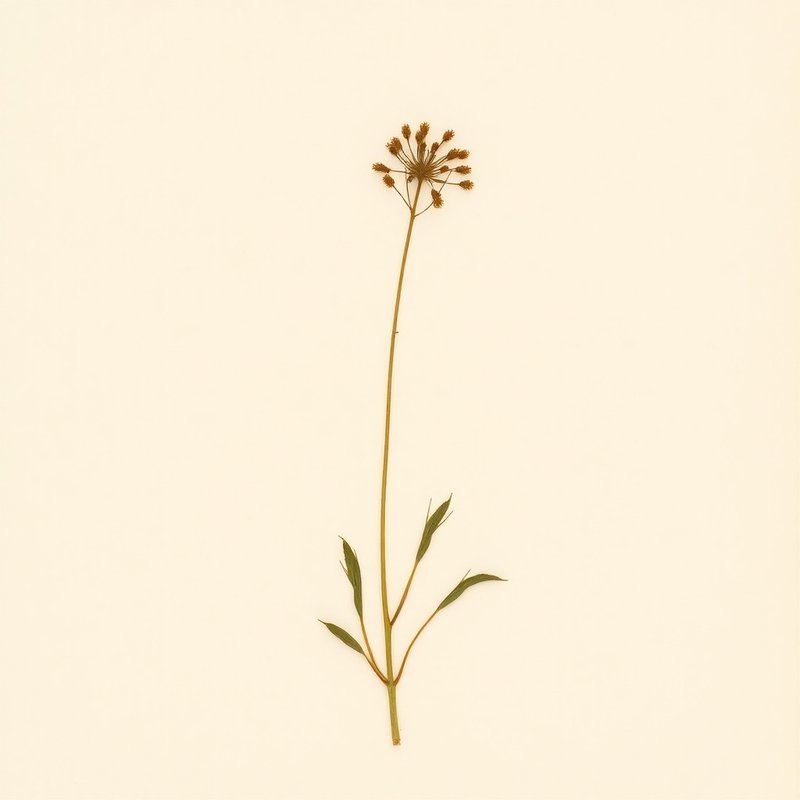
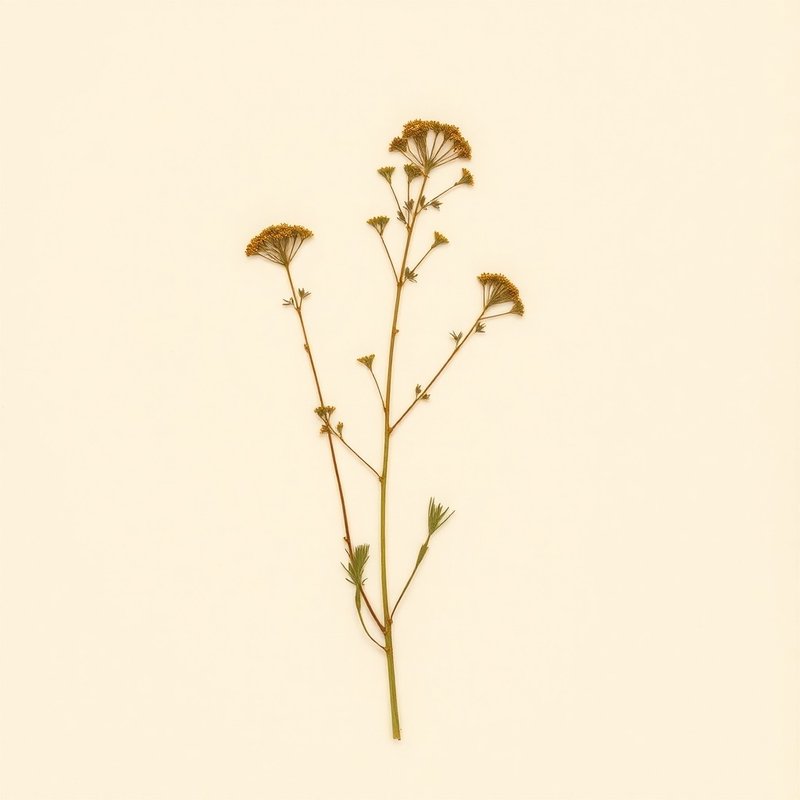
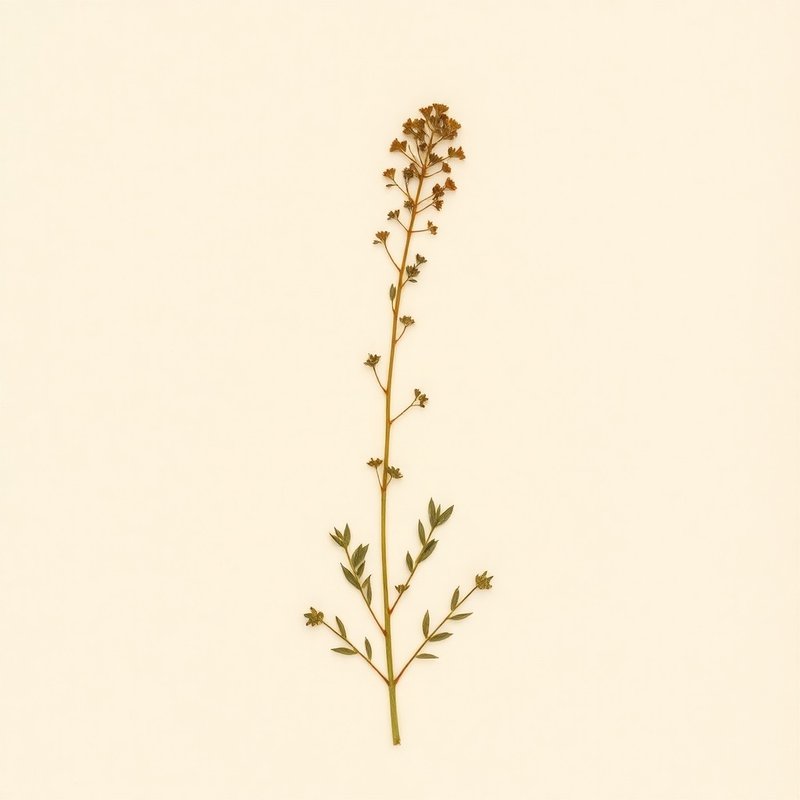
8 relatedPlants you might compare or use together — scored by shared family (Brassicaceae), common use cases, and growing requirements.

Explore further
About this entry
- Last updated
- Citation
- How to cite this entry · Submit a correction
Continue reading
Get archive updates
Occasional email when substantial new content lands — plant profiles, seasonal growing notes, folk-remedy additions. Free, no tracking, unsubscribe anytime.