
Scrub Hickory
Carya floridanafam. Juglandaceae
Educational content — not medical, botanical, or professional advice. Plant identification, safety, and edibility depend on local conditions, cultivars, and correct identification. Consult a qualified botanist or forager before consuming or handling wild specimens. How we source & review →
Garden journal pausedUse profile notes below

Pl. 9E9C — Carya floridana
Carya floridanaCarya floridanaCarya floridanaCarya floridanaCarya floridanaCarya floridanaCarya floridanaCarya floridanaCarya floridanaCarya floridanaCarya floridanaCarya floridanaCarya floridanaCarya floridana
IOverview
Overview
The scrub hickory (Carya floridana) is a deciduous tree native to Florida, known for its adaptability and ecological significance within the state's diverse ecosystems. Thriving in full sun, this hardy tree can tolerate both dry and moist conditions, making it well-suited to various soil types including light sandy, medium loamy, and heavy clay soils. Growing up to 20 meters tall, the scrub hickory plays a crucial role in Florida’s native flora, providing an important food source for wildlife and humans alike. The tree's seeds are edible and can be enjoyed raw or roasted, making them a valuable resource both in nature and on the dinner table. Additionally, they are used to make hickory nut butter, adding another layer of culinary utility. Scrub hickories are particularly notable for their ability to thrive in challenging environments, contributing significantly to their resilience and ecological importance. While not traditionally used medicinally, the scrub hickory's seeds offer nutritional benefits and can be a sustainable food source. However, caution should be exercised when consuming any wild plant, as proper identification is crucial to avoid potential risks.
Quick answers
What is Scrub Hickory?
The scrub hickory (Carya floridana) is a deciduous tree native to Florida, known for its adaptability and ecological significance within the state's diverse ecosystems.
Growingconditions · propagation · uses
VCultivation
Cultivation
The Scrub Hickory thrives in full sun and prefers well-drained to moist soils that can be light (sandy), medium, or heavy (clay). It is hardy in temperate regions but may struggle outside its native range in Florida. For propagation, seeds should be collected and planted directly in the ground after ripening. Watering needs vary depending on soil type; ensure good drainage to prevent waterlogging. This tree can grow up to 20 meters tall and produces edible seeds that are both nutritious and palatable.
Light
Full sun
Water
Dry, Moist
Soil
Light (sandy), Medium, Heavy (clay)
Mature size
20.0 m tall
For first-time growers
How to grow Scrub Hickory for the first time
7steps
Start with a simple planting of Scrub Hickory to experience growing a tree from scratch.
- 1
What you'll need
A Scrub Hickory seed, a small trowel, and some mulch.
- 2
Best time to plant
Plant in late winter or early spring when the soil is moist but not waterlogged.
- 3
Soil and container prep
Ensure the soil is well-draining. For containers, use a mix of light sandy soil and clay for better drainage.
- 4
Sowing or transplanting
Plant seeds 2-3 cm deep in the ground or pot. Keep them moist until they germinate.
- 5
First two weeks
Water regularly to keep the soil consistently moist but not soggy. Monitor for any signs of mold or rot.
- 6
Ongoing care
Provide full sun and water only when the soil is dry. Fertilize sparingly, if at all, as too much can harm the tree.
- 7
Harvest or pruning
Prune young trees to shape them properly. Scrub Hickory seeds are edible but not commonly harvested.
VIEdible & utility
Edible & utility
Edible parts:Seed
Edible uses: The scrub hickory's seed is edible and can be eaten raw or roasted. It is also used in making hickory nut butter.
Other uses:Fire starter
Contextrange · companions · related
VIIDistribution
1 native · 0 introduced
Distribution
1 native · 0 introducedDistribution across0 continents· 1 native
Broader regions
native:Florida
IXSpecimen gallery
1 image
Specimen gallery
1 imageXSee also
8 related
See also
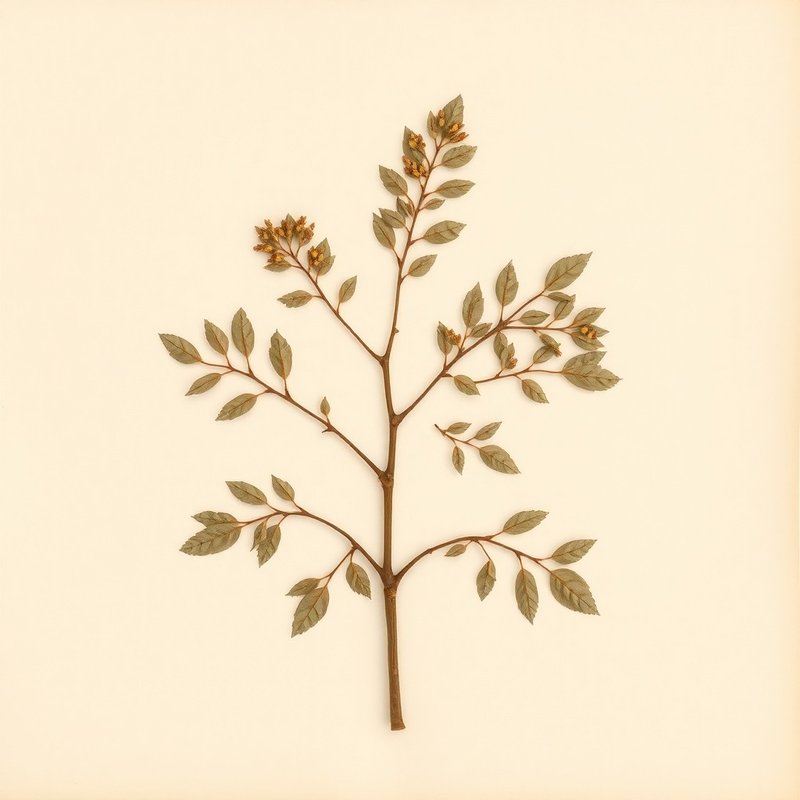
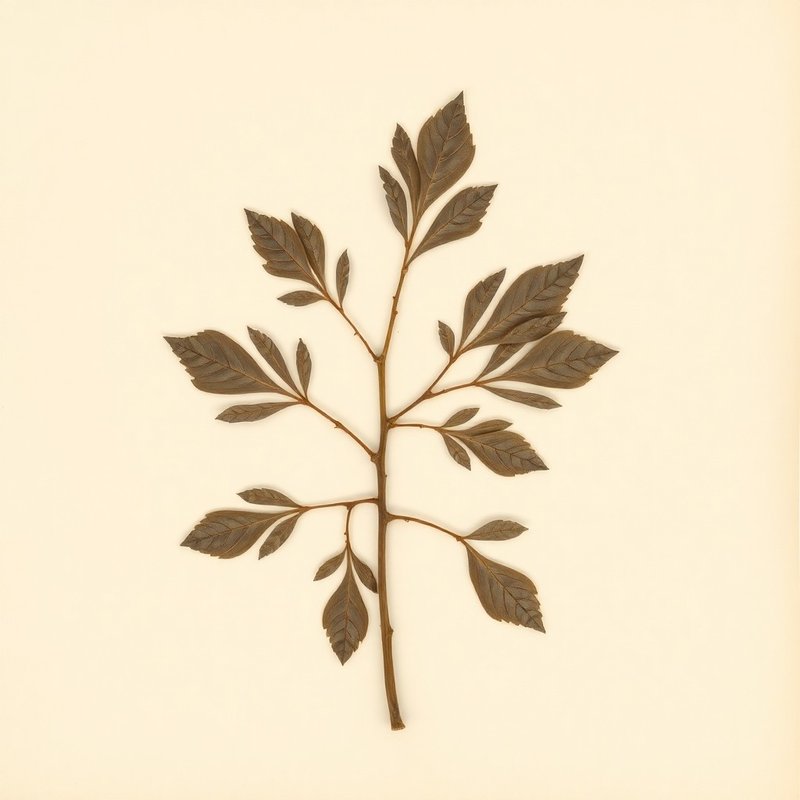
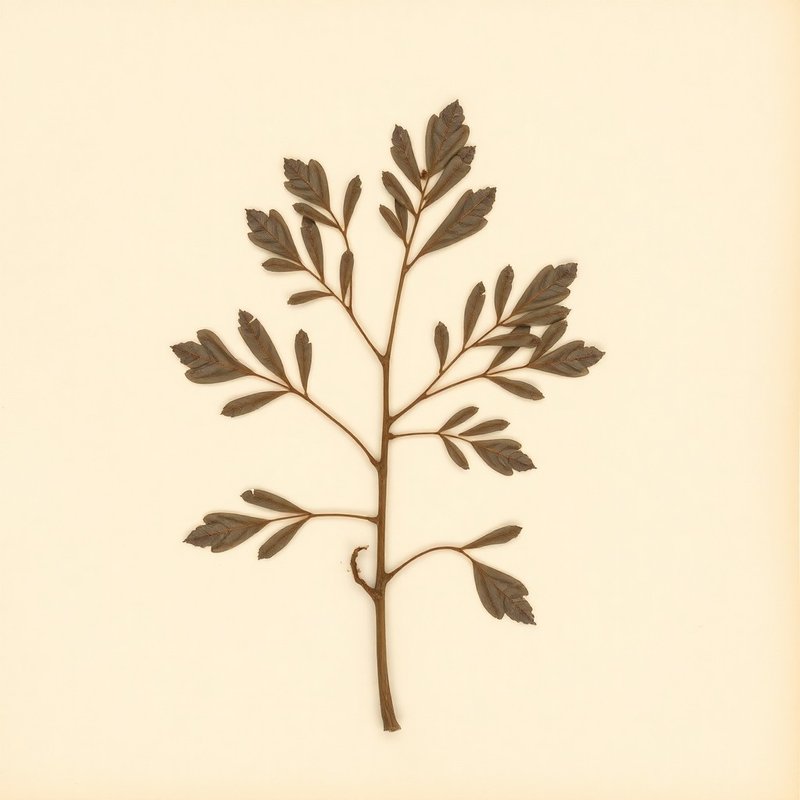
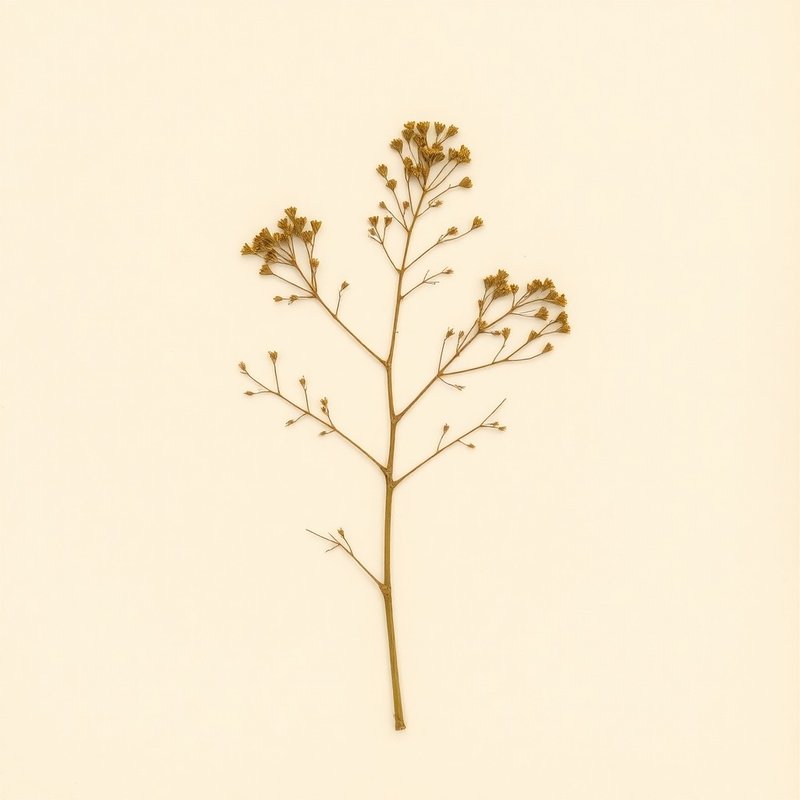
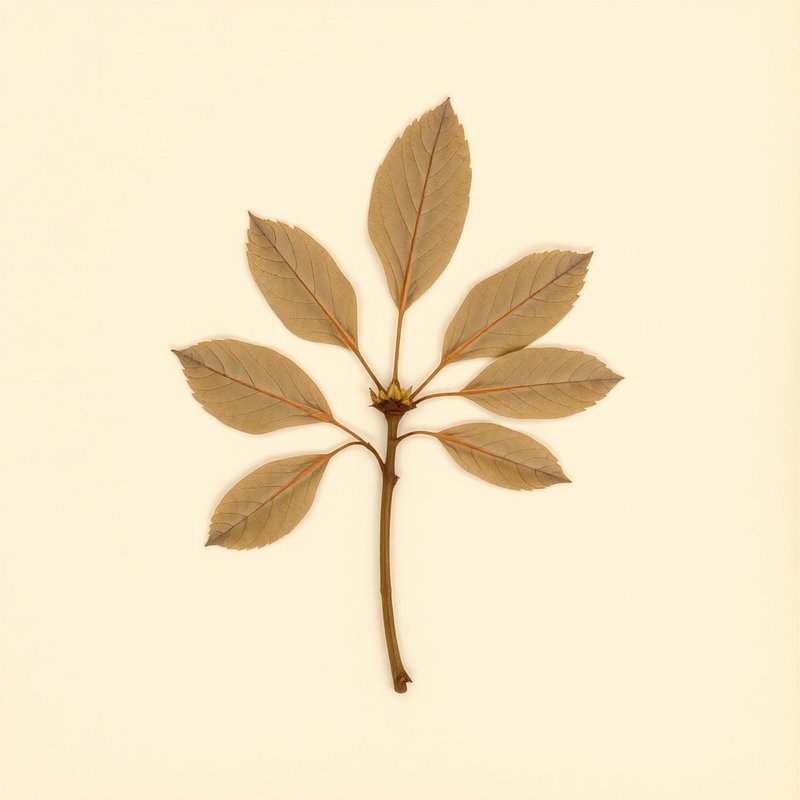
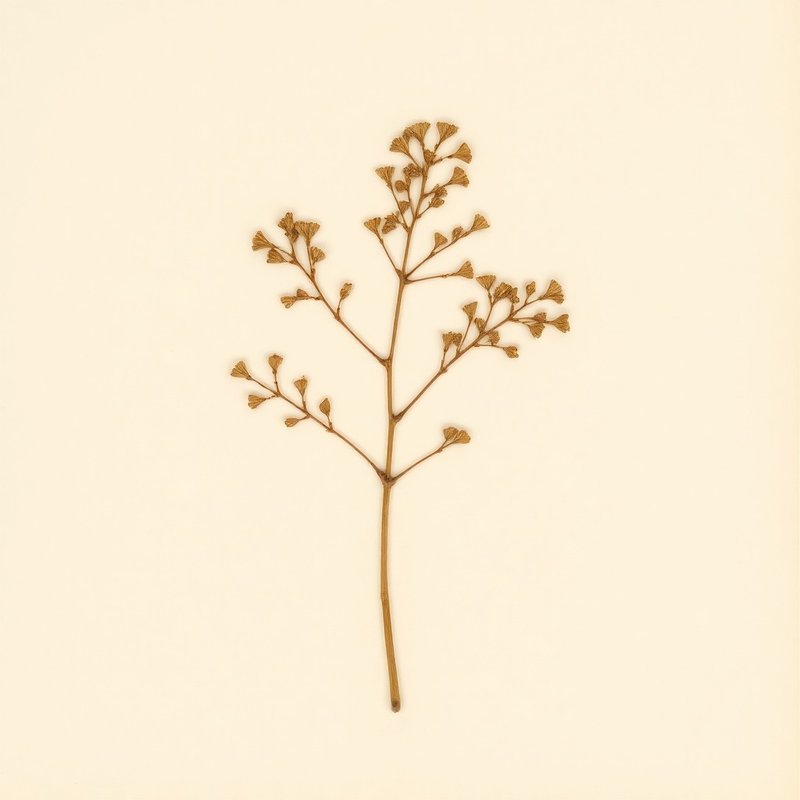
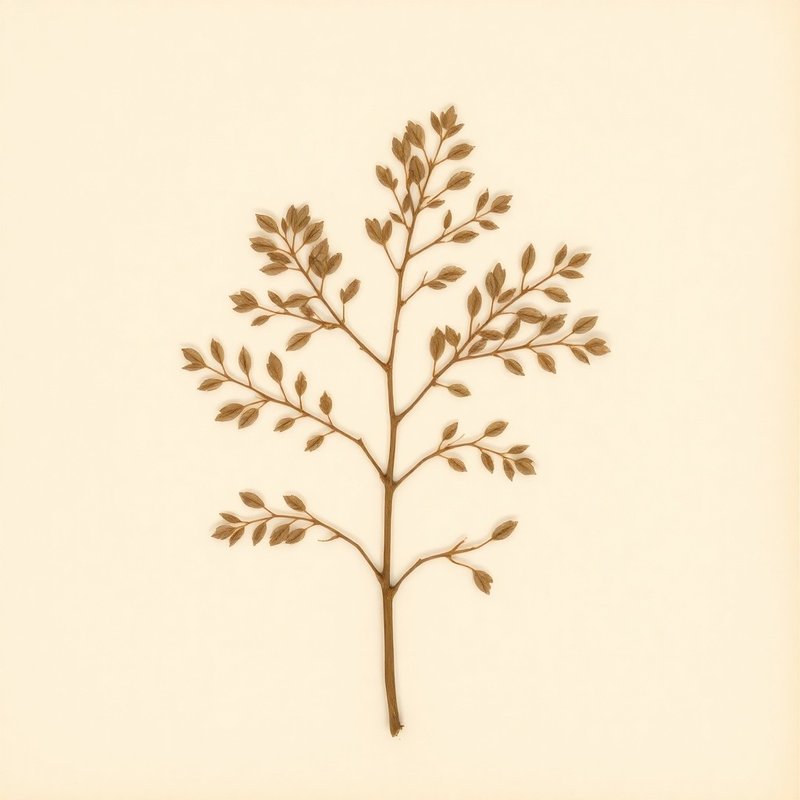
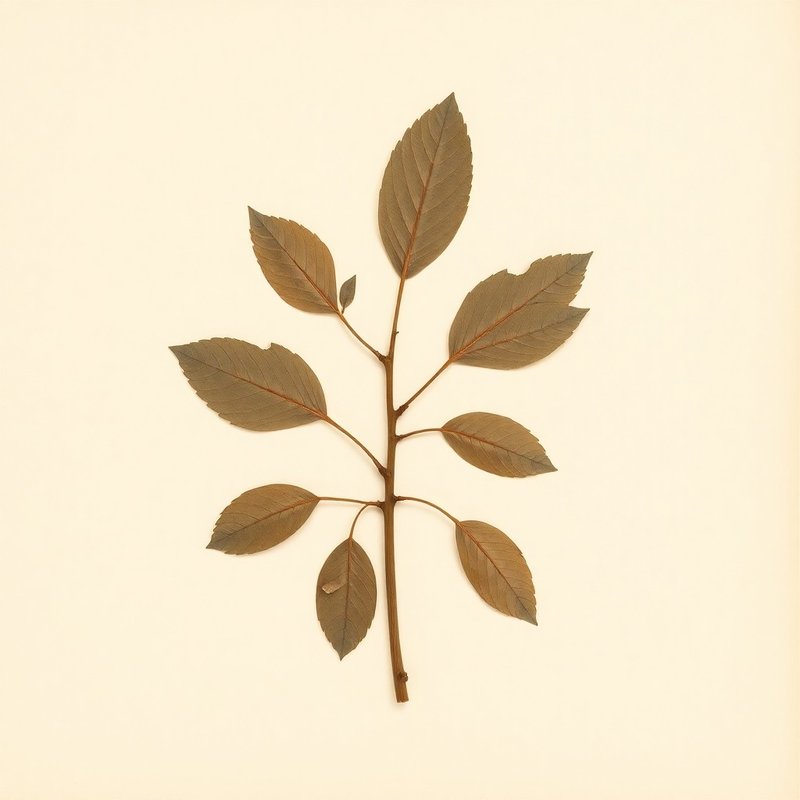
8 relatedPlants you might compare or use together — scored by shared family (Juglandaceae), common use cases, and growing requirements.
same family · Juglandaceae
Botanical relatives — often share phytochemistry + growing needs.
XI
Explore further
Companion planting
Compare with similar plants
Native to
XII
About this entry
- Last updated
- Citation
- How to cite this entry · Submit a correction
Back to the cataloguePlant id · 9e9c33f5-6ce3-4686-8b63-1626026160cd
Decision aid
Choosing between Scrub Hickory and something else?
Continue reading
❦❦❦❦
Endpaper · archive updates
Get archive updates
Occasional email when substantial new content lands — plant profiles, seasonal growing notes, folk-remedy additions. Free, no tracking, unsubscribe anytime.
Newsletter returning soon.
We are rebuilding the update list around a lightweight editorial workflow. New dispatches will resume after the next content review cycle.