
Centaurea chamaerhaponticum
Centaurea chamaerhaponticumfam. Asteraceae
Educational content — not medical, botanical, or professional advice. Plant identification, safety, and edibility depend on local conditions, cultivars, and correct identification. Consult a qualified botanist or forager before consuming or handling wild specimens. How we source & review →
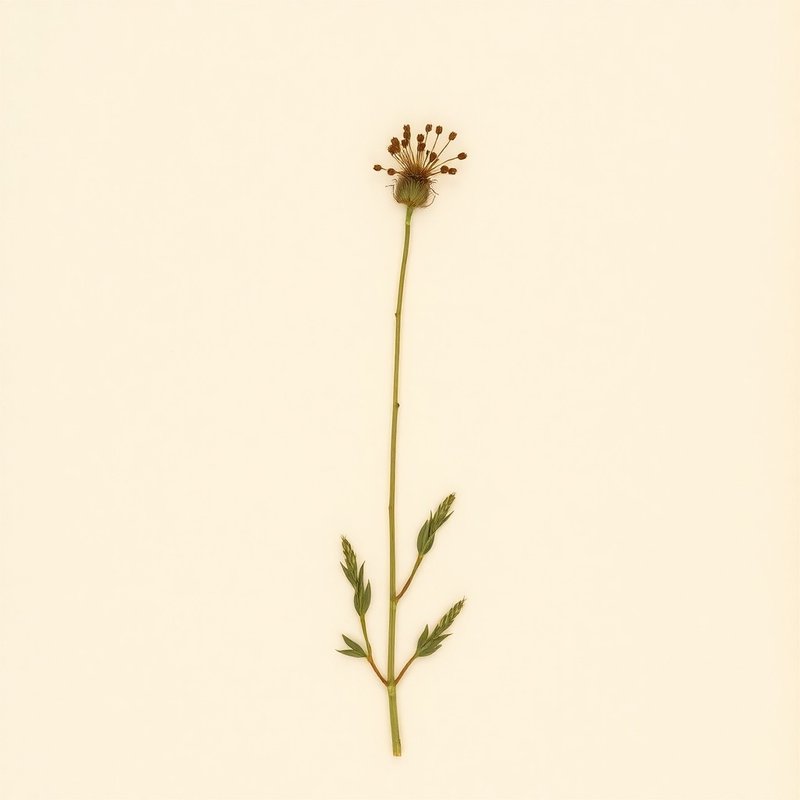
Pl. F86E — Centaurea chamaerhaponticum
Centaurea chamaerhaponticumCentaurea chamaerhaponticumCentaurea chamaerhaponticumCentaurea chamaerhaponticumCentaurea chamaerhaponticumCentaurea chamaerhaponticumCentaurea chamaerhaponticumCentaurea chamaerhaponticumCentaurea chamaerhaponticumCentaurea chamaerhaponticumCentaurea chamaerhaponticumCentaurea chamaerhaponticumCentaurea chamaerhaponticumCentaurea chamaerhaponticum
IOverview
Overview
Centaurea chamaerhaponticum, known as Algerian knapweed or Tunisian centaury, is a perennial plant native to the Mediterranean regions of Algeria and Tunisia. This member of the Asteraceae family thrives in full sun with varying soil types—light (sandy), medium, and heavy (clay)—and can tolerate both dry and moist conditions. The plant's edible roots make it a valuable resource for those seeking wild edibles. One distinctive feature is its ability to adapt to diverse environments, making it a resilient choice for gardeners and foragers alike.
Quick answers
What is Centaurea chamaerhaponticum?
Centaurea chamaerhaponticum, known as Algerian knapweed or Tunisian centaury, is a perennial plant native to the Mediterranean regions of Algeria and Tunisia.
Growingconditions · propagation · uses
VCultivation
Cultivation
Centaurea chamaerhaponticum thrives in full sun and prefers well-drained soils that are light (sandy), medium, or heavy (clay). It is adaptable to both dry and moist conditions but generally requires less water once established. The plant can be propagated through root division. Hardy in temperate regions, it is native to Algeria and Tunisia and is edible, with its roots being the parts used.
Light
Full sun
Water
Dry, Moist
Soil
Light (sandy), Medium, Heavy (clay)
For first-time growers
How to grow Centaurea chamaerhaponticum for the first time
7steps
Start with basic care for Centaurea chamaerhaponticum, focusing on simple planting and maintenance.
- 1
What you'll need
A small trowel, seeds or young plants, a container or garden bed.
- 2
Best time to plant
Plant in spring after the last frost or in fall before the first freeze.
- 3
Soil and container prep
Use well-draining soil with a mix of light (sandy), medium, or heavy clay soils. Ensure containers have drainage holes.
- 4
Sowing or transplanting
Direct sow seeds in the garden or start them indoors 4-6 weeks before planting outside. Transplant young plants if needed.
- 5
First two weeks
Water sparingly to avoid waterlogging, ensuring soil stays slightly moist but not soggy.
- 6
Ongoing care
Provide full sun and minimal watering once established. Prune dead leaves or flowers as needed.
- 7
Harvest or pruning
Prune back after flowering to encourage new growth and prevent self-seeding.
VIEdible & utility
Edible & utility
Edible parts:Root
Edible uses: The root of Centaurea chamaerhaponticum is edible and can be prepared in various ways. It is typically dug up and used fresh or dried before being added to dishes raw or cooked. Skip the specific preparation method details as they were not provided in the data.
Contextrange · companions · related
VIIDistribution
2 native · 2 introduced
Distribution
2 native · 2 introducedDistribution across2 continents· 2 native· 2 introduced
Europe2 regions
introduced (2)FranceItaly
Africa2 regions
native (2)AlgeriaTunisia
IXSpecimen gallery
1 image
Specimen gallery
1 imageXSee also
8 related
See also
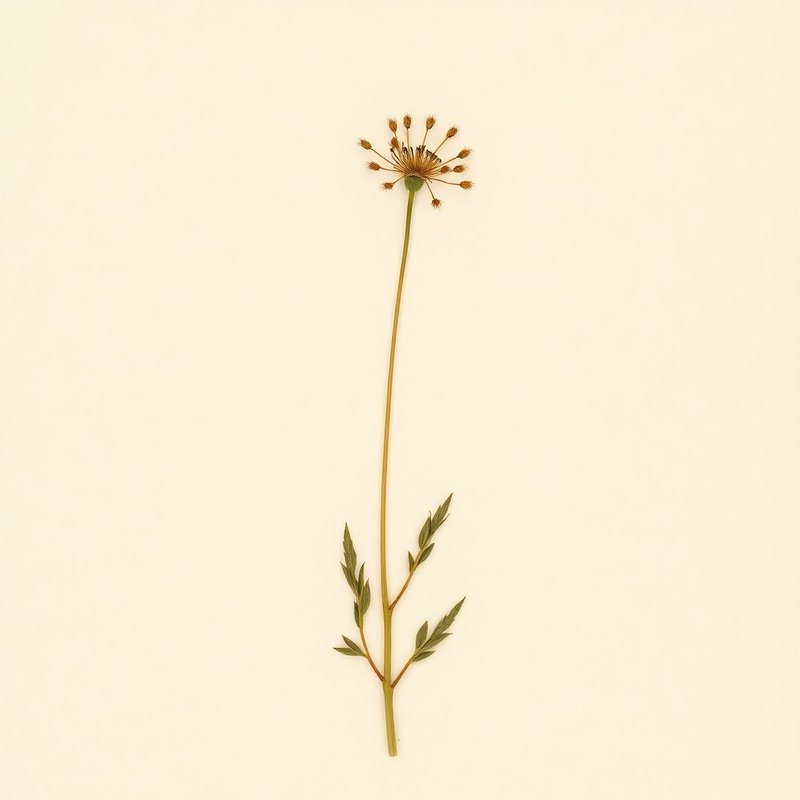
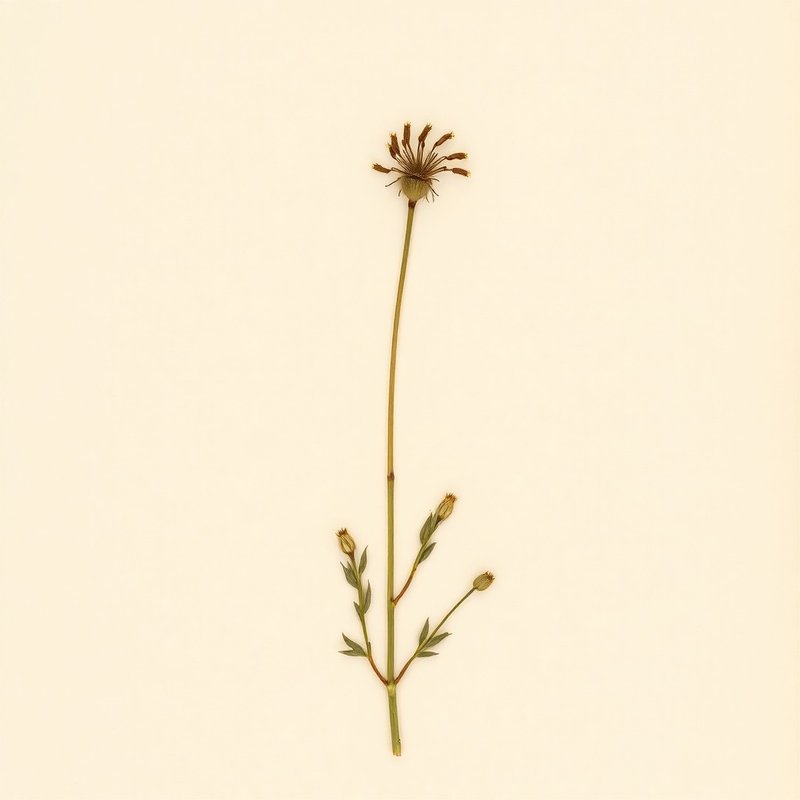
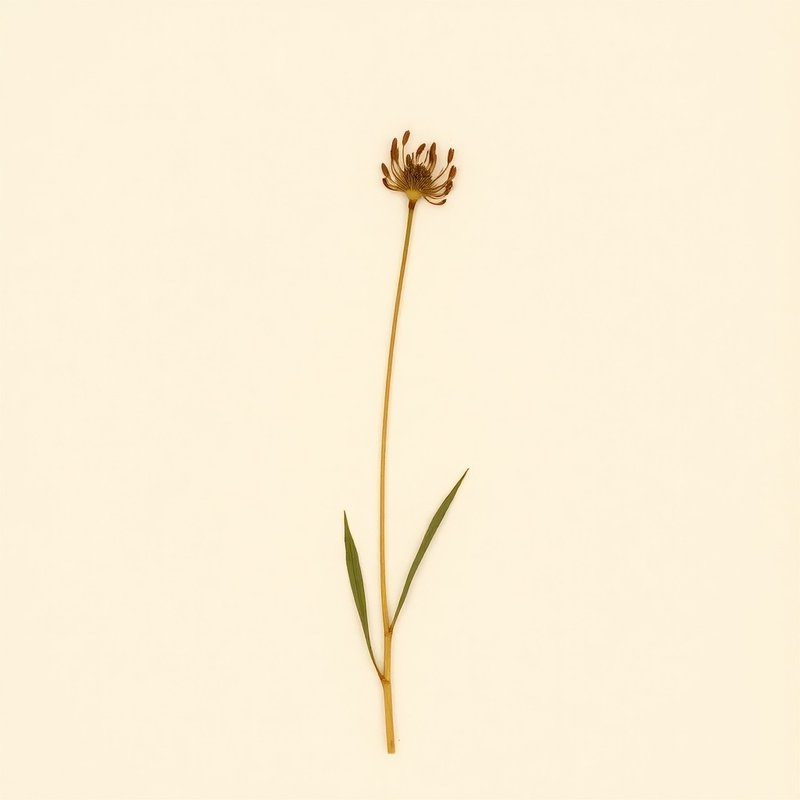
8 relatedPlants you might compare or use together — scored by shared family (Asteraceae), common use cases, and growing requirements.
same family · Asteraceae
Botanical relatives — often share phytochemistry + growing needs.

XI
Explore further
Companion planting
Compare with similar plants
XII
About this entry
- Last updated
- Citation
- How to cite this entry · Submit a correction
Back to the cataloguePlant id · f86e783e-cf85-48bd-a0f9-d15d28044b8e
Decision aid
Choosing between Centaurea chamaerhaponticum and something else?
Continue reading
❦❦❦❦
Endpaper · archive updates
Get archive updates
Occasional email when substantial new content lands — plant profiles, seasonal growing notes, folk-remedy additions. Free, no tracking, unsubscribe anytime.